
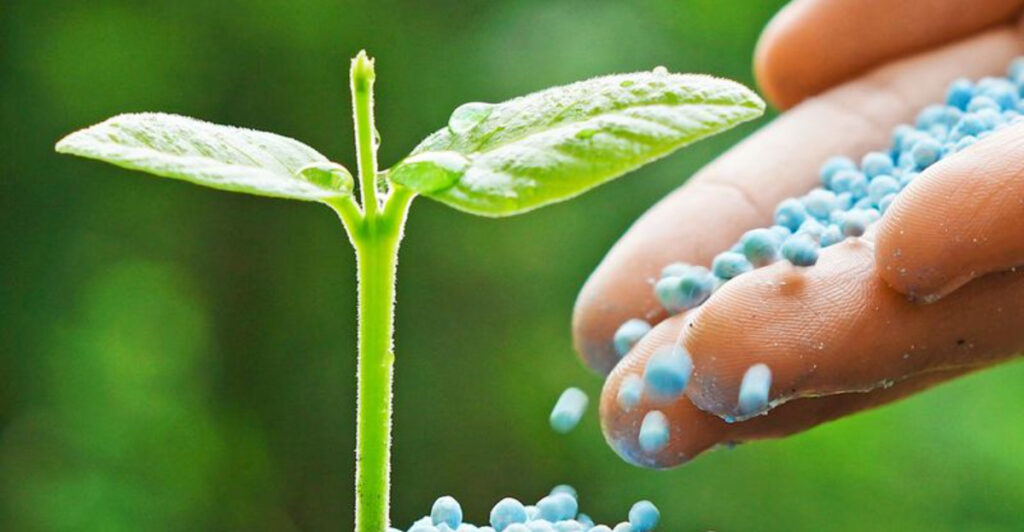
Discover expert techniques for accelerating seed growth, ensuring your flowers and crops thrive quickly and efficiently. With precise methods and innovative approaches, these eight tricks are designed to enhance germination and promote robust plant development.
1. Start with Fresh, High-Quality Seeds & Sterile Mix
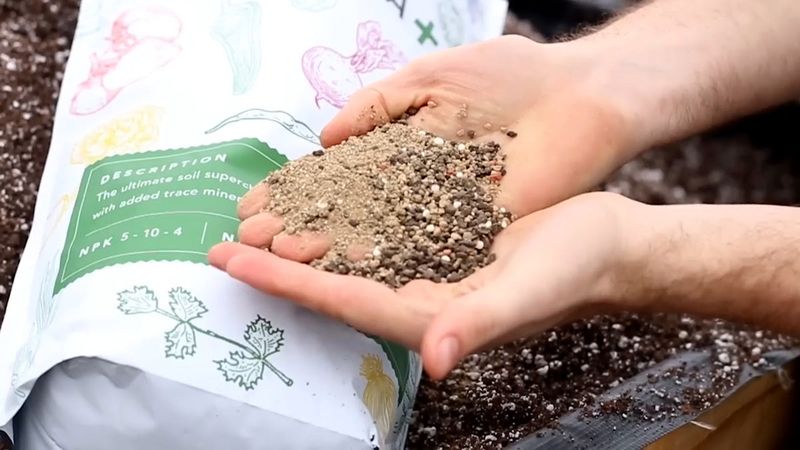
Starting with fresh, high-quality seeds is essential. Seeds lose vigor if stored improperly, so always check the ‘packed for’ date and purchase from reputable suppliers. This ensures you have the best start possible. Use a sterile seed-starting mix instead of garden soil. A light, sterile mix allows tiny roots to penetrate easily while minimizing mold spores. This attention to detail helps create optimal conditions for germination. Consider the environment and conditions where you’ll store and plant the seeds, as these factors significantly impact growth.
2. Pre-Soak or “Prime” Your Seeds
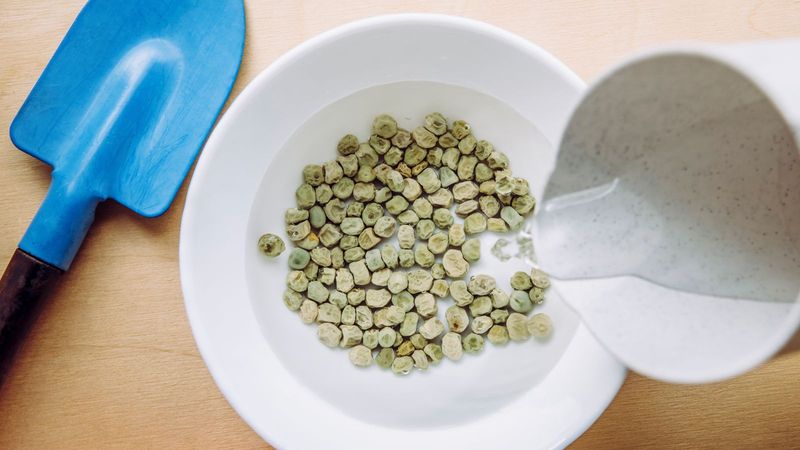
Pre-soaking seeds can dramatically enhance growth rates. Large or hard-coated seeds like peas, beans, and corn benefit the most. Soaking seeds in warm water for 6-12 hours initiates the imbibition process. For an added boost, include a teaspoon of hydrogen peroxide per cup of water. This not only oxygenates the water but also disinfects the seed surface, promoting healthier growth. This technique is particularly effective for jumpstarting difficult seeds, giving them the best chance to thrive.
3. Scarify or Stratify Those Tough Seed Coats
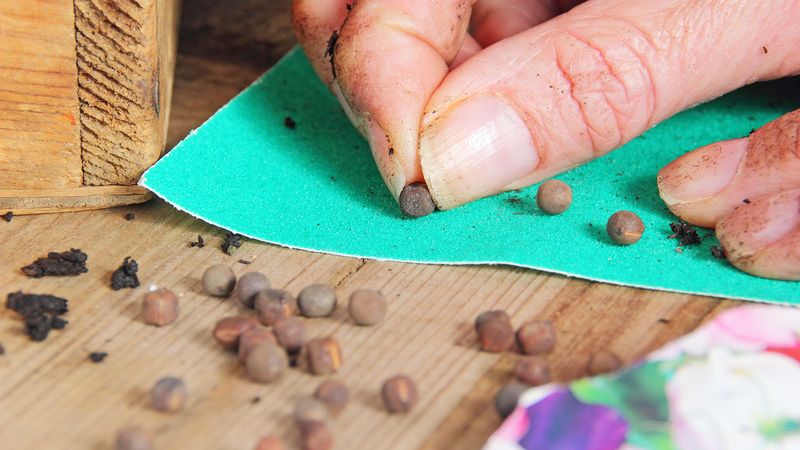
Breaking through tough seed coats is crucial for some plants. Scarifying seeds, such as morning glories or sweet peas, involves lightly sanding or nicking them to allow moisture absorption. In contrast, stratifying seeds like foxglove involves mimicking winter conditions. Place these seeds in a damp paper towel inside the fridge for 1 to 4 weeks. Both techniques break dormancy, ensuring seeds are ready to grow when planted. These processes are essential for certain plant species with naturally hard or dormant seeds.
4. Provide Bottom Heat for Steady Warmth
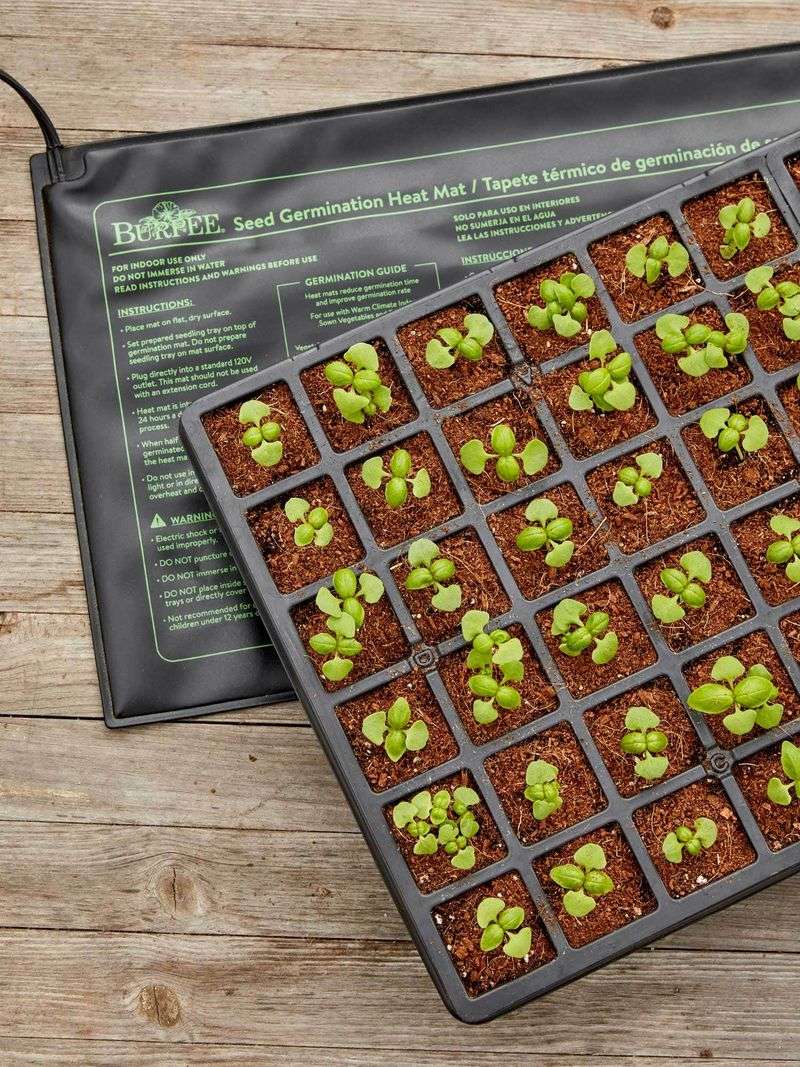
Providing bottom heat can significantly reduce germination times. Placing seed trays on an electric heat mat set to 21-26°C (70-80°F) offers steady warmth. This consistent root-zone temperature encourages faster germination compared to room-temperature soil. The gentle warmth stimulates seedling growth by providing an ideal environment. This technique is beneficial for seeds requiring warm conditions, ensuring a vibrant start to your gardening journey. Heat mats are easily available and can be used for various seed types.
5. Lock in Humidity with a Dome or Plastic Cover
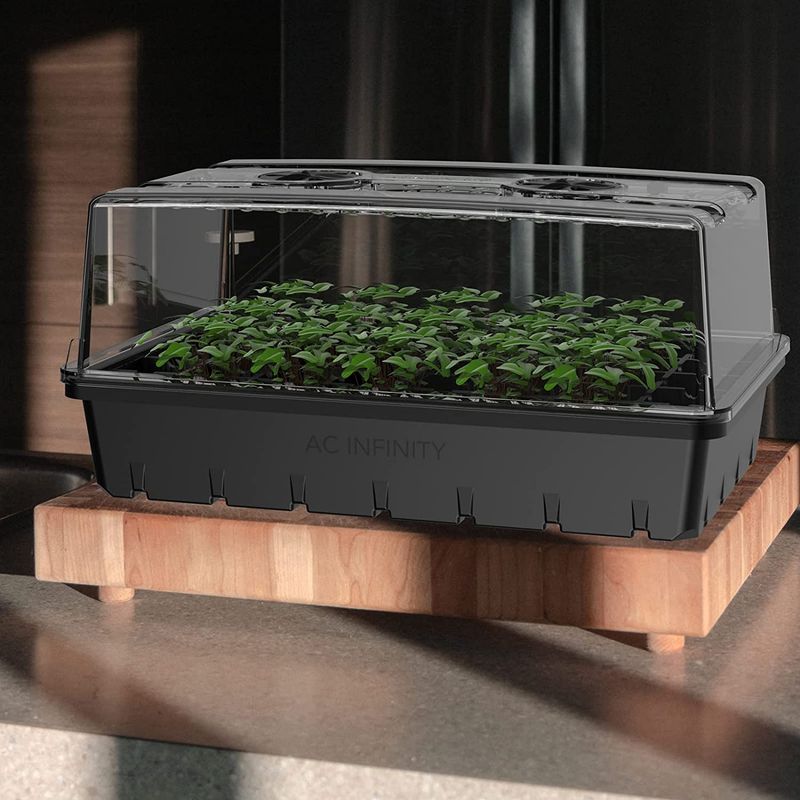
Maintaining humidity is key to successful germination. Covering seed trays with a clear humidity dome or plastic wrap keeps the relative humidity near 100% until sprouts appear. This environment mimics ideal germination conditions. Once the green tips emerge, it’s crucial to remove or vent the cover to prevent fungal growth. The balance between humidity and airflow is essential for healthy seedling development. This technique is especially useful in dry climates or when indoor air lacks moisture.
6. Hit Germinating Seeds with Bright, Cool Light
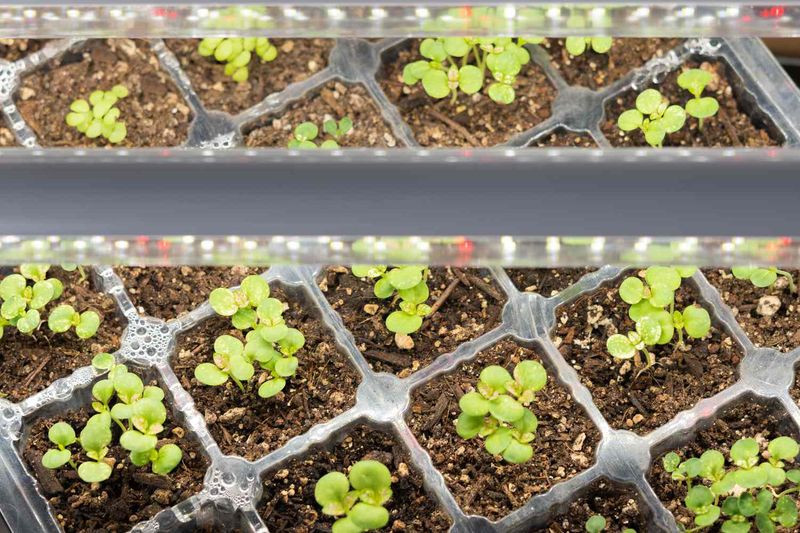
As soon as seedlings emerge, provide them with bright, cool light. Using fluorescent or LED grow lights placed 5-10 cm above the seedlings, running for 14-16 hours per day, ensures compact growth. This prevents legginess and supports strong development. Cool-white tubes or full-spectrum LEDs are ideal for this purpose. Adequate lighting mimics natural sunlight, which is crucial for photosynthesis. This technique guarantees your seedlings receive the energy needed to grow into robust plants.
7. Ensure Gentle Airflow & Avoid Damping-Off

Creating gentle airflow around seedlings strengthens their stems and reduces humidity, preventing mold. A small fan on low setting is sufficient. Sterilizing trays and pots between uses further minimizes the risk of fungal issues. Watering from below also keeps surface moisture in check, protecting delicate seedlings from damping-off. This holistic approach to airflow and moisture management ensures healthy growth. It’s a strategy appreciated by both novice gardeners and seasoned horticulturists.
8. Feed Early with a Weak Fertilizer or Bio-Stimulant
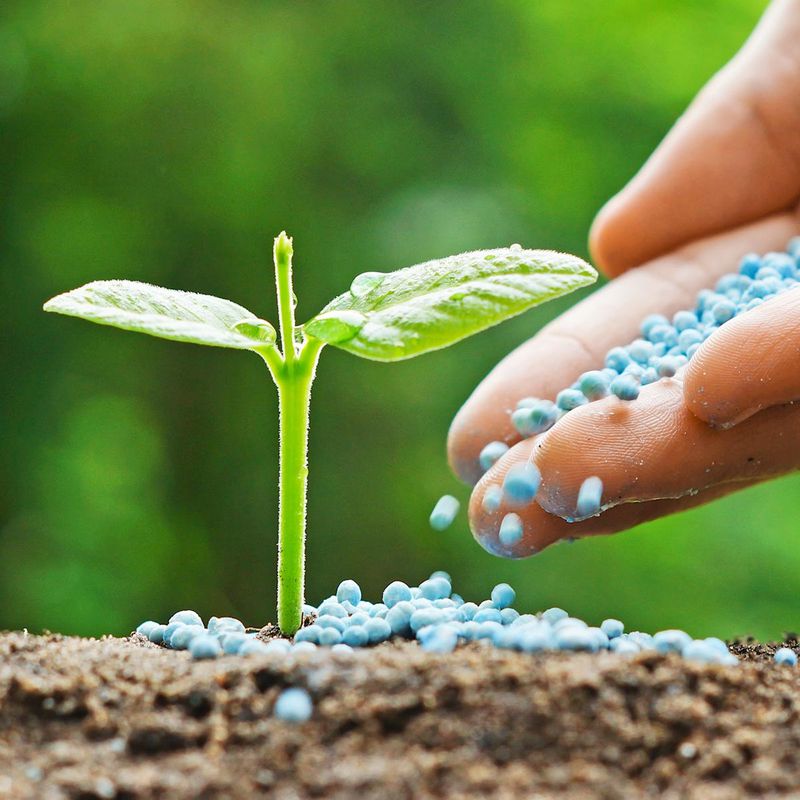
Once true leaves appear, it’s time to feed your seedlings. A quarter-strength soluble fertilizer (5-10-5 NPK) or a seaweed/fish-emulsion foliar spray can be used. This early nourishment jumpstarts root and leaf development, encouraging seedlings to outgrow their trays quickly. Providing the right nutrients supports vigorous and healthy growth. This method is a favorite among gardeners aiming for lush, rapid development. The choice of fertilizer should align with the specific needs of your plants for optimal results.