
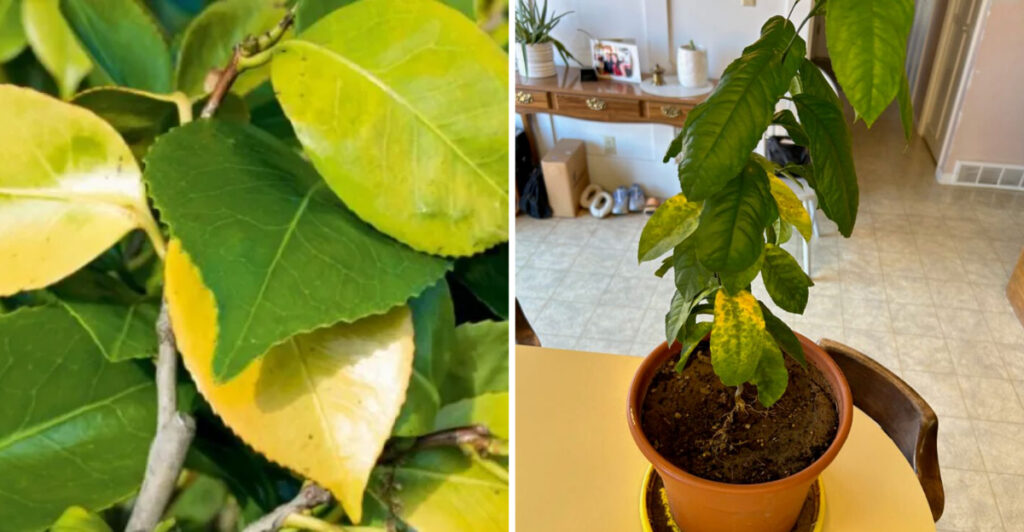
Lemon trees are a beloved addition to gardens and homes, providing not only beauty but also a bounty of citrus fruits. However, yellowing leaves can be a common concern for lemon tree owners. Understanding the underlying causes of this issue is crucial to ensure the health and productivity of your tree. In this article, we will explore ten possible reasons why your lemon tree leaves might be turning yellow and provide insights on how to address each problem effectively.
1. Nutrient Deficiency
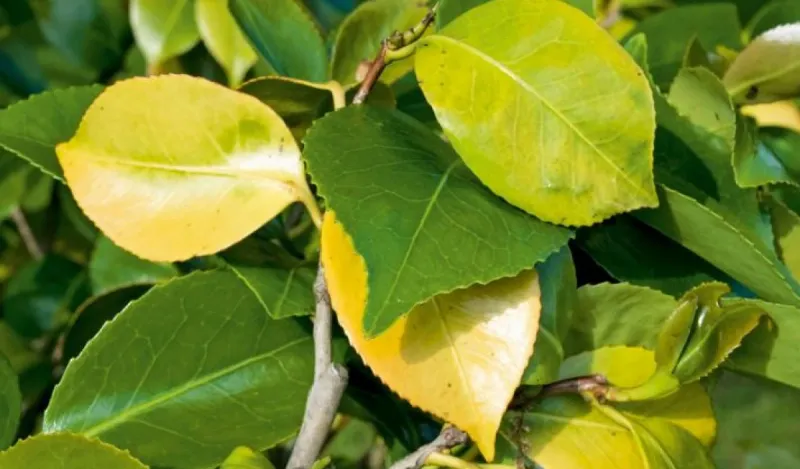
A healthy lemon tree needs a balanced diet of nutrients to thrive. One common reason for yellowing leaves is a deficiency in essential nutrients like nitrogen, iron, or magnesium. These nutrients are vital for photosynthesis and overall plant growth. Without them, the leaves can lose their vibrant green color.
Typically, nitrogen deficiency shows as uniform yellowing of older leaves, while iron deficiency often affects new leaves. Addressing this issue involves adjusting your fertilization routine. Using a fertilizer with these essential nutrients can help restore your tree’s health and color.
2. Overwatering
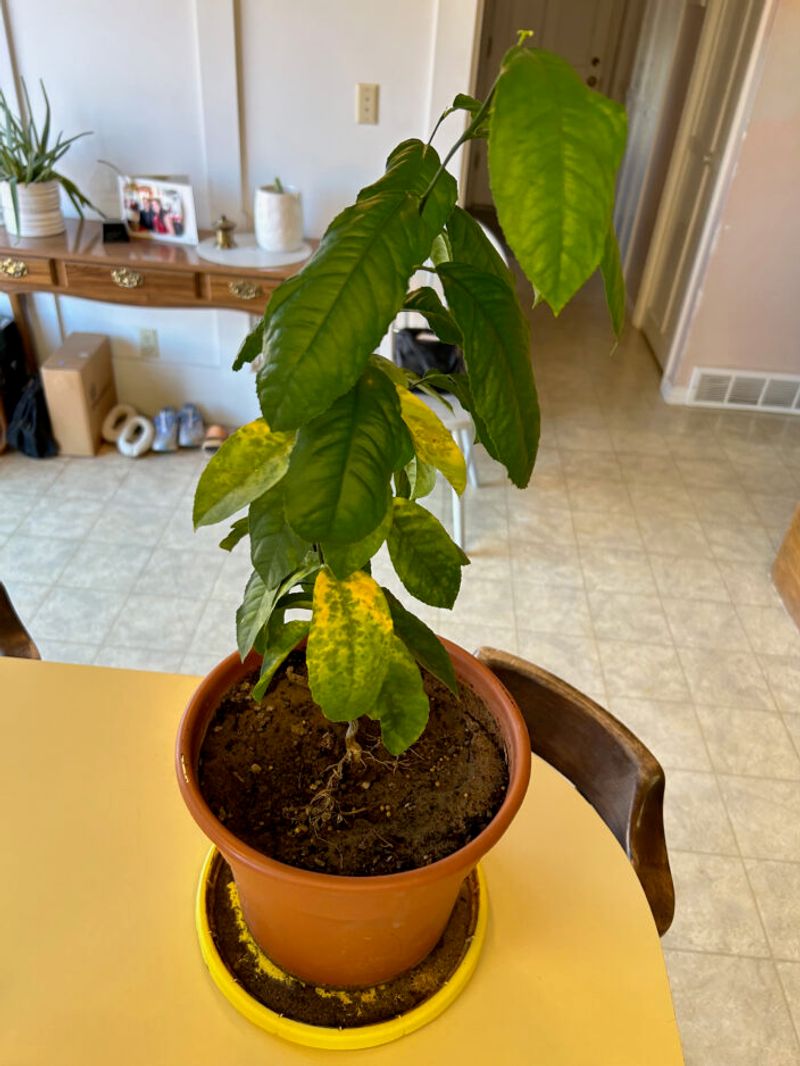
Water is crucial for the survival of any plant, yet too much of it can be harmful. Overwatering can lead to yellowing leaves as the roots become waterlogged and oxygen-starved. This condition prevents the tree from absorbing nutrients effectively.
The roots drowned in excess water may rot, hindering the tree’s health. To prevent this, ensure your lemon tree is planted in well-draining soil and adjust your watering schedule. Allowing the soil to dry out between waterings can promote healthier roots and greener leaves.
3. Poor Drainage
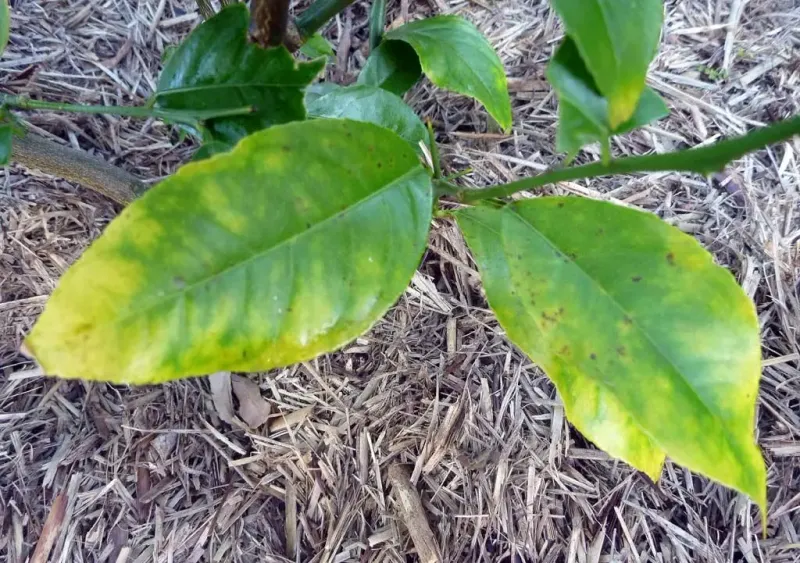
Imagine trying to thrive in a swamp; poor drainage creates a similar challenge for lemon trees. When soil doesn’t drain well, it can cause root stress and yellowing leaves. Clay soils are particularly notorious for this issue, as they retain water for longer periods.
Improving drainage involves amending soil with organic matter or creating raised beds. Ensuring your lemon tree is planted in well-draining soil helps prevent waterlogged roots. This, in turn, can lead to healthier, more vibrant foliage.
4. Pests and Diseases
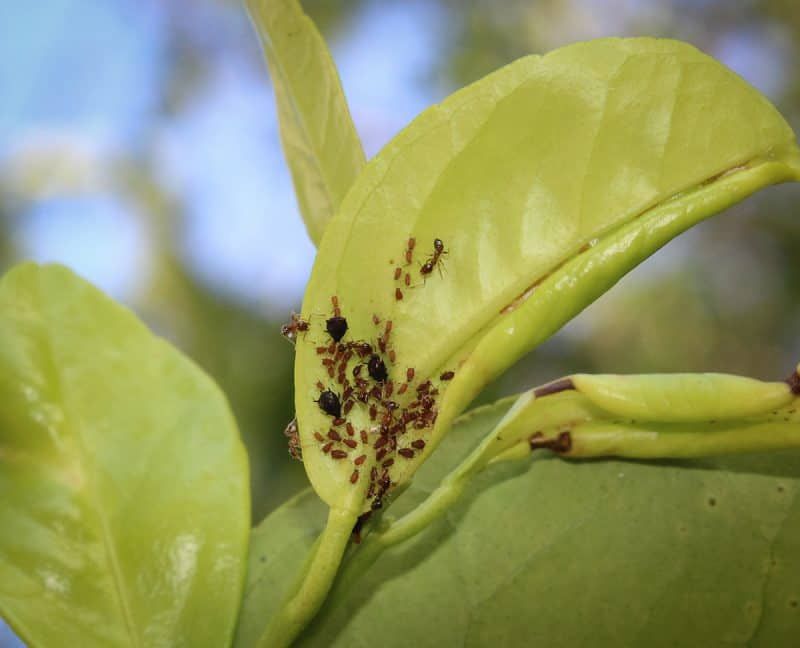
Unwanted visitors like pests can wreak havoc on lemon trees, causing leaves to turn yellow. Common pests such as aphids, spider mites, and scales feed on the sap, depriving the tree of nutrients. Additionally, diseases like citrus canker can cause similar symptoms.
Regular inspection of the tree can help in early identification of these issues. Implementing integrated pest management or using organic pesticides can control infestations. Addressing diseases promptly with proper care ensures the tree remains healthy and green.
5. Temperature Stress
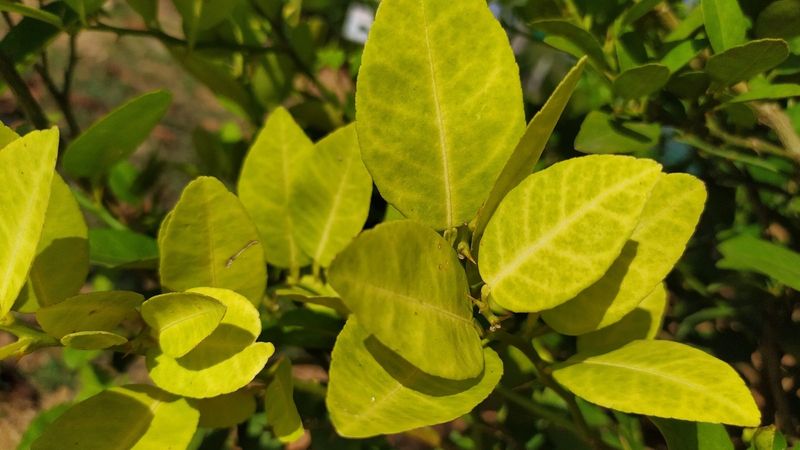
Lemon trees thrive in mild climates, but temperature extremes can lead to yellowing foliage. Both frost and excessive heat can stress the plant, causing leaves to lose their color.
Frost damage often results in wilting and yellowing, while heat stress can cause the leaves to curl and dry out. Providing shade during extreme heat and protection from frost can mitigate these effects. Ensuring a stable environment helps maintain healthy, green leaves.
6. Incorrect pH Levels
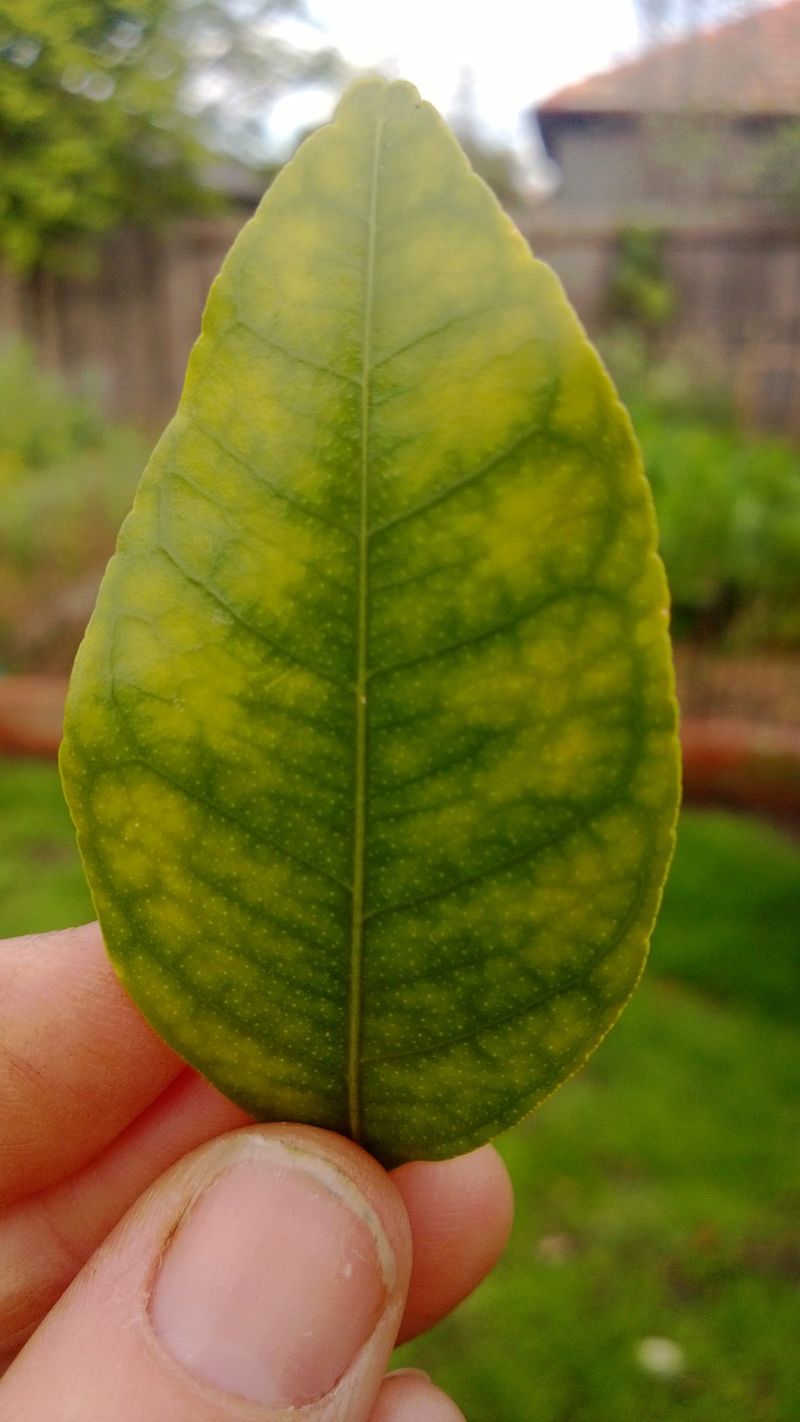
Soil pH plays a vital role in nutrient availability for lemon trees. If the pH level is too high or too low, it can cause nutrient lockout, leading to yellowing leaves. Lemon trees prefer slightly acidic soil, around a pH of 6-7.
Testing the soil pH and adjusting as needed can help. Using soil amendments like sulfur to lower the pH or lime to raise it can ensure nutrients are available to the tree. This adjustment can result in healthier foliage.
7. Transplant Shock
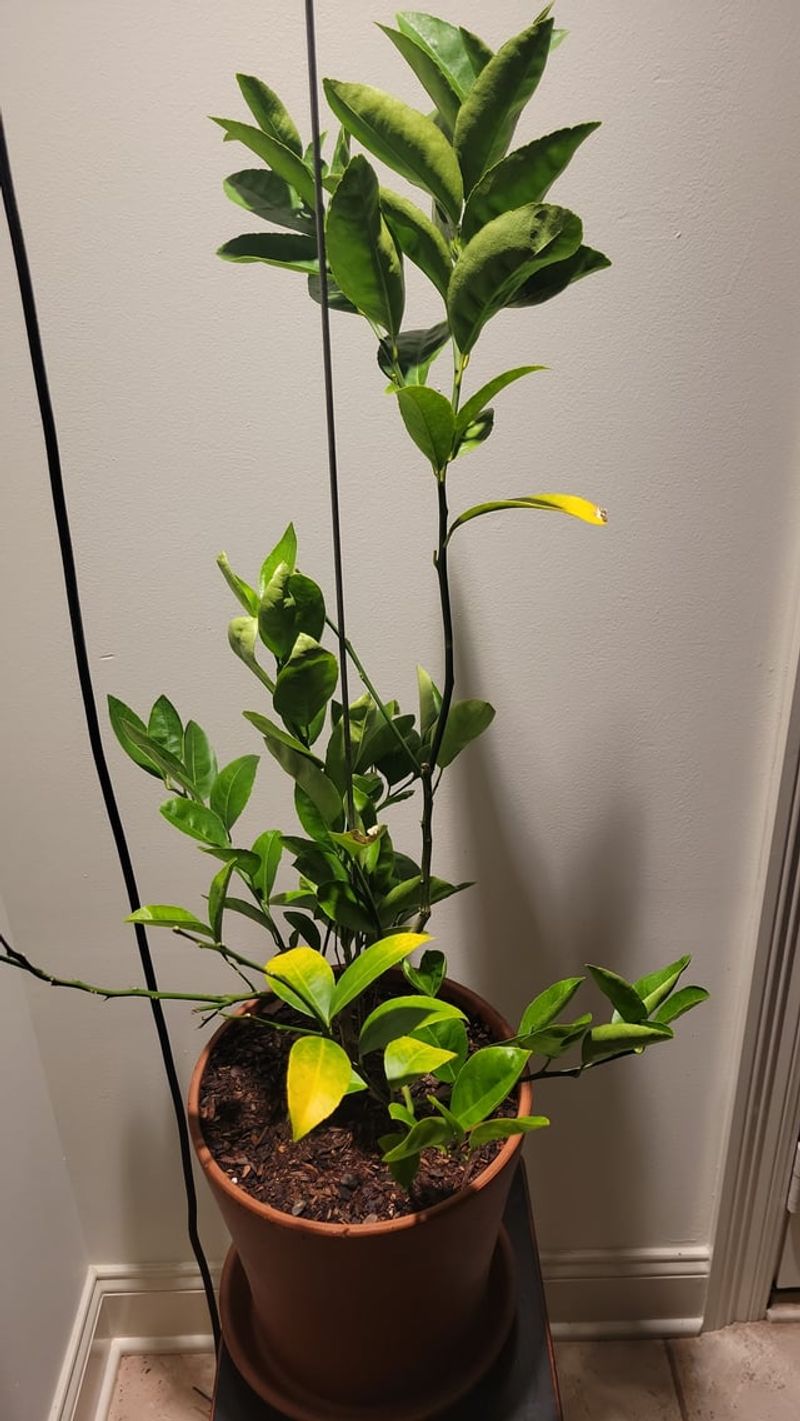
Moving to a new home can be stressful, and the same applies to lemon trees. Transplant shock may occur when a tree is moved, causing yellowing leaves as it adjusts to its new environment. Roots may become disturbed, affecting nutrient uptake.
Providing consistent care and patience is key. Ensure the tree is watered adequately and shielded from harsh conditions. Over time, the tree should acclimate, leading to vigorous growth and greener leaves.
8. Insufficient Light
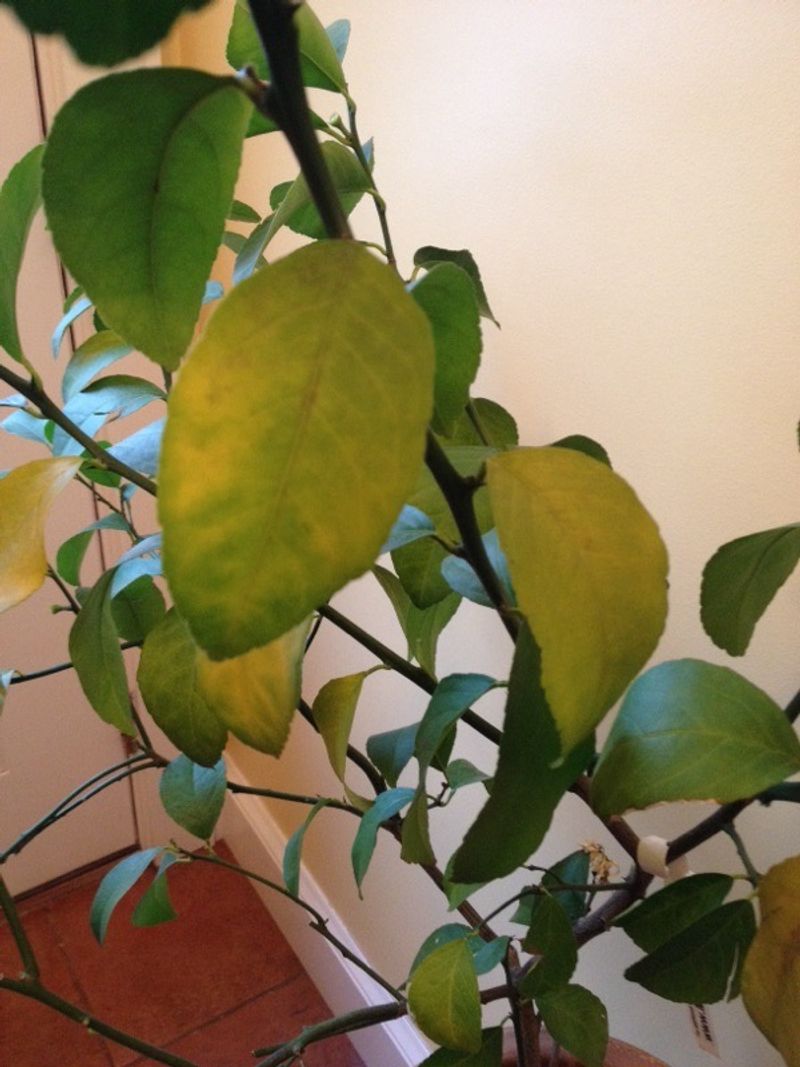
Sunlight is essential for photosynthesis, and insufficient light can cause lemon tree leaves to yellow. Indoor trees or those in shaded areas may not receive enough sunlight, affecting their health.
To combat this, place your tree in a location where it receives at least 6-8 hours of direct sunlight daily. Supplemental grow lights can also be used to ensure the tree gets adequate light. Proper lighting conditions can help maintain vibrant foliage.
9. Over-fertilization
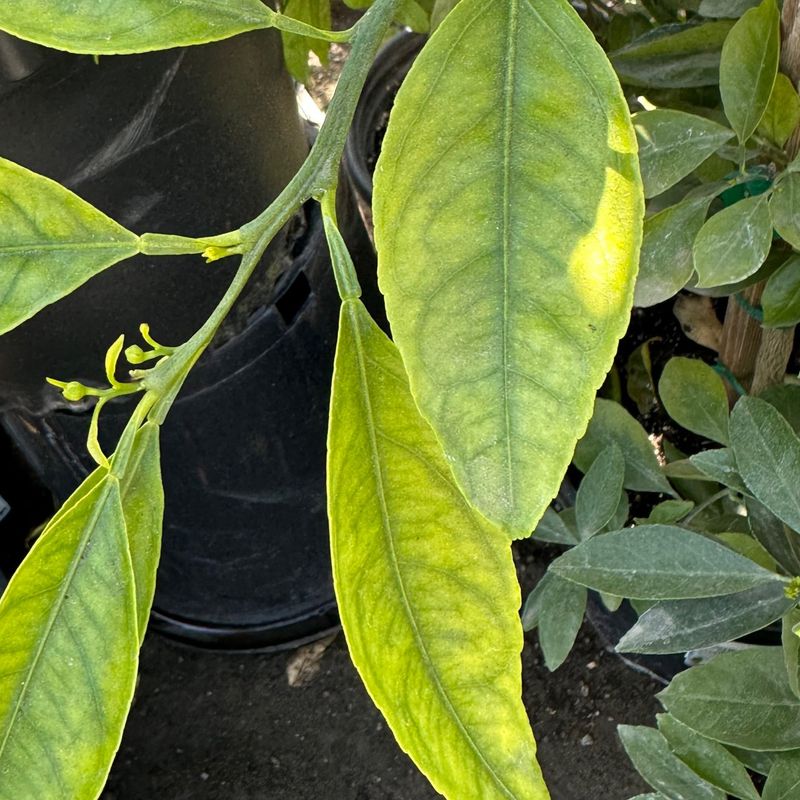
Fertilizers are meant to nourish plants, but too much can be detrimental. Over-fertilization can lead to a buildup of salts in the soil, causing yellowing leaves and root damage. This condition, known as fertilizer burn, can hinder the tree’s growth.
Following package instructions and using fertilizers as directed ensures that the tree receives the right amount. Flushing the soil with water can help remove excess salts, allowing the tree to recover and regain its health.
10. Root Damage
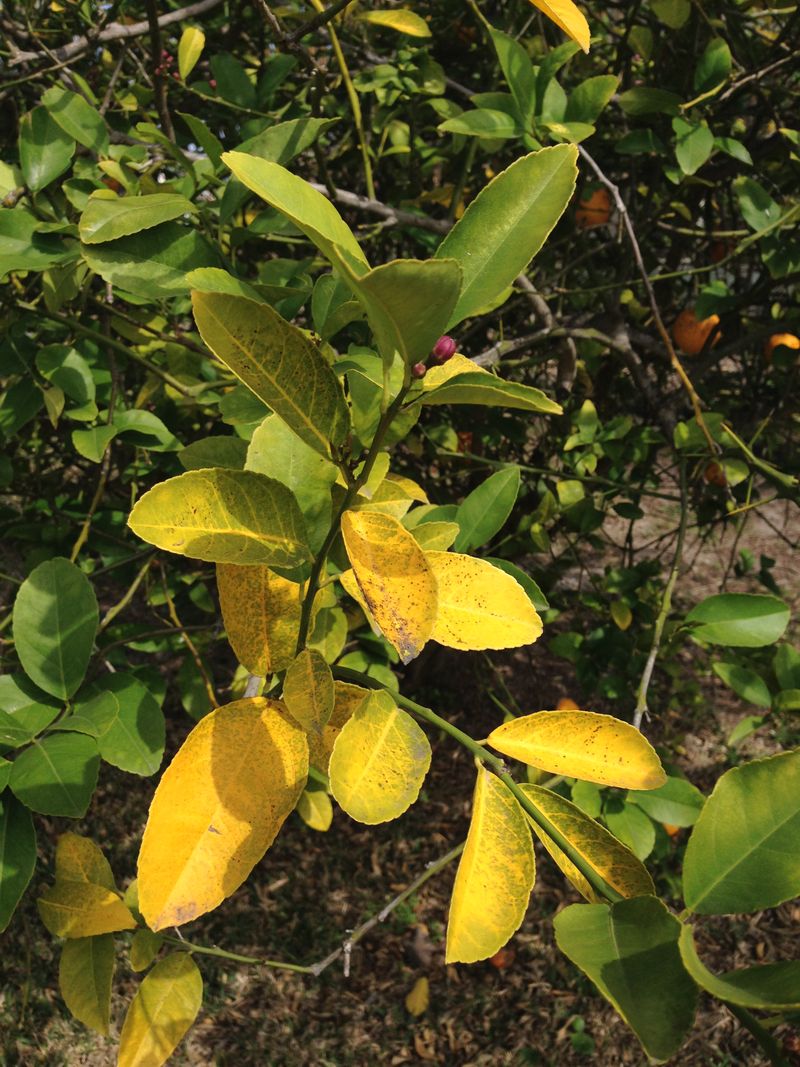
Healthy roots are essential for nutrient and water absorption. Physical damage to the roots, whether from pests, disease, or mechanical injury, can lead to yellowing leaves. Damaged roots cannot efficiently transport nutrients, affecting the tree’s overall health.
Caring for the tree includes ensuring the roots are protected from harm. Avoiding mechanical injuries during gardening and inspecting for pests can help. With proper care, the tree can overcome root damage, leading to a lush, green canopy.