 Complete Gardening
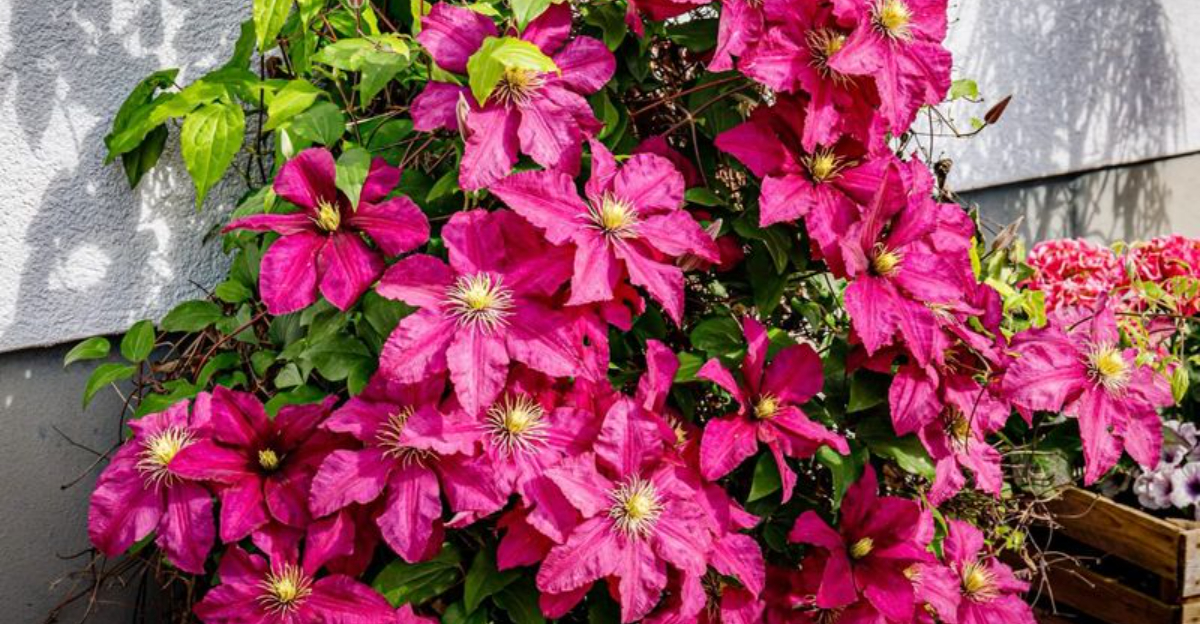
Patio gardening is a delightful way to add greenery to compact spaces, but not all plants are suitable for this setting. Certain species simply cannot thrive in pots and containers, leading to their rapid demise. This post explores 20 plants that struggle to survive in confined spaces due to various factors like root space limitation, drainage issues, and environmental stressors.
1. Lavender
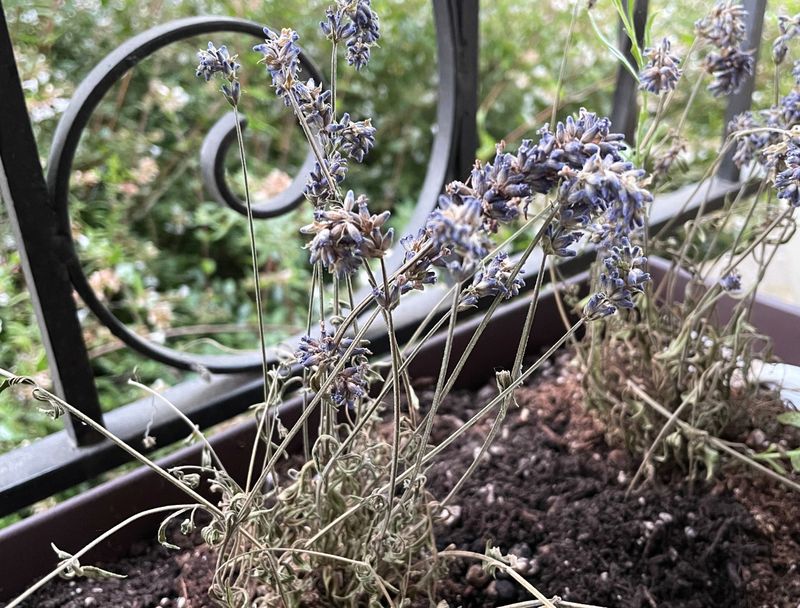
Lavender, beloved for its calming scent, faces challenges in pots. Its need for excellent drainage and full sun clashes with typical pot conditions, often leading to root rot. Despite its hardy appearance, lavender requires space to breathe and grow. In confinement, its roots suffocate, resulting in wilting foliage and a diminished aroma.
A common sight is lavender struggling under the intense patio sun, unable to escape heat stress due to limited soil volume. This plant thrives in a garden bed where roots can spread, making it unsuitable for containers. Consider a raised bed instead.
2. Delphinium
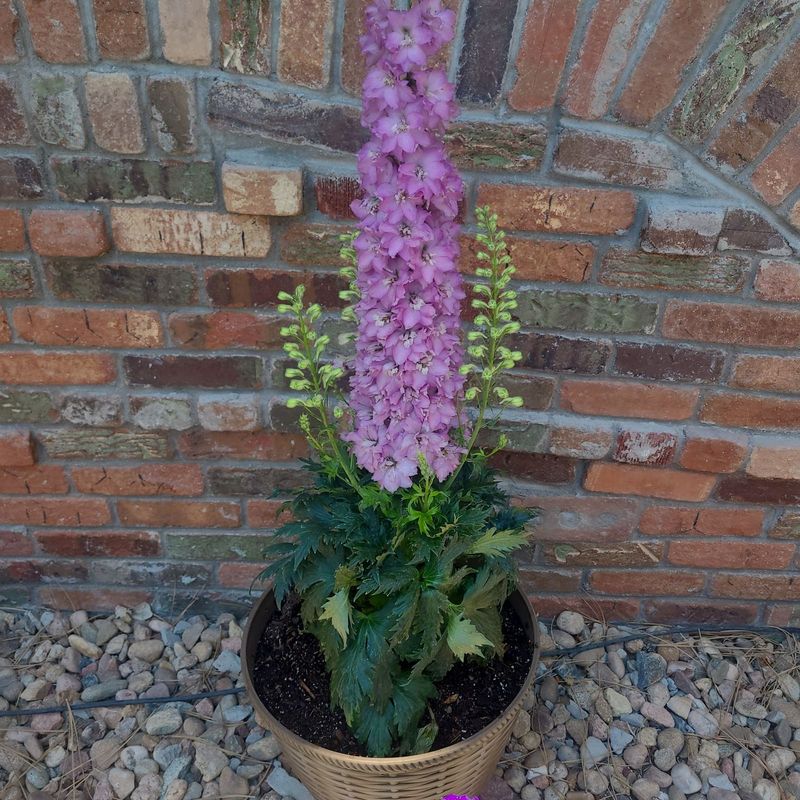
Delphiniums captivate with their tall, striking spikes of color, but their taproots demand depth. In pots, these majestic plants often face an untimely end, unable to achieve the root expansion they crave.
Their need for deep soil is unmet in containers, causing stress and wilt. The vibrant blues and purples of delphiniums fade fast when roots are restricted, leading to an unfortunate decline.
Even with attentive care, pot-grown delphiniums struggle, making them a challenging choice for patio displays. They are best enjoyed in a garden setting where their roots can flourish.
3. Foxglove (Digitalis)
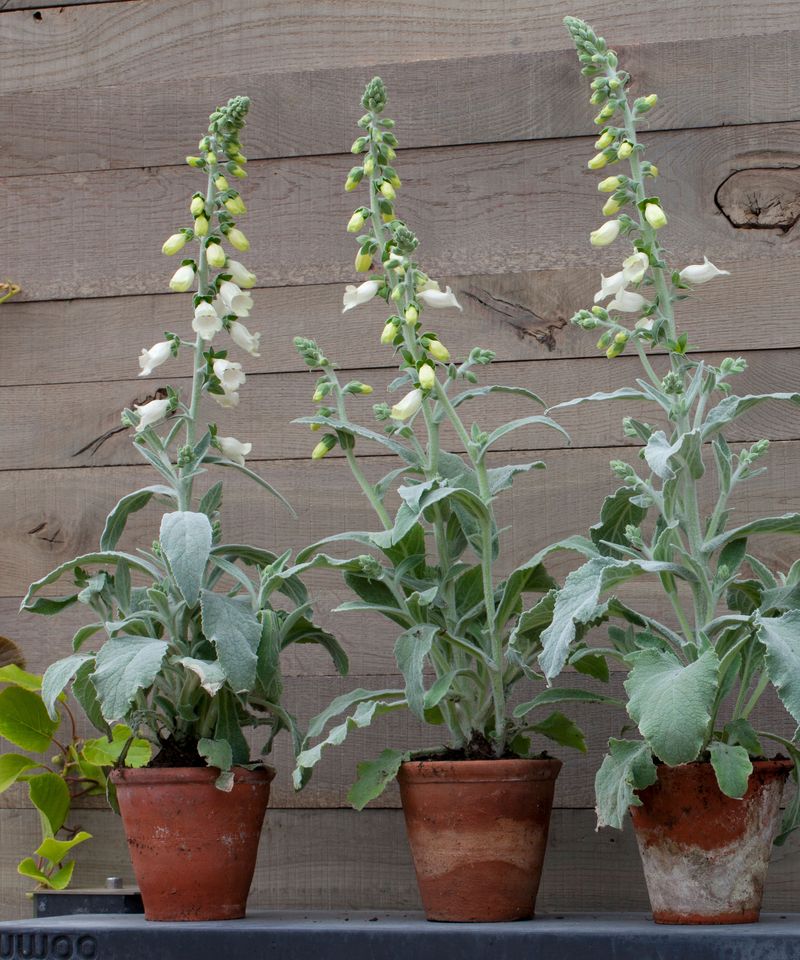
Foxglove, or Digitalis, enchants with its bell-shaped blooms, yet it’s a demanding plant when confined to pots. Preferring moist, well-drained garden soil, foxgloves often languish in containers where drainage is inconsistent.
The delicate balance of moisture needed for their survival is hard to achieve in a pot. Roots become waterlogged or overly dry, leading to stress and disease.
Although its stunning flowers are a gardener’s delight, foxglove’s preference for open ground makes it ill-suited for container life. Garden beds offer the stability it needs to thrive and flourish.
4. Lupine
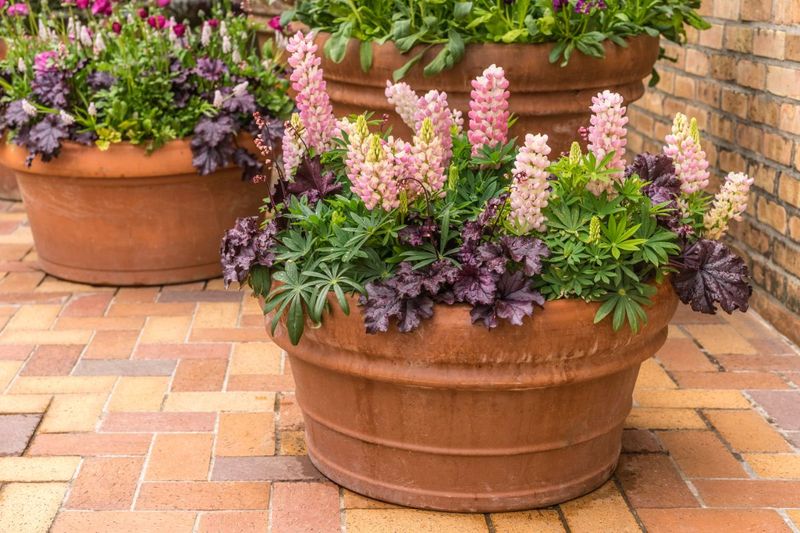
Lupines bring a whimsical touch with their colorful, spire-like flowers. Yet, their deep roots are averse to confinement. Shallow pots restrict their natural growth, causing lupines to wither swiftly.
While their blossoms are alluring, the struggle for root space in containers leads to rapid decline. The mismatch between lupine’s needs and pot limitations results in frustration for patio gardeners.
Though they can be a visual delight, lupines require garden beds to fully express their beauty and strength. Containers stifle their potential, making them a poor choice for patios.
5. Hollyhock
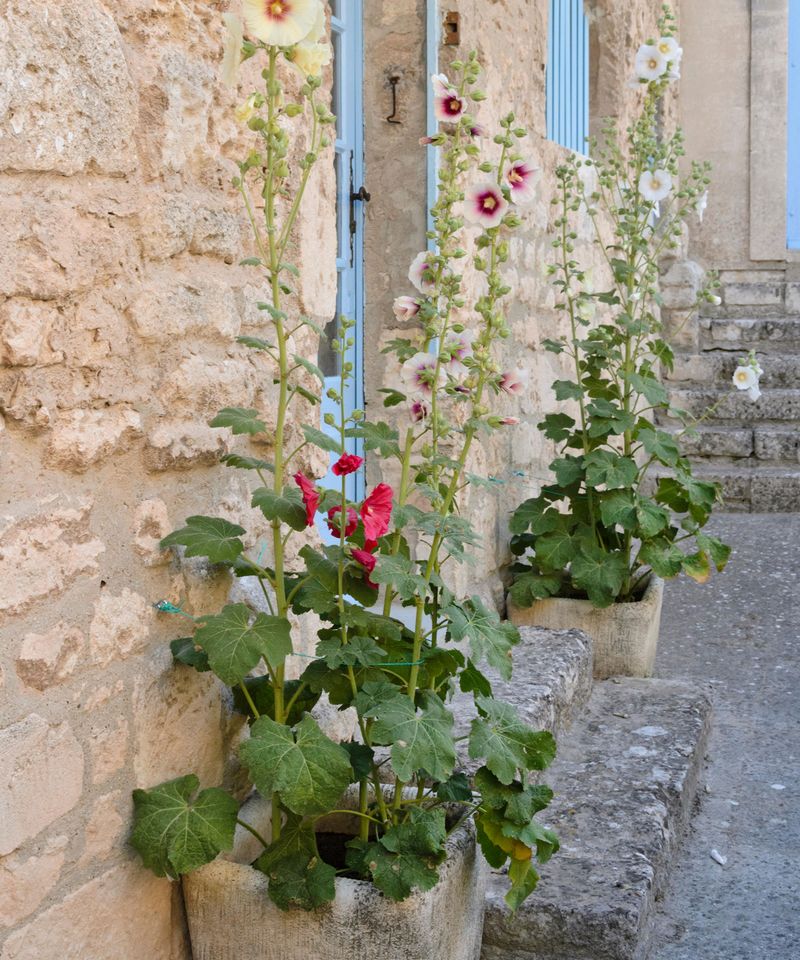
Hollyhocks are known for their towering presence and vibrant blooms, but pots are their nemesis. Tall and heavy, these plants require deep soil to anchor themselves, which pots fail to provide.
In containers, hollyhocks become prone to toppling and drying out, unable to sustain their usual robustness. This instability and lack of soil depth lead to their rapid decline.
Hollyhocks prefer the steady support of garden soil, where they can reach their full height without restriction. Patio pots simply cannot accommodate their needs, making them a fleeting presence.
6. Sweet Pea
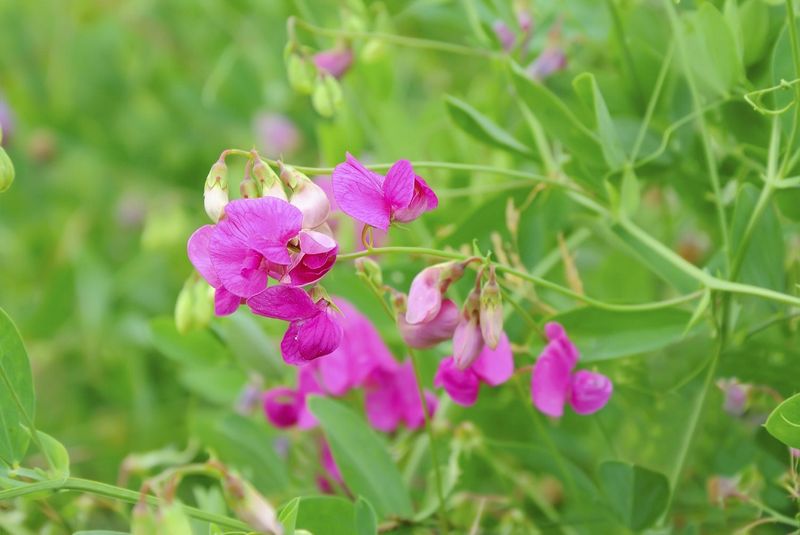
Sweet peas charm with their fragrant blooms and delicate vines, yet they despise the confines of pots. Heat stress and root restriction are their main adversaries when grown in containers.
These plants thrive in cool climates with ample soil space, conditions rarely met on a sun-drenched patio. Limited root expansion leads to wilting and diminished flower production.
Despite their elegance, sweet peas disappoint in pots, unable to maintain health under restrictive conditions. For a flourishing display, they require garden soil that provides the freedom and nutrients they crave.
7. Russian Sage
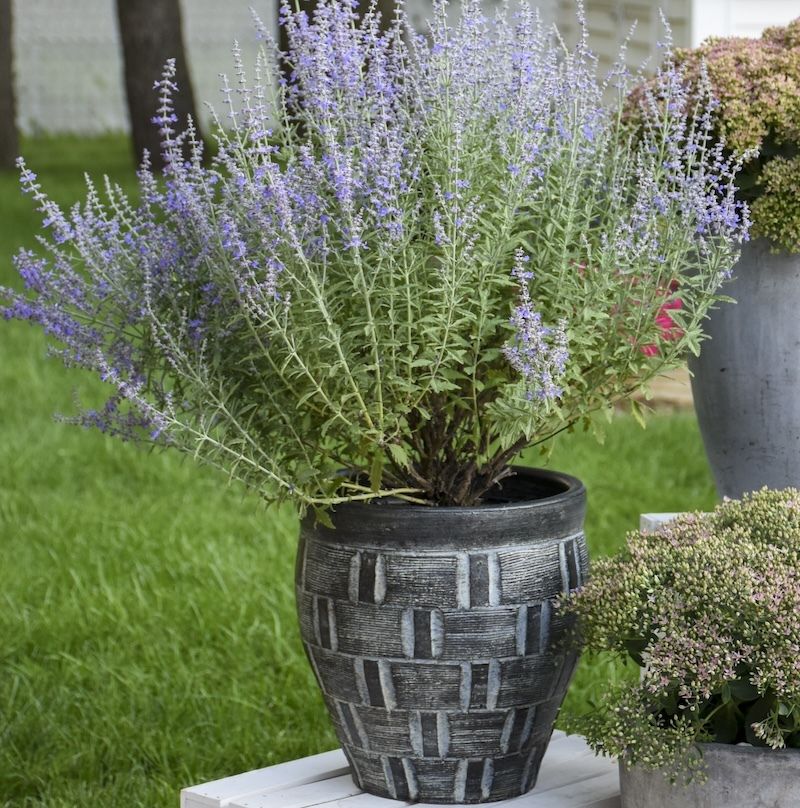
Russian Sage, admired for its airy sprays of lavender-blue flowers, struggles in pots due to its need for space and dry conditions. Pots often lead to root rot, as moisture levels are hard to control.
With limited space, this plant’s roots become cramped, causing stress and decline. Though resilient in nature, Russian Sage demands more freedom than containers can offer.
Its silvery, aromatic foliage adds a unique touch to any landscape, but achieving this in a pot proves challenging. Garden beds, with their expansive space, provide the ideal setting for Russian Sage to thrive.
8. Butterfly Weed (Asclepias)
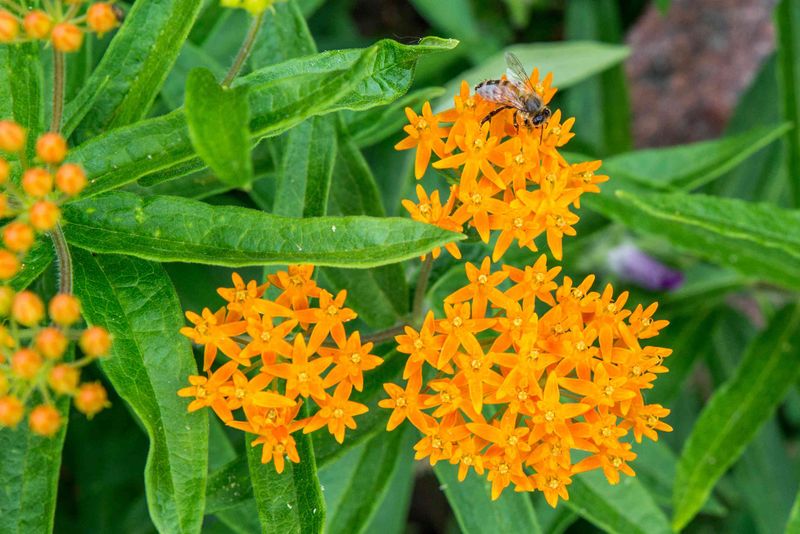
Butterfly Weed, a haven for pollinators, faces challenges in pots. Its deep taproot resents confinement, leading to poor growth and premature death. Containers restrict the plant’s natural expansion, causing stress.
While its vibrant orange flowers attract butterflies, the plant itself suffers without open ground. The confined space of a pot fails to support its growth needs, resulting in disappointment.
To enjoy this plant’s full beauty and ecological benefits, a garden bed is essential. Containers simply cannot replicate the conditions Butterfly Weed requires for flourishing health and vigor.
9. Peony

Peonies, cherished for their lush blooms, dislike being transplanted and need deep, undisturbed soil. In pots, these beauties often falter, unable to spread their roots as needed.
The confinement leads to stress, causing faded blooms and yellowing foliage. Peonies require stability and ample soil, which containers lack, resulting in a lackluster display.
Though their flowers are a breathtaking sight, peonies find pot life challenging, often resulting in an untimely demise. To enjoy their full splendor, peonies should be planted in garden beds, where they can thrive undisturbed.
10. Clematis
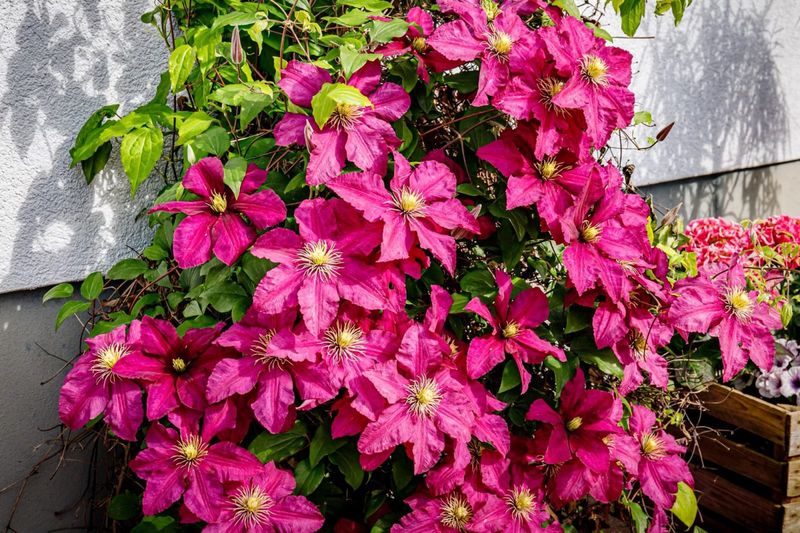
Clematis, with its stunning blooms, faces hurdles in pots. It requires cool roots and ample space, conditions hard to maintain in a container. The result is often overheating and death.
In garden soil, clematis roots can spread and stay cool, supporting robust growth. Pots, however, restrict this, causing stress and decline.
Though admired for its beauty, clematis is ill-suited for container life, as the struggle for root space and temperature control proves too great. To enjoy its cascading flowers, clematis is best planted in the ground.
11. Hydrangea (Large Varieties)

Large hydrangeas impress with their lush flowers, but containers often lead to their demise. These plants need consistent moisture and space, which pots can rarely provide.
In containers, hydrangeas dry out quickly, causing wilting and reduced flowering. Their root systems crave room to expand, something a pot simply cannot offer.
Despite their popularity, hydrangeas face a tough battle in pots, often resulting in a lackluster display. For vibrant blooms and healthy growth, they need the support of garden soil, where their roots can thrive without constraint.
12. Wisteria
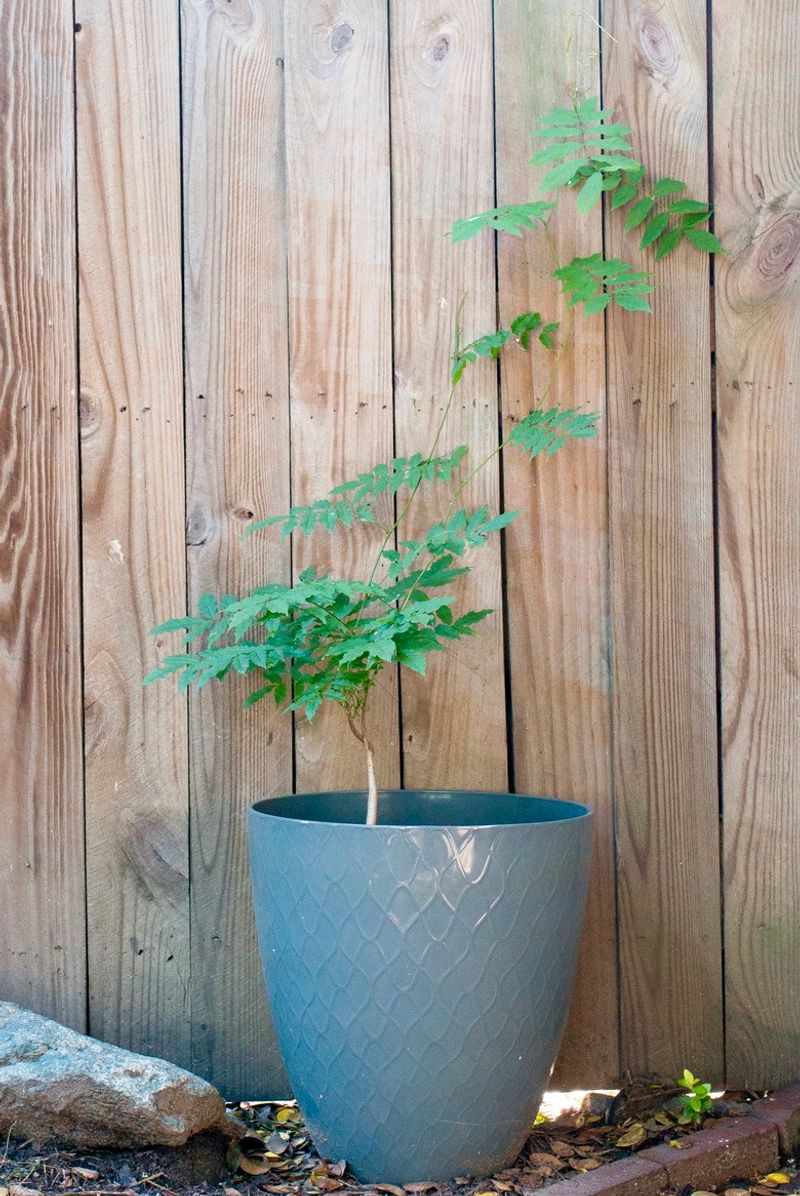
Wisteria, famed for its cascading flowers, faces a grim fate in pots. Its aggressive roots quickly become pot-bound, leading to decline. Containers cannot accommodate the extensive root system needed.
The result is stunted growth and sparse flowering, a far cry from its potential glory. Wisteria demands space to roam, something pots fail to provide.
Though its flowers are enchanting, growing wisteria in a container is a challenge, often ending in disappointment. For a full display of its hanging blooms, wisteria should be planted where it has room to grow freely.
13. Ornamental Grasses (Large Types)
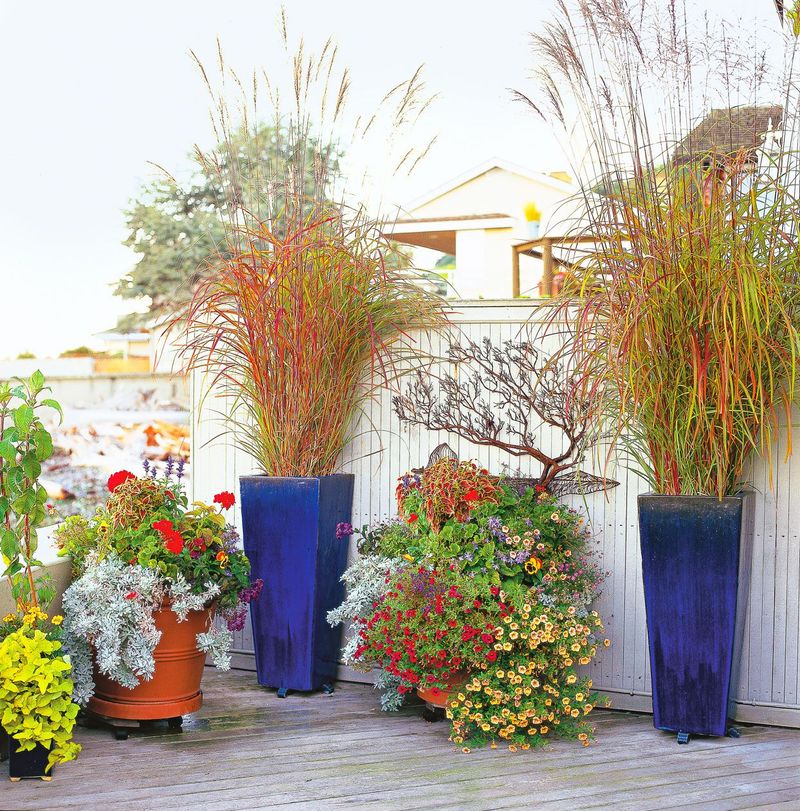
Large ornamental grasses add texture and movement to gardens, but pots quickly stifle them. These grasses outgrow containers fast, leading to root suffocation and decline.
The confined space restricts their natural growth pattern, causing stress and browning tips. In the ground, they can spread freely, showcasing their true beauty.
While they can be striking in appearance, large ornamental grasses are ill-suited for pot life. Their need for expansion and free movement makes containers a poor choice, often leading to a disappointing display.
14. Black-Eyed Susan (Rudbeckia)
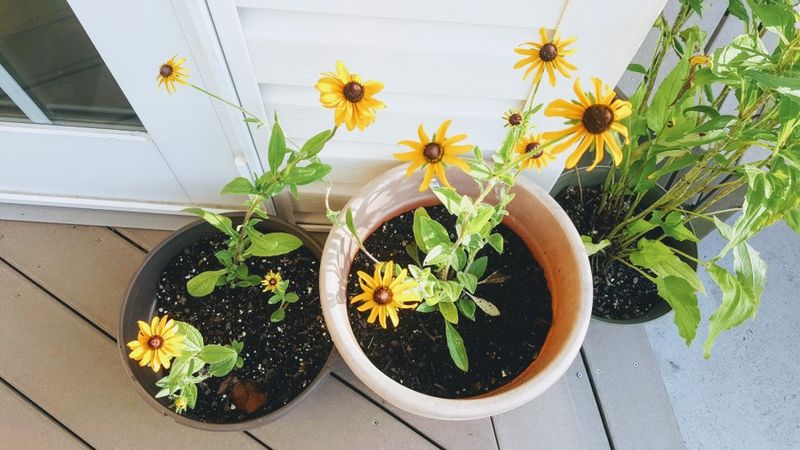
Black-Eyed Susans, with their sunny blooms, face challenges in pots. These plants spread aggressively, with roots that quickly outgrow containers, leading to stress and die-off.
The confined space stifles their growth, causing wilting petals and yellowing leaves. In the ground, they thrive, spreading cheer with their golden flowers.
Though popular for their bright color, Black-Eyed Susans struggle in pots, often ending in frustration. A garden bed provides the room they need to flourish, making pots a less ideal option for these vibrant flowers.
15. Bleeding Heart (Dicentra)
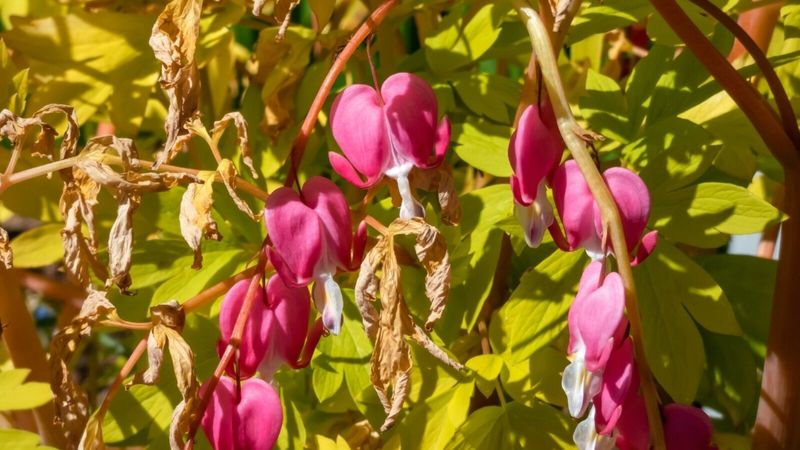
Bleeding Hearts delight with their heart-shaped flowers, but pots are their downfall. They prefer cool, moist garden soil, conditions difficult to maintain in containers.
The typical dryness of pots leads to wilting and pale blooms. Without consistent moisture, these plants struggle to maintain their charm and vitality.
While their flowers are captivating, Bleeding Hearts find pot life challenging, often resulting in a lackluster display. For a flourishing garden presence, they need the cool and moist stability of garden soil, free from pot restrictions.
16. Japanese Maple (Young Trees)
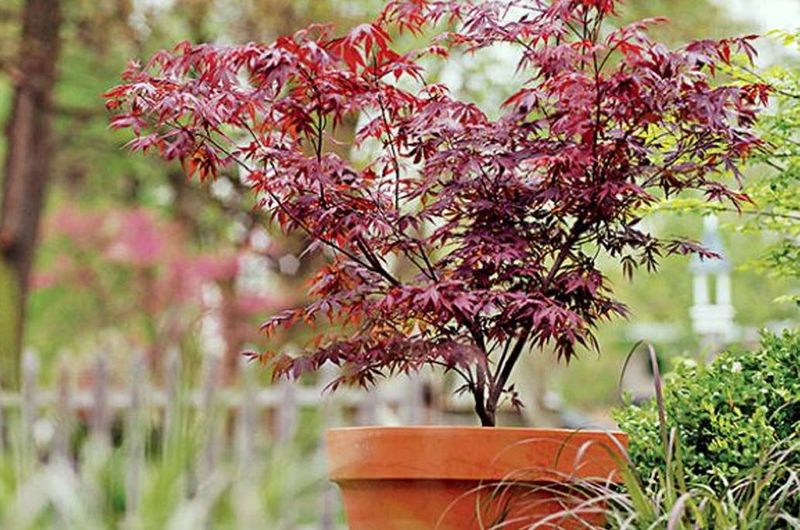
Japanese Maples, especially young trees, face challenges in pots. Sensitive to root confinement and heat stress, they often struggle in container conditions.
The limited space restricts their growth, leading to drying leaves and stunted development. In the ground, they thrive, showcasing their graceful beauty.
Though admired for their elegance, young Japanese Maples are best suited to garden settings where their roots can spread and breathe. Pots, with their constraints, often lead to disappointment and a shortened lifespan for these delicate trees.
17. Hosta (Large Varieties)
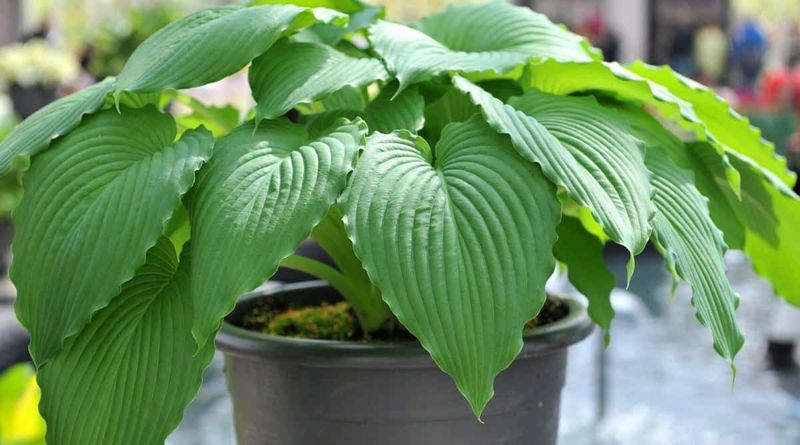
Hostas, known for their lush foliage, face difficulties in pots, especially large varieties. These plants need rich, moist soil, conditions hard to maintain in containers.
The result is often wilting leaves and browning edges, a sign of dehydration and stress. In a garden bed, hostas can showcase their full potential with ample space and nutrients.
While their foliage is a gardener’s delight, hostas find pot life challenging, often leading to a less vibrant appearance. For a lush garden display, they require the soil depth and richness of the ground.
18. Coneflower (Echinacea)
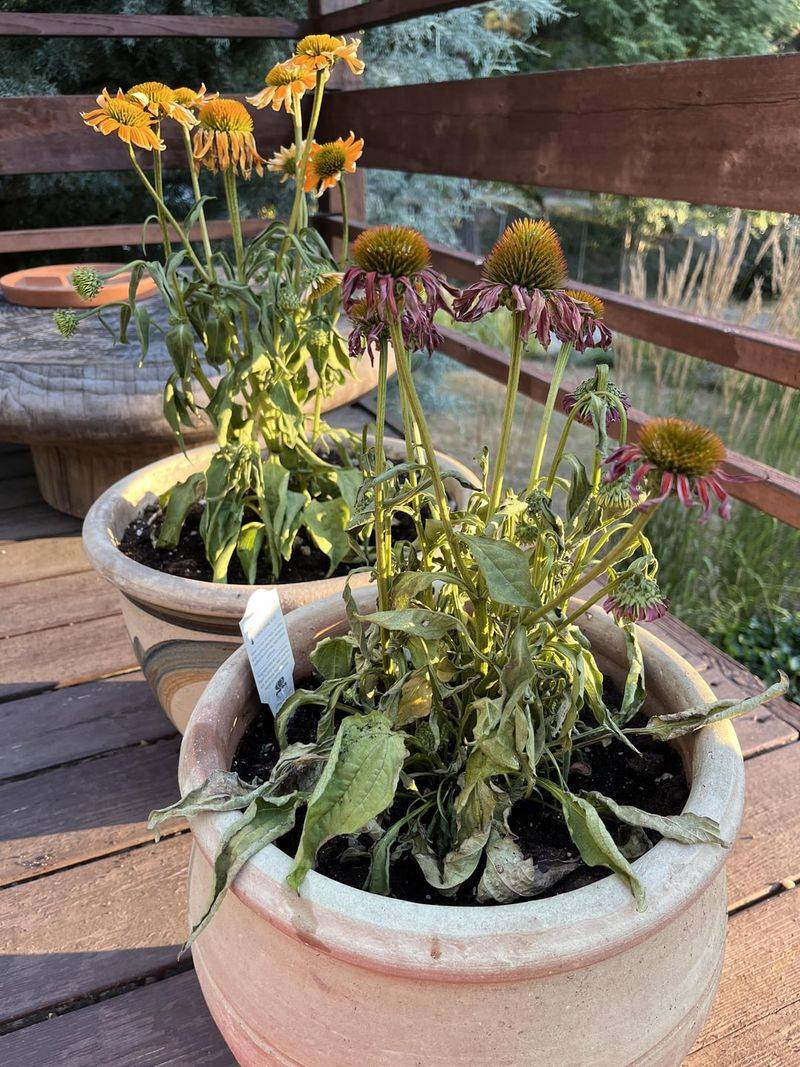
Coneflowers, or Echinacea, add a splash of color but struggle in pots. Their deep roots need room, a luxury not afforded by containers. The restricted space leads to withered petals and dry leaves.
Without the ability to spread, coneflowers face stress and decline, unable to maintain their vibrant display. In the ground, they thrive, drawing pollinators with ease.
While their beauty is undeniable, coneflowers find pot life restrictive, often ending in disappointment. For a lasting garden presence, they need the room to grow, which only open ground can provide.
19. Yarrow (Achillea)
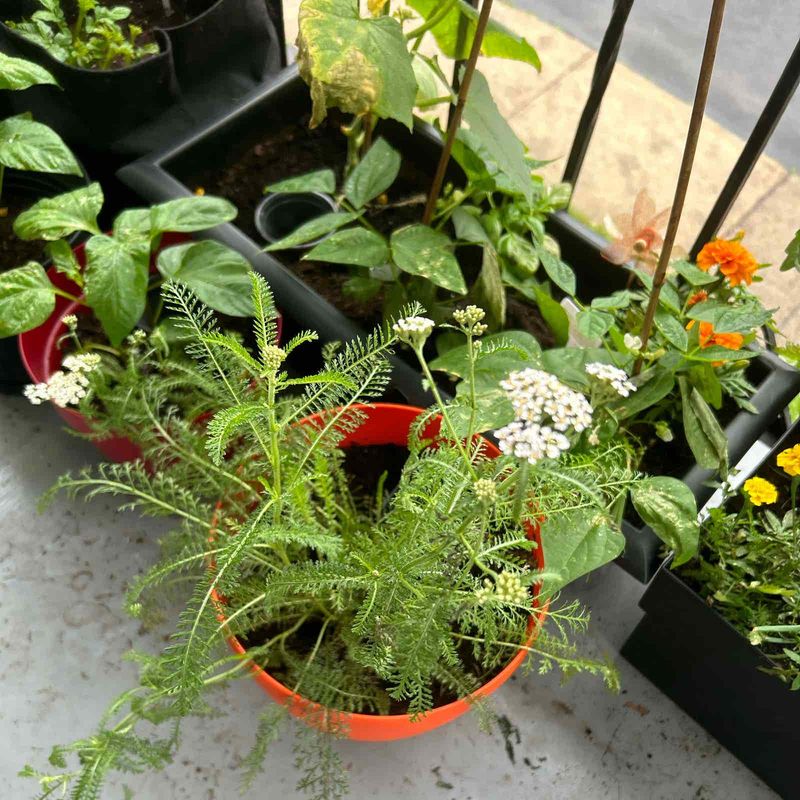
Yarrow, known for its hardy nature, suffers in pots due to its aggressive spreading. The confined space limits its growth, leading to tangled roots and wilting flowers.
In the ground, yarrow can expand freely, maintaining its resilience and vibrant blooms. Pots, however, cannot support their natural inclination to spread, resulting in a less robust appearance.
Though they are a gardener’s ally against pests, yarrow finds pot life challenging. For a thriving display, they require the freedom of garden soil, where their hardiness can truly shine without constraints.
20. Rose (Large Varieties)
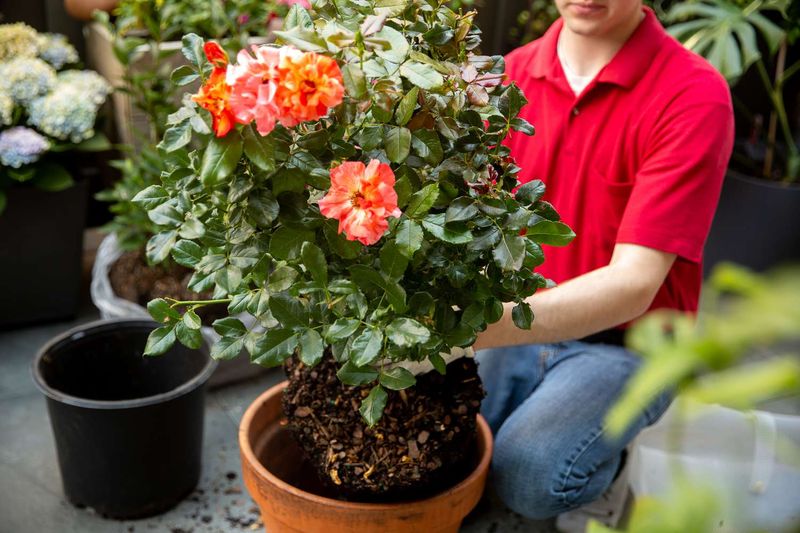
Large roses captivate with their romantic blooms, yet pots often lead to disappointment. These plants need deep soil and consistent nutrients, which containers fail to provide.
The restricted space leads to sparse blooms and yellowing leaves, a sign of stress and nutrient deficiency. In a garden, they can spread their roots, supporting lush growth.
While their allure is timeless, large roses find pot life challenging. For a flourishing display of flowers, they need the depth and richness of garden soil, where their roots can truly thrive and sustain vibrant health.