
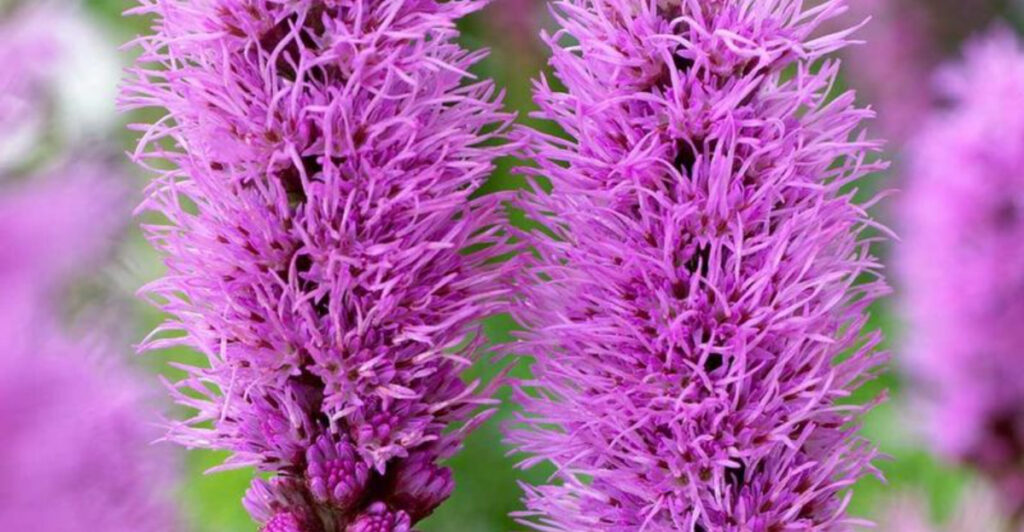
Discover the beauty and resilience of native wildflowers that grace our landscapes with vibrant blooms throughout the summer.
These wildflowers not only beautify gardens but also support local ecosystems by attracting pollinators such as bees, butterflies, and hummingbirds.
Explore the unique characteristics and charm of each species, and learn how they can be incorporated into your garden for a splash of color and ecological benefits.
1. Black-Eyed Susan (Rudbeckia hirta)
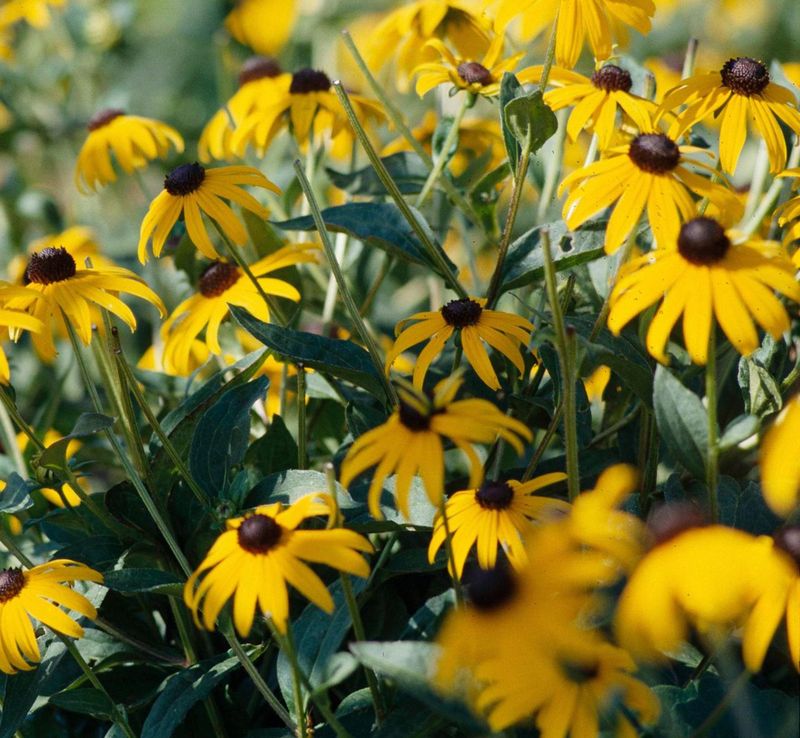
The Black-Eyed Susan stands as a symbol of resilience in nature’s garden. With its iconic yellow petals and striking dark center, it commands attention in any landscape. Drought-tolerant by nature, this wildflower thrives where many others falter. Its vibrant blooms persist all summer, offering a cheerful sight and a haven for pollinators. A favorite among gardeners and bees alike, Black-Eyed Susans are easy to grow and maintain, making them a quintessential summer staple.
2. Purple Coneflower (Echinacea purpurea)
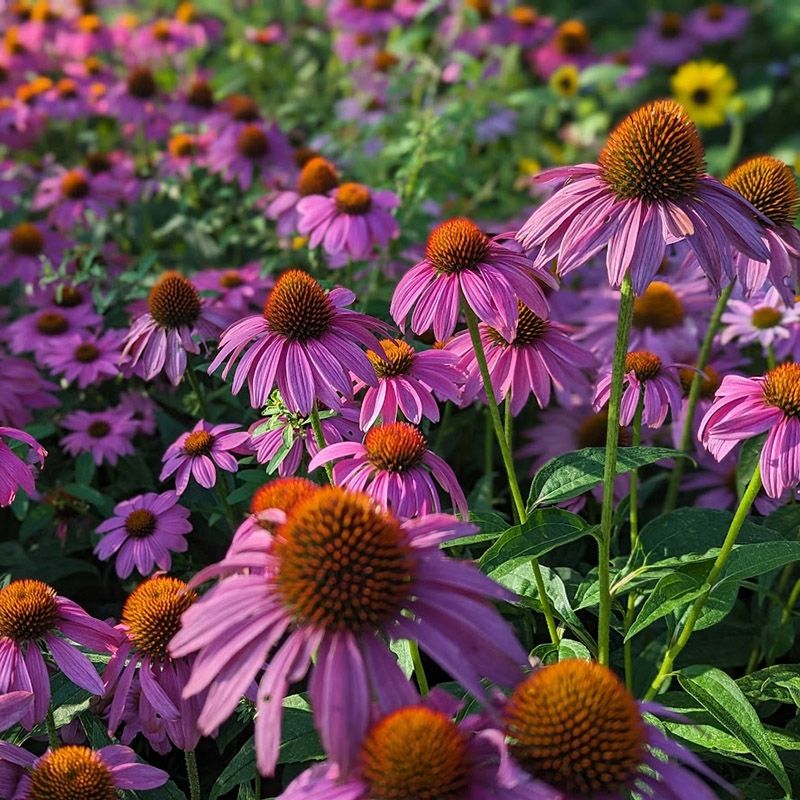
Sturdy and steadfast, the Purple Coneflower is a beacon for pollinators. Its hardy nature and vibrant pinkish-purple blooms make it a garden favorite. Throughout the summer, it stands tall, drawing bees and butterflies with open arms. Not just a pretty face, this wildflower offers medicinal benefits too. Known for its immune-boosting properties, Purple Coneflower is both an ornamental and a practical choice for gardens seeking long-lasting beauty and functionality.
3. Wild Bergamot (Monarda fistulosa)
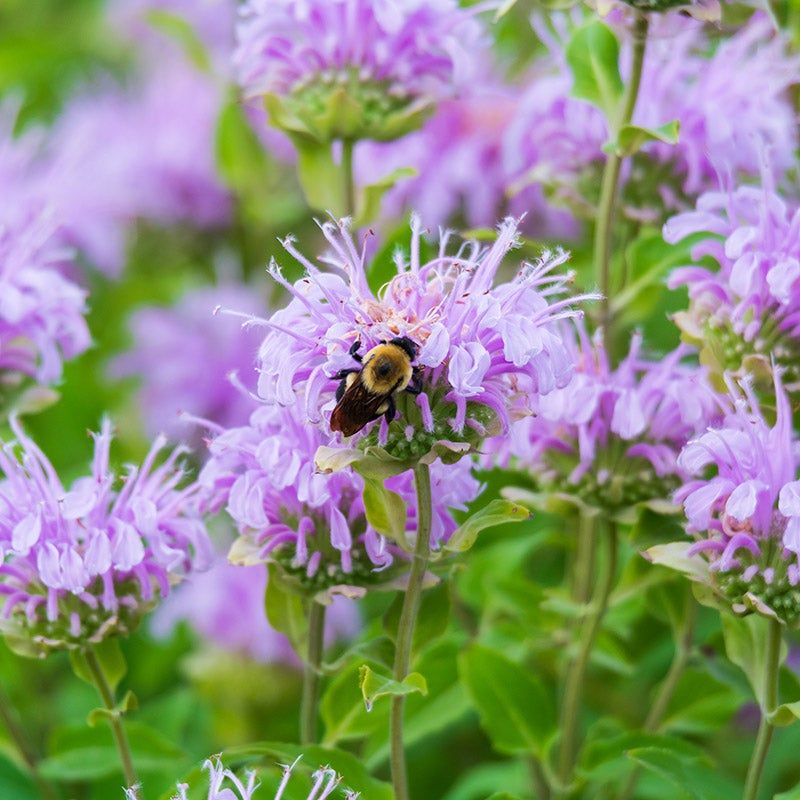
Wild Bergamot, with its aromatic charm, dances in summer breezes. Lavender-pink blooms flutter as bees and hummingbirds hover, drawn by its sweet allure. This wildflower is more than just a visual delight; it’s a fragrant feast for the senses. Thriving in sunny meadows, it provides a splash of color and a natural aromatic balm. Known for its herbal uses, Wild Bergamot is a versatile addition to any garden, enhancing both beauty and diversity.
4. Butterfly Weed (Asclepias tuberosa)
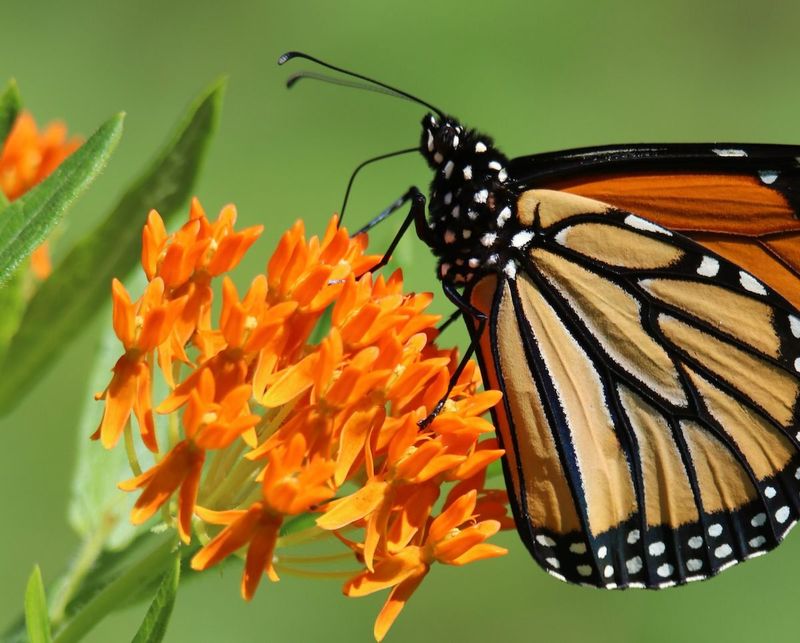
With fiery orange clusters, Butterfly Weed lights up any garden, serving as a beacon for monarchs. Its vibrant color and role in supporting butterfly populations make it indispensable. Thriving in sunny spots, this wildflower is drought-tolerant and low-maintenance. Besides its visual appeal, Butterfly Weed plays a crucial ecological role, providing a larval host plant for monarch caterpillars. Perfect for gardeners passionate about pollinator conservation.
5. Cardinal Flower (Lobelia cardinalis)
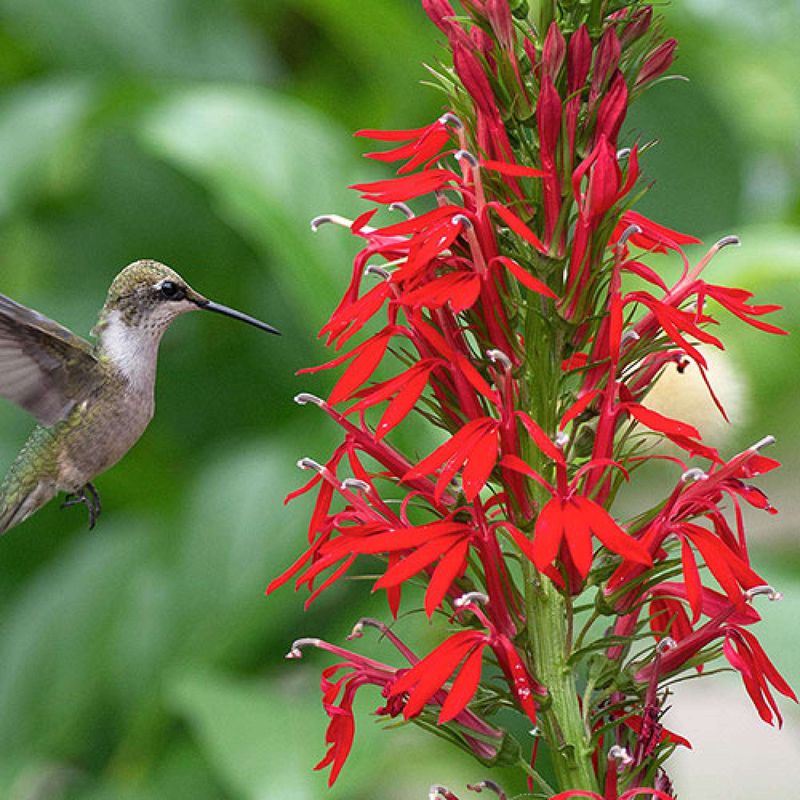
Vibrant and bold, the Cardinal Flower paints the garden with its red spikes. Thriving in wet areas, it adds a splash of color near ponds and streams. This wildflower is a favorite among hummingbirds, who flock to its tubular flowers for nectar. Its striking appearance makes it a standout, while its preference for moist conditions helps stabilize water edges. A must-have for water garden enthusiasts seeking vibrant beauty and ecological balance.
6. Blue Vervain (Verbena hastata)
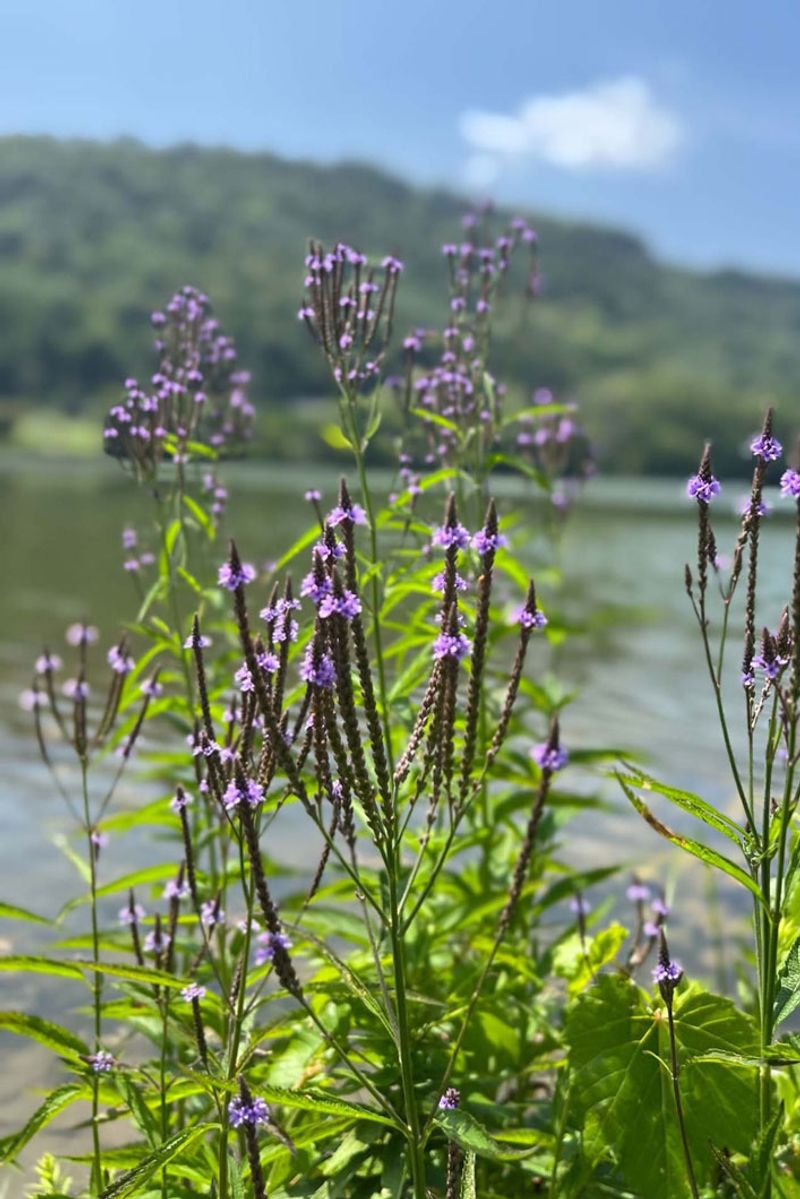
Graceful and tall, Blue Vervain stands like a sentinel in the garden. With its violet flower spikes, it commands attention and invites admiration. Perfect for wet soils, it thrives where others may struggle. This wildflower is not only a visual delight but also a magnet for pollinators. Its delicate spikes sway gently, adding a rhythmic beauty to the landscape. Ideal for gardeners looking to enhance their wetland areas with color and life.
7. Tickseed (Coreopsis lanceolata)
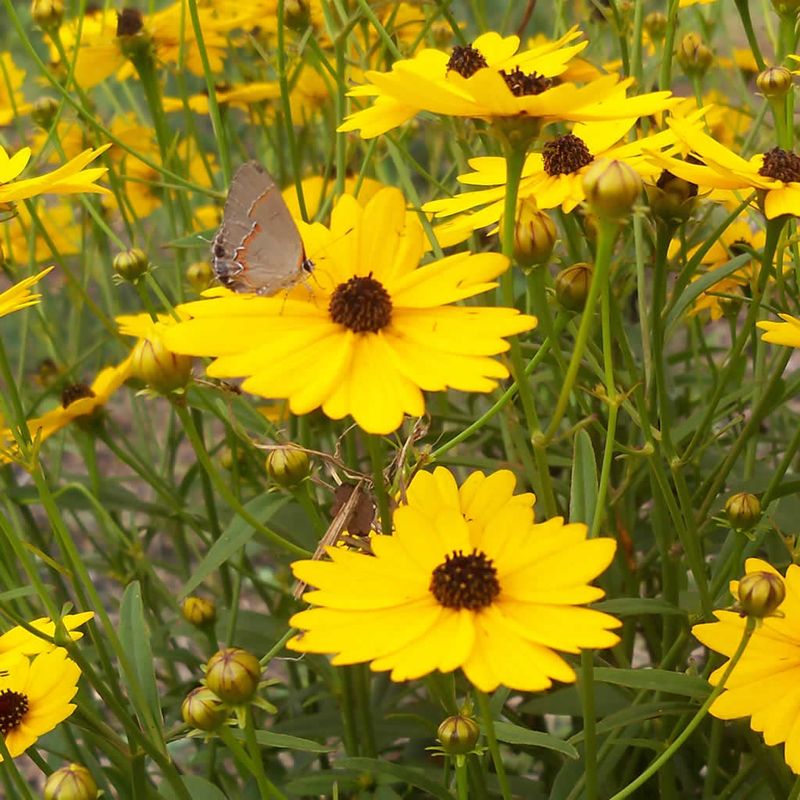
Simple yet stunning, Tickseed offers a burst of sunshine with its yellow blooms. On wiry stems, it dances in the wind, bringing lightness to the garden. Easy to grow and maintain, this wildflower is a gardener’s delight. Its cheerful disposition brightens any landscape and attracts a host of pollinators. Perfect for filling in gaps or adding a splash of color to borders, Tickseed is a versatile and joyous addition to any summer garden.
8. Showy Goldenrod (Solidago speciosa)
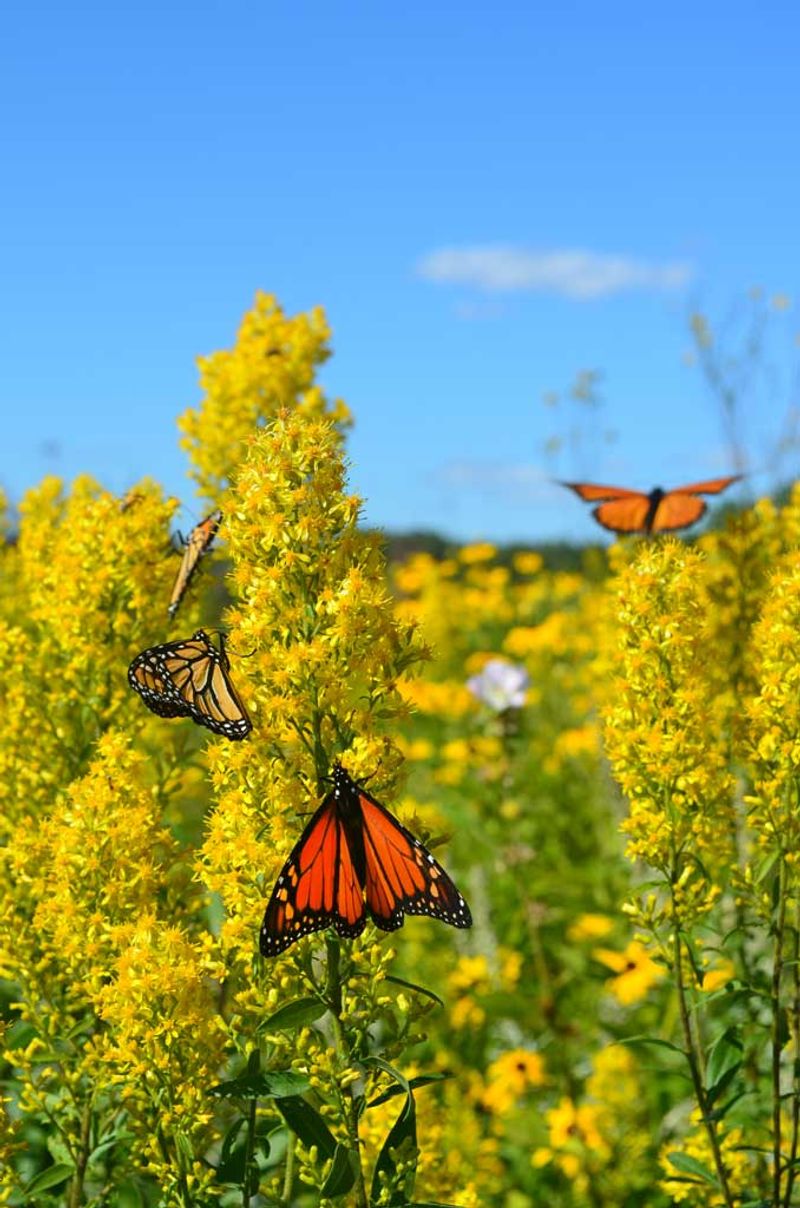
Showy Goldenrod stands apart as a golden gem in the late summer garden. Unlike its allergy-inducing relatives, it offers beauty without the sniffles. Its golden blooms create a dazzling display, attracting butterflies and bees. This wildflower thrives in various conditions, making it adaptable and easy to grow. Perfect for adding color in late summer when other blooms may fade, Showy Goldenrod is an outstanding choice for gardeners seeking resilience and vibrancy.
9. Joe Pye Weed (Eutrochium purpureum)
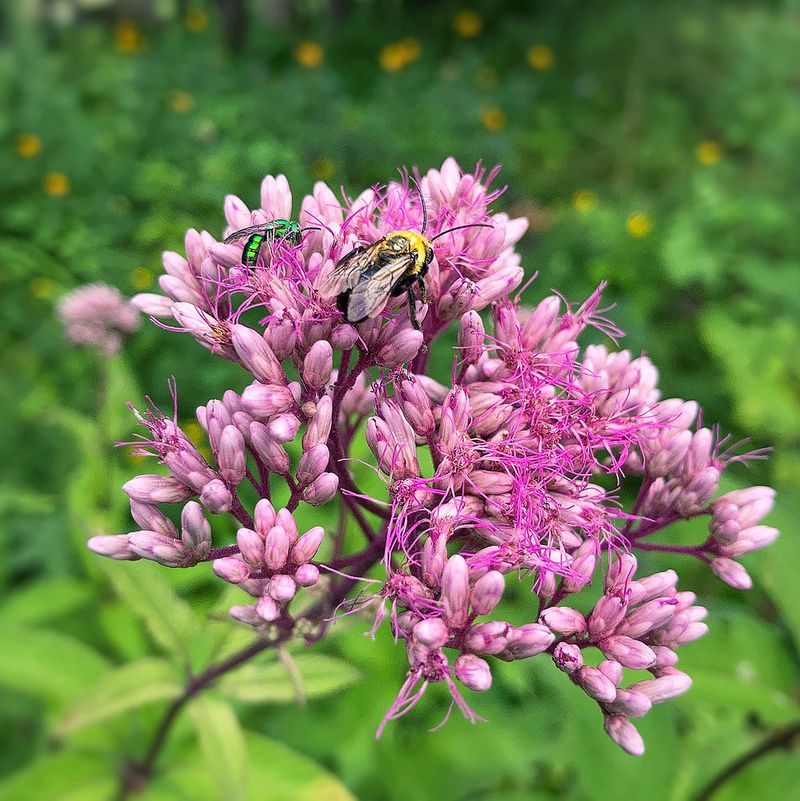
Majestic and towering, Joe Pye Weed is a grand addition to any garden. With its large mauve-pink flower heads, it creates a spectacular display. Perfect for back borders, it provides height and drama. This wildflower is a magnet for butterflies, adding movement and life to the garden. Known for its medicinal properties in folklore, Joe Pye Weed combines beauty with tradition, making it a cherished choice for gardeners who value both aesthetics and history.
10. Wild Blue Phlox (Phlox divaricata)
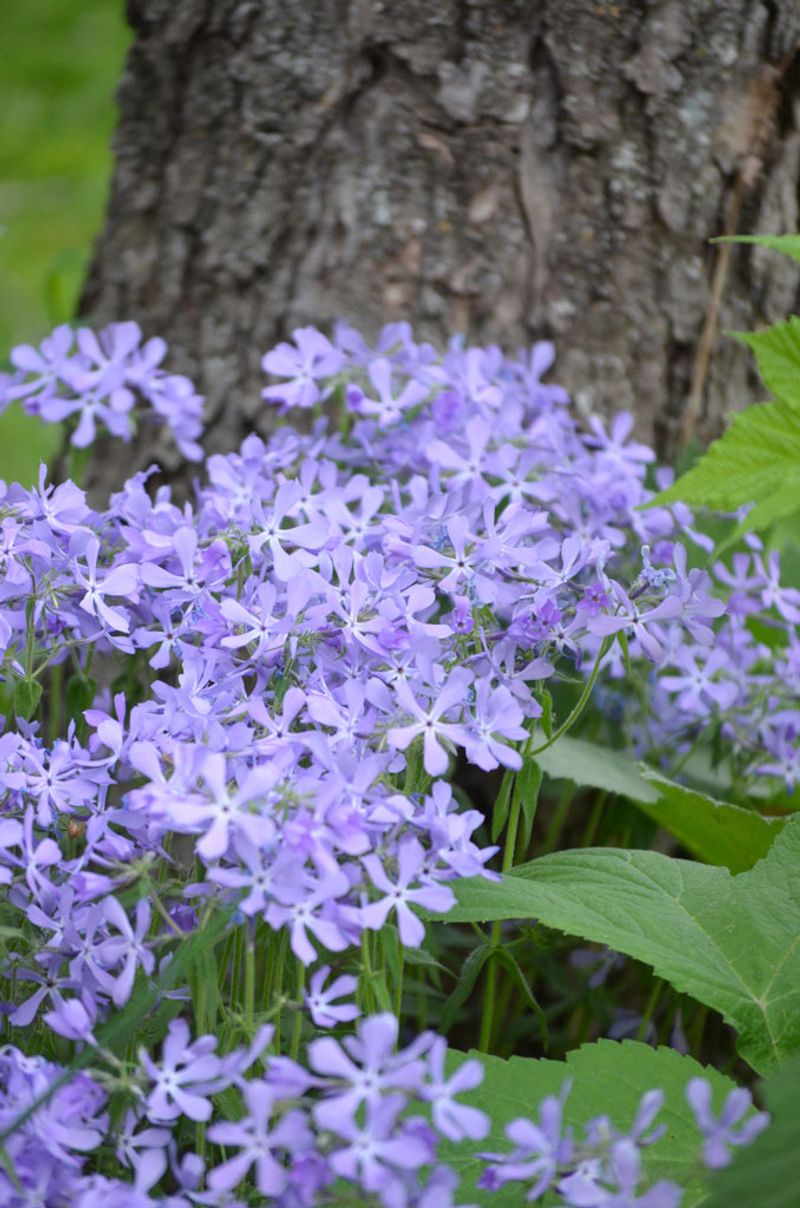
Wild Blue Phlox enchants with its sweet scent and delicate beauty. In dappled shade, its violet-blue flowers create a serene atmosphere. This wildflower is perfect for woodland gardens, where it thrives and spreads its charm. Its fragrance attracts pollinators, making it not only beautiful but beneficial. Ideal for adding a touch of elegance to shaded areas, Wild Blue Phlox is a favorite for gardeners seeking a blend of fragrance and visual appeal.
11. California Poppy (Eschscholzia californica)
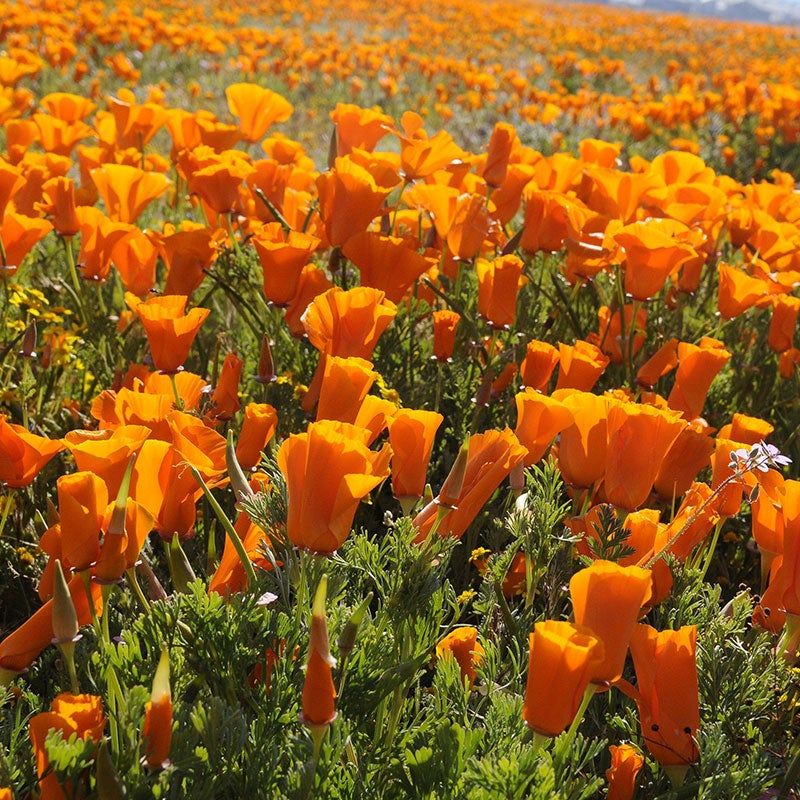
Bright and cheerful, California Poppy lights up any garden with its vivid orange color. Low-maintenance and drought-adapted, it thrives in sunny spots. This wildflower is not only visually stunning but also a symbol of resilience in arid landscapes. Its simple beauty and easy care make it a favorite for gardeners seeking both charm and practicality. Perfect for rock gardens or dry areas, California Poppy adds a splash of color and joy.
12. Desert Marigold (Baileya multiradiata)
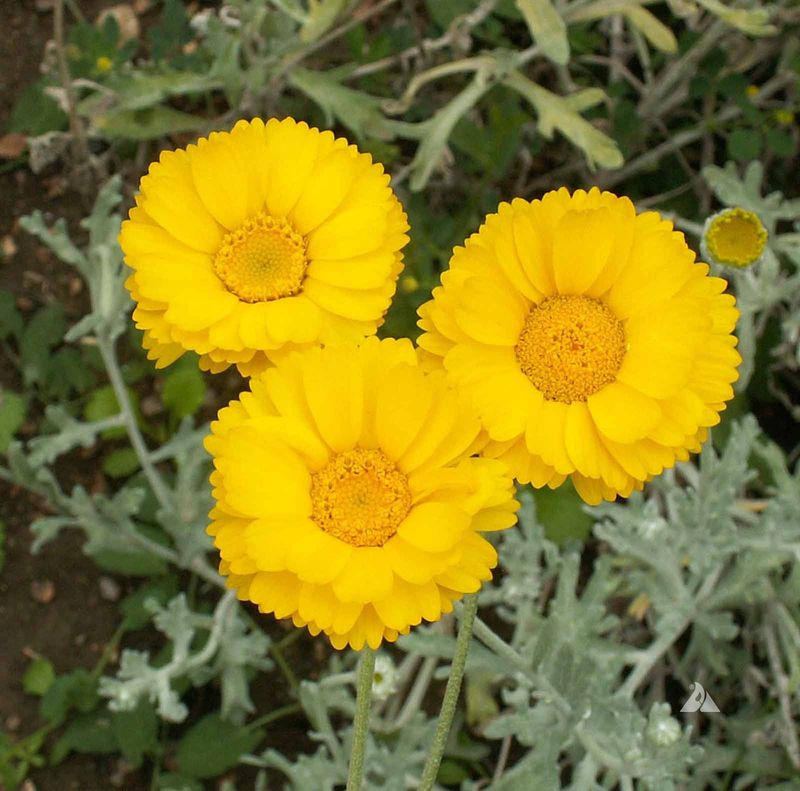
In the arid desert, Desert Marigold shines like a sunbeam. With its silvery foliage and bright yellow blooms, it offers a striking contrast. Long-lasting and drought-tolerant, this wildflower is a testament to nature’s adaptability. Perfect for xeriscaping, it brings beauty to dry landscapes. Its vibrant color and hardy nature make it a standout choice for gardeners seeking both resilience and visual appeal in challenging conditions.
13. Penstemon (Penstemon spp.)
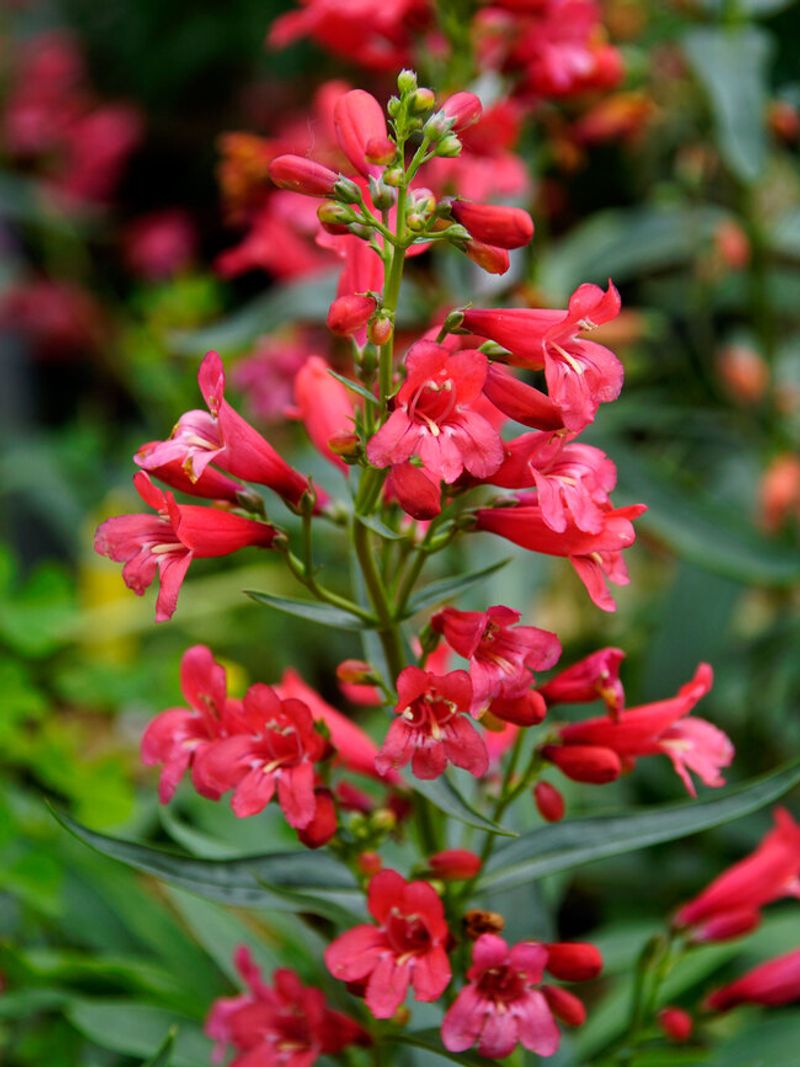
Penstemon, with its tubular flowers, is a beacon for bees. Available in a variety of colors, from pink to purple, it offers diversity and charm. This wildflower thrives in sunny locations, adding color and life to any garden. Known for its bee-friendly nature, Penstemon is perfect for pollinator gardens. Its unique shape and vibrant blooms make it a favorite for gardeners who value both beauty and ecological benefits.
14. Golden Columbine (Aquilegia chrysantha)
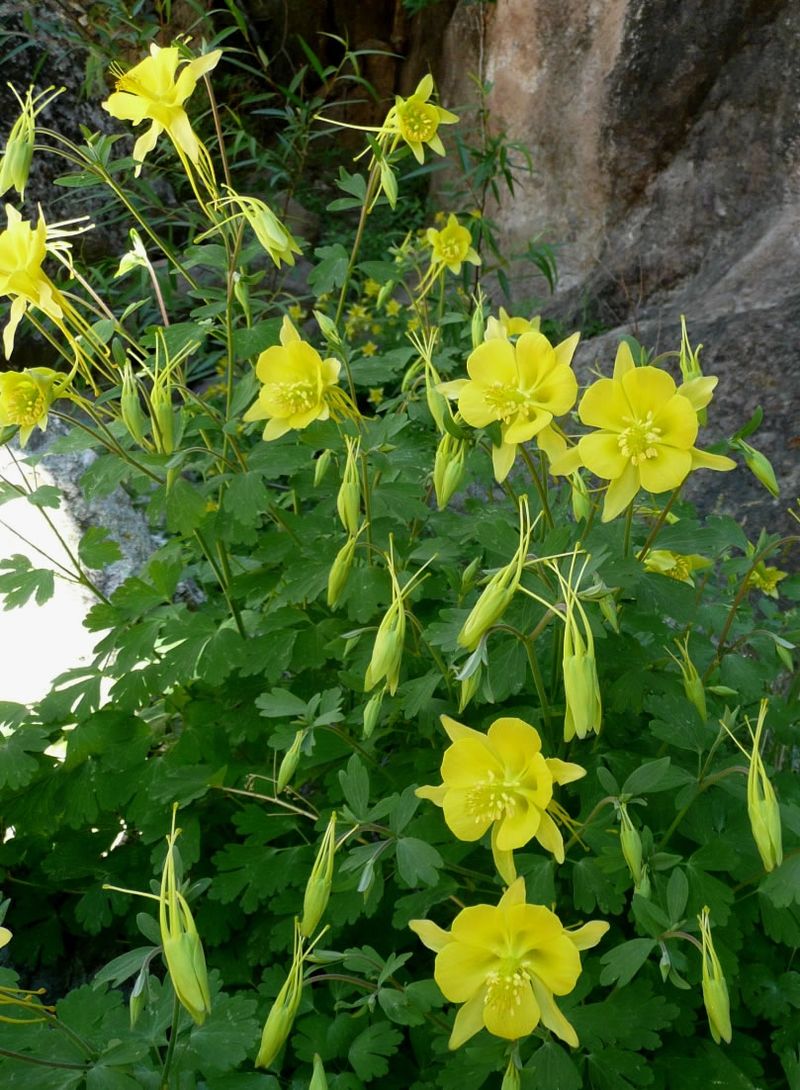
Golden Columbine, with its elegant spurred flowers, brings a touch of sophistication to the garden. Thriving in dappled shade, it adds a splash of color to woodland areas. This wildflower is not only beautiful but also attracts hummingbirds, adding movement and life. Ideal for shade gardens, Golden Columbine provides both visual appeal and ecological benefits. Its graceful blooms and adaptability make it a cherished choice for those seeking elegance and charm.
15. Sticky Monkey Flower (Diplacus aurantiacus)
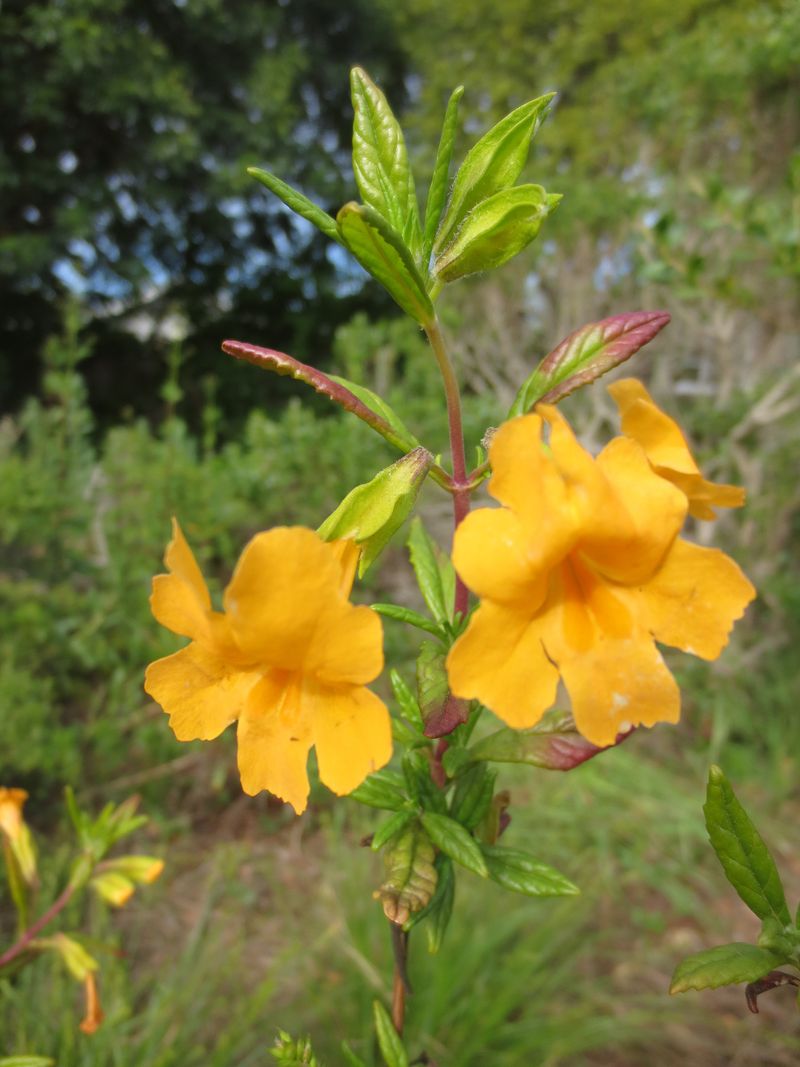
Sticky Monkey Flower, with its bright orange blooms, adds a playful touch to coastal gardens. Known for attracting hummingbirds, it infuses life and color into any landscape. This wildflower thrives in sunny, well-drained locations, offering beauty where others may not. Its unique name and vibrant appearance make it a delightful choice for gardeners seeking something different. Perfect for adding a splash of color and life to coastal areas.
16. Prairie Blazing Star (Liatris pycnostachya)
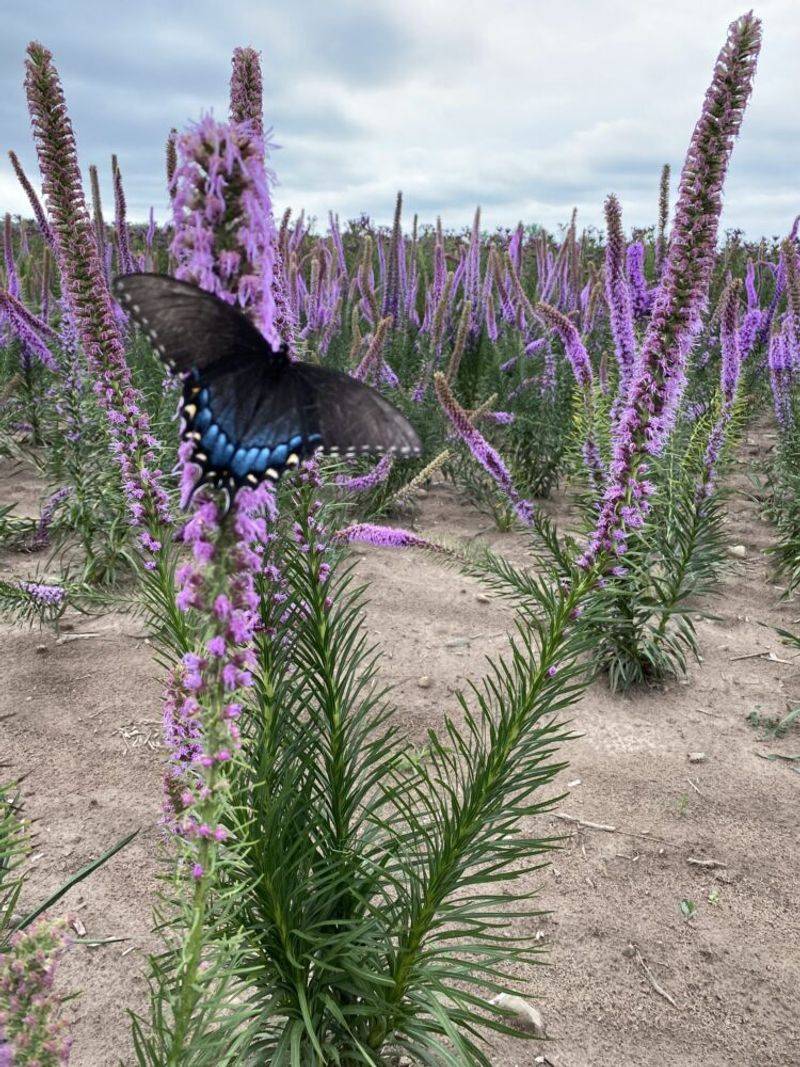
Prairie Blazing Star stands tall with its striking purple spikes. A favorite among bees and butterflies, it adds life and movement to the prairie. This wildflower is perfect for sunny locations, where it thrives and dazzles. Known for its vertical blooms, Prairie Blazing Star offers a unique shape and color. Ideal for gardeners seeking to attract pollinators and add height to their landscapes, it combines beauty with ecological benefits.
17. Compass Plant (Silphium laciniatum)
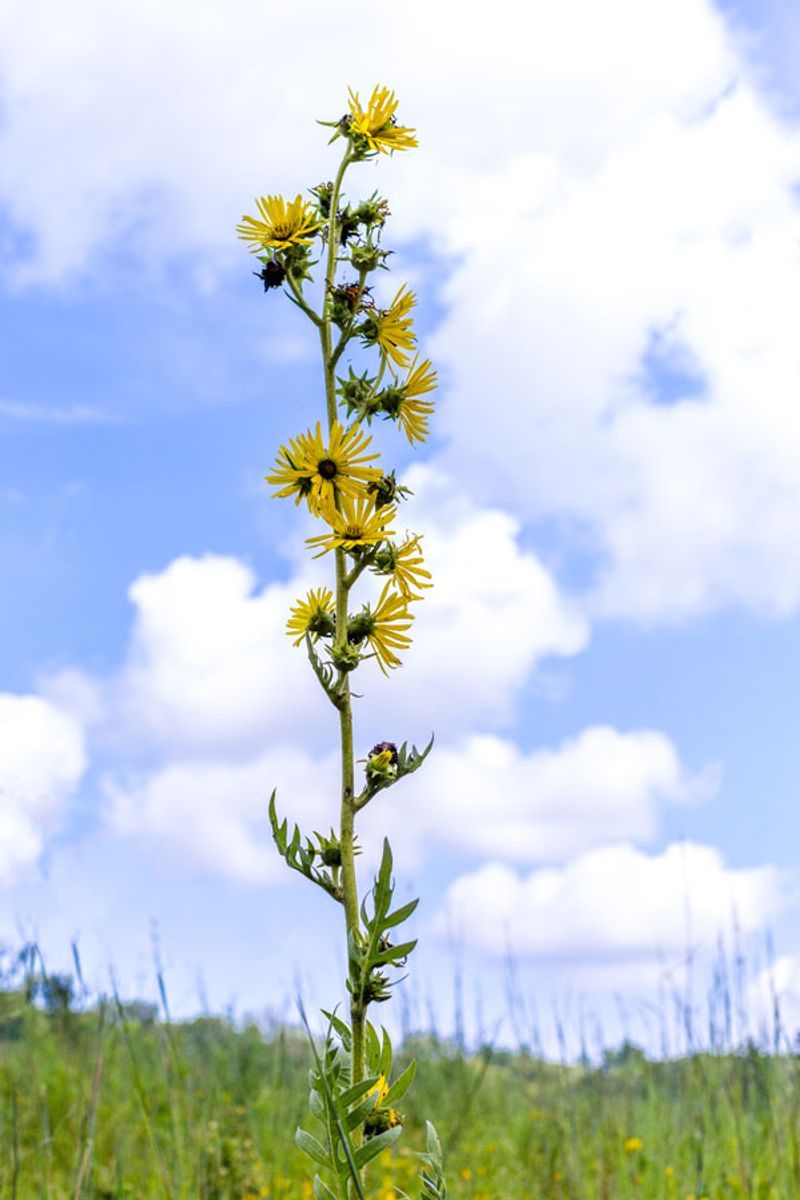
The Compass Plant, with its sunflower-like heads, reaches for the sky. Its tall stature and deeply cut leaves make it a striking addition to any garden. Thriving in sunny landscapes, it’s a favorite in prairies. This wildflower is not only visually appealing but also attracts pollinators, adding life and movement. Perfect for gardeners seeking height and charm, Compass Plant is a symbol of strength and resilience in nature’s tapestry.
18. Wild Petunia (Ruellia humilis)
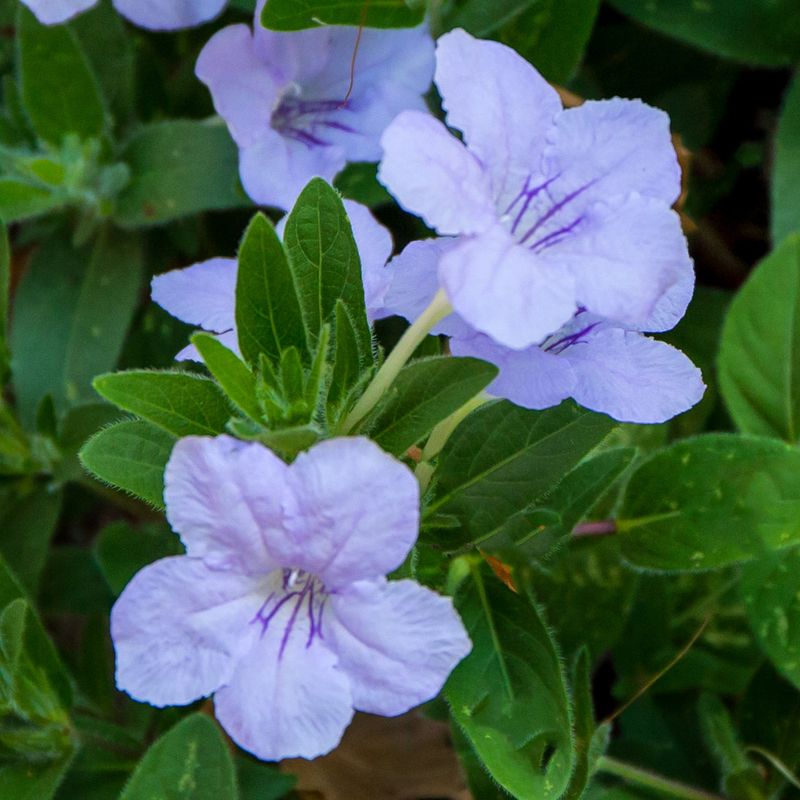
Wild Petunia, with its lavender-blue flowers, adds a gentle touch to the garden. Low-growing and hardy, it spreads across paths, bringing color and charm. This wildflower is perfect for filling in spaces, offering beauty without effort. It’s not just about looks; Wild Petunia is a magnet for pollinators, enhancing the garden’s ecosystem. Ideal for gardeners seeking easy-to-grow plants with visual appeal, it combines simplicity with ecological benefits.
19. Gray-Headed Coneflower (Ratibida pinnata)
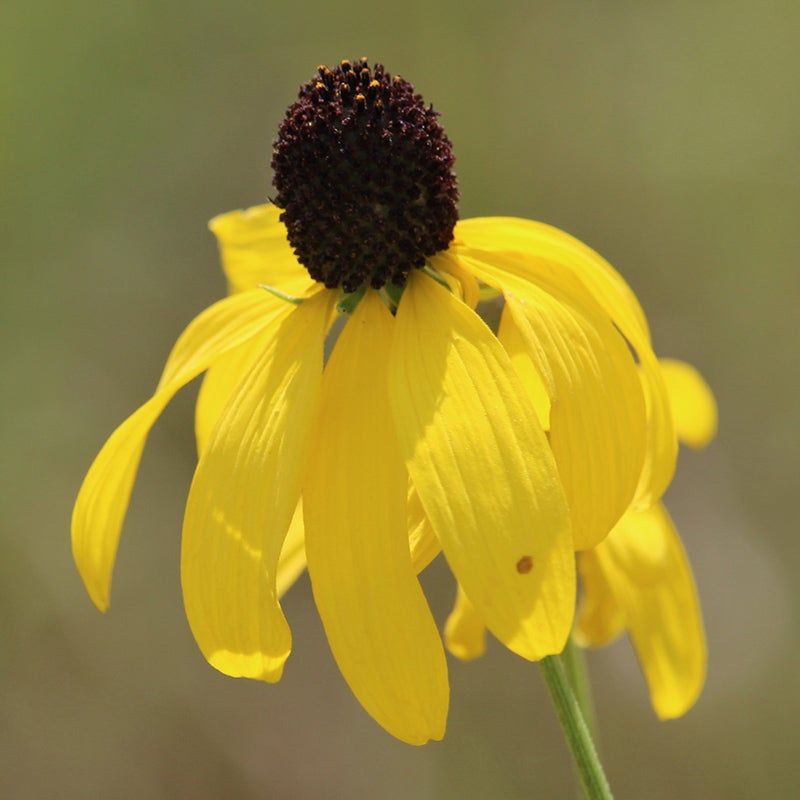
Gray-Headed Coneflower stands gracefully in the garden. With its yellow petals drooping elegantly from a dark cone, it offers a unique visual appeal. Thriving in sunny meadows, this wildflower adds height and texture. It’s not just about appearance; Gray-Headed Coneflower attracts pollinators, making it an ecological asset. Perfect for those seeking distinctive beauty and environmental benefits, it combines elegance with functionality.
20. Ohio Spiderwort (Tradescantia ohiensis)
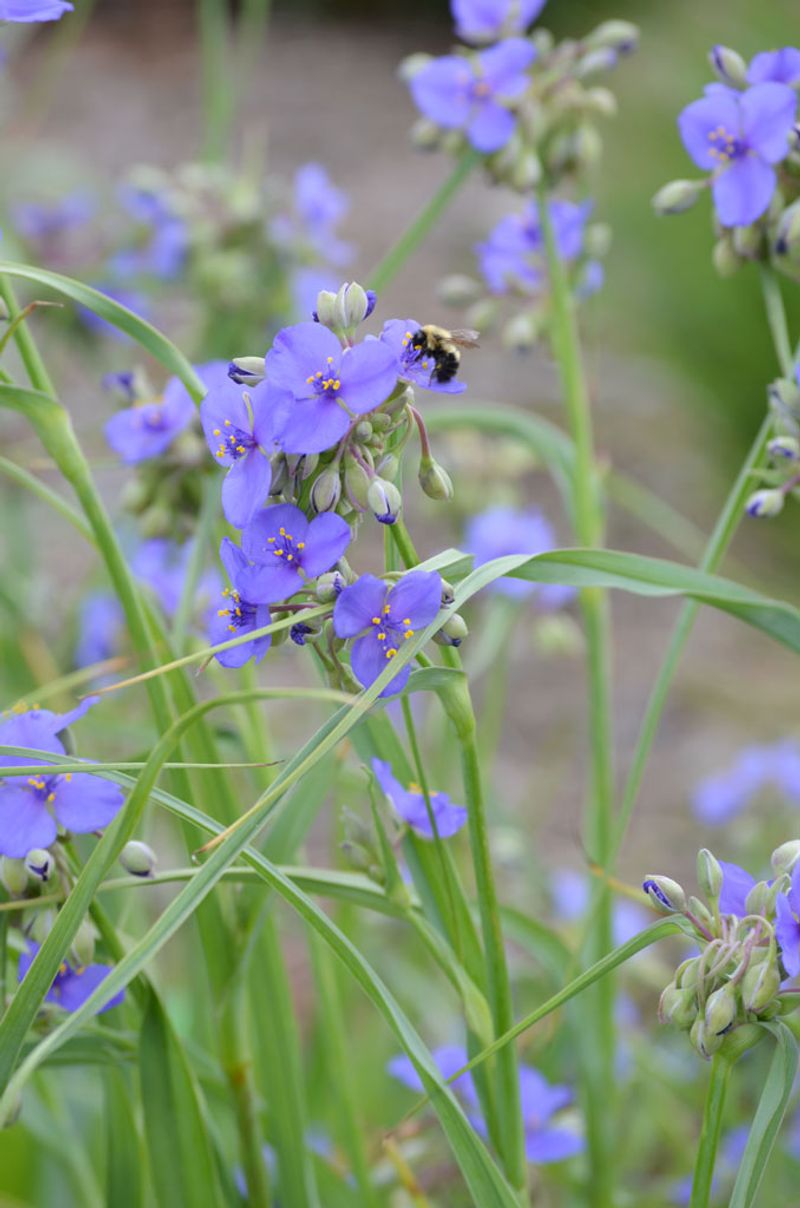
Ohio Spiderwort greets each day with a new bloom. Its bluish-purple flowers open each morning, adding freshness to the garden. This wildflower thrives in various conditions, offering adaptability and charm. Perfect for adding a touch of uniqueness, Ohio Spiderwort attracts pollinators, enhancing the garden’s vibrancy. Ideal for those seeking a blend of beauty and ecological benefits, it combines daily wonder with resilience, making it a garden favorite.
21. Blazing Star (Liatris spicata)
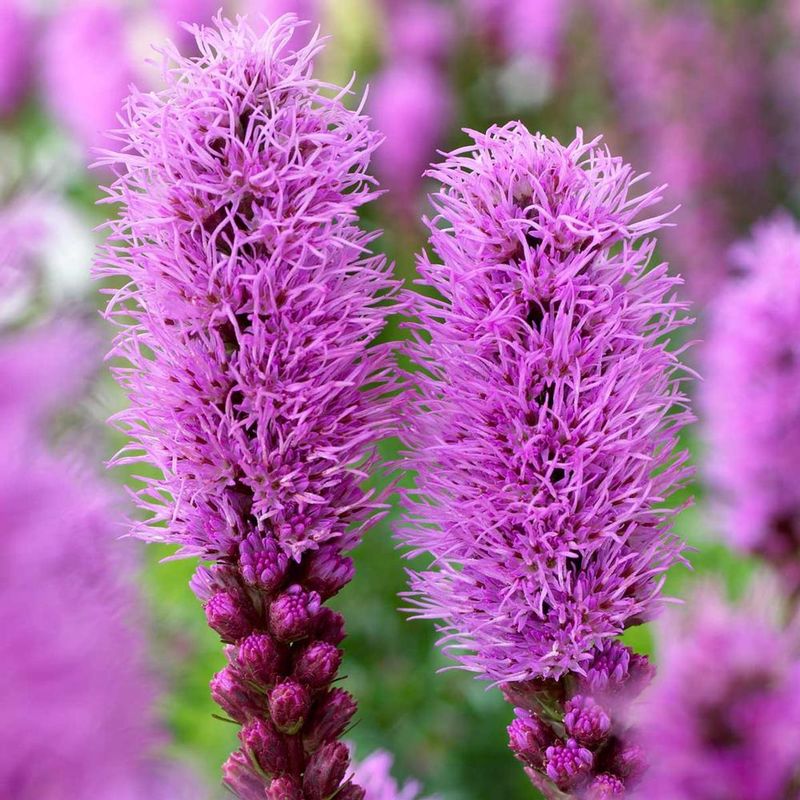
Blazing Star, with its feathery purple blooms, stands tall and proud. Perfect for cutting, it offers both beauty and utility. This wildflower thrives in sunny gardens, adding height and texture. A favorite among pollinators, Blazing Star combines visual appeal with ecological benefits. Ideal for those seeking plants that offer both beauty and function, it provides a unique shape and color, making it a standout choice for any landscape.
22. Standing Cypress (Ipomopsis rubra)
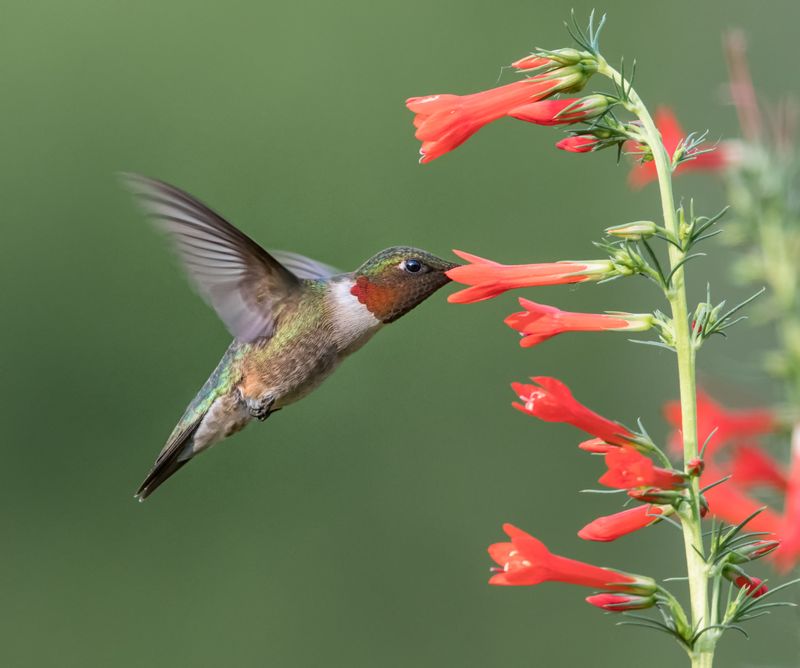
Standing Cypress, with its red spikes, draws attention and admiration. Hummingbirds flock to its vibrant blooms, infusing the garden with movement and life. This wildflower thrives in sunny locations, offering a striking vertical element. Perfect for those seeking to attract pollinators and add color, Standing Cypress combines visual appeal with ecological benefits. Its bold appearance and allure make it a favorite for gardeners looking to enhance their landscapes.
23. Scarlet Hibiscus (Hibiscus coccineus)
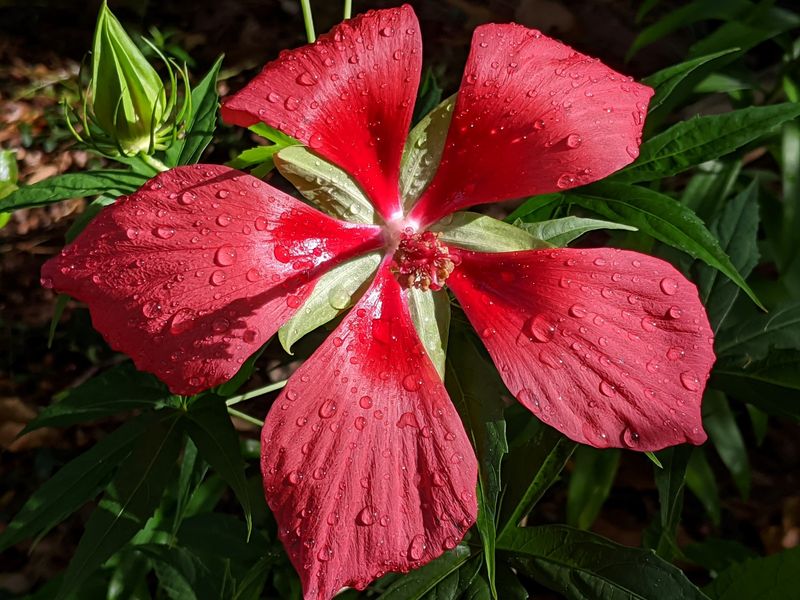
Scarlet Hibiscus, with its tropical allure, stands out with deep red blooms. Thriving in moist areas, it adds a splash of exotic color. This wildflower is not only visually striking but also supports pollinators, enhancing the garden’s ecosystem. Perfect for water gardens or areas needing moisture, Scarlet Hibiscus provides both beauty and functionality. Its bold flowers and adaptability make it a cherished choice for those seeking tropical charm.
24. Coreopsis (Coreopsis tinctoria)
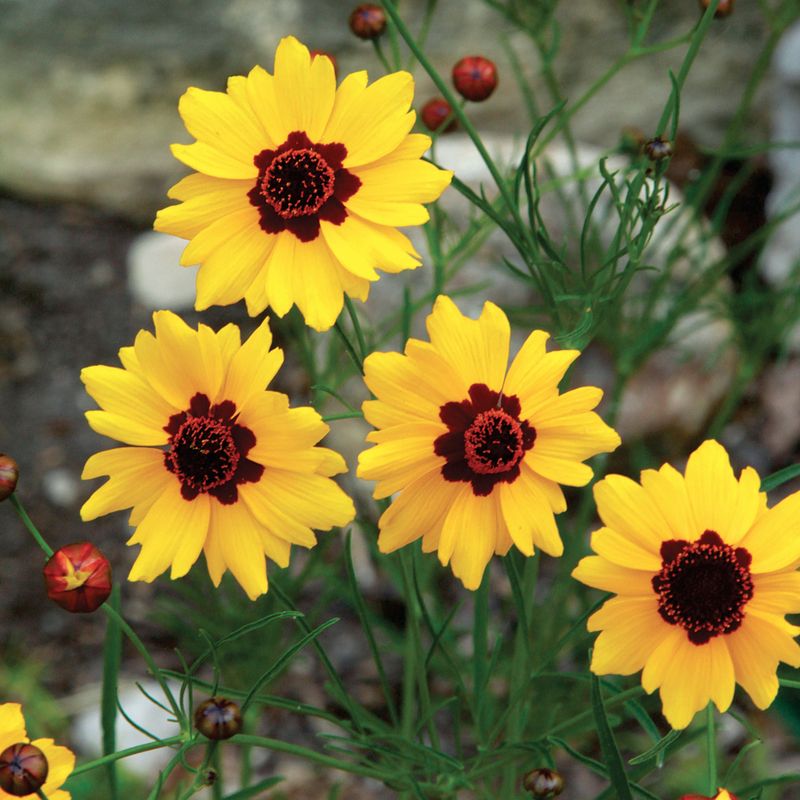
Coreopsis, with its dainty red-and-yellow flowers, dances gracefully in the garden. A symbol of happiness and cheer, it brightens any space with its vibrant hues. This wildflower is easy to grow and maintain, making it a favorite for gardeners. Attracting pollinators, Coreopsis enhances both beauty and biodiversity. Perfect for those seeking color and joy, it offers a joyful presence, combining visual appeal with ecological benefits.
25. Blue Mistflower (Conoclinium coelestinum)
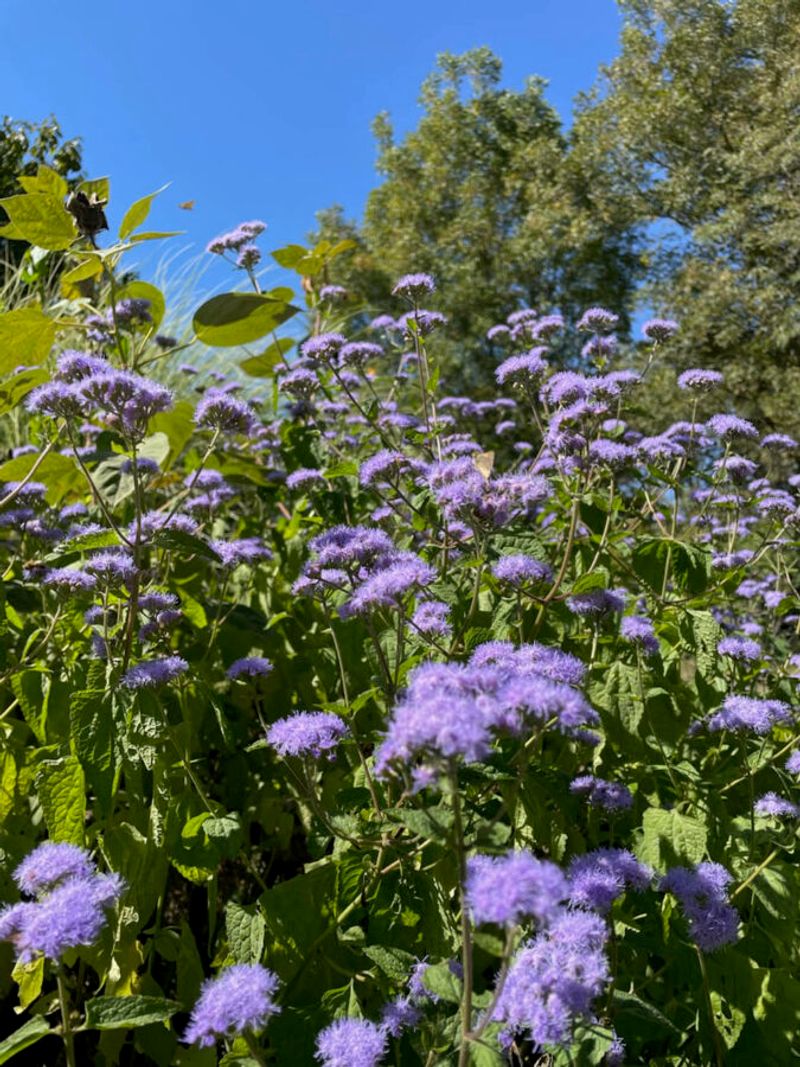
Blue Mistflower spreads like a gentle mist, filling in shady areas with soft blue blooms. Its tender flowers create a serene and calming atmosphere. Perfect for moist, shaded gardens, it offers beauty where others may not thrive. This wildflower is a favorite for attracting pollinators, making it not only visually appealing but ecologically beneficial. Ideal for those seeking to brighten shaded areas, Blue Mistflower combines charm with environmental enhancement.
26. Evening Primrose (Oenothera biennis)
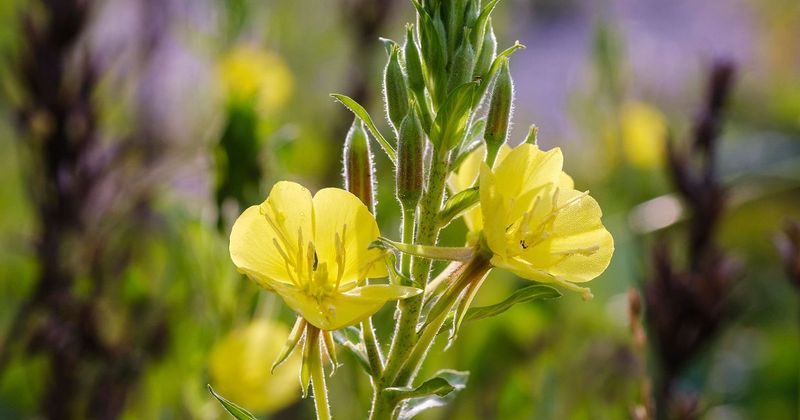
Evening Primrose welcomes the night with its yellow blooms. As dusk falls, its flowers open, attracting moths and adding a touch of magic. This wildflower thrives in various conditions, offering adaptability and beauty. Perfect for night gardens or areas needing evening interest, Evening Primrose provides both visual appeal and ecological benefits. Its unique blooming time and ability to attract nocturnal pollinators make it a fascinating choice for gardeners seeking something different.
27. Blanket Flower (Gaillardia pulchella)
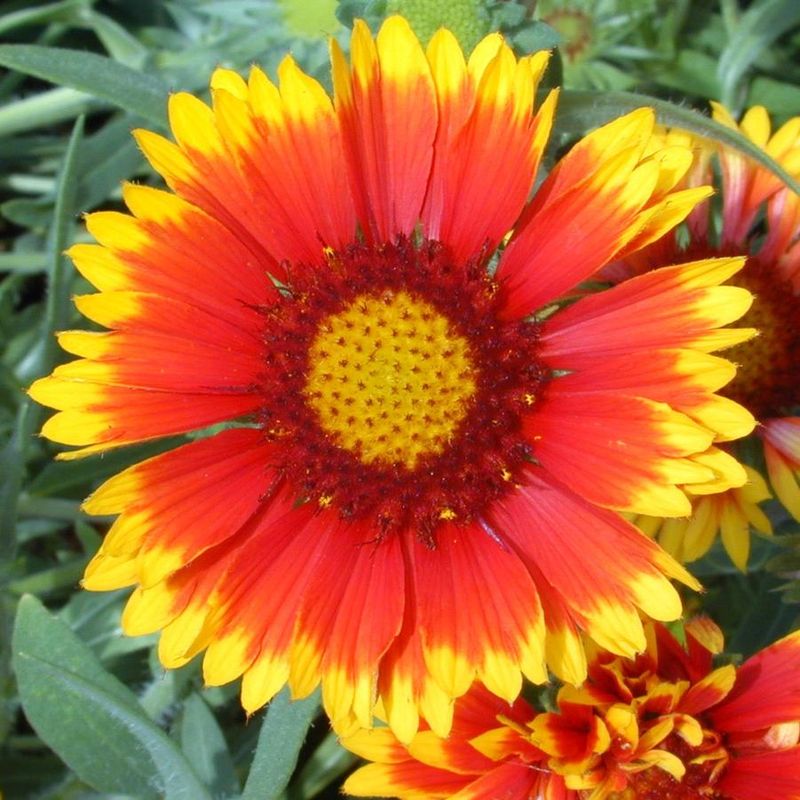
Blanket Flower wraps the garden in warmth with its red and yellow petals. Thriving in full sun, it offers a cheerful presence. This wildflower is easy to grow, making it a favorite for gardeners seeking both beauty and simplicity. Attracting pollinators, Blanket Flower combines visual appeal with ecological benefits. Perfect for sunny borders or rock gardens, it provides a splash of color and joy, enhancing any landscape with its daisy-like charm.