
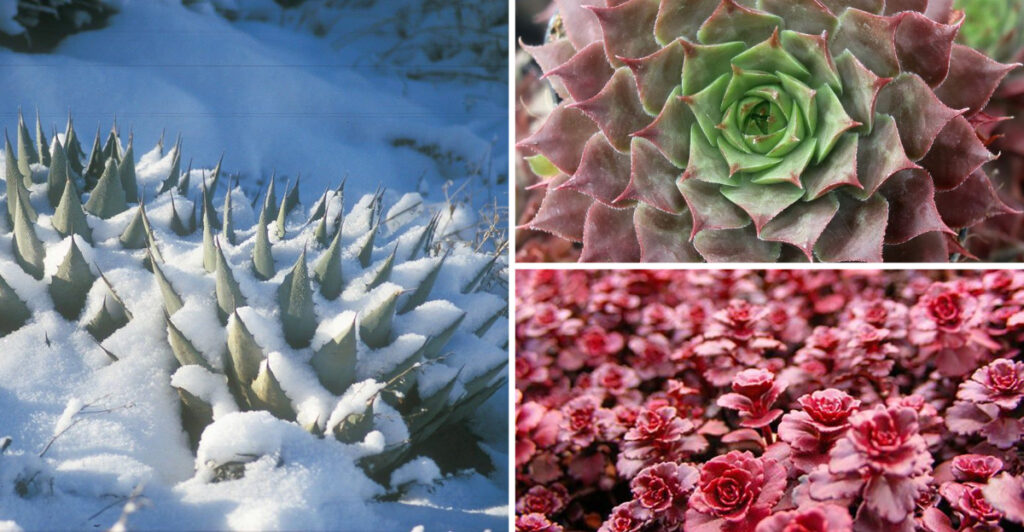
Succulents are beloved for their resilience and ability to thrive in challenging conditions. While most prefer warm, arid climates, there are unique varieties that can withstand freezing temperatures. Discover 15 hardy succulents perfect for frosty environments.
1. Sempervivum Tectorum (Common Houseleek)
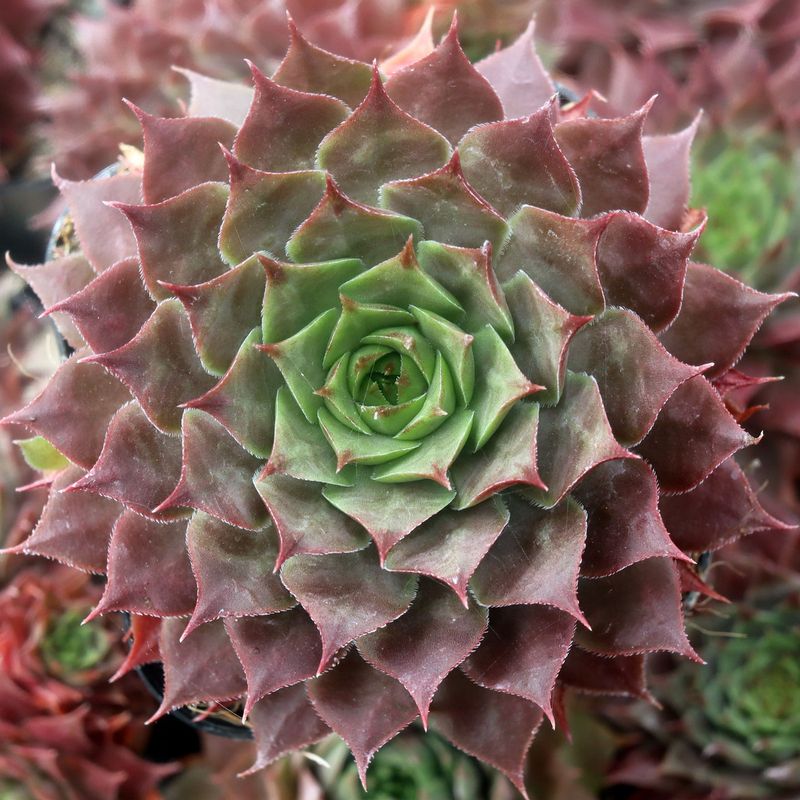
Sempervivum Tectorum, commonly known as the Common Houseleek, is a true survivor in the plant world. Originating from the mountain regions of Europe, this succulent can endure harsh winters, often thriving under a blanket of snow. Its rosette form is not only aesthetically pleasing but also functional, allowing the plant to shed excess water easily.
As a perennial, it requires little maintenance, making it ideal for gardeners in colder climates. Each year, it produces offsets or “chicks,” ensuring its propagation. Truly, the Common Houseleek brings life to the dreariest of winter gardens.
2. Sedum Spurium (Two-row Stonecrop)
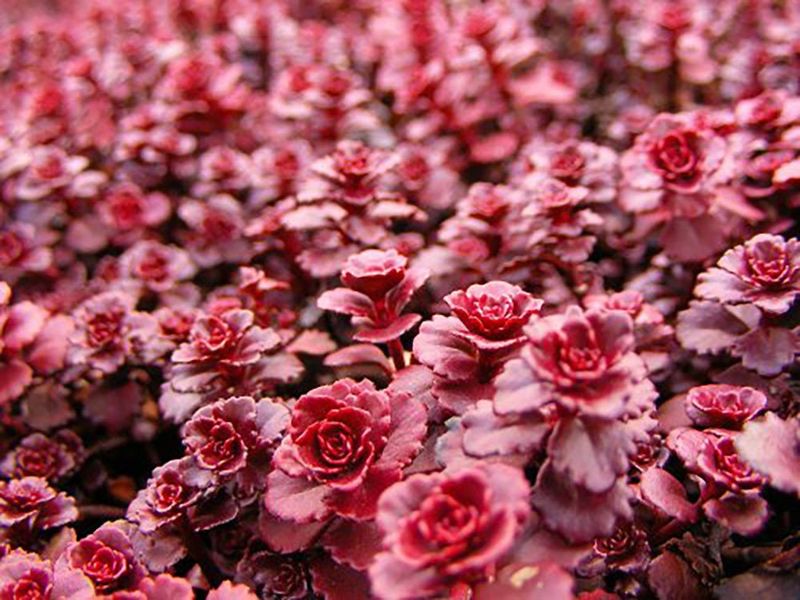
Sedum Spurium, or Two-row Stonecrop, is loved for its vivid hues and robust nature. Native to the Caucasus, this succulent exhibits a stunning display of red and green foliage, even as frost settles over it. Its low-growing habit makes it a popular choice for ground cover in chilly regions.
The plant’s ability to retain color through winter adds a cheerful touch to sleeping gardens. Its resilience doesn’t end with its beauty; it requires minimal care and can spread easily, making it a favorite among garden enthusiasts looking for low-maintenance options.
3. Agave Parryi (Parry’s Agave)
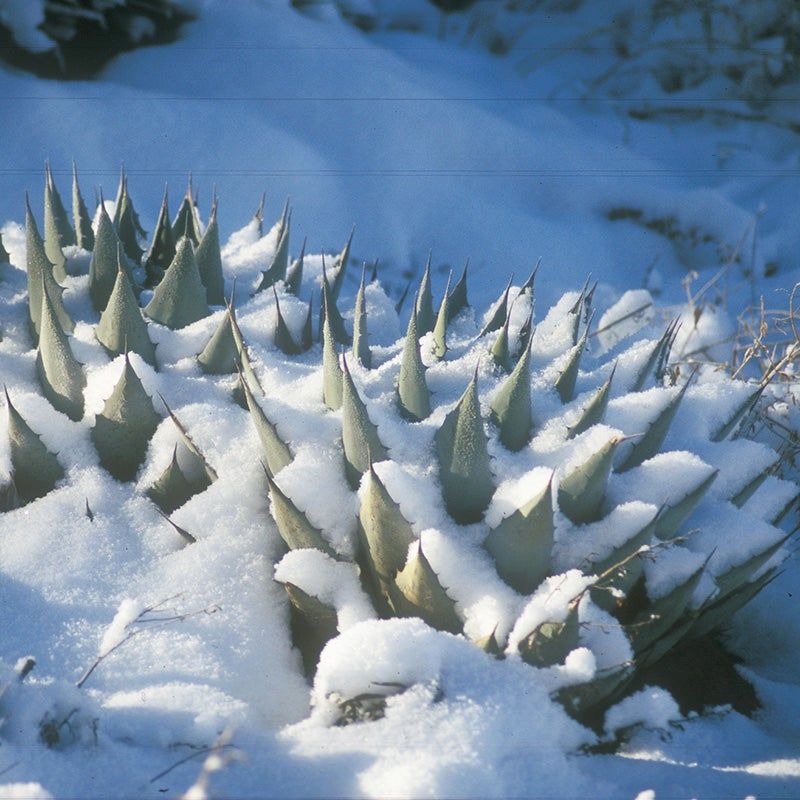
Agave Parryi, known as Parry’s Agave, is a bold statement in any winter landscape. Its blue-gray leaves, edged with dark spines, provide a stark contrast to snowy surroundings. This succulent hails from the high deserts of Arizona and New Mexico, where it has adapted to withstand freezing nights.
The plant’s structure collects warmth during the day, helping it survive cold spells. While it grows slowly, the mature rosette can become a centerpiece in rock gardens. Its tenacity in adverse conditions exemplifies the hardy nature of certain succulents.
4. Delosperma Cooperi (Hardy Ice Plant)
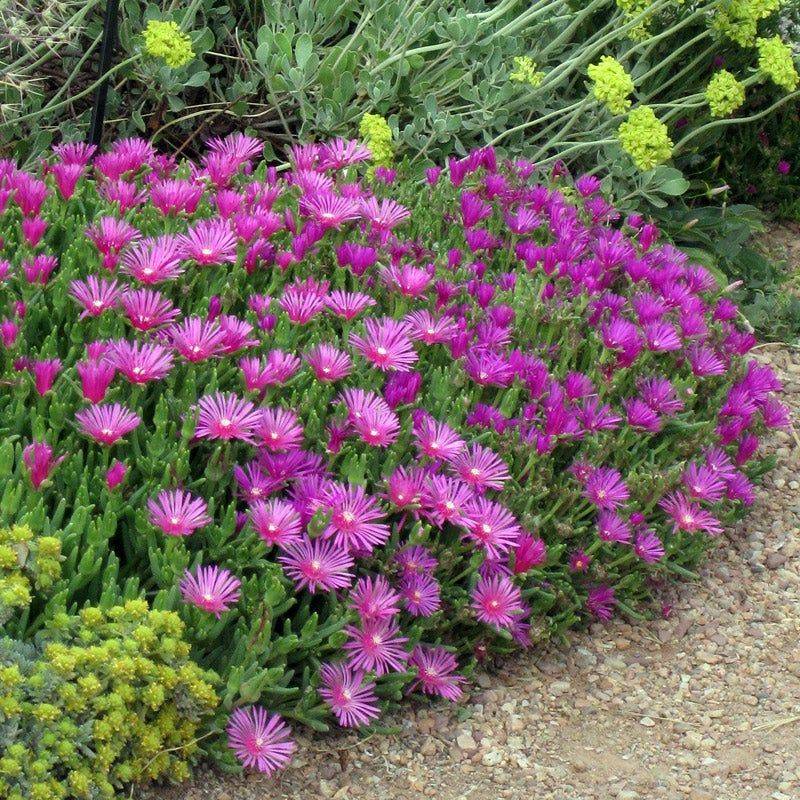
Delosperma Cooperi, the Hardy Ice Plant, is renowned for its vibrant blossoms that endure winter’s chill. Originating from South Africa, it surprises many with its ability to withstand frost. Its purple flowers remain a vivid splash of color amidst wintry whites, while its succulent leaves help retain moisture.
This groundcover is perfect for borders and edges, where it spreads to create a colorful carpet even in cold months. Its low maintenance and drought tolerance make it a reliable choice for gardeners in colder climates who seek beauty without the fuss.
5. Opuntia Humifusa (Eastern Prickly Pear)
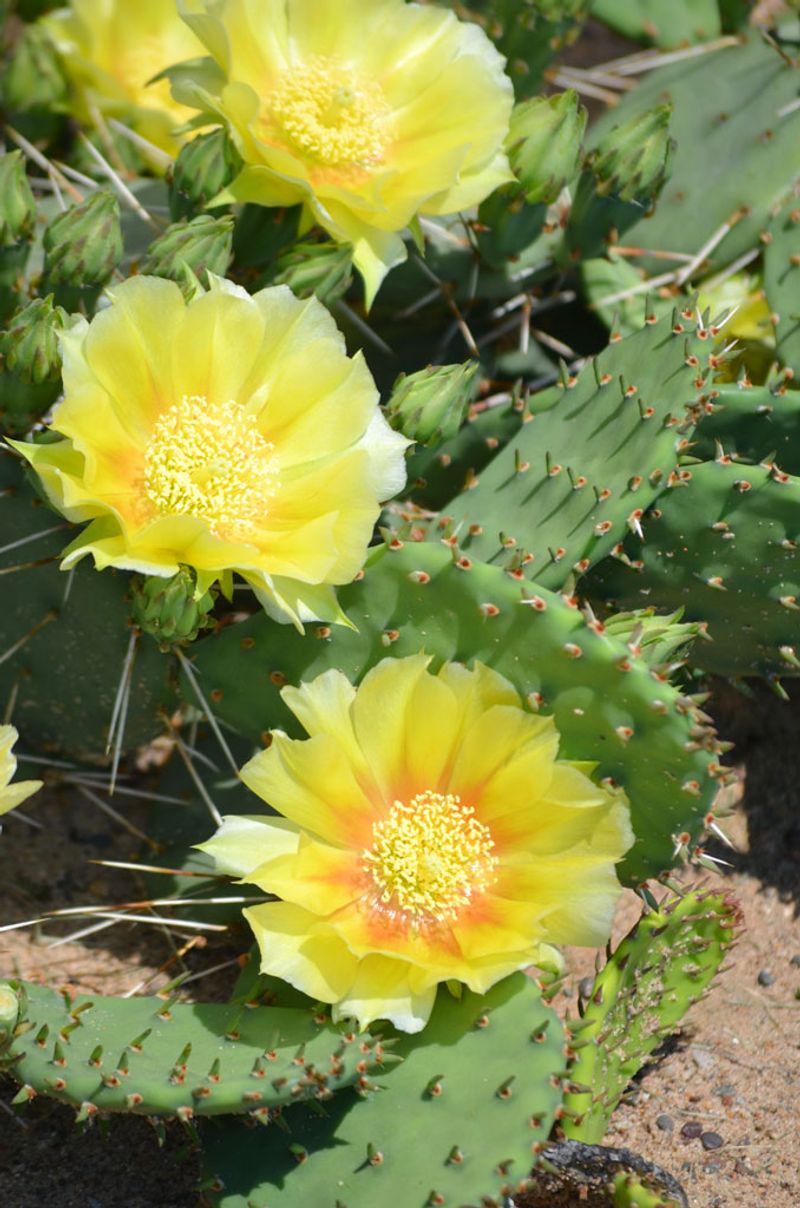
Opuntia Humifusa, or Eastern Prickly Pear, is not your typical cactus. Found in the eastern United States, it’s one of the few cacti that embrace cold conditions. Its flat, paddle-like pads are resilient, surviving under a frosty veil.
This cactus blooms with bright yellow flowers in spring, offering a welcome burst of color. In winter, its pads often turn a rich reddish hue, enhancing its visual appeal. The Eastern Prickly Pear demonstrates that not all succulents need warmth to flourish, proving its worth in colder gardens.
6. Hylotelephium Telephium (Sedum ‘Autumn Joy’)

Hylotelephium Telephium, commonly called Sedum ‘Autumn Joy’, stands resilient in the face of frost. This succulent is celebrated for its fleshy, green leaves and late-season blooms that persist into winter. Originating from Asia and Europe, it’s adapted to withstand cooler temperatures.
The plant’s flowers, initially pink, fade to a coppery hue, providing winter interest. Its upright growth habit and sturdy stems make it an excellent border plant. ‘Autumn Joy’ thrives with minimal care, making it a cornerstone for gardeners seeking year-round beauty.
7. Echeveria Elegans (Mexican Snowball)
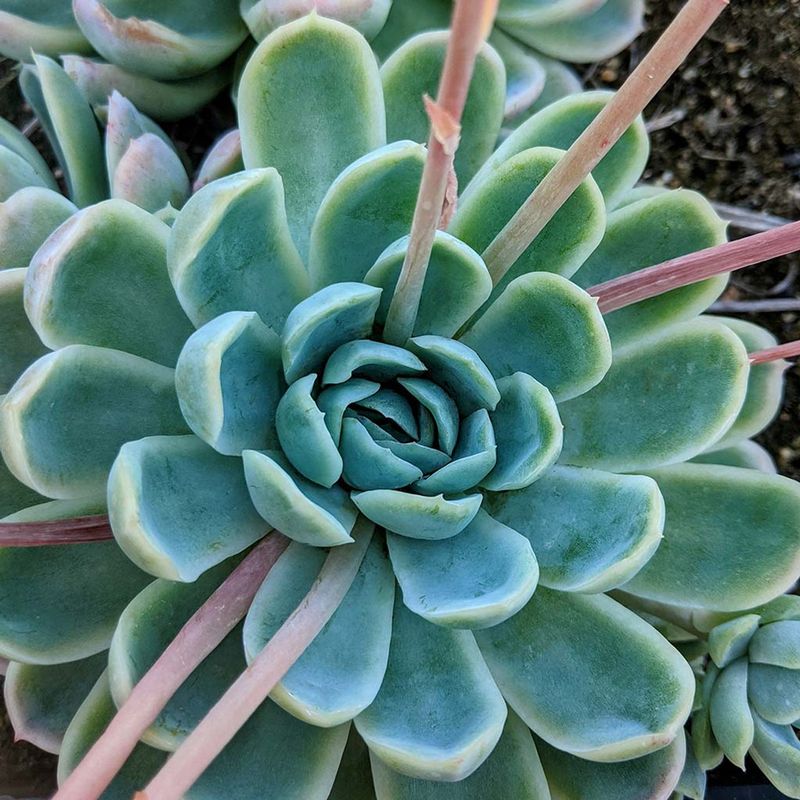
Echeveria Elegans, the Mexican Snowball, boasts a rosette shape that seems tailor-made for icy conditions. Native to Mexico, this succulent is surprisingly tolerant of cold, often enduring light frosts. Its pale blue leaves form a tight cluster, reminiscent of a snowball in shape and color.
Despite its delicate appearance, it’s a hardy contender in winter gardens. When planted in well-draining soil, it requires little attention, allowing its natural beauty to shine. The Mexican Snowball offers a touch of elegance, even as temperatures dip.
8. Yucca Filamentosa (Adam’s Needle)
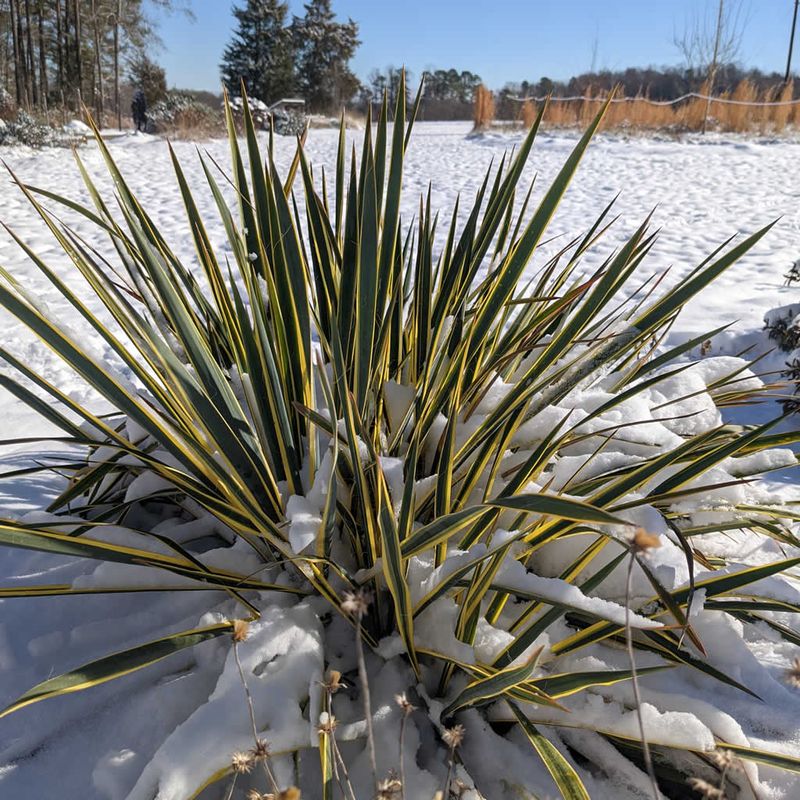
Yucca Filamentosa, or Adam’s Needle, is a striking sight in any winter landscape. Its sword-like leaves maintain their rigidity and form, even under frost. This North American native thrives in poor soils and can endure the chilliest of winters.
Known for its tall flower spikes, which appear in summer, this yucca retains its structural interest year-round. Its evergreen nature makes it a constant feature in the garden. Adam’s Needle brings a touch of the exotic, demonstrating resilience and beauty in equal measure.
9. Aloe Aristata (Lace Aloe)
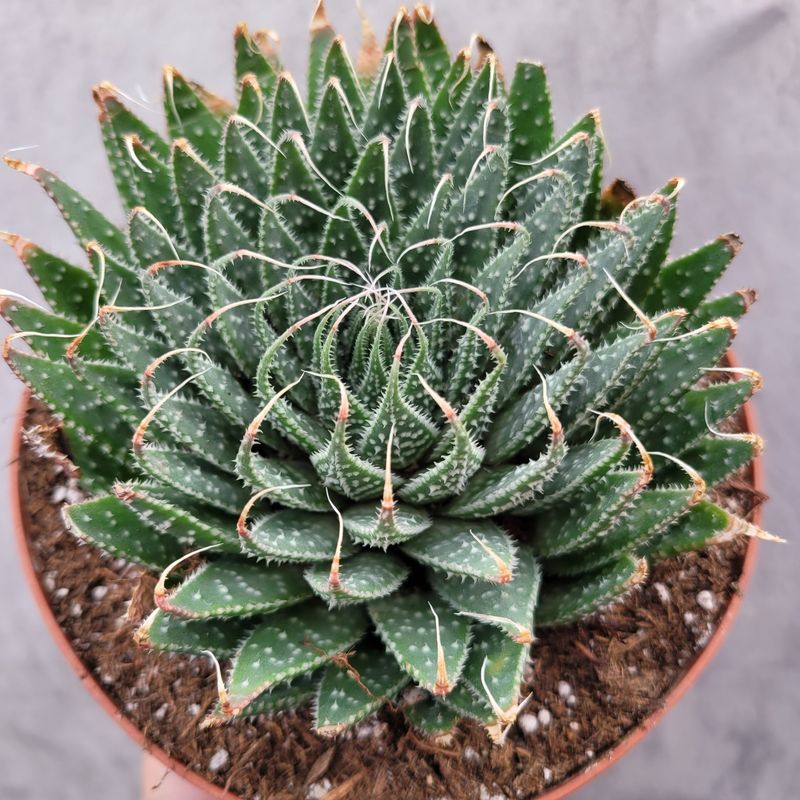
Aloe Aristata, known as Lace Aloe, is a small succulent with a big personality. Its rosettes are filled with fleshy, spiky leaves that are surprisingly soft to the touch. A native of South Africa, it has adapted to survive mild frosts, making it a unique addition to cold-weather gardens.
Its delicate white markings resemble lace, lending it an ornamental appeal. In winter, its hardy nature ensures it remains vibrant, even as temperatures drop. The Lace Aloe is perfect for those seeking a charming, low-maintenance plant for chilly climes.
10. Orostachys Iwarenge (Chinese Dunce Cap)
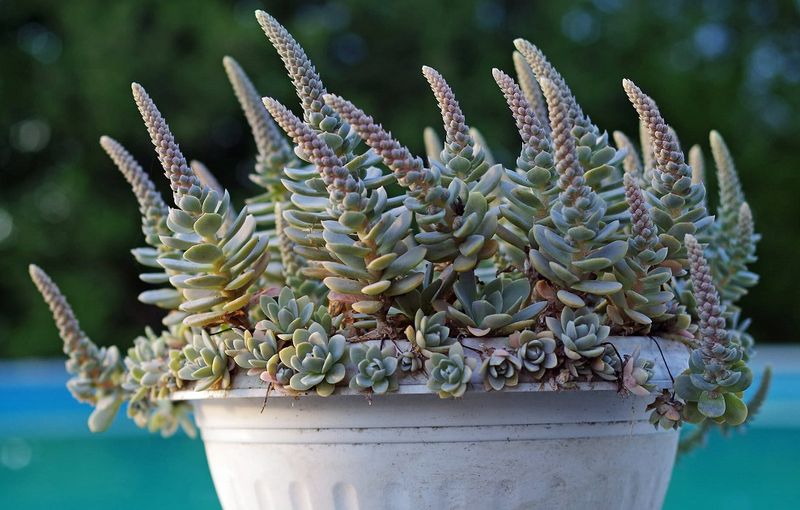
Orostachys Iwarenge, aptly named the Chinese Dunce Cap, offers a whimsical touch to winter landscapes. This succulent features cone-shaped rosettes that seem ready for a snowy stage. Native to East Asia, it thrives in well-draining soil and can withstand light frosts.
Its leaves form tight clusters, resembling little towers that stand proudly against winter’s chill. As temperatures drop, the plant remains unfazed, offering structural interest alongside resilience. The Chinese Dunce Cap is a delightful choice for gardeners wishing to add a quirky element to their cold-hardy collection.
11. Crassula Ovata (Jade Plant)
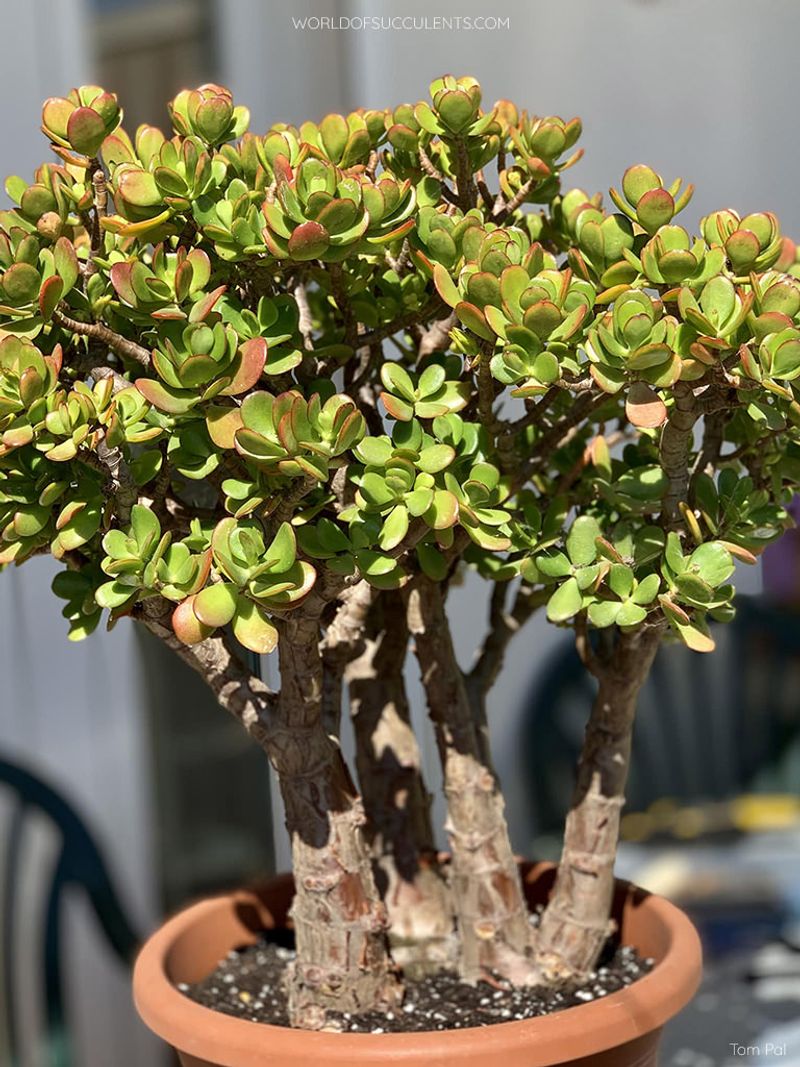
Crassula Ovata, commonly known as the Jade Plant, is often associated with indoor settings, yet it can brave light frosts in suitable climates. Originating from South Africa, its thick, shiny leaves are adept at storing water, enabling it to endure colder temperatures.
In winter, the plant may display a reddish tint along its leaf edges, adding to its allure. Though slow-growing, it becomes a robust shrub in time. The Jade Plant’s resilience and beauty make it a cherished addition to gardens where mild frosts occur, bridging the gap between houseplant and outdoor marvel.
12. Kalanchoe Tomentosa (Panda Plant)

Kalanchoe Tomentosa, or Panda Plant, is a beloved succulent with fuzzy leaves reminiscent of panda fur. Its velvety texture offers visual and tactile appeal, and it stands up to light frosts with ease. Originating from Madagascar, it adds a cozy charm to winter gardens.
In colder climates, its leaves develop a richer hue, enhancing its ornamental value. The Panda Plant is low-maintenance and adaptable, perfect for those seeking a unique, resilient addition to their succulent collection. Its charming appearance and hardy nature make it a standout in any environment.
13. Rosularia Platyphylla
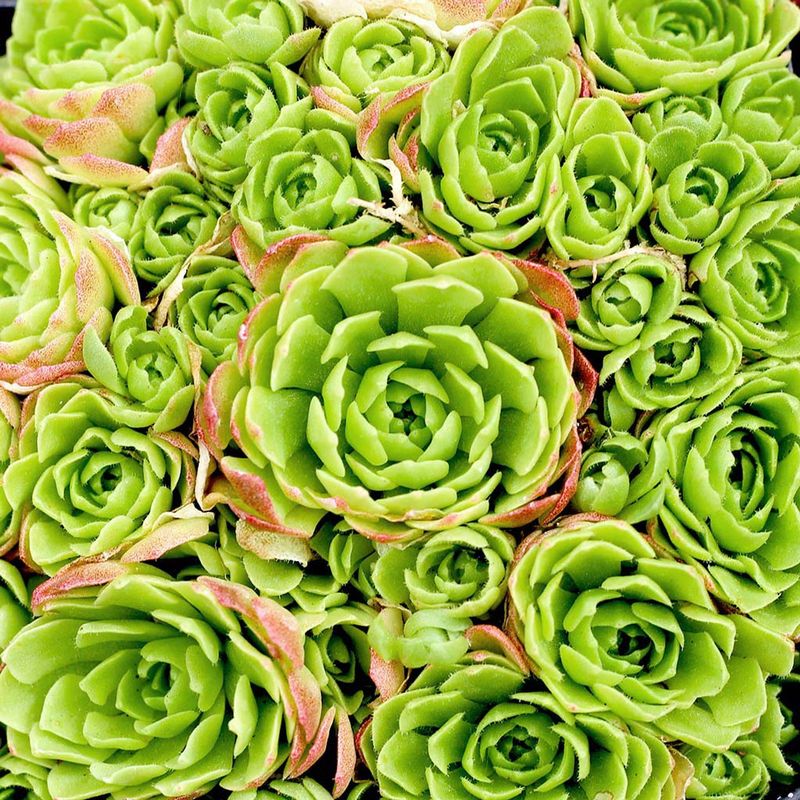
Rosularia Platyphylla is a hardy succulent known for its thick, fleshy leaves that can withstand cold temperatures. Native to the rocky regions of Turkey, it forms dense mats that hug the ground. This plant’s ability to retain water in its leaves allows it to endure winter’s chill.
Its small, rosette-like growth pattern adds texture to rock gardens and borders. As temperatures fall, Rosularia Platyphylla remains steadfast, showcasing its resilience and beauty. It’s an excellent choice for gardeners looking to add a touch of green to their winter landscapes without much hassle.
14. Aeonium Arboreum (Tree Aeonium)
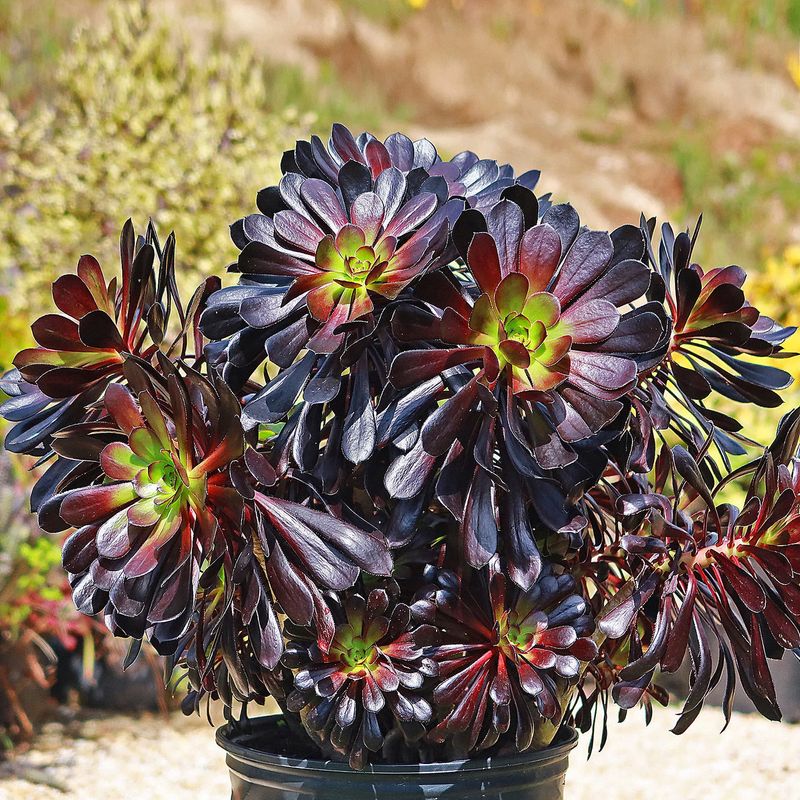
Aeonium Arboreum, or Tree Aeonium, captivates with its dark, glossy leaves that form large rosettes. This succulent, native to the Canary Islands, is more cold-tolerant than many realize, surviving mild frosts. Its tree-like structure adds height and interest to winter gardens.
The plant’s vibrant color provides a striking contrast against snow, making it a visual treat. In colder months, it may enter dormancy, conserving energy yet maintaining its beauty. Tree Aeonium is a versatile addition for gardeners seeking a bold statement in their cold-hardy succulent collection.
15. Pachyphytum Oviferum (Moonstones)
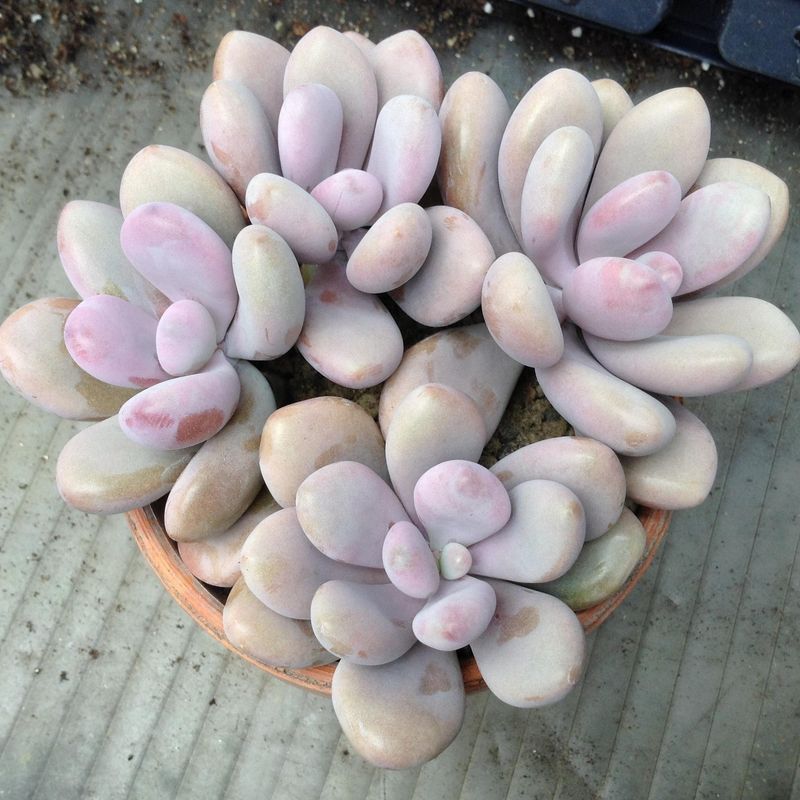
Pachyphytum Oviferum, endearingly known as Moonstones, features plump, pastel-hued leaves that evoke a sense of calm. Native to Mexico, this succulent surprises with its ability to handle light frosts. Its rounded leaves are not just visually appealing; they store water, providing resilience against cold spells.
In winter, the gentle colors of Moonstones stand out against the stark landscape, offering a soothing presence. Easy to care for, it requires minimal intervention, allowing gardeners to enjoy its quiet charm. Moonstones make an enchanting addition to any cold-tolerant succulent assortment.