 Complete Gardening
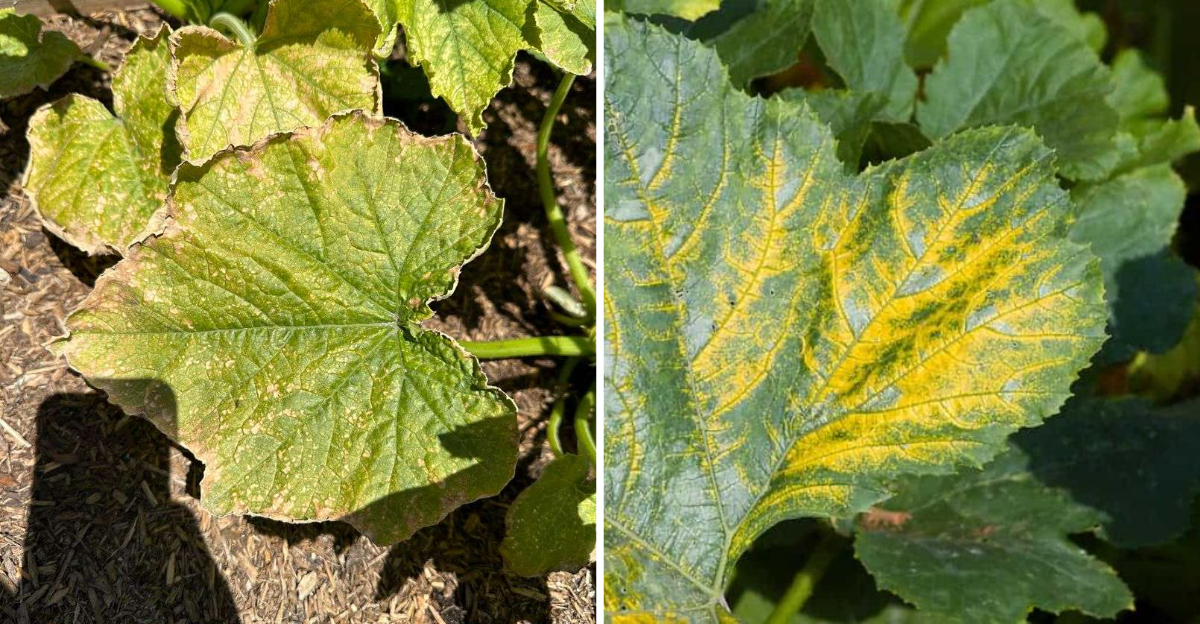
Zucchini plants are a popular choice among gardeners due to their rapid growth and abundant yield. However, there are several challenges that growers should be aware of before starting. This article covers the top five downsides to growing zucchini plants, offering insights into how to manage these issues effectively.
Prolific Growth Leading to Overcrowding
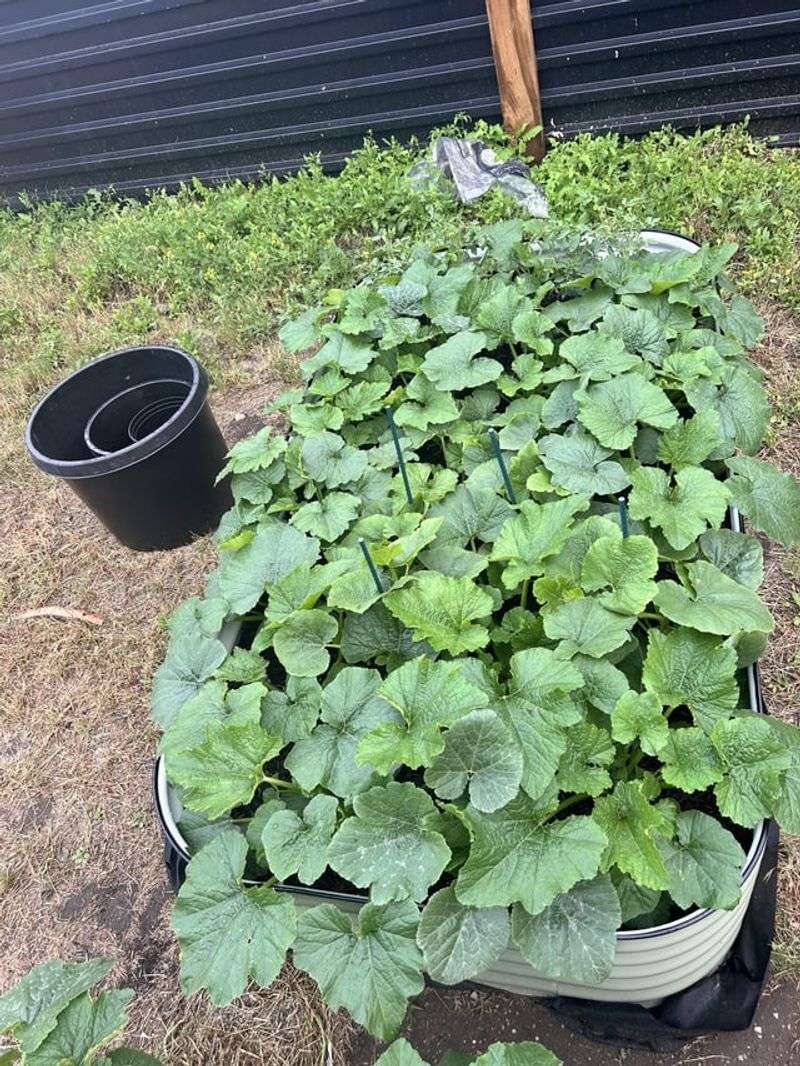
Zucchini is notorious for its vigorous growth. Within weeks, a few seeds can transform into an expansive patch, filling every available inch. This exuberant spread often leads to overcrowding, where plants compete for sunlight, water, and nutrients. The result? Stunted growth and reduced yield.
Gardeners may find themselves constantly trimming leaves and pruning stems to maintain order. This task can quickly become overwhelming, turning a once joyful hobby into a demanding chore.
Strategic planning and spacing can mitigate these effects, but the challenge of managing rampant growth remains constant, requiring diligence and patience.
Susceptibility to Pests and Diseases
Zucchini plants are highly appealing to insects and prone to diseases. Squash bugs, cucumber beetles, and aphids are common pests that feast on leaves and fruits. These insects can transmit diseases, compounding the problem.
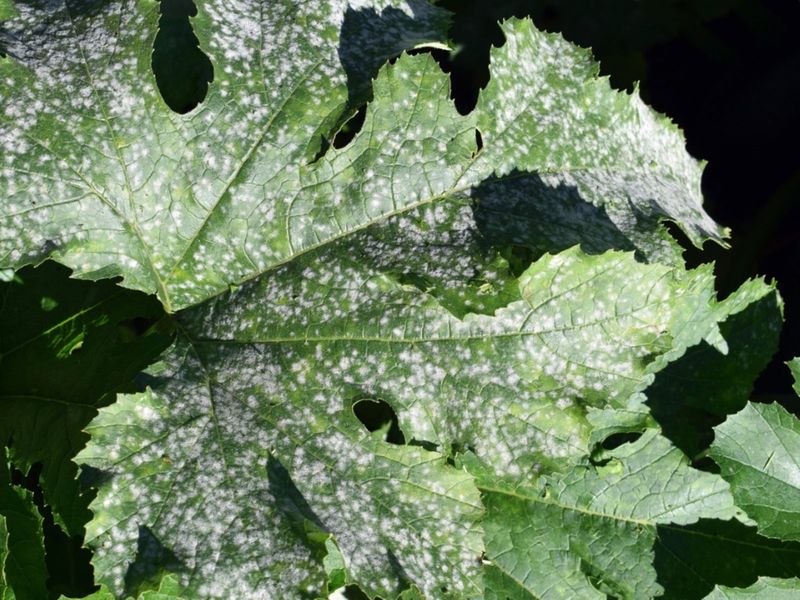
Powdery mildew is a frequent fungal invader, coating leaves with a white, powdery residue. This weakens the plant, reducing its ability to produce healthy fruits.
Gardeners need to stay vigilant, employing organic or chemical treatments to protect their crops. The ongoing battle with pests and diseases requires constant attention, making zucchini gardening a potentially high-maintenance endeavor.
High Water Requirements
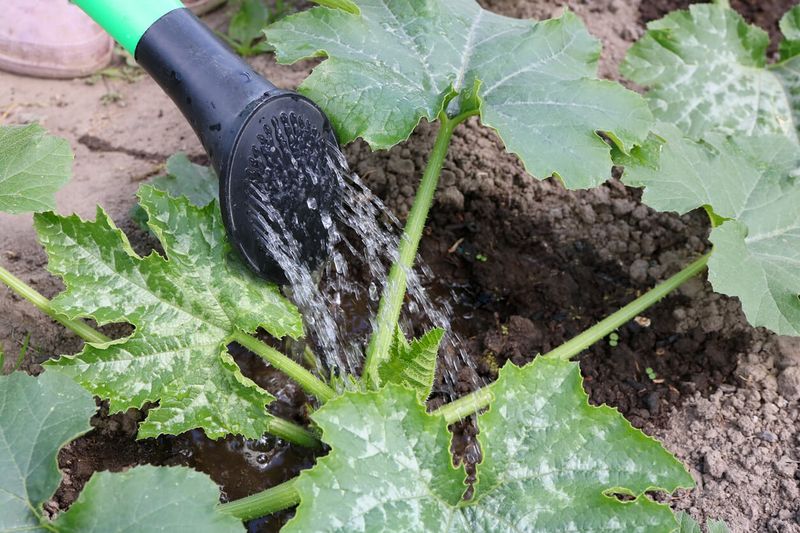
Zucchini plants thrive in moist soil, demanding regular watering. This requirement can be a burden, especially in dry climates or during scorching summer months.
Neglecting their thirst leads to wilting and poor fruit development. Consistent irrigation is key, yet it can strain resources and increase water bills.
Gardeners must balance their efforts, utilizing mulch to retain moisture and scheduling consistent watering routines. The persistent need for hydration adds a layer of complexity to zucchini cultivation, challenging those who cannot provide the plant’s ample water demands.
Short Harvest Window
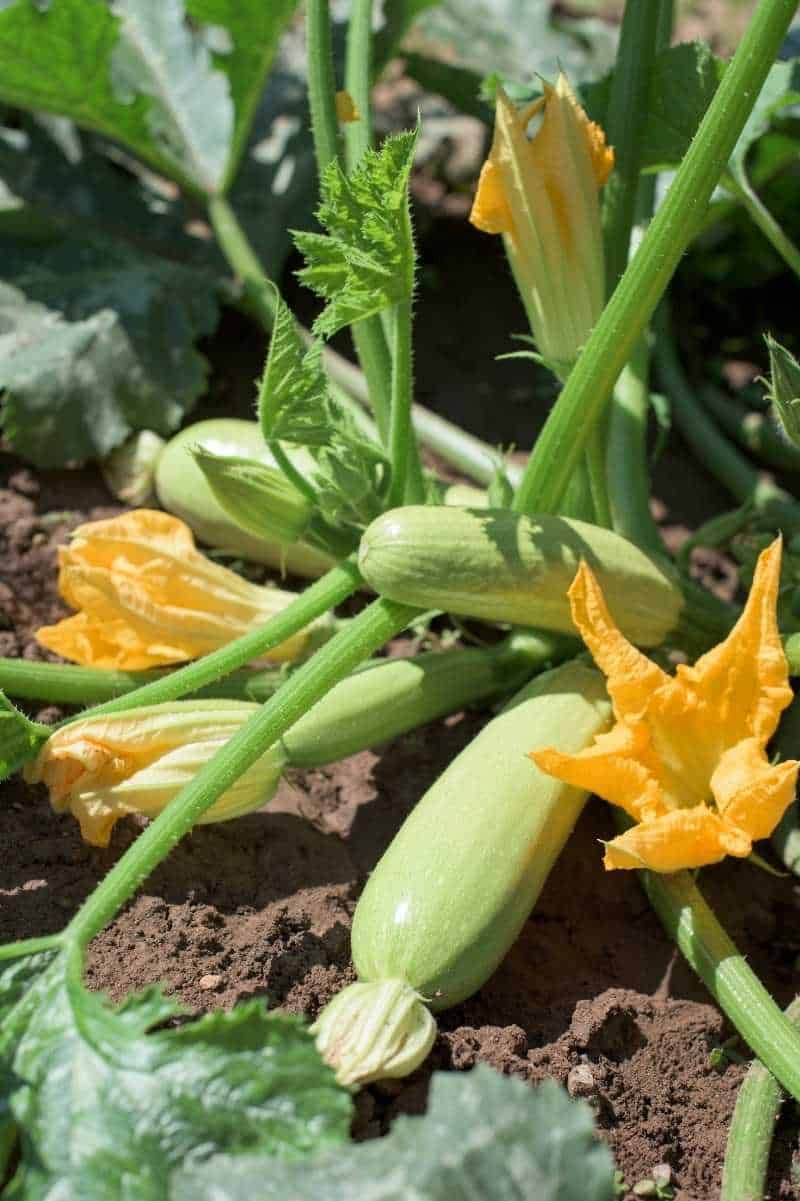
The window for harvesting zucchini is narrow. Once flowers develop into fruits, they quickly grow to maturity. However, if left unchecked, zucchinis can become oversized and tough, losing their tender appeal.
Gardeners must frequently check their plants, picking zucchini at the right moment to ensure quality taste and texture. This need for constant monitoring can be taxing, especially for those with busy schedules.
Missing the optimal harvest time can lead to waste and disappointment, turning the excitement of growing into a time-sensitive challenge that requires regular attention and action.
Space Consumption in The Garden
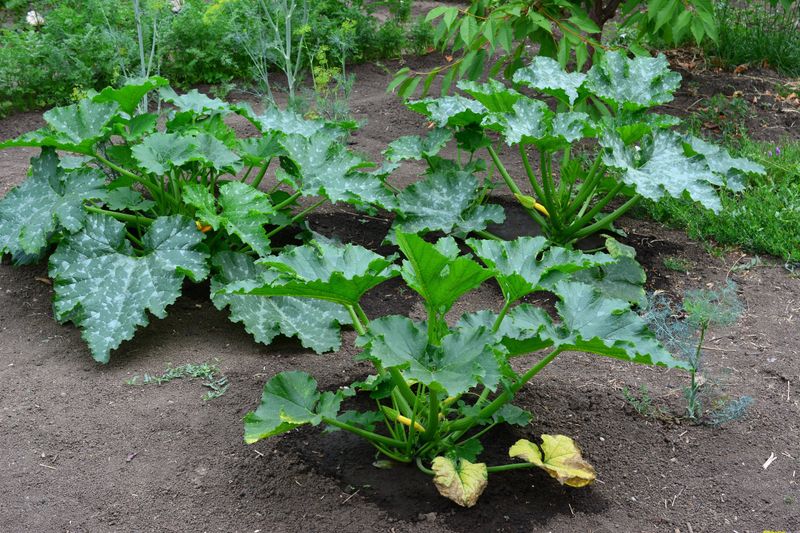
Zucchini plants are space hogs, sprawling across gardens and overshadowing other vegetables. Their broad leaves and extensive vines can monopolize real estate, limiting the growth potential of neighboring plants.
Those with limited garden space must consider whether they can afford to dedicate such significant room to a single crop. Strategic planning becomes essential to ensure that zucchinis don’t crowd out other valuable plants.
Choosing dwarf varieties or employing vertical gardening techniques can help, but the challenge of managing their sprawl remains a constant consideration for space-conscious gardeners.
Sunburned Leaves
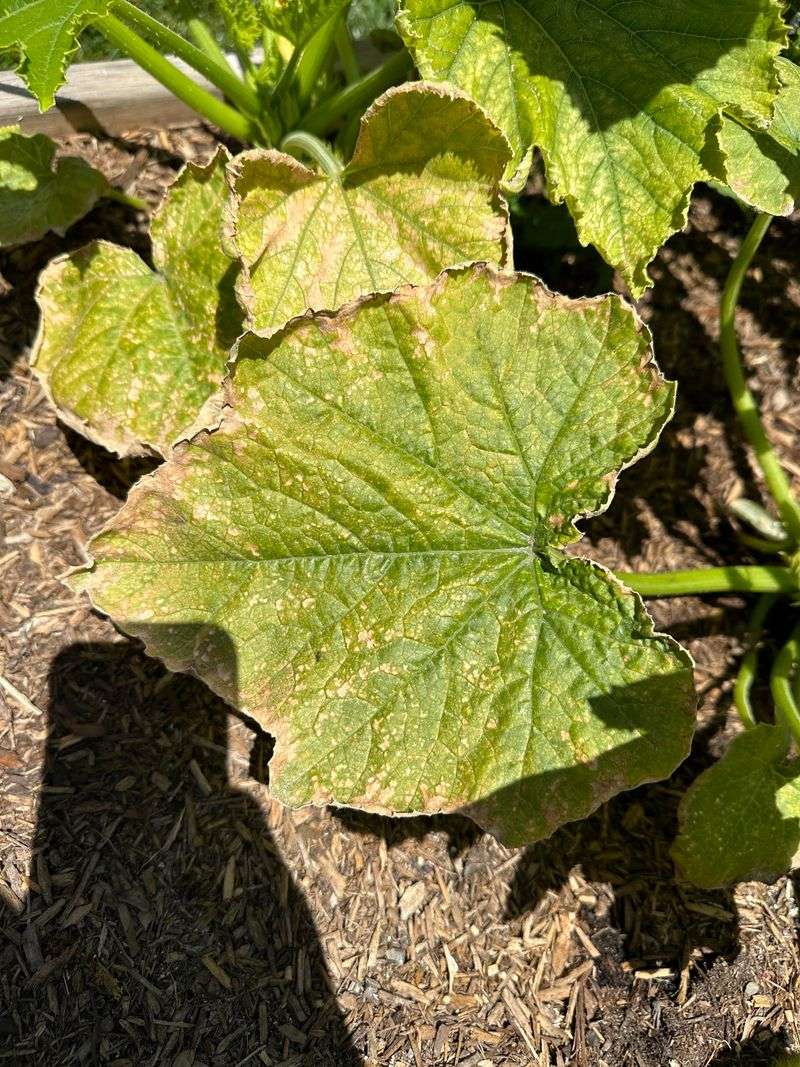
Just like humans, zucchini plants can suffer from sunburn. When exposed to intense sunlight, their large leaves may develop brown, crispy edges. This not only affects plant health but also reduces photosynthesis efficiency.
Providing partial shade during the hottest parts of the day can protect the leaves. Alternatively, using shade cloths is an effective method to prevent sunburn. Adjusting planting locations to offer natural shading from larger plants can also be beneficial.
By managing sun exposure, you can maintain healthy foliage and boost overall plant performance, leading to more productive zucchini plants.
Poor Pollination Issues
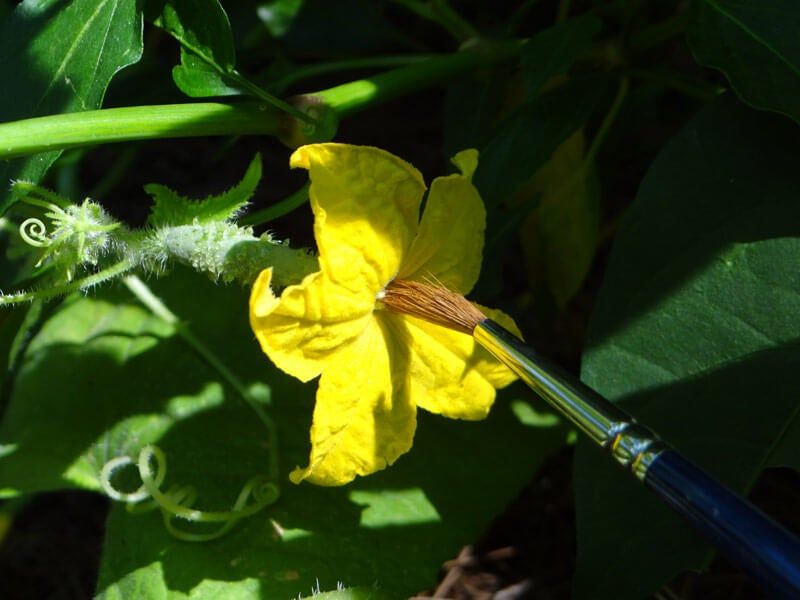
Zucchini plants rely heavily on bees and other pollinators to transfer pollen from male to female flowers. Without adequate pollination, fruit development is hampered, leading to misshapen or undeveloped zucchinis.
Planting flowers that attract pollinators nearby can assist in enhancing pollination rates. Additionally, gardeners might hand-pollinate by transferring pollen with a small brush or cotton swab.
Understanding pollination dynamics is crucial for those aiming for a bountiful harvest. Recognizing early signs of poor pollination can save time and effort by allowing timely intervention and boosting yield.
Nutrient Deficiencies

Zucchini plants require a balanced diet of nutrients to thrive. Deficiencies, particularly in nitrogen, can manifest as yellowing leaves and stunted growth.
Regular soil testing and appropriate fertilization strategies can prevent nutrient deficits. Composting is a natural way to enrich soil, providing essential nutrients.
By addressing nutrient needs proactively, gardeners can avoid common pitfalls and ensure robust plant growth. Healthy plants not only produce better yields but also resist diseases more effectively, resulting in a more prosperous gardening experience.
Cross-Pollination Concerns
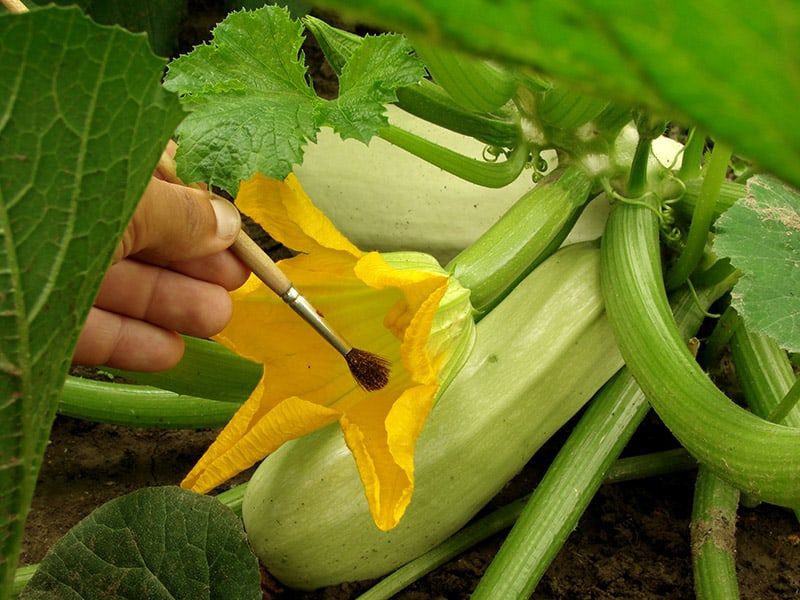
For gardeners growing multiple squash varieties, cross-pollination is a looming concern. Zucchini might cross with other squashes, leading to unexpected hybrids in subsequent seasons.
To mitigate this, different squash varieties should be planted at a distance. Alternatively, growing only one variety can prevent cross-pollination altogether.
Understanding the implications of cross-pollination helps in planning and maintaining desired plant characteristics. This foresight ensures that the harvested seeds will produce true-to-type plants, preserving the intended garden layout and crop quality.
Powdery Mildew Threat
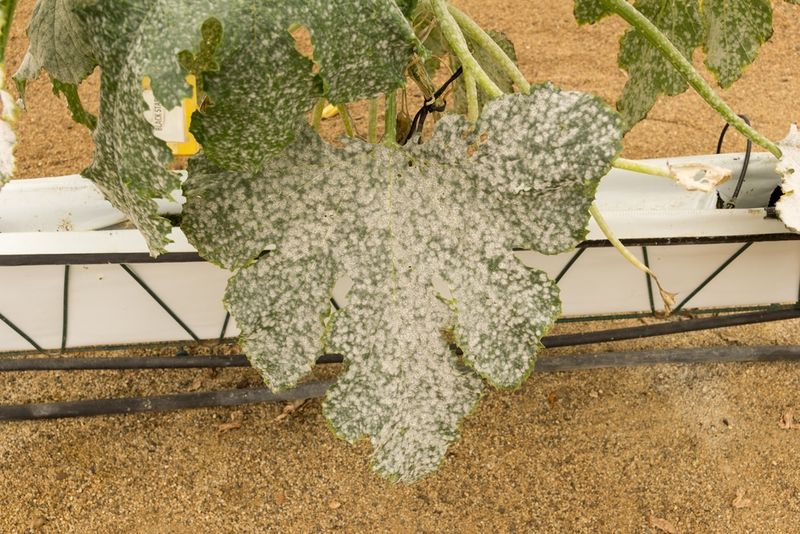
Powdery mildew is a common fungal infection that affects zucchini plants, especially in humid conditions. It appears as white, powdery spots on leaves, inhibiting photosynthesis and weakening the plant.
Ensuring good air circulation and avoiding overhead watering can reduce mildew risk. Fungicidal sprays are also available to treat and prevent outbreaks.
Recognizing the signs of powdery mildew early allows for effective control measures. By keeping this fungus at bay, plants remain healthier and more productive throughout the growing season.
Over-fertilization Risks
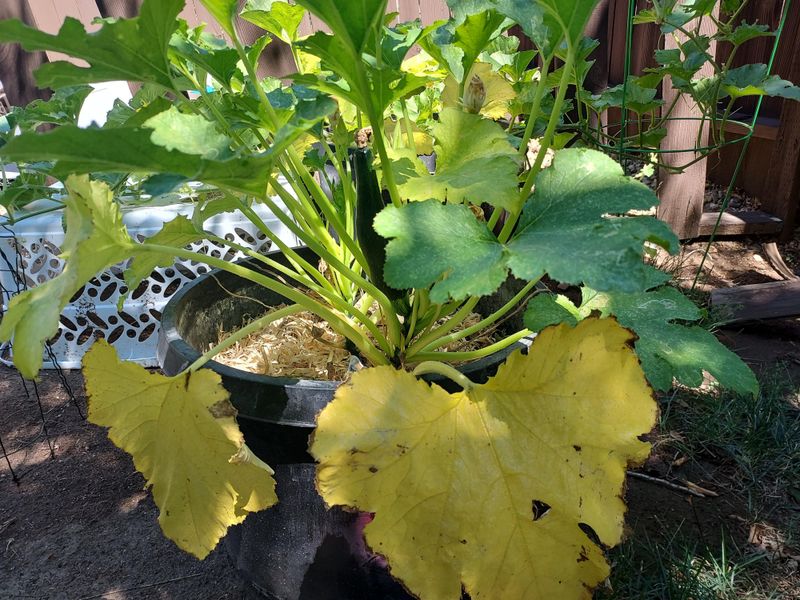
While nutrients are crucial, over-fertilization poses significant risks. Excess nutrients can lead to lush foliage but fewer fruits, skewing plant energy distribution.
Careful monitoring and adhering to fertilizer guidelines can prevent this issue. It’s essential to strike a balance to promote both vegetative growth and fruiting.
Gardeners should consider slow-release fertilizers to better manage nutrient availability. This approach fosters a harmonious growth environment, ensuring an abundant zucchini harvest without compromising plant health.
Vine Borer Infestation
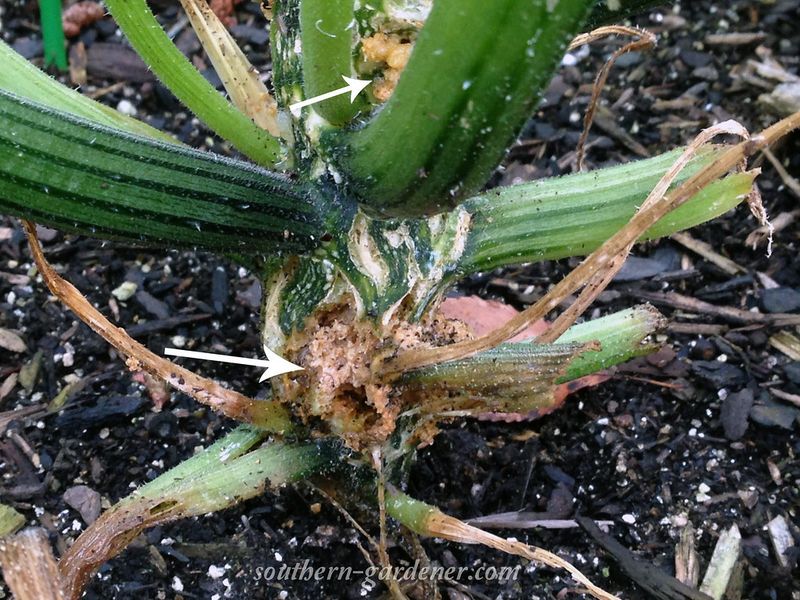
The vine borer is a notorious pest for zucchini plants. These larvae burrow into stems, causing wilting and eventual plant death if untreated.
Regular inspections for entry holes and frass can help identify infestations early. Mechanical controls like trapping or handpicking larvae offer organic solutions.
Implementing crop rotation and removing plant debris at season’s end reduces borer habitats. By adopting comprehensive pest management strategies, gardeners can protect their zucchini plants and enjoy a fruitful harvest free from vine borer damage.
Temperature Sensitivity
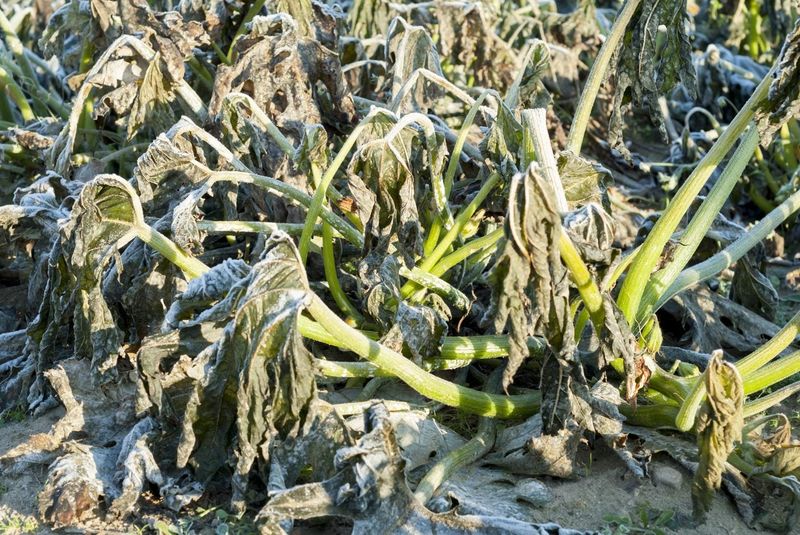
Zucchinis are sensitive to temperature fluctuations. Extreme heat can cause flowers to drop, while cold snaps stunt growth and fruit development.
Selecting planting times carefully and using mulches to regulate soil temperature helps mitigate these issues. Floating row covers offer protection against unexpected cold.
By understanding and planning for temperature challenges, gardeners can ensure consistent growth and productivity. This knowledge allows for adjustments that align with weather conditions, resulting in a stable and successful zucchini growing season.
Mulch Mismanagement
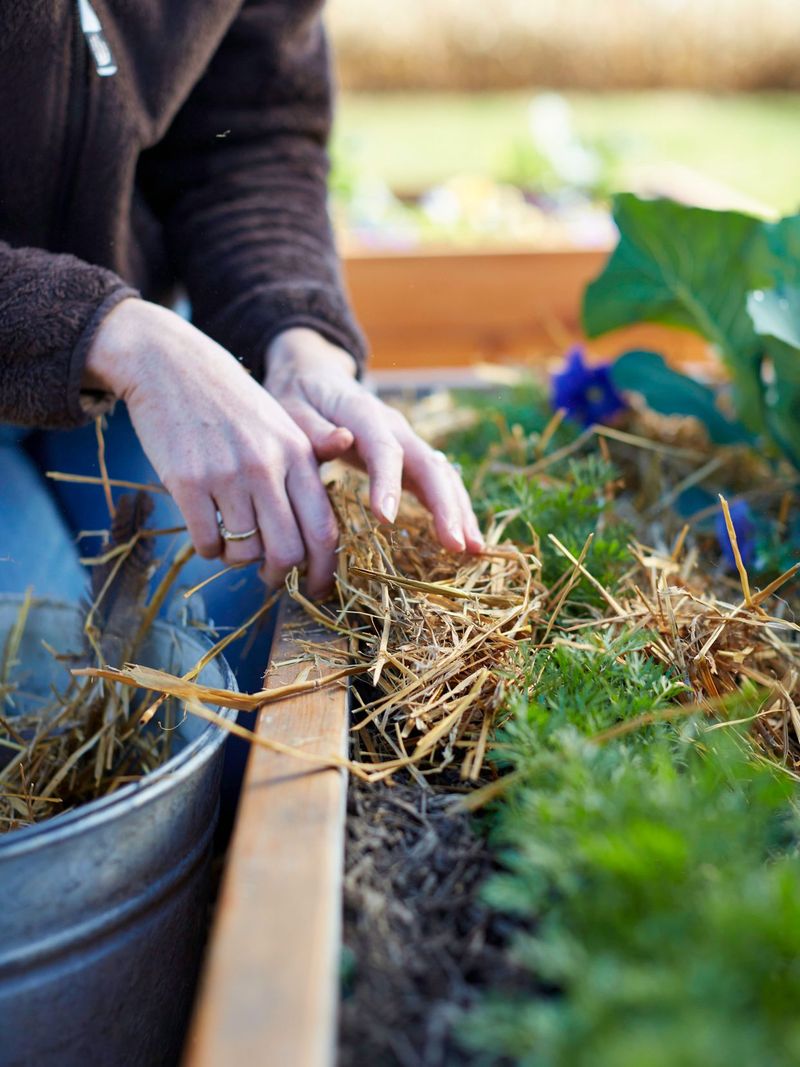
While mulch benefits zucchini plants by retaining moisture and suppressing weeds, improper use leads to problems like stem rot.
Ensure mulch does not touch the plant’s stem to prevent moisture buildup and disease. Use organic mulches like straw or wood chips for best results.
Proper mulch management supports healthy plant environments. By avoiding common mistakes, gardeners can enhance plant health, reduce maintenance, and ensure a productive zucchini crop.
Blossom End Rot
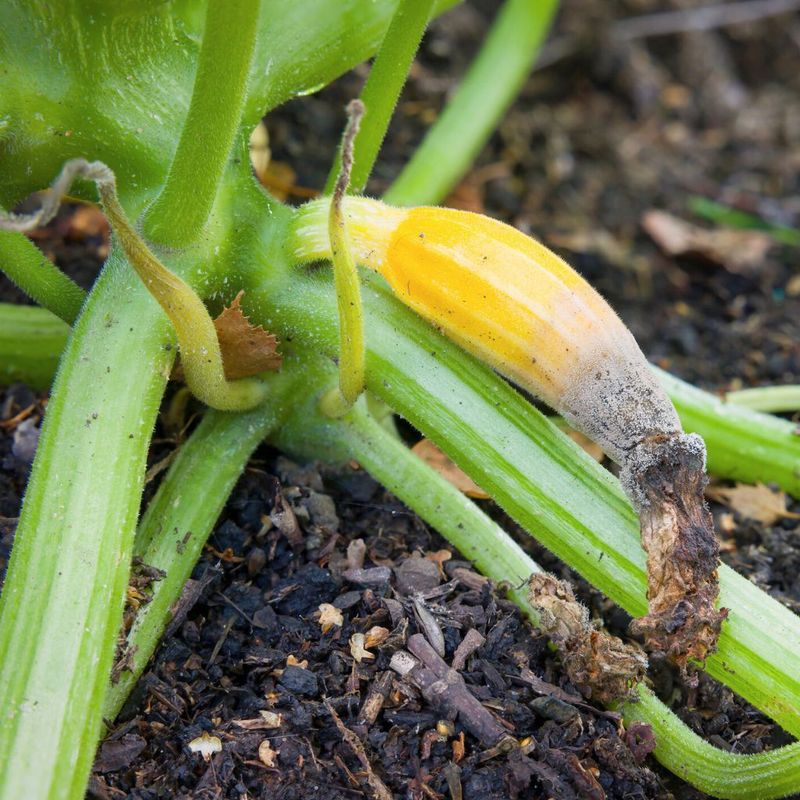
Blossom end rot is a physiological disorder caused by calcium deficiency, resulting in sunken, dark spots on zucchini fruits.
Consistent watering and soil calcium supplementation can prevent this issue. Testing soil pH and amending it accordingly helps maintain nutrient balance.
Addressing blossom end rot ensures high-quality fruit production. By understanding its causes and implementing preventive measures, gardeners can enjoy a successful zucchini harvest free from this common problem.
Root Rot Issues
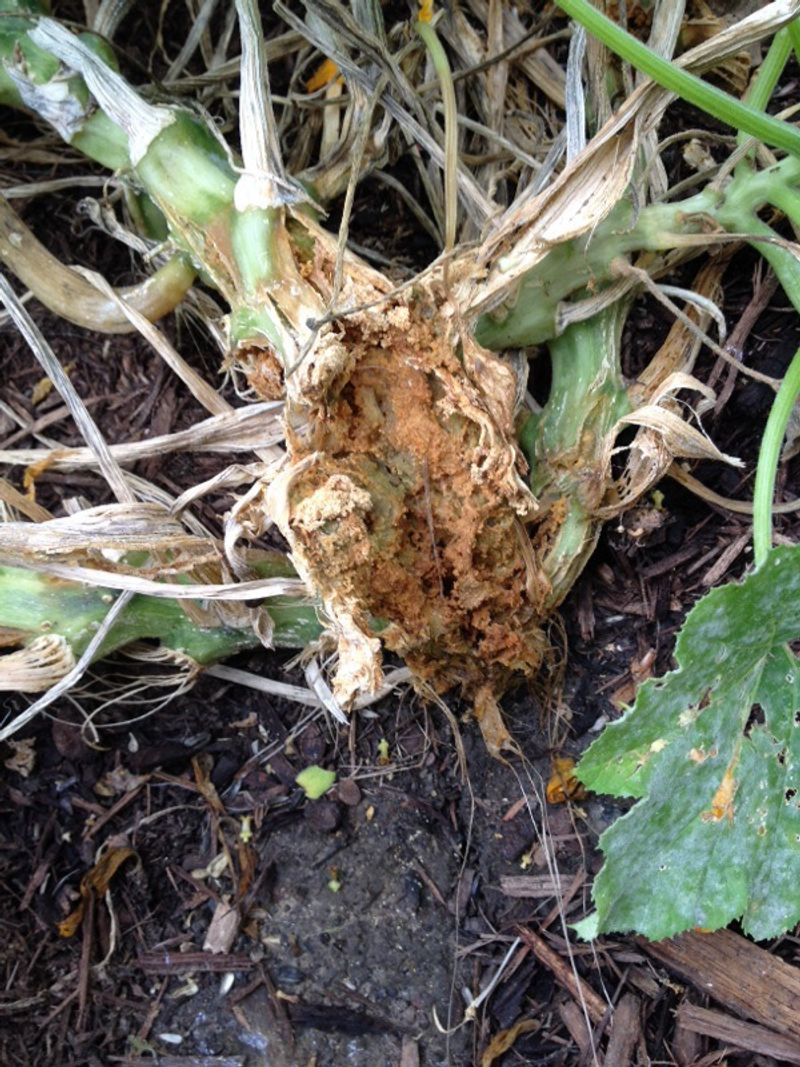
Root rot arises from overly saturated soils, leading to decayed roots and impaired plant function. Zucchinis, while needing moisture, suffer if drainage is poor.
Amending soil with organic matter and ensuring proper drainage prevent water accumulation. Raised beds or mounds offer solutions for waterlogged areas.
By understanding the balance between watering needs and soil conditions, gardeners can avert root rot. Protecting root health is key to supporting vigorous zucchini growth and achieving a productive harvest.
Harvest Timing Challenges
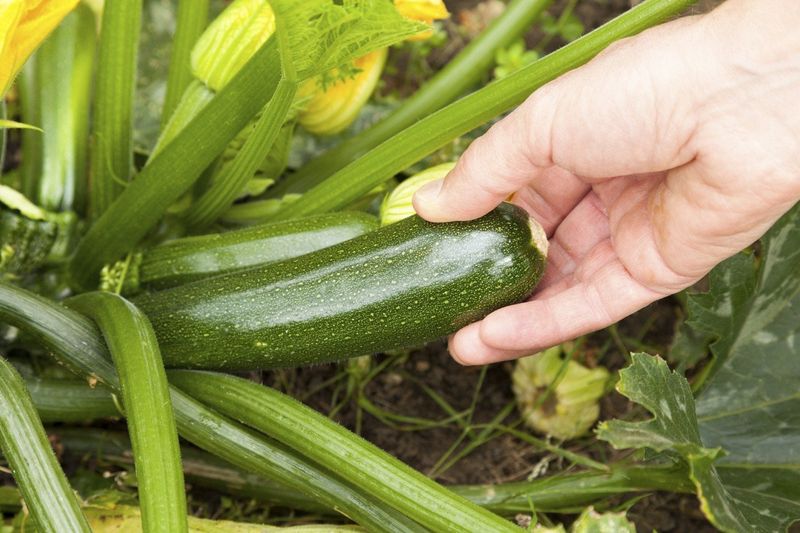
Timing the harvest of zucchinis can be tricky, as they grow rapidly. Picking too early leads to underdeveloped flavors, while late harvest results in oversized, seedy fruits.
Regular monitoring and understanding growth stages help in determining the optimal harvest window. Gentle twisting or cutting ensures minimal plant damage.
Mastering harvest timing maximizes flavor and texture. By learning to gauge fruit readiness, gardeners can secure a delicious and well-textured zucchini crop, enhancing their culinary experiences.