
High blood pressure is a common health issue that affects millions worldwide, but nature offers a tasty solution. Certain vegetables are renowned for their ability to help lower blood pressure, thanks to their rich nutrient profiles and health benefits. In this article, we will explore 20 delicious vegetables that not only enhance your meals but also contribute to better heart health. Discover how incorporating these vegetables into your diet can make a significant impact on your well-being.
1. Spinach
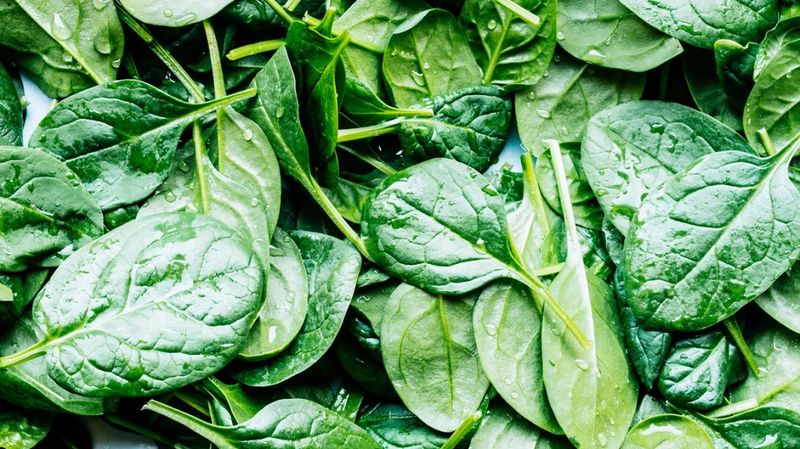
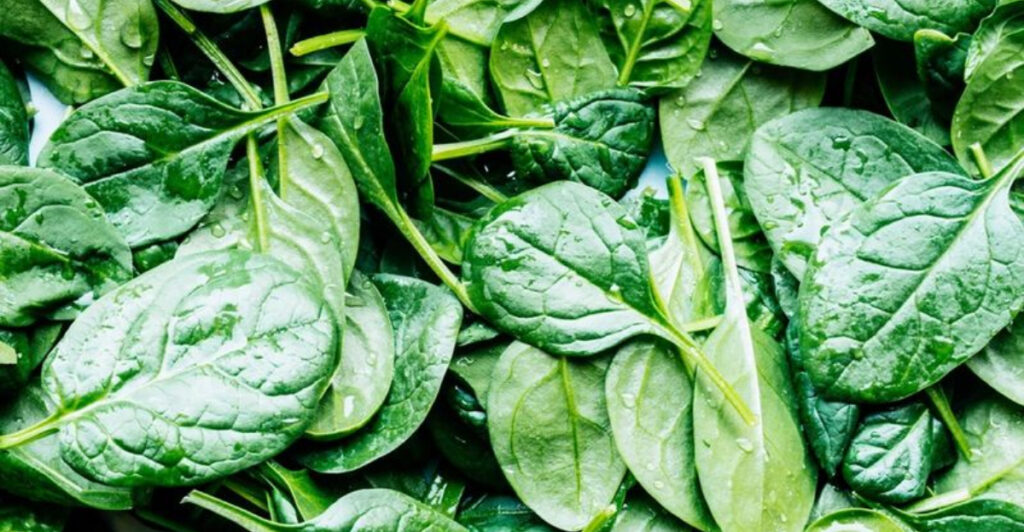
Spinach, with its deep green leaves, is more than just a salad staple. Known for its high potassium content, spinach helps balance sodium levels in the body, promoting healthy blood pressure.
With a mild, slightly sweet flavor, it can be easily incorporated into various dishes. Whether sautéed, blended into a smoothie, or served fresh, spinach adds both nutrition and taste.
Did you know? Spinach was Popeye’s favorite for a reason – it’s packed with nutrients that contribute to overall heart health.
2. Kale
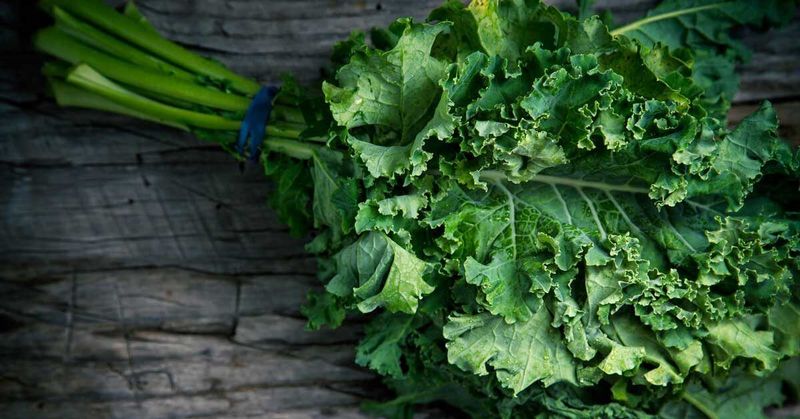
Kale, the dark leafy green, is a powerhouse of nutrients. Its high levels of magnesium and potassium help in maintaining blood pressure levels effectively.
The slightly bitter taste becomes delightful when paired with the right ingredients. Kale can be roasted, sautéed, or even enjoyed raw in salads.
Fun fact: Kale is often dubbed a “superfood” for its exceptional health benefits, including its role in supporting cardiovascular health.
3. Beets
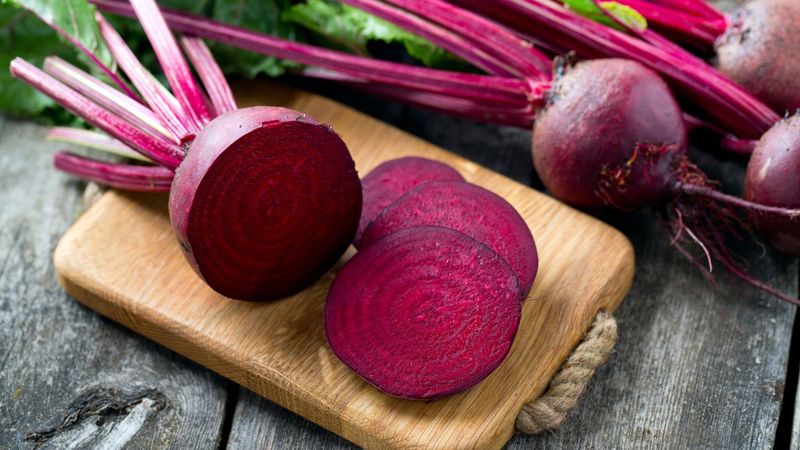
Beets offer a sweet, earthy flavor that’s hard to resist. Rich in nitrates, they help relax blood vessels and improve blood flow, which can lower blood pressure.
Roasting beets enhances their natural sweetness, making them a delightful addition to salads or as a side dish.
Interesting tidbit: Beet juice is gaining popularity among athletes for its potential to improve exercise performance due to its blood pressure-lowering effects.
4. Garlic
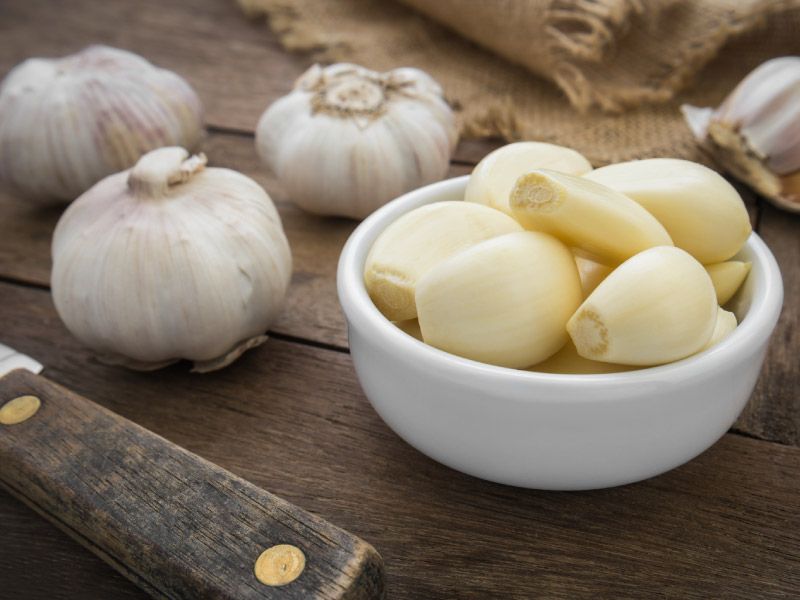
Garlic, with its pungent aroma, is a culinary favorite that also packs a health punch. Its sulfur compounds, including allicin, are known for supporting heart health and lowering blood pressure.
Adding garlic to your meals not only enhances flavor but provides a natural way to support your cardiovascular system.
Did you know? Garlic has been used since ancient times for its medicinal properties, particularly in promoting heart health.
5. Carrots
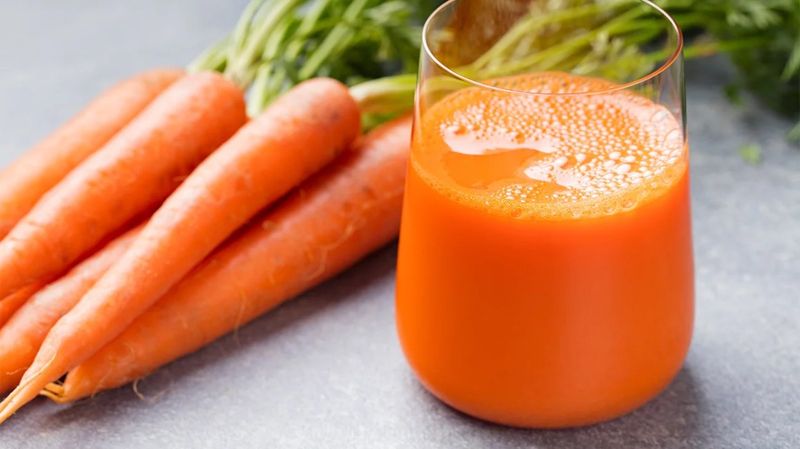
Carrots are more than just a crunchy snack. Rich in potassium, they help manage sodium levels in the body, supporting healthy blood pressure.
Their natural sweetness makes them a versatile ingredient in both savory and sweet dishes. Enjoy them raw, roasted, or even juiced.
Fun fact: Carrots were originally grown for their aromatic leaves and seeds, not their roots, which are now a dietary staple.
6. Broccoli
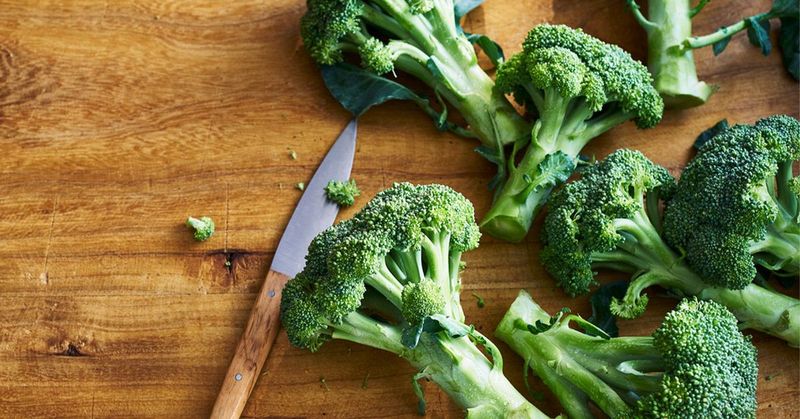
Broccoli, the crunchy cruciferous vegetable, is loaded with vitamins and antioxidants, including vitamin C and sulforaphane, which can aid in lowering blood pressure.
Its slightly bitter flavor transforms when roasted or steamed, becoming a perfect companion to any main dish.
Broccoli isn’t just about nutrition; it’s a flavorful addition to your meals that supports heart health.
7. Avocado

Avocado is not just for guacamole. Packed with heart-healthy monounsaturated fats and potassium, it’s a delicious way to manage blood pressure levels.
Its creamy texture and mild taste enhance salads, toast, and smoothies, making avocado a versatile addition to any diet.
Did you know? Avocados were once considered luxurious and exotic, but now they are a beloved staple in many kitchens.
8. Asparagus
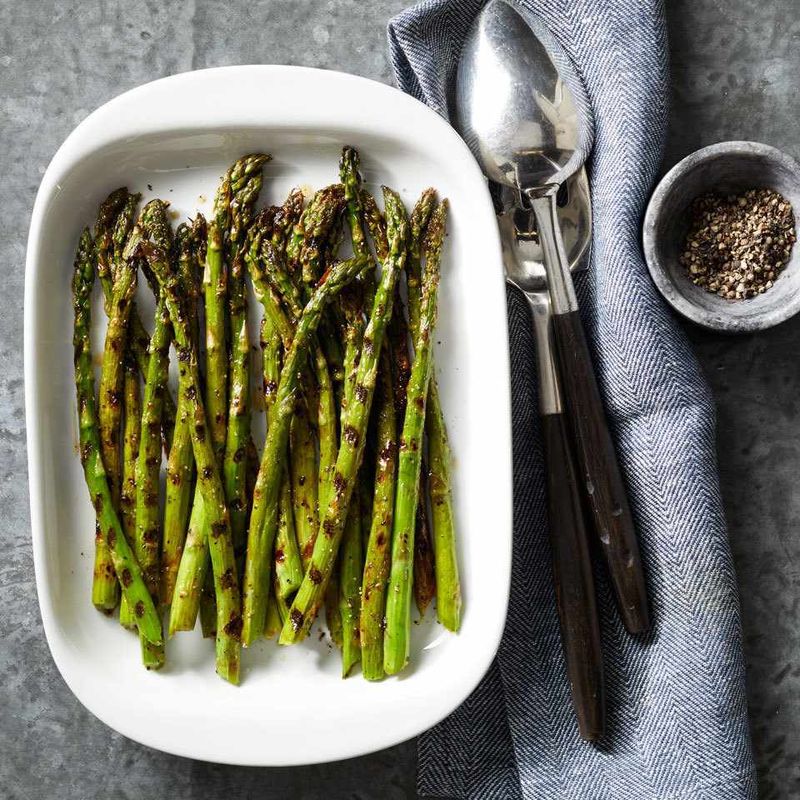
Asparagus, with its elegant spears, is a spring favorite that offers more than just culinary appeal. High in fiber and potassium, it supports healthy blood pressure levels.
When grilled or roasted, asparagus develops a rich flavor that complements many main dishes. It’s both a delicious and healthful choice.
Fun fact: Asparagus was considered a luxury vegetable in ancient times and was often reserved for royalty.
9. Celery
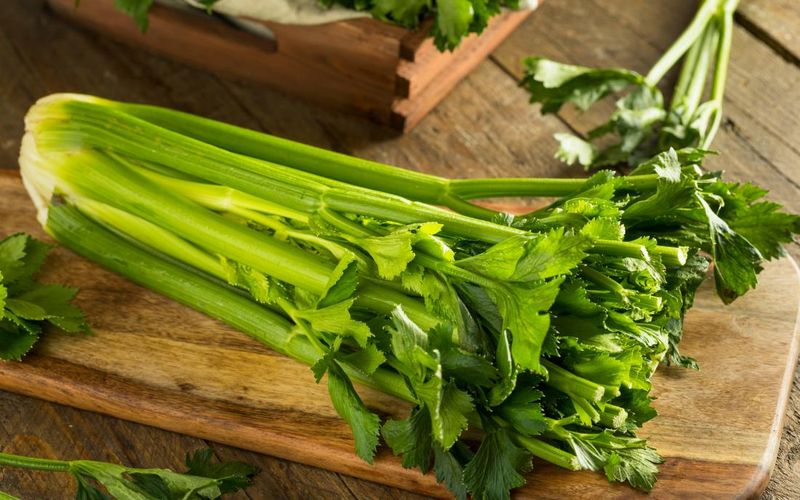
Celery is known for its crunchy texture and refreshing taste. Its high water and fiber content make it excellent for supporting cardiovascular health.
Whether enjoyed raw as a snack or added to soups and stews, celery provides a subtle flavor and numerous health benefits.
Celery seeds, too, have been used traditionally to promote healthy blood pressure levels.
10. Brussels Sprouts
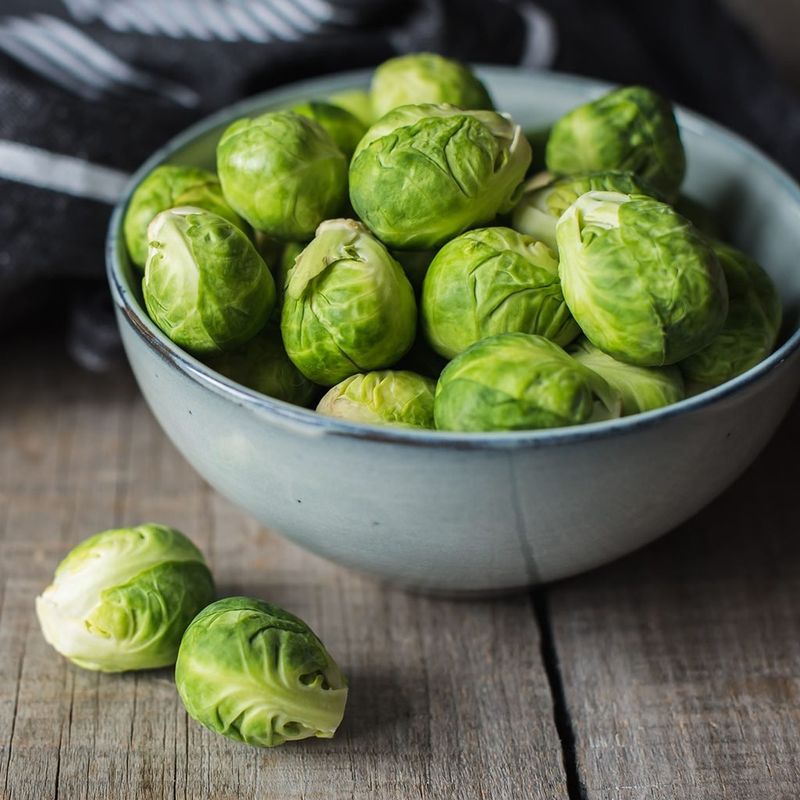
Brussels sprouts, those tiny cabbage-like wonders, are brimming with nutrients. Rich in vitamin C and fiber, they contribute to maintaining healthy blood pressure.
Their slightly bitter taste becomes beautifully sweet when roasted, making them a delightful side dish.
Did you know? Despite their name, Brussels sprouts originated in ancient Rome, not Belgium.
11. Swiss Chard
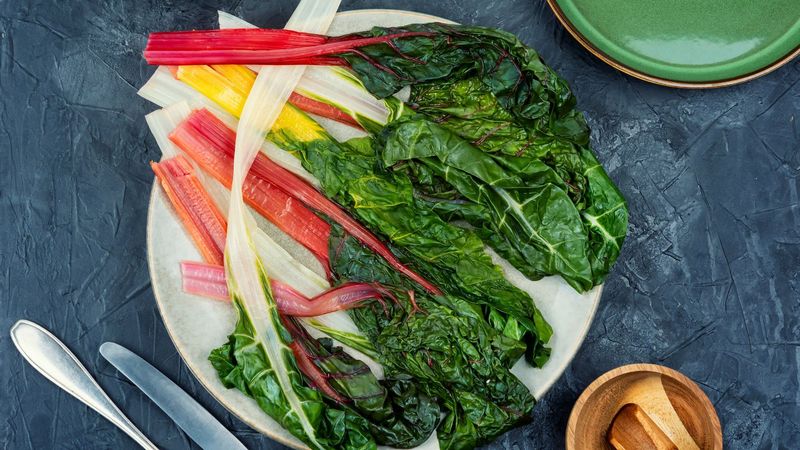
Swiss chard is a colorful addition to any meal. Its high magnesium content aids in regulating blood pressure, making it a heart-healthy choice.
The slightly bitter leaves can be sautéed, steamed, or used in soups, introducing both flavor and nutrition to your dishes.
Swiss chard’s vivid stalks add visual appeal, enticing you to enjoy this nutritious vegetable.
12. Tomatoes
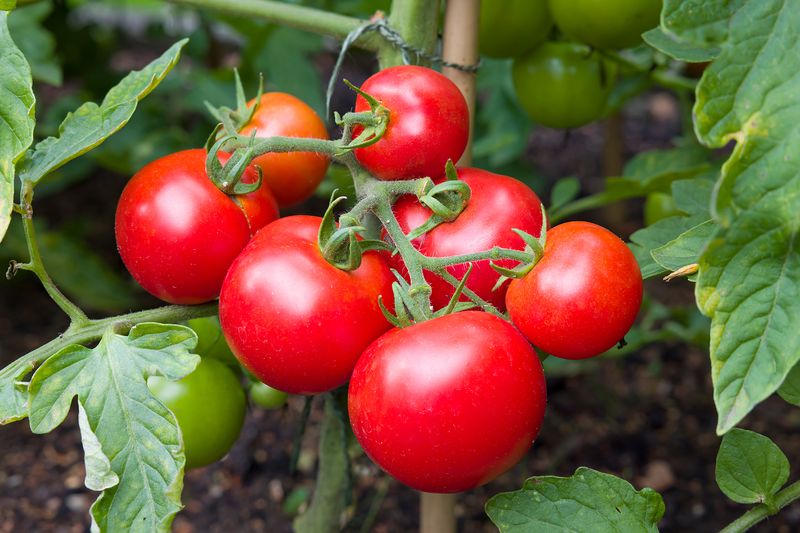
Tomatoes, with their juicy texture and sweet-tart flavor, are a beloved kitchen staple. Lycopene, found in tomatoes, is linked to improved heart health and blood pressure.
These versatile fruits can be enjoyed fresh, roasted, or as a base for sauces and soups, adding both taste and nutrition.
Fun fact: Although often associated with Italian cuisine, tomatoes originated in western South America.
13. Cucumbers
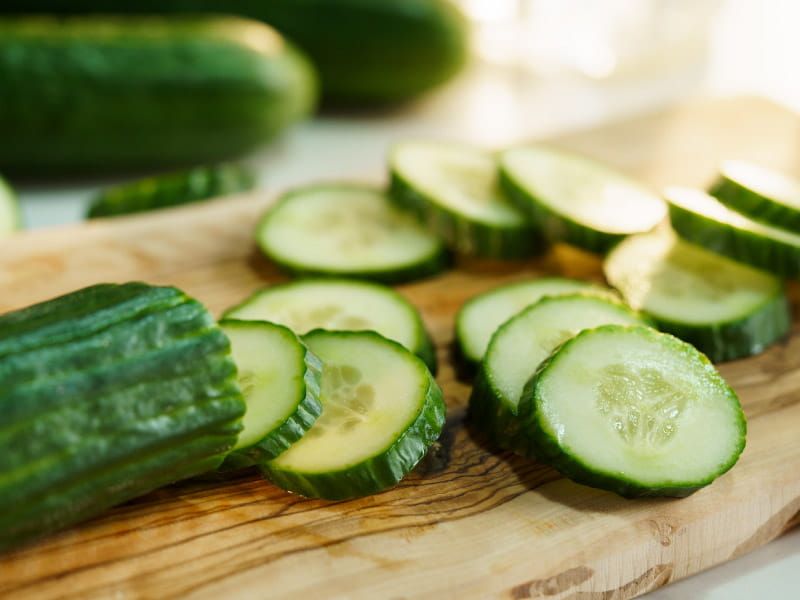
Cucumbers are more than just a hydrating snack. Their high water content and potassium levels help support healthy blood pressure.
With a mild flavor and satisfying crunch, cucumbers can be enjoyed in salads, sandwiches, or on their own as a refreshing snack.
Did you know? Cucumbers have been cultivated for over 3,000 years, originating in the foothills of the Himalayas.
14. Sweet Potatoes
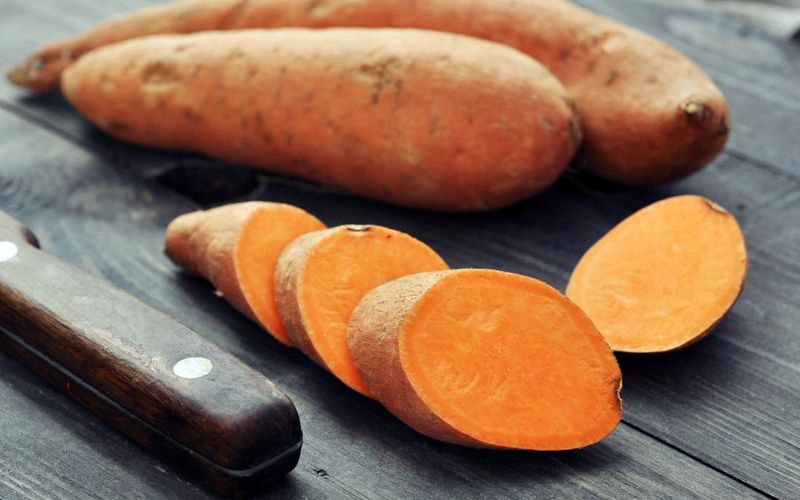
Sweet potatoes bring a sweet touch to any dish. Rich in potassium and fiber, they are excellent for heart health and blood pressure control.
Their natural sweetness makes them perfect for roasting, mashing, or even as a base for desserts, providing both taste and nutrition.
Fun fact: Sweet potatoes are not related to potatoes and belong to a different plant family altogether.
15. Radishes

Radishes, with their crisp texture and peppery bite, are a delightful addition to salads. They are low in calories and high in antioxidants, supporting heart health.
Roasting radishes mellows their spicy flavor, making them a unique side dish.
Radishes have a history of cultivation dating back to ancient Egypt, where they were a staple in the diet of workers building the pyramids.
16. Cabbage
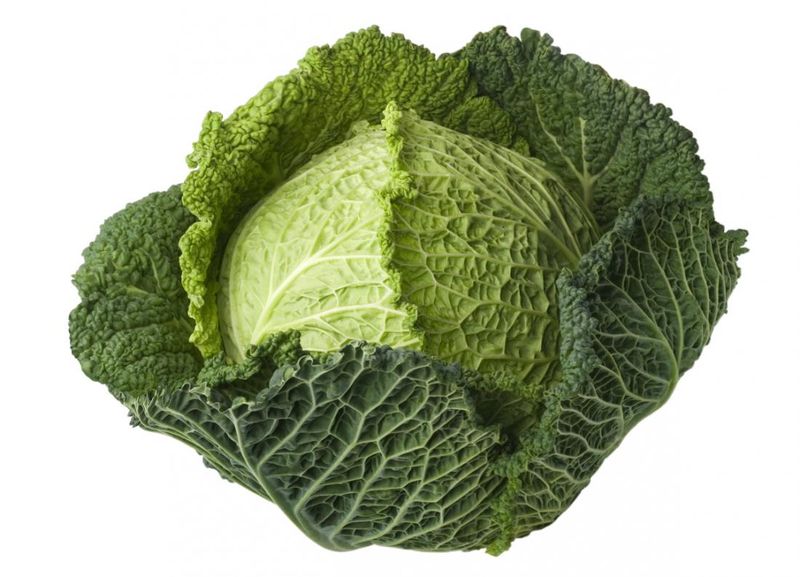
Cabbage is a humble vegetable with impressive benefits. It’s rich in potassium and fiber, helping to maintain healthy blood pressure levels.
Enjoy cabbage raw in coleslaws, fermented as sauerkraut, or cooked in hearty dishes. Its versatility makes it a staple in many cuisines.
Interesting note: Cabbage has been cultivated for over 4,000 years and was a valuable food source in ancient times.
17. Eggplant
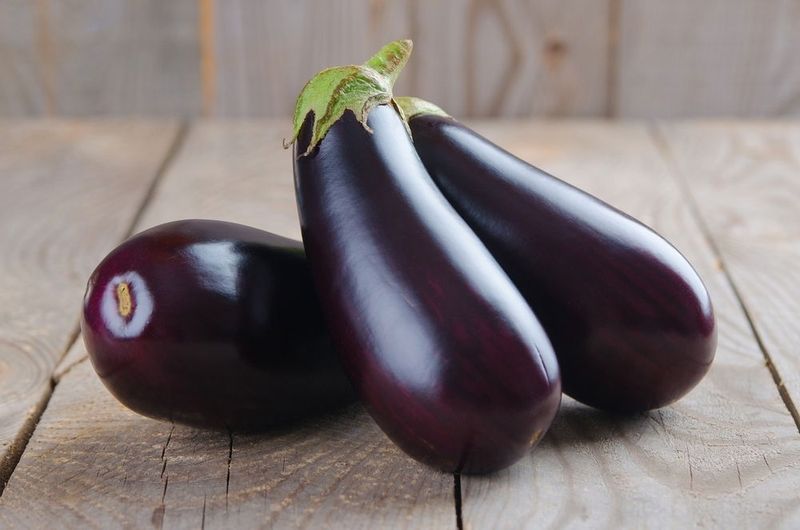
Eggplant brings a unique texture and flavor to meals. Its anthocyanins are linked to heart health and can help manage blood pressure.
Grilled or roasted, eggplant becomes tender and flavorful, making it a versatile ingredient in many dishes.
Did you know? Eggplants were once used as a decorative garden plant in Europe before being recognized for their culinary value.
18. Zucchini
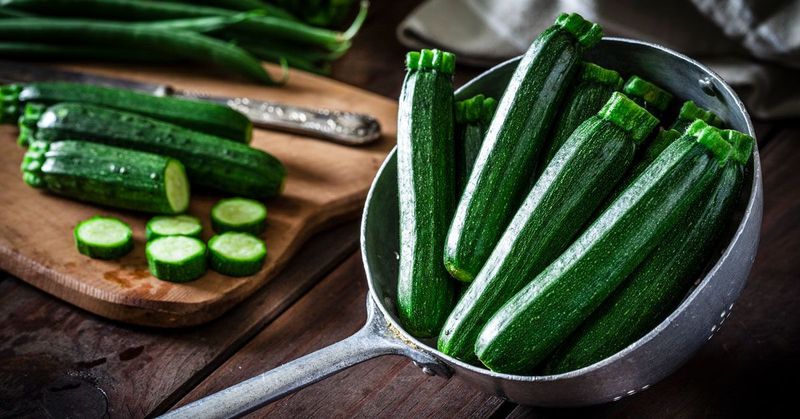
Zucchini, with its mild flavor and soft texture, is a summer favorite. High in nutrients like potassium and magnesium, it supports healthy blood pressure.
Whether grilled, sautéed, or spiralized into noodles, zucchini adds a fresh touch to meals.
Zucchini is technically a fruit, but it’s treated as a vegetable in cooking, offering both culinary versatility and health benefits.
19. Bell Peppers
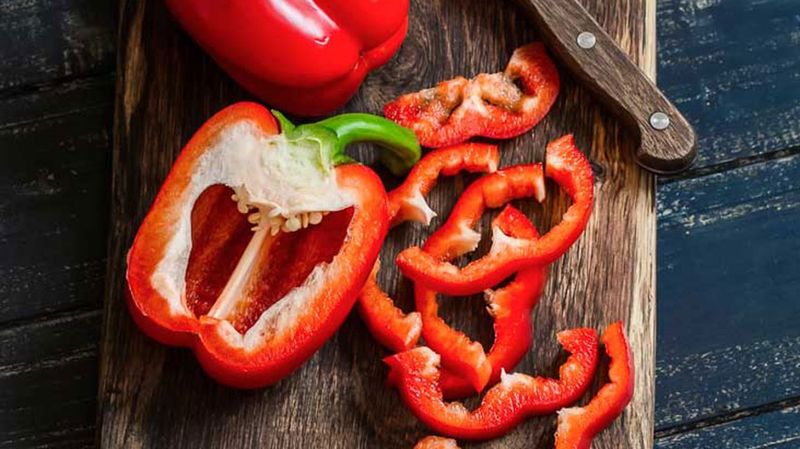
Bell peppers bring a burst of color and sweetness to any dish. Rich in vitamins and antioxidants, they help promote heart health and lower blood pressure.
Whether consumed raw in salads or cooked in stir-fries, their versatility and flavor make them a kitchen staple.
Fun fact: Bell peppers are technically fruits and come in a spectrum of colors, each with its own distinct flavor profile.
20. Pumpkin
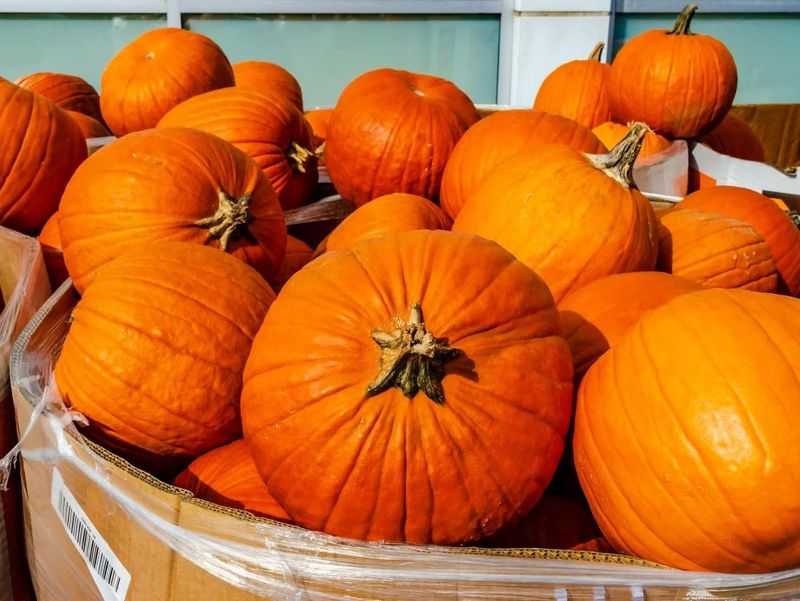
Pumpkin is more than just a fall favorite. High in potassium and fiber, it’s excellent for supporting heart health and managing blood pressure.
Its naturally sweet flavor makes pumpkin perfect for soups, pies, and even savory dishes.
Did you know? Pumpkins have been a part of human diets for thousands of years and were even used by Native Americans as an essential food source.