
Starting a homestead is more than just a lifestyle choice; it’s a commitment that requires introspection and preparation.
Before diving into this rewarding yet demanding way of life, it’s crucial to ask yourself some key questions to ensure you’re truly ready for the journey ahead.
From understanding your motives to assessing your skills and resources, these considerations will help guide you in making an informed decision.
1. Why Do I Really Want to Homestead?
The allure of homesteading can be enticing, but it’s essential to understand your motivations. Is it self-sufficiency you’re after, or perhaps a lifestyle shift? Maybe it’s the romantic notion of living off the land. Whatever your reasons, clarity will guide your journey.
Reflect on what you hope to achieve and how this lifestyle aligns with your values. Your “why” will be the cornerstone of your homesteading dream, providing resilience in challenging times.
2. Do I Have the Time and Energy This Lifestyle Demands?
Homesteading demands more than just a few hours a week; it’s a sunrise to sunset commitment. The chores are endless—from feeding animals to tending gardens—and require a robust work ethic.
Consider your current lifestyle: Do you have the time, energy, and enthusiasm to dedicate to such an endeavor? Balancing other commitments with homesteading responsibilities can be challenging but rewarding for those up to the task.
3. What Skills Do I Already Have (and Which Will I Need to Learn)?
Assessing your current skill set is vital. Do you know how to garden, build, or care for animals? These are just a few skills needed for success.
Identify gaps in your knowledge and be prepared to learn. Homesteading requires a diverse skill set, and continuous learning is part of the journey. Embrace this opportunity to expand your abilities and confidence.
4. How Much Land Do I Need for My Goals?
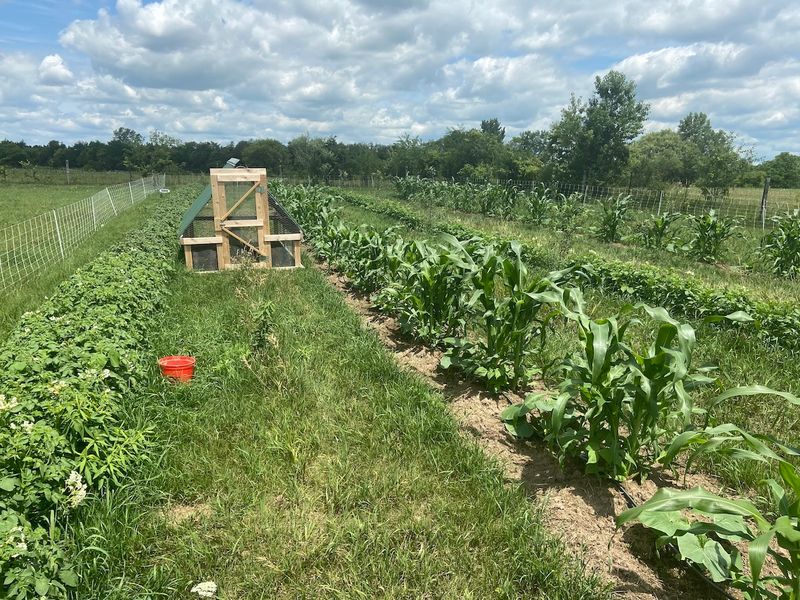
The amount of land needed varies based on your goals. Whether you’re aiming to raise livestock, plant expansive gardens, or live off-grid, land size matters.
Consider what you wish to accomplish and how much space each aspect will require. This foresight helps in making informed decisions and ensures sustainable practices on your homestead.
5. Can I Afford to Get Started—and Stay Afloat?
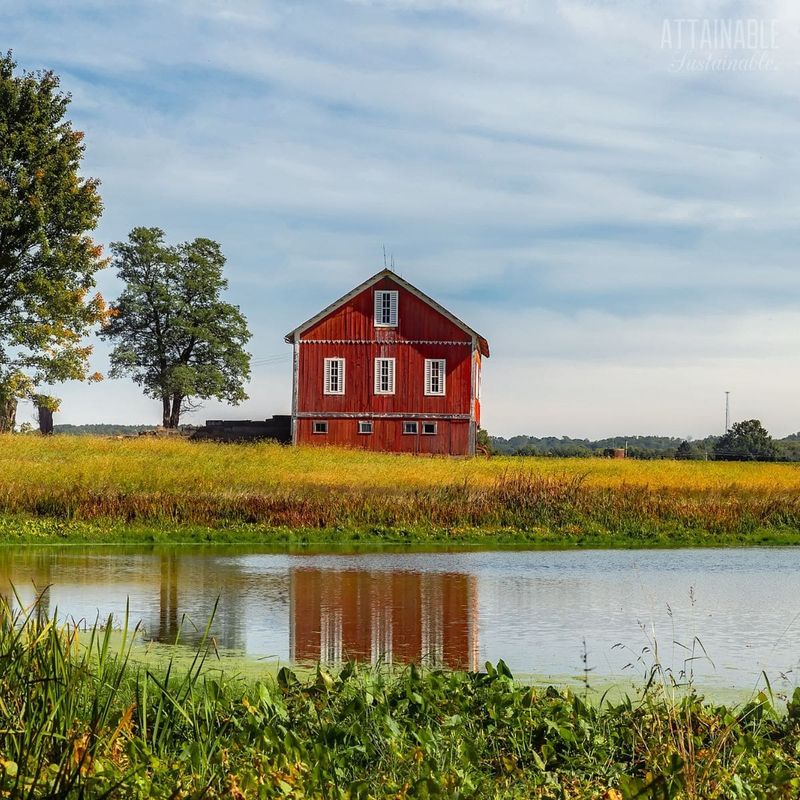
Financial readiness is crucial in homesteading. Initial costs can be steep, encompassing land, equipment, and livestock. Ongoing expenses such as feed and maintenance also need consideration.
Crafting a detailed budget will provide a clearer picture of your financial standing. It’s essential to have a plan for managing these costs to sustain your homesteading lifestyle without undue stress.
6. Do I Understand Local Zoning Laws and Restrictions?
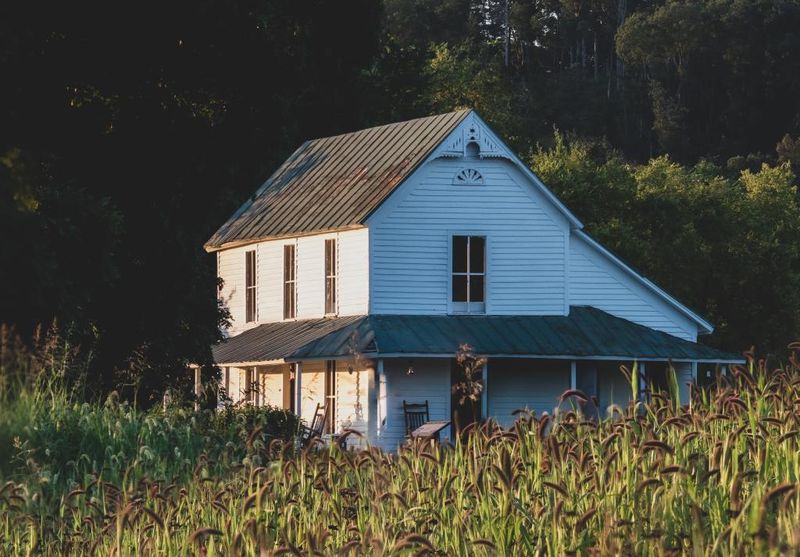
Local zoning laws can greatly impact your homesteading plans. Some areas restrict certain animals or structures, which could limit your activities.
Research these regulations thoroughly before purchasing land. Understanding the legal landscape ensures compliance and prevents future disruptions to your homesteading dreams.
7. What’s My Water Source?
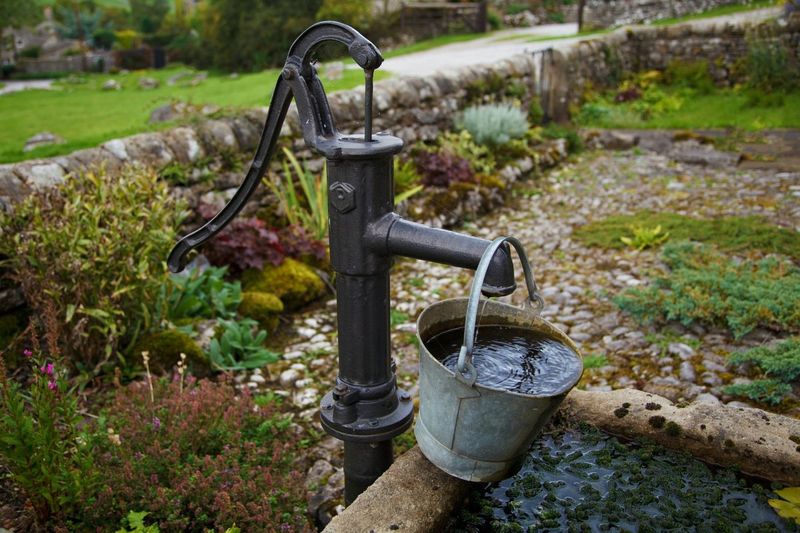
Water is the lifeblood of a homestead. Whether you have a well, rely on rain catchment, or are connected to a municipal supply, access to water is vital.
Evaluate the reliability and sustainability of your water source to ensure it meets your needs. A dependable water supply is fundamental for crop irrigation, animal care, and daily living.
8. Am I Ready to Deal with Isolation or Rural Living?
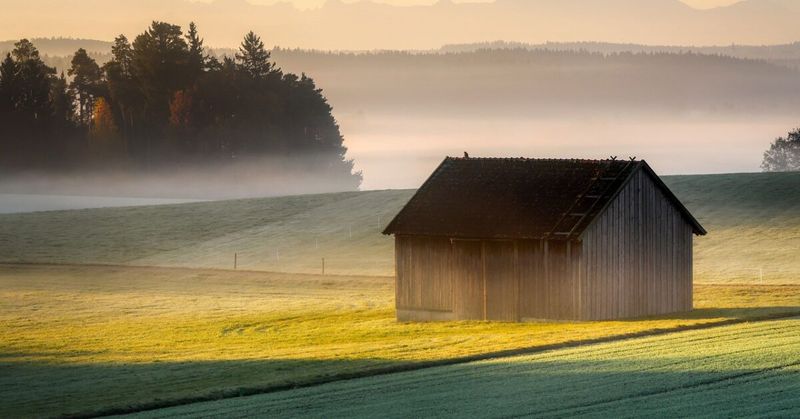
Rural living offers serenity but also isolation. Are you prepared for the solitude or being the fixer of all problems? Becoming your own plumber, mechanic, and doctor might be necessary.
Consider how you’ll handle the seclusion and the demands of self-reliance. Preparing for these aspects is crucial to thriving in a rural homestead.
9. What Will I Do for Income?
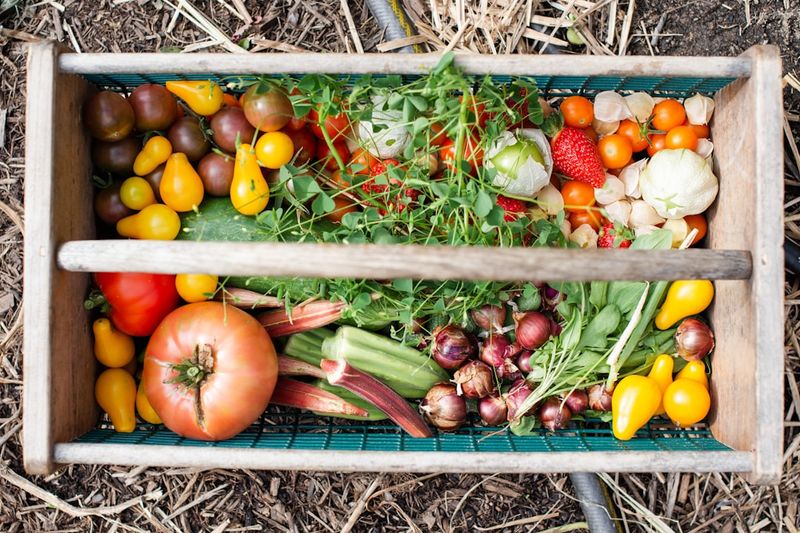
Sustaining a homestead might require a steady income stream. From selling farm products to remote work, having a financial plan is essential.
Explore various avenues to support your lifestyle financially. Whether through local markets or online platforms, diversifying income sources can provide stability and growth opportunities.
10. Can I Handle the Emotional Toll of Hard Seasons?
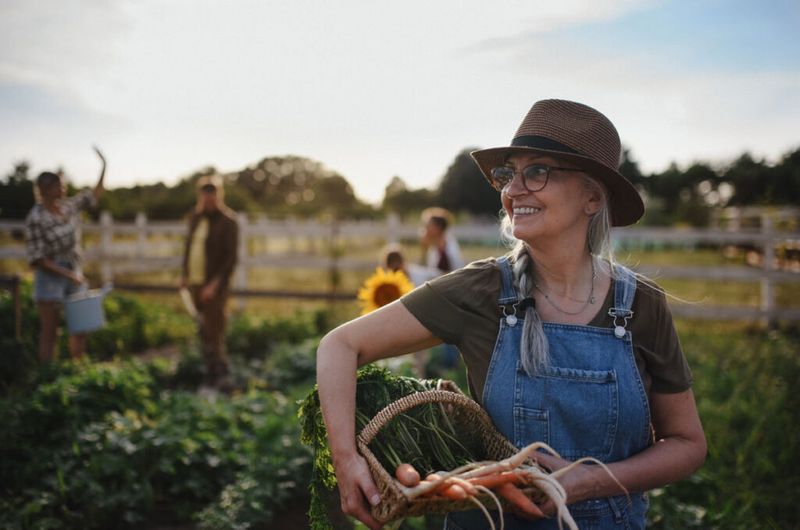
Homesteading is filled with ups and downs, from bountiful harvests to devastating losses. Are you resilient enough to face crop failures and animal losses?
Emotional preparedness is as important as physical readiness. Building a support system and having coping strategies is vital for weathering hard seasons on the homestead.
11. What’s My Backup Plan in Case of Emergency?

Emergencies can take many forms, from natural disasters to medical issues. It’s critical to have a backup plan that includes supplies and strategies.
Establishing contingency plans will help you navigate unforeseen challenges with confidence. This foresight ensures the safety and stability of your homestead.
12. How Will I Preserve Food?
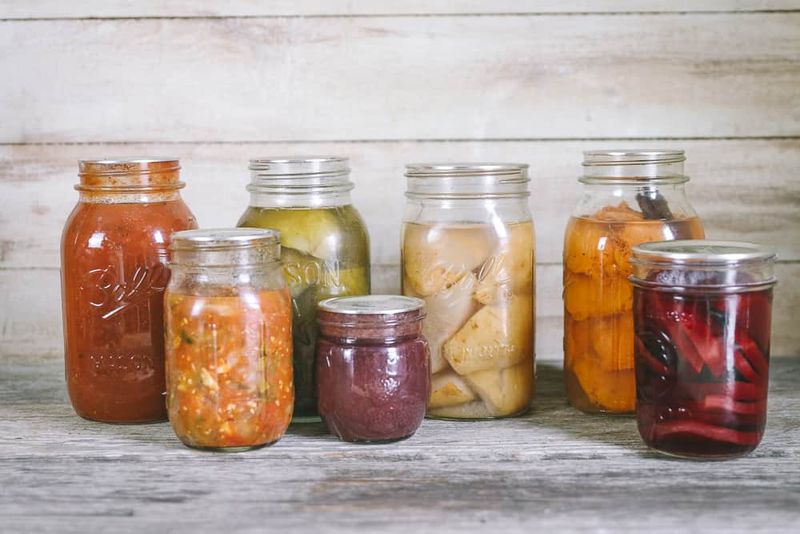
Preserving food is an integral part of homesteading. Whether through canning, freezing, or dehydrating, extending your harvest’s life is essential.
Developing these skills will reduce waste and increase self-sufficiency. Embrace the art of preservation to make the most of your homestead’s bounty.
13. Am I Comfortable Raising and Possibly Butchering Animals?
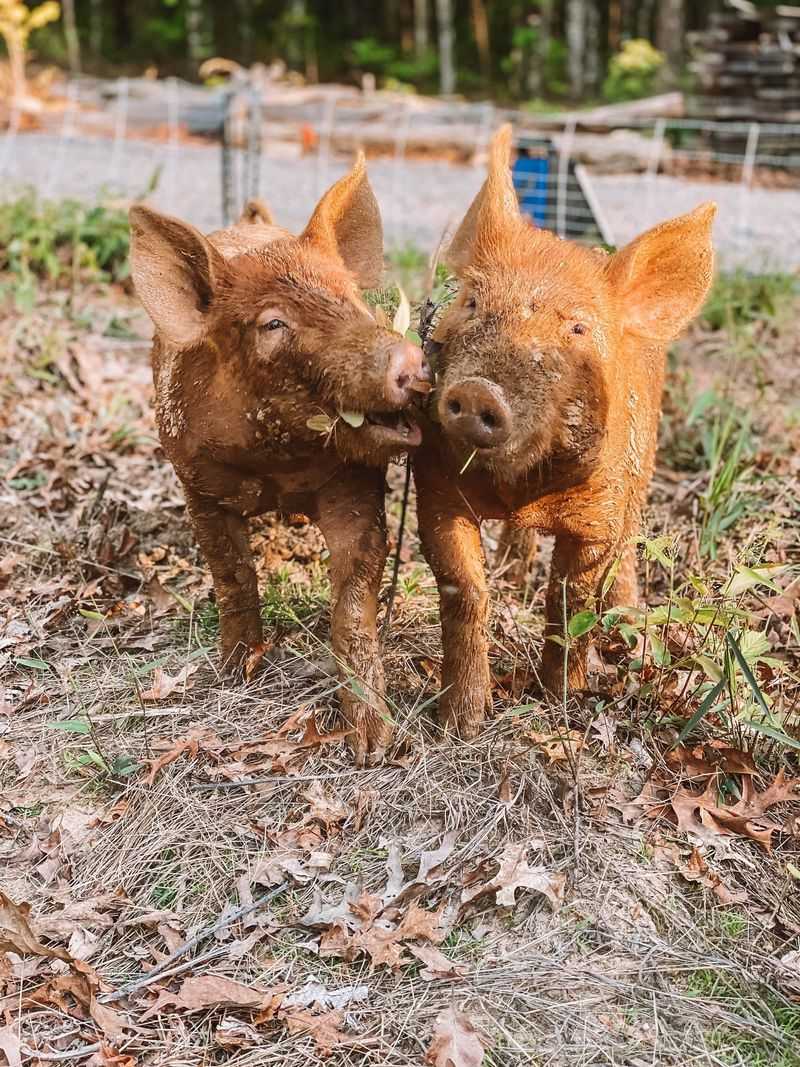
Raising animals comes with responsibilities, including the possibility of butchering for meat. Are you comfortable with this aspect of homesteading?
Consider whether you can handle the emotional and practical demands of animal husbandry. Understanding the full spectrum of raising animals is crucial for ethical and sustainable homesteading.
14. Who’s on My Team?
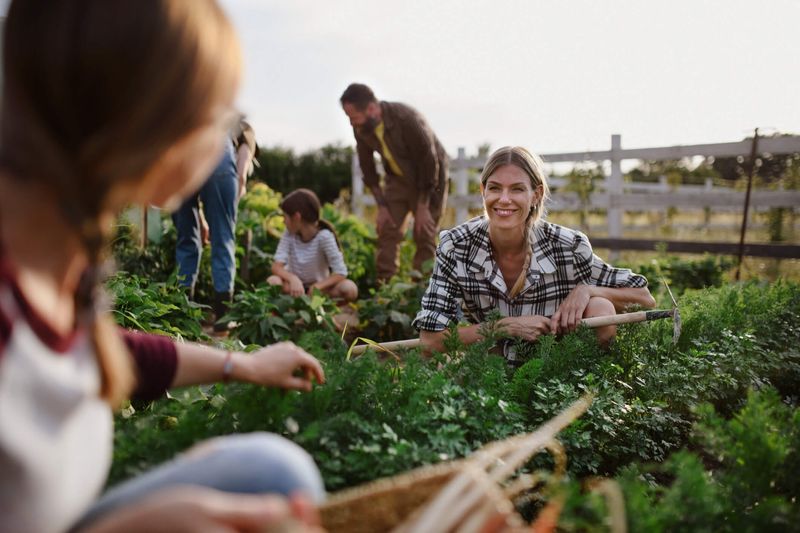
Homesteading is often a team effort. Having a supportive network of family, friends, or neighbors can make the journey manageable and enjoyable.
Evaluate who will be involved and how they can contribute. Building a strong community around your homestead will enhance its success and enrich your experience.
15. Am I Ready to Be Constantly Learning?
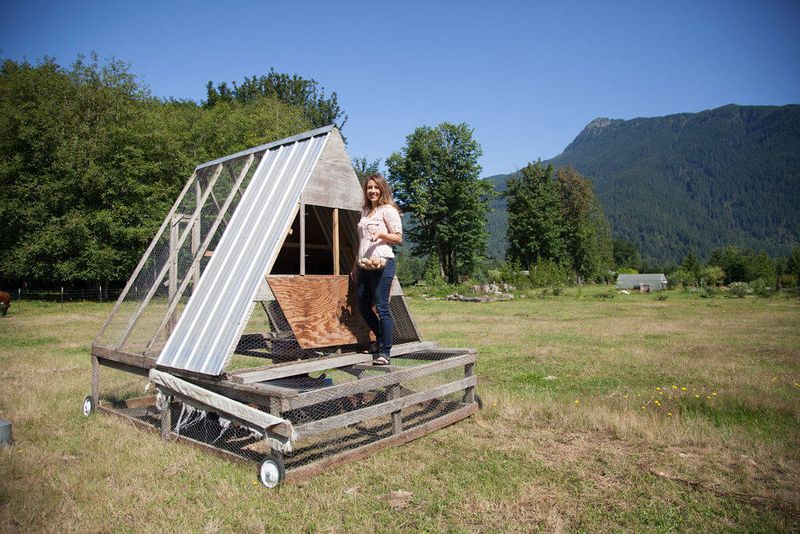
Homesteading is a perpetual learning curve. Are you prepared to adapt and learn new skills continually?
Embrace the challenges and evolutions that come with each season. This attitude will not only enhance your homesteading skills but also keep your passion alive throughout the journey.