
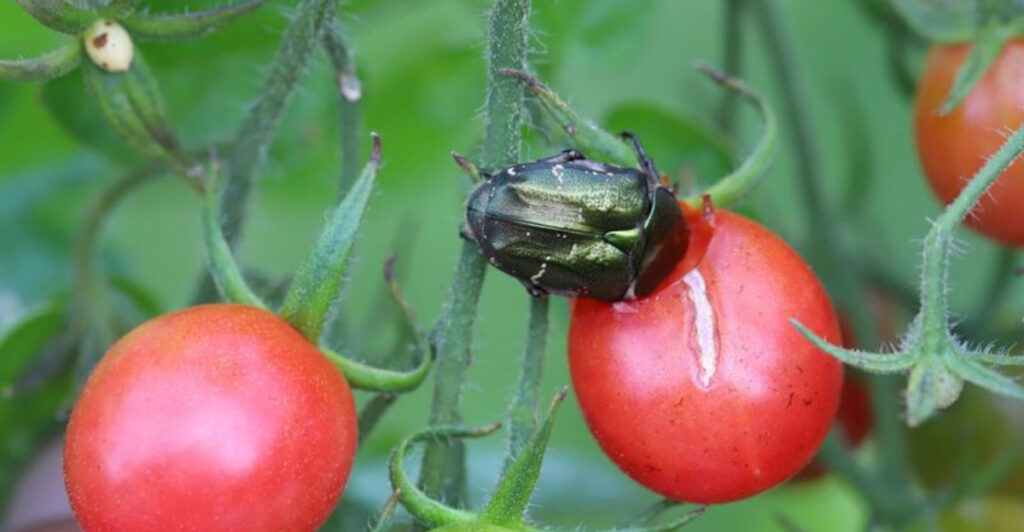
Growing healthy, productive pepper plants requires more than just good soil and adequate sunlight. The neighboring plants in your garden can significantly impact your pepper harvest, either helping or hindering their growth. While many gardeners focus on beneficial companion plants, knowing which plants to keep away from your pepper patch is equally important. These plant neighbors might compete for nutrients, attract harmful pests, or release chemicals that stunt pepper growth.
1. Fennel: The Pepper Plant’s Worst Enemy
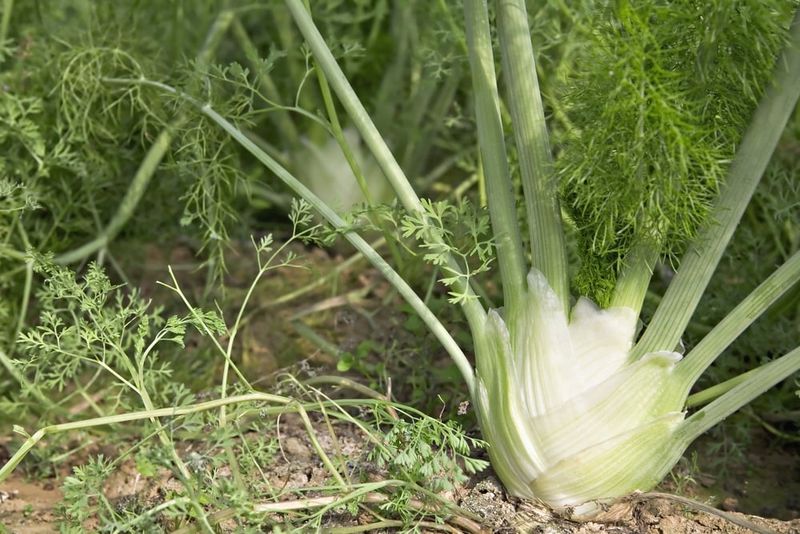
Fennel releases chemicals into the soil that inhibit the growth of many vegetables, including peppers. The compound responsible, called anethole, can severely stunt pepper plant development and reduce fruit production.
Garden experts consistently warn against planting fennel anywhere near your pepper patch. The feathery herb doesn’t play well with most garden vegetables, earning it the reputation of being an allelopathic bully.
Even after removing fennel, its growth-inhibiting effects can linger in the soil for weeks, continuing to harm your pepper plants. Keep this aromatic herb in a separate container or garden area entirely.
2. Kohlrabi Crowds Out Pepper Roots
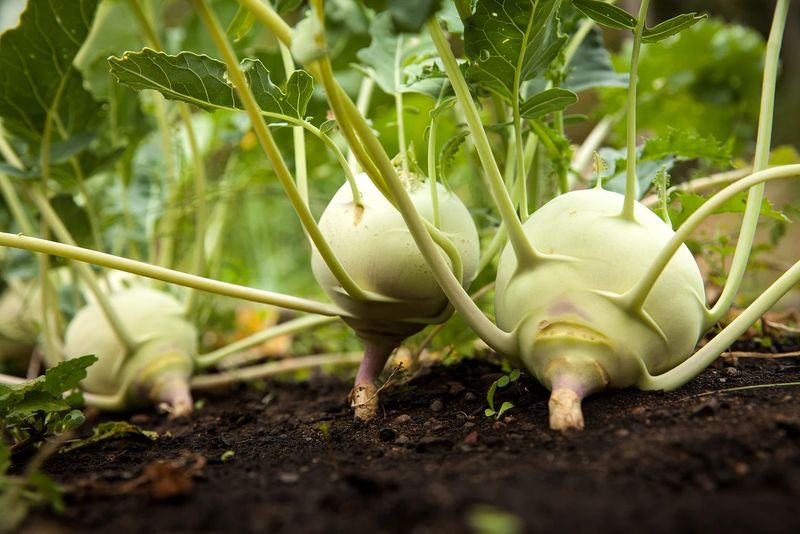
Kohlrabi’s aggressive root system competes directly with pepper plants for underground resources. The bulbous vegetable develops an extensive network of roots that can suffocate and outcompete your pepper plants’ more delicate root systems.
Both plants have similar nutrient requirements, especially for nitrogen and potassium. When planted together, kohlrabi typically wins this underground battle, leaving peppers nutrient-deficient and struggling to produce fruit.
Many gardeners notice their pepper plants developing yellow leaves and reduced vigor when grown near kohlrabi. Maintain at least three feet between these incompatible vegetables to avoid growth problems.
3. Beans Create Nitrogen Overload
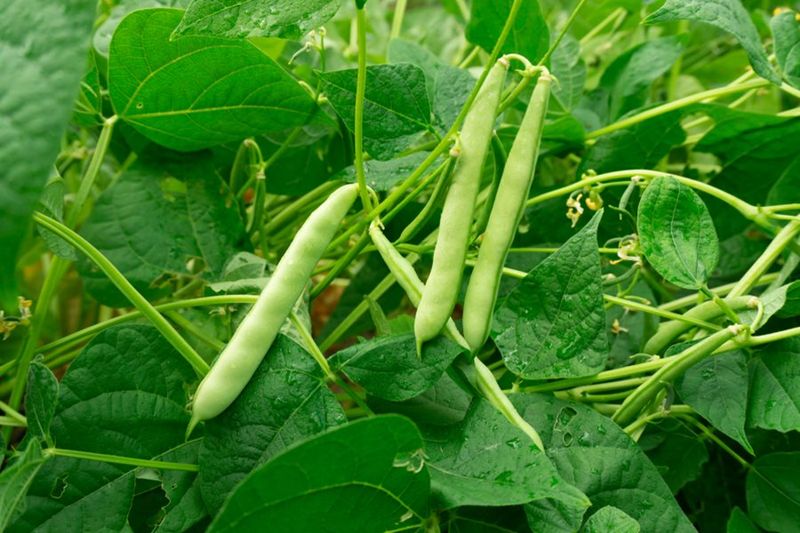
Legumes like beans fix nitrogen in the soil through special bacteria in their root nodules. While this sounds beneficial, peppers actually suffer from too much nitrogen, which promotes lush foliage at the expense of fruit production.
Excessive nitrogen causes pepper plants to grow tall and leafy but produce fewer flowers and fruits. The imbalance creates beautiful but unproductive plants that disappoint at harvest time.
Bean plants also attract similar pests to peppers, creating a concentrated target for insects like aphids and spider mites. The pest pressure can overwhelm both crops when planted in close proximity, leading to greater damage than if they were separated.
4. Brassicas Attract Destructive Pests
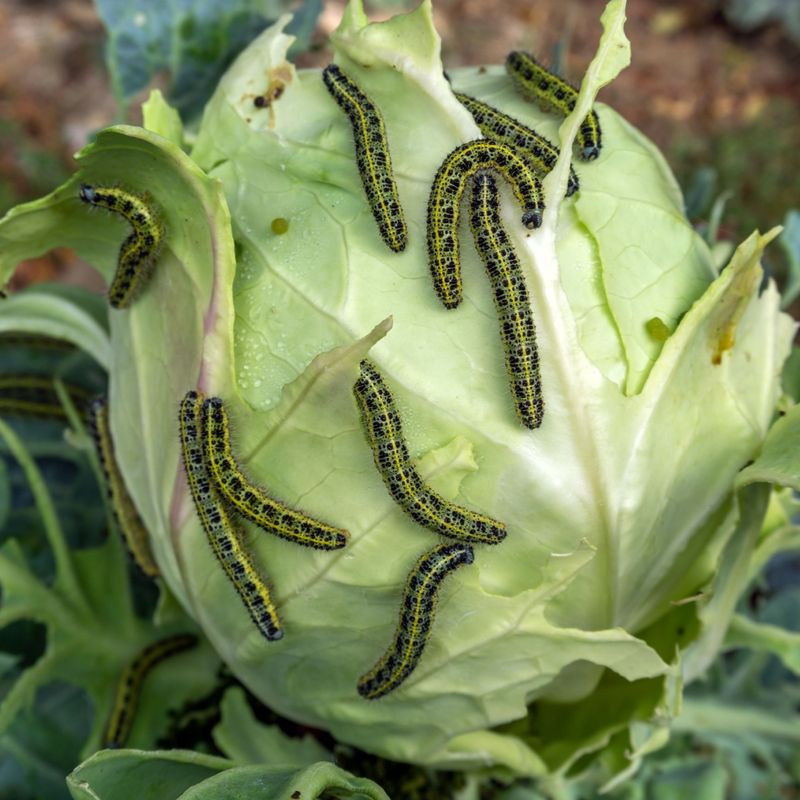
Cabbage, broccoli, cauliflower and other brassicas attract cabbage loopers and cabbage worms that can easily hop over to your pepper plants. These voracious caterpillars don’t discriminate once they’ve established in your garden and will happily munch on pepper leaves after depleting their preferred brassica hosts.
Brassicas and peppers also compete for similar soil nutrients. Both plant families are heavy feeders that require substantial amounts of phosphorus and potassium to produce their edible parts.
The shade created by taller brassicas like Brussels sprouts can reduce sunlight reaching your pepper plants. Peppers need full sun to maximize fruit production and develop their signature spicy flavor compounds.
5. Corn Creates Harmful Shade
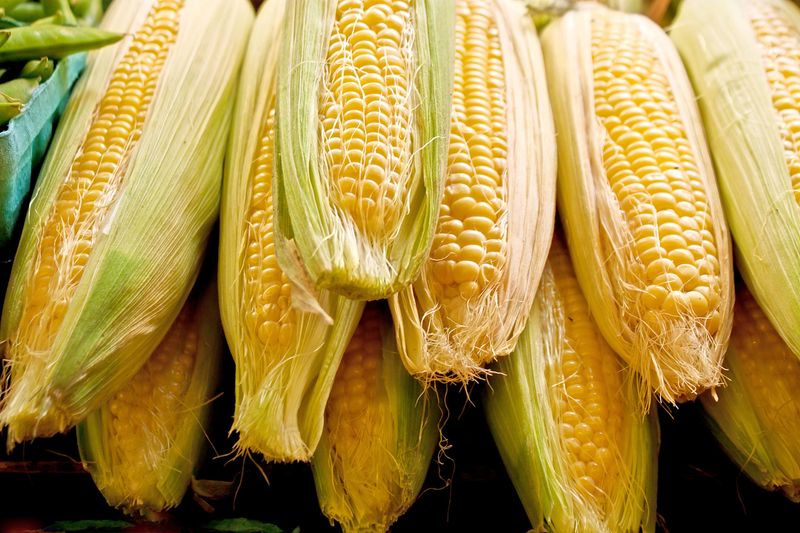
Corn grows tall quickly, creating dense shade that robs pepper plants of crucial sunlight. Pepper plants require at least 6-8 hours of direct sun daily to produce abundant fruit, and corn’s towering stalks can cut this requirement in half.
The massive root system of corn depletes soil moisture rapidly. Peppers struggle to compete for available water when planted nearby, leading to drought stress even in regularly watered gardens.
Corn also attracts corn earworms, which are the same species as tomato fruitworms that attack peppers. These pests bore directly into developing pepper fruits, causing rot and making the harvest inedible. The proximity of corn essentially creates a pest highway straight to your pepper plants.
6. Dill Becomes Problematic As It Matures
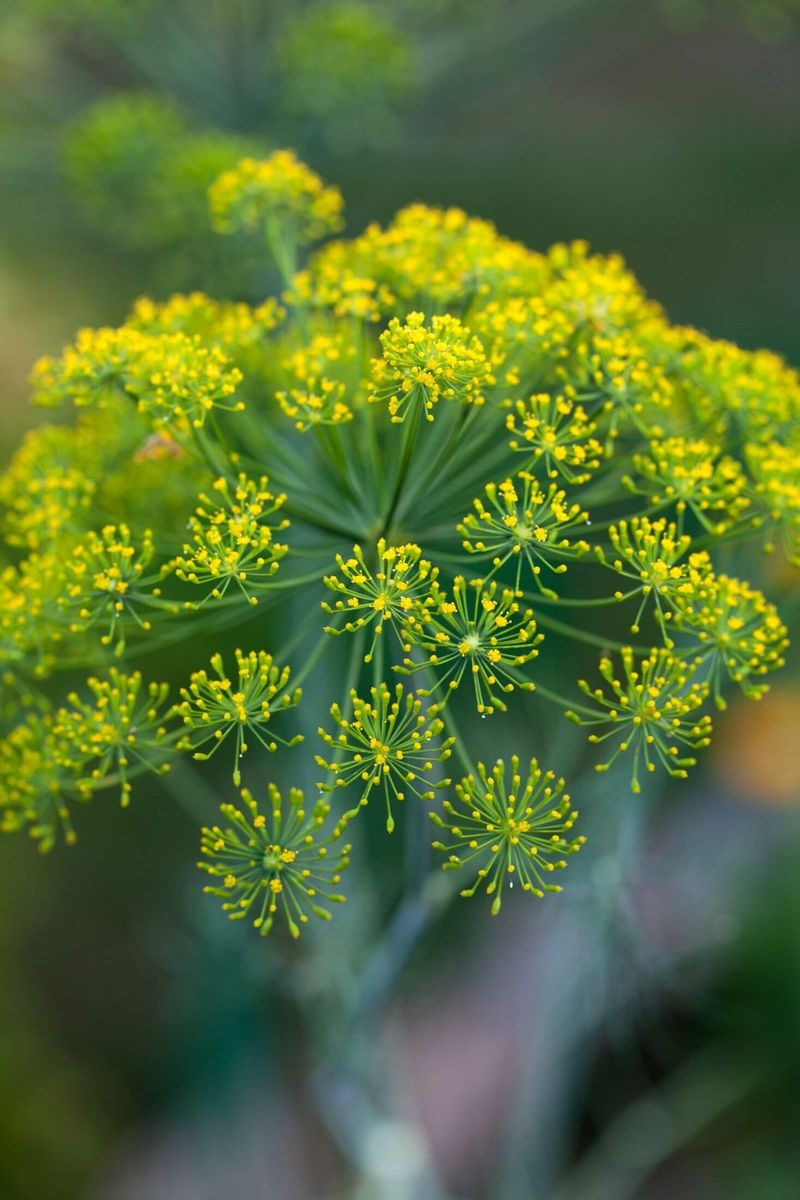
Young dill plants actually benefit peppers by attracting beneficial insects. However, as dill matures and flowers, it releases compounds that inhibit pepper plant growth and fruit development.
The relationship between dill and peppers changes dramatically throughout the growing season. Early-season companionship turns antagonistic when dill begins producing seeds and releasing more potent chemicals into the surrounding soil.
Mature dill also competes with peppers for pollinators, potentially reducing pepper fruit set. The timing mismatch creates a garden conflict that’s easy to avoid by simply keeping these plants in separate beds. If you want both, plant dill far from your pepper patch or harvest it young.
7. Sunflowers Deplete Soil Resources
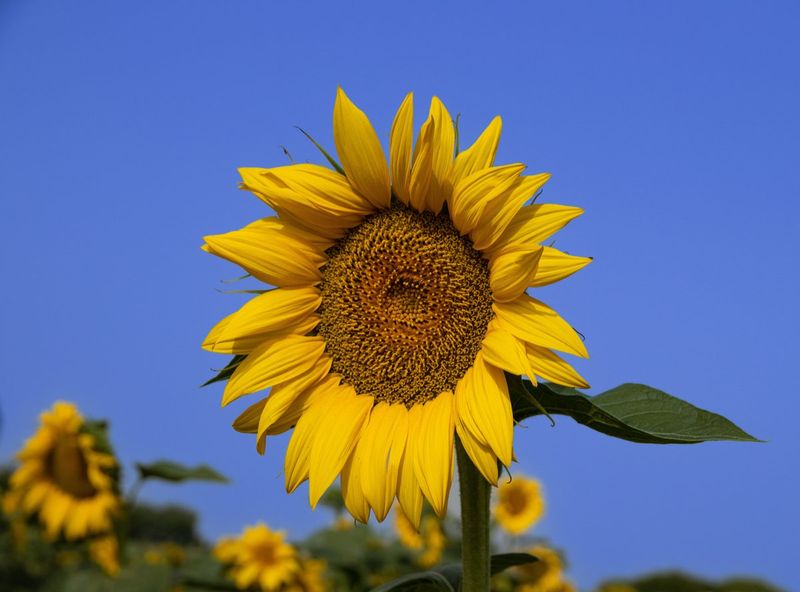
Sunflowers are extremely heavy feeders that drain soil nutrients rapidly. Their massive root systems and high nutrient demands leave little for neighboring pepper plants, resulting in weak growth and poor fruit production.
The allelopathic properties of sunflowers can inhibit seed germination and slow the growth of nearby plants. These natural chemicals, which help sunflowers compete in the wild, create an unfavorable environment for your pepper plants.
Tall sunflower varieties also cast significant shade during critical growing periods. While mature peppers can tolerate some afternoon shade in hot climates, the dense shadow from sunflowers is excessive and reduces photosynthesis. Keep these sun-loving giants at least 3-4 feet away from your pepper beds.
8. Strawberries Spread Verticillium Wilt
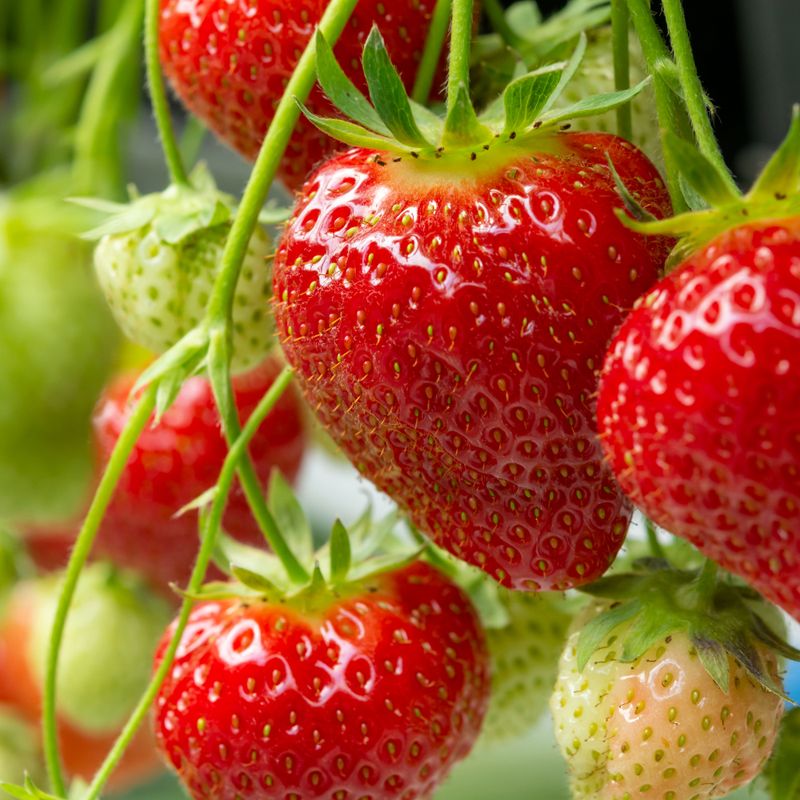
Strawberries can harbor verticillium wilt without showing severe symptoms themselves. This fungal disease readily transmits to pepper plants, where it causes wilting, yellowing leaves, and eventual plant death as it blocks water-conducting tissues.
The sprawling growth habit of strawberries creates humid conditions near the soil surface. This microclimate promotes various fungal diseases that can affect pepper plants, including damping off and root rot pathogens.
Strawberry plants attract slugs and snails that readily move to pepper plants. These pests chew holes in leaves and fruits, creating entry points for bacteria and fungi. The damage reduces yields and can spread diseases that might otherwise remain dormant in your garden soil.
9. Potatoes Share Devastating Diseases
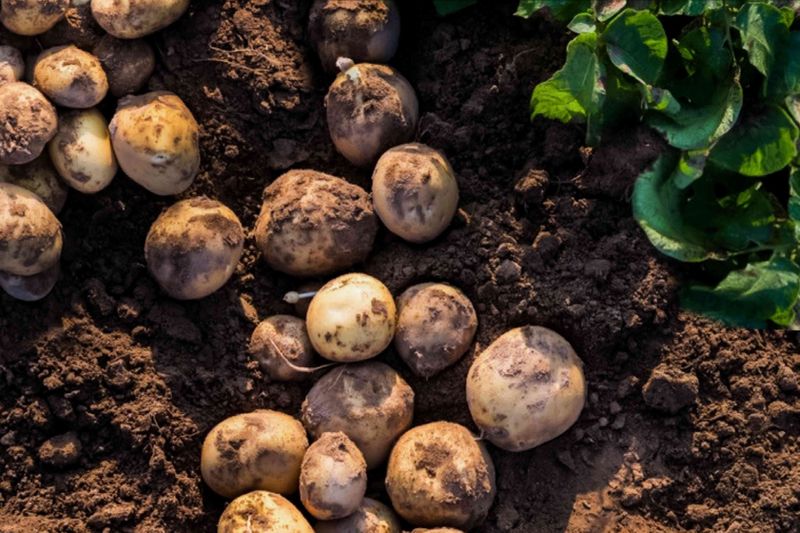
Potatoes and peppers belong to the same plant family (Solanaceae), making them susceptible to identical diseases. Early blight, late blight, and bacterial spot can rapidly spread from potatoes to your pepper plants through rain splash, wind, or gardening tools.
Both crops attract similar pests like Colorado potato beetles and flea beetles. These insects can quickly build up populations on potatoes before moving to your pepper plants, causing significant damage to both crops.
Potatoes and peppers compete for the same soil nutrients, especially phosphorus which is crucial for fruit development. When planted together, neither crop reaches its full productive potential due to this underground competition. Keep these nightshade relatives separated by at least one garden bed.
10. Tomatoes Attract Shared Pests
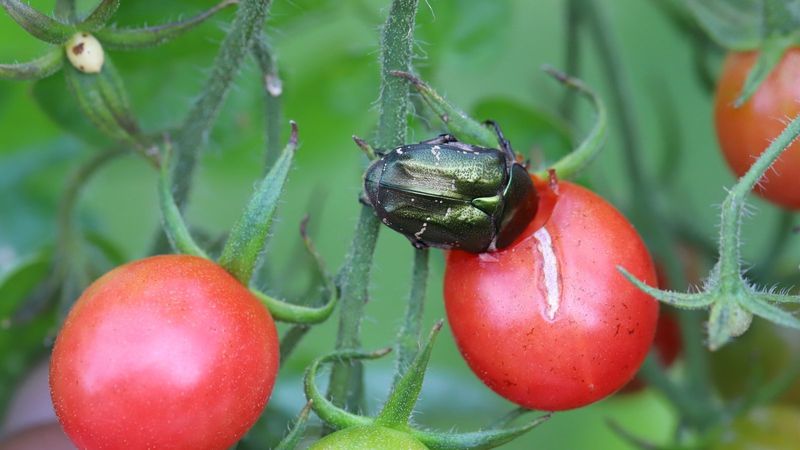
Tomatoes and peppers suffer from many of the same insect problems, including hornworms, aphids, and whiteflies. When planted together, these pests can easily move between plants, creating a concentrated feeding ground that can quickly get out of control.
Both plants are vulnerable to devastating diseases like bacterial spot and early blight. Disease spores can splash from infected tomato plants onto nearby peppers during watering or rainfall, spreading problems throughout your garden.
As fellow members of the nightshade family, tomatoes and peppers deplete similar soil nutrients. This competition can lead to deficiencies that show up as yellowing leaves, poor fruit set, or stunted growth in both crops. A separation of at least 4 feet helps minimize these negative interactions.
11. Eggplants Compound Disease Pressure
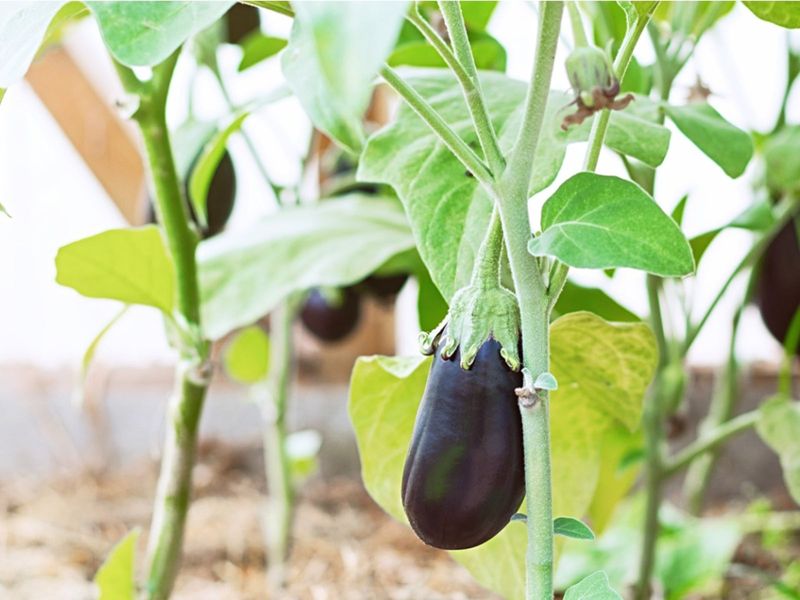
Eggplants share numerous diseases with peppers, including verticillium wilt, phytophthora blight, and tobacco mosaic virus. Planting these nightshade relatives together creates a disease reservoir that can quickly spread through your garden.
Flea beetles particularly love eggplants but will happily move to pepper plants when populations build up. These tiny jumping beetles chew numerous small holes in leaves, reducing photosynthesis and weakening plants.
Both crops have nearly identical fertility requirements and growing seasons. This creates direct competition for soil resources at the same critical growth stages, resulting in neither crop reaching its full potential. Rotating these crops in different areas of your garden each year helps break disease cycles and reduces pest pressure.
12. Walnuts Release Toxic Juglone
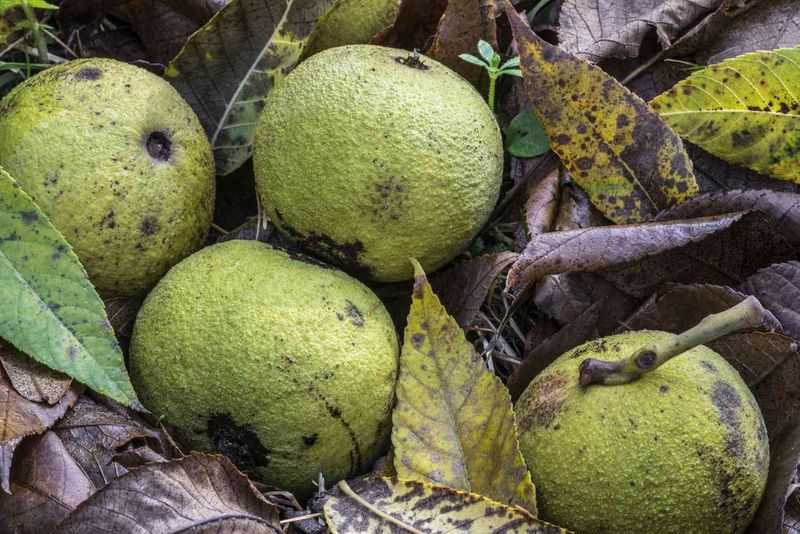
Walnut trees produce a chemical called juglone that is toxic to many plants, including peppers. This natural compound leaches into the soil from all parts of the tree – roots, fallen leaves, hulls, and even rain dripping through the branches.
Pepper plants growing within the root zone of walnut trees (which extends well beyond the drip line) typically show stunted growth, yellowing leaves, and wilting even when adequately watered. The symptoms progress until the plants eventually die.
The toxic effects can persist in soil even after removing a walnut tree. Wood chips, mulch, or compost containing walnut material should never be used around pepper plants. Keep peppers at least 50-60 feet away from walnut trees to avoid growth problems.
13. Cucumbers Attract Devastating Aphids
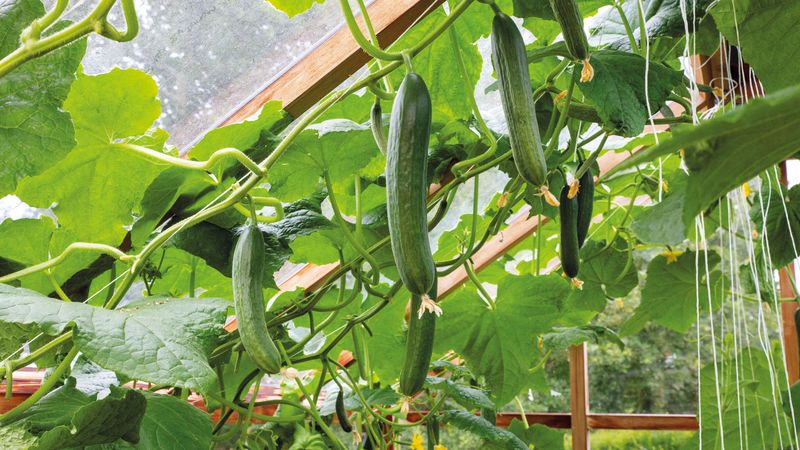
Cucumber plants are absolute magnets for aphids, which quickly build up populations before spreading to nearby peppers. These sap-sucking insects weaken pepper plants, reduce yields, and transmit viral diseases that can destroy your entire crop.
The sprawling growth habit of cucumbers can quickly overtake pepper plants, especially when grown on the ground rather than trellised. This physical competition for space restricts air circulation around your peppers, creating humid conditions that promote fungal diseases.
Both plants are heavy feeders that require significant amounts of nutrients throughout the growing season. When planted together, cucumbers often outcompete peppers for essential nutrients like potassium, which is crucial for proper fruit development. Keep these crops in separate garden beds for best results.
14. Squash Creates Mildew Problems
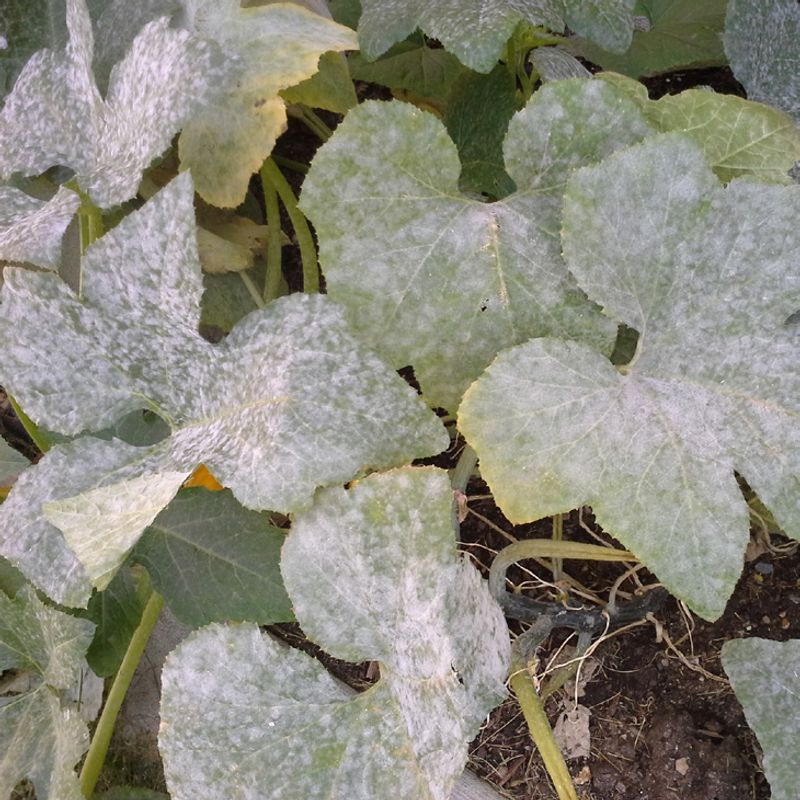
Squash plants are highly susceptible to powdery mildew, which can easily spread to nearby pepper plants. The white powdery fungal growth reduces photosynthesis and weakens plants, leading to reduced yields and poor fruit quality.
The large leaves of squash plants create dense shade that can prevent pepper plants from receiving adequate sunlight. Peppers require full sun exposure to develop their characteristic heat and flavor compounds.
Both vegetables attract similar pests, particularly spider mites during hot, dry weather. These tiny arachnids multiply rapidly and can cause significant damage by piercing plant cells and sucking out the contents. The resulting stippled, yellowing leaves reduce the plant’s ability to produce energy for fruit development.
15. Mint’s Invasive Root System
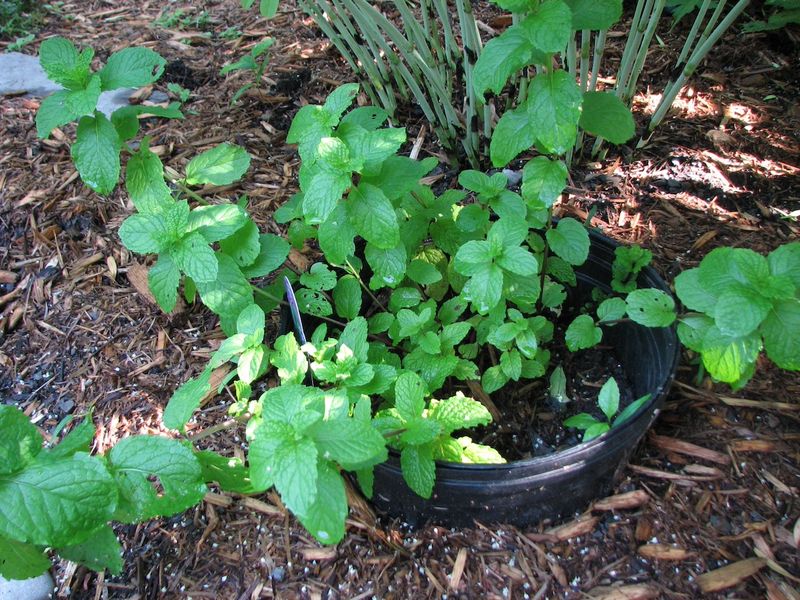
Mint plants have notoriously aggressive, spreading root systems that can quickly invade the space needed by pepper plants. The underground runners (rhizomes) can travel several feet in a single growing season, strangling the roots of nearby plants.
The strong aromatic oils in mint repel some beneficial insects that peppers rely on for pollination. While mint deters some pests, it can also reduce the presence of helpful predatory insects and important pollinators.
Mint is also allelopathic, releasing compounds that inhibit the germination and growth of neighboring plants. These natural chemicals can stunt pepper plant development and reduce overall yields. Always grow mint in contained spaces, either in pots or with underground barriers.
16. Rue Causes Chemical Interference
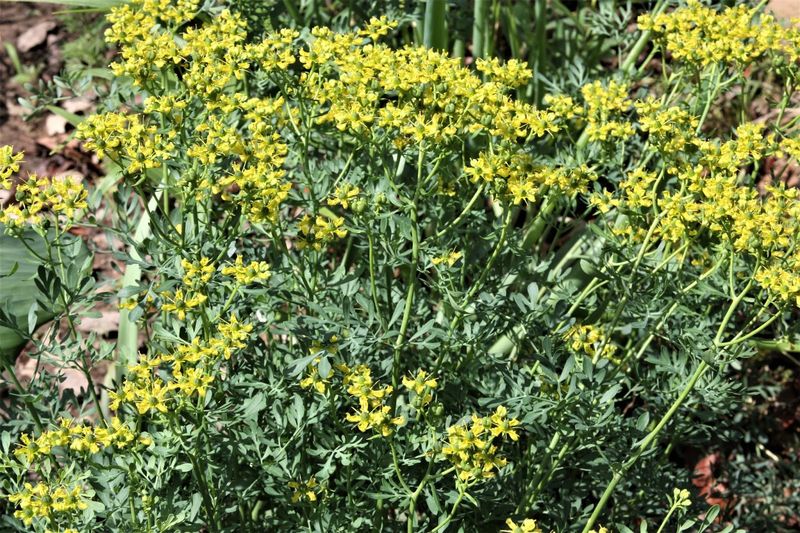
Rue contains powerful natural compounds that inhibit the growth of many plants, including peppers. These allelopathic chemicals leach into the soil and can severely stunt pepper plant development, resulting in poor growth and reduced harvests.
The strong scent of rue repels many beneficial insects that peppers need for proper pollination. While rue’s smell drives away some pests, it also deters the good bugs your pepper plants depend on for fruit production.
Some gardeners report skin reactions when handling both rue and peppers in succession. The oils from rue can cause photosensitivity, while capsaicin from peppers can irritate skin. This combination can lead to uncomfortable rashes for gardeners working with both plants on the same day.
17. Apricot Trees Harbor Verticillium
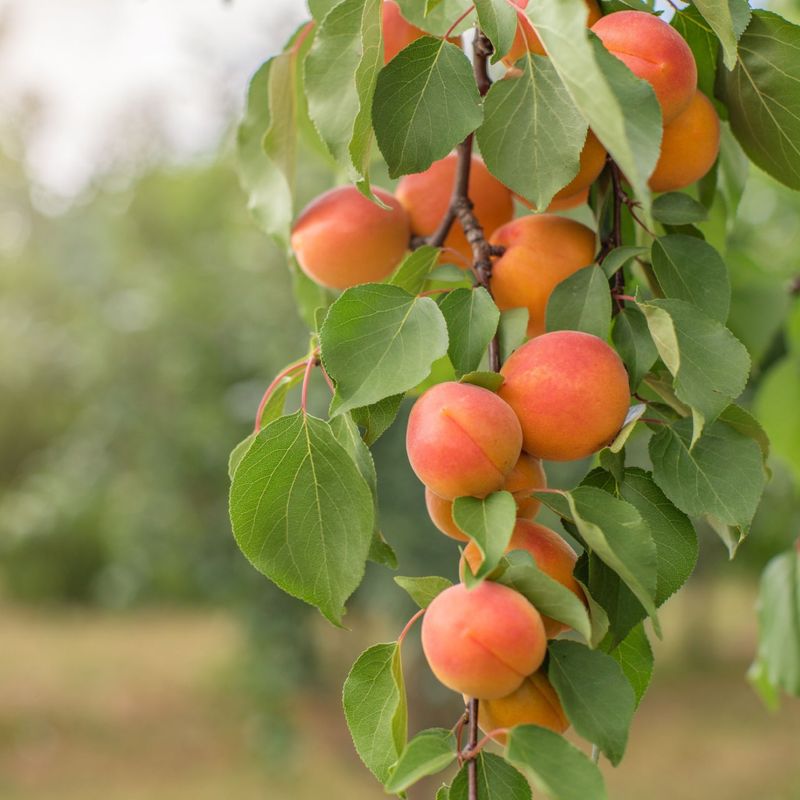
Apricot trees frequently carry verticillium wilt fungi in their root systems without showing severe symptoms themselves. These soil-borne pathogens can easily spread to nearby pepper plants, causing wilting, yellowing, and eventual death as they block the water-conducting vessels.
The shade cast by apricot trees reduces crucial sunlight needed by pepper plants. Even young apricot trees create dappled shade that can significantly decrease pepper yields and fruit quality.
Fallen apricot leaves and fruit create a breeding ground for various fungal diseases that can affect peppers. The decomposing material increases humidity at soil level and provides habitat for slugs and snails that will happily munch on your pepper plants after dark.
18. Onions Stunt Pepper Growth
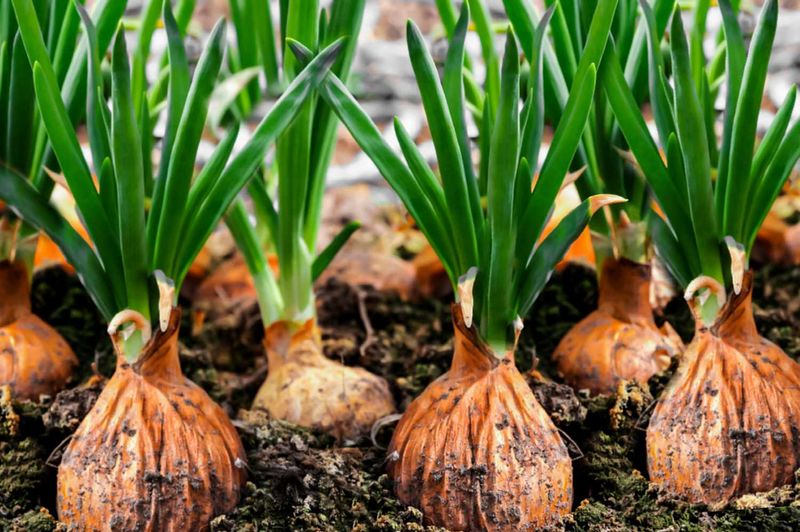
Onions release sulfur compounds into the soil that can inhibit the growth of pepper plants. These natural chemicals interfere with beneficial soil fungi that pepper roots depend on for nutrient uptake.
Both plants compete for similar soil nutrients during key growth stages. Onions and peppers have overlapping requirements for phosphorus and potassium, which are essential for proper fruit and bulb development.
The shallow root system of onions can physically interfere with pepper roots, especially in raised beds or containers where space is limited. This underground competition often results in smaller pepper plants with reduced yields. Keep these common garden vegetables separated by at least 18 inches for best results.
19. Garlic Inhibits Pepper Root Development
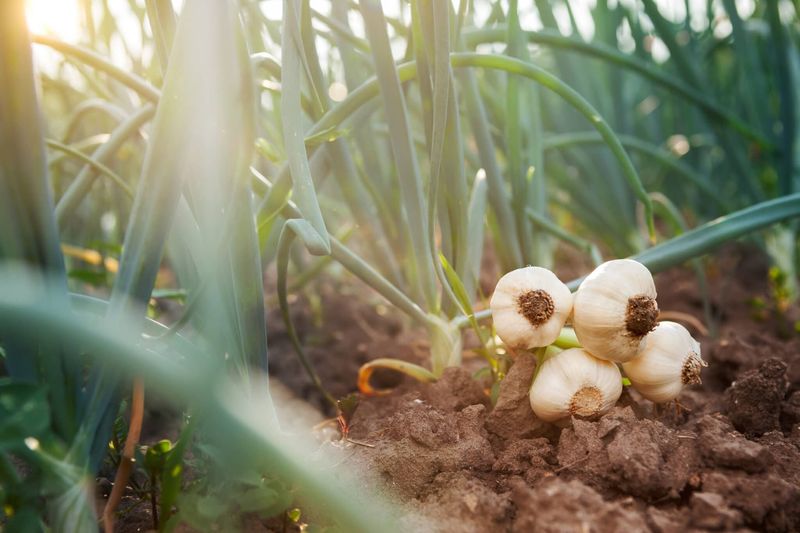
Garlic releases sulfur compounds that can inhibit the growth of mycorrhizal fungi in the soil. Peppers rely heavily on these beneficial fungi to extend their root systems and absorb nutrients efficiently.
The allelopathic properties of garlic can directly suppress pepper seed germination and seedling growth. Young pepper plants are particularly vulnerable to these growth-inhibiting compounds during their critical establishment phase.
Both crops compete for similar soil nutrients at the same time during the growing season. While companion planting charts sometimes suggest these plants work well together, experienced gardeners often notice reduced vigor in peppers grown near garlic. Separate these crops by at least 18 inches to avoid negative interactions.
20. Raspberries Share Devastating Viruses
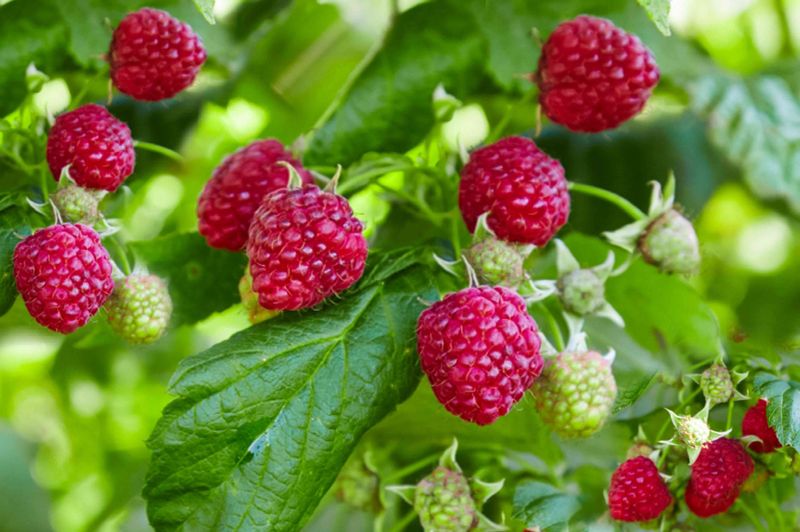
Raspberry plants often carry viruses that can infect pepper plants, particularly tobacco mosaic virus and cucumber mosaic virus. These pathogens cause mottled leaves, stunted growth, and severely reduced yields in pepper plants.
The thorny canes of raspberries can make it difficult to tend to nearby pepper plants. Gardeners frequently sustain scratches while attempting to harvest or maintain peppers planted too close to raspberry patches.
Both plants attract similar aphid species that can easily move between them, spreading viruses and causing direct feeding damage. The buildup of these pests can quickly overwhelm both crops when planted in close proximity. Maintain at least 3-4 feet between raspberry canes and your pepper plants to minimize these negative interactions.