
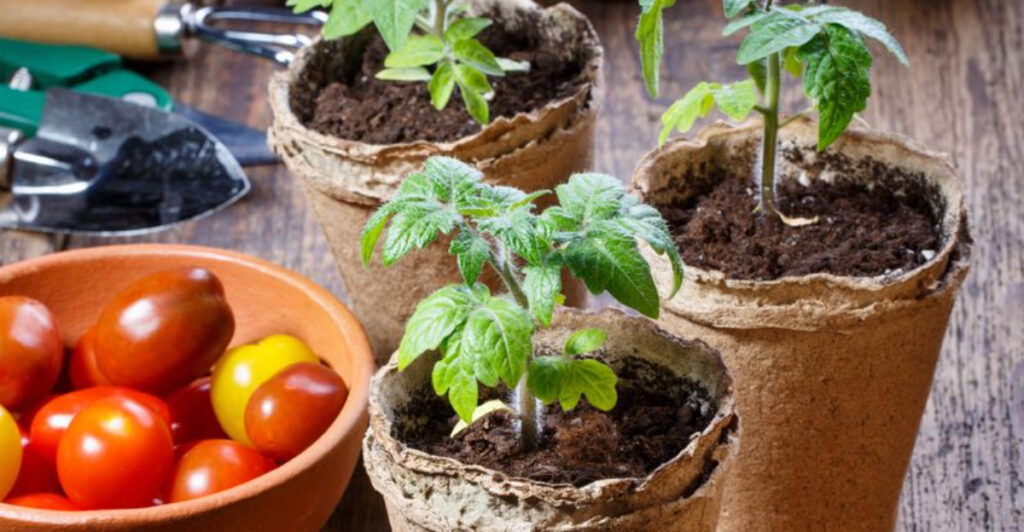
Starting vegetables indoors gives your garden a head start, especially in areas with shorter growing seasons. This simple technique can dramatically increase your harvest size and extend your growing season by weeks or even months. Whether you’re a seasoned gardener or just beginning, these 25 vegetables are perfect candidates for indoor seed starting before transplanting outside.
1. Peppers: Slow and Steady Growers
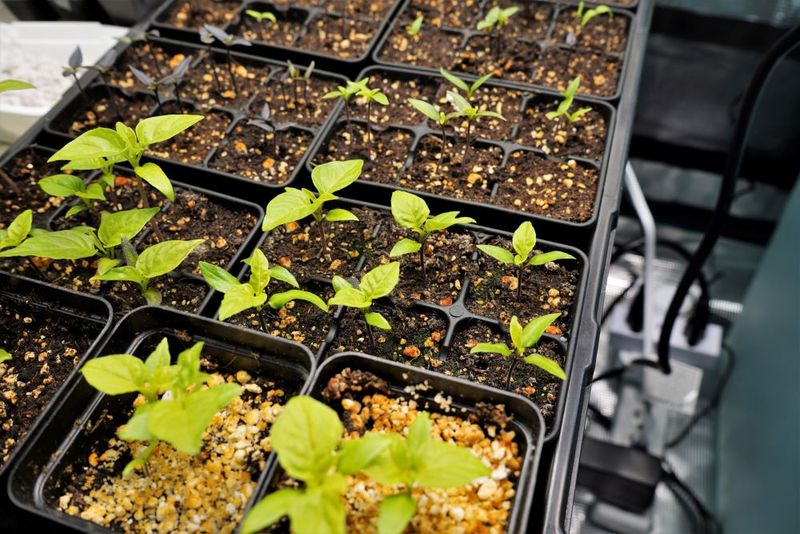
Sweet and hot peppers need a lengthy growing season to reach their full potential. Starting them indoors 8-10 weeks before your last frost date gives these slow-growing plants the time they need to mature and produce abundantly.
Pepper seeds germinate best with bottom heat around 80°F. A seedling heat mat works wonders for speeding up germination. Unlike tomatoes, pepper seedlings prefer staying in their containers until they’re quite large.
Be patient—pepper seeds can take 2-3 weeks to sprout! Once outdoors, they’ll reward your early efforts with months of colorful, flavorful harvests.
2. Eggplant: Heat-Loving Beauty
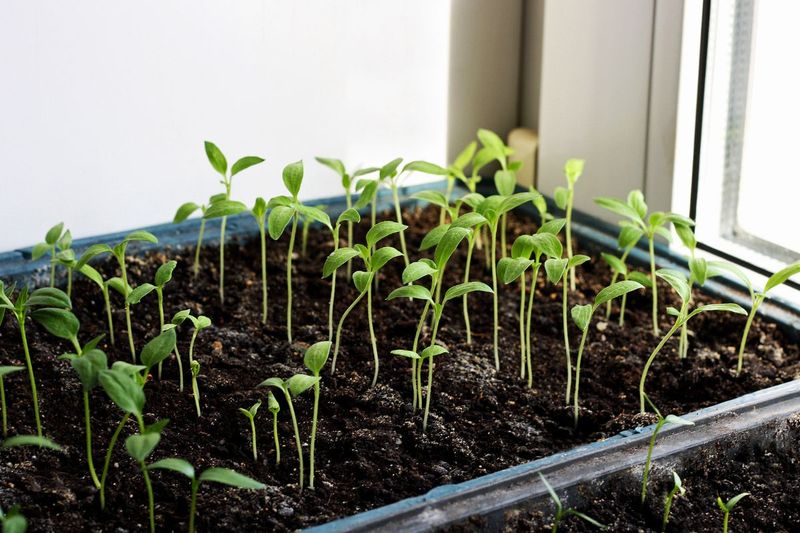
Royal purple fruits make eggplants garden showstoppers, but they demand a long, warm growing season. Starting seeds indoors 8-10 weeks before last frost gives these heat-lovers the extended season they need to thrive.
Eggplant seedlings grow slowly at first, so don’t worry if they seem to take their time. Keep soil consistently moist but not soggy, and provide plenty of light to prevent leggy growth.
When transplanting, wait until nights stay reliably above 50°F—eggplants suffer when exposed to cool temperatures. Their tropical nature means they’ll grow explosively once summer heat arrives.
3. Broccoli: Cool-Season Favorite
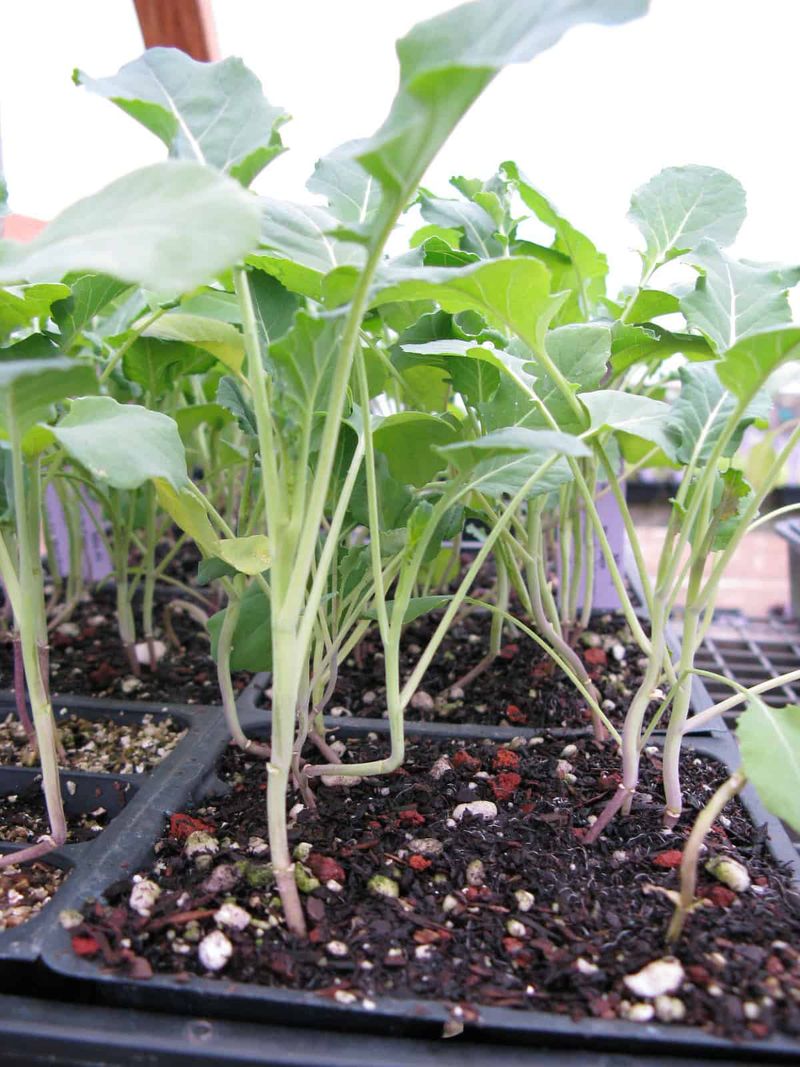
Broccoli thrives in cool weather but needs enough time to form heads before summer heat arrives. Starting seeds indoors 4-6 weeks before last frost for spring crops gives them this critical time advantage.
These seedlings grow quickly compared to heat-loving vegetables. Provide bright light and cooler temperatures (around 60-65°F) to prevent them from becoming leggy and weak.
For fall harvests, start seeds indoors in mid-summer when it’s too hot for direct seeding. This timing trick lets you enjoy two broccoli harvests yearly—one in late spring and another in fall when temperatures cool again.
4. Cauliflower: Timing is Everything
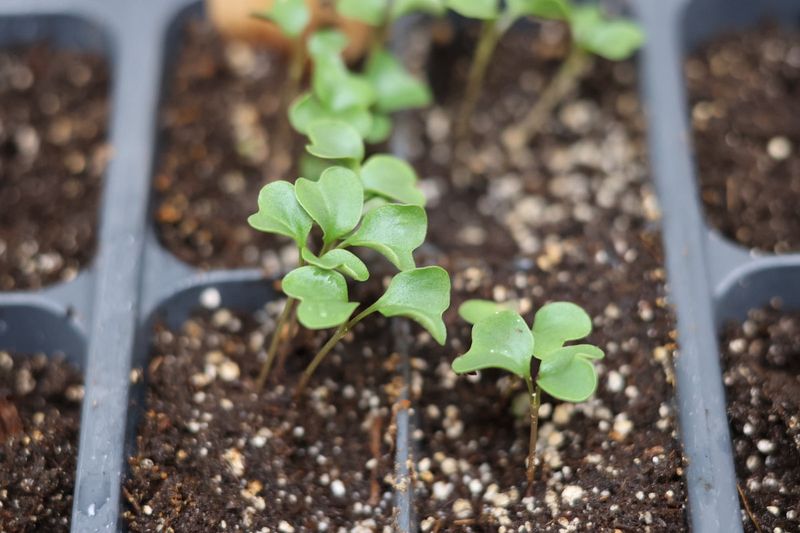
Cauliflower can be finicky, requiring perfect timing to produce those beautiful white heads. Starting seeds indoors 4-6 weeks before transplanting gives you control over this critical timing.
These seedlings need consistent moisture and bright light. When outdoor temperatures reach about 50°F consistently, they’re ready for transplanting.
For picture-perfect white heads, many varieties need “blanching”—folding leaves over the developing head to protect it from sunlight. Starting indoors extends your growing window, allowing for both spring and fall crops in many climates.
5. Cabbage: Cold-Hardy but Time-Hungry
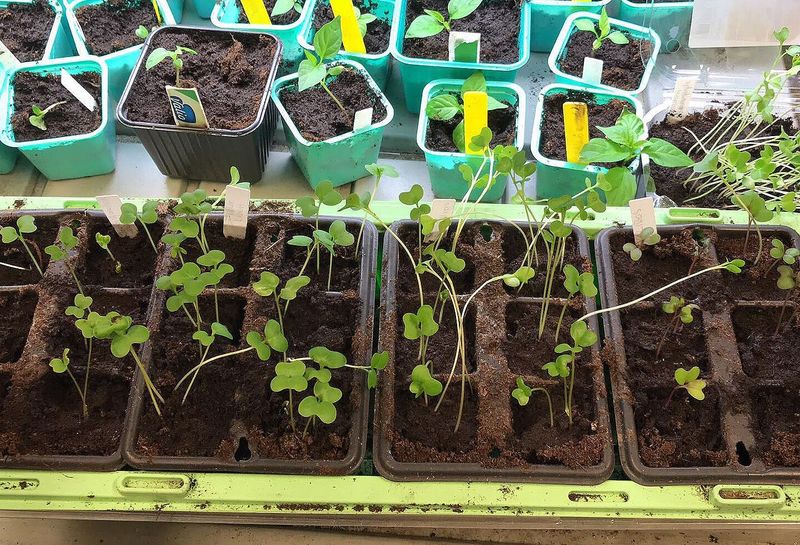
Cabbage seedlings started indoors 4-6 weeks before last frost date will develop into robust plants ready to take advantage of cool spring weather. These cold-hardy vegetables actually produce sweeter heads when they mature in cooler temperatures.
Grow seedlings under bright light at cooler temperatures (around 60-65°F) to keep them compact and sturdy. Cabbage transplants handle frost well, so they can go into the garden 2-3 weeks before your last frost date.
For a continuous harvest, start some seeds indoors in summer for fall planting. This second crop often produces the sweetest heads after light frosts improve their flavor.
6. Brussels Sprouts: The Long-Haul Crop
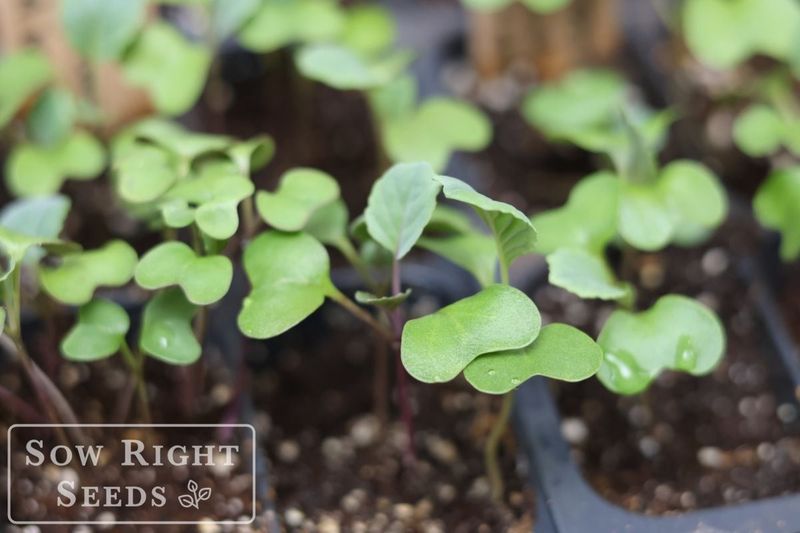
Brussels sprouts have one of the longest growing seasons of any vegetable—often 100+ days to maturity. Starting them indoors 6-8 weeks before transplanting gives these slow-growing plants the head start they need.
For most regions, starting seeds in late spring for fall harvest works best. Brussels sprouts actually improve in flavor after light frosts, making them perfect for autumn harvests.
Grow seedlings in cool conditions with plenty of light to develop strong stems. When transplanting, set them deeply in the garden and firm soil well around the stems to support these top-heavy plants as they mature.
7. Tomatoes: Garden Superstars
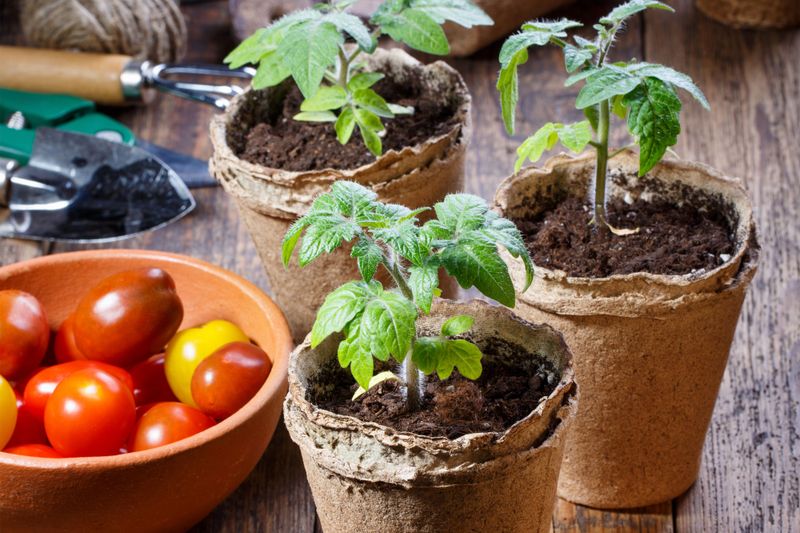
Tomato seedlings benefit from a 6-8 week head start indoors before the last frost date. These sun-loving fruits (yes, technically fruits!) develop strong root systems when started early in warm conditions.
Start them in seed trays with good drainage and transplant to larger containers once they develop true leaves. Tomatoes actually grow stronger stems when you gently brush your hand over them daily, simulating outdoor wind.
When transplanting outdoors, bury stems deeply—they’ll grow additional roots along the buried portion, creating sturdier plants with better drought resistance.
8. Kale: Twice-Season Wonder
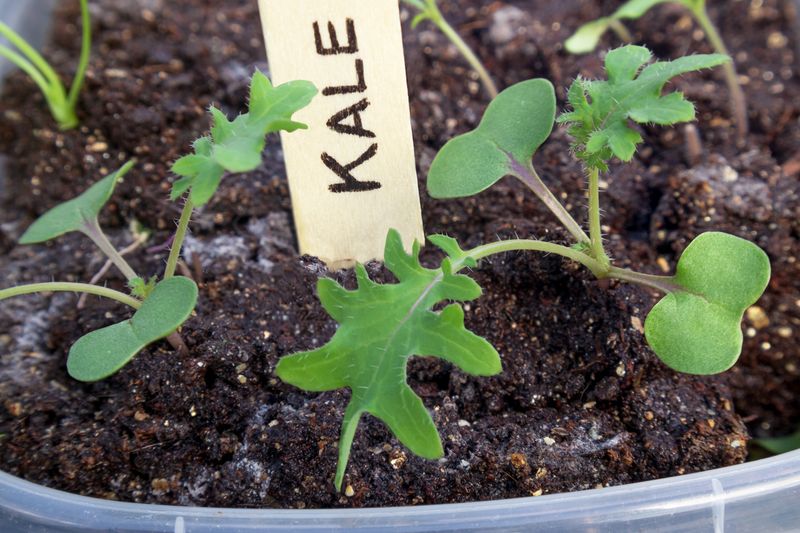
Kale seedlings started indoors 4-6 weeks before the last spring frost will produce earlier harvests than direct-seeded plants. These hardy greens can be planted outdoors before your last frost date—they handle cold temperatures beautifully!
For continuous harvests, start a second batch indoors in summer for fall planting. Fall-grown kale often tastes sweeter as cold temperatures convert starches to sugars in the leaves.
Kale seedlings grow quickly with minimal fuss. Their adaptability makes them perfect for beginners, while their productivity impresses experienced gardeners. Harvest outer leaves continuously while allowing centers to keep producing new growth.
9. Lettuce: Quick and Rewarding
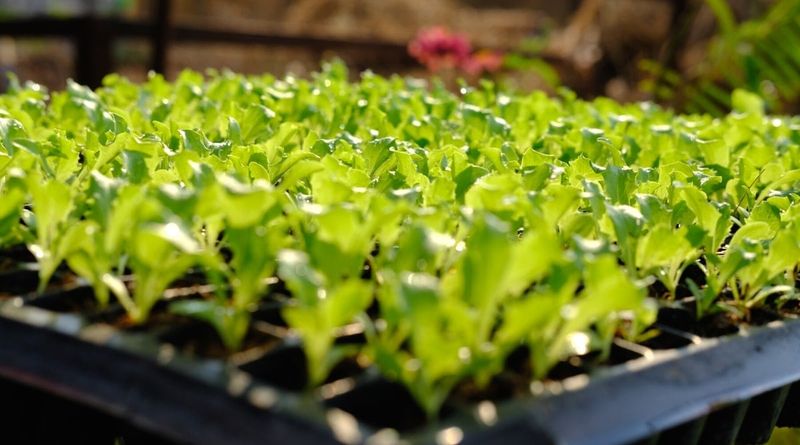
Starting lettuce indoors 3-4 weeks before transplanting gives you a jump on salad season. While lettuce grows easily from direct seeding, indoor starts provide earlier harvests and more control over spacing and varieties.
Lettuce seedlings thrive in cooler temperatures (60-65°F) and moderate light. Unlike tomatoes or peppers, they don’t need intense light to develop properly.
Try succession planting by starting new batches every 2-3 weeks for continuous harvests. When summer heat arrives, switch to heat-tolerant varieties or take a break until fall. Indoor starting allows precise timing for both spring and fall lettuce crops.
10. Onions: Early Birds Get the Bulbs
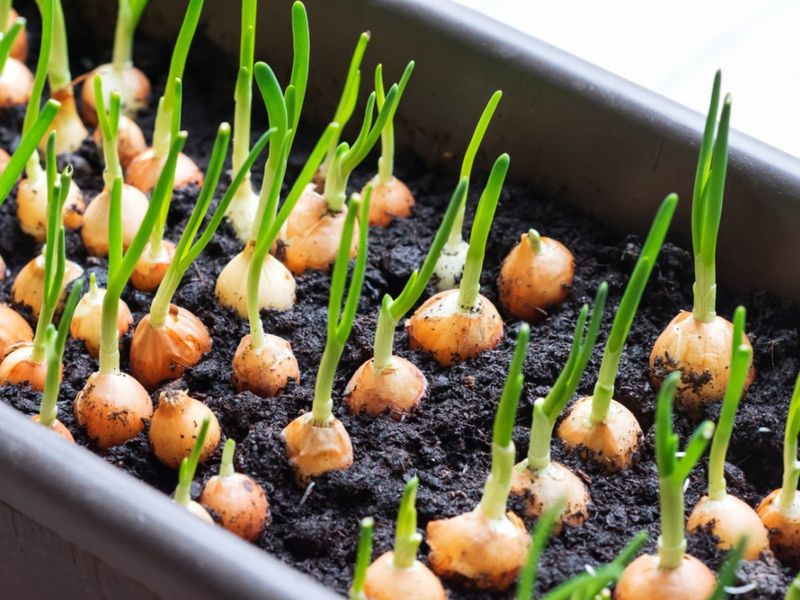
Onions respond dramatically to day length, making timing crucial for proper bulb development. Starting seeds indoors 8-10 weeks before transplanting gives these slow-starters the time they need to develop.
Unlike many seedlings, onions benefit from regular trimming—cut tops back to 3 inches when they reach 5 inches tall. This encourages thicker stems and stronger plants.
Choose varieties appropriate for your latitude—”long-day” for northern regions, “short-day” for southern areas, and “day-neutral” for in-between zones. Indoor starting means you’ll have robust seedlings ready to maximize the growing season once outdoor conditions permit planting.
11. Leeks: Patience Rewarded
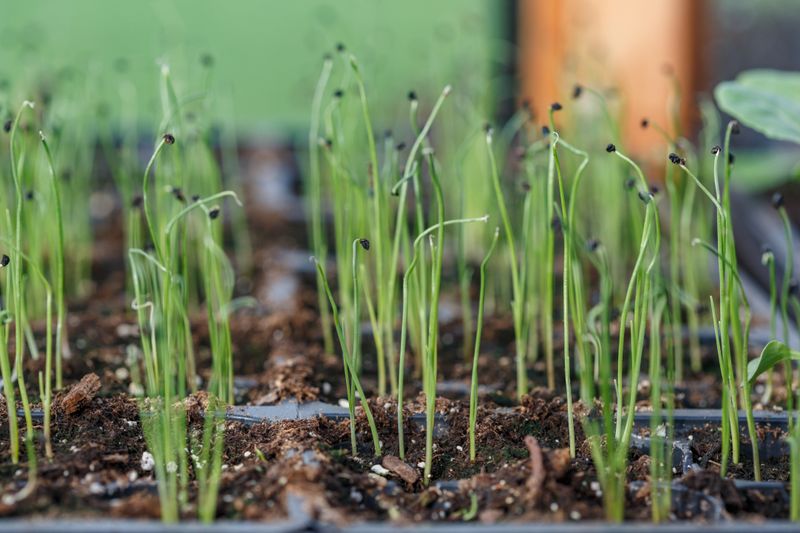
Leeks grow extraordinarily slowly, making them perfect candidates for indoor starting. Begin seeds 8-10 weeks before transplanting for substantial plants by setting-out time.
These seedlings look like tiny blades of grass at first. Don’t be fooled by their delicate appearance—they’re developing important root systems below the soil. Trim tops to 2-3 inches periodically to encourage thicker growth.
When transplanting, set seedlings into trenches or deep holes, leaving just the top inch exposed. As they grow, gradually fill in around stems to “blanch” them, creating the prized white portion. Indoor starting gives these slow-growers the extended season they need.
12. Celery: The Moisture Lover
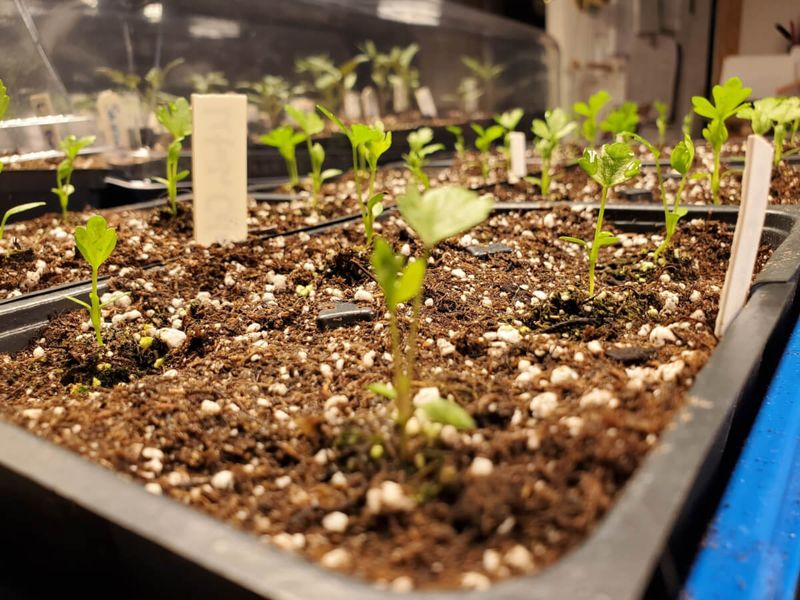
Celery demands a long growing season and consistent moisture to develop properly. Starting seeds indoors 10-12 weeks before last frost provides the extended growing period these slow-developers require.
Celery seeds need light to germinate—press them into moist soil but don’t cover them. Patience is key as germination can take up to three weeks!
Keep seedlings consistently moist and provide plenty of light to prevent legginess. When transplanting outdoors, maintain even moisture throughout the growing season. The flavor and texture improvements of homegrown celery over store-bought make the extra effort worthwhile.
13. Artichokes: Perennial Possibilities
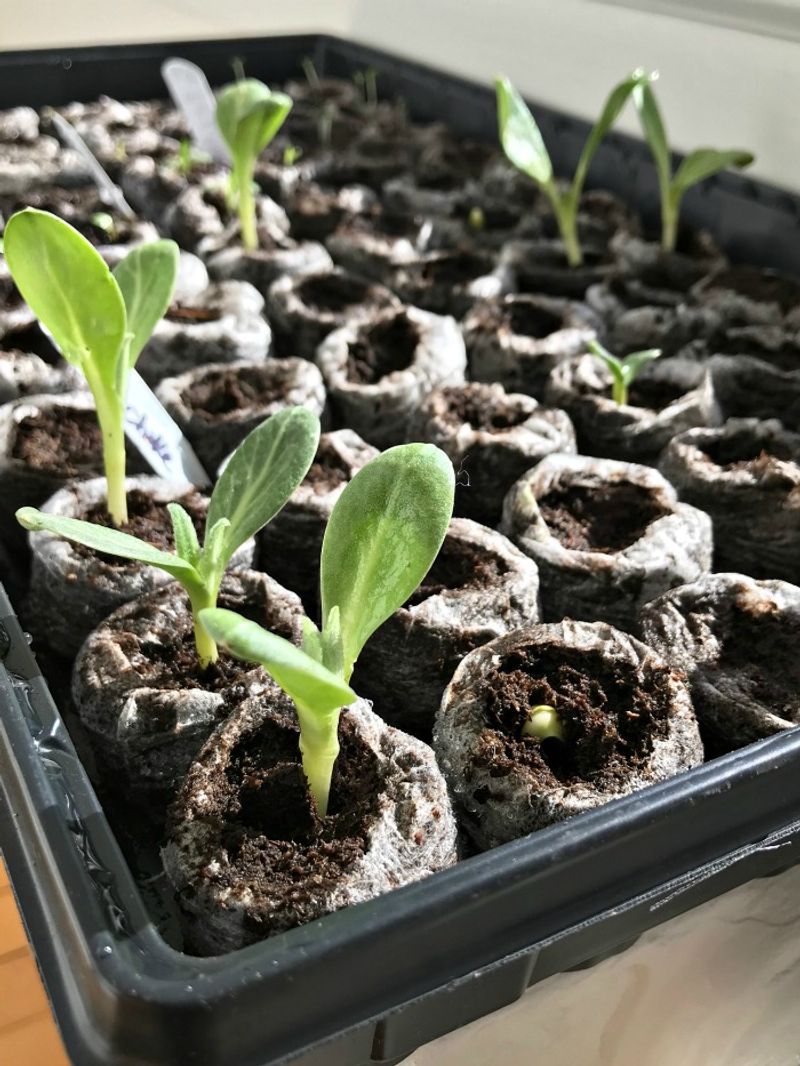
Artichokes grown as annuals need a significant head start to produce in their first year. Starting seeds indoors 8-10 weeks before last frost gives these normally perennial plants enough time to complete their growth cycle in one season.
The seeds germinate slowly and irregularly—sometimes taking 2-3 weeks. Seedlings develop into substantial plants before transplanting, so give them larger containers if they become root-bound.
In zones 7 and warmer, artichokes can survive winter to become true perennials. Even in colder regions, indoor starting allows enough time for these architectural plants to produce their unique, edible flower buds before frost arrives.
14. Ground Cherries: Unusual Treasures
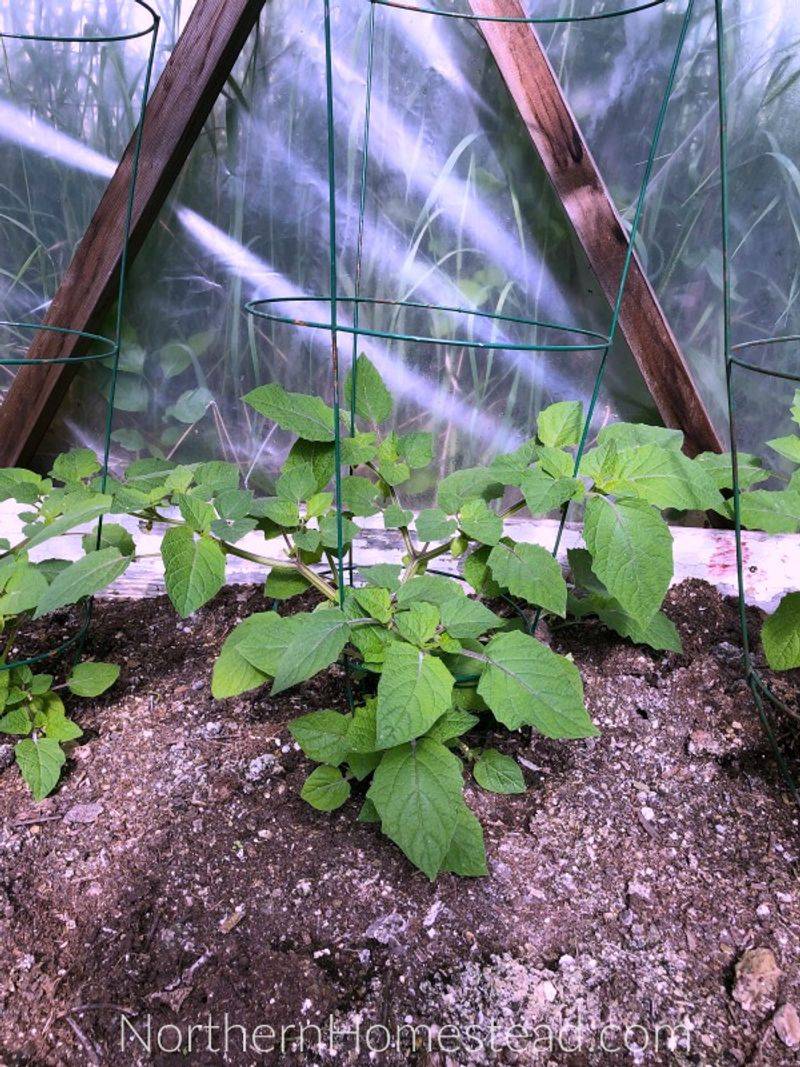
Ground cherries, relatives of tomatillos, need a long growing season to produce their sweet, husked fruits. Starting seeds indoors 6-8 weeks before last frost gives these unique plants time to mature and fruit abundantly.
The tiny seeds produce sturdy seedlings that grow similarly to tomatoes. Provide plenty of light to prevent legginess and harden off gradually before transplanting.
Once established outdoors, ground cherries will often self-seed in future years. The paper-lantern husked fruits drop when ripe and can be gathered from the ground—hence their name. Indoor starting ensures you’ll enjoy these sweet treats in your first growing season.
15. Tomatillos: Salsa Garden Essential
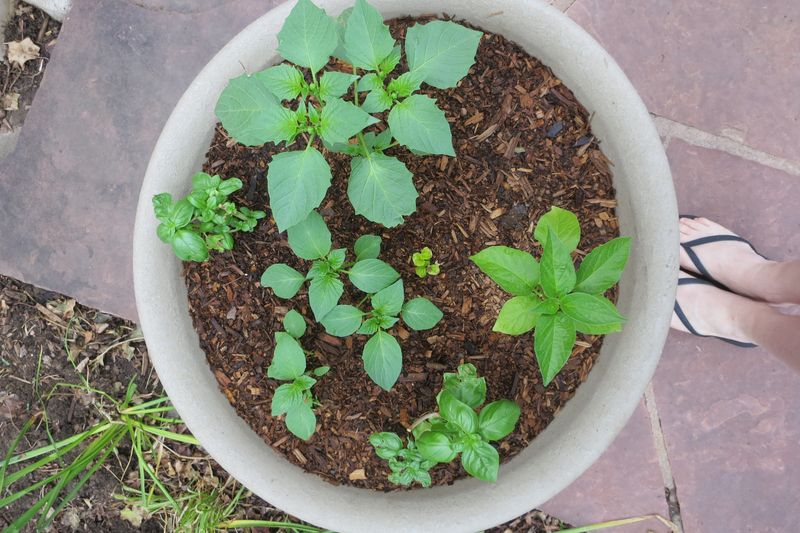
Tomatillos, with their papery husks and tart green fruits, need a full growing season to produce well. Starting seeds indoors 6-8 weeks before last frost gives these Mexican natives the time they need to mature properly.
Grow seedlings like tomatoes, providing plenty of light and gradually hardening them off before transplanting. Remember to plant at least two tomatillos—they require cross-pollination to set fruit!
Once established, tomatillos grow vigorously and produce abundantly until frost. Their slightly sprawling habit means they benefit from support like tomato cages. Indoor starting ensures these salsa garden essentials have time to reach their full productive potential.
16. Swiss Chard: Colorful Cut-and-Come-Again
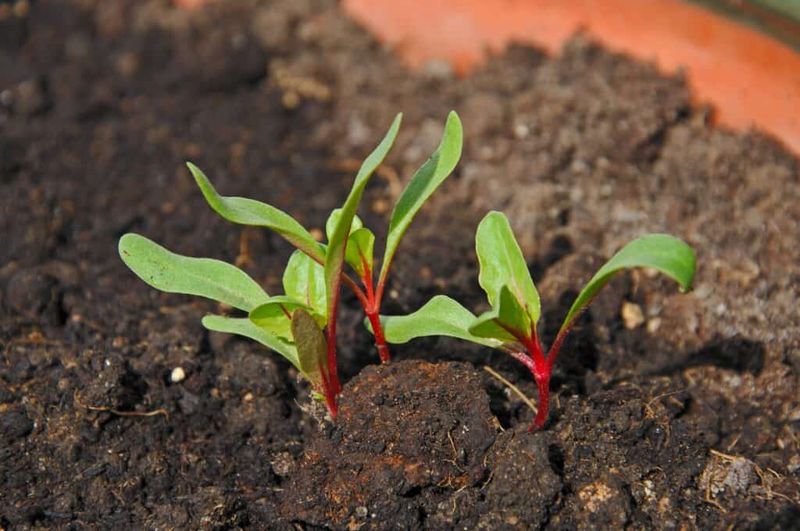
Swiss chard seedlings started indoors 3-4 weeks before last frost will give you earlier harvests of this nutritious leafy green. The rainbow varieties bring stunning color to both your garden and plate!
Chard seeds are actually clusters containing several embryos, so thin seedlings once they emerge. These sturdy plants grow quickly once established and transplant easily to the garden.
The beauty of chard is its cut-and-come-again nature—harvest outer leaves continuously while the center keeps producing new growth. With indoor starting, you’ll be harvesting sooner and longer, often until hard frosts finally end the growing season.
17. Collard Greens: Southern Staple
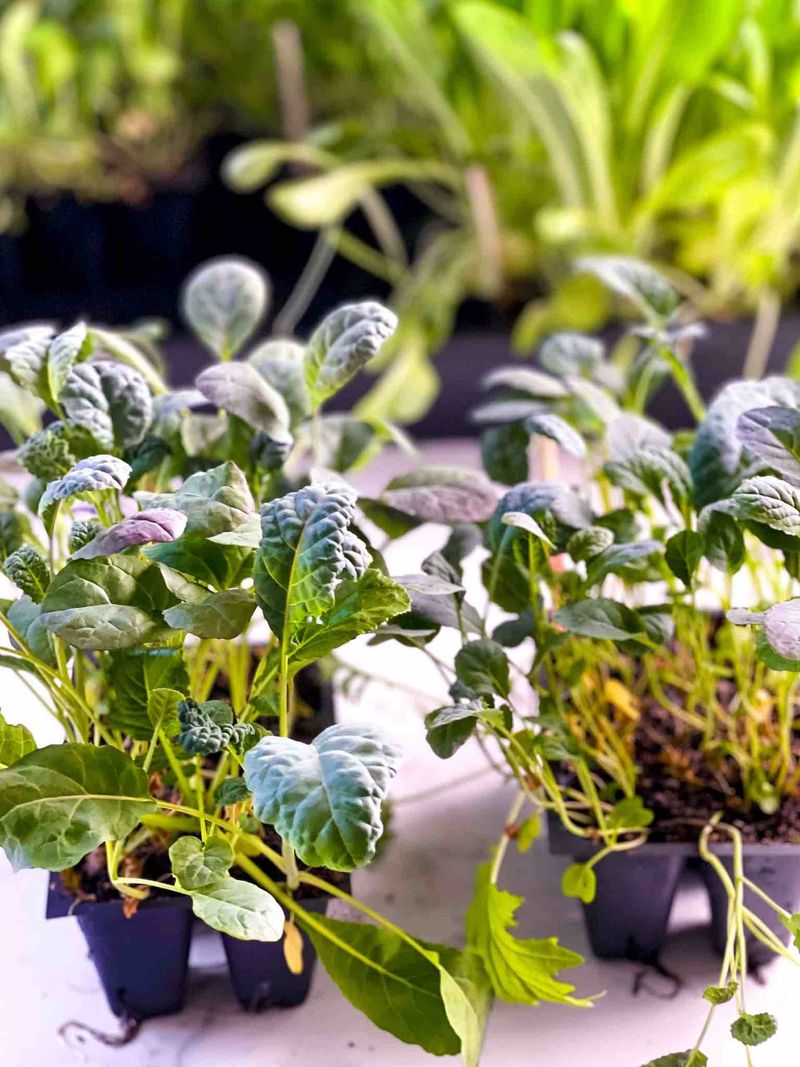
Collard greens started indoors 4-6 weeks before last frost will establish quickly for a productive spring harvest. These nutritional powerhouses are among the most heat-tolerant of the leafy greens, extending their harvest season well into summer.
Seedlings grow quickly with minimal fuss. Their vigor makes them forgiving for beginners, while their productivity impresses experienced gardeners.
For a continuous harvest, start a second batch indoors in summer for fall planting. Fall-grown collards often develop sweeter flavor after light frosts. Indoor starting for both spring and fall crops maximizes your growing season for these versatile greens.
18. Kohlrabi: The Alien Vegetable
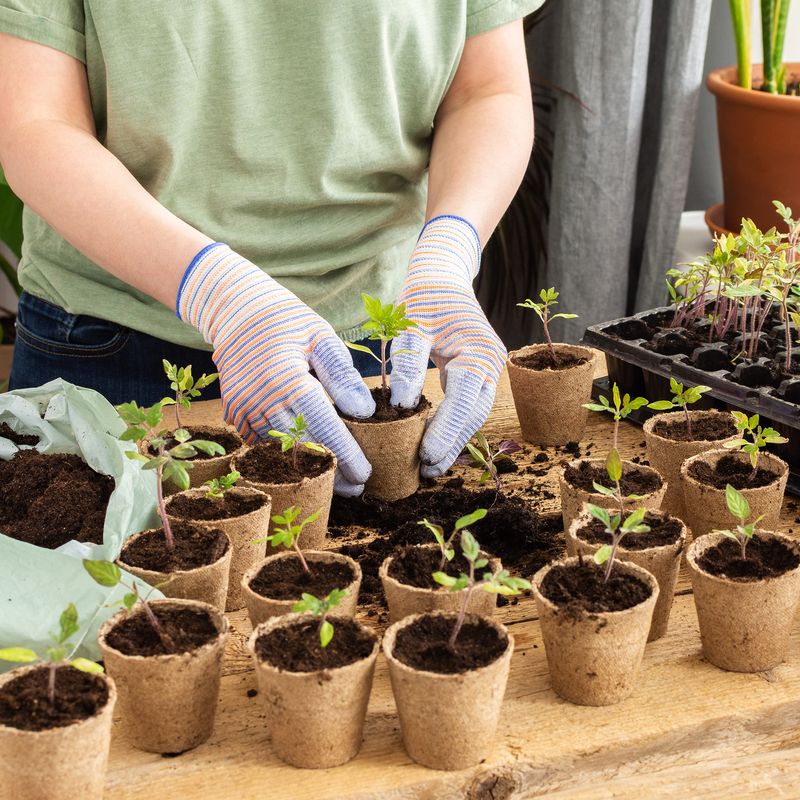
Kohlrabi’s bizarre UFO-shaped stem makes it a conversation starter in any garden. Starting seeds indoors 4-6 weeks before last frost gives these quick-growing brassicas a head start for spring harvests.
The seedlings look like cabbage at first but quickly develop their distinctive swollen stems once transplanted. For tender, sweet kohlrabi, harvest when bulbs reach tennis ball size—larger ones become woody.
For fall harvests, start seeds indoors during summer when it’s too hot for direct seeding. This cool-weather crop actually improves in flavor after light frosts, making it perfect for late-season harvests when started at the right time indoors.
19. Okra: Southern Favorite
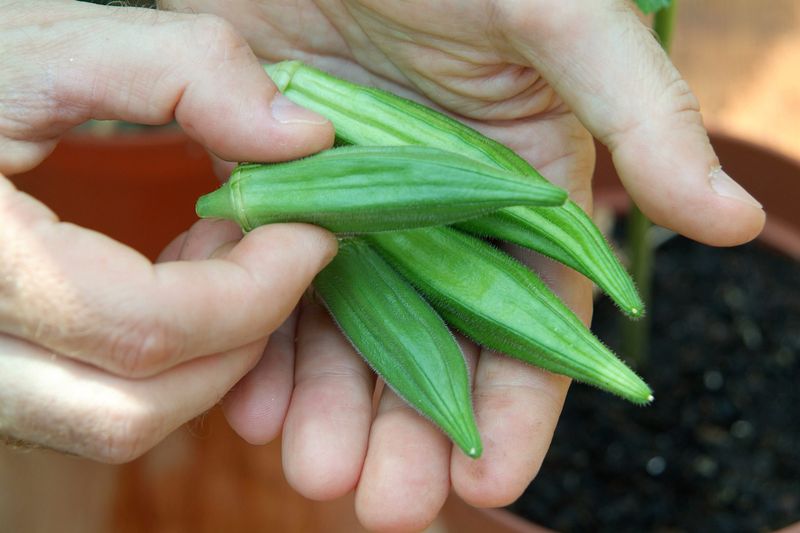
Okra loves heat but needs a long growing season to reach its productive peak. Starting seeds indoors 4-6 weeks before transplanting gives these warm-weather plants the head start they need in shorter-season areas.
Handle seedlings carefully during transplanting—okra dislikes root disturbance. Use biodegradable pots that can be planted directly to minimize root disruption.
Wait until soil is thoroughly warm before transplanting, as okra sulks in cool conditions. The beautiful hibiscus-like flowers make okra ornamental as well as productive. Indoor starting means earlier harvests of these tender pods that must be picked young before they become tough.
20. Pumpkins: Halloween Head Start
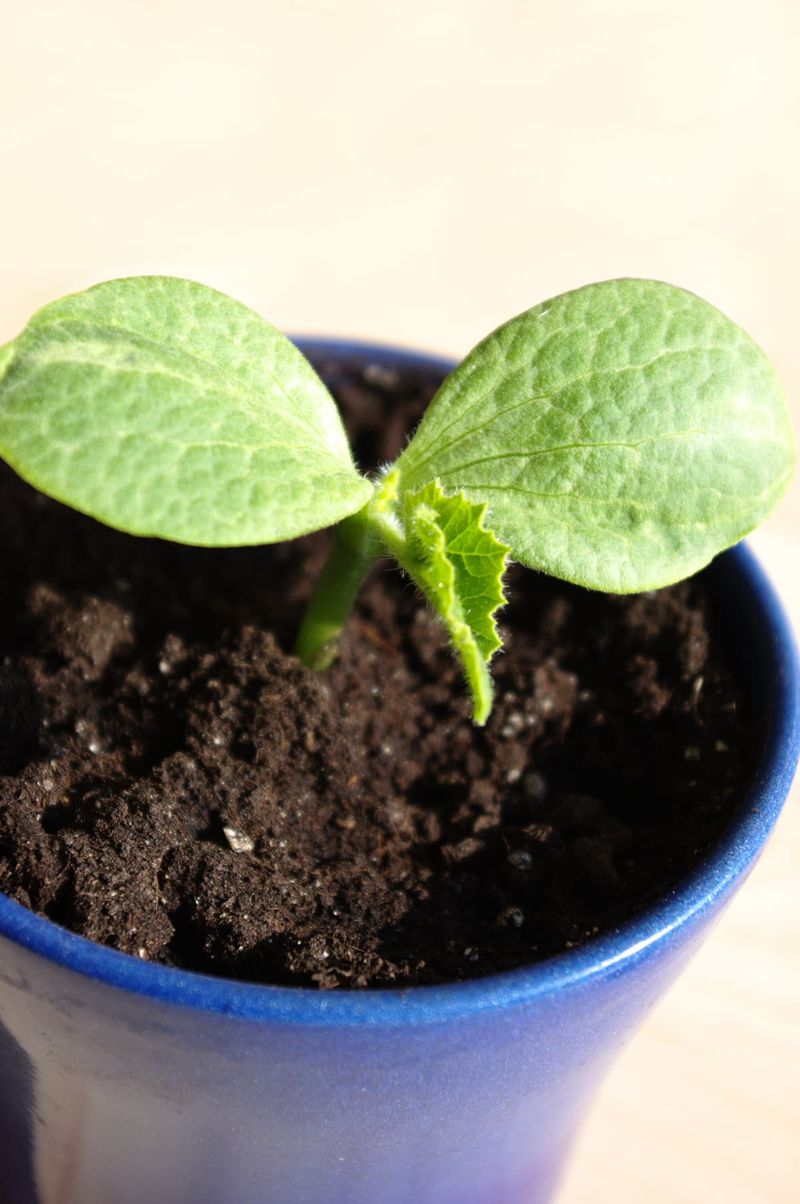
Pumpkins need a long growing season to produce those perfect orange globes for Halloween. Starting seeds indoors 2-3 weeks before last frost date gives these sprawling vines the time advantage they need, especially in northern regions.
Pumpkin seedlings grow rapidly, so don’t start them too early. Their large seeds produce robust seedlings that transplant easily as long as roots aren’t disturbed.
Plant seedlings in hills enriched with compost for best results. Indoor starting is particularly valuable for growing giant pumpkins or specialty varieties that need every possible day to mature before fall frosts threaten.
21. Winter Squash: Storage Champions

Winter squash varieties like butternut, acorn, and hubbard need substantial growing time to develop their hard rinds and sweet flesh. Starting seeds indoors 3-4 weeks before last frost extends their growing season enough to fully mature before fall frosts.
Like their pumpkin cousins, winter squash seedlings grow quickly and transplant easily when young. Their rapid growth means they don’t need as much indoor time as slower-developing vegetables.
The payoff comes in fall when properly matured winter squash can be harvested and stored for months of eating. Indoor starting helps ensure these storage champions have enough time to develop the thick rinds necessary for long-term keeping.
22. Cucumbers: Earlier Pickles
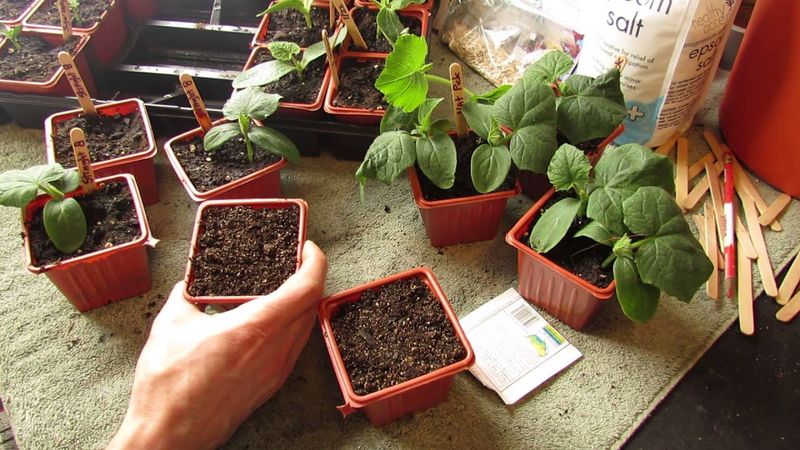
Cucumber seedlings started indoors 3-4 weeks before last frost will give you a jump on pickle season. While cucumbers grow easily from direct seeding, indoor starts provide earlier harvests—sometimes by several weeks.
Grow seedlings in individual pots rather than cells to minimize root disturbance during transplanting. These tender plants should never experience frost, so wait until weather is settled before moving them outdoors.
For continuous harvests, consider succession planting—start new batches every few weeks. When summer’s first planting begins to decline, your second batch will just be reaching peak production. Indoor starting makes this precise timing possible.
23. Melons: Sweet Success
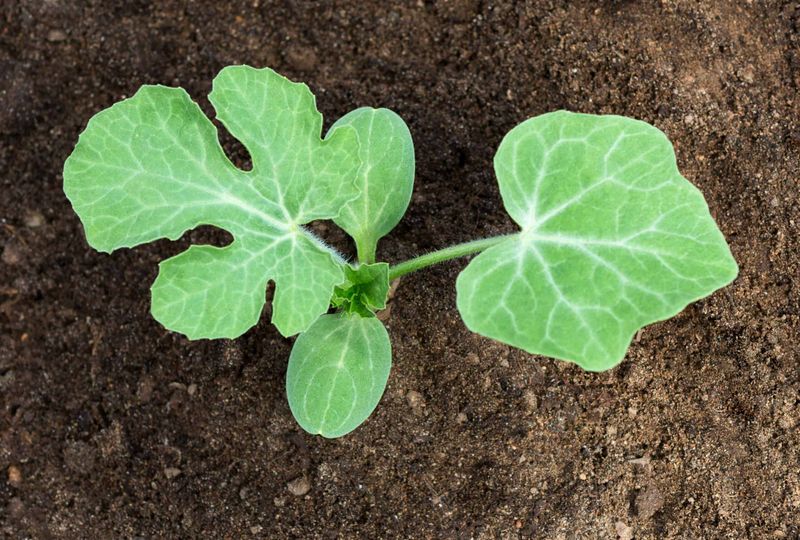
Melons need long, hot growing seasons to develop their sweet flavors. Starting seeds indoors 3-4 weeks before last frost gives these heat-lovers the extended season they need, especially in northern areas.
Grow seedlings in individual pots to prevent root disturbance during transplanting. Wait until soil is thoroughly warm before setting plants out—cold soil will stunt their growth.
Use black plastic mulch to warm soil further and provide clean growing surfaces for developing fruits. Indoor starting means earlier harvests of these summer treats that need every possible warm day to reach their sweet potential.
24. Basil: Herb Garden Staple
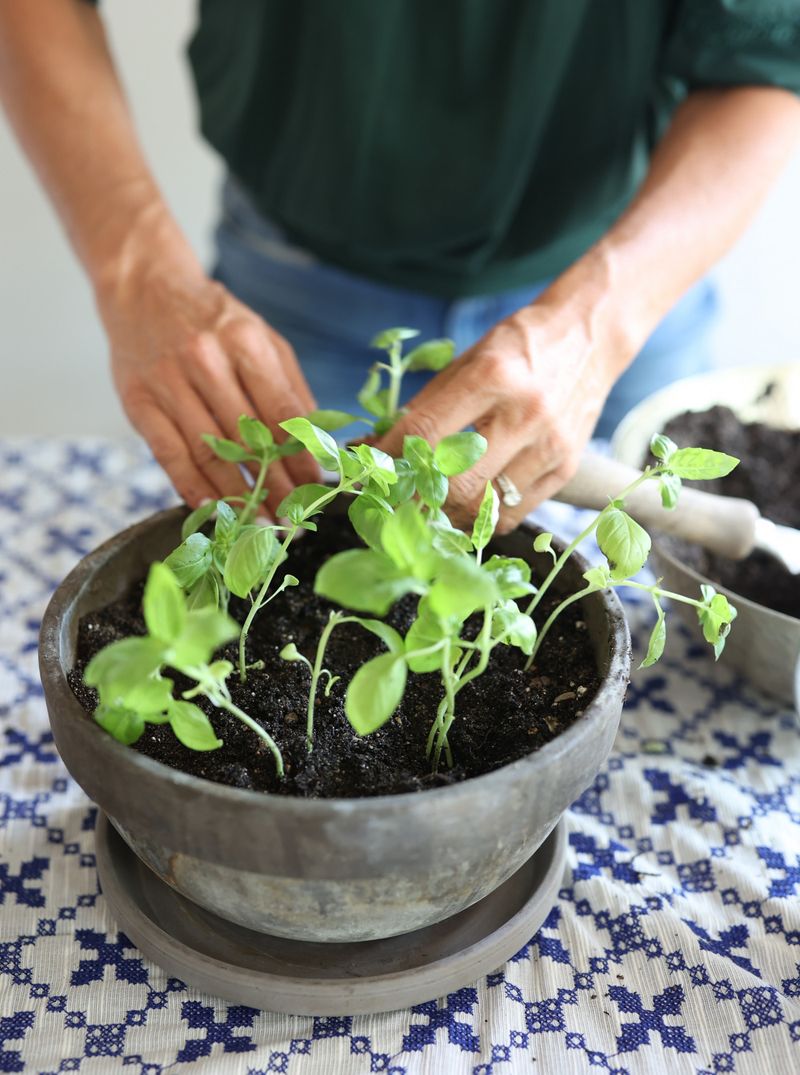
Basil seedlings started indoors 4-6 weeks before last frost will give you a head start on pesto season! This tender herb is extremely frost-sensitive, making indoor starting particularly valuable.
The tiny seeds produce surprisingly sturdy seedlings that grow quickly with adequate light. Keep soil consistently moist but not waterlogged to prevent damping off disease.
When transplanting, wait until nights stay reliably above 50°F—basil sulks in cool weather. For continuous harvests, consider starting new batches every few weeks. Regular harvesting encourages bushier growth and prevents flowering, extending your basil season dramatically.
25. Parsley: Biennial Bonus
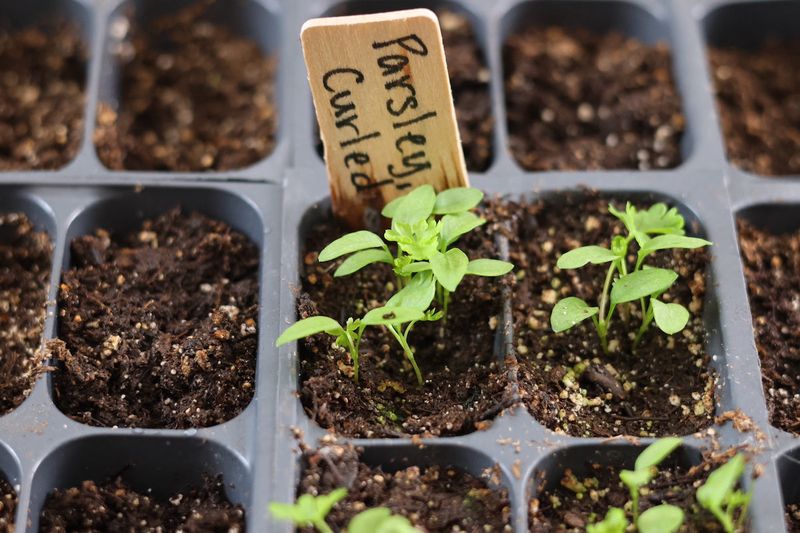
Parsley’s notoriously slow germination makes indoor starting particularly valuable. Starting seeds 8-10 weeks before last frost gives these slow-starters time to develop into substantial seedlings before garden planting.
Soaking seeds overnight before planting speeds germination. Some gardeners even pour boiling water over the seed furrow (then let it cool) before planting to break seed dormancy.
As a biennial, parsley grows leafy its first year and flowers the second. Indoor starting maximizes that productive first year. In mild winter areas, parsley often survives to produce early spring growth before flowering, giving you nearly two years of harvests.
26. Rosemary: Perennial Head Start
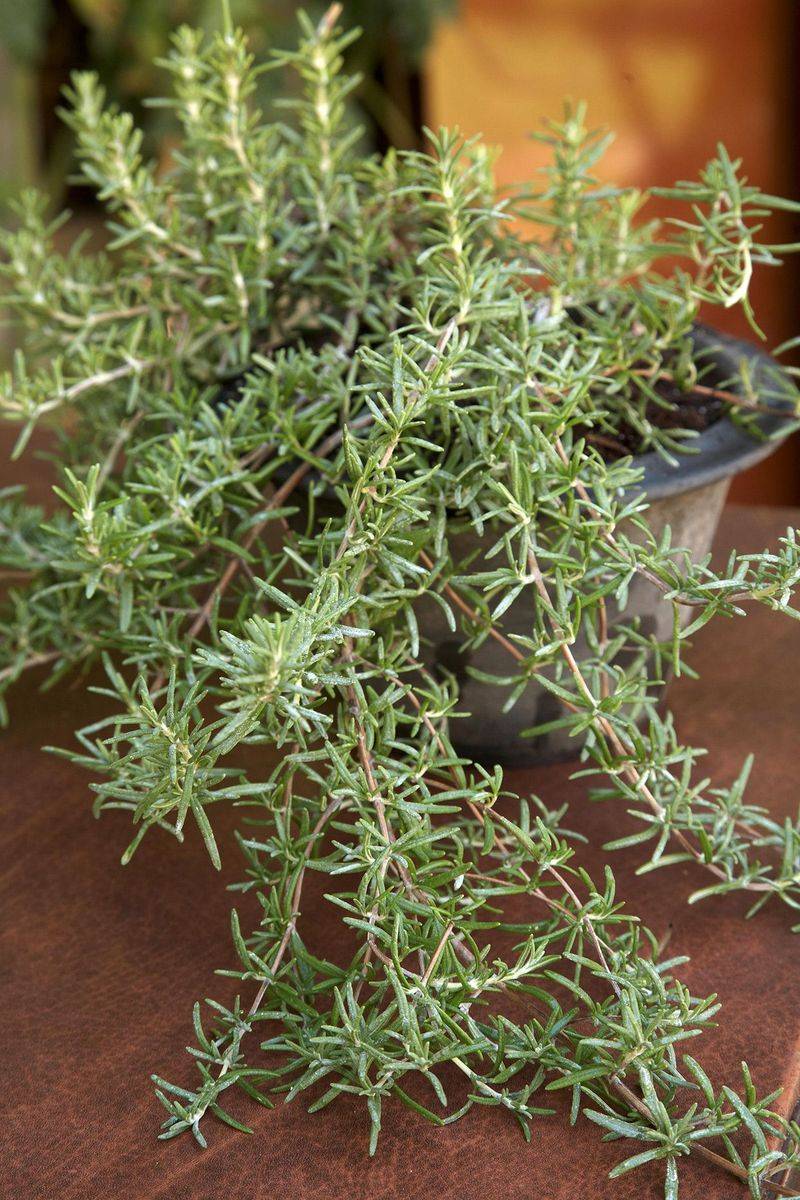
Rosemary grows painfully slowly from seed, making indoor starting months before planting time essential. Starting seeds 10-12 weeks before last frost gives these woody perennials time to develop into viable transplants.
Germination is notoriously spotty and slow—sometimes taking up to three weeks. The seedlings grow slowly at first but become more vigorous as they mature.
In zones 7 and warmer, rosemary can become a permanent landscape plant. Even in colder regions, starting indoors allows plants to reach substantial size their first season, making them better candidates for overwintering indoors or taking cuttings for next year’s garden.