 Complete Gardening
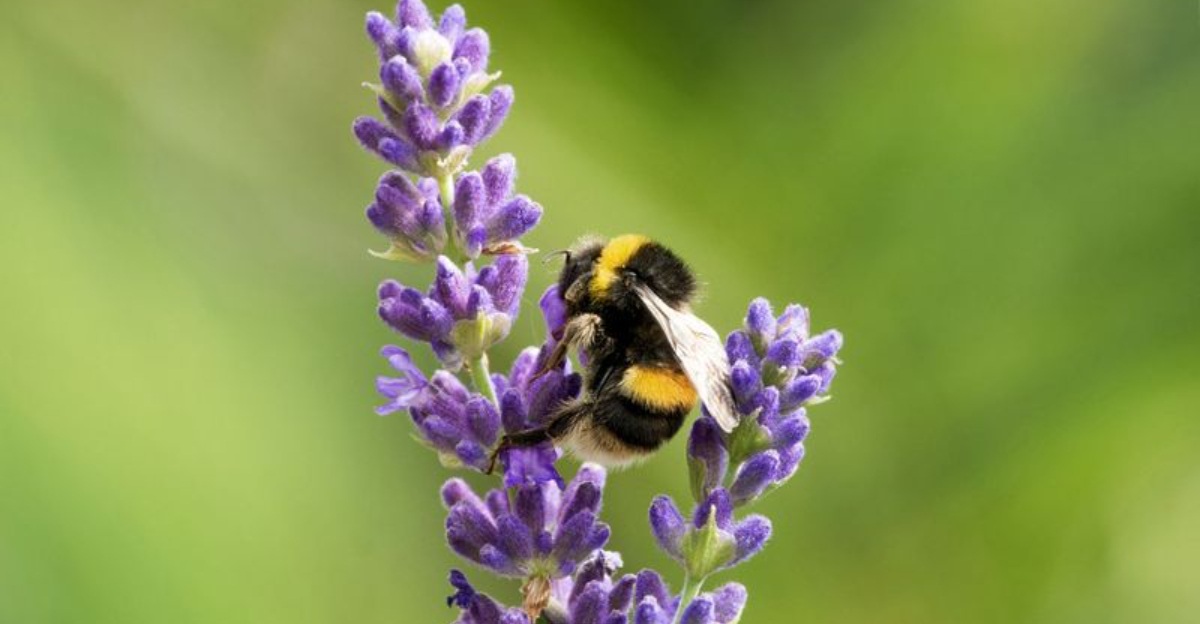
Gardening is a rewarding hobby, but certain habits can inadvertently harm your plants. This article explores twelve common mistakes gardeners make and provides eight helpful tips to ensure your garden thrives. From overwatering to planting in poor soil, we highlight what to avoid and what to embrace for a flourishing garden.
1. Overwatering
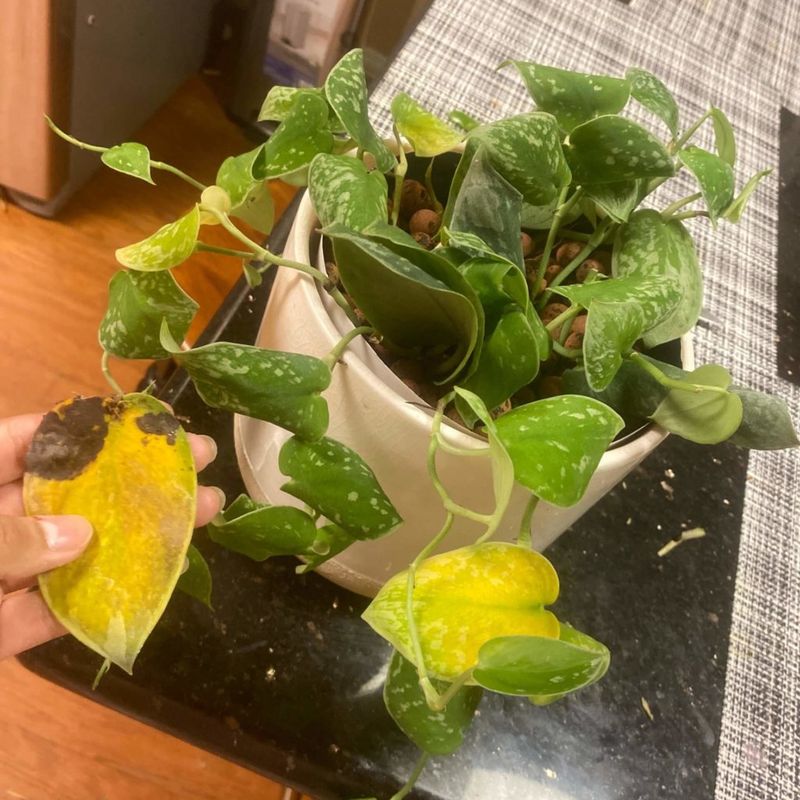
Many gardeners believe that more water equals healthier plants. Yet, overwatering can suffocate roots, leading to rot. Observing your plants’ needs is crucial. Start by checking the soil’s moisture level before reaching for the hose.
Incorporating a consistent watering schedule can assist in avoiding this pitfall. Consider using rainwater collected in barrels as a sustainable resource. Embrace the idea that sometimes less is more when it comes to watering.
Fun fact: succulents thrive on neglect and need very little water, making them perfect for beginners or forgetful gardeners.
2. Planting in Poor Soil
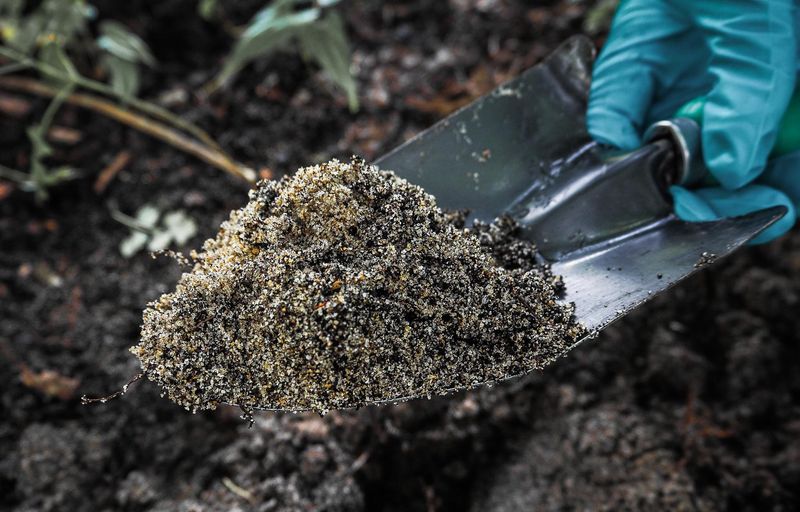
Quality soil is the foundation of a thriving garden. Planting in poor soil deprives plants of essential nutrients. Testing your soil’s pH and nutrient levels can prevent this common mistake.
Amending soil with organic matter like compost or well-rotted manure can improve texture and fertility. Plants grow best in soil rich in organic content.
Did you know? Earthworms are natural tillers. Their presence is a sign of healthy soil. Their movement aerates the ground, making it more hospitable for plant roots.
3. Ignoring Sunlight Requirements
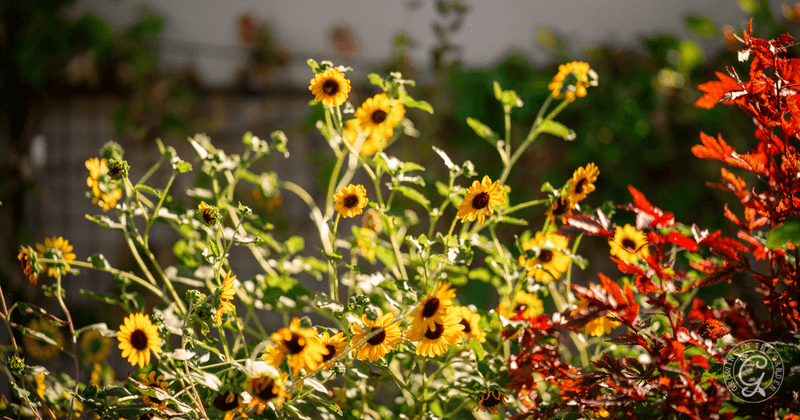
Understanding your plant’s sunlight needs is crucial. Ignoring these requirements can stunt growth or cause wilting. Some plants bask in sunlight while others prefer the dappled shade.
Evaluate your garden’s sun patterns throughout the day and plant accordingly. This ensures each plant receives optimal light exposure. Consider companion planting to maximize space and light.
Quirky fact: Sunflowers track the sun throughout the day, facing east at dawn and west at sunset. This natural phenomenon is known as heliotropism.
4. Overcrowding Plants
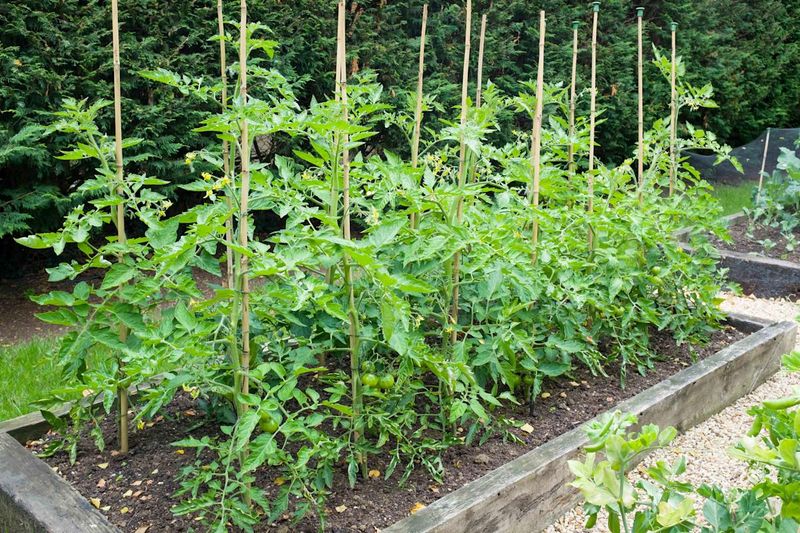
Cramming too many plants together can lead to competition for resources. Overcrowding restricts airflow, increasing the risk of disease.
Space plants according to their mature size to provide ample room for growth. This not only enhances appearance but reduces stress on plants. Ensure each plant’s needs are met for a thriving garden space.
Fun fact: The term “companion planting” refers to growing different plants together that benefit one another, like marigolds deterring pests in vegetable gardens.
5. Neglecting Pest Control
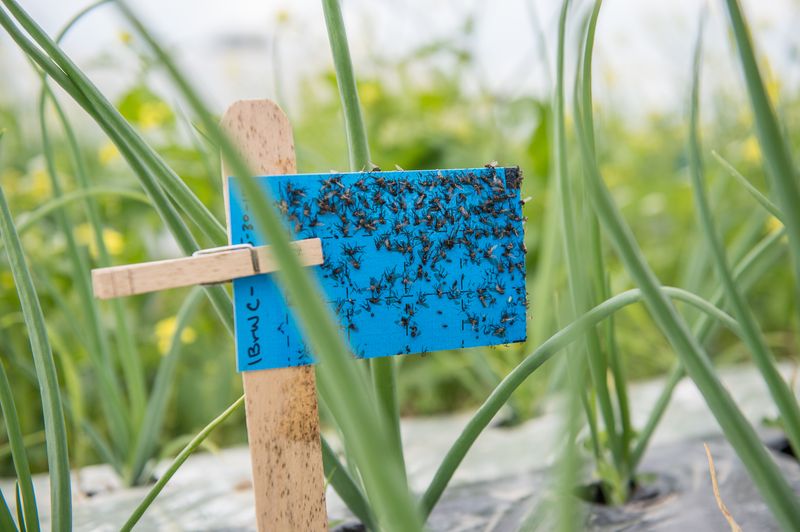
Pests can wreak havoc on a garden if left unchecked. Ignoring pest control can lead to damaged or dying plants. Regular inspections help identify infestations early.
Employing natural pest control methods, such as introducing beneficial insects or using organic sprays, can keep pest populations in check. Diversity in planting can also deter pests.
Did you know? Ladybugs are voracious eaters of aphids, consuming up to 50 per day. They’re a gardener’s ally in maintaining a balanced ecosystem.
6. Planting Out of Season
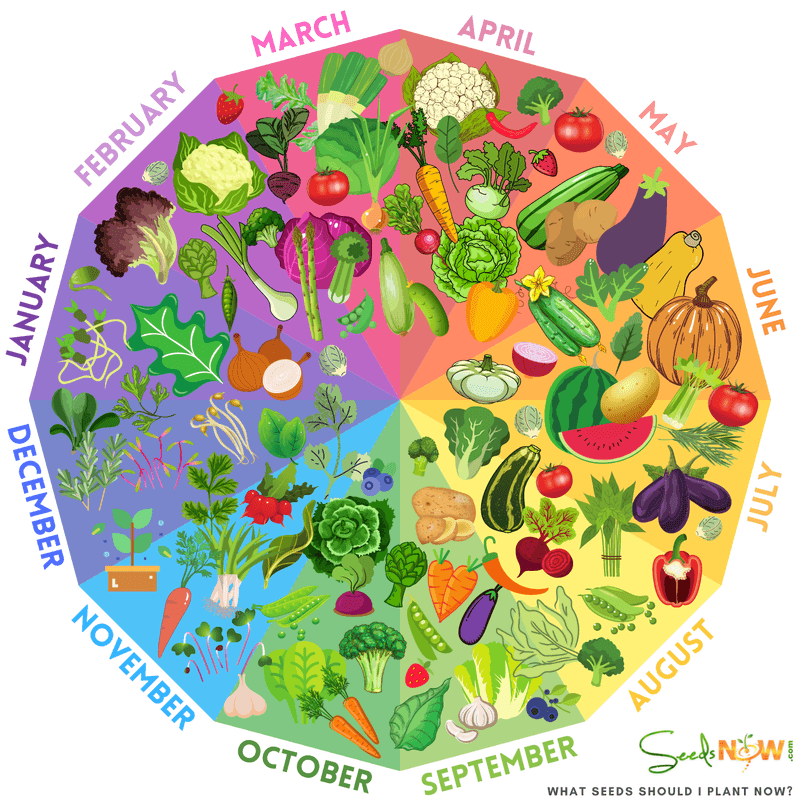
Planting out of season can expose plants to adverse conditions, hindering growth. Understanding your local climate is key to timing plantings correctly.
Consulting a planting calendar or local extension service can guide you in choosing the right plants for each season. This ensures a continuous and bountiful harvest.
Interesting tidbit: Some hardy vegetables like kale and Brussels sprouts actually taste sweeter after a frost, making them perfect for late-season planting.
7. Poor Pruning Practices
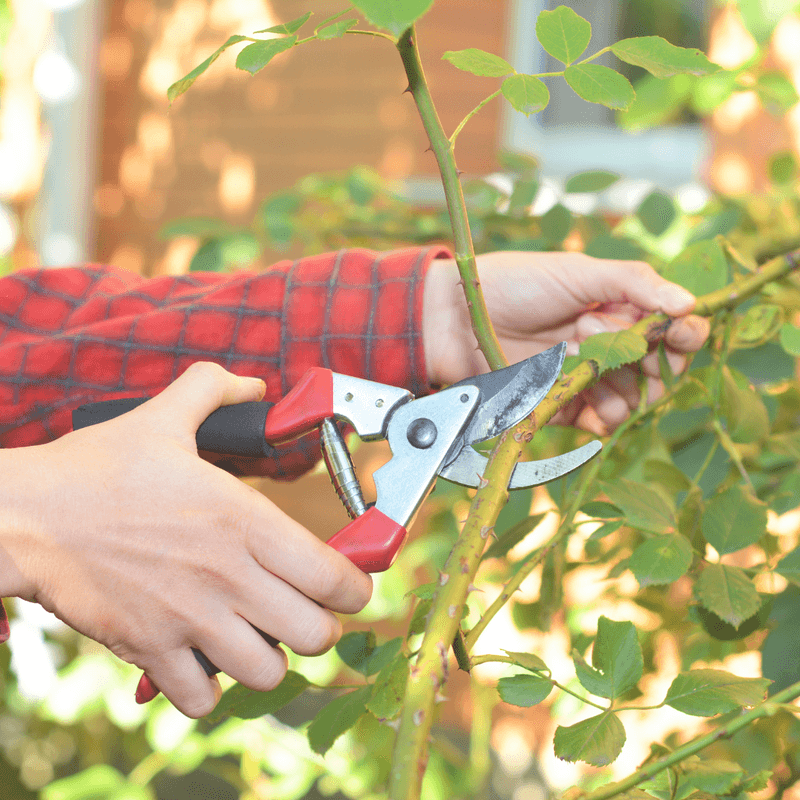
Pruning is an essential gardening skill, but improper techniques can harm plants. Over-pruning or cutting at the wrong angles can leave plants vulnerable to disease.
Understanding each plant’s specific pruning needs ensures healthy growth and flowering. Timing is also crucial; some plants benefit from a winter prune while others in summer.
Fun fact: Pruning roses encourages more blooms, but it should be done in early spring for most varieties to maximize the floral display.
8. Using Chemical Fertilizers Excessively
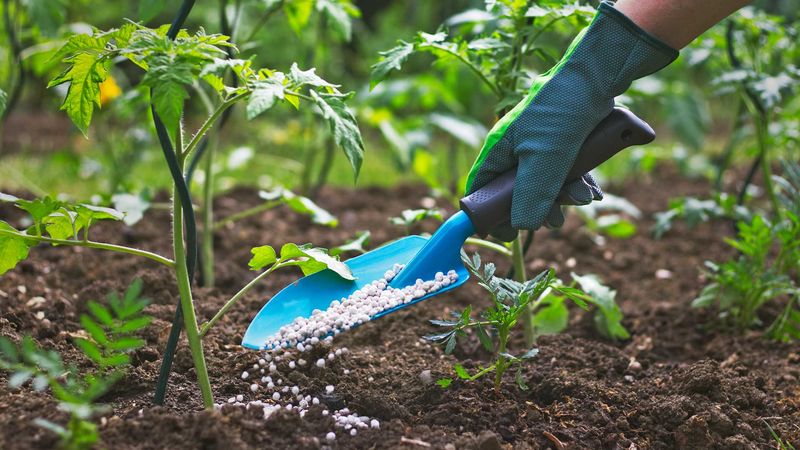
Chemical fertilizers can boost growth but overuse can harm plants and soil. Excessive application can lead to nutrient imbalances and burn plant roots.
Opt for organic fertilizers or slow-release options, which offer a more balanced nutrient supply. This approach supports sustainable gardening practices.
Interesting fact: Bone meal and fish emulsion are excellent organic fertilizers that enrich the soil with essential nutrients without the harsh effects of chemicals.
9. Ignoring Disease Signs
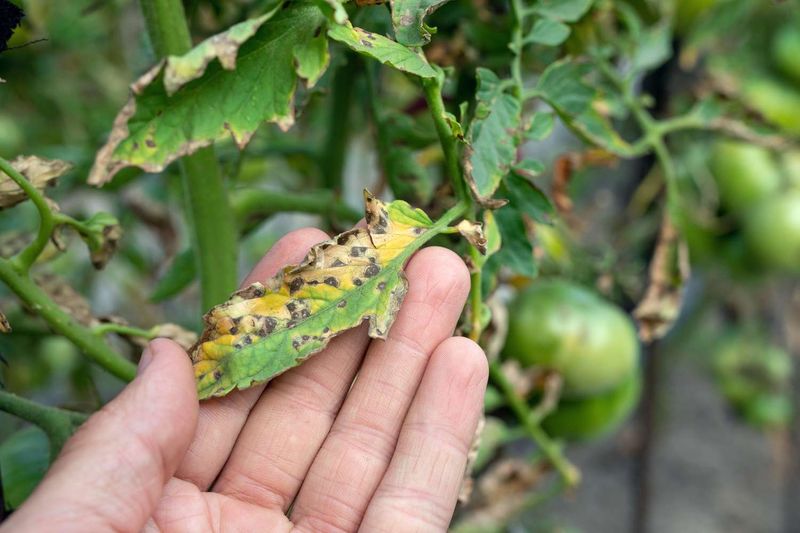
Early recognition of disease signs is vital in preventing spread. Ignoring symptoms like leaf spots or discoloration can lead to widespread damage.
Regularly inspect your garden and act quickly if something seems amiss. Implementing crop rotation can reduce disease buildup in soil.
Did you know? Copper-based sprays are effective in controlling fungal diseases without harming beneficial insects, offering a safe alternative for disease management.
10. Improper Tool Maintenance
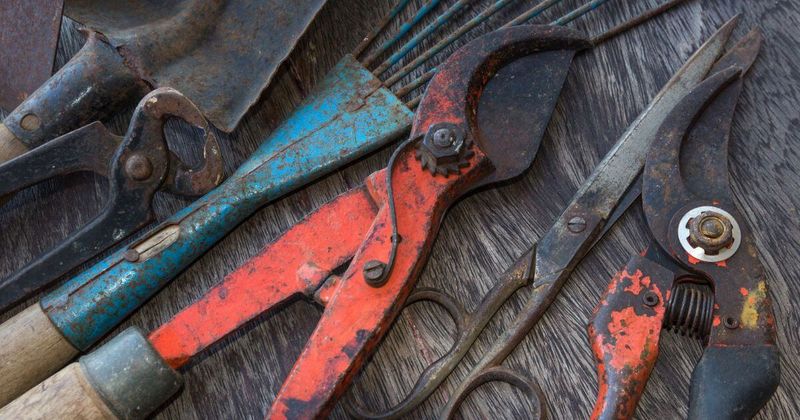
Gardening tools require regular maintenance for efficiency and longevity. Rusty or dull tools can damage plants and slow down the process.
Clean, sharpen, and oil tools after each use to extend their life and ensure optimal performance. Properly maintained tools make gardening tasks more enjoyable and effective.
Quirky fact: The Japanese gardening tool, Hori Hori, is a versatile implement used for digging, weeding, and planting, and it requires careful upkeep to remain efficient.
11. Planting Too Deep or Shallow
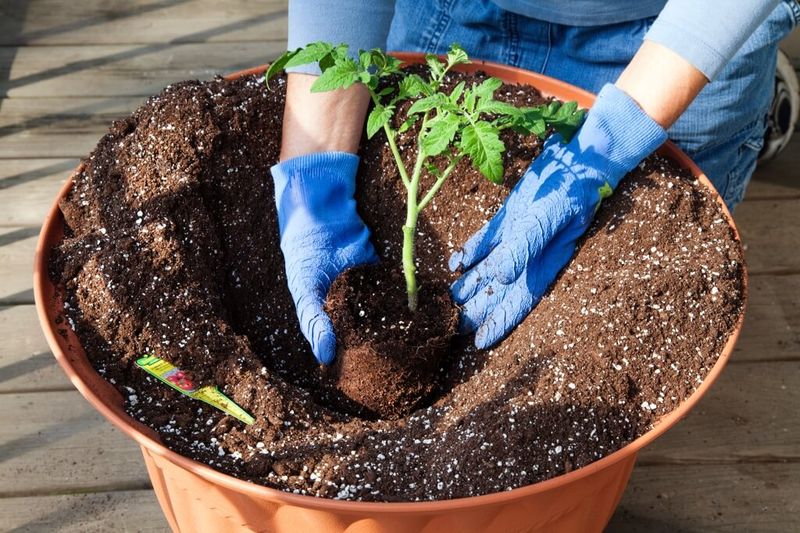
The depth at which you plant can significantly impact growth. Planting too deep can suffocate roots, while too shallow can expose them.
Follow specific planting guidelines for each variety. Ensuring the correct depth promotes strong root development and plant stability.
Fun fact: Tomatoes benefit from deep planting as roots develop along buried stems, providing a strong anchor and increased nutrient absorption.
12. Ignoring Companion Planting
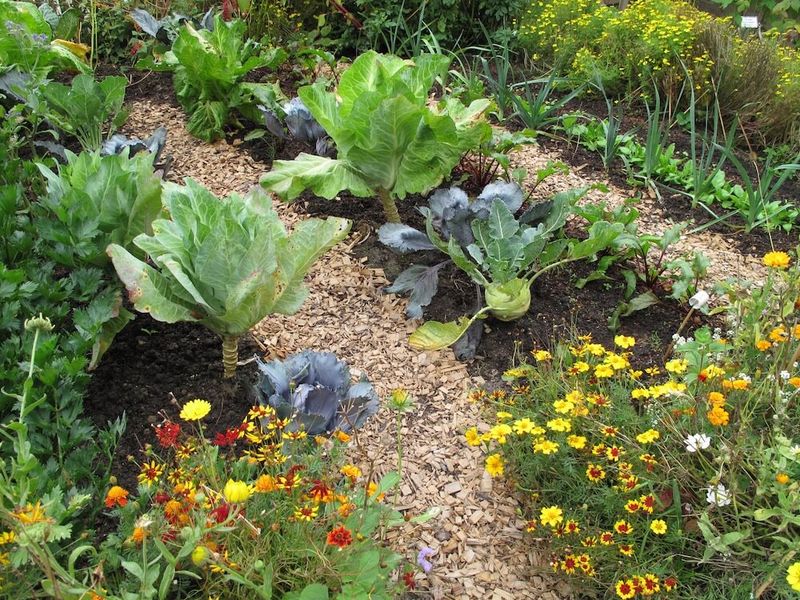
Companion planting involves growing plants together that benefit each other. Ignoring this practice can lead to reduced yields and increased pest issues.
Research which plants grow well together to enhance growth and deter pests naturally. This method optimizes space and improves plant health.
Did you know? Basil and tomatoes are a classic companion planting pair, with basil repelling aphids and enhancing tomato flavor.
13. Tip: Use Mulch
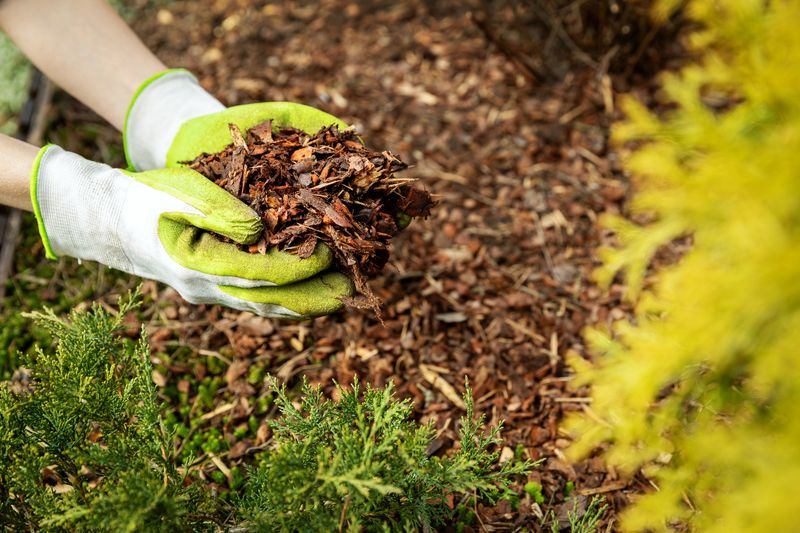
Mulching is a simple yet effective way to conserve moisture and suppress weeds. Using organic mulch materials like straw or wood chips can enrich the soil as they decompose.
Apply a thick layer around plants, ensuring not to cover the stems. Mulch acts as a protective barrier against temperature fluctuations.
Interesting tidbit: Cedar mulch possesses natural oils that repel insects, contributing to a healthier garden environment.
14. Tip: Rotate Crops
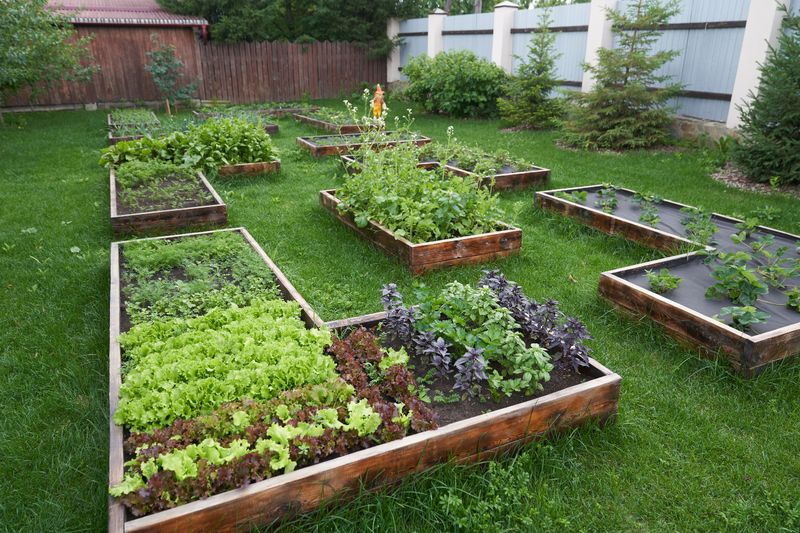
Crop rotation is essential for maintaining soil health and reducing pest and disease buildup. Rotating crops each season ensures diverse nutrient use and disrupts pest cycles.
Planning your garden layout with rotation in mind encourages healthier growth and better yields. This practice mimics natural biodiversity, supporting ecosystem balance.
Fun fact: The Three Sisters planting method used by Native American tribes involves corn, beans, and squash planted together, benefiting each other symbiotically.
15. Tip: Attract Beneficial Insects
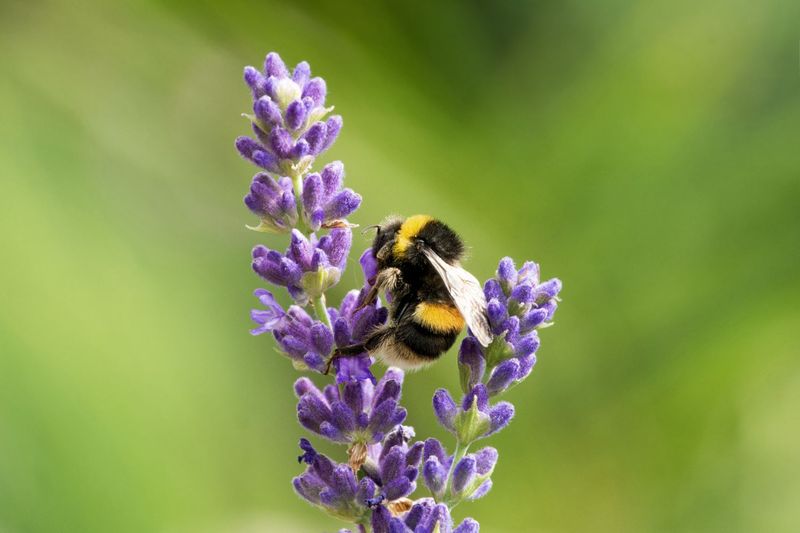
Encouraging beneficial insects can naturally manage pests and pollinate plants. Planting a variety of flowers and herbs attracts these helpful creatures.
Avoid chemical pesticides that can harm beneficial insects. Instead, foster a welcoming environment with diverse plantings and habitats.
Quirky fact: The hoverfly, often mistaken for a bee, is a proficient pollinator and predator of aphids, making it a valuable garden ally.
16. Tip: Practice Consistent Weeding
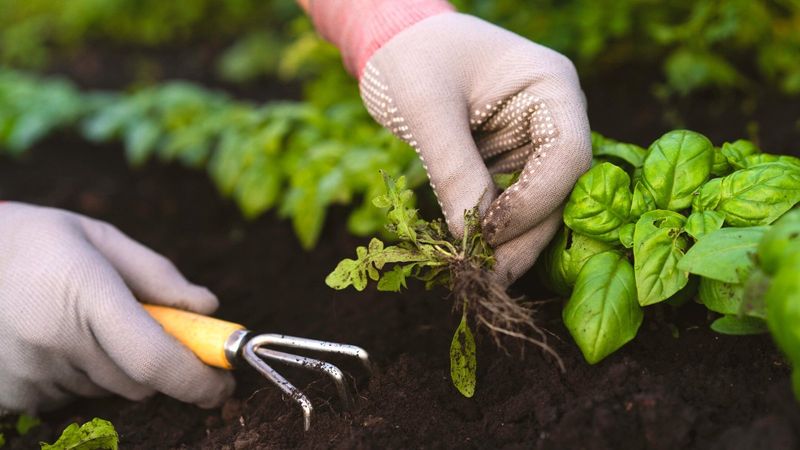
Weeding is a crucial aspect of garden care. Allowing weeds to flourish competes with plants for nutrients, water, and sunlight.
Consistent weeding, particularly before weeds flower and set seed, prevents proliferation. Use tools like hoes or hand pull for effective removal.
Fun fact: Some plants, like dandelions, are considered weeds but are edible and rich in vitamins, offering potential culinary uses for adventurous gardeners.
17. Tip: Use Organic Fertilizers
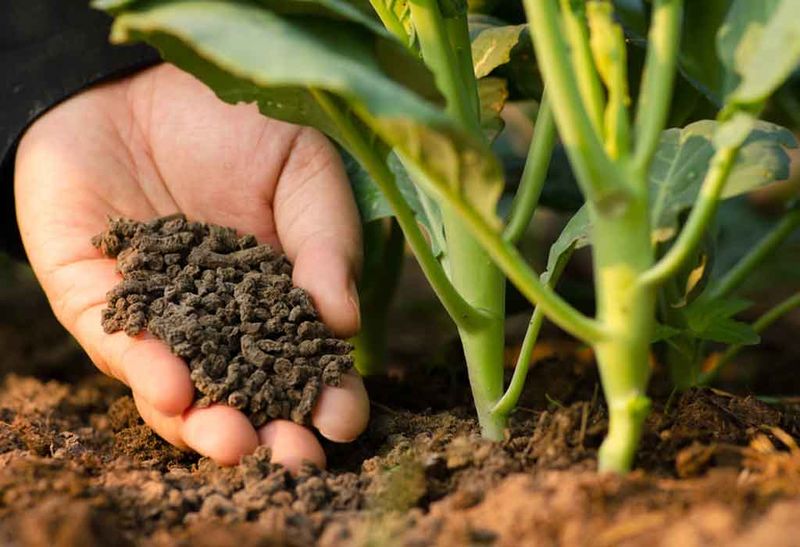
Organic fertilizers enrich the soil without harmful chemicals. They improve soil structure and provide balanced nutrients over time.
Compost, manure, and green manures are excellent organic options. They support healthy soil microbiomes and sustainable gardening practices.
Did you know? Chicken manure is high in nitrogen, making it an excellent fertilizer when composted properly, but it’s too intense to use fresh directly on plants.
18. Tip: Implement Drip Irrigation
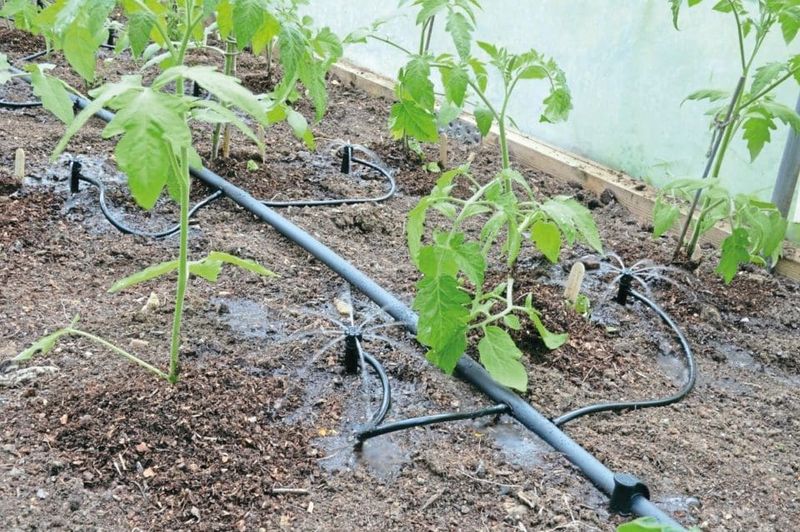
Drip irrigation provides water directly to plant roots, reducing evaporation and conserving water. This targeted approach is efficient and promotes healthier growth.
Installing a drip system can be a cost-effective way to manage watering, especially in larger gardens. It also minimizes the spread of disease by keeping foliage dry.
Interesting tidbit: Drip irrigation originated in ancient China and Israel, where water conservation was crucial for agriculture, showcasing its long-standing effectiveness.
19. Tip: Test Soil Regularly
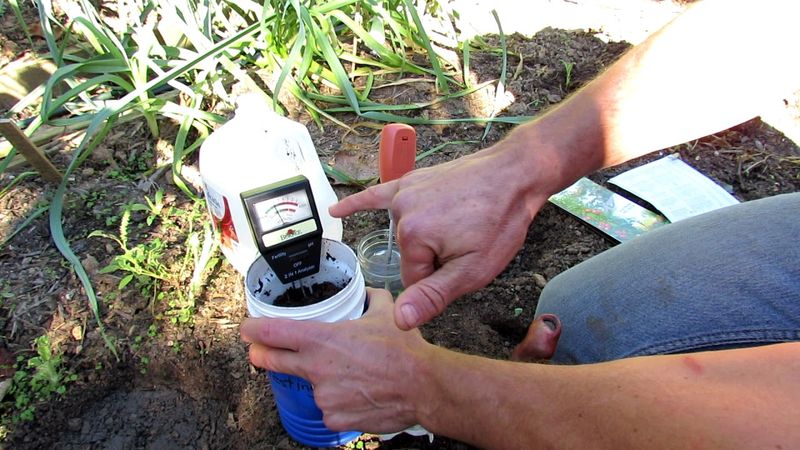
Regular soil testing helps to identify nutrient deficiencies and pH imbalances. Understanding these factors enables precise amendments for optimal plant health.
Testing kits are available for home use, providing valuable insights into soil conditions. Adjusting your gardening strategy based on test results ensures lush, productive growth.
Fun fact: The pH scale for soils ranges from 0 to 14, with most garden plants thriving between 6 and 7, a slightly acidic to neutral environment.
20. Tip: Maintain a Garden Journal
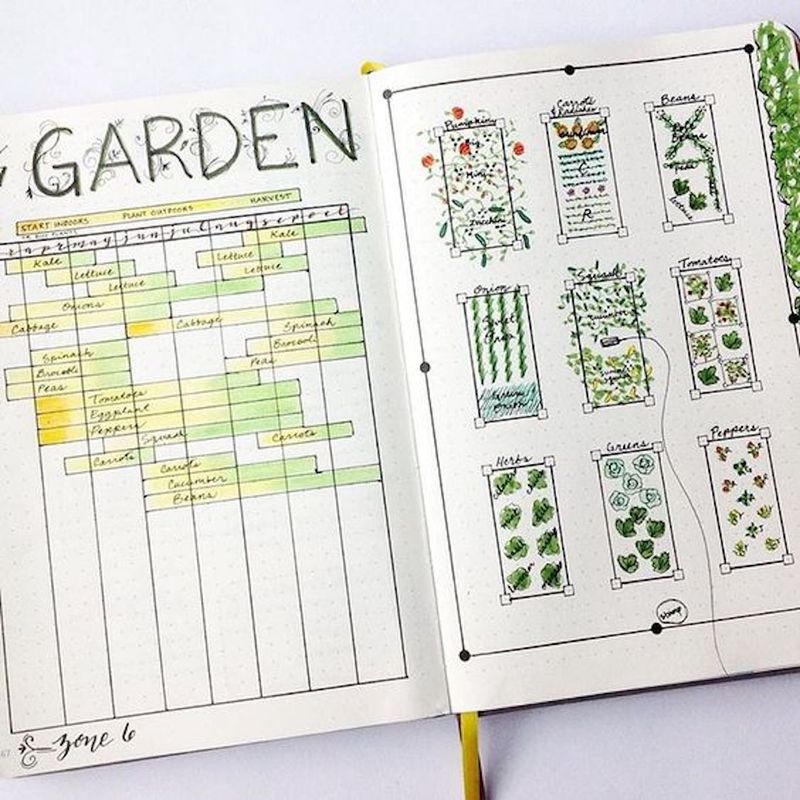
Keeping a garden journal helps track planting dates, growth progress, and weather patterns. This record-keeping leads to informed decisions and improved gardening techniques.
Documenting successes and failures provides valuable insights for future seasons. It also makes gardening a reflective and rewarding experience.
Interesting fact: Leonardo da Vinci’s notebooks contain some of the earliest known observations of plant growth patterns, showcasing the timeless value of documentation.