 Complete Gardening
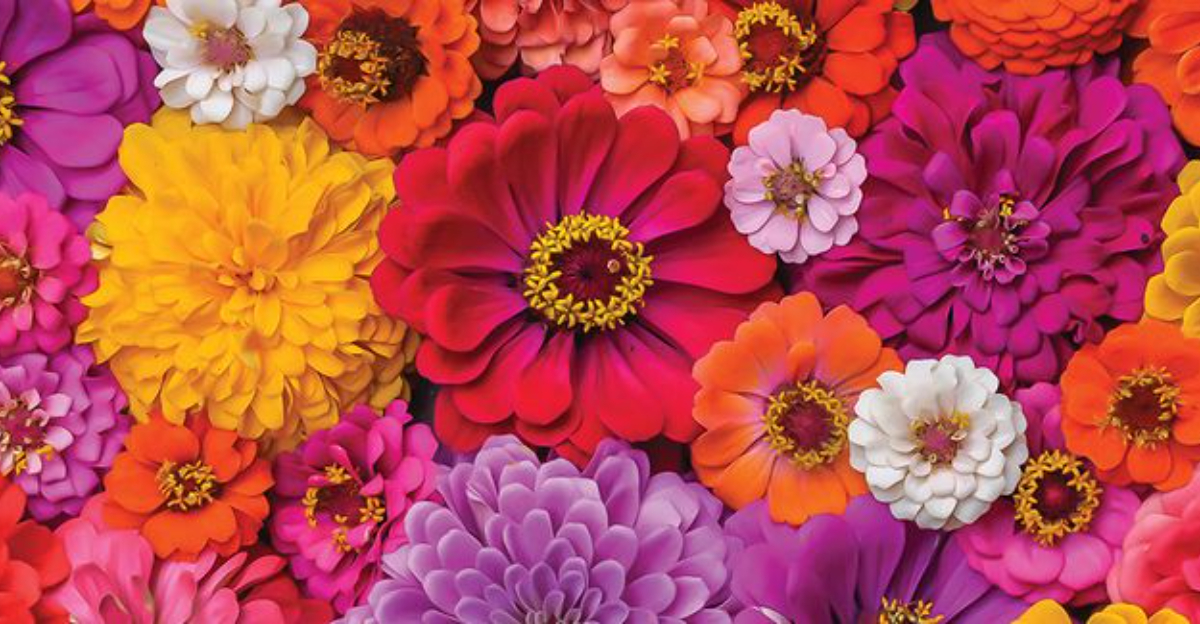
In the world of gardening, daffodils are a popular choice for their vibrant color and easy maintenance. However, there are a plethora of beautiful plants to consider as alternatives, each offering unique aesthetics and characteristics. This blog post introduces 25 stunning plants that can add diversity and charm to your garden.
1. Tulip
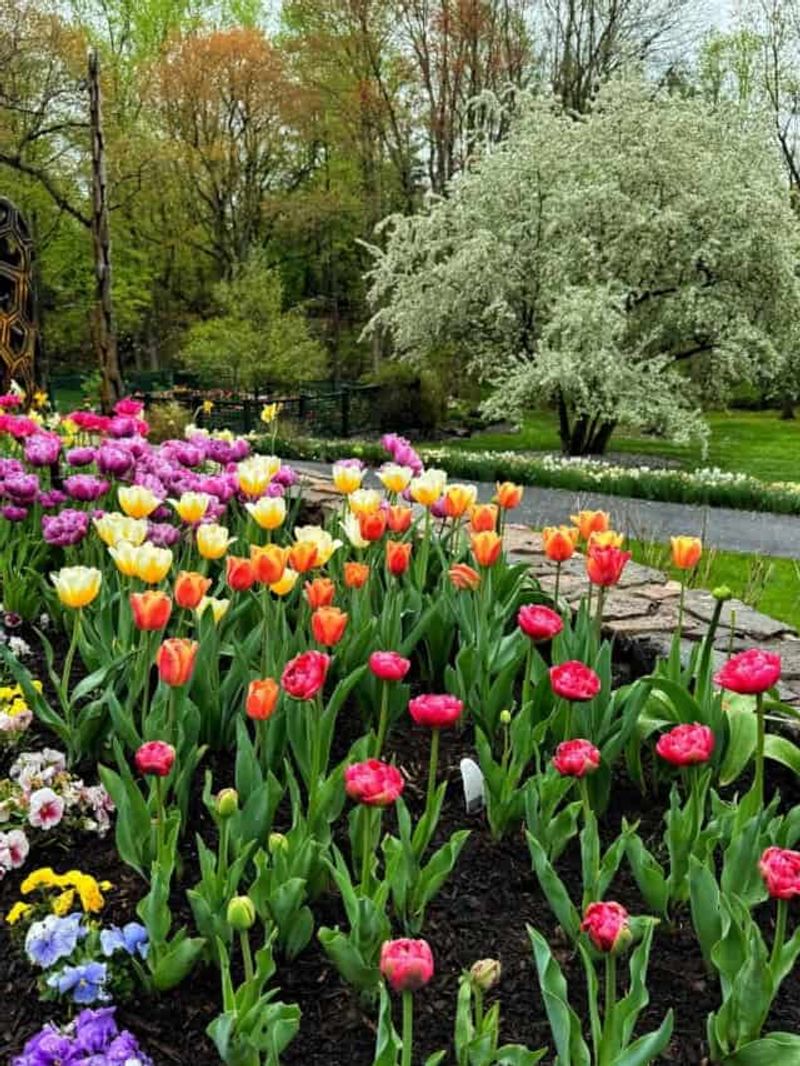
Tulips have a timeless elegance that captivates gardeners globally. With an array of colors, they symbolize perfect love and are often associated with the spring season’s arrival.
The beauty of tulips lies in their simplicity and the vibrant hues they bring. They thrive in well-drained soil and require full sun to flourish.
Did you know? Tulips were once considered more valuable than gold in the 17th-century Dutch markets. Their rich history adds an extra layer of charm to any garden.
2. Lily of the Valley
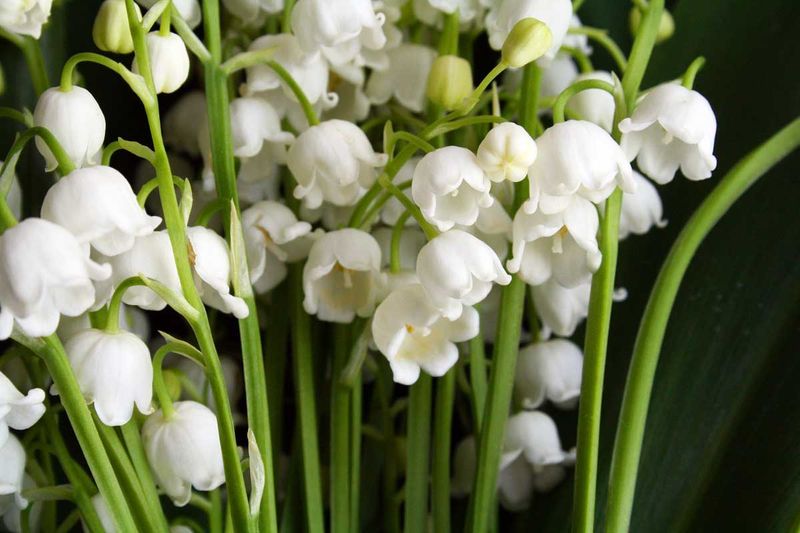
Lily of the Valley exudes a sweet fragrance that fills the air with its delicate aroma. These dainty, bell-shaped flowers are perfect for shaded gardens, adding a touch of grace and serenity.
Unlike more flamboyant plants, its subtle beauty is understated yet profoundly charming. Known for symbolizing humility and purity, it makes a thoughtful addition to contemplative garden spaces.
Its historical use in royal weddings underscores its timeless appeal, making it a perennial favorite among gardeners who appreciate its quiet elegance.
3. Hyacinth
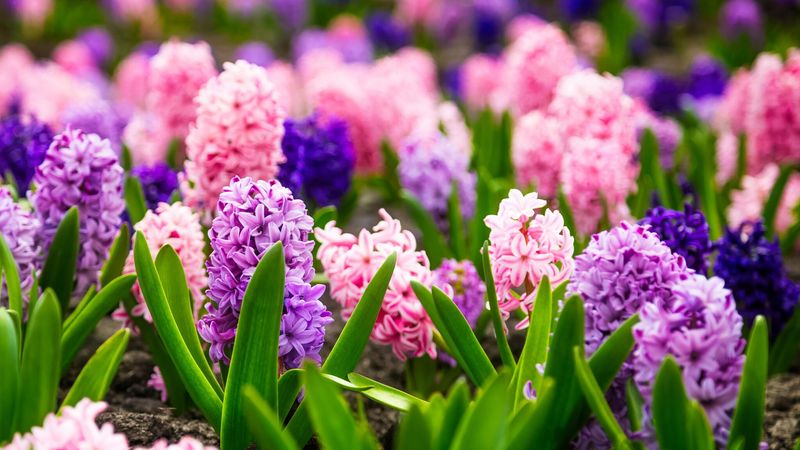
Hyacinths are renowned for their intense fragrance and striking appearance. Their dense, spike-like clusters of blooms come in a spectrum of colors including purple, pink, and white.
These flowers are ideal for a garden that delights the senses, providing visual beauty and aromatic pleasure. They grow well in sunny locations with well-drained soil.
Historically, hyacinths have been associated with rebirth and have been cherished in many cultures for their capacity to bring vibrancy and fragrance to any garden setting.
4. Peony
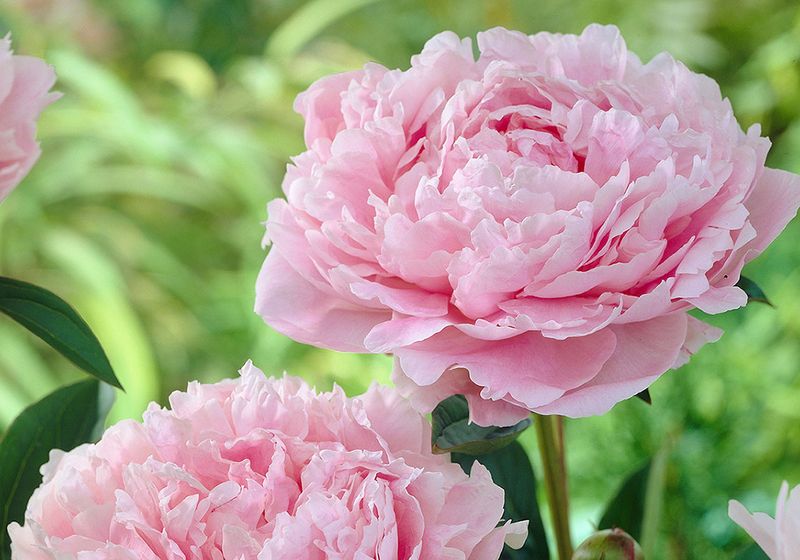
Peonies are the epitome of lush beauty, offering full, bold blooms that enchant any garden. Their large, fragrant flowers can be found in shades of pink and white, embodying romance and prosperity.
These perennials thrive in sunny spots and are easy to care for, making them a favorite for both novice and seasoned gardeners.
The peony’s long history in garden cultivation, particularly in China, adds a rich cultural dimension to its aesthetic appeal, making it a beloved choice for any floral enthusiast.
5. Ranunculus
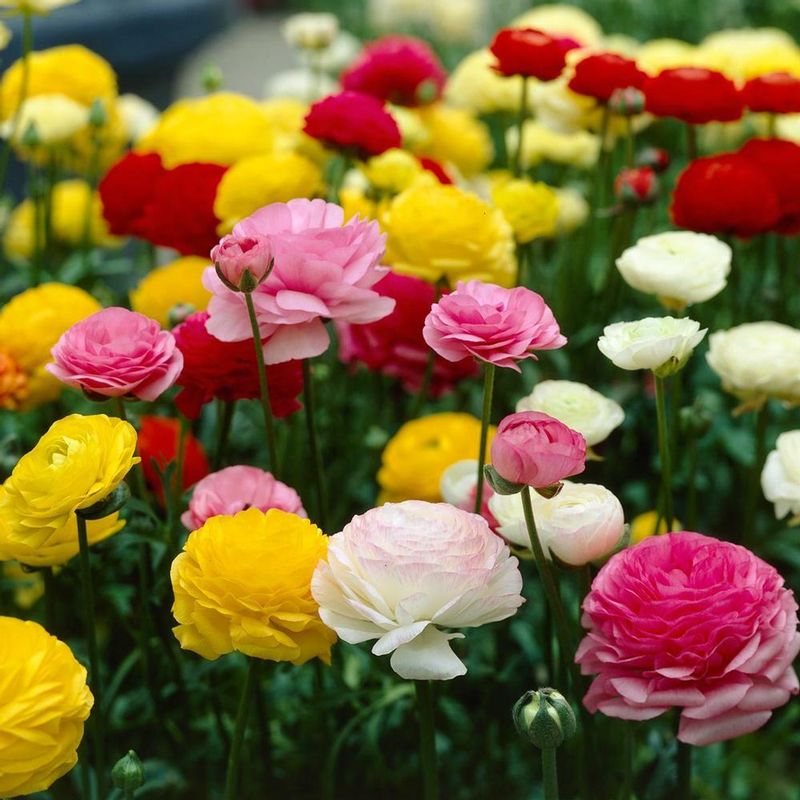
Ranunculus flowers captivate with their layers of delicate petals, creating a visual treat of color. Often compared to roses, their intricate blooms come in stunning shades like orange, yellow, and pink.
These flowers thrive in sunny environments with plenty of water, making them suitable for gardeners seeking a splash of color and variety.
Fun fact: Ranunculus is also known as the “buttercup,” and its cheerful appearance has made it a symbol of radiant charm and happiness in many different cultures.
6. Crocus
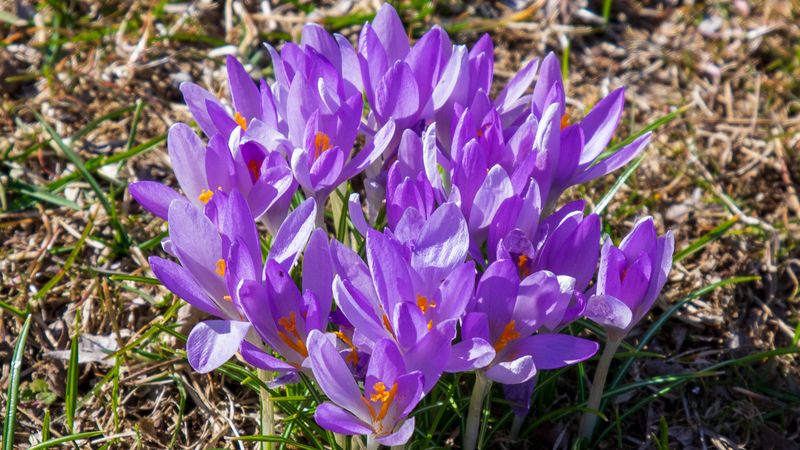
Crocuses are one of the first heralds of spring, pushing through the last remnants of winter snow with vibrant purple and yellow blooms. Their resilience and beauty make them a welcome sight.
These bulbs are easy to grow and naturalize over time, creating a colorful carpet effect in gardens and lawns. They symbolize youthfulness and happiness, making them a joyful addition.
Did you know? Crocuses are also known for producing saffron, the world’s most expensive spice, which adds a culinary twist to their garden appeal.
7. Bluebell
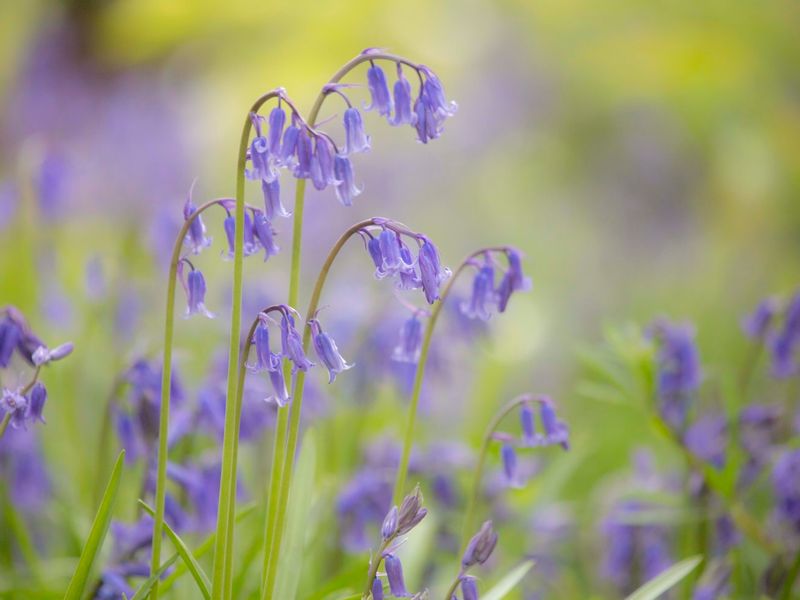
Bluebells enchant with their nodding clusters of blue, bell-shaped flowers, transforming woodland areas into magical carpets of color. They thrive in moist, shaded environments.
Their presence in gardens brings a sense of tranquility and timelessness. Bluebells are protected species in many regions, cherished for their natural beauty.
Often associated with fairy folklore, bluebells add a mystical quality to any garden, providing both a visual and emotional connection to nature’s wonders.
8. Iris
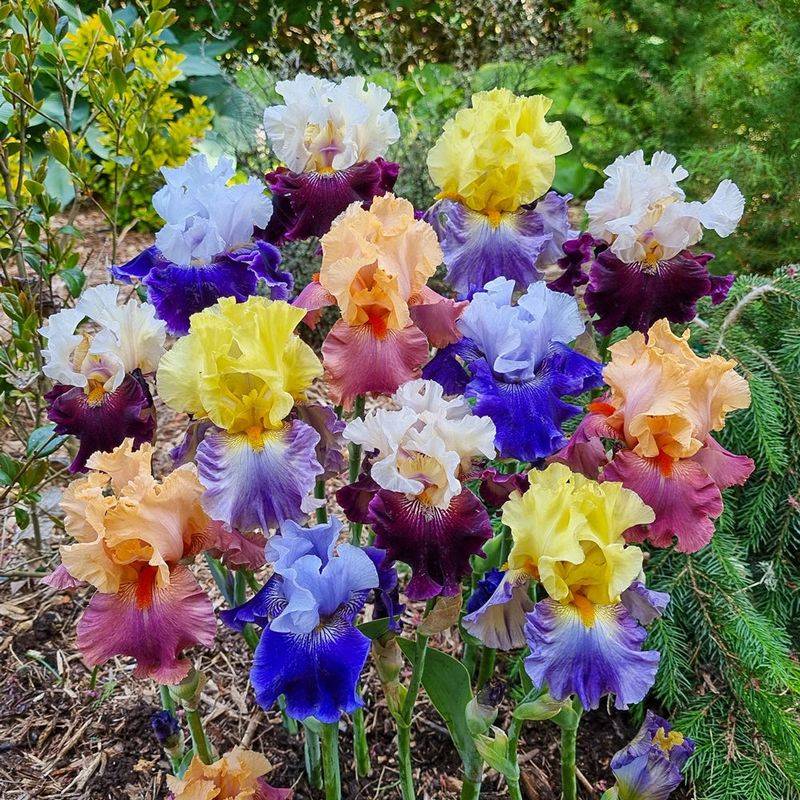
Iris flowers stand out with their intricate patterns and a regal blend of blue, purple, and yellow hues. Known for their elegant structure, they add a touch of grace and sophistication to any garden.
These perennials thrive in well-drained soil and full sunlight, making them ideal for various garden settings. Their name, derived from the Greek word for “rainbow,” reflects their diverse color spectrum.
Culturally, irises have been symbols of royalty and wisdom, appearing in art and heraldry for centuries, enhancing their allure in contemporary gardens.
9. Anemone
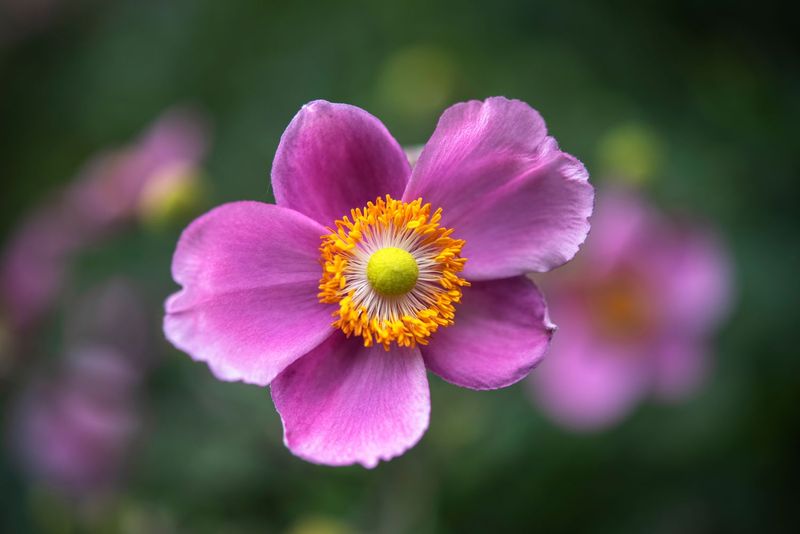
Anemones bring a touch of whimsy with their vibrant colors and delicate petals. Often referred to as “windflowers,” they sway gently in the breeze, adding movement to garden landscapes.
These flowers are easy to grow and come in various colors like white, red, and blue, thriving in well-drained soil. Their playful nature makes them a favorite among gardeners.
Did you know? Anemones are named after the Greek word for “wind,” reflecting their airy, delicate appearance and the gentle way they dance in the wind.
10. Freesia
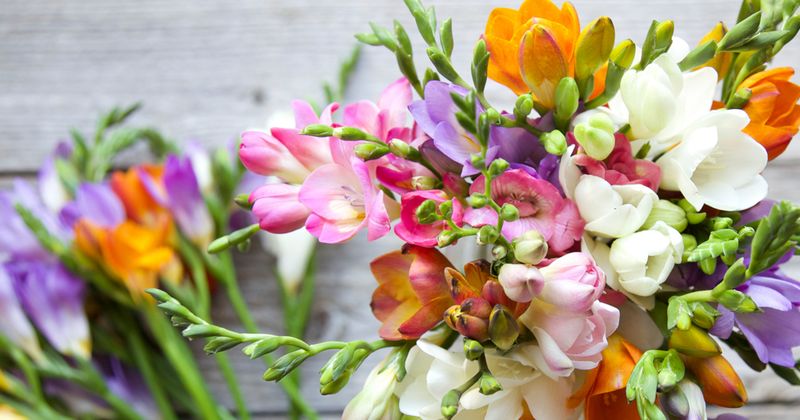
Freesias are renowned for their sweet fragrance and vibrant blooms, making them a delightful addition to any floral arrangement or garden. Their trumpet-shaped flowers come in cheerful shades of yellow, pink, and white.
These plants thrive in well-drained soil and full sun, rewarding gardeners with a profusion of blooms. Freesias symbolize innocence and friendship, enhancing their appeal for special occasions.
Fun fact: Freesias are often used in perfumes due to their intoxicating scent, making them a favorite for those looking to add fragrance to their gardens.
11. Snowdrop
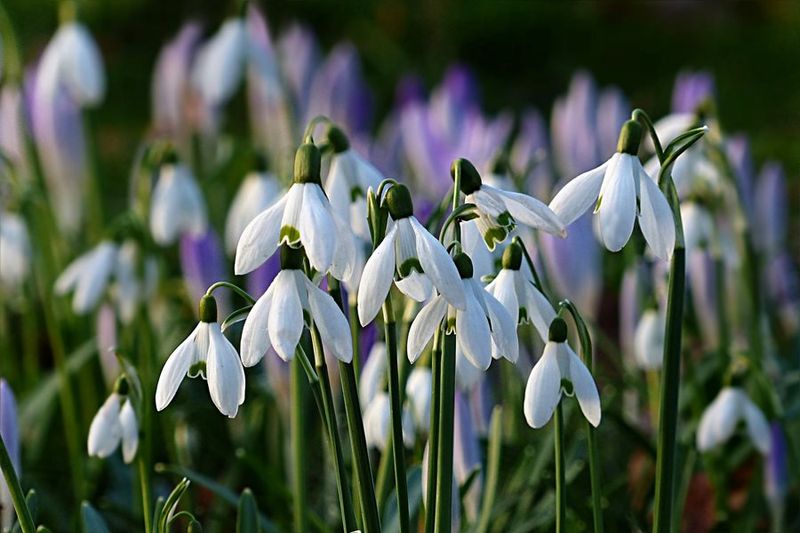
Snowdrops are the brave heralds of spring, often appearing while winter’s chill still lingers. Their delicate, nodding white blossoms look like tiny drops of snow, embodying hope and new beginnings.
These resilient flowers thrive in shaded, well-drained areas, requiring minimal care—perfect for woodland gardens. They symbolize purity and the promise of warmer days.
Interesting tidbit: In some cultures, snowdrops are considered harbingers of good luck, and their appearance is celebrated as a sign of winter’s end and nature’s rebirth.
12. Gladiolus
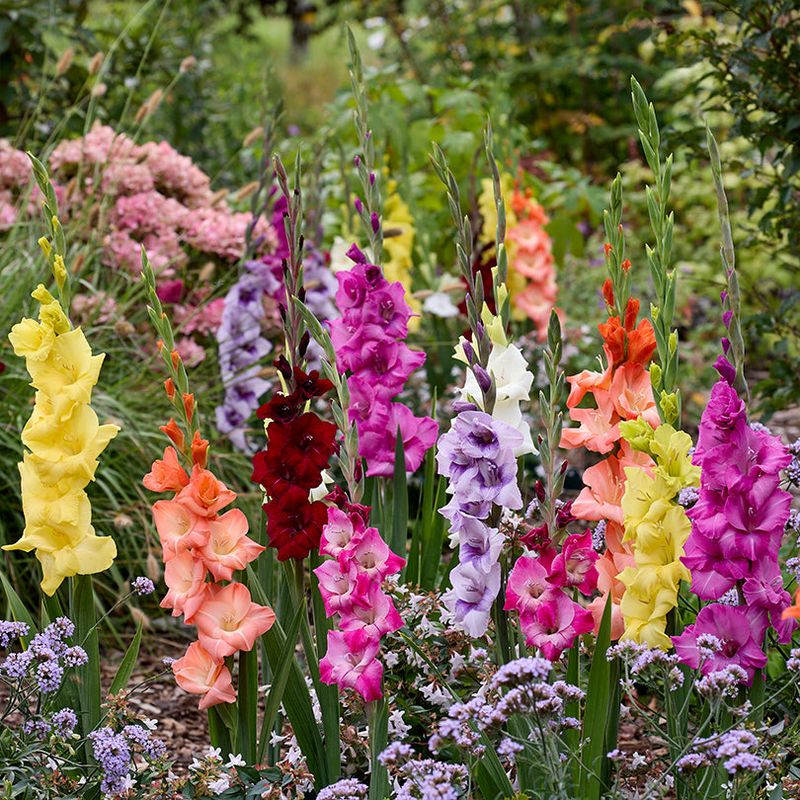
Gladiolus, with their tall, graceful spikes of flowers, add height and drama to any garden. Their vibrant colors, ranging from red to purple, convey strength and integrity.
These plants love sunny, well-drained spots and are perfect for creating striking floral arrangements. Gladiolus blooms are symbols of infatuation and passion.
Did you know? The name “gladiolus” comes from the Latin word for sword, reflecting the plant’s sword-shaped leaves and tall stature, making them a bold choice for garden enthusiasts.
13. Hellebore
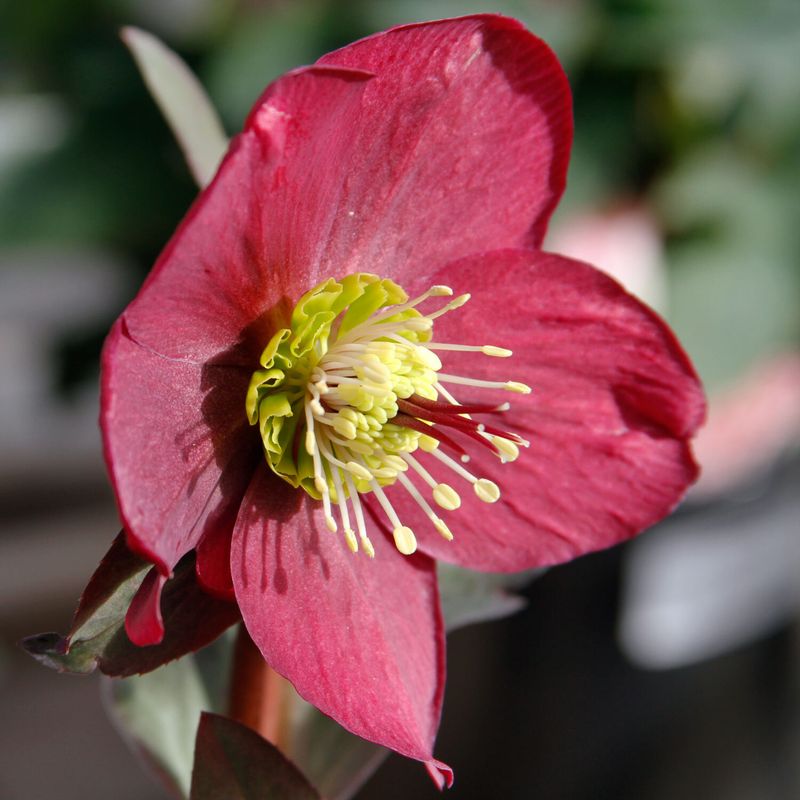
Hellebores, often blooming in the chill of winter, enchant with their resilient beauty. Known as the “Christmas Rose,” they offer a range of colors from white to deep purple.
Perfect for shaded areas, these perennials bring color when few others dare to bloom. They symbolize serenity and tranquility.
Fun fact: Despite their delicate appearance, hellebores are hardy and long-lasting, often thriving in challenging weather conditions, making them a favorite among gardeners seeking winter blooms.
14. Foxglove
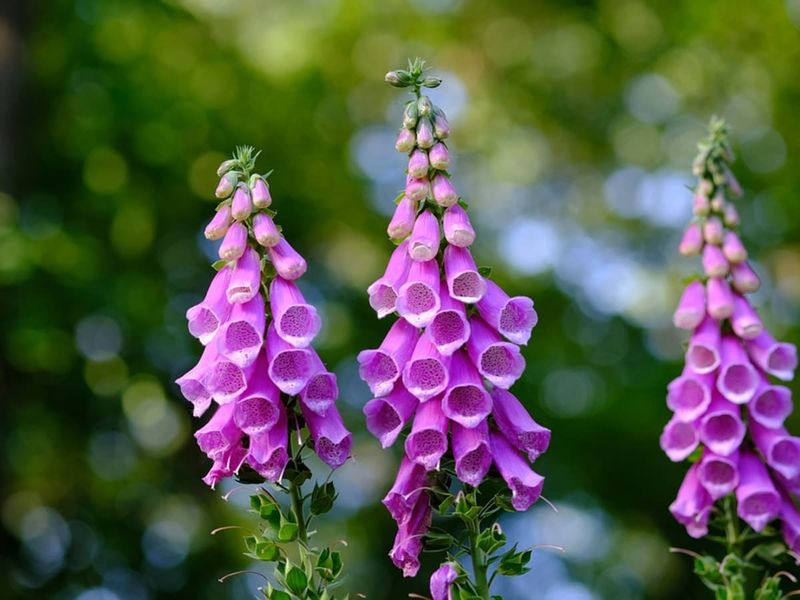
Foxgloves captivate with their tall, tubular blooms that sway gently in the breeze. Found in shades of pink and purple, they add a touch of cottage charm to gardens.
These biennials thrive in partial shade and are loved for their architectural beauty. Foxgloves are cherished for their historical use in traditional medicine.
However, caution is advised as all parts of the plant are toxic if ingested. Their enchanting presence and unique structure make them a fascinating choice for experienced gardeners.
15. Dahlia
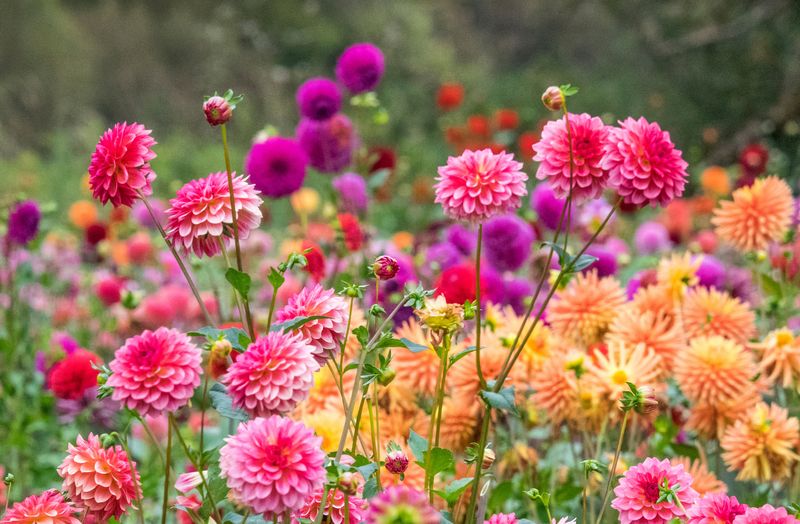
Dahlias are floral masterpieces, known for their intricate, multi-petal blooms that captivate the senses. With a palette that includes red, pink, and orange, they offer endless possibilities for garden design.
These tuberous plants thrive in sunny spots and are celebrated for their long-lasting blooms. They symbolize elegance and inner strength, making them popular in floral competitions.
Fun fact: Dahlias hail from Mexico and were once used as food and medicine by the Aztecs, adding a rich cultural heritage to their garden appeal.
16. Astilbe
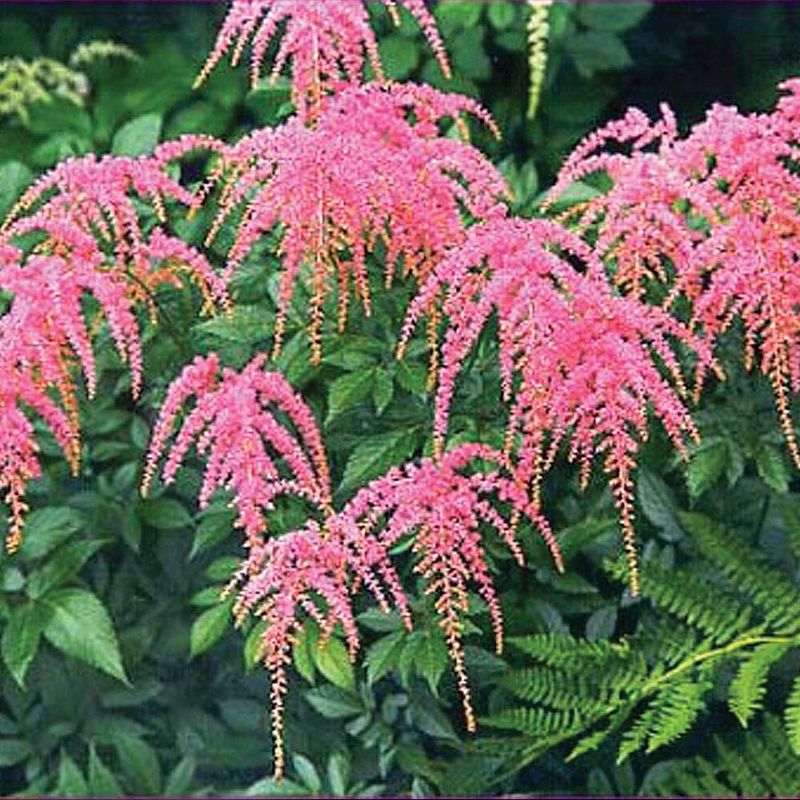
Astilbes charm with their feathery plumes, adding texture and color to shaded garden spaces. Available in pink, red, and white, they create a soft and romantic ambiance.
These perennials thrive in moist, well-drained soil, making them ideal for woodland gardens. Astilbes symbolize patience and dedication, reflecting their steady growth and lasting blooms.
Their unique texture and ability to thrive in low-light conditions make them a versatile choice for adding depth and interest to garden designs.
17. Columbine
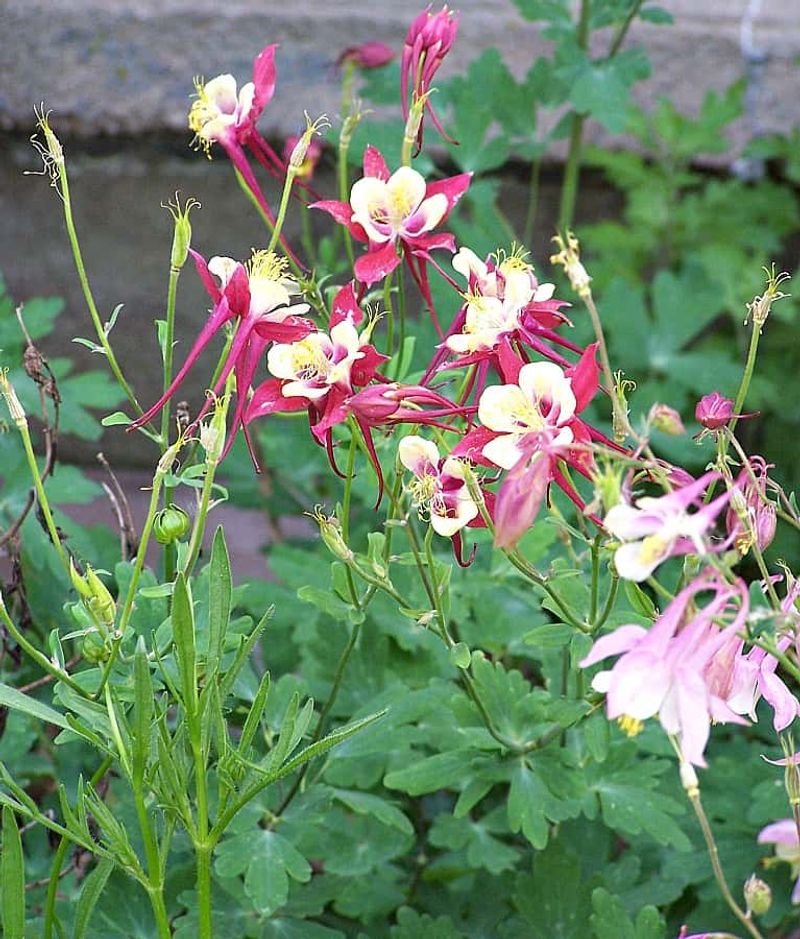
Columbines bring whimsy to gardens with their star-shaped blooms and delicate spurs. In colors like blue, purple, and pink, they thrive in woodland settings.
These perennials are loved for their ability to attract hummingbirds and butterflies, adding life and movement to outdoor spaces. Columbines symbolize folly and playful innocence.
Fun fact: Known as the “Granny’s Bonnet,” columbines have cultural significance in folklore, often associated with love and magic, enhancing their allure as a garden favorite.
18. Coneflower

Coneflowers, or echinacea, are garden staples with their large, daisy-like blooms in colors like pink, purple, and orange. They are beloved for their resilience and ability to attract pollinators.
These perennials thrive in sunny spots and are drought-tolerant, making them easy to care for. Coneflowers symbolize strength and healing, often used in herbal remedies.
Their vibrant colors and medicinal qualities make them a valuable addition to any garden, providing both aesthetic beauty and health benefits.
19. Sunflower
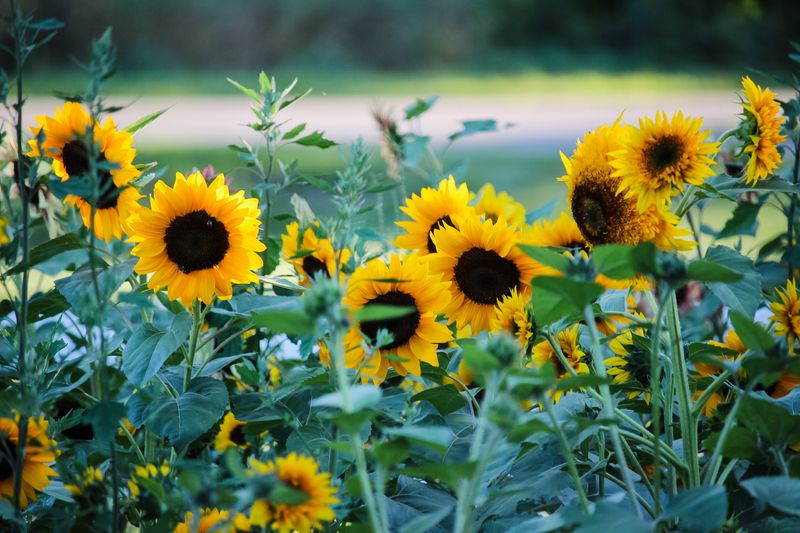
Sunflowers are iconic for their towering height and bright, sunny blooms that follow the sun’s path. They bring warmth and cheerfulness to any garden setting.
These annuals are easy to grow, thriving in full sun and well-drained soil. Sunflowers symbolize adoration and loyalty, often associated with the summer season’s vitality.
Interesting tidbit: Sunflowers are known for their ability to extract toxins from the soil, making them useful for environmental cleanup efforts, alongside their undeniable visual appeal.
20. Marigold
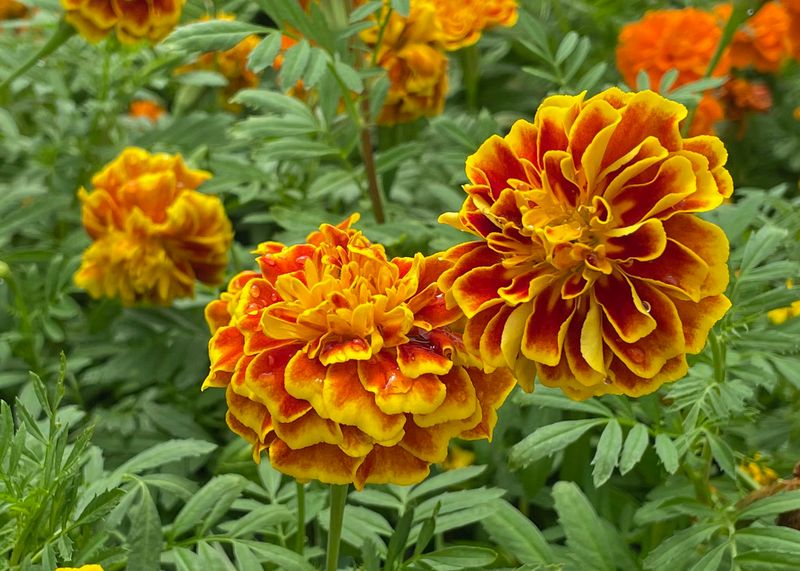
Marigolds are garden favorites for their vibrant orange and yellow blooms that add a splash of color to any landscape. Their cheerful appearance makes them popular for borders and decorative displays.
These annuals are easy to grow and are celebrated for their pest-repelling properties, making them a natural choice for companion planting. Marigolds symbolize passion and creativity.
Their long-lasting blooms and ability to thrive in a variety of conditions make them a staple for gardeners seeking beauty and functionality.
21. Zinnia
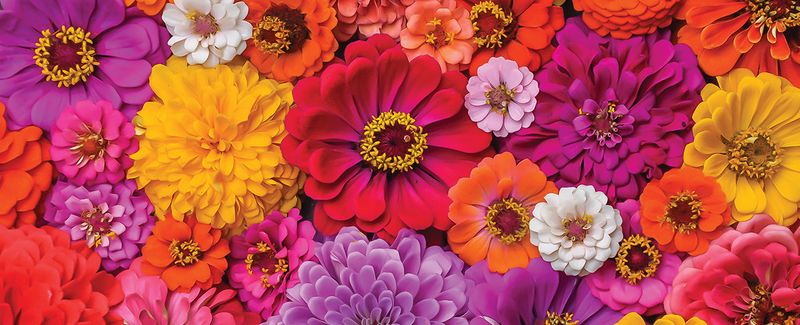
Zinnias are garden showstoppers with their bold, brightly colored blooms that come in red, pink, yellow, and purple. These annuals are prized for their ability to attract butterflies.
Thriving in sunny spots, zinnias are easy to grow and provide long-lasting color throughout the summer. They symbolize lasting affection and friendship.
Interesting fact: Zinnias were one of the first flowers grown in space, showcasing their resilience and versatility, which make them a delightful addition to any garden setting.
22. Begonia

Begonias offer lush foliage and bright blooms, making them ideal for shaded garden spaces. With flowers in red, pink, and white, they add a touch of elegance and vibrancy.
These plants are versatile, thriving in various conditions, and are often used in containers and hanging baskets. Begonias symbolize caution and a balance between beauty and danger.
Their ability to thrive in low-light areas and their range of forms make them a popular choice for gardeners looking to add color and texture to shaded spots.
23. Bleeding Heart
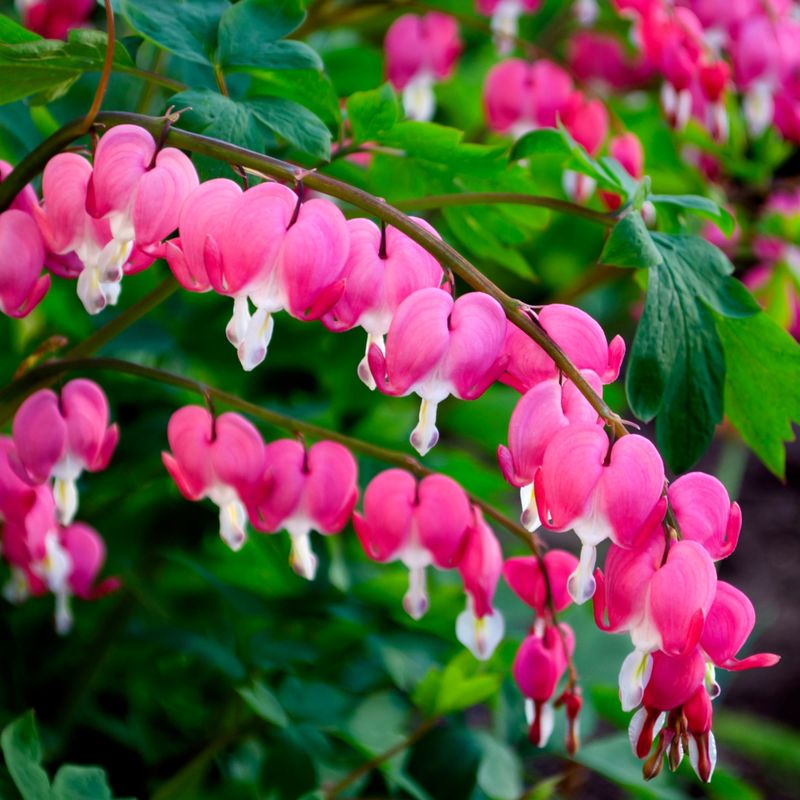
The Bleeding Heart captivates with its heart-shaped blooms dangling from arching stems. This plant thrives in shaded areas, adding a romantic touch to any garden.
Its soft pink and white flowers create an ethereal appearance, making it a beloved choice among gardeners.
Native to Asia, the Bleeding Heart has cultural significance in Japanese and Chinese gardens. Its beauty peaks in spring, but its fern-like foliage provides interest throughout summer.
Considered a symbol of compassion and unconditional love, this plant enchants with its graceful presence. Perfect for woodland gardens, it complements other shade-loving plants.
24. Coral Bells
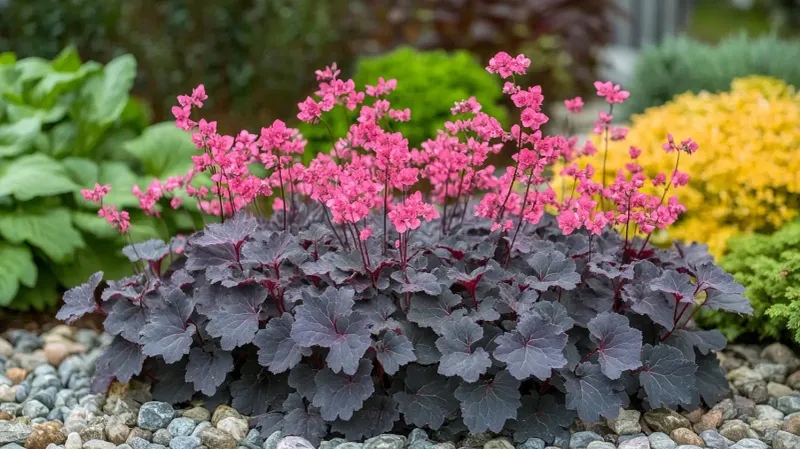
Coral Bells, known for their stunning foliage, offer a kaleidoscope of colors ranging from deep purples to vibrant greens. These hardy perennials are perfect for adding texture and color contrast.
The plant’s tiny bell-shaped flowers rise above the leaves, attracting hummingbirds and adding dynamic movement.
Originating from North America, Coral Bells are versatile and can thrive in various conditions, making them a gardener’s delight.
Their foliage remains attractive throughout the seasons, providing constant visual interest. Ideal for borders or container planting, they add a splash of color to any landscape.
25. Japanese Anemone
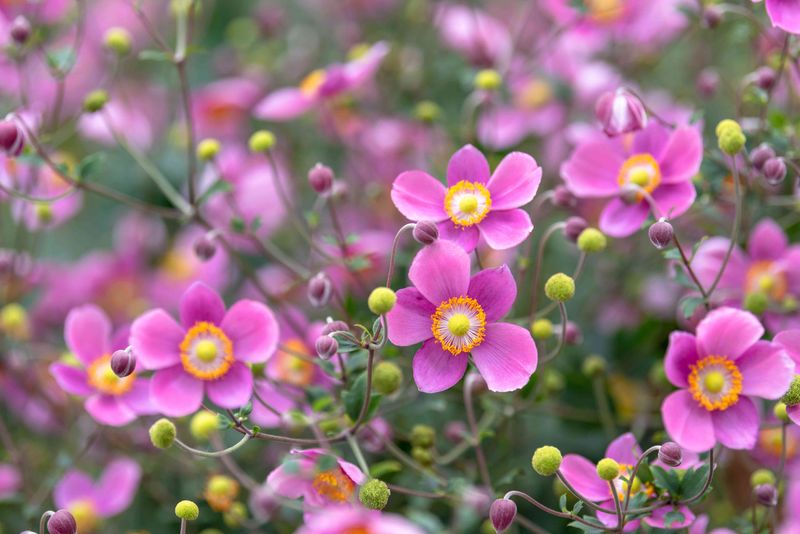
Japanese Anemones bring elegance to gardens with their tall, graceful stems and delicate blooms. Often blooming in late summer to autumn, they provide a seasonal delight as other plants fade.
Their flowers, usually in shades of white and pink, sway gently, creating a soothing visual effect.
Native to China and cultivated in Japan, they are cherished in traditional gardens for their late-season beauty.
These anemones are low-maintenance and thrive in well-drained soil, making them an excellent choice for both novice and experienced gardeners.