 Complete Gardening
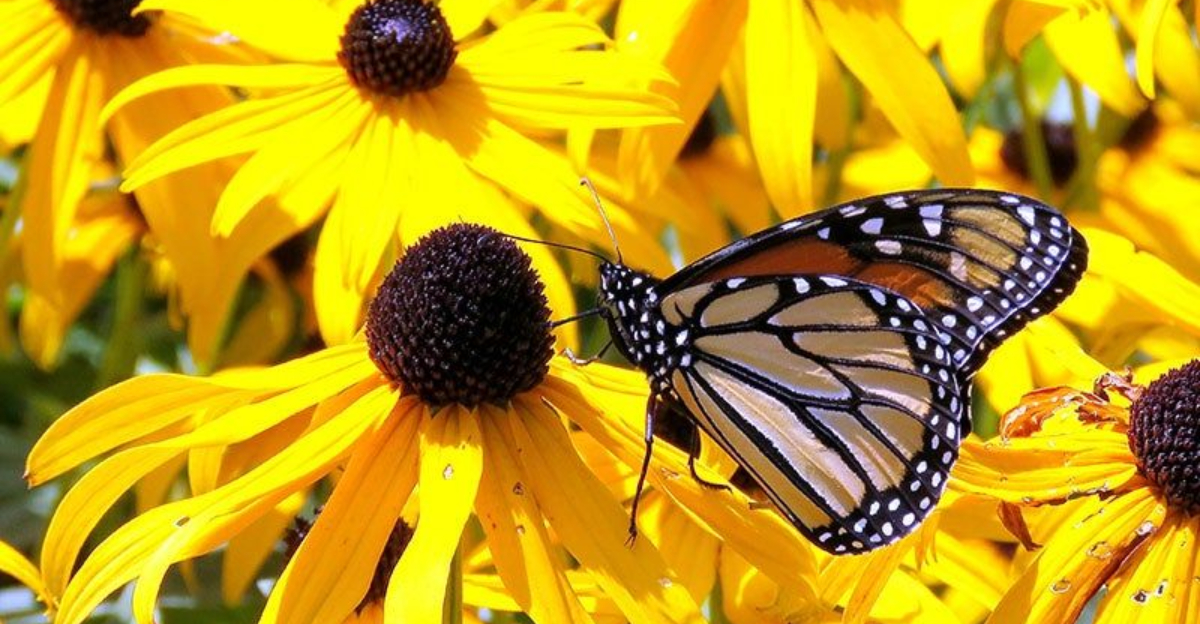
Discover the beauty and importance of native plants in fostering biodiversity. These plants not only enhance the aesthetic appeal of your garden but also provide essential resources for local wildlife. By integrating native flora, you can create a thriving habitat that supports the ecosystem and promotes the well-being of various animal species.
1. Milkweed
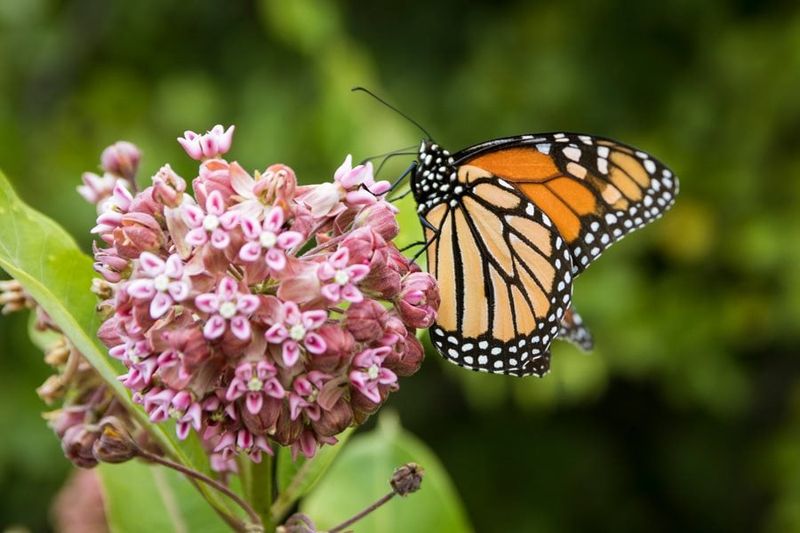
Milkweed, with its striking clusters of pink or orange blooms, is a lifeline for the monarch butterfly. This plant’s leaves are the primary food source for monarch caterpillars, making it crucial for their lifecycle. More than just a pretty flower, milkweed offers nectar to various pollinators.
Its ability to thrive in poor soil and resist drought makes it an ideal choice for gardeners looking to support biodiversity. Did you know? Despite its name, milkweed is non-toxic to most animals, except for those pesky monarch caterpillars!
2. Purple Coneflower
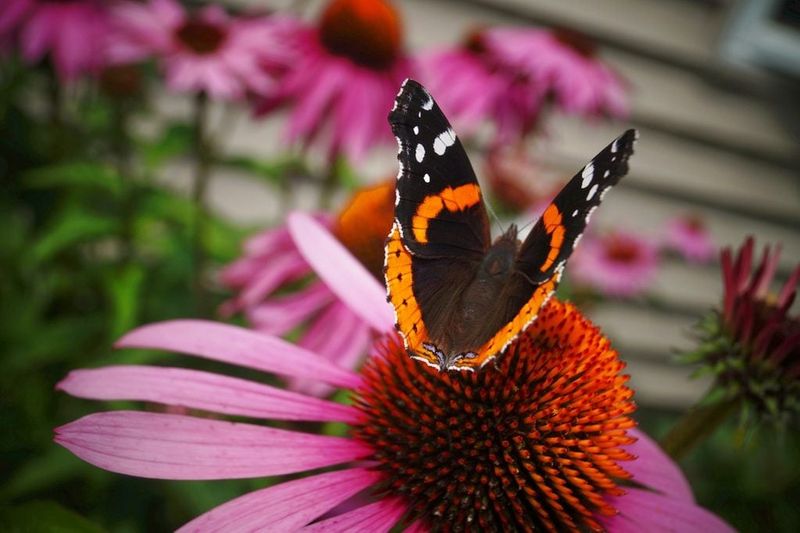
The purple coneflower, known for its daisy-like appearance, is a magnet for pollinators. Its vibrant petals attract a host of butterflies and bees, providing essential nectar. These flowers are not just eye-catching; they are robust and drought-resistant.
With deep roots, they help prevent soil erosion, making them a sustainable garden choice. A fun fact: Native Americans used coneflower for medicinal purposes, which highlights its historical significance. Adding this plant to your garden is like inviting a party of pollinators!
3. Goldenrod
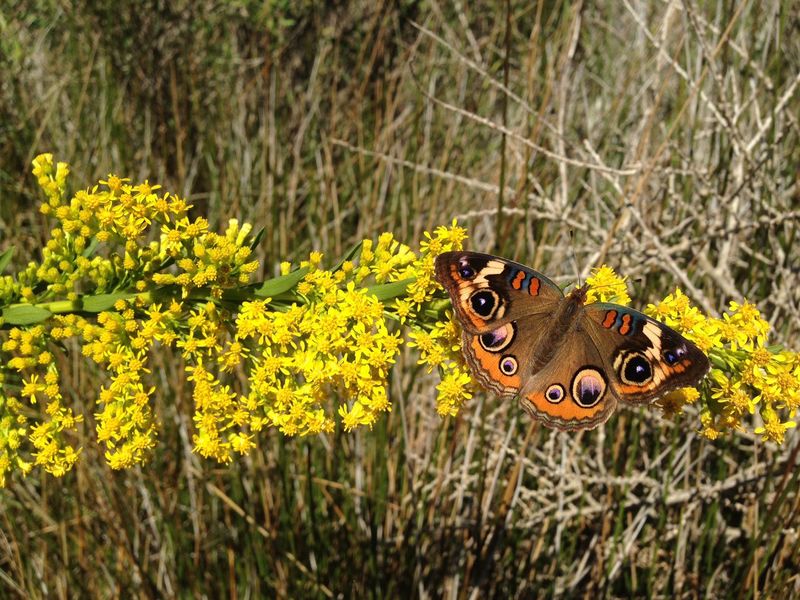
Goldenrod, often mistaken for the cause of hay fever, actually provides a rich source of nectar for bees and butterflies. Its bright yellow flowers bloom in late summer, offering a much-needed food source as other plants fade.
This plant not only supports pollinators but also contributes to soil health by preventing erosion. Historically, goldenrod was used by Native Americans for its healing properties, adding an interesting layer to its profile. Embrace goldenrod in your garden and enjoy a vibrant, buzzing ecosystem!
4. Black-Eyed Susan
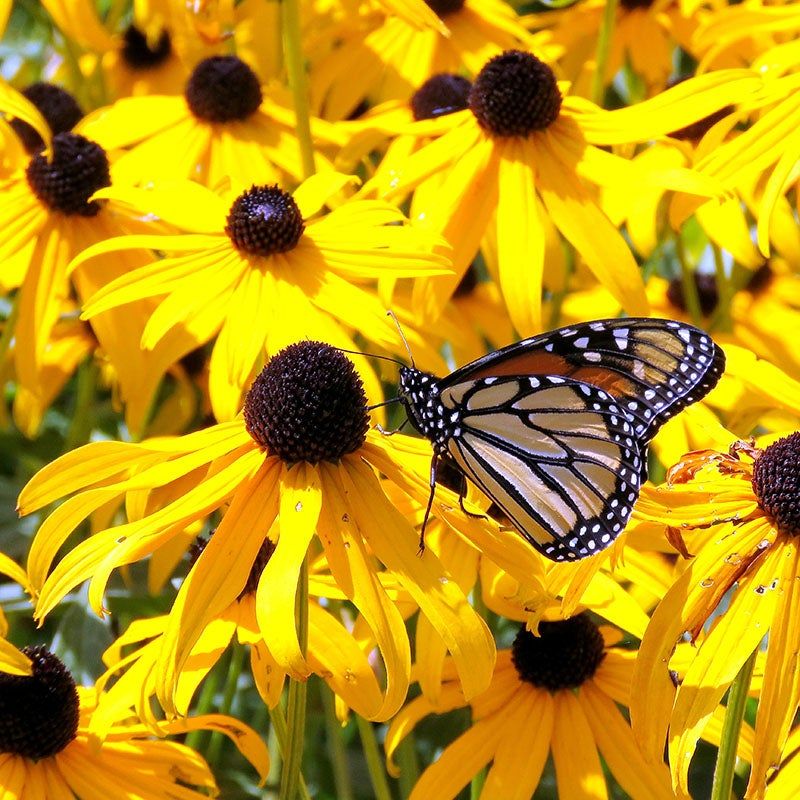
The black-eyed Susan, with its sunny yellow petals and dark center, is more than just a cheerful addition to your garden. This resilient plant attracts butterflies and birds, supporting local wildlife. Its long blooming season and low maintenance needs make it a gardener’s favorite.
Not just a pretty face, it also supports soil health by preventing erosion. Historically, it was used for its medicinal properties, offering an intriguing glimpse into its past. Welcome this vibrant flower into your garden for a burst of color and life!
5. Wild Bergamot
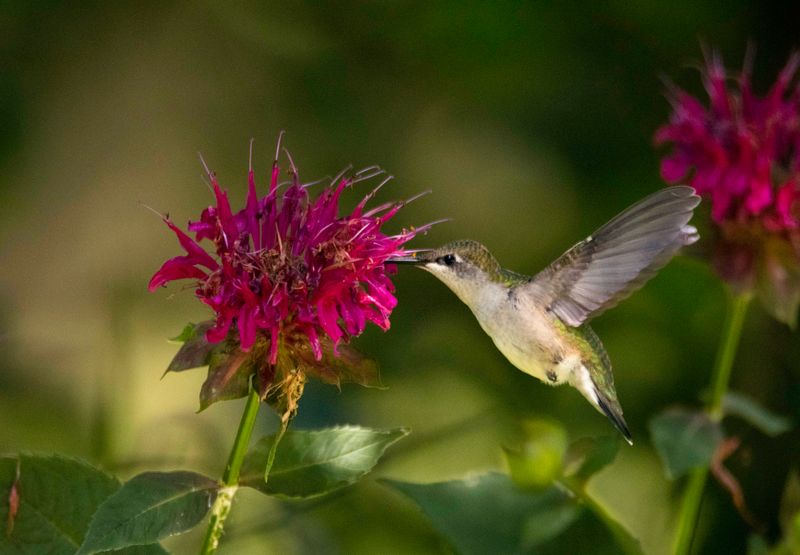
Wild bergamot, also known as bee balm, is a showstopper with its vibrant pink and purple blooms. This plant is a favorite among hummingbirds, bees, and butterflies, offering nectar to these vital pollinators.
Its aromatic leaves add an extra sensory dimension to the garden. Historically, Native Americans used wild bergamot for its medicinal properties, highlighting its versatility. Incorporating this plant into your landscape supports biodiversity and adds a splash of color and fragrance.
6. Switchgrass
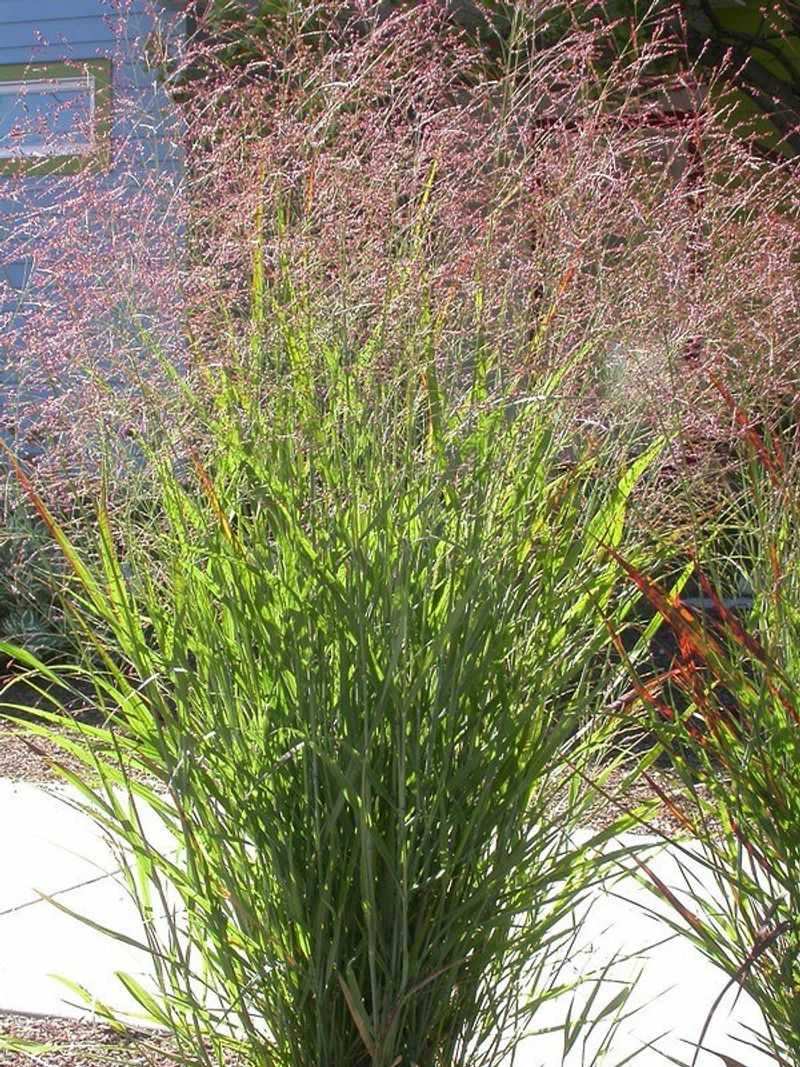
Switchgrass, with its graceful, arching blades, is a powerhouse for wildlife. This warm-season grass provides habitat and food for birds and insects. Its deep root system helps stabilize soil and reduce erosion, contributing to a healthy ecosystem.
As a native grass, it requires minimal maintenance and is highly adaptable to various soil types. Did you know? Switchgrass is also explored as a renewable biofuel source, showcasing its multifaceted role. Planting switchgrass is an investment in your garden’s health and sustainability.
7. Joe-Pye Weed

Joe-Pye weed, with its tall stems and clusters of pink flowers, is a magnet for butterflies. This plant thrives in moist, sunny areas and offers abundant nectar to pollinators. Its towering presence adds vertical interest to any garden setting.
In addition to attracting wildlife, Joe-Pye weed was historically used by Native Americans for medicinal purposes. Embracing this plant in your garden supports biodiversity and creates a lively, buzzing environment. It’s a splash of pink with a purpose!
8. Buttonbush
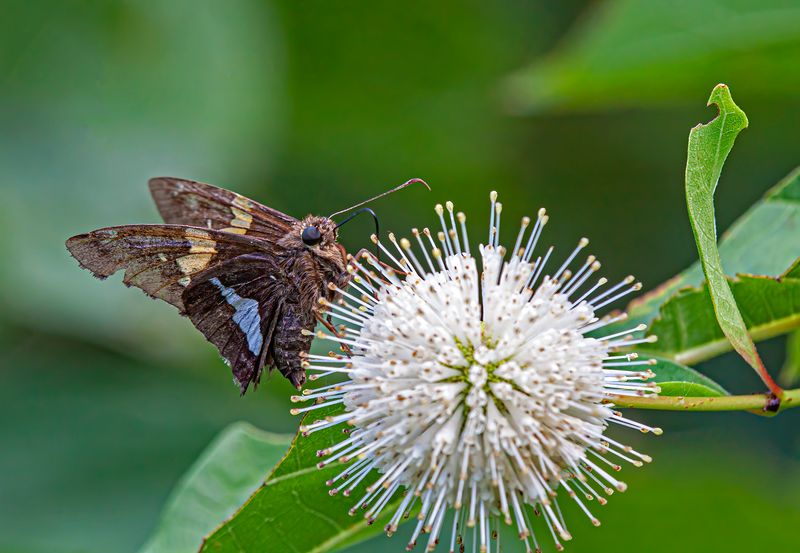
Buttonbush, with its unique, spherical white blooms, stands out in any landscape. This wetland plant attracts a variety of wildlife, including dragonflies and birds. Its flowers provide nectar, while its dense foliage offers shelter.
Buttonbush is particularly suited for planting near water features, adding aesthetic and ecological value. Historically, its wood was used by Native Americans for crafting tools. This plant is a wonderful addition for those looking to enhance their water gardens with charm and purpose.
9. Virginia Bluebells

Virginia bluebells are a stunning spring ephemeral, with clusters of blue and pink flowers that captivate the eye. These flowers attract bees with their rich nectar, supporting early-season pollinators. Ideal for shaded areas, they add a splash of color to woodland gardens.
Their ability to naturalize and spread makes them a valuable addition to any garden. Fun fact: The flowers start pink and turn blue, offering a delightful transformation. Embrace Virginia bluebells to create a vibrant and supportive habitat.
10. Blazing Star
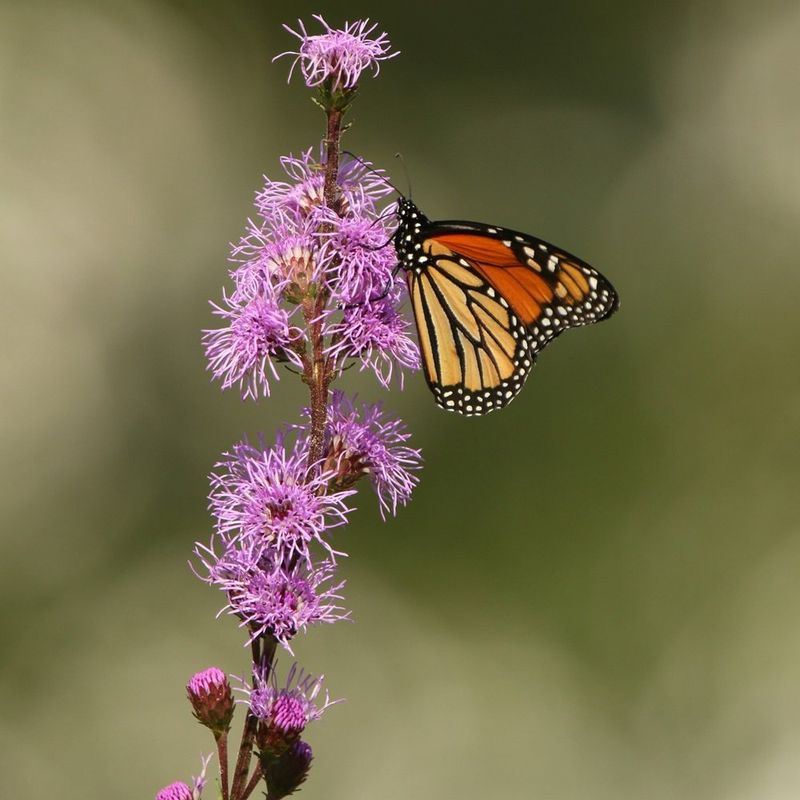
Blazing star, with its tall spikes of purple flowers, is a dramatic addition to any garden. These plants are a favorite of butterflies and bees, providing a rich nectar source. The blazing star’s vertical form adds architectural interest to garden designs.
Native to prairies, it thrives in sunny locations with well-drained soil. Did you know? The blazing star is also known as the prairie gayfeather, reflecting its vibrant appearance. Add this plant to your landscape for a striking and ecologically beneficial focal point.
11. New Jersey Tea
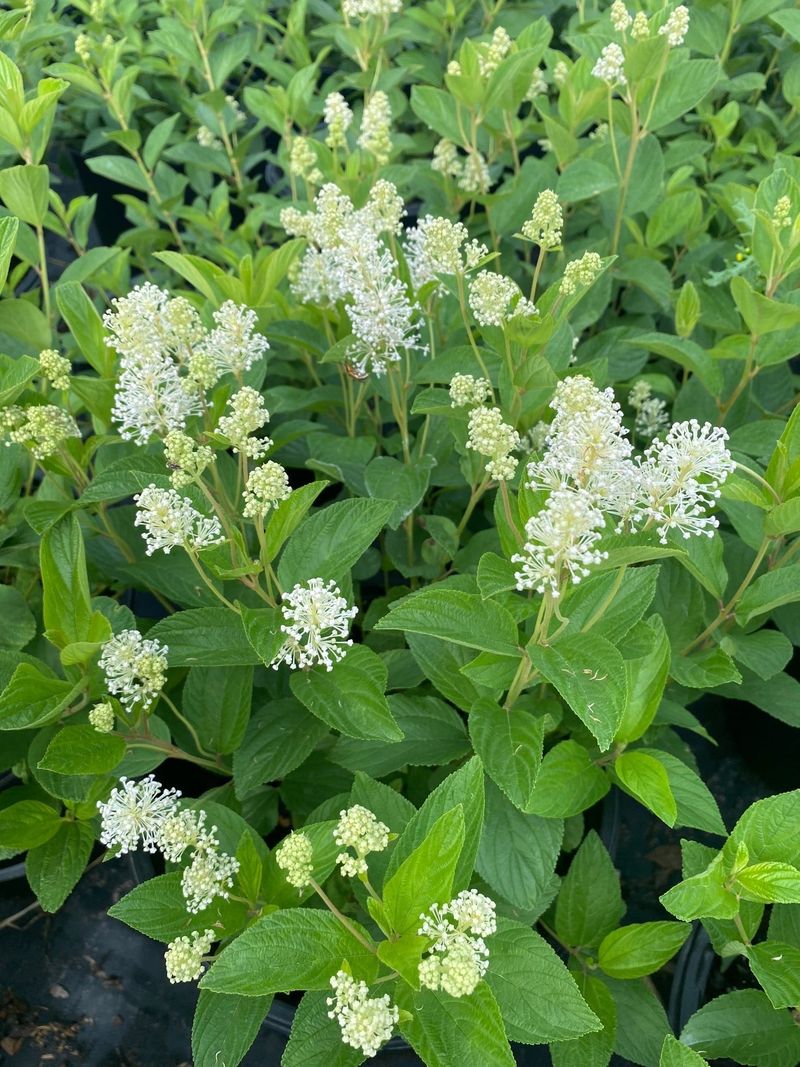
The New Jersey Tea shrub, known for its compact size, is a delight in any garden. Its white, fragrant flowers attract numerous pollinators, including native butterflies.
This resilient shrub thrives in well-drained soils and full sun, making it ideal for sunny corners. With its deep roots, it helps prevent soil erosion, supporting nearby flora.
Historically, its leaves were used as a tea substitute during the American Revolution. Adding this plant to your garden connects you to history while boosting biodiversity.
12. Prairie Dropseed
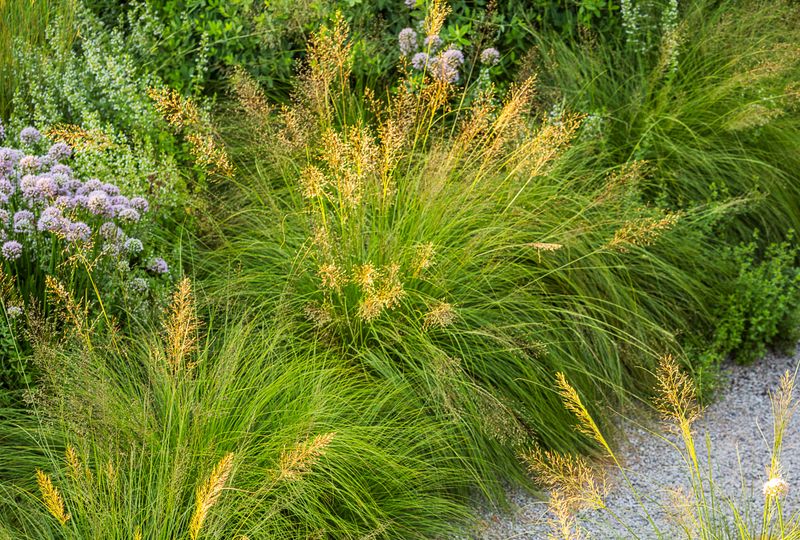
Prairie Dropseed is a graceful grass that adds texture and movement to landscapes. Its fine, emerald-green blades form elegant mounds, crowned by fragrant, pink-tinged seedheads in late summer.
This drought-tolerant grass is perfect for borders or mass plantings. As the seasons change, the foliage turns a rich golden hue.
Its seeds were once a food source for Native American tribes, offering a historical touch to its modern appeal. Prairie Dropseed is a feast for both the eyes and the garden’s wildlife.
13. Cardinal Flower

The Cardinal Flower stands as a striking beacon in shaded gardens with its fiery red blooms. These tall, elegant spikes are a magnet for hummingbirds, adding life and color.
Preferring moist, rich soils, the Cardinal Flower thrives near water features or shaded areas. Its vivid display offers a stunning contrast to green surroundings.
Named for its resemblance to a cardinal’s robes, this plant has been admired for generations. Including it in your garden invites avian visitors and a splash of red brilliance.
14. Wild Indigo
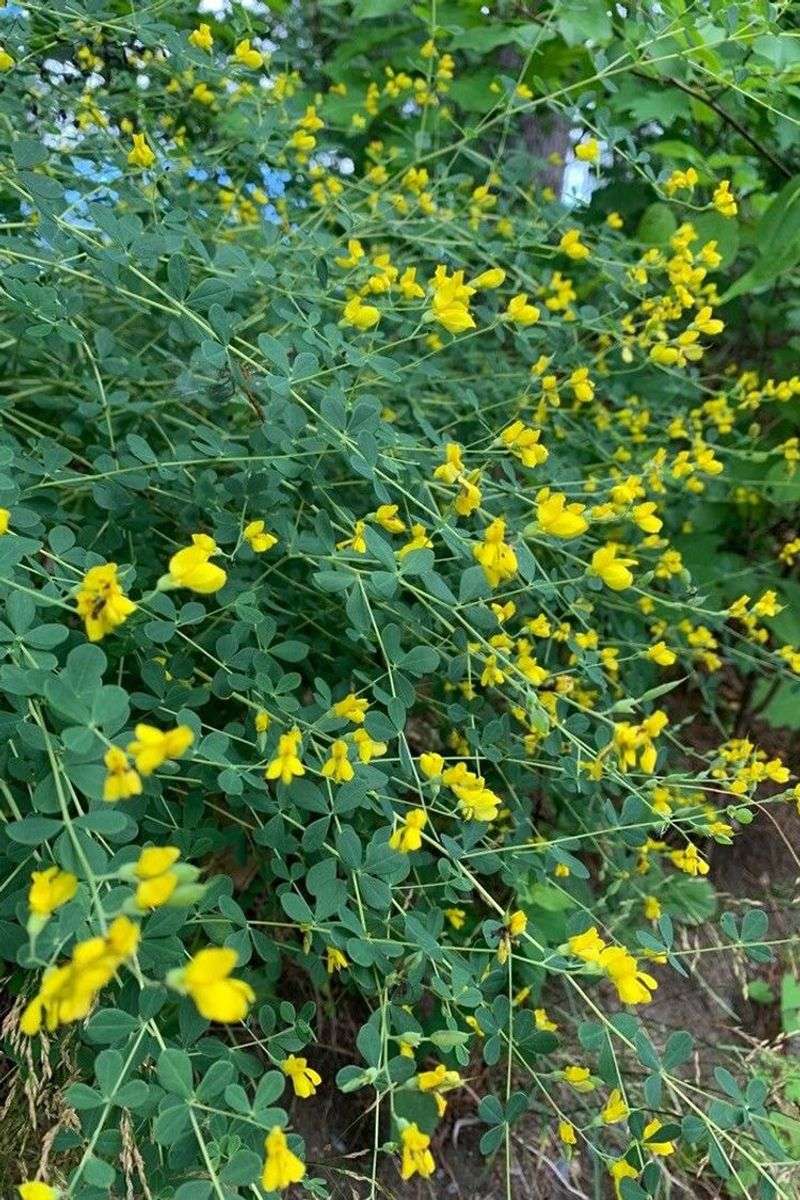
Wild Indigo is a hardy perennial celebrated for its striking yellow flowers and blue-green foliage. It stands out, offering a burst of sunshine to any landscape.
Thriving in full sun and varying soil types, it’s as versatile as it is beautiful. The plant’s deep root system aids soil stabilization.
Historically, Native Americans used its dye-producing properties. Wild Indigo is more than just a plant; it’s a piece of botanical history that nourishes both soil and soul.
15. Bush Honeysuckle
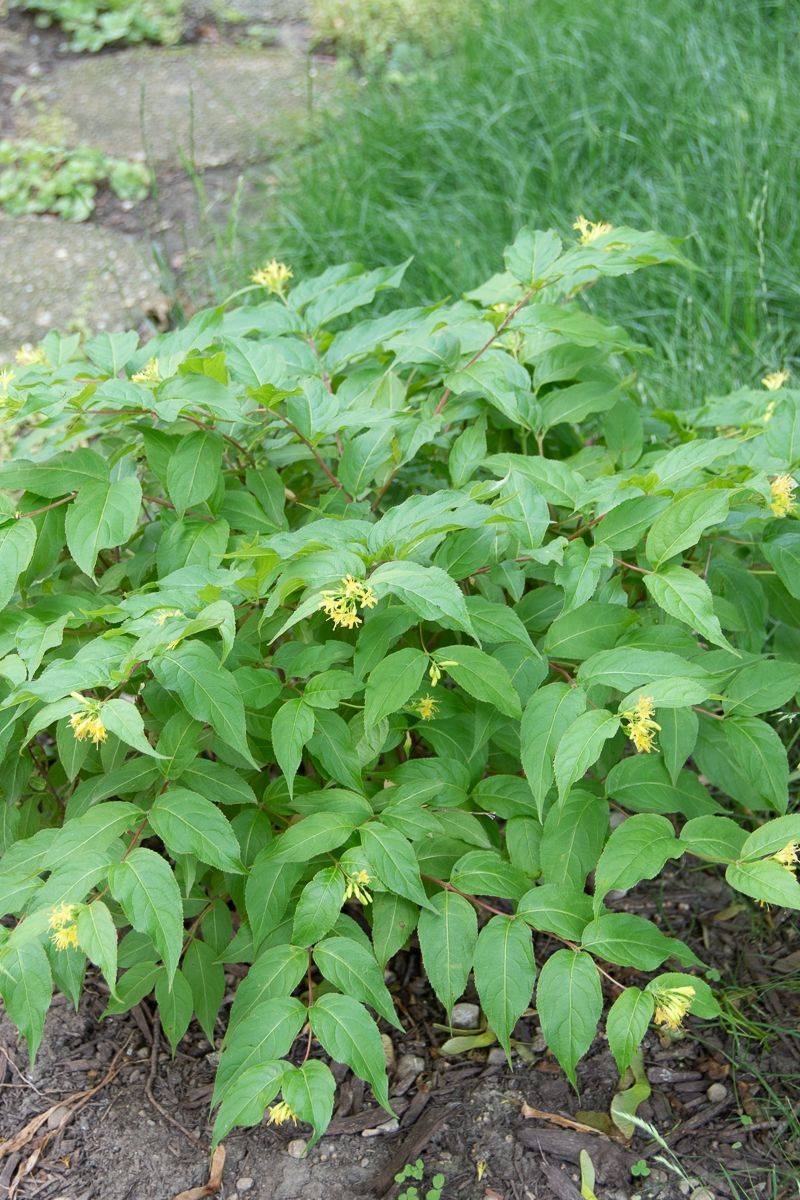
Bush Honeysuckle offers a cascade of yellow, trumpet-shaped flowers that brighten woodland edges. This dense, deciduous shrub is a haven for bees and other pollinators.
Adaptable to various soils and light conditions, it’s a robust choice for challenging spots. In autumn, its foliage turns a warm reddish-purple, adding seasonal interest.
Though unrelated to the invasive honeysuckles, it shares their sweet scent and wildlife appeal. Bush Honeysuckle bridges the gap between functionality and fragrant beauty in the garden.