 Complete Gardening
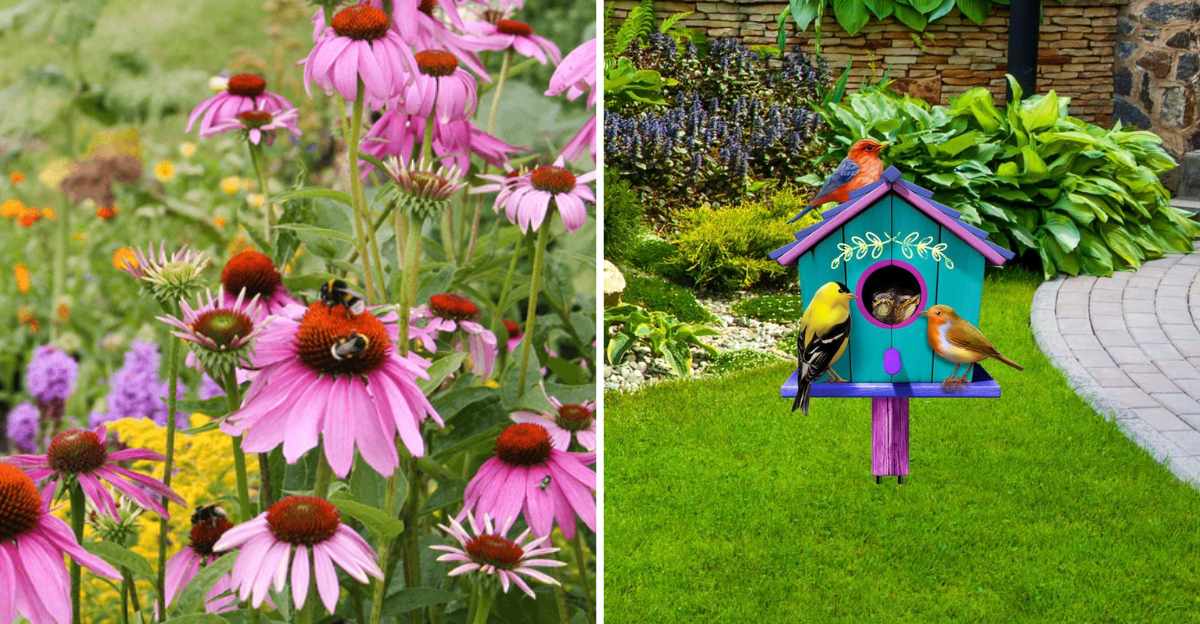
Transforming your garden into a thriving ecosystem can be an enriching experience for both nature and yourself. This approach not only beautifies your outdoor space but also provides a sanctuary for various species. By making thoughtful choices in plants and design, your garden can become a crucial part of urban wildlife corridors. Here are seven innovative ways to turn your garden into a wildlife highway, ensuring a safe passage and thriving habitat for local fauna.
1. Native Plant Installation
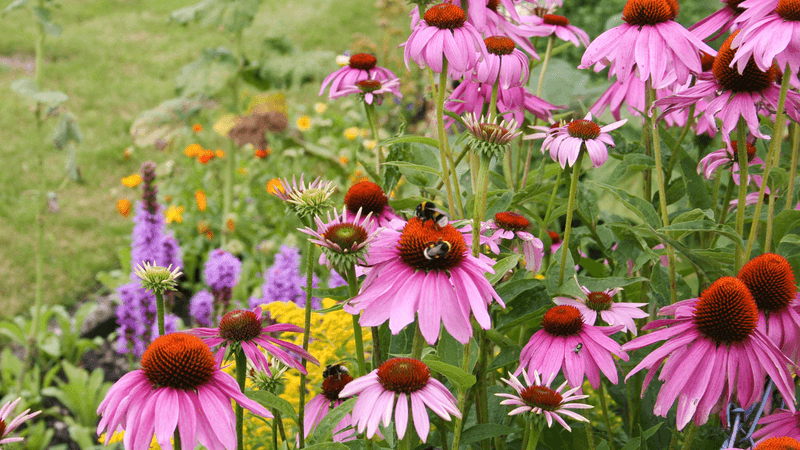
Native plants are the unsung heroes of any wildlife-friendly garden. Their adaptation to local climates makes them hardy and easy to maintain. Choosing a variety of these plants can invite a multitude of species, creating a vibrant tapestry of life.
From bees to butterflies, native plants are a magnet for pollinators. Their flowers provide essential food sources, while their leaves offer shelter and breeding grounds. The beauty of native plants lies in their symbiotic relationship with local fauna. They help sustain wildlife that, in turn, aids in the garden’s natural balance.
2. Birdhouses Galore

Birdhouses serve as essential real estate for avian visitors. Each birdhouse becomes a home, inviting birds to nest and raise their young. This playful addition to your garden can also be a fun DIY project for families.
Different designs cater to various bird species, from tiny wrens to larger robins. Ensuring a safe distance from predators, birdhouses should be strategically placed around your garden. These shelters not only support avian life but also fill the air with melodious bird songs. A garden alive with birds is a testament to ecological harmony.
3. Water Features
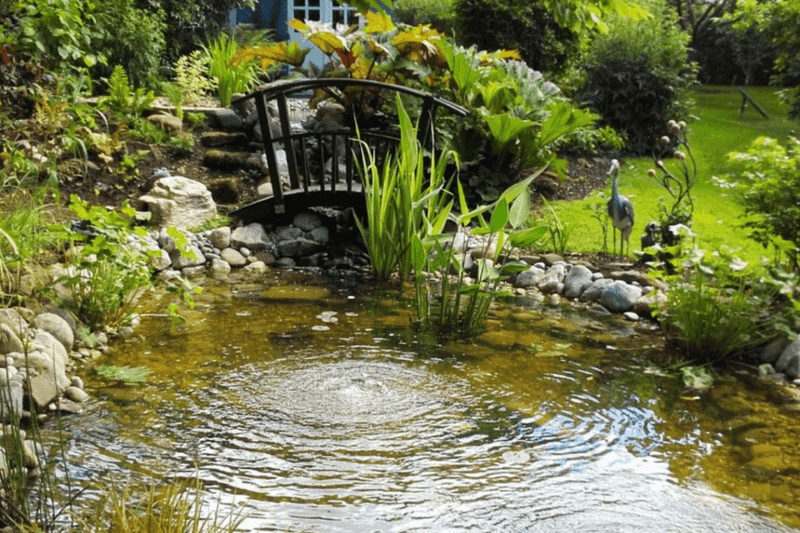
Water features, like ponds or birdbaths, are lifelines for a myriad of creatures. Providing a water source can attract amphibians, insects, and even mammals. Water brings movement and sound, enhancing the sensory experience of your garden.
Ponds, in particular, support aquatic plants and animals, creating a microhabitat. Adding pebbles or logs can offer hiding spots for frogs and newts. Birdbaths, on the other hand, become social hubs for birds. This addition not only diversifies your garden’s ecosystem but also adds an aesthetic charm to the landscape.
4. Insect Hotels
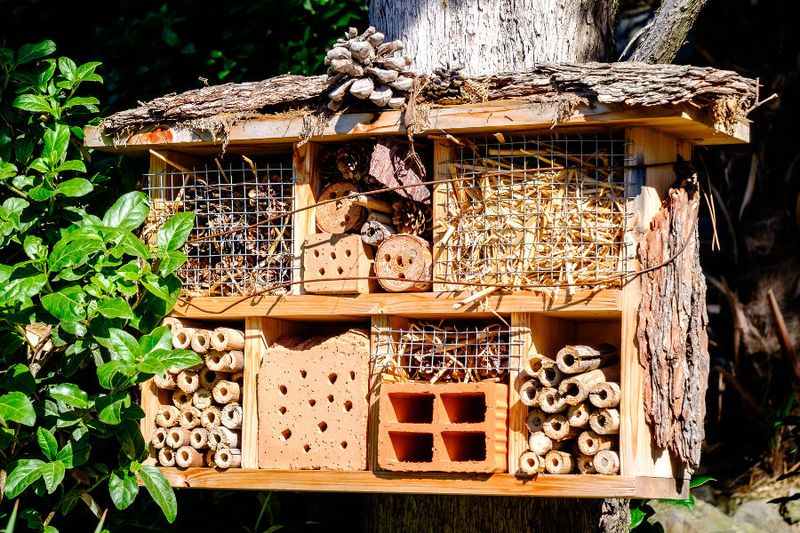
Insect hotels are innovative structures that provide refuge for beneficial bugs. They encourage biodiversity by offering shelter to solitary bees, ladybugs, and other pollinators. These hotels can be constructed using natural materials like bamboo, wood, and straw.
Position your insect hotel in a sunny spot to attract its tiny guests. The presence of these insects plays a crucial role in pest control and pollination. Not only do they contribute to a healthier garden, but they also provide educational opportunities for children to learn about insect life cycles. Building an insect hotel is an investment in your garden’s future.
5. Hedgerows and Shrubs
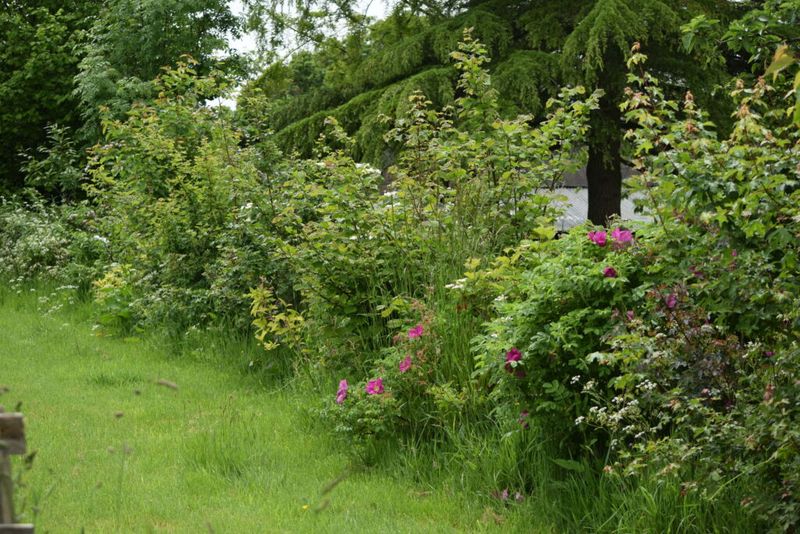
Hedgerows are living fences that provide cover and nesting sites for wildlife. Comprised of dense shrubs and trees, they act as natural corridors, connecting different parts of the garden. These green walls are crucial for the movement and safety of small animals.
Birds, hedgehogs, and insects find refuge in the thick foliage. The berries and nuts produced by these plants offer sustenance across seasons. Introducing hedgerows to your garden not only enhances privacy but also enriches the local biodiversity. They flourish into vibrant, self-sustaining ecosystems over time.
6. Compost Piles

Compost piles are bustling hubs of decomposition and life. They recycle organic matter, turning kitchen scraps and garden waste into nutrient-rich soil. This process naturally attracts earthworms and microorganisms, essential for healthy soil.
Positioned correctly, compost piles provide warmth and shelter for small creatures during colder months. They contribute to soil fertility, promoting robust plant growth. The cycle of composting mirrors the balance found in nature, closing the loop between consumption and regeneration. Besides reducing waste, compost piles offer a practical way to support ecosystem health.
7. Wildflower Meadows
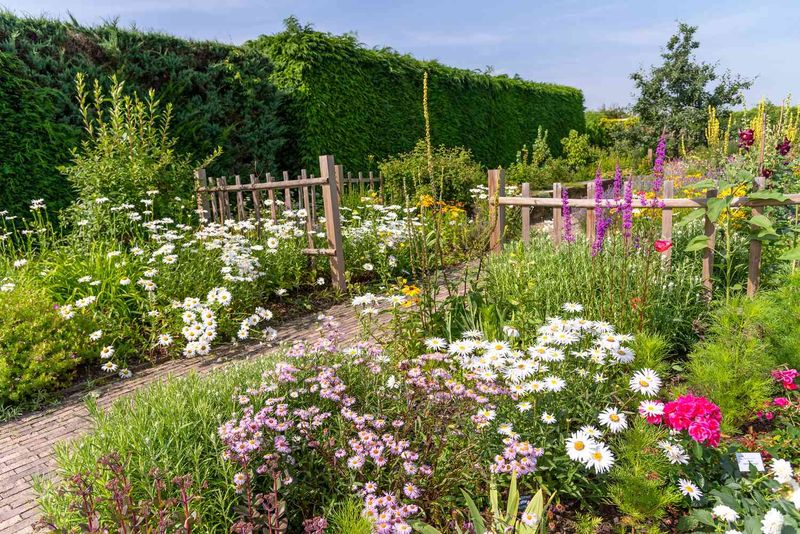
Wildflower meadows are a feast for the senses and a boon for biodiversity. They require minimal maintenance while offering a spectacular display of colors. These meadows provide habitats for bees, butterflies, and a variety of insects.
By planting a mix of annuals and perennials, you can ensure a continual bloom throughout the seasons. Wildflower meadows are not only visually striking but also play a crucial part in supporting pollinators. This easy-to-achieve transformation can turn any garden corner into a lively, colorful sanctuary, bridging gaps in urban wildlife corridors.
8. Bee Baths
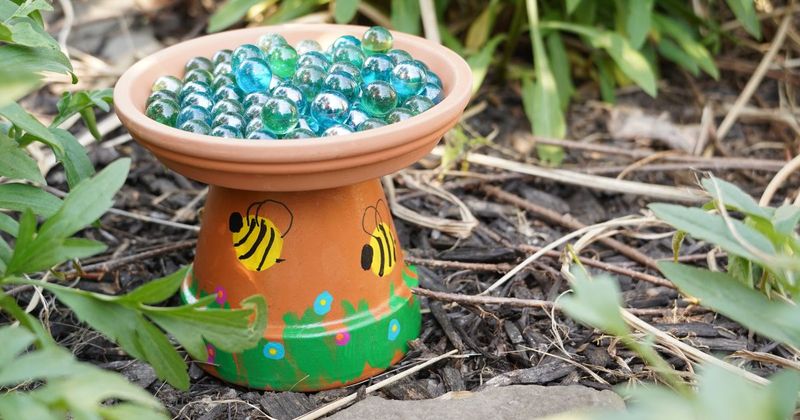
Bees, those industrious pollinators, often need a drink too! A bee bath provides a safe haven where these tiny creatures can quench their thirst. Fill a shallow container with water and add stones for perching. Place it amidst your flowers to attract these buzzing friends. It’s a simple addition, yet it holds great significance for the bees’ daily routine. A bee bath can become a delightful focal point in your garden. Offer a splash of hydration and witness the charming dance of bees as they discover this oasis.
9. Bat Roosts
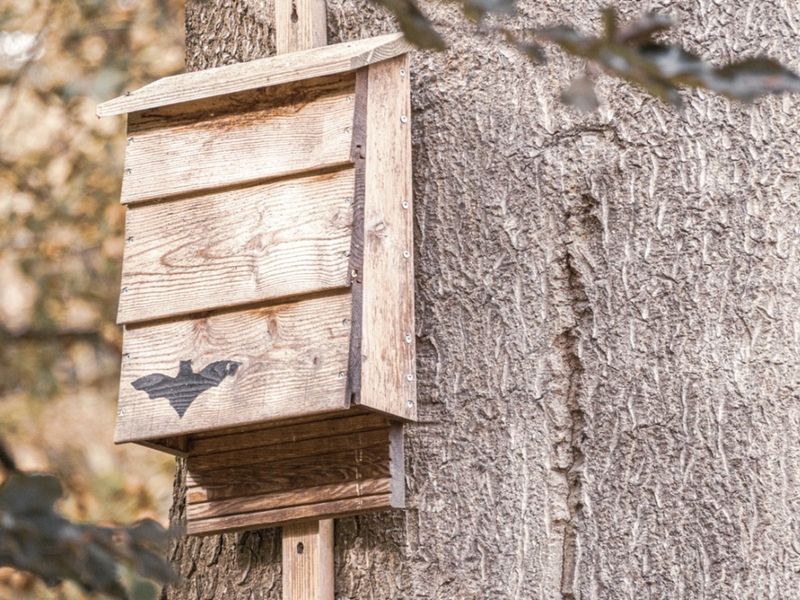
Ever wondered how to invite nocturnal visitors to your garden? Bat roosts are the answer. These structures provide shelter for bats, who help control insect populations. Hang a roost in a quiet area of your garden, away from disturbances. As dusk falls, watch these mysterious creatures as they emerge to feast on insects. Bat roosts not only support local wildlife but also add an intriguing element to your garden’s ecosystem. They offer a natural solution to pest control while enriching your garden’s atmosphere.
10. Butterfly Feeding Stations
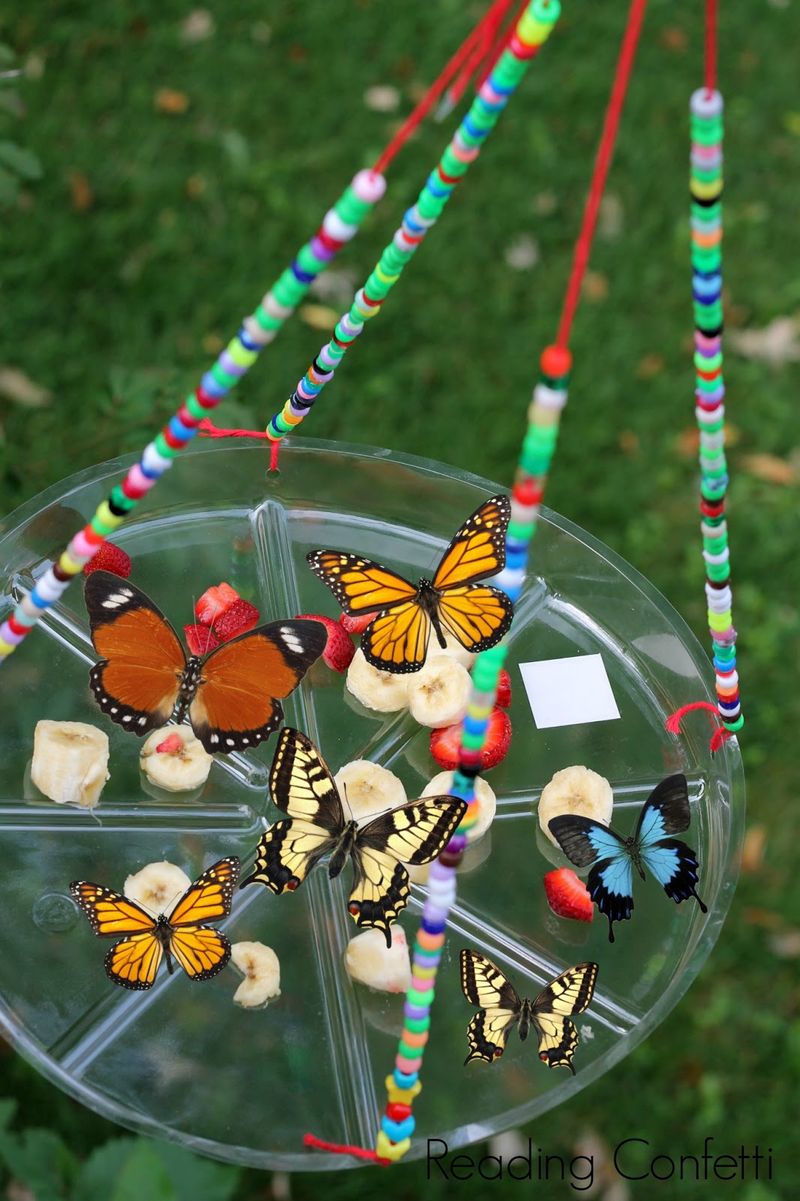
Butterflies flitting from flower to flower is a sight to behold. Enhance their visit with a butterfly feeding station. Use a shallow dish and fill it with overripe fruits or sugar water, then place it near flowering plants. This sweet treat provides an additional food source and keeps these colorful insects coming back. A butterfly feeding station can be a captivating addition, drawing both butterflies and admirers alike. It’s a simple gesture that brings joy and supports these delicate creatures.
11. Toad Abodes
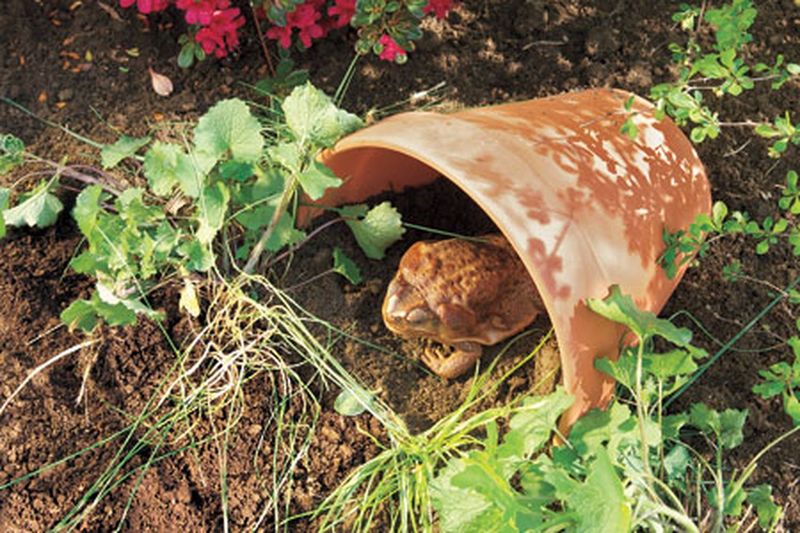
Toads are the unsung heroes of the garden, devouring pests that threaten your plants. Create a cozy toad abode by placing a ceramic pot on its side, partially buried in a shady spot. This provides shelter from the sun and predators. Toads will appreciate a refuge where they can rest and hunt undisturbed. These abodes can become charming accents in your garden while offering a functional benefit. Welcome a toad or two, and they will repay you with their natural pest control services.
12. Lizard Lounges

Bask in the wonder of lizards by crafting a lounge for these sun-loving creatures. Arrange flat rocks and logs in a sunny corner of your garden. Lizards will be drawn to the warmth as they regulate their body temperature. These lounges not only offer a place for lizards to bask but also create an engaging landscape feature. Lizards will assist in managing insect populations, making them welcome guests. Provide a sunlit sanctuary and enjoy the lively presence of these fascinating reptiles.
13. Frog Ponds
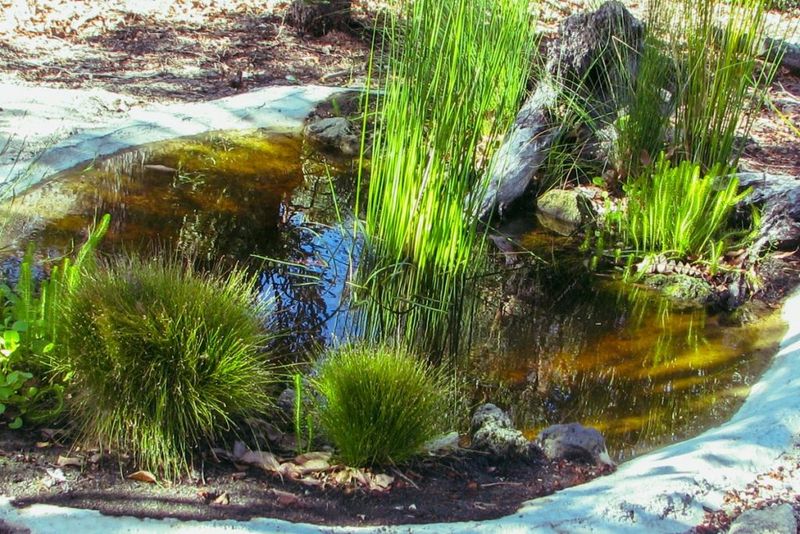
Frogs bring a symphony of sounds to your garden and are vital for ecosystem balance. A small pond can become a thriving habitat for frogs and other aquatic life. Add water lilies and marginal plants for shelter and breeding sites. Frogs will find a haven here, where they can thrive and control insect populations. A frog pond not only elevates the aesthetic appeal of your garden but also supports biodiversity. Immerse yourself in the tranquility of these amphibian-friendly waters.
14. Ladybug Houses
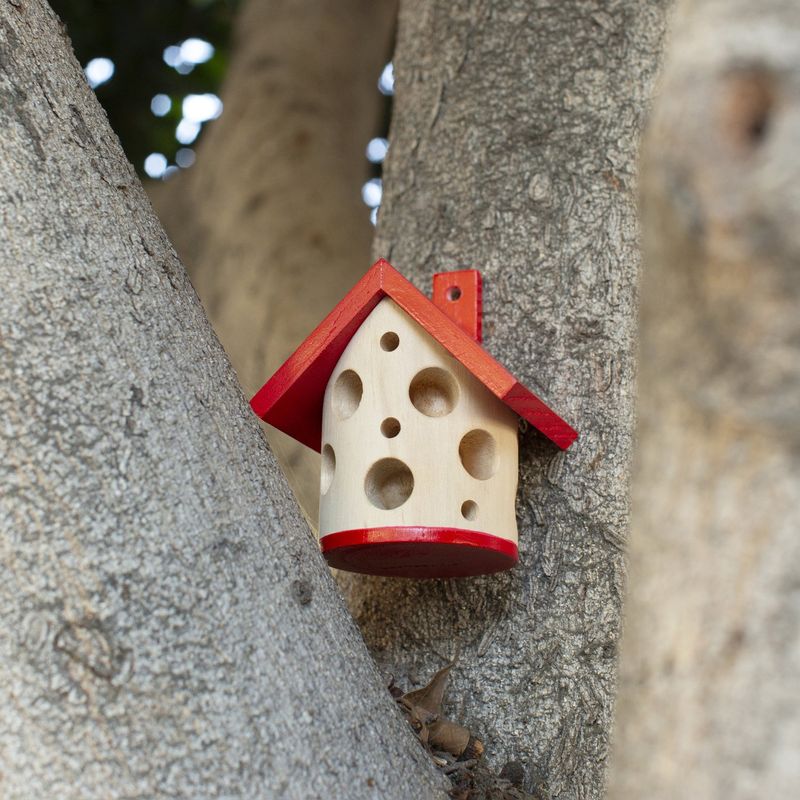
Ladybugs are charming allies in any garden, preying on aphids and other pests. A ladybug house offers these beneficial insects a place to shelter and breed. Construct or purchase a small wooden house with holes and position it near infested plants. These houses add a whimsical touch to your garden while promoting a natural form of pest control. Encourage ladybugs to take residence, and they will help maintain the health of your plants. Delight in their presence and the balance they bring.
15. Owl Nesting Boxes

Owls are majestic creatures that can help manage rodent populations. Installing an owl nesting box in your garden provides them with a safe place to raise their young. Place it high on a sturdy tree, away from human activity. Owls will grace your garden with their silent flight and watchful eyes. An owl nesting box not only supports these raptors but also enhances the mystique of your garden. Invite these nocturnal hunters and enjoy the serenity they bring to the night.
16. Hedgehog Havens

Hedgehogs, quaint and endearing, are welcome guests in any garden. Craft a haven using leaves, sticks, and logs in a quiet corner. These shelters offer protection and a hibernation site. Hedgehogs will venture into your garden, helping to keep slugs and insects in check. Their presence is a delightful addition, adding a touch of wildness to your garden. Encourage these little foragers, and they will reward you with their charming antics and natural pest control abilities.