
In the face of climate change, water conservation has become more crucial than ever. Yet, this doesn’t mean your garden has to suffer. Discover 22 stunning plants that not only survive but thrive with minimal to no water. These resilient beauties are perfect for drought-hit gardens, providing lush greenery and vibrant colors without the need for regular irrigation. From succulents and shrubs to wildflowers and trees, each plant offers unique benefits, ensuring that your garden remains lively and sustainable even during dry spells. Let’s explore these remarkable, water-wise plants.
1. Agave
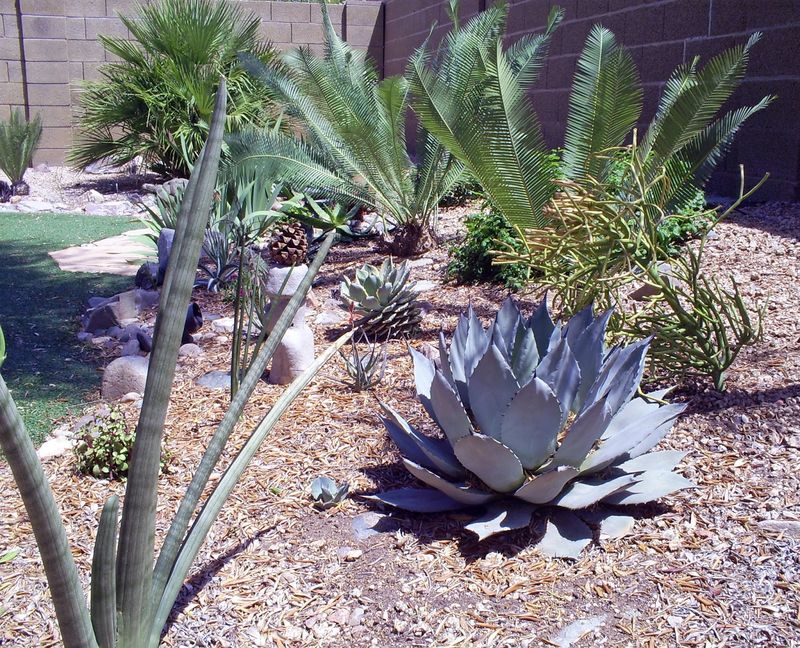
Agave, with its striking architectural leaves, stands as a testament to nature’s resilience. Known for its hardiness, some species can survive on rainfall alone, making it an ideal choice for drought-stricken gardens. The leaves, often sharp and pointed, create a dramatic silhouette that adds an architectural element to any landscape. Interestingly, agaves store water in their thick leaves, allowing them to endure prolonged dry periods. The plant also blooms spectacularly, although this rare event marks the end of its lifecycle. Perfect for xeriscaping, agave is both beautiful and pragmatic.
2. Aloe vera
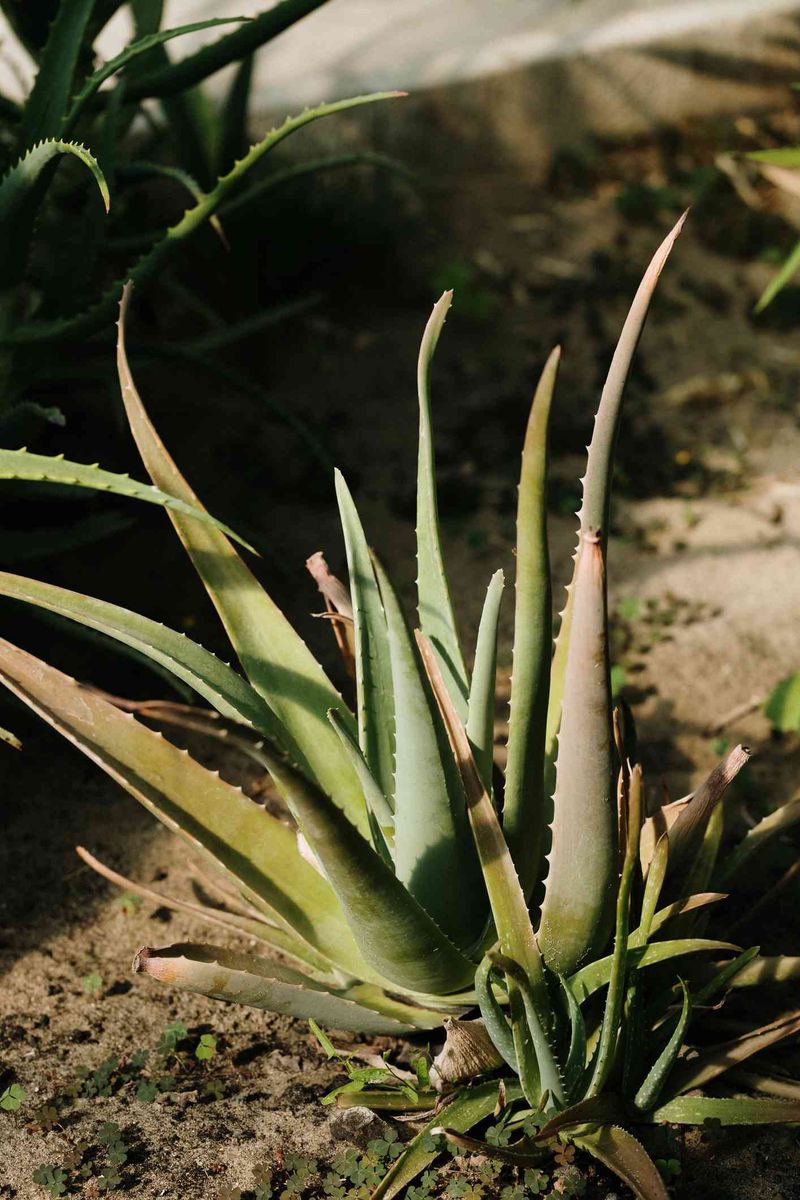
Aloe vera, renowned for its medicinal properties, is a staple in drought-tolerant gardening. Its thick, fleshy leaves store water, allowing it to thrive in dry conditions. Aloe vera is not just functional; its elegant structure and soothing green hue add a touch of tranquility to any space. This plant requires minimal care—simply avoid overwatering. A fascinating fact is that aloe vera has been used for centuries to treat skin ailments, from sunburns to cuts. Its historical use as a healing plant adds an intriguing layer to its presence in a modern garden.
3. Echeveria
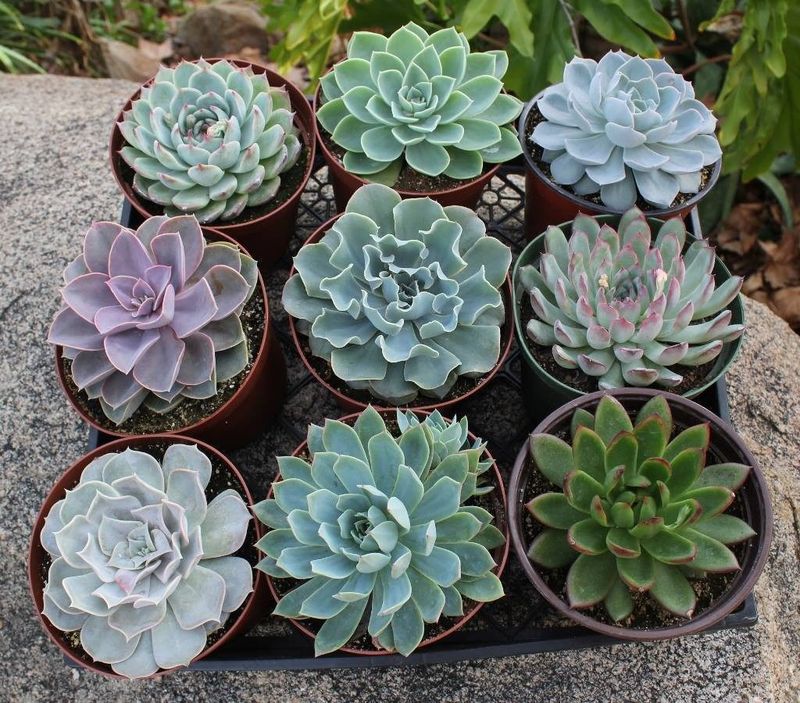
Echeveria captivates with its rosette-forming beauty, offering a palette of greens, pinks, and purples. These drought-tolerant plants thrive in dry conditions, making them perfect for arid gardens. The compact, symmetrical rosettes add a unique charm, reminiscent of floral sculptures. Echeverias are low-maintenance, requiring little more than well-draining soil and occasional sunlight. A quirky tidbit: these plants are native to the semi-desert regions of Central America. Their ability to store water in their leaves allows them to withstand prolonged dry spells, ensuring your garden’s resilience.
4. Sedum (Stonecrop)
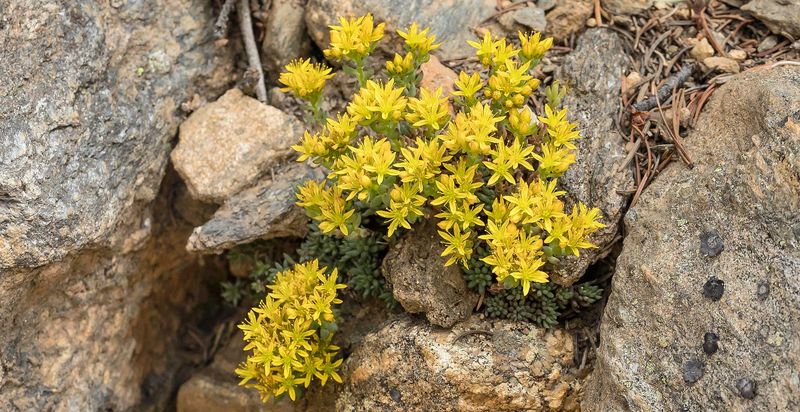
Sedum, or Stonecrop, is a versatile ground cover known for its star-shaped flowers and fleshy leaves. This hardy plant spreads easily across rocky or gravelly soil, creating lush carpets of greenery. Suitable for drought-prone areas, Sedum’s succulent leaves store water, enabling it to endure dry spells. One of its endearing traits is the ability to attract pollinators, making it a vital addition to eco-friendly gardens. Fun fact: Sedums have been used in traditional medicine for their anti-inflammatory properties. Their vibrant blooms add color and life to otherwise barren landscapes.
5. Senecio mandraliscae (Blue Chalk Sticks)
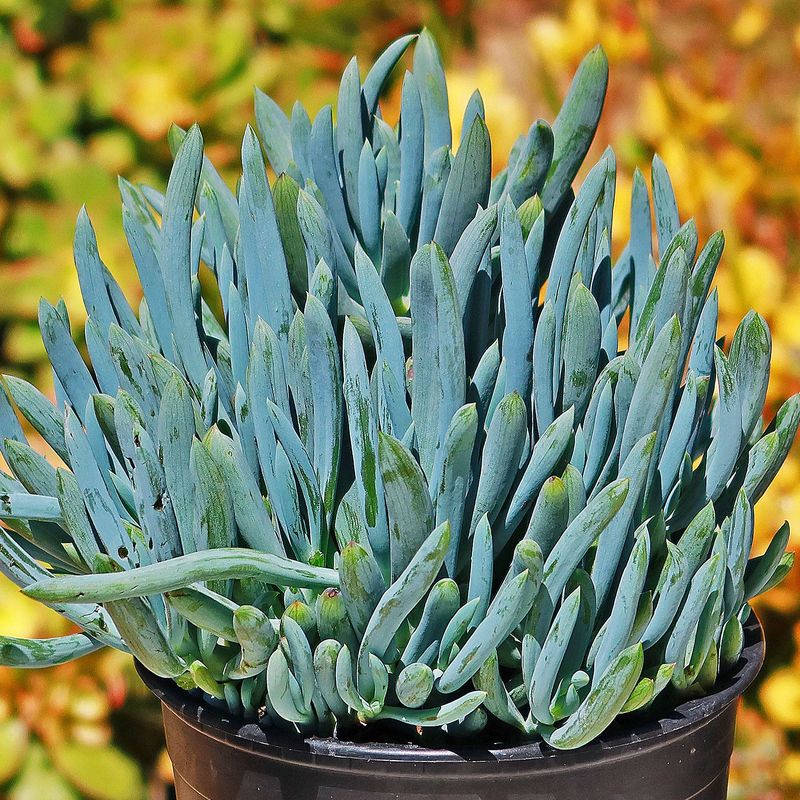
Senecio mandraliscae, commonly known as Blue Chalk Sticks, is celebrated for its stunning blue-gray foliage. Its slender, finger-like leaves provide a striking contrast to traditional greens, making it an eye-catching addition to any garden. This drought-tolerant plant thrives in sandy, well-draining soil, requiring minimal water. Its unique color and texture add depth and interest to landscapes, particularly in xeriscapes. Did you know? This plant is native to South Africa, where it flourishes in coastal conditions. Blue Chalk Sticks is both resilient and visually captivating, ensuring your garden stands out.
6. Opuntia (Prickly Pear Cactus)
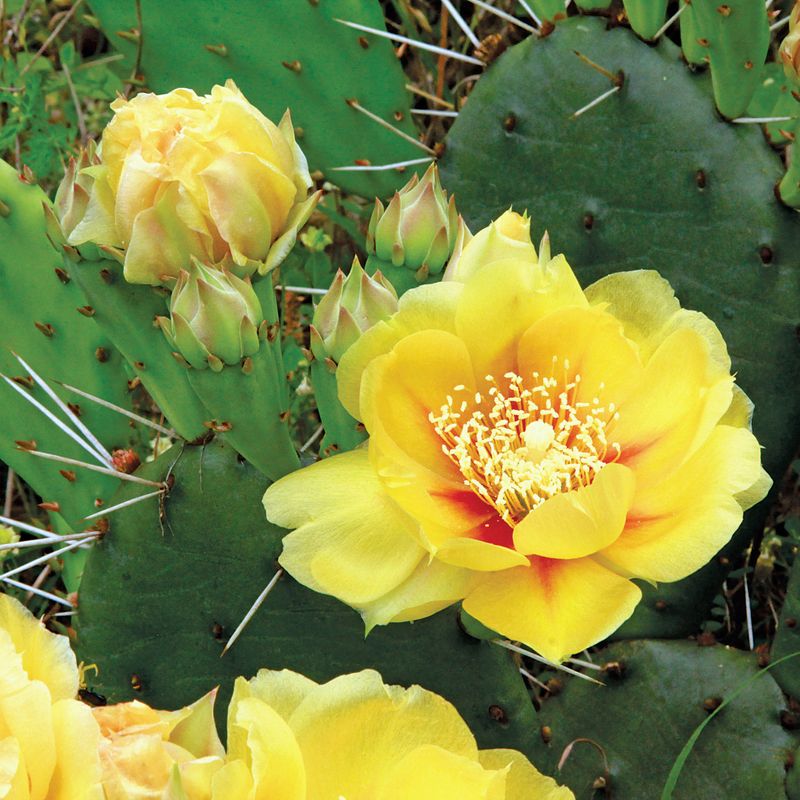
Opuntia, known as Prickly Pear Cactus, is nearly indestructible with its robust structure and edible pads. This iconic desert plant thrives in extreme conditions, requiring virtually no water. Its flat, paddle-shaped pads store moisture, sustaining it through prolonged droughts. The vibrant yellow flowers that bloom in spring are a delightful bonus, adding color to arid landscapes. Intriguingly, the pads and fruits are edible, used in various culinary dishes. With its resilience and utility, Opuntia is a versatile choice for gardeners aiming for sustainability without sacrificing beauty.
7. Ferocactus (Barrel Cactus)
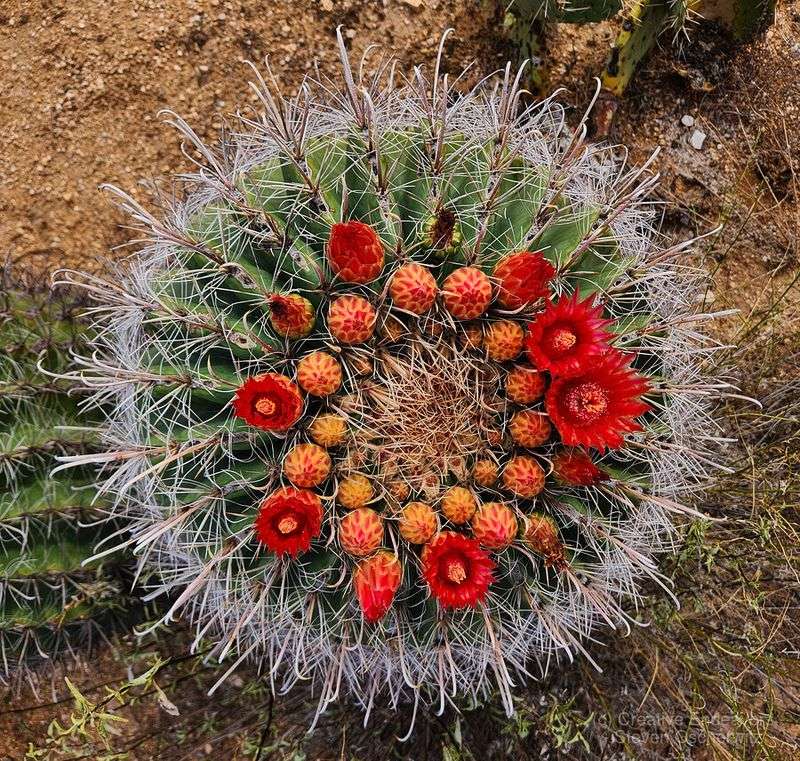
Ferocactus, or Barrel Cactus, offers a striking silhouette with its rounded form and fierce spines. This cactus stores water for months, making it a heavyweight champion in drought survival. Its rugged appearance is contrasted by the delicate yellow or orange flowers that bloom atop its crown, providing a burst of color. The Barrel Cactus is not just visually striking; it’s also historically significant, having been used by Native Americans for food and water in emergencies. Its ability to thrive with zero water makes it a must-have for desert landscapes.
8. Lavender
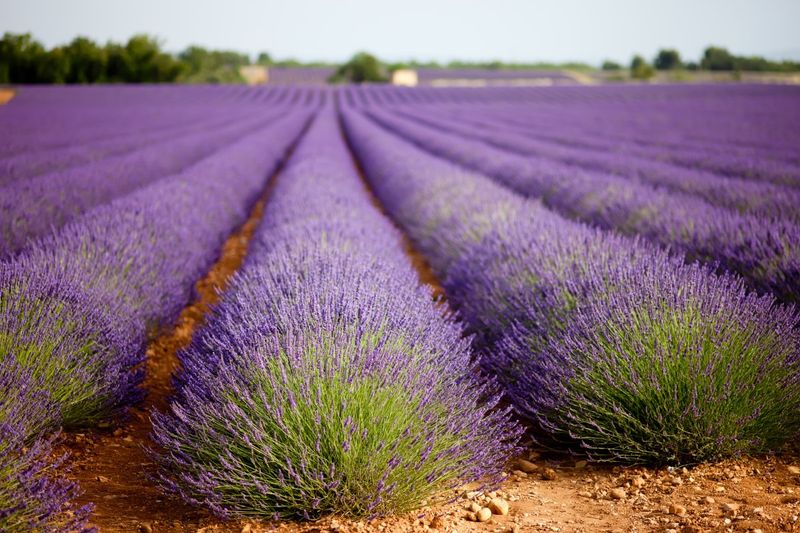
Lavender, with its fragrant purple blooms, is a beloved choice for drought-tolerant gardens. This resilient perennial thrives in dry, well-draining soil, requiring little water once established. Its aromatic foliage deters deer and other pests, making it a practical addition to any garden. Did you know? Lavender has been cherished for centuries, not only for its beauty but also for its calming properties. Whether used in sachets or oils, its soothing scent is a beloved feature. Lavender’s timeless elegance and practicality make it a garden favorite.
9. Russian Sage (Perovskia)
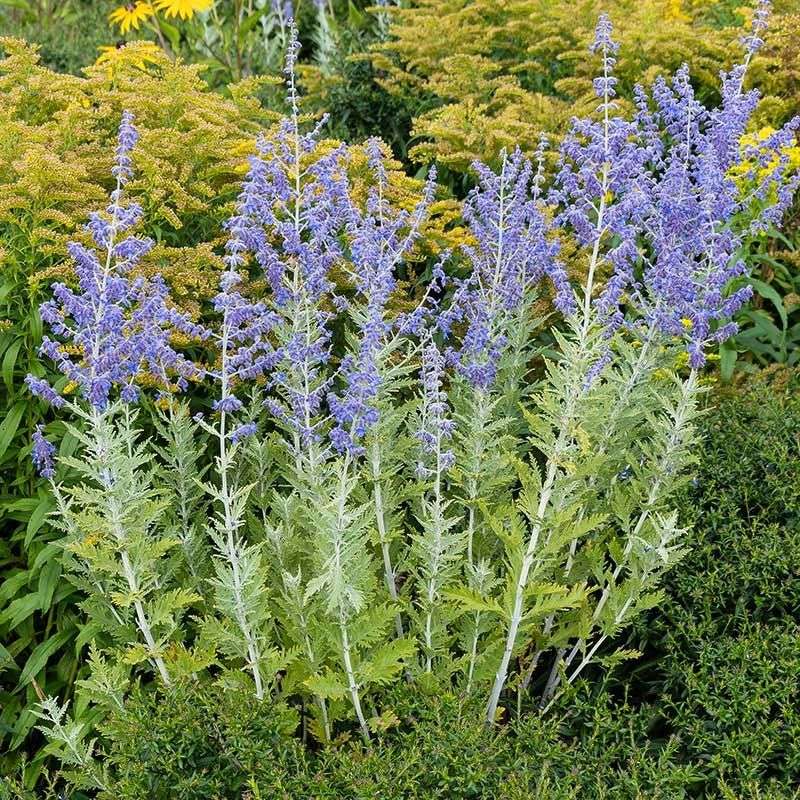
Russian Sage, or Perovskia, enchants with its silvery foliage and airy purple blooms. This drought-tolerant shrub thrives in poor soil, needing minimal water once established. Its robust nature makes it perfect for neglectful gardeners seeking low-maintenance beauty. Fun fact: Despite its name, Russian Sage isn’t native to Russia; it hails from Central Asia. Its upright, bushy form adds vertical interest to landscapes, creating a sense of movement with its swaying stems. Russian Sage is both resilient and visually captivating, enhancing any garden with its ethereal presence.
10. Yucca
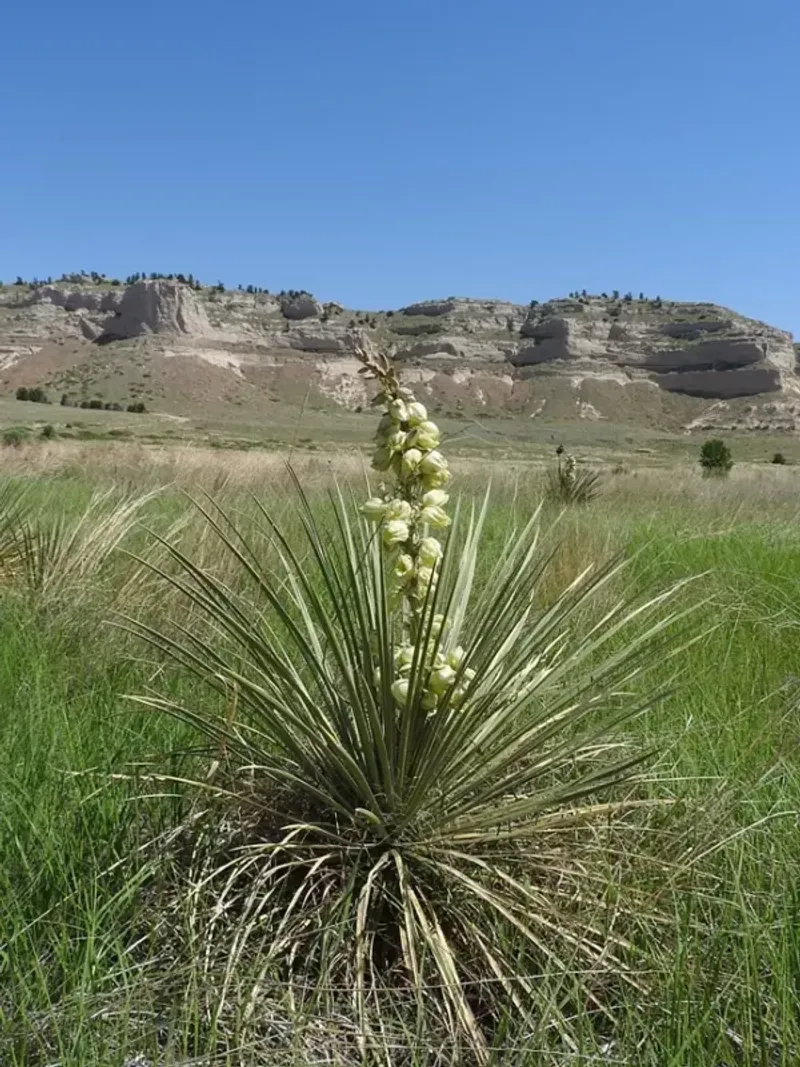
Yucca, with its sword-like leaves, brings a bold, dramatic flair to arid landscapes. This plant thrives in desert conditions, requiring minimal water and care. Its architectural form and tall flower stalks add striking vertical interest to gardens. An intriguing fact: Yucca plants have been used traditionally by Native Americans for food, rope, and even soap. Their adaptability and resilience make them a staple in xeriscaping. With its unique structure and toughness, Yucca is both a decorative and functional choice for water-wise gardeners.
11. Red Hot Poker (Kniphofia)
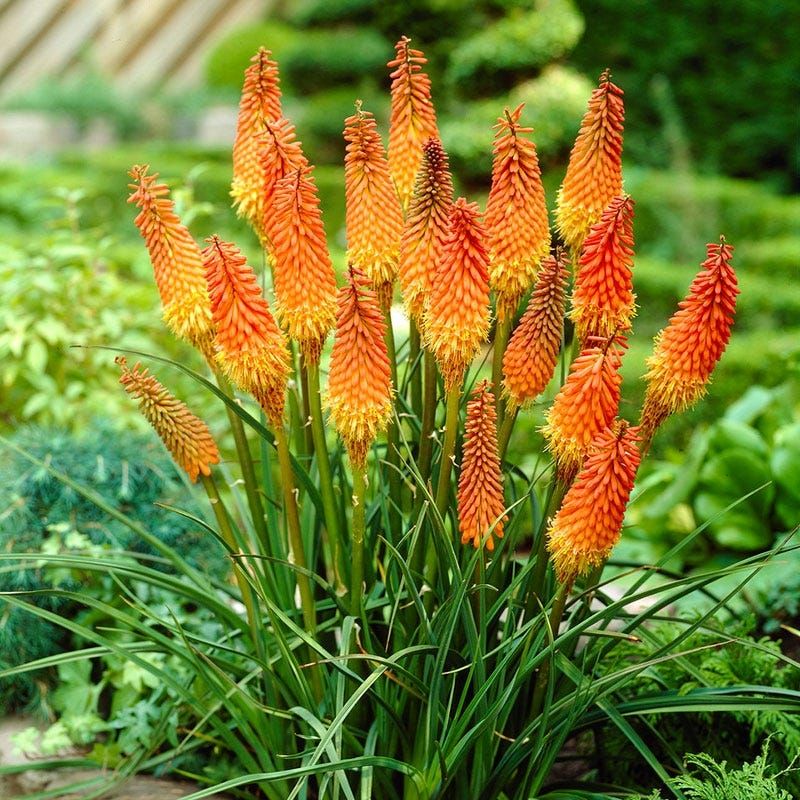
Red Hot Poker, or Kniphofia, captivates with its fiery spikes of red, orange, and yellow flowers. These drought-hardy perennials thrive in well-drained soil, offering vibrant color with minimal water. Their striking blooms resemble torches, adding a dynamic element to gardens. Did you know? Red Hot Pokers are native to Africa and are sometimes called “torch lilies.” Their bold appearance and resilience make them a standout choice for gardeners looking to add drama without the hassle of constant watering. Perfect for borders and focal points, they bring excitement to any landscape.
12. Artemisia (Wormwood)
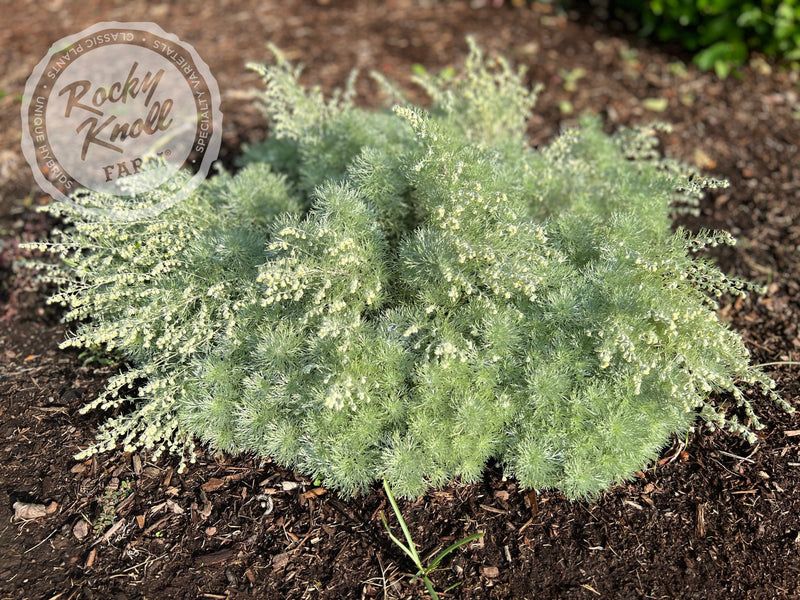
Artemisia, often known as Wormwood, is renowned for its aromatic, silver-gray foliage. This plant thrives in poor, well-draining soil, making it ideal for low-water gardens. Its feathery leaves add a soft texture and silvery sheen to landscapes, complementing vibrant blooms. Artemisia’s historical uses are fascinating; it’s been used as an herb for flavoring and in traditional medicine. The plant’s resilience and distinct appearance ensure it remains a favorite among gardeners seeking visual intrigue with minimal upkeep. Its ethereal beauty and practicality make it a versatile addition to dry gardens.
13. Bougainvillea
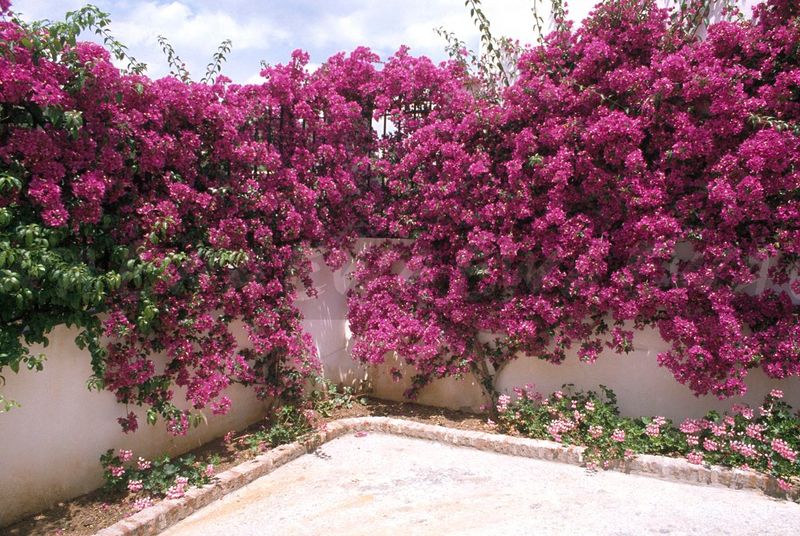
Bougainvillea dazzles with its vibrant, paper-like blooms in shades of pink, purple, and orange. This drought-tolerant vine thrives in hot, sunny conditions, adding a splash of color to any garden. Its sprawling nature makes it perfect for covering walls and trellises, creating a lush, Mediterranean feel. Interestingly, what appears to be flowers are actually colorful bracts surrounding the true, smaller flowers. Bougainvillea’s ability to thrive with minimal water and care makes it a popular choice for warm climates. Its exuberant colors and ease of growth make it a garden favorite.
14. Jerusalem Sage (Phlomis)
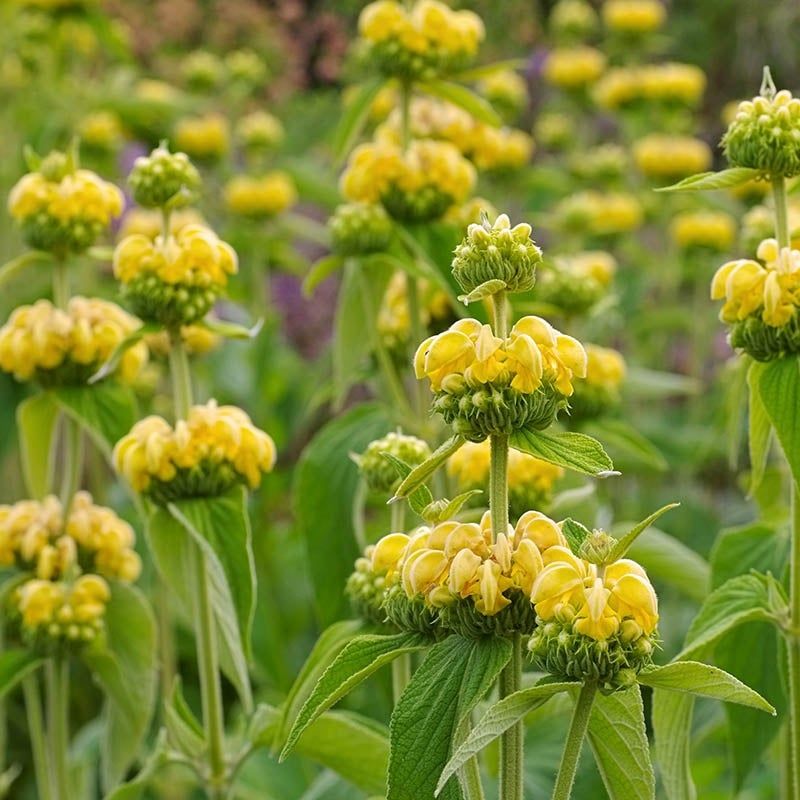
Jerusalem Sage, or Phlomis, boasts fuzzy, gray-green leaves and vibrant yellow blooms. This drought-tolerant shrub is a standout in dry gardens, thriving in poor soil and full sun. Its unique texture and bright flowers add visual interest, attracting pollinators like bees and butterflies. Did you know? Phlomis is named after a plant used in ancient wicks. Its resilience and striking appearance make it a cherished choice for gardeners looking to add depth and color with minimal effort. Jerusalem Sage’s bold presence ensures it remains a focal point in any landscape.
15. California Poppy
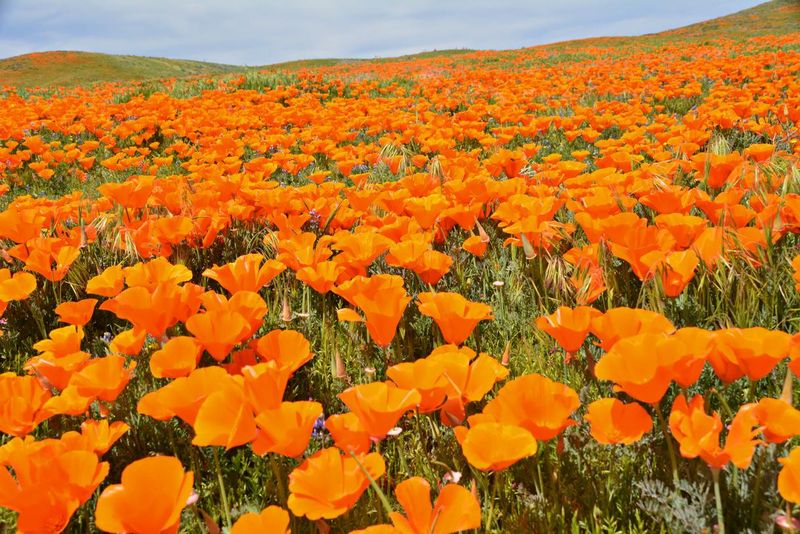
California Poppy, a symbol of the Golden State, is known for its vibrant, golden blooms that carpet fields and gardens. This self-seeding wildflower thrives in dry conditions, requiring little water to flourish. Its delicate flowers open in the sunlight and close at night, adding a magical touch to landscapes. Fun fact: California Poppies are the state flower of California and have been cherished for their beauty and resilience. Their ability to spread naturally makes them ideal for low-maintenance gardens. Their golden hue brightens any space, offering a cheerful presence.
16. Ice Plant (Delosperma)
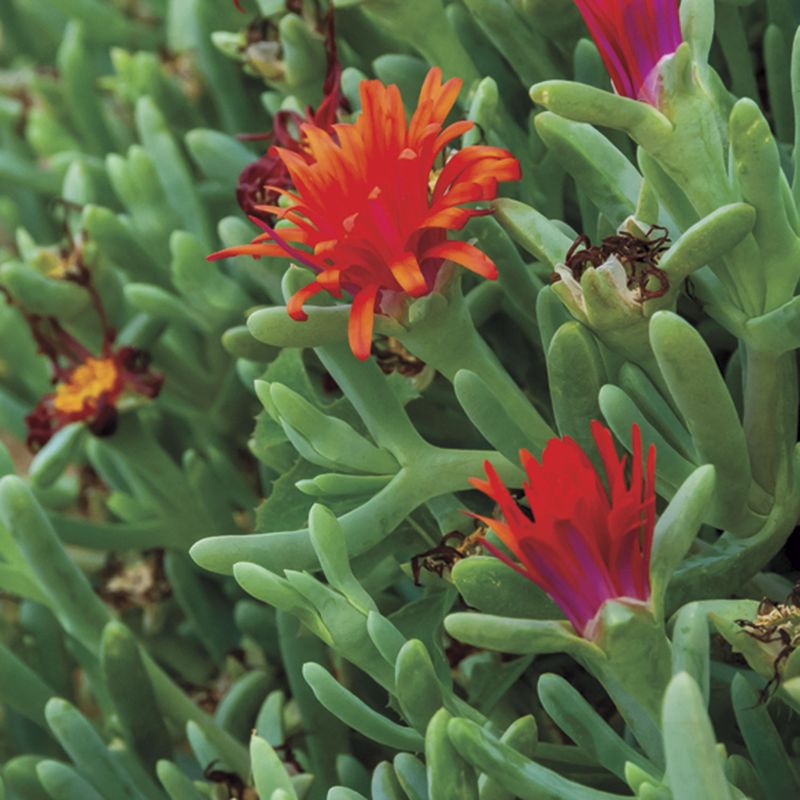
Ice Plant, or Delosperma, enchants with its succulent leaves and vibrant, daisy-like flowers. This ground cover thrives in well-draining soil, requiring minimal water once established. Its colorful blooms, ranging from pink to yellow, create a carpet-like effect, adding beauty to rocky gardens. An interesting tidbit: Ice Plants are named for the shimmering, ice-like appearance of their leaves under sunlight. Their ability to withstand heat and drought makes them a practical choice for gardeners seeking low-maintenance color. Ice Plant’s vivid display ensures it remains a standout feature in any landscape.
17. Verbena
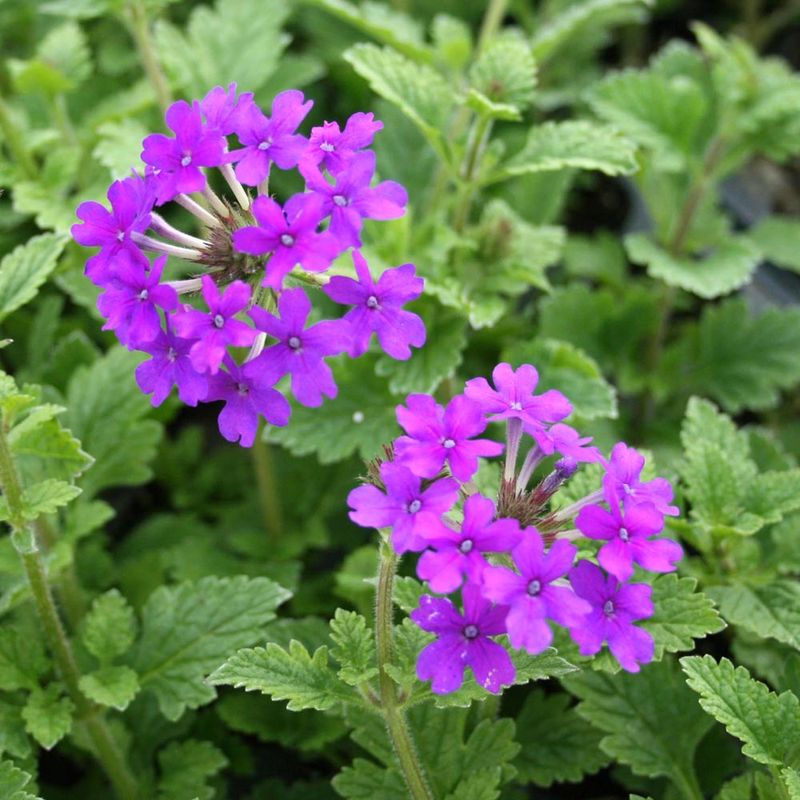
Verbena offers clusters of purple flowers that spread rapidly, making it an excellent choice for filling gaps in gardens. This drought-tolerant plant thrives in full sun, requiring minimal care once established. Its ability to attract pollinators like butterflies enhances its ecological value. Did you know? Verbena has been used in traditional medicine and as a love potion in folklore. Its cascading growth habit adds movement and softness to landscapes, creating a serene, meadow-like feel. Verbena’s vibrant blooms and adaptability ensure it remains a beloved addition to any garden.
18. Gazania
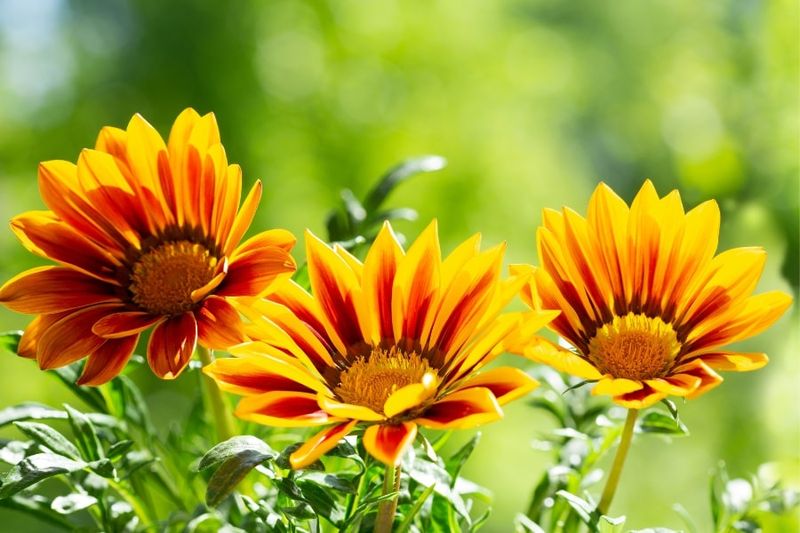
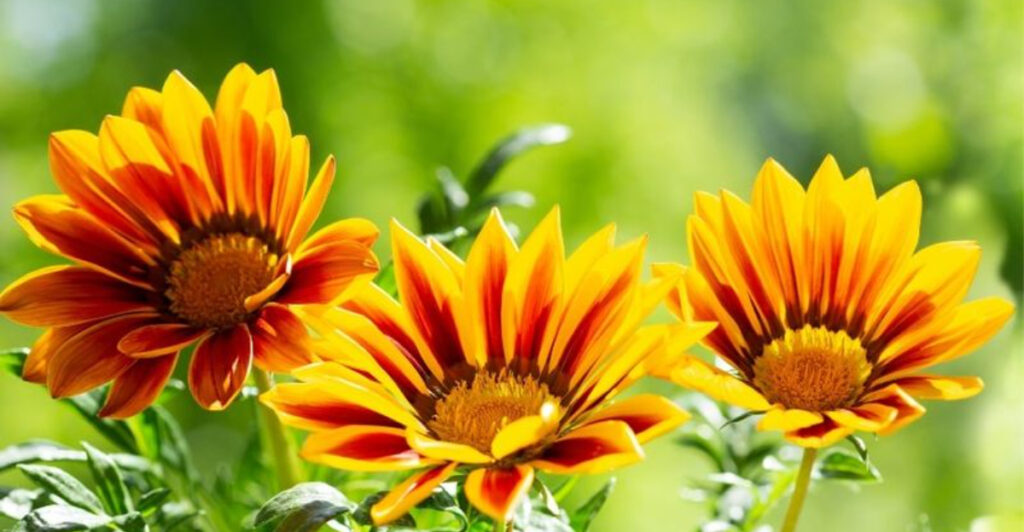
Gazania, with its dazzling petals of orange, yellow, and red, radiates warmth in any garden. These daisy-like flowers close at night, adding an intriguing dynamic to landscapes. Gazania thrives in full sun, requiring minimal water—a perfect choice for drought-prone areas. Fun fact: Gazanias are native to South Africa, where they flourish in sandy soils. Their vibrant colors and easy care make them ideal for gardeners seeking low-maintenance brilliance. Whether planted en masse or as accents, Gazanias bring a lively splash of color, ensuring gardens remain cheerful and inviting.
19. Thyme (Creeping Varieties)
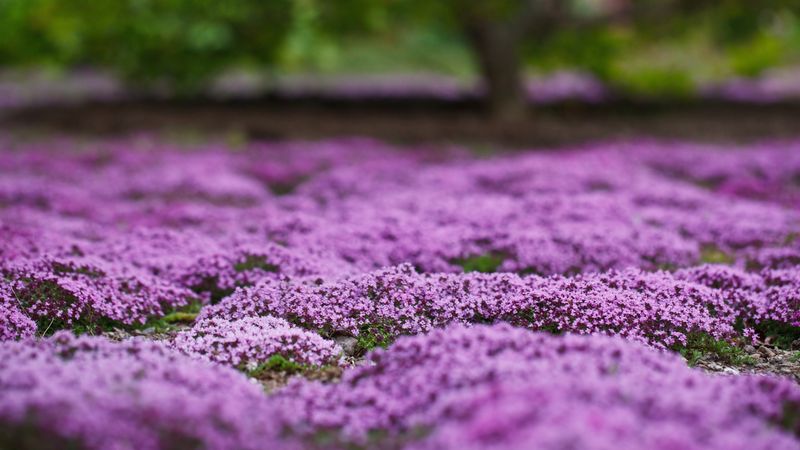
Creeping Thyme is a fragrant, edible ground cover that thrives in dry conditions. Its tiny, aromatic leaves and delicate pink flowers create a charming tapestry over stone pathways and borders. This hardy herb requires little water, making it perfect for drought-hit gardens. Did you know? Thyme has been used for centuries in cooking and medicine, symbolizing courage and bravery. Its low-growing habit and versatility make it a favorite among gardeners seeking both beauty and utility. Creeping Thyme’s resilience and charm ensure it remains a staple in water-wise landscapes.
20. Palo Verde
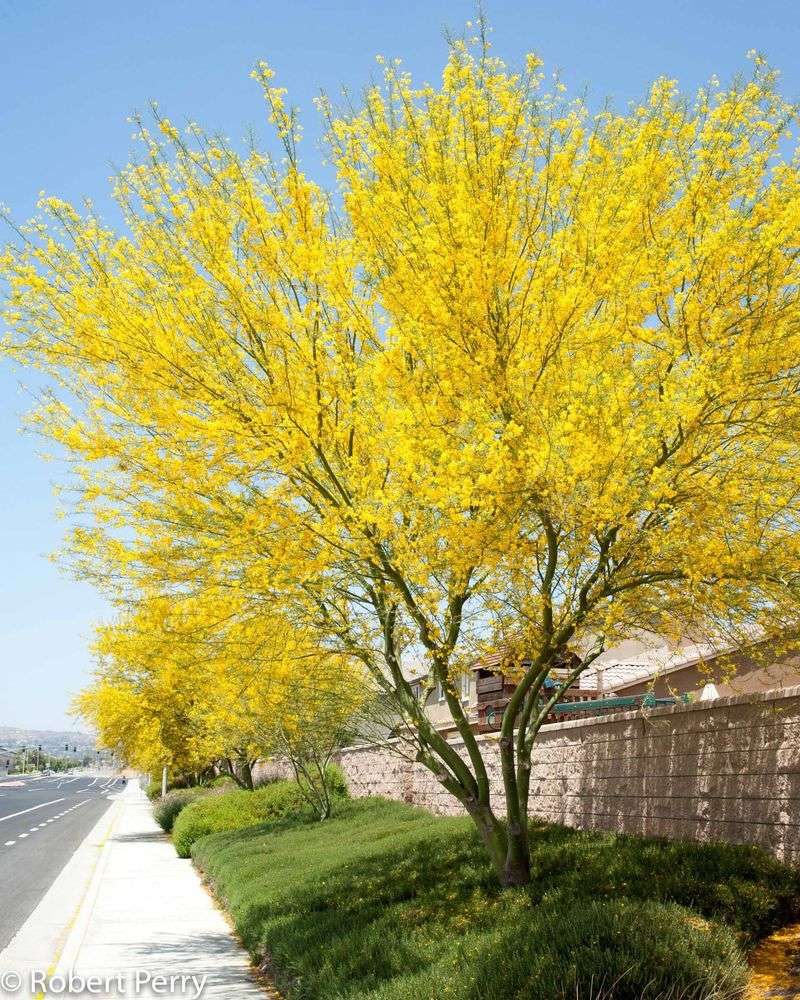
Palo Verde, known for its distinctive green bark, stands as a symbol of desert beauty and resilience. This tree thrives in arid environments, requiring minimal water while providing shade and structure. Its yellow flowers bloom in spring, adding a burst of color against the stark desert backdrop. An interesting fact: Palo Verde means “green stick” in Spanish, referring to its photosynthetic bark. This adaptation allows the tree to survive extreme droughts. Palo Verde’s striking appearance and adaptability make it a cherished choice for gardeners aiming to create sustainable, visually appealing landscapes.
21. Olive Tree
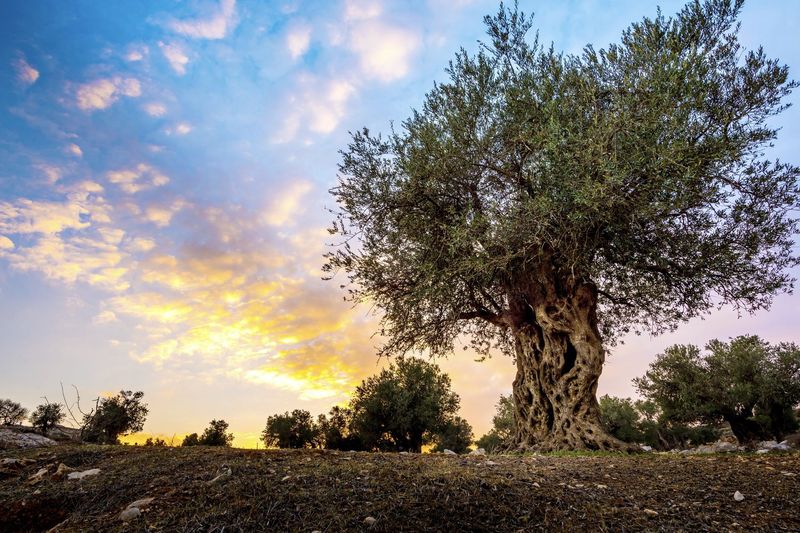
The Olive Tree, a classic symbol of peace and prosperity, thrives in Mediterranean climates with minimal water. Its gnarled trunk and silver-green leaves lend a timeless elegance to any garden. This hardy tree is well-suited to drought-prone areas, offering both beauty and shade. Did you know? Olive trees can live for centuries, with some specimens in Europe estimated to be over 1,000 years old. Their historical significance and resilience have made olives a staple in both culinary and ornamental landscapes. The Olive Tree’s enduring charm ensures it remains a beloved feature in gardens worldwide.
22. Juniper
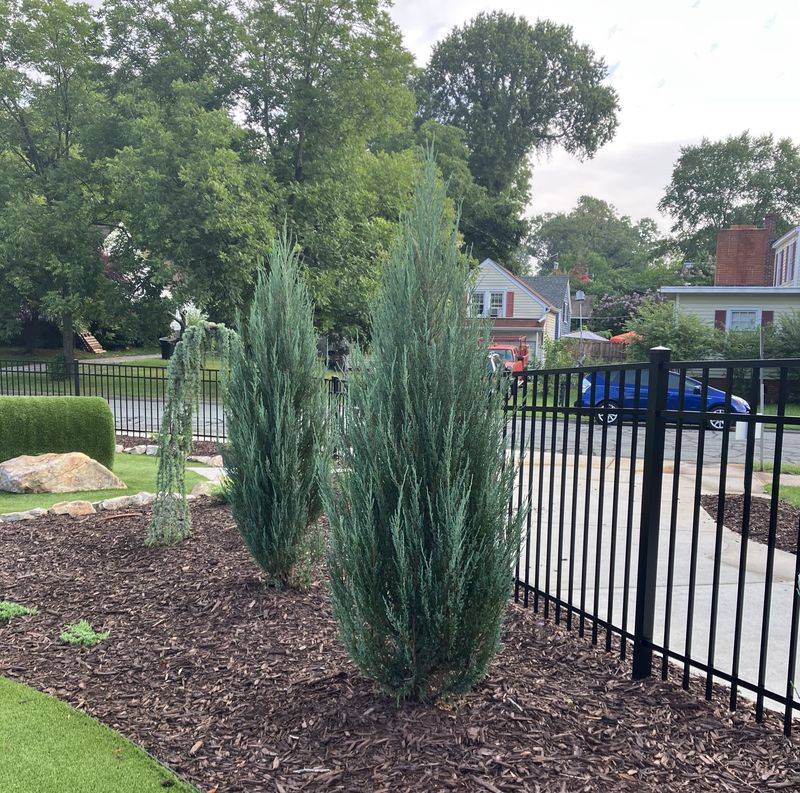
Juniper is a tough, evergreen shrub known for its dense, needle-like foliage and adaptability to dry conditions. This plant requires almost no water once established, making it ideal for drought-hit gardens. Its rugged beauty and versatility allow it to thrive in rocky, mountainous landscapes. An interesting tidbit: Junipers have been used historically for their berries, which are a key ingredient in gin. Their resilience and low-maintenance nature make them a favorite among gardeners seeking evergreen beauty with minimal effort. Juniper’s enduring greenery ensures it remains a landscape staple.