
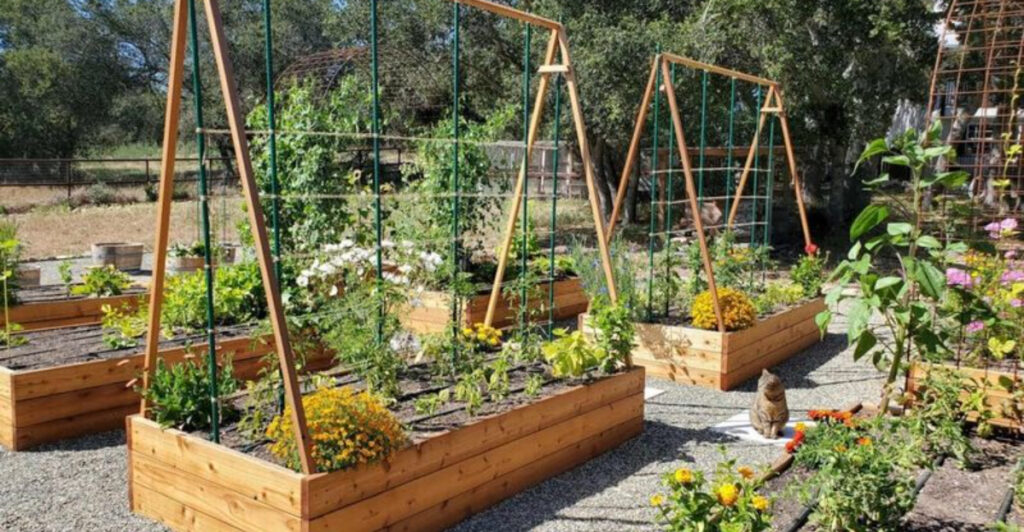
Growing your own vegetables can be rewarding, but it takes know-how to keep plants thriving.
Healthy vegetables mean better harvests and tastier meals for your family.
Whether you’re a beginner or have been gardening for years, these ten simple tips will help your vegetable garden flourish throughout the growing season.
1. Start With Quality Soil
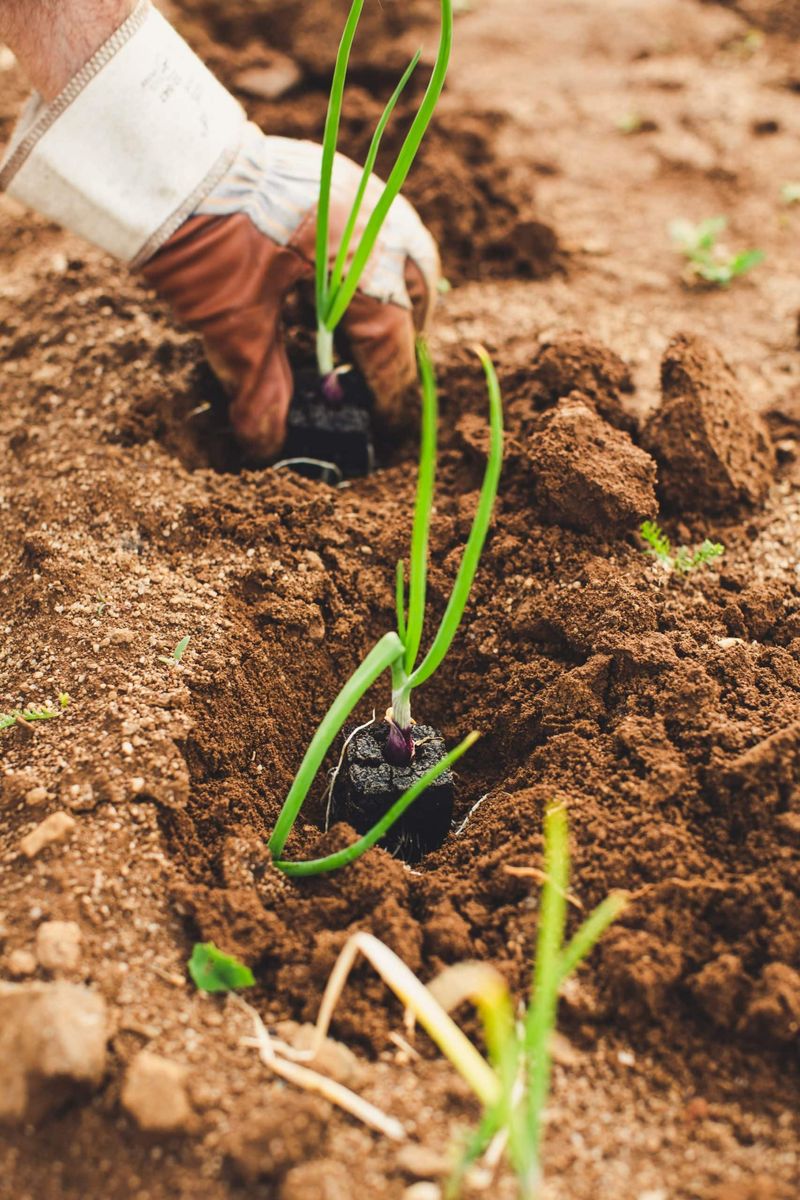
Rich, well-draining soil forms the foundation of a successful vegetable garden. Garden soil should feel crumbly and contain plenty of organic matter like compost or aged manure.
Test your soil pH every few years to make sure it’s in the 6.0-7.0 range where most vegetables thrive. Adding compost not only improves soil structure but also feeds beneficial microorganisms that help your plants grow strong.
2. Water Wisely, Not Wildly
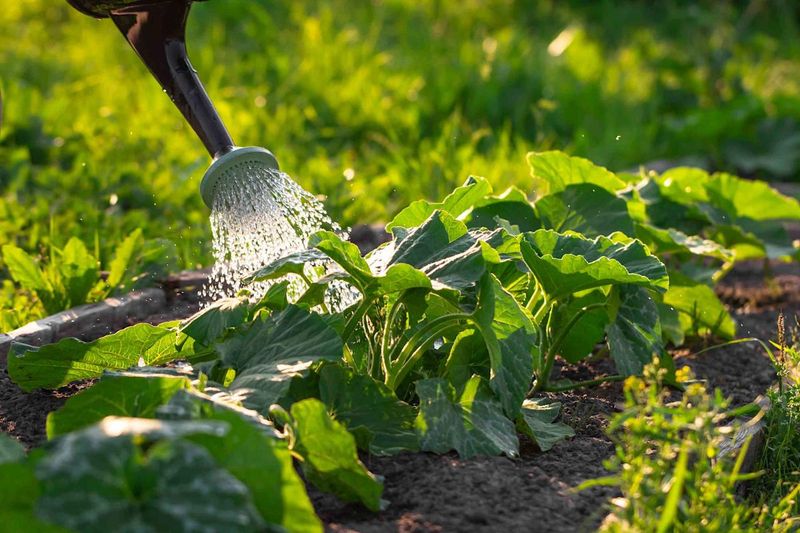
Many gardeners make the mistake of watering too frequently but not deeply enough. Vegetables generally need about 1-1.5 inches of water weekly, either from rainfall or irrigation.
Morning watering gives plants time to dry before evening, reducing disease risk. Focus water at the base of plants rather than spraying leaves, which can promote fungal problems. A layer of mulch helps retain moisture and reduces how often you need to water.
3. Feed Plants Appropriately
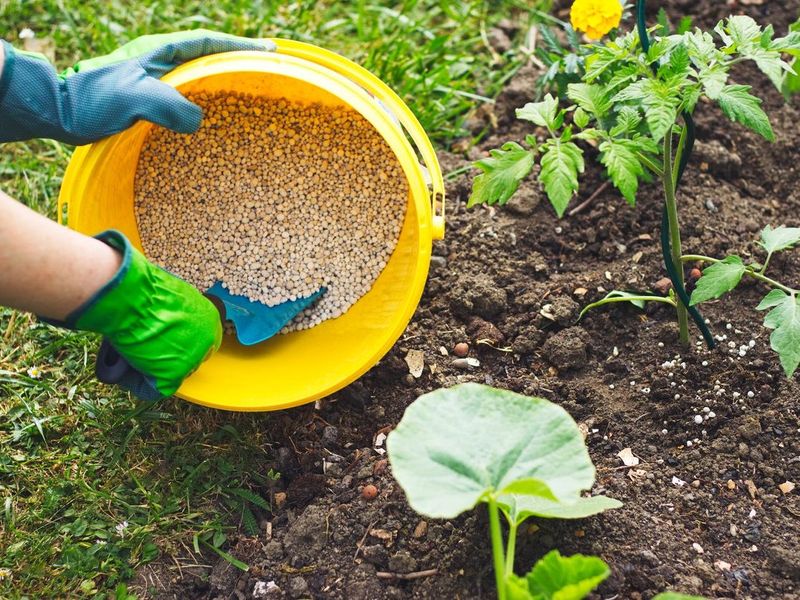
Hungry vegetables need regular feeding to produce well. Leafy greens like lettuce and spinach need nitrogen-rich fertilizers, while fruiting plants like tomatoes and peppers benefit from phosphorus-rich options as they develop.
Organic fertilizers release nutrients slowly, feeding plants over time. Watch for yellowing leaves (often a sign of nitrogen deficiency) or stunted growth (possibly a phosphorus issue). Remember that over-fertilizing can be as harmful as under-fertilizing, so follow package directions carefully.
4. Space Plants Properly
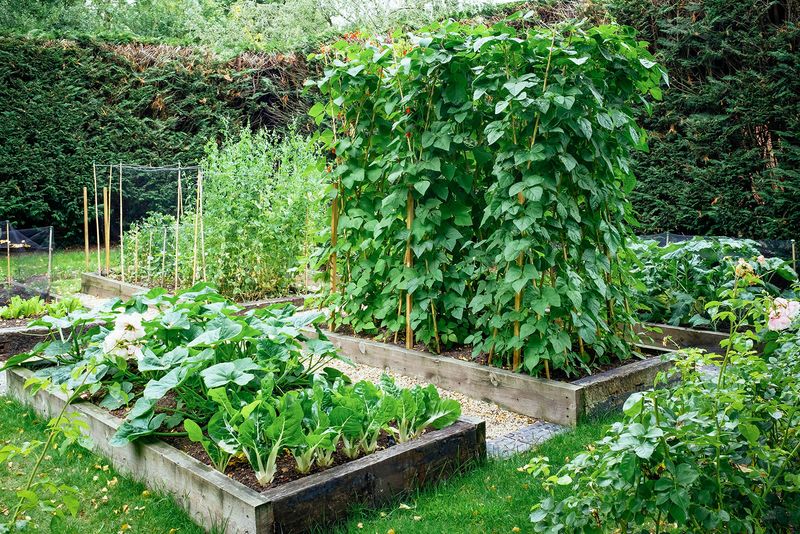
Cramming too many plants together invites trouble. Crowded vegetables compete for nutrients, water, and sunlight, leading to smaller harvests and increased disease problems.
Check seed packets or plant tags for spacing recommendations. Consider using square foot gardening techniques to maximize space efficiently. Good air circulation between plants helps leaves dry quickly after rain or watering, reducing fungal diseases that thrive in humid, crowded conditions.
5. Mulch Like A Pro
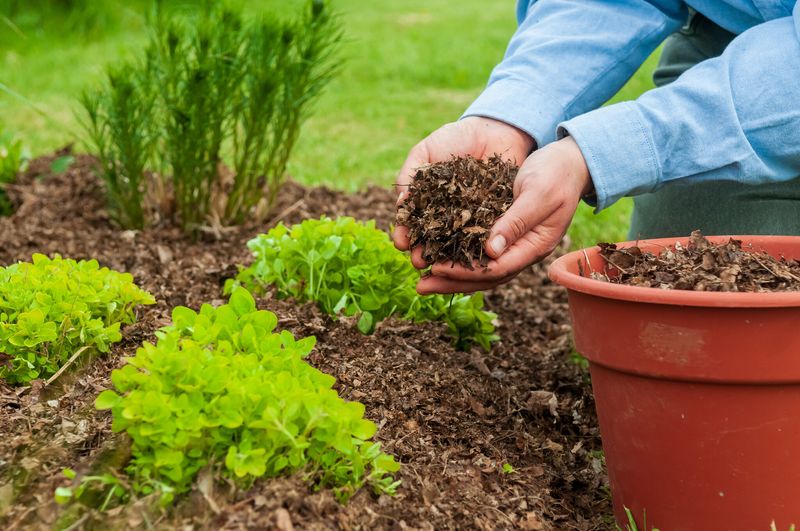
A 2-3 inch layer of mulch works wonders in vegetable gardens. Straw, shredded leaves, or chemical-free grass clippings keep soil temperatures stable and conserve moisture.
Mulch also suppresses weeds that would otherwise steal nutrients from your vegetables. As organic mulches break down, they add valuable nutrients to the soil. Keep mulch pulled back slightly from plant stems to prevent rot issues and discourage pests from hiding.
6. Rotate Crops Yearly
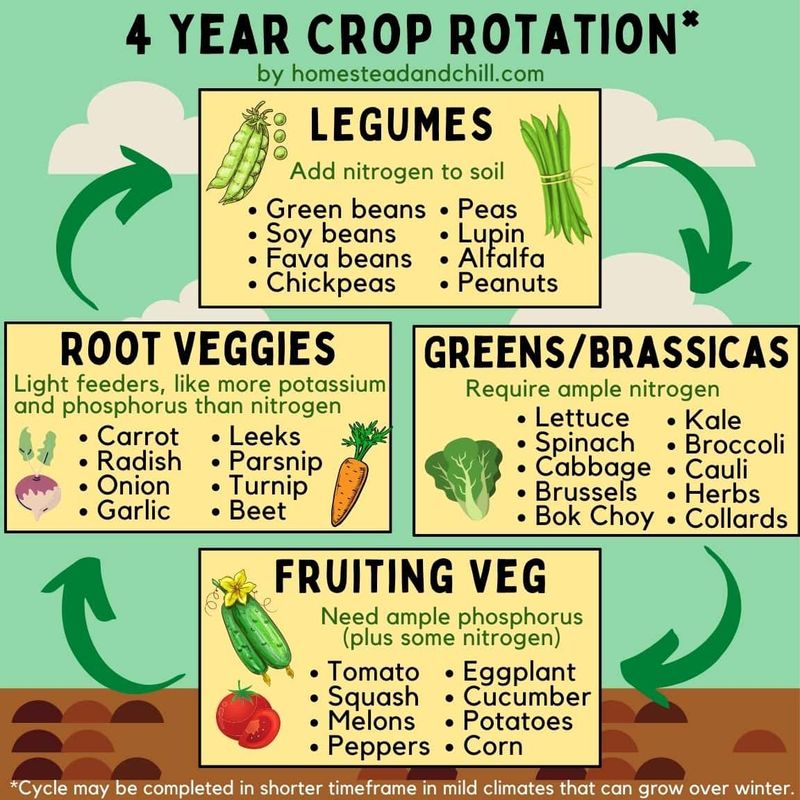
Planting the same vegetables in the same spot year after year invites trouble. Different plant families use different nutrients and attract specific pests and diseases that can build up in the soil.
Create a simple rotation plan dividing vegetables into families: nightshades (tomatoes, peppers), legumes (beans, peas), brassicas (cabbage, broccoli), and root crops. Move each family to a new bed each season. This practice disrupts pest cycles and helps maintain soil fertility naturally.
7. Monitor For Pests Early
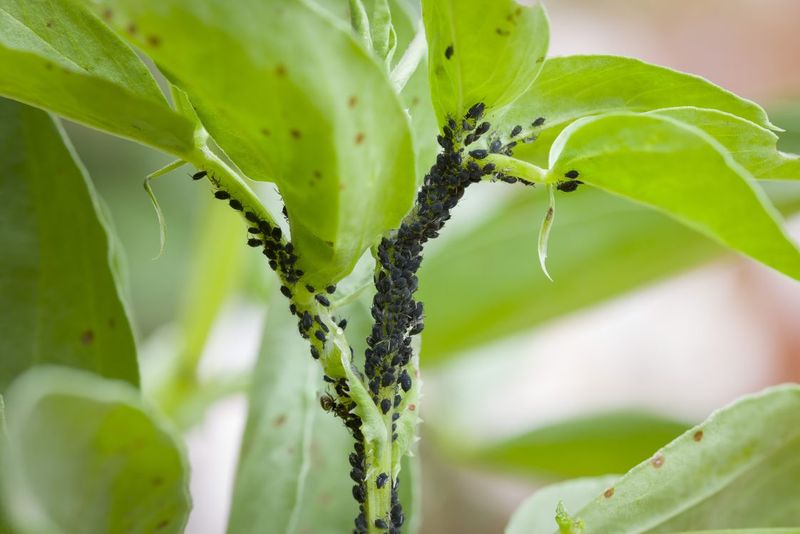
Catching pest problems early can save your harvest. Make a habit of checking the undersides of leaves where insects often hide and lay eggs. Look for chewed leaves, discoloration, or sticky residues that signal trouble.
Many garden pests can be managed with a strong spray of water or hand-picking. Beneficial insects like ladybugs and lacewings help control aphids and other pests naturally. Remember that a few insects won’t destroy your garden—intervention is only needed when populations grow large.
8. Support Climbing Vegetables
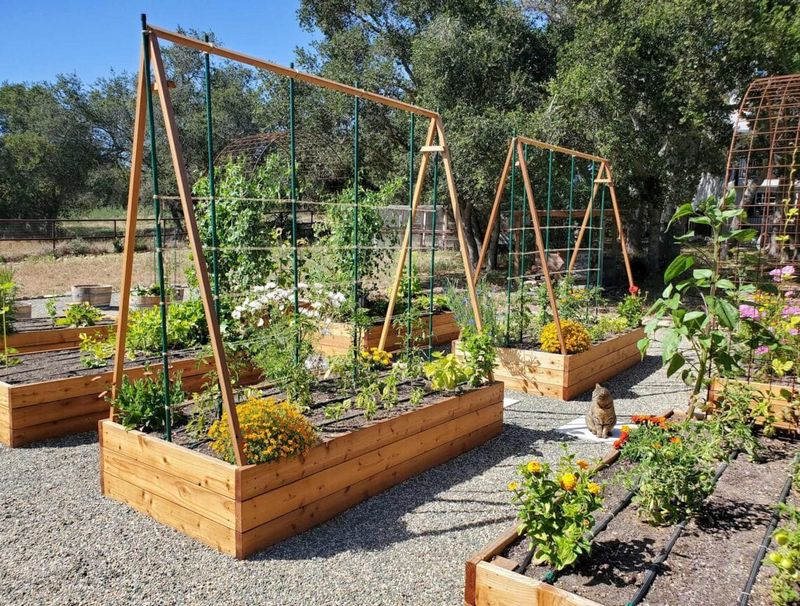
Vining vegetables like cucumbers, peas, and pole beans need sturdy support to grow properly. Trellises, cages, or stakes keep plants off the ground, improving air circulation and reducing disease problems.
Supported plants also save garden space and make harvesting easier. Install supports at planting time to avoid damaging roots later. For heavy producers like tomatoes, choose sturdy cages or stakes that won’t topple under the weight of a full harvest.
9. Harvest Regularly And Correctly
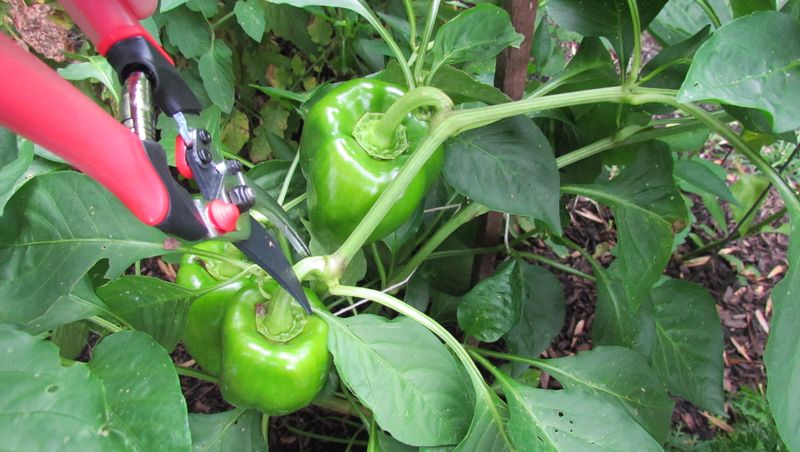
Regular harvesting encourages plants to produce more. Many vegetables, especially beans, peas, and zucchini, will stop producing if mature fruits are left on the plant.
Use sharp scissors or pruners rather than pulling, which can damage plants. Morning harvesting gives you the freshest produce when plants are hydrated. Some vegetables like tomatoes and peppers ripen off the vine, while others like corn and peas are best eaten immediately for peak flavor.
10. Keep Good Garden Records
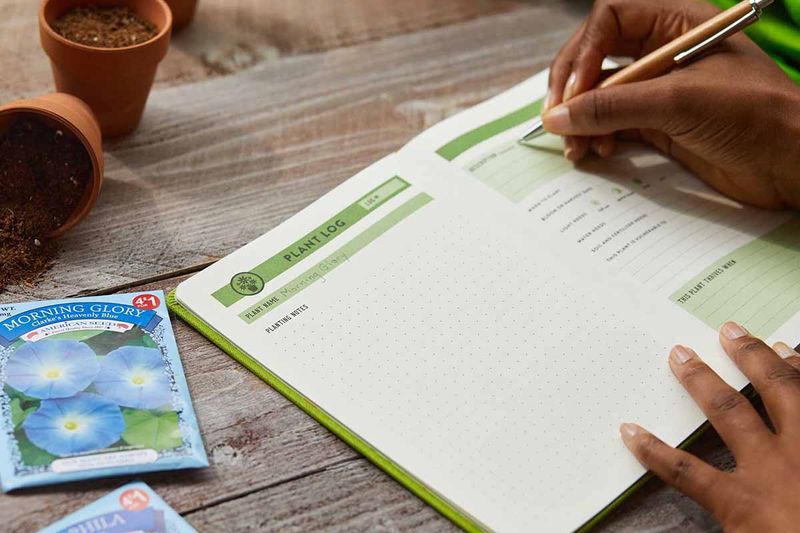
A simple garden journal helps you learn from each growing season. Record planting dates, varieties, weather patterns, and harvest results to improve your garden year after year.
Note which varieties performed well in your specific conditions. Track pest problems and successful solutions for future reference. Photos taken throughout the season provide visual documentation of growth patterns and problems. These records become invaluable as you plan next year’s vegetable garden.