 Complete Gardening

Garden flowers captivate with their array of colors, forms, and fragrances. They’re a delight for gardeners eager to see their efforts blossom into beauty. Understanding the timeline from seed to bloom can guide your gardening endeavors. Let’s explore 18 popular flowers and how long each takes to grace your garden with blooms.
1. Sunflower

Sunflowers, with their towering stalks and vibrant yellow blooms, are a sight to behold in any garden. These flowers typically take about 70 to 100 days to mature from seed to full bloom, depending on the variety and growing conditions. Their cheerful demeanor is matched by their practicality, as they are known for turning their heads towards the sun, a behavior known as heliotropism.
Did you know? Sunflowers were cultivated as early as 3000 B.C. by Native Americans, who used them for food, oil, and dye. Add some sunshine to your garden with these iconic blossoms!
2. Marigold
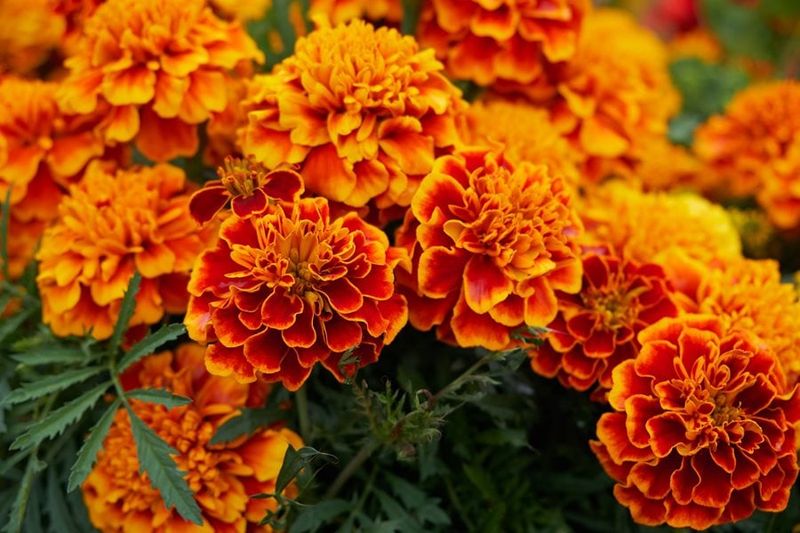
Marigolds are renowned for their bright, cheerful flowers and their ability to deter pests. These hardy blooms typically take around 45 to 50 days to bloom from seed. Their fiery colors range from sunny yellow to deep oranges and reds, adding a vibrant touch to any flower bed.
Historically, marigolds have been used in religious and cultural ceremonies around the world, symbolizing the sun and positive energy. Their easy-going nature makes them a favorite among gardeners, particularly for their ability to thrive in various soil conditions.
3. Petunia
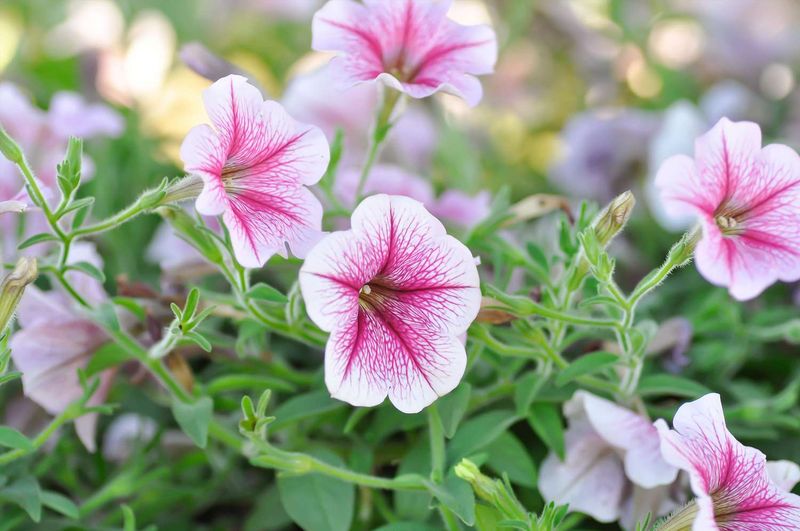
Petunias, with their cascading flowers and sweet fragrance, are a staple in gardens and hanging baskets. They typically require 10 to 12 weeks to bloom from seed. The flowers come in a dazzling range of colors and patterns, offering endless possibilities for creative gardeners.
Petunias are not just beautiful; they were once believed to chase away evil spirits and promote peace. Whether in a pot or a bed, these flowers bring a touch of charm and nostalgia to any space, inviting butterflies and hummingbirds alike.
4. Zinnia
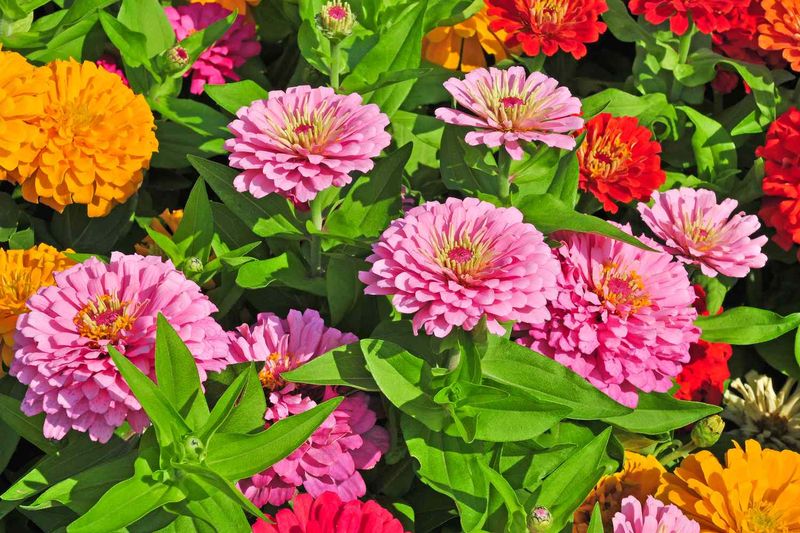
Zinnias are celebrated for their bold colors and ability to attract pollinators. From seed to bloom, they generally take about 60 to 70 days. Known for their resilience and ease of growth, zinnias are perfect for beginners looking to add a splash of color to their gardens.
These flowers hold a special place in history, as they were once used by the Aztecs for medicinal purposes. Today, they continue to be a favorite for their long-lasting blooms and ability to withstand heat, making them ideal for summer gardens.
5. Cosmos
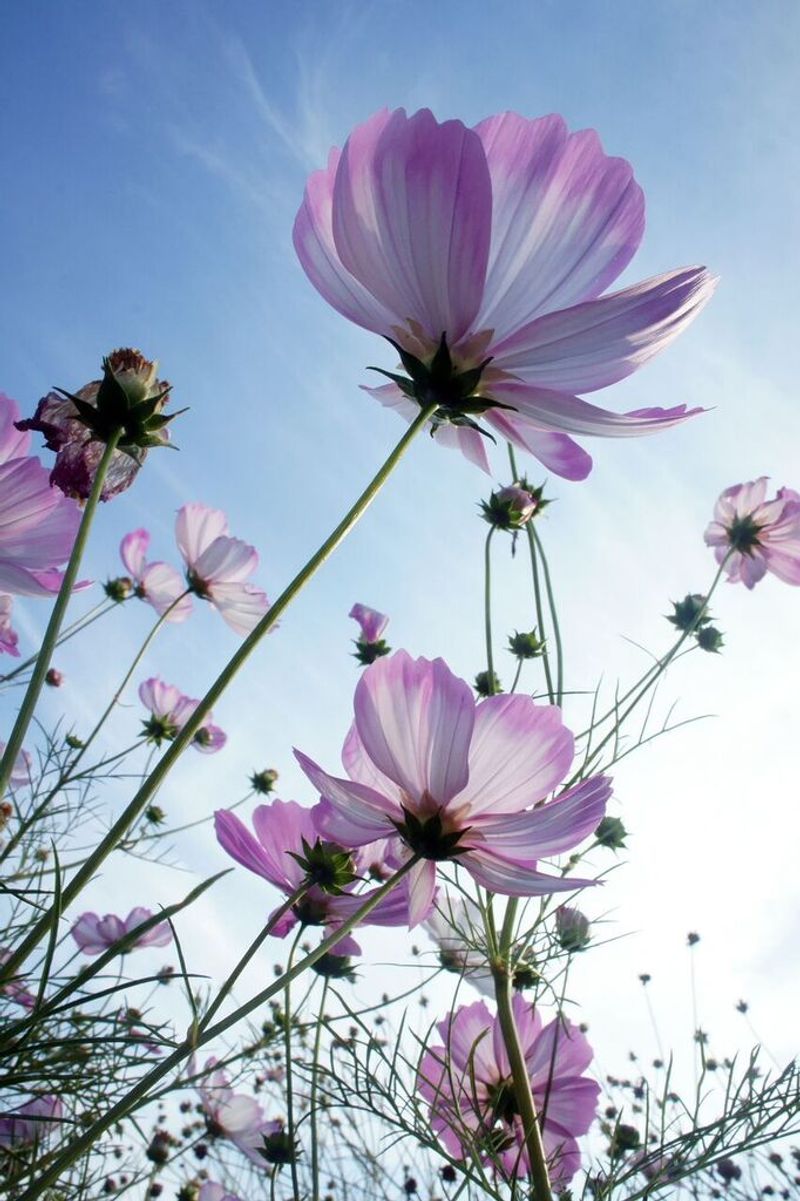
Cosmos, with their delicate, daisy-like flowers, bring a sense of whimsy to any garden. These blooms take approximately 70 to 84 days to develop from seed. Known for their ability to thrive in poor soil conditions, cosmos are an excellent choice for gardeners seeking low-maintenance beauty.
Fun fact: Cosmos flowers are named for the harmony and order of the universe, reflecting their symmetrical petals and pleasing appearance. Whether in a wildflower meadow or a formal garden, cosmos add a graceful touch.
6. Lavender
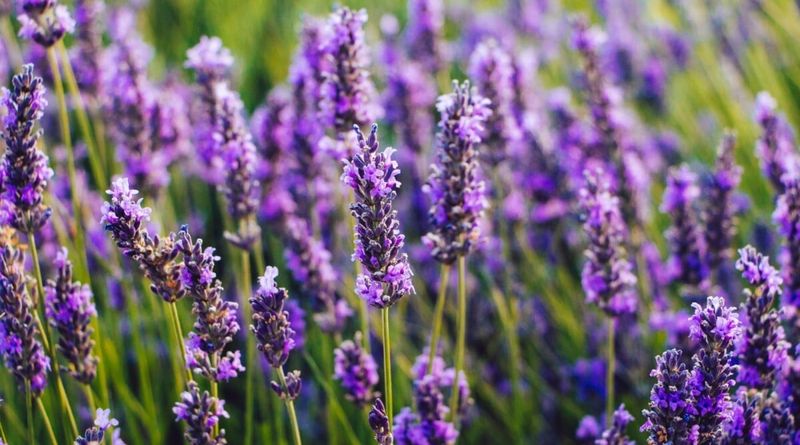
Lavender is beloved for its soothing fragrance and striking purple flowers. It generally takes about 90 to 200 days to bloom from seed, requiring patience but rewarding gardeners with its calming presence. Lavender’s versatility extends beyond the garden, as it is commonly used in aromatherapy and culinary dishes.
The plant’s history is rich, with ancient Egyptians using it in their embalming process. Today, its scent is synonymous with relaxation and peace. Planting lavender not only beautifies your garden but also invites tranquility into your life.
7. Pansy
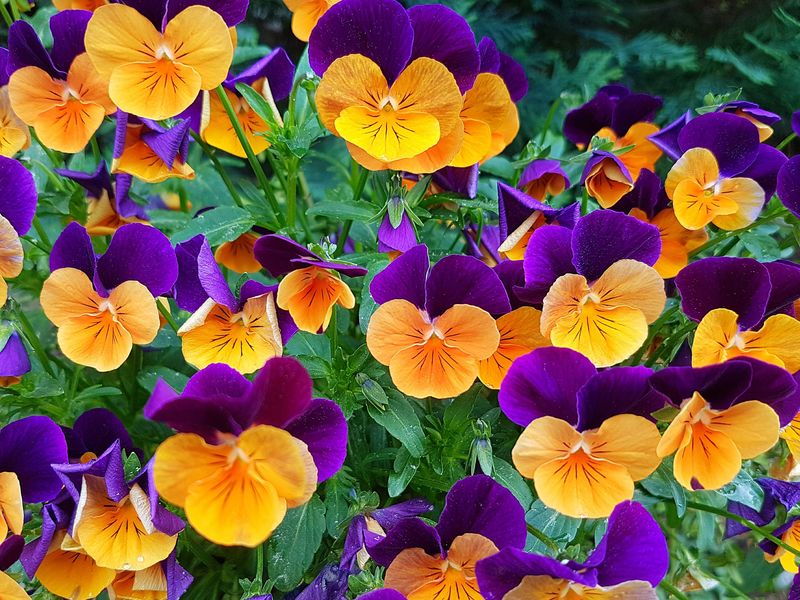
Pansies, with their charming “faces,” are a favorite among gardeners for their ability to bloom in cooler weather. The journey from seed to bloom typically takes 70 to 85 days. Pansies are available in a variety of colors, often featuring intricate patterns that captivate the eye.
Historically, pansies have symbolized remembrance and thoughtfulness, often used in Victorian floral arrangements. Their resilience and beauty make them a popular choice for planting in early spring or fall, providing color when many other flowers have faded.
8. Daisy
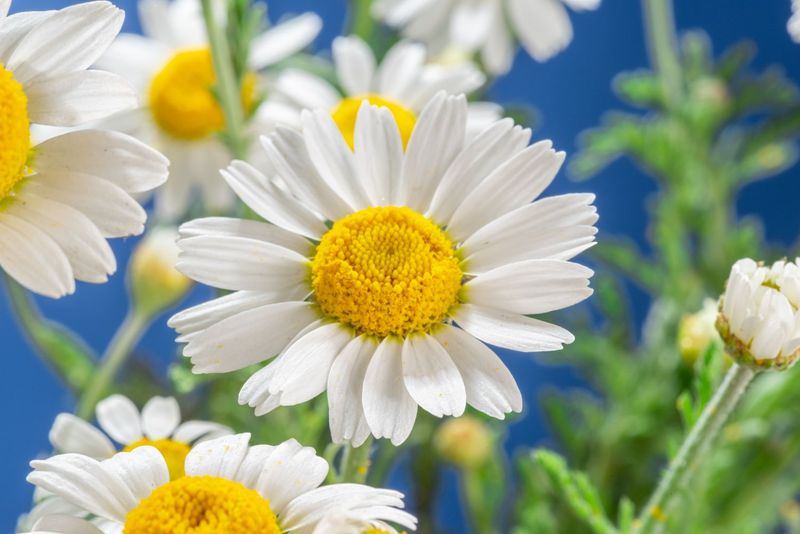
Daisies are iconic in their simplicity and charm, often symbolizing purity and innocence. From seed to bloom, daisies typically take 120 to 150 days. Known for their resilience and ability to thrive in various conditions, they are a beloved staple in gardens around the world.
The daisy’s name is derived from the Old English “daes eage,” meaning “day’s eye,” due to the way the flower opens at dawn. These flowers bring a sense of nostalgia and joy, reminding us of childhood days spent in nature’s embrace.
9. Snapdragon
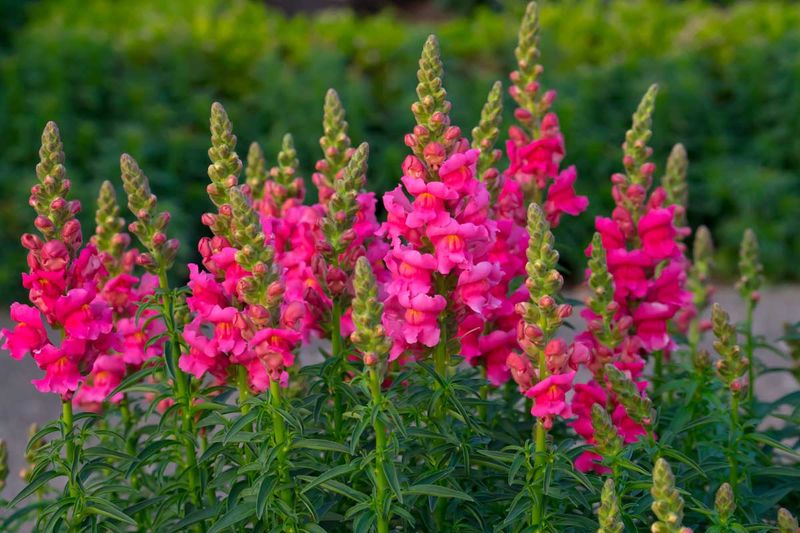
Snapdragons, with their dragon-shaped blooms, are playful additions to any garden. Typically, they take around 75 to 85 days to bloom from seed. These flowers are available in a wide range of colors, from soft pastels to vibrant reds and pinks, offering plenty of options for creative expression.
Snapdragons have been associated with graciousness and strength, often used to convey messages of resilience. Their unique shape and charm make them a favorite among children and adults alike, sparking imagination and joy.
10. Tulip
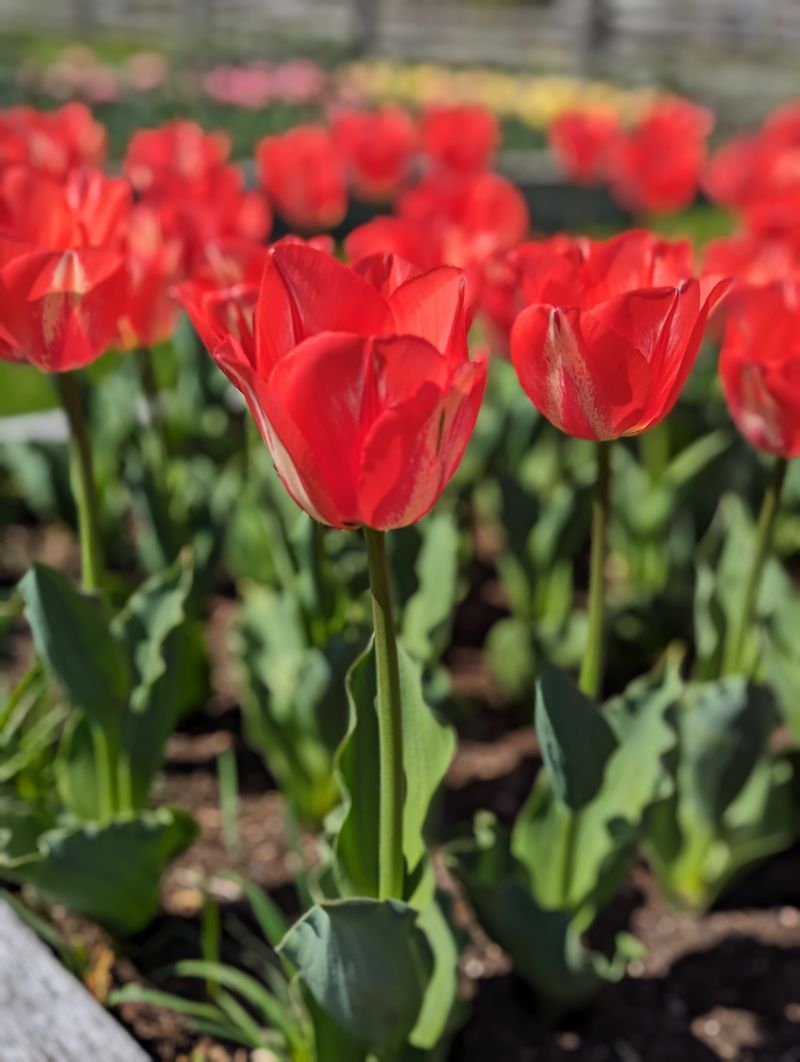
Tulips, with their elegant cup-shaped blooms, are a symbol of spring throughout the world. From seed to bloom, tulips generally take several months, often planted as bulbs in the fall to bloom in spring. Their variety of colors and shapes allows for stunning displays in gardens.
Originally cultivated in the Ottoman Empire, tulips have a rich history and were once so valuable that they sparked “Tulip Mania” in the 17th century Netherlands. These flowers continue to capture hearts with their timeless beauty and elegance.
11. Daffodil
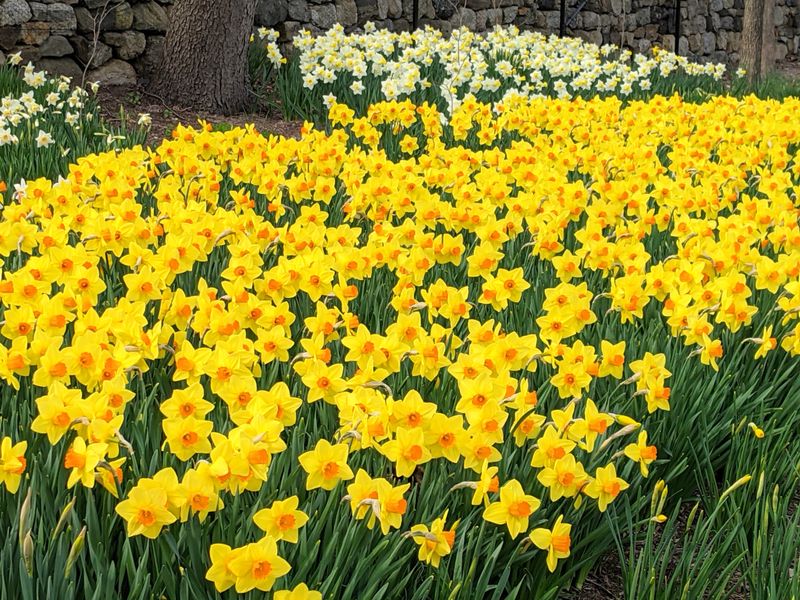
Daffodils, with their sunny yellow blooms, herald the arrival of spring. They typically require 12 to 15 weeks from seed to bloom, often planted as bulbs in the fall. Daffodils are renowned for their cheerful appearance and ability to naturalize, spreading joy each year.
These flowers have a storied past, often symbolizing new beginnings and rebirth. Their easy-going nature and vibrant color make them a favorite for gardeners looking to brighten their landscapes after winter’s gray.
12. Lily
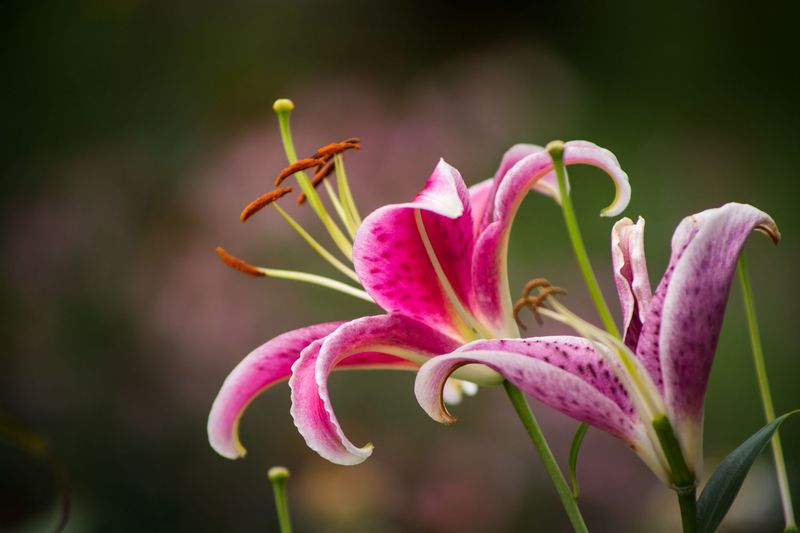
Lilies are the epitome of elegance and grace, with their large, fragrant blooms that captivate any who encounter them. From seed to bloom, lilies typically take anywhere from 2 to 3 years, making them a true testament to a gardener’s patience and dedication.
These flowers have been celebrated throughout history, often associated with purity and refined beauty. Their stately presence in a garden adds an air of sophistication and charm, welcoming visitors with their enchanting fragrance and striking appearance.
13. Peony
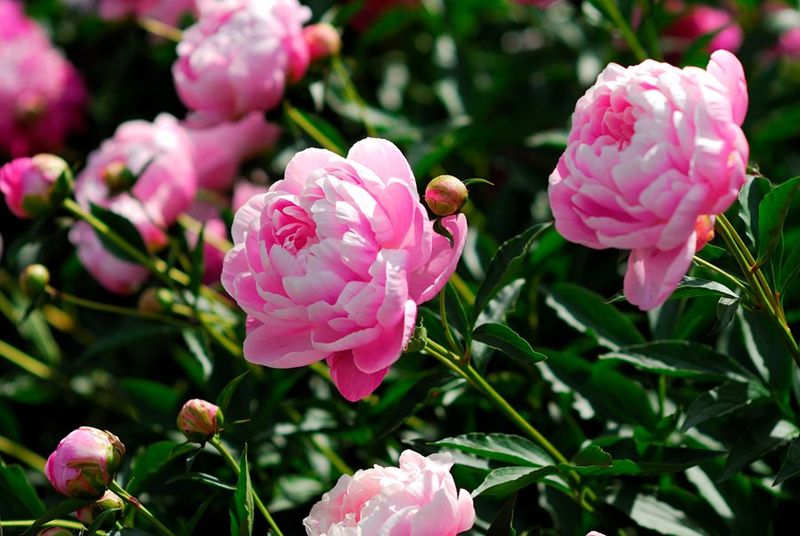
Peonies, with their lush, full blooms and fragrant scent, are beloved by gardeners around the world. From seed to full bloom, peonies can take several years, often 3 to 5, to reach their potential. Their opulent appearance and delightful fragrance make them a focal point in any garden.
These flowers have a rich history and cultural significance, often symbolizing romance and prosperity. Whether used in a bridal bouquet or as a garden centerpiece, peonies offer timeless beauty and elegance that captivate the senses.
14. Iris

Irises, with their regal blooms and striking colors, bring a touch of majesty to any garden. Typically, they take 2 to 3 years from seed to bloom, rewarding gardeners with their architecturally stunning flowers. Irises come in a dazzling array of colors, from deep purples to bright yellows.
Named after the Greek goddess of the rainbow, these flowers are often associated with hope and valor. Their unique beauty and historical significance make them a cherished addition to gardens worldwide, captivating all who encounter their splendor.
15. Hyacinth
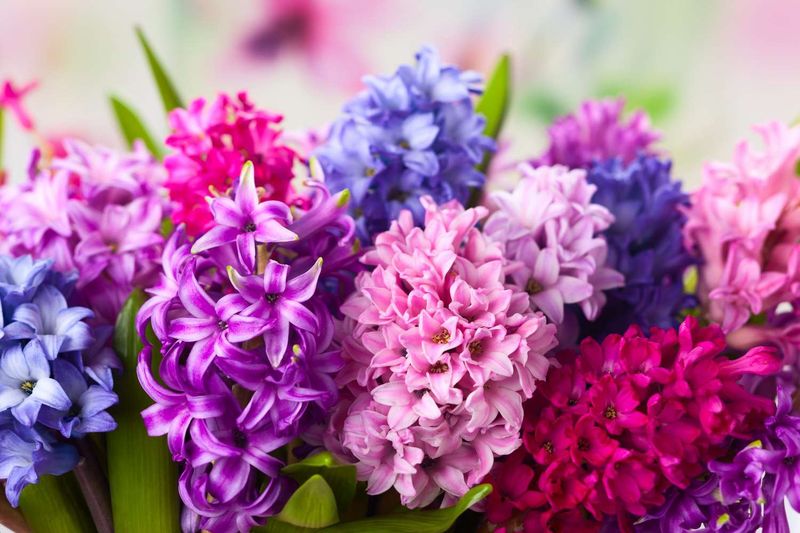
Hyacinths are known for their intensely fragrant blooms and vibrant colors. From seed to bloom, they generally take about 3 to 4 years, often grown from bulbs. These flowers are a highlight of the spring garden, with their dense spikes of small, bell-shaped flowers.
Hyacinths have a rich history, often associated with rebirth and the coming of spring. The name “hyacinth” is derived from a tragic figure in Greek mythology, adding to the flower’s mystique and allure. Their scent and beauty make them a cherished addition to any garden.
16. Black-eyed Susan
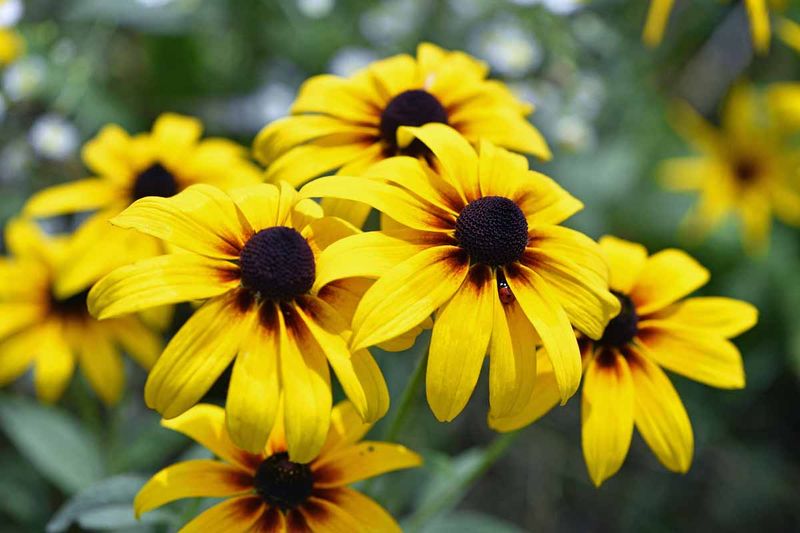
Black-eyed Susans, with their sunny yellow petals and dark centers, are a beloved wildflower in many gardens. They typically take around 90 to 120 days to bloom from seed. These resilient flowers thrive in various conditions, bringing a burst of color to summer gardens.
Named after a character in an old English poem, black-eyed Susans symbolize justice and encouragement. Their ability to attract butterflies and other pollinators makes them a valuable addition to any garden focused on biodiversity and natural beauty.
17. Sweet Pea
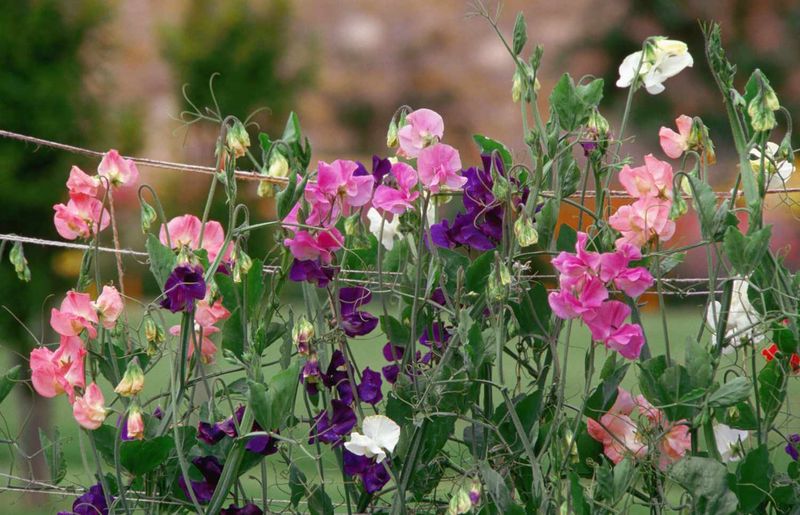
Sweet peas are cherished for their delicate, fragrant blooms and climbing habit. From seed to bloom, they typically take about 50 to 60 days. These flowers are available in a range of pastel colors, adding a soft touch to any garden.
Historically, sweet peas have been associated with blissful pleasure and are often gifted as a token of friendship. Their enchanting fragrance and charming appearance make them ideal for cutting gardens, where they can be enjoyed both outdoors and indoors.
18. Morning Glory
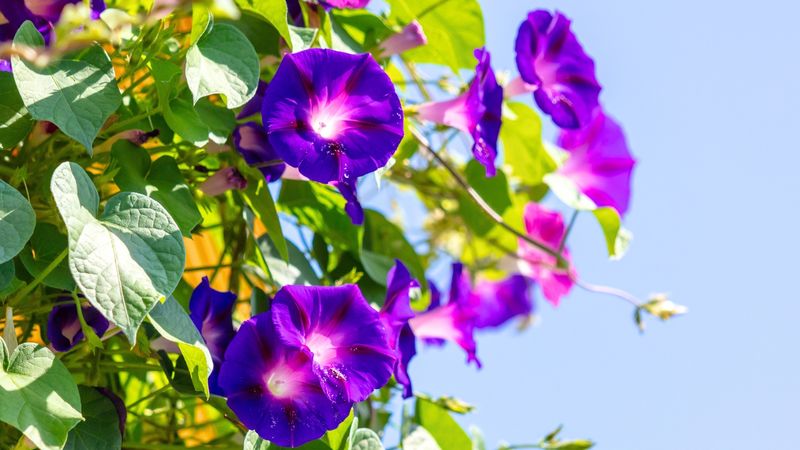
Morning glories, with their trumpet-shaped blooms, are a delightful addition to any fence or trellis. These fast-growing vines typically take about 120 days to bloom from seed, often unfurling their flowers in the early morning light.
Known for their rapid growth and heavenly blue flowers, morning glories symbolize love and affection. Their ability to climb and cover structures makes them a popular choice for gardeners looking to add vertical interest and a touch of romance to their outdoor spaces.