
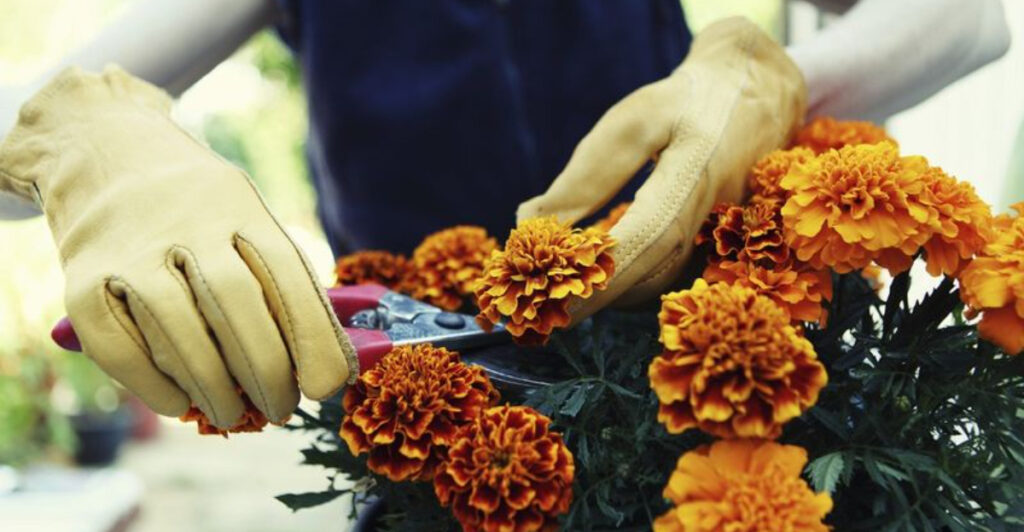
Deadheading flowers is a simple gardening technique that can yield spectacular results. By removing spent blooms, you encourage plants to focus their energy on producing more beautiful blossoms. This practice not only enhances the appearance of your garden but also extends the blooming season. In this article, we’ll explore 15 flowers that benefit immensely from deadheading, ensuring vibrant and continuous blooms throughout the growing season.
1. Petunias (Petunia)
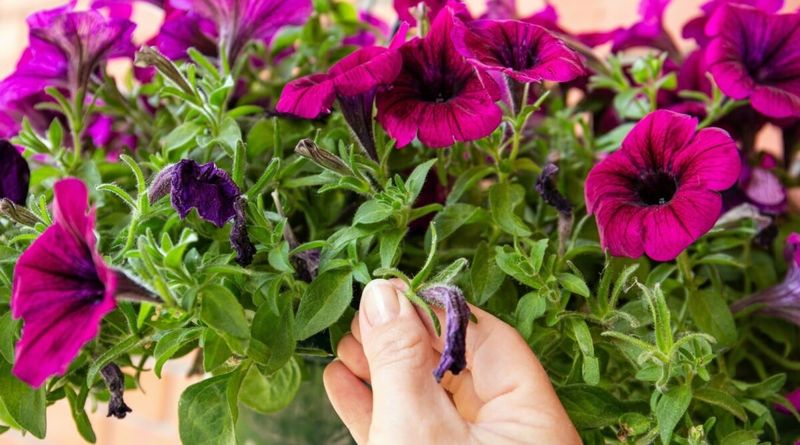
Petunias are the quintessential summer flower, offering a vivid display of colors that can brighten any garden. However, to keep petunias looking their best, regular deadheading is essential. By removing wilted blooms, you prevent seed formation and encourage continuous flowering.
This not only helps the plant maintain its vibrant appearance but also extends its blooming period. Petunias are beloved for their versatility and ability to thrive in various conditions, from hanging baskets to garden beds.
These flowers exude a charm that captures the essence of summer, making them a must-have for any floral enthusiast.
2. Geraniums (Pelargonium)
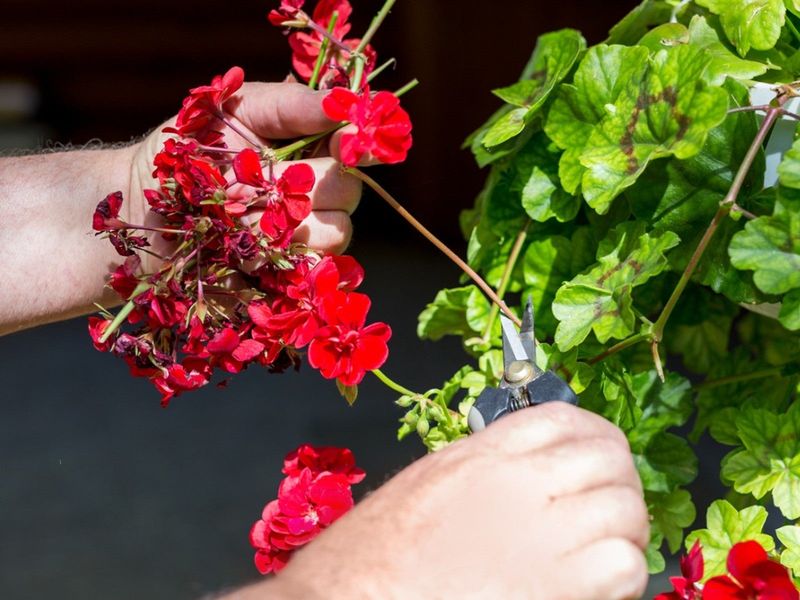
Geraniums are a gardener’s delight, offering robust growth and vibrant blooms. To keep them in check and prevent leggy growth, regular deadheading is crucial. Cutting off spent flowers not only tidies up the plant but also encourages a fresh burst of blooms.
These flowers, with their distinctive scent and variety of colors, bring an old-world charm to gardens. Geraniums are resilient, thriving in various conditions and making them a popular choice for both novice and expert gardeners.
Their adaptability and continuous flowering make geraniums a timeless favorite in floral displays.
3. Roses (Rosa)
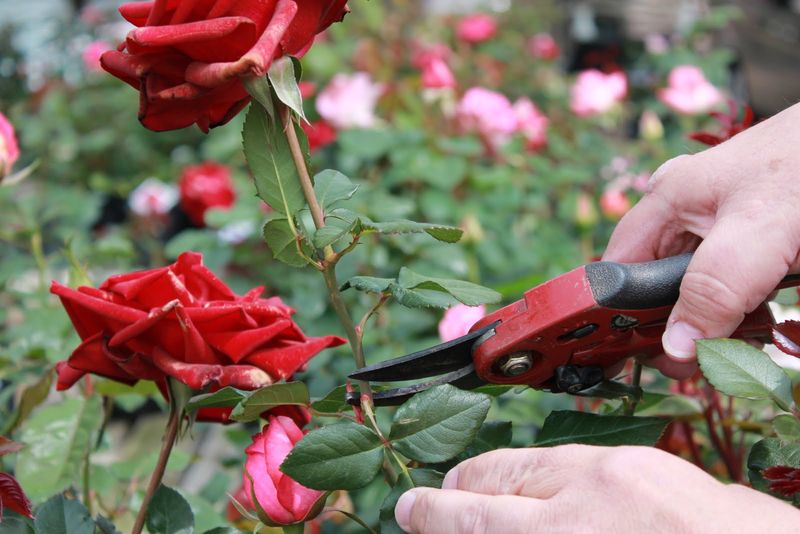
Roses, with their timeless elegance, are a staple in gardens worldwide. To enjoy a prolonged display of blooms, deadheading is key. By cutting back spent flowers just above a five-leaflet leaf, you encourage new growth and reblooming.
This technique is especially beneficial for hybrid teas and floribundas, which respond well to regular pruning. Roses not only add beauty to gardens but also offer a delightful fragrance that captivates the senses.
Whether in a formal garden or a quaint cottage setting, roses remain a symbol of grace and beauty, requiring just a touch of care to flourish.
4. Marigolds (Tagetes)
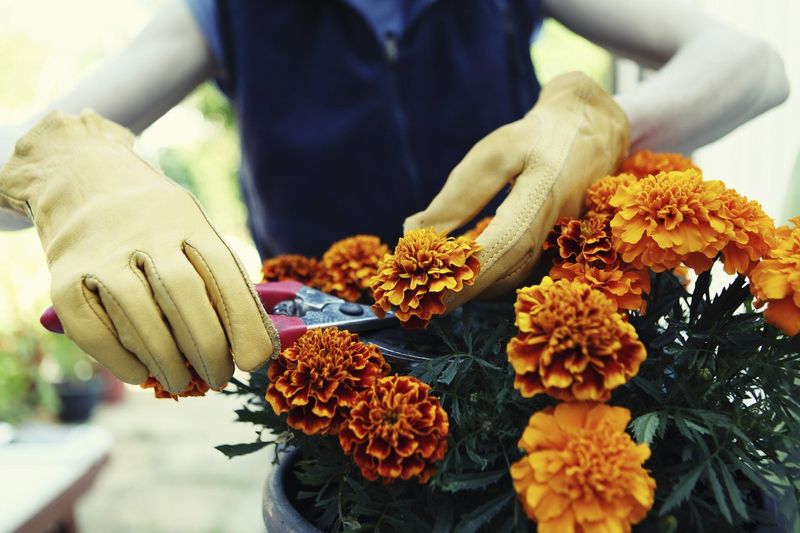
Have you ever marveled at a garden bursting with marigolds? These hardy flowers thrive when deadheaded. By pinching off faded blooms, you prevent seed formation, allowing the plant to redirect its energy into creating more blossoms. This simple act keeps your garden lively and colorful.
Marigolds are known for their pest-repelling properties, making them a gardener’s favorite. With their vivid hues and resilience, these flowers are both practical and beautiful. Some gardeners even believe that marigolds bring good luck.
Whether you’re a seasoned horticulturist or a beginner, these flowers are easy to maintain with regular care.
5. Zinnias (Zinnia elegans)
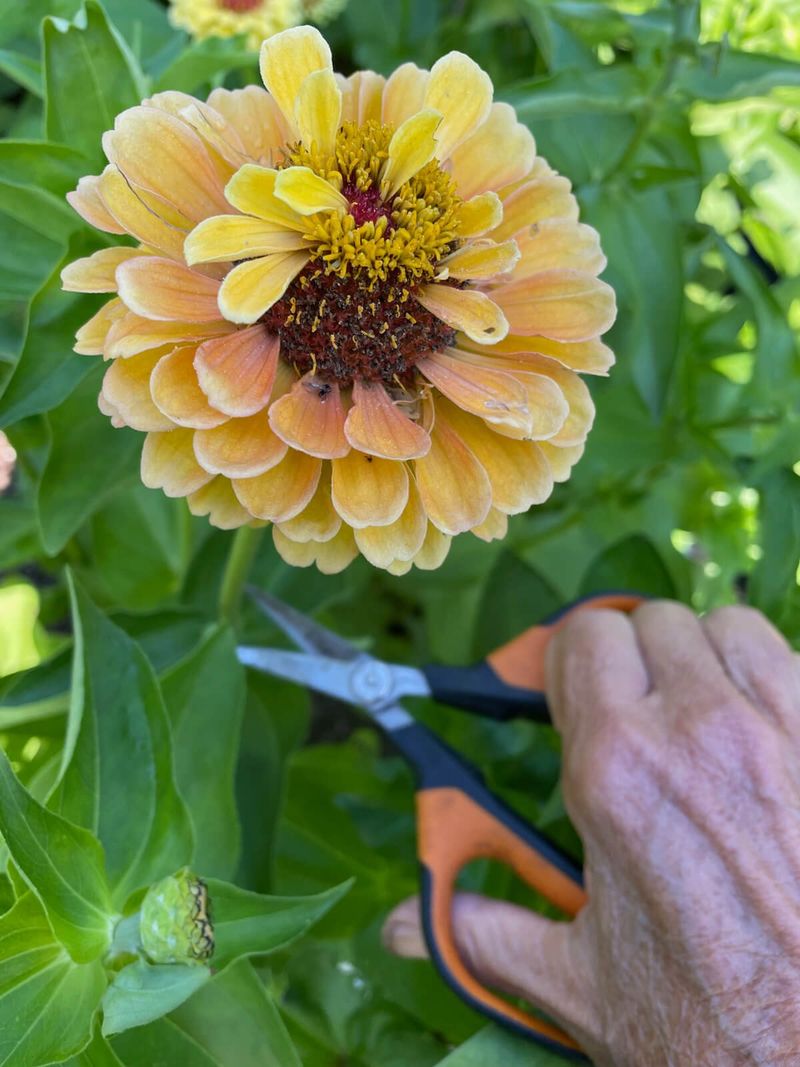
Zinnias are vibrant, cheerful flowers that adorn many summer gardens with their rainbow of colors. To keep zinnias flourishing, it’s vital to deadhead them regularly. Snipping off dead flowers stimulates new growth and helps prevent issues like powdery mildew.
These flowers are beloved for their ability to attract butterflies, making them a delightful addition to any garden. Their long-lasting blooms and ease of care make zinnias a favorite for gardeners looking to add a splash of color.
With minimal effort, these flowers can transform a simple garden into a vibrant masterpiece.
6. Dahlias (Dahlia)
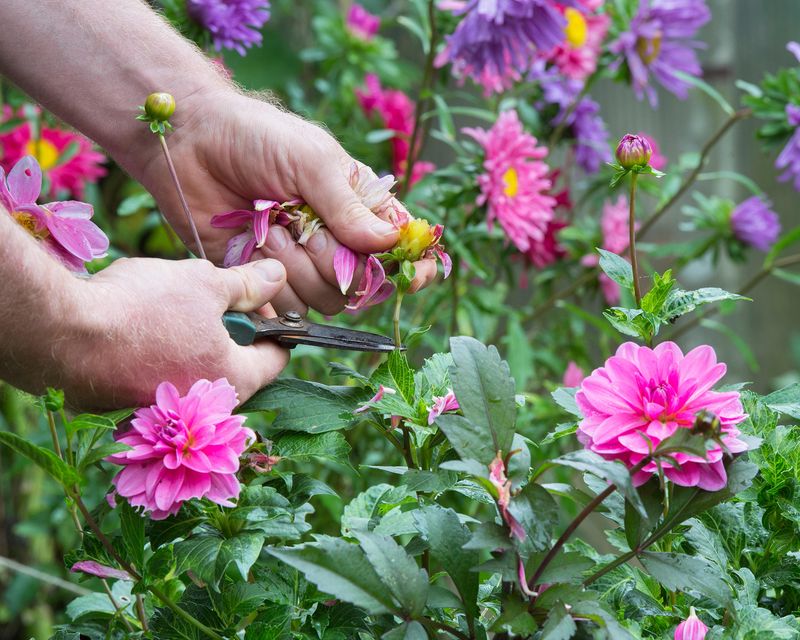
Dahlias are the divas of the flower world, known for their show-stopping blooms and variety of colors. To keep these flowers performing at their best, deadheading is essential. By removing spent blooms, you direct the plant’s energy towards larger and healthier flowers.
Dahlias are cherished for their stunning display, which ranges from simple single blooms to intricate pompom shapes. Their long flowering season makes them a garden favorite, providing constant beauty.
With proper care and regular deadheading, dahlias can transform any garden into a floral paradise, captivating all who pass by.
7. Cosmos (Cosmos bipinnatus)
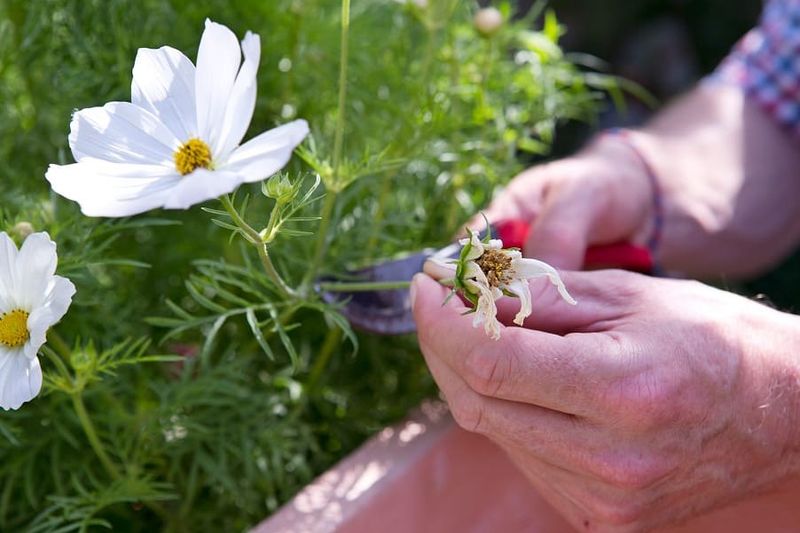
Cosmos are the epitome of carefree beauty, with their delicate flowers and feathery foliage. To extend their blooming season into fall, regular deadheading is recommended. By trimming faded flowers, you encourage new buds to form and keep the garden lively.
These flowers are easy to grow and maintain, making them a favorite for gardeners of all skill levels. Cosmos attract pollinators, adding life to gardens.
With their charming appearance and prolonged flowering, cosmos bring a touch of elegance and whimsy to any outdoor space.
8. Salvia (Salvia spp.)
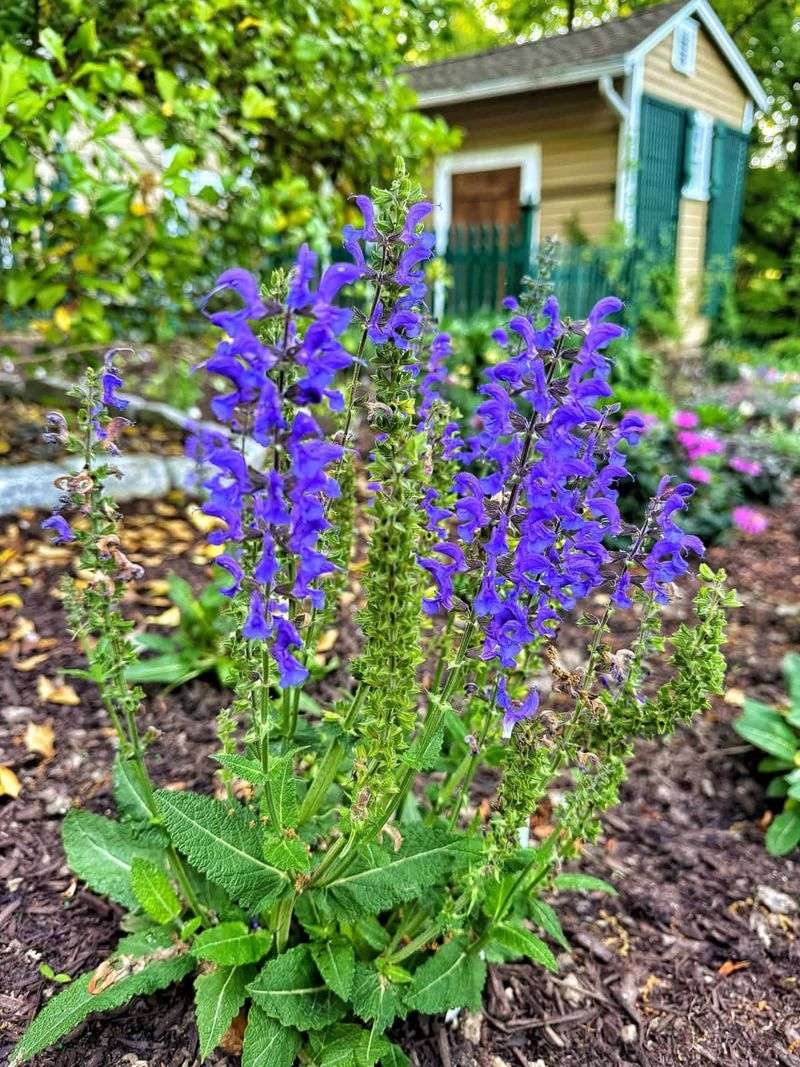
Salvias are beloved for their tall spikes of vibrant flowers and aromatic foliage. To ensure a second flush of blooms, it’s important to cut back spent flower spikes. This practice not only enhances the plant’s appearance but also encourages continued flowering.
Salvias are known for attracting pollinators like bees and butterflies, making them a valuable addition to any garden. Their drought-resistant nature makes them ideal for various climates.
With their striking colors and ease of care, salvias provide a bold statement in gardens, offering beauty and utility.
9. Snapdragons (Antirrhinum majus)
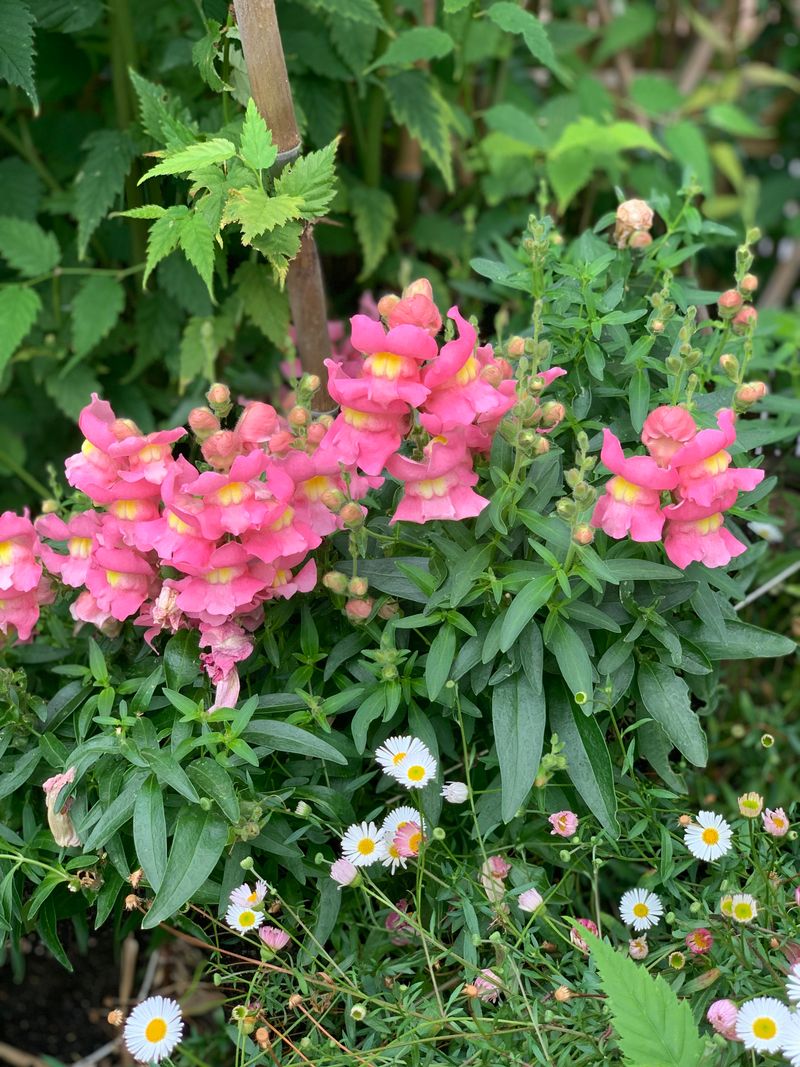
Snapdragons are whimsical flowers that bring joy with their dragon-shaped blooms. To keep them blooming all season, regular deadheading is required. Removing spent flowers encourages the plant to produce new buds and maintain its vibrant appearance.
These flowers are versatile, thriving in garden beds and containers alike. Snapdragons are popular for their wide range of colors and unique flower shape, which attracts both children and pollinators.
With their playful appearance and long-lasting blooms, snapdragons add a touch of magic to any garden setting.
10. Coreopsis (Coreopsis spp.)
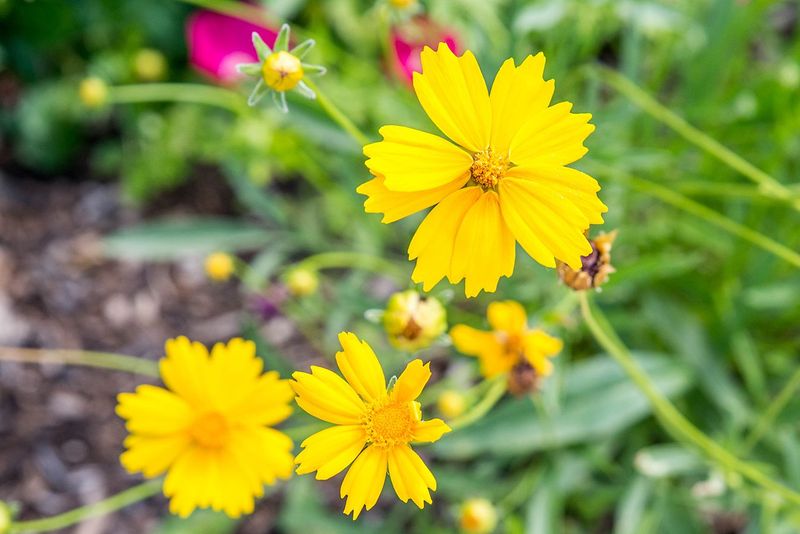
Coreopsis, with its sunny disposition, is a staple in many gardens. To keep these flowers producing an abundance of blooms, deadheading is essential. By removing faded flowers, you prevent self-seeding and promote continuous flowering.
These cheerful flowers are easy to grow and maintain, thriving in a variety of conditions. Coreopsis is known for attracting butterflies, adding movement and color to gardens.
Their long-lasting blooms and ease of care make coreopsis a favorite for gardeners seeking vibrant, low-maintenance plants.
11. Shasta Daisies (Leucanthemum x superbum)
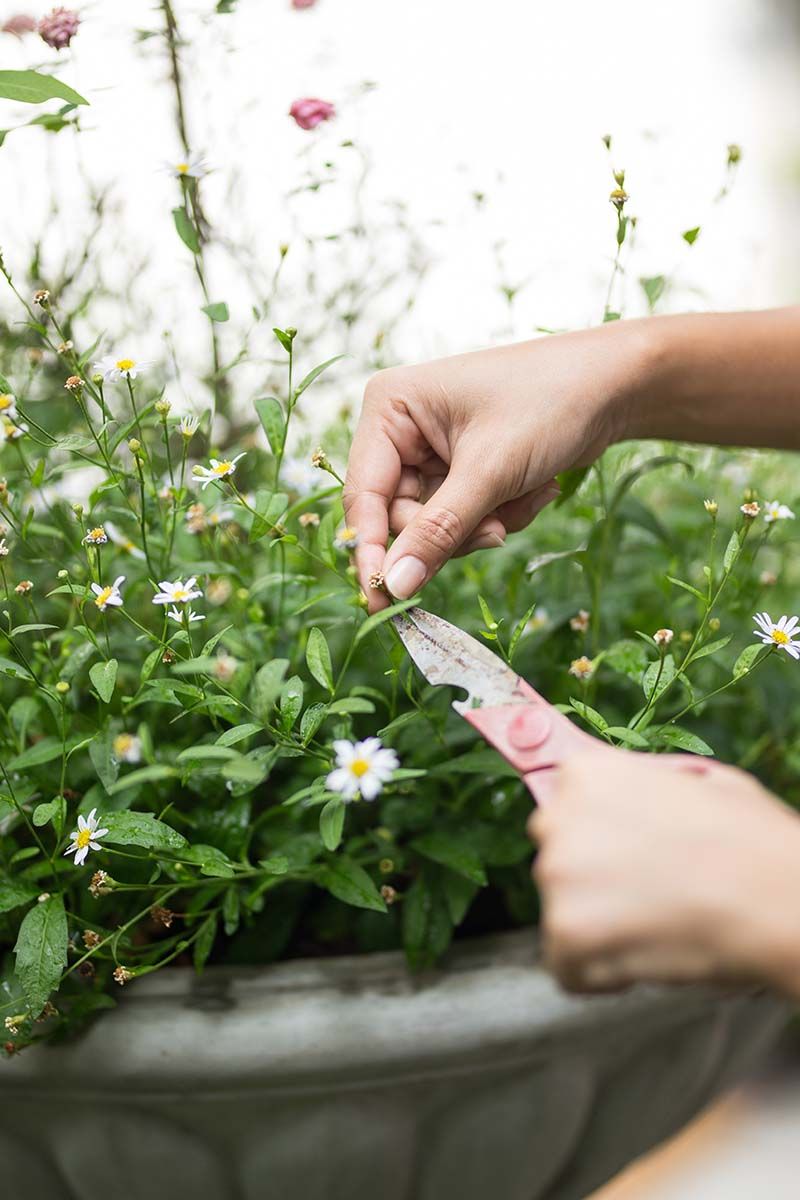
Shasta daisies, with their classic white petals and golden centers, are a beloved garden staple. To encourage reblooming and prevent excessive seeding, regular deadheading is necessary. By removing spent flowers, you maintain the plant’s tidy appearance and vigor.
These daisies are resilient, thriving in a variety of climates and bringing a timeless charm to gardens. Their ability to attract pollinators adds ecological value.
With proper care, Shasta daisies offer a long-lasting display of beauty and simplicity, making them a cherished addition to any floral landscape.
12. Black-Eyed Susans (Rudbeckia hirta)
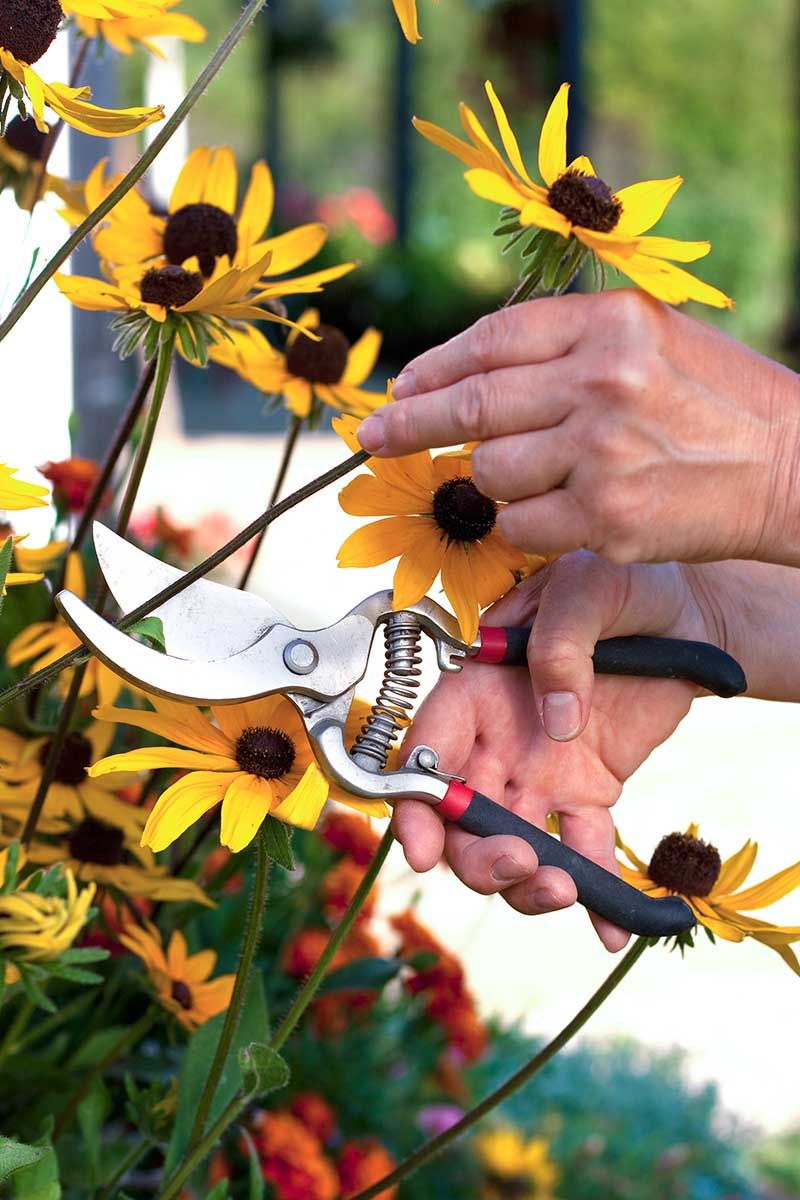
Black-Eyed Susans are iconic for their bright yellow petals and dark centers, painting gardens with sunshine. Deadheading early in the season can result in more blooms, while leaving some seed heads later provides food for birds.
These flowers are hardy and low-maintenance, thriving in various environments. Black-Eyed Susans are known for their ability to attract butterflies, adding dynamic life to any garden.
Their cheerful demeanor and ecological benefits make them a favorite among gardeners looking to create a lively and inviting outdoor space.
13. Lavender (Lavandula)
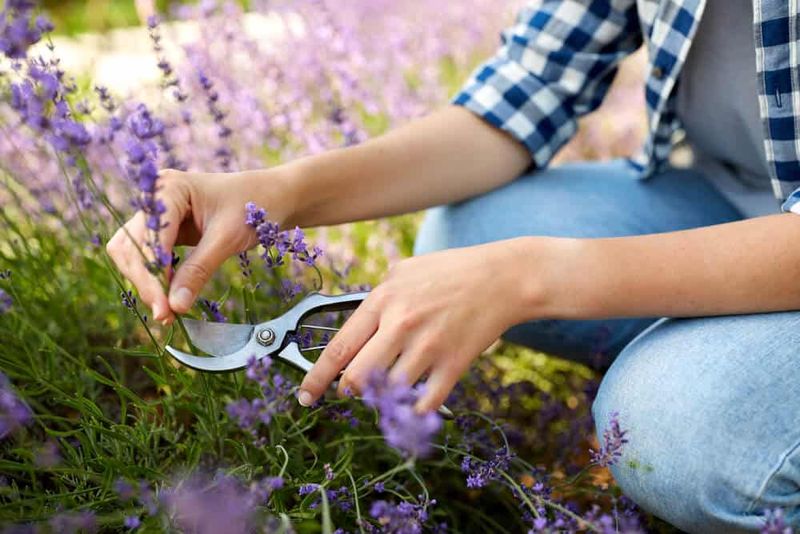
Lavender, with its soothing scent and purple blooms, is a garden favorite. To maintain its shape and encourage a second flowering, regular trimming of spent blooms is advised. This simple act keeps the plant healthy and enhances its fragrant display.
Lavender’s versatility extends beyond its beauty, offering culinary and medicinal uses. Its ability to attract pollinators makes it a valuable ecological addition.
With its calming presence and myriad uses, lavender remains a timeless choice for gardens, blending elegance with practicality.
14. Pansies (Viola x wittrockiana)
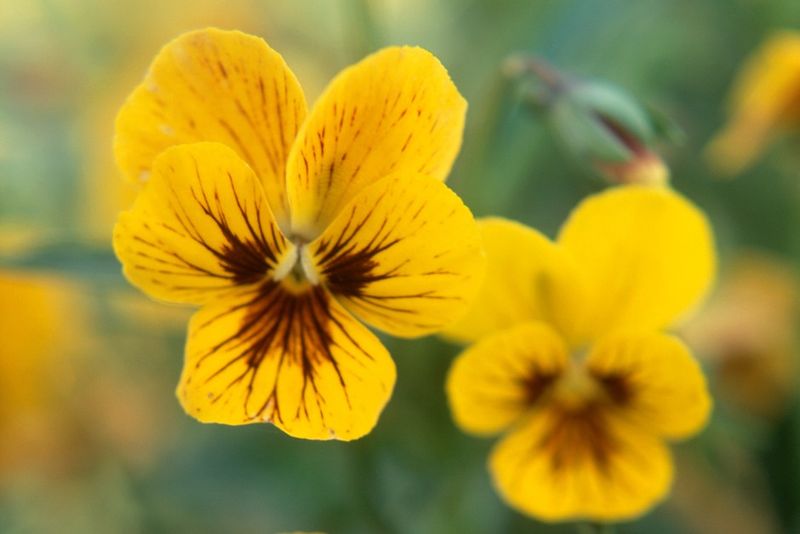
Pansies, with their cheerful faces, are a symbol of resilience and beauty. To keep them blooming, it’s crucial to pinch off faded flowers, preventing seed pod formation and encouraging new growth.
These flowers thrive in cooler weather, offering vibrant colors that brighten gardens in early spring and fall. Pansies are beloved for their ability to withstand varying conditions and continue to bloom.
Their charming appearance and hardiness make pansies a popular choice for gardeners seeking early color and lasting impact in their floral displays.
15. Coneflowers (Echinacea)
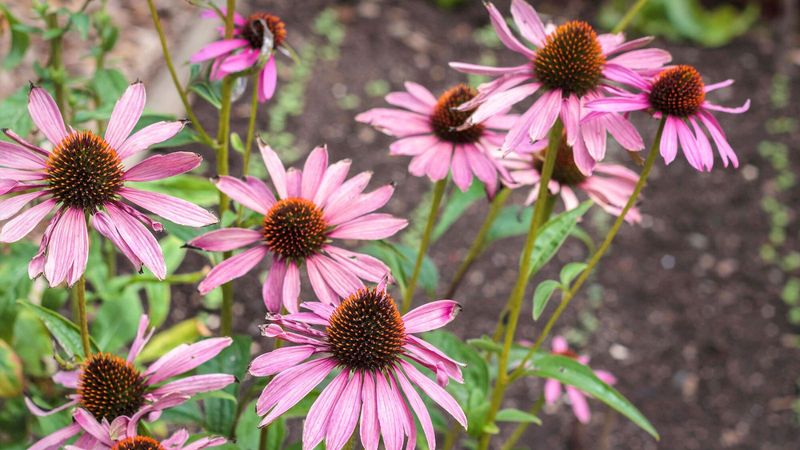
Coneflowers, known for their striking appearance, are a staple in wildflower gardens. Deadheading these flowers early in the season encourages more blooms, while leaving some seed heads in fall provides food for wildlife.
These hardy flowers are drought-tolerant and attract a variety of pollinators, making them an eco-friendly choice. Coneflowers offer medicinal benefits, adding to their appeal.
With their distinctive cone-shaped centers and daisy-like petals, coneflowers bring a touch of rustic beauty to gardens, blending aesthetics with ecological benefits.