 Complete Gardening
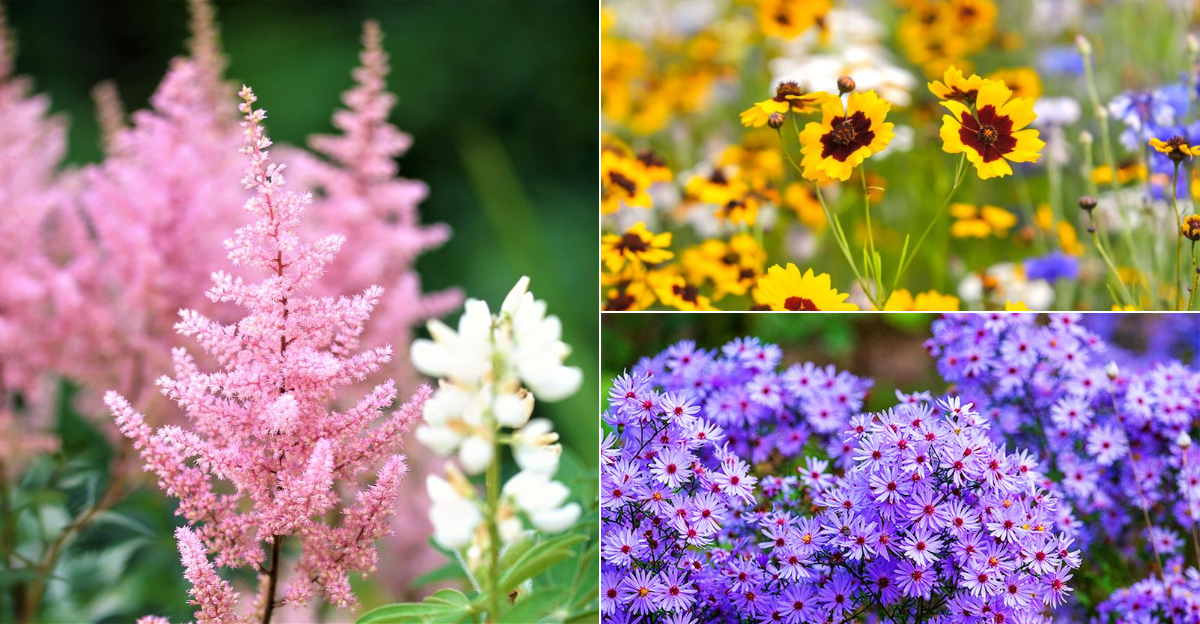
Explore the world of easy-to-grow perennials for your cut flower garden. These 30 selections offer stunning blooms and unique textures that can add beauty to any bouquet. From spring bloomers to summer stars, you’ll find flowers perfect for every season.
1. Peonies (Paeonia)
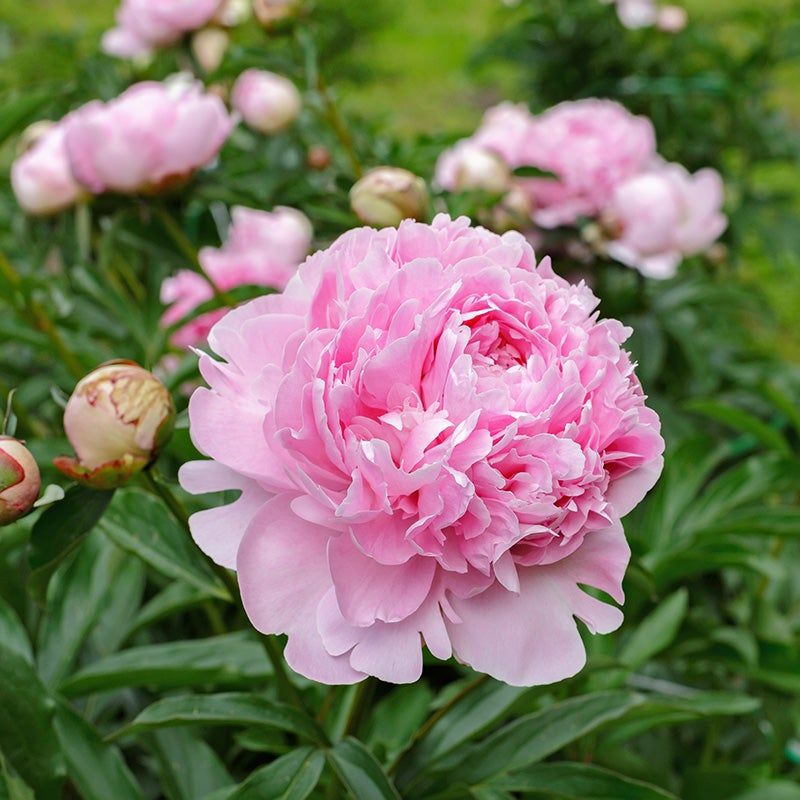
Peonies are renowned for their massive, fragrant blooms, offering a palette of pink, white, and red. Their blossoms evoke the romance of a lush spring garden, attracting pollinators with their sweet scent. These perennials can thrive in various climates, making them a favorite among gardeners.
With their robust stems, they stand tall and proud, creating a dramatic presence in any floral arrangement. Whether filling a vase or gracing a garden bed, peonies add elegance and charm. Did you know they symbolize prosperity and good fortune? This adds to their appeal as a timeless favorite.
A hardy choice, peonies reward with years of splendid blooms, requiring minimal care once established. Their foliage remains attractive even after the flowers fade, providing lasting beauty throughout the growing season.
2. Bleeding Heart (Dicentra)
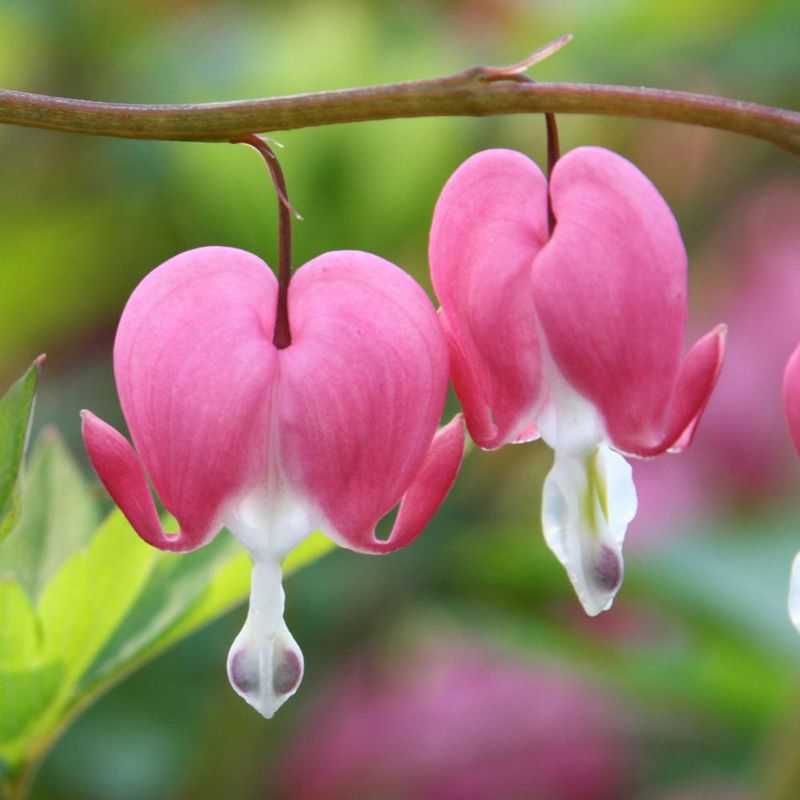
With their enchanting heart-shaped flowers, bleeding hearts bring a whimsical touch to gardens everywhere. These perennials, with arching stems lined with pink or white blooms, capture the essence of early spring romance. They thrive in shaded areas, offering delicate beauty where other flowers might struggle.
The bleeding heart’s unique floral structure fascinates not just gardeners but anyone who encounters them. Kids especially delight in their fairy-tale appearance. Their short-lived blooms make way for attractive foliage, ensuring visual interest well into summer.
Also known for their historical significance, they symbolize compassion and love. A bleeding heart in your garden offers more than beauty; it tells a story of sentiment and grace.
3. Columbine (Aquilegia)
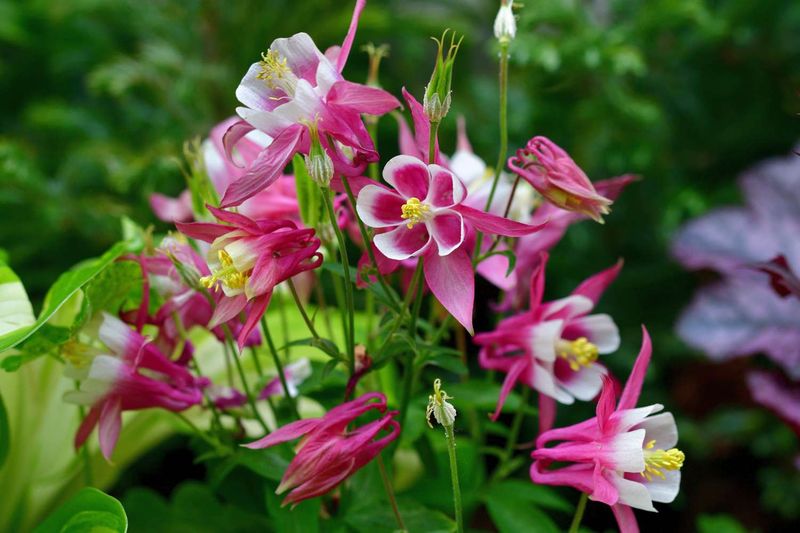
Columbines, with their delicate spurred blooms, add a touch of elegance to any garden. Known for vibrant colors like blue, purple, red, and yellow, they attract pollinators and human admirers alike. Their unique shape and vibrant hues make them a standout choice for spring gardens.
These perennials are adaptable, thriving in both sun and partial shade. They have a charming way of reseeding themselves, ensuring they return year after year. Their airy, graceful appearance offers a soft contrast to more robust blooms.
Did you know? Columbines were a favorite in medieval gardens, symbolizing faith and hope. Their fascinating history only adds to their allure. Whether in a bouquet or a garden bed, they are sure to captivate.
4. Lungwort (Pulmonaria)
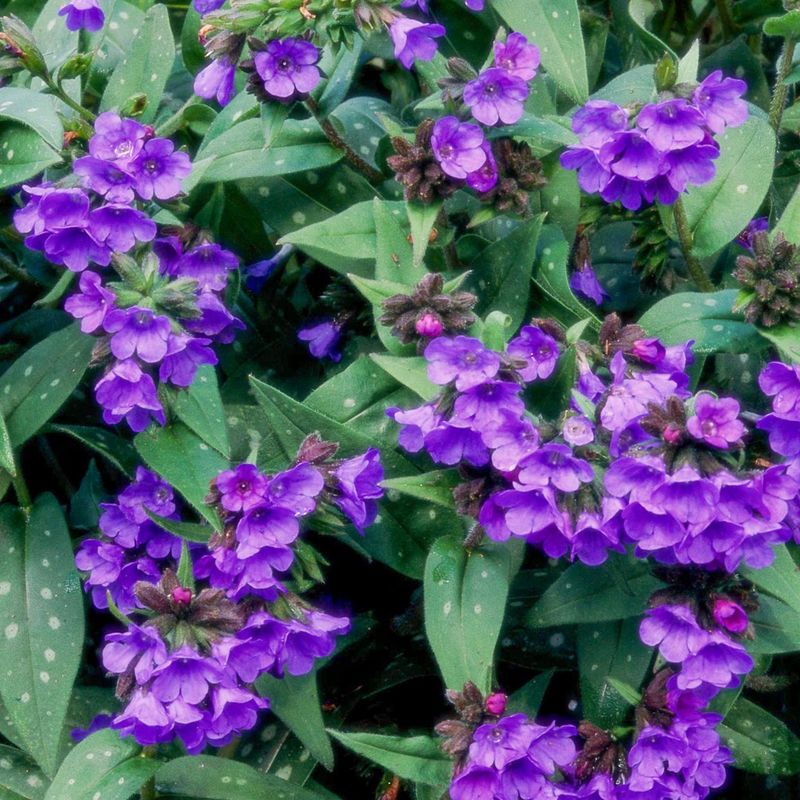
Lungwort’s vibrant early spring flowers and distinctive spotted foliage make it a standout perennial. Known for clusters of blue, pink, and white blooms, lungwort thrives in shaded areas, adding color where many other plants can’t survive. Its name evokes its historical use in herbal medicine, although today it’s adored for its ornamental value.
This resilient plant requires minimal maintenance, thriving in damp, shaded spots. Its foliage remains attractive throughout the growing season, providing visual interest even after the blooms have faded.
A favorite among gardeners seeking early color, lungwort is more than a beautiful bloomer; it’s a testament to nature’s ability to blend function and beauty seamlessly. Add it to your garden for a splash of spring delight.
5. Virginia Bluebells (Mertensia virginica)
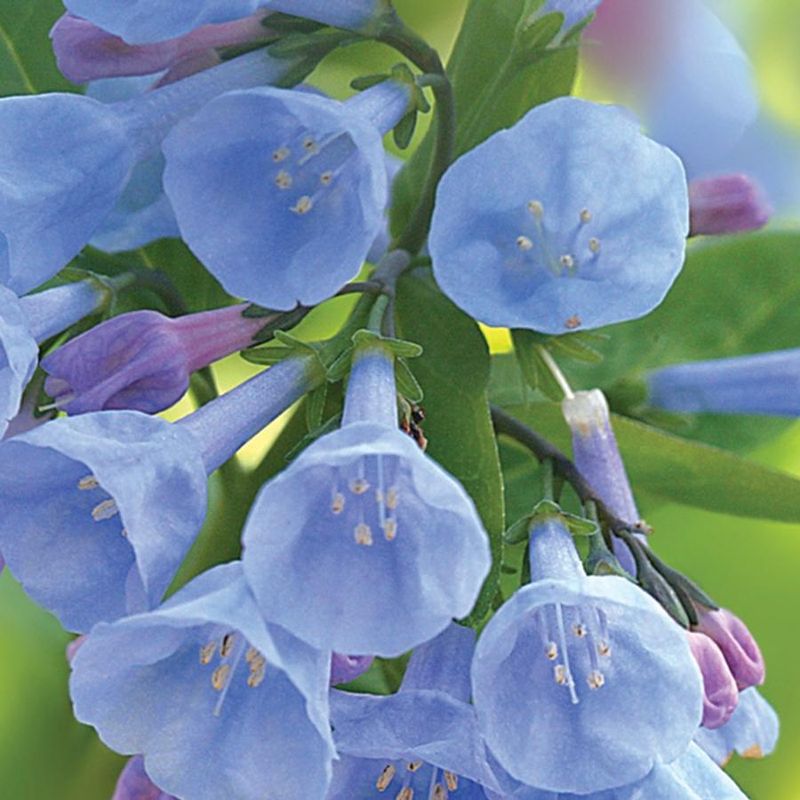
Virginia bluebells offer a serene display of soft blue blooms each spring, evoking the tranquility of a woodland meadow. With their bell-shaped flowers and lush green foliage, they create a carpet of color in shaded garden areas.
These perennials are perfect for naturalizing, as they spread gently, returning each year. Their delicate blooms attract bees and butterflies, adding life to the early spring landscape.
Historically symbolic of gratitude, Virginia bluebells are a beloved choice for gardeners seeking elegance and ease. Their understated beauty is complemented by a robust nature, ensuring they thrive with minimal care. Plant them for a touch of woodland charm.
6. Shasta Daisy (Leucanthemum)
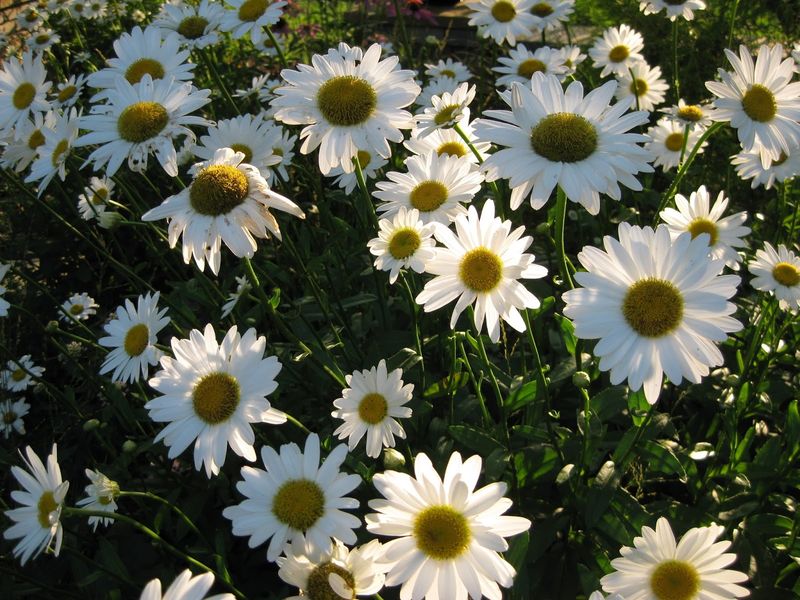
Shasta daisies, with their classic white petals and sunny yellow centers, are a staple in many gardens. They evoke the simplicity and cheerfulness of a summer’s day, making them a favorite for cutting gardens and bouquets alike.
These perennials are easy to grow, thriving in a variety of soil types and requiring little maintenance. They bloom generously, offering continuous color throughout the summer months. Their sturdy stems make them perfect for adding height and structure to garden beds.
Fun fact: Shasta daisies were named after Mount Shasta in California, inspired by its snowy white appearance. Their timeless appeal and robust nature make them a must-have for any flower enthusiast.
7. Coneflower (Echinacea)
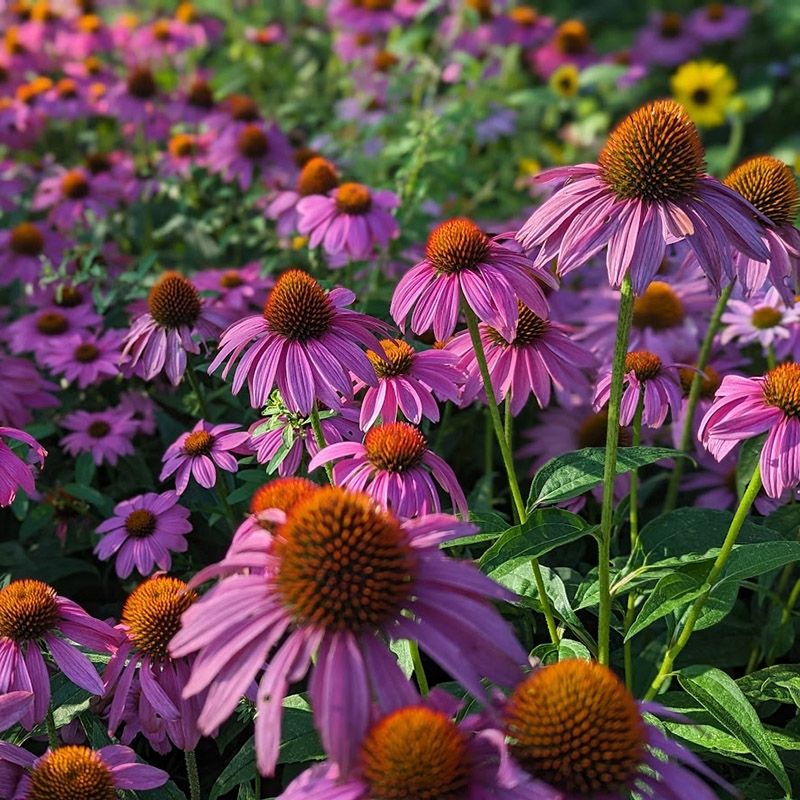
Coneflowers are beloved for their striking, daisy-like blooms that come in vibrant shades of purple, pink, and white. Known for their resilience and long-lasting flowers, they are a favorite among pollinators and gardeners alike.
These hardy perennials thrive in full sun, requiring little more than occasional deadheading to keep them blooming. Their bold blooms add a splash of color to any garden, and their seed heads provide interest even after the petals have fallen.
Did you know? Coneflowers have been used in traditional medicine for their immune-boosting properties. Their combination of beauty and utility makes them an essential addition to any garden focused on sustainability and visual appeal.
8. Black-Eyed Susan (Rudbeckia)
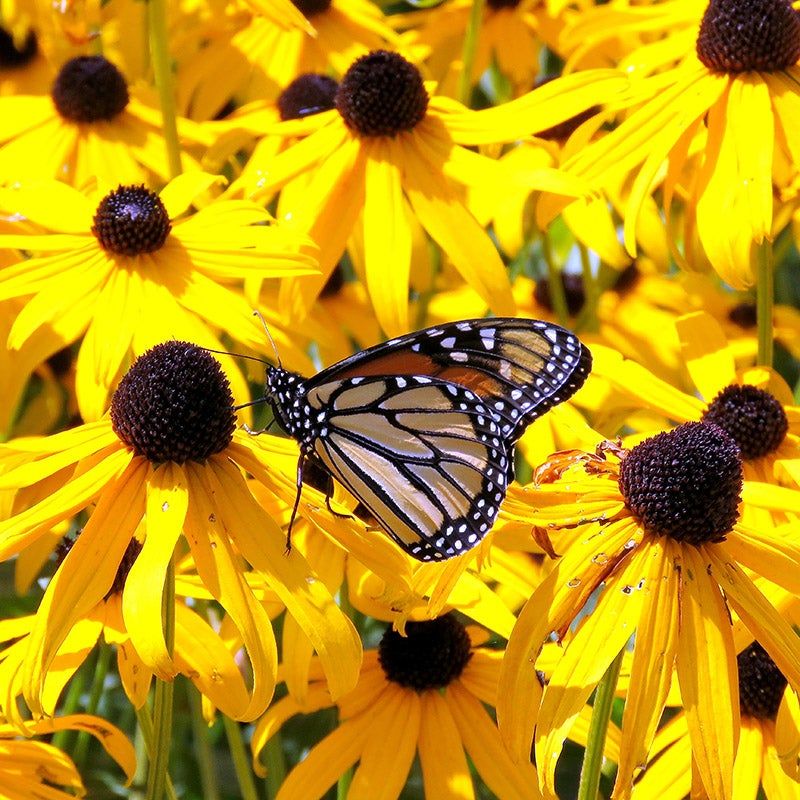
Black-eyed susans bring a burst of sunshine to gardens with their bright yellow petals and distinctive dark centers. These cheerful perennials are synonymous with late summer beauty, drawing admiration from all who encounter them.
Thriving in sunny locations, they require minimal care and are drought-tolerant once established. Their robust nature makes them perfect for naturalizing, providing an effortless splash of color year after year.
Besides their visual appeal, black-eyed susans attract a variety of pollinators, including bees and butterflies. Symbolizing encouragement and motivation, they are an uplifting addition to any garden space. Plant them for a perennial display of warmth and positivity.
9. Bee Balm (Monarda)
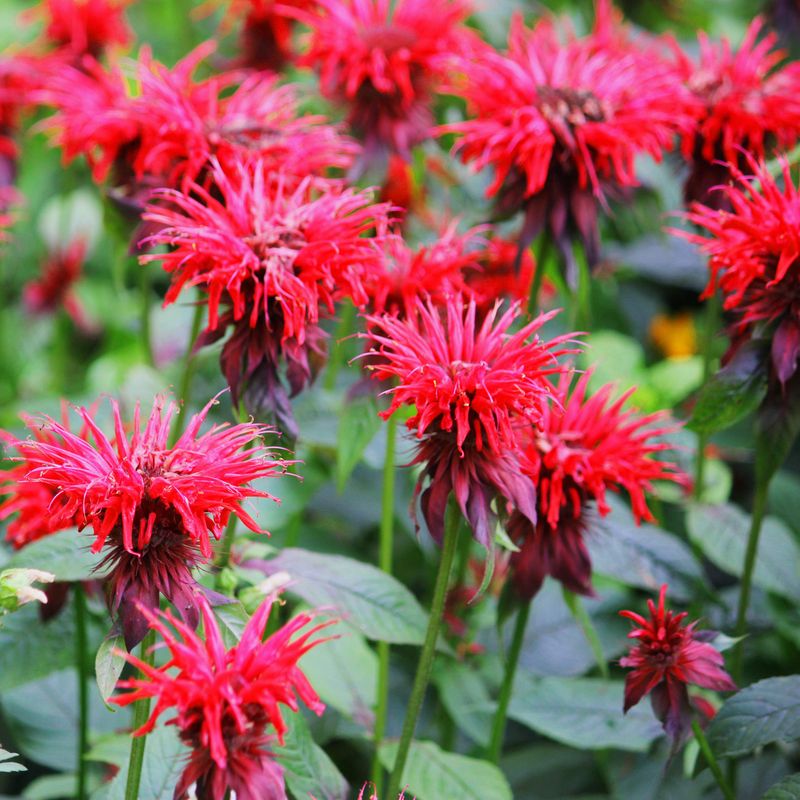
Bee balm is a garden favorite known for its frilly, fragrant blooms that come in shades of pink, red, and purple. Its flowers are a magnet for hummingbirds, bees, and butterflies, making it an essential plant for pollinator-friendly gardens.
This herbaceous perennial thrives in sunny spots but also tolerates some shade. It requires moderate watering and benefits from regular deadheading to extend its flowering season. Its aromatic leaves can even be used to make a refreshing tea.
Historically, bee balm was used by Native Americans for its medicinal properties. Today, it remains a symbol of vibrant health and is cherished for both its beauty and utility in the garden.
10. Yarrow (Achillea)
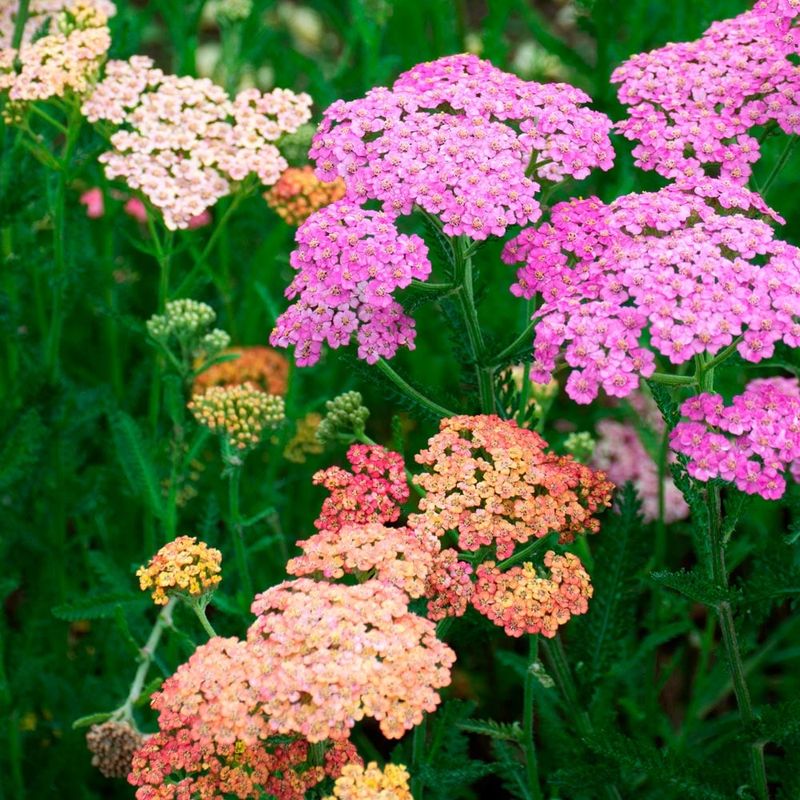
Yarrow is celebrated for its flat-topped clusters of flowers, available in hues of yellow, pink, and white. Its delicate, fern-like foliage adds texture and depth to garden landscapes.
This easy-to-grow perennial is drought-tolerant and thrives in sunny conditions. It’s often used in wildflower meadows and cottage gardens, where its natural beauty can shine. Yarrow is also known for its medicinal properties, historically used as a healing herb.
Beyond its visual charm, yarrow attracts an array of beneficial insects. Its combination of hardiness and allure makes it a practical yet beautiful choice for gardeners looking to enhance biodiversity and aesthetics alike.
11. Phlox (Phlox paniculata)
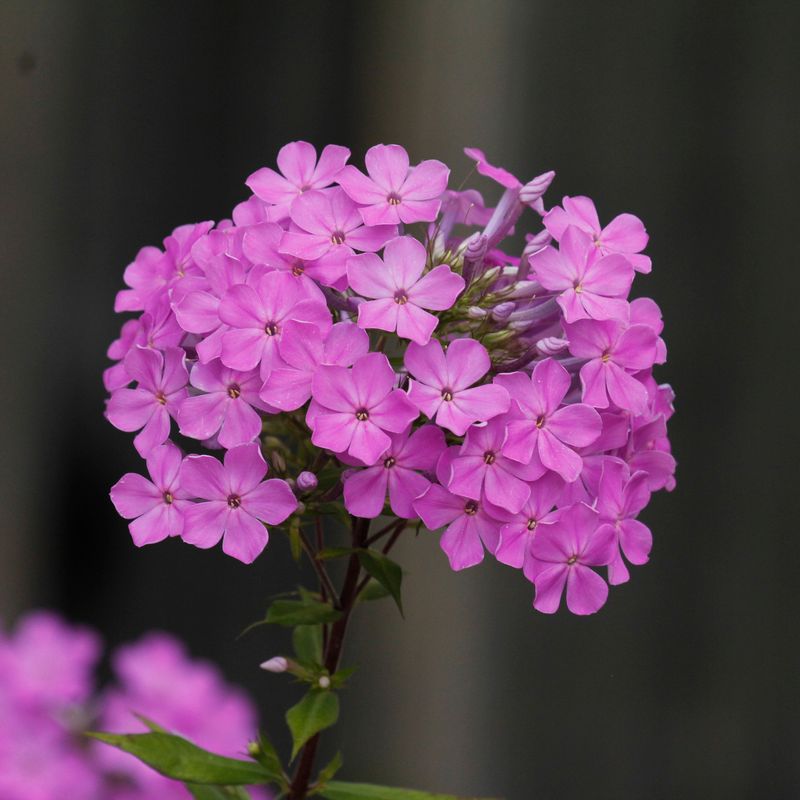
Phlox paniculata stands out with its sweetly scented clusters of flowers, available in a rainbow of colors including pink, purple, and white. Its fragrance and vibrant hues make it a beloved choice for summer gardens.
This perennial thrives in full sun, where it blooms profusely, adding height and color to garden borders. Regular watering and deadheading help maintain its lush appearance and extend its flowering season.
Fun fact: Phlox means “flame” in Greek, reflecting its fiery colors. Its combination of beauty and scent makes it a versatile choice for cut flowers and garden displays, offering a sensory delight throughout the summer months.
12. Lavender (Lavandula)
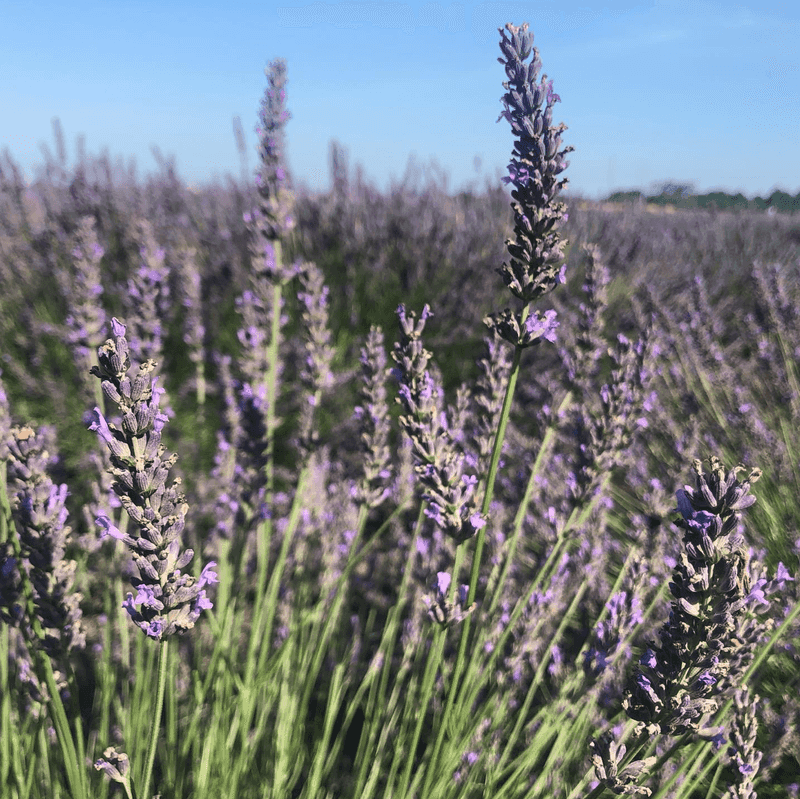
Lavender is renowned for its fragrant purple spikes and silvery-green foliage, evoking the serenity of a sunlit Mediterranean landscape. Its calming scent is a favorite for both gardens and dried floral arrangements.
This hardy perennial thrives in well-drained soil and full sun, making it an ideal choice for borders and pathways. Once established, it requires little maintenance, offering season-long beauty with minimal effort.
Beyond its visual and aromatic appeal, lavender is celebrated for its versatility. It’s often used in aromatherapy, culinary dishes, and skincare products, making it both a beautiful and practical addition to any garden.
13. Catmint (Nepeta)
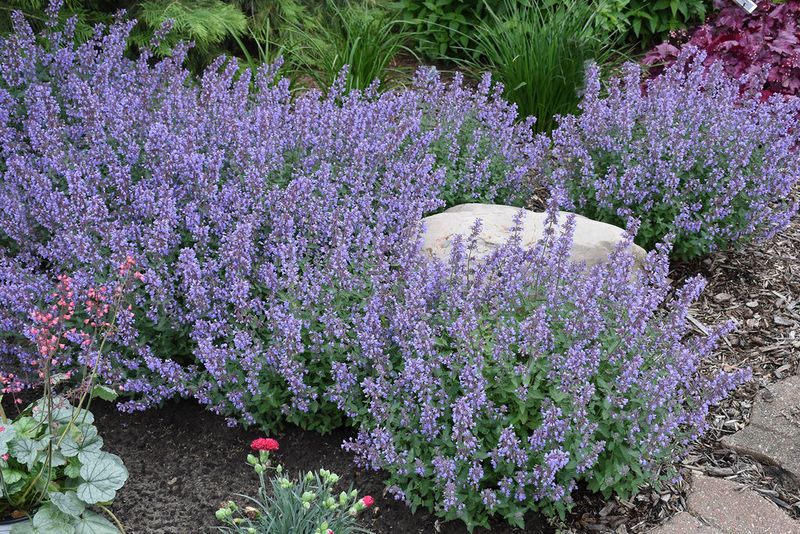
Catmint is cherished for its billowing blue-purple flowers and mint-scented foliage, creating a visually soothing and aromatic garden presence. Its blooms are a favorite for attracting bees and butterflies, adding life and movement.
Thriving in sunny spots with well-drained soil, this drought-tolerant perennial requires minimal care. It’s often used in borders and rock gardens, where its soft colors can complement more vibrant blooms.
Did you know? Catmint is a close relative of catnip and can also be enjoyed by feline friends. Its versatility and charm make it a delightful choice for gardeners seeking both beauty and low-maintenance appeal.
14. Speedwell (Veronica)
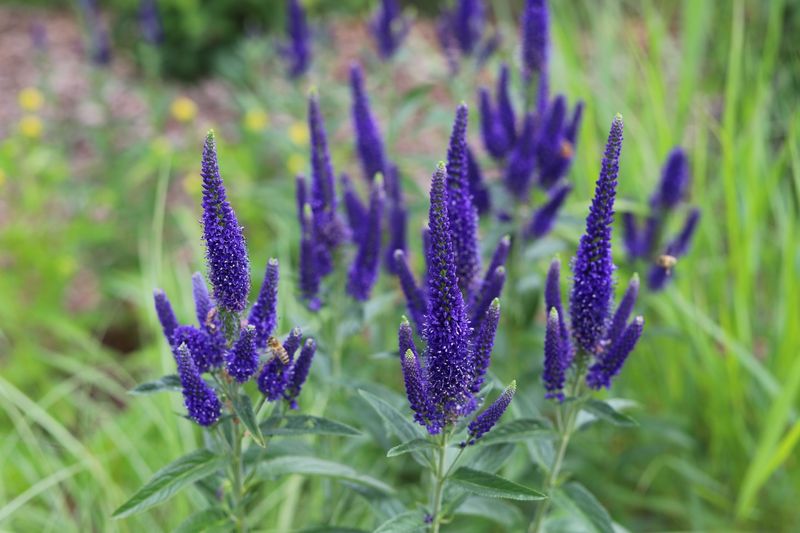
Speedwell, with its spiky blooms in shades of blue, pink, and white, adds vertical interest and vibrant color to any garden. Its delicate flowers attract pollinators, including bees and butterflies, enhancing garden biodiversity.
This hardy perennial thrives in sunny locations, preferring well-drained soil. Its long-lasting blooms and compact growth habit make it a popular choice for borders and container gardens.
Historically, speedwell was considered a symbol of good fortune and protection. Today, it remains a garden favorite for its combination of beauty, resilience, and ease of care, offering gardeners a perennial treasure that delights season after season.
15. Coreopsis
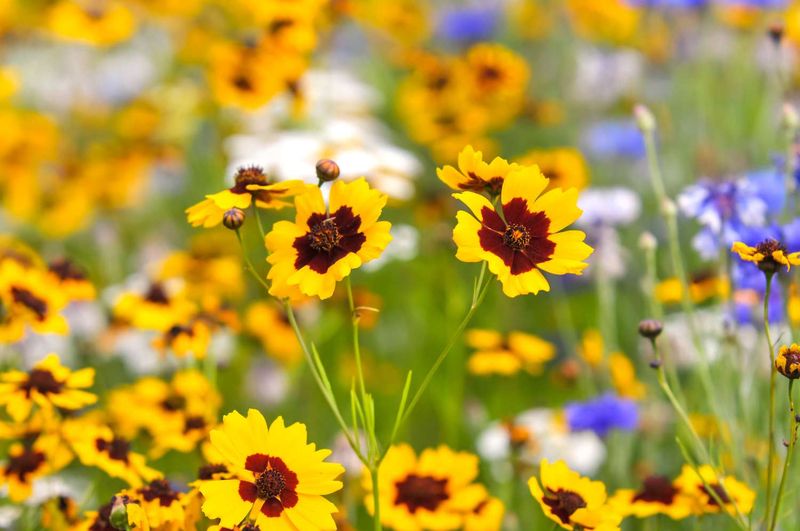
Coreopsis, with its daisy-like blooms in cheerful shades of yellow and red, brings a sunny disposition to gardens. Known for their resilience and ease of care, these perennials are a staple for adding long-lasting color.
Thriving in full sun, coreopsis blooms profusely from early summer into fall. Its low-maintenance nature makes it ideal for beginner gardeners and anyone looking to add vibrant color without fuss.
Beyond its beauty, coreopsis is a favorite among pollinators, attracting bees and butterflies. Its cheerful blooms symbolize joy and cheer, making it a delightful addition to any garden focused on visual appeal and ecological health.
16. Sedum (Stonecrop)
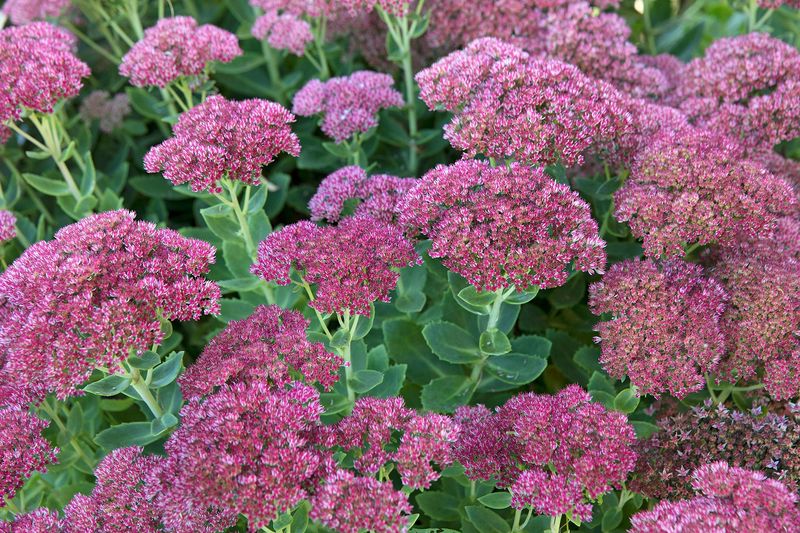
Sedum, also known as stonecrop, is a hardy perennial celebrated for its succulent foliage and vibrant flower heads in shades of pink and red. Its ability to thrive in poor soil conditions makes it a versatile addition to any garden.
These plants add texture and interest, particularly in late summer to fall gardens. They require minimal care, thriving in sunny spots with well-drained soil. Their drought tolerance makes them a practical choice for low-maintenance landscapes.
Fun fact: Sedum’s name comes from the Latin word “sedeo,” meaning “to sit,” referring to its low-growing habit. This perennial is perfect for adding structure and color without demanding attention, making it a favorite for modern gardeners.
17. Japanese Anemone
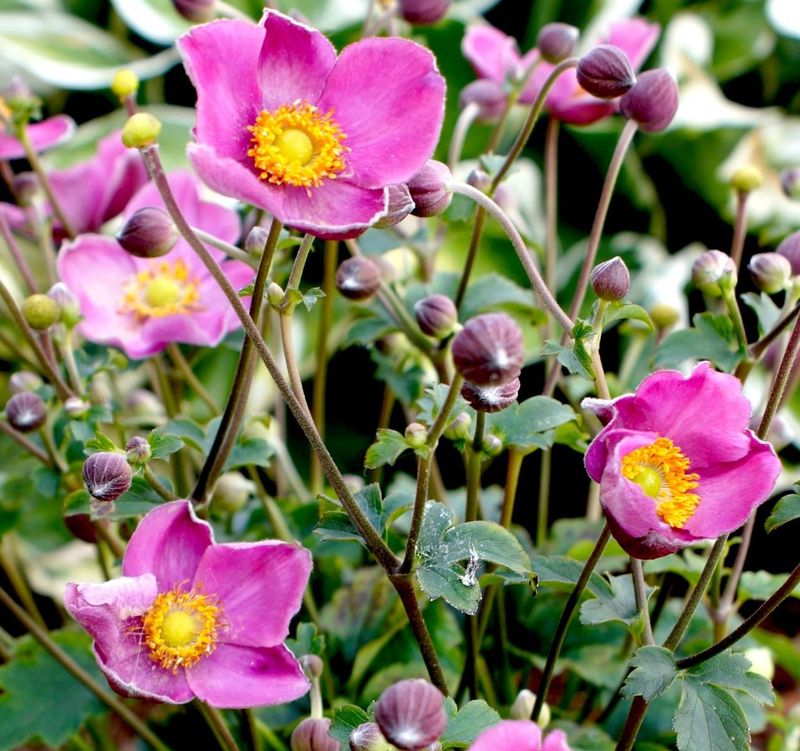
Japanese anemones bring elegance to the late summer and fall garden with their graceful blooms in shades of white and pink. Their tall, slender stems sway gently in the breeze, creating a dynamic and calming visual effect.
These perennials thrive in partial shade, making them ideal for woodland gardens and mixed borders. With minimal care, they reward gardeners with a long-lasting display of floral beauty.
Historically associated with anticipation, Japanese anemones symbolize the delicate balance between tranquility and strength. Their understated elegance and robust nature make them a cherished choice for gardeners seeking both aesthetic appeal and resilience.
18. Goldenrod (Solidago)
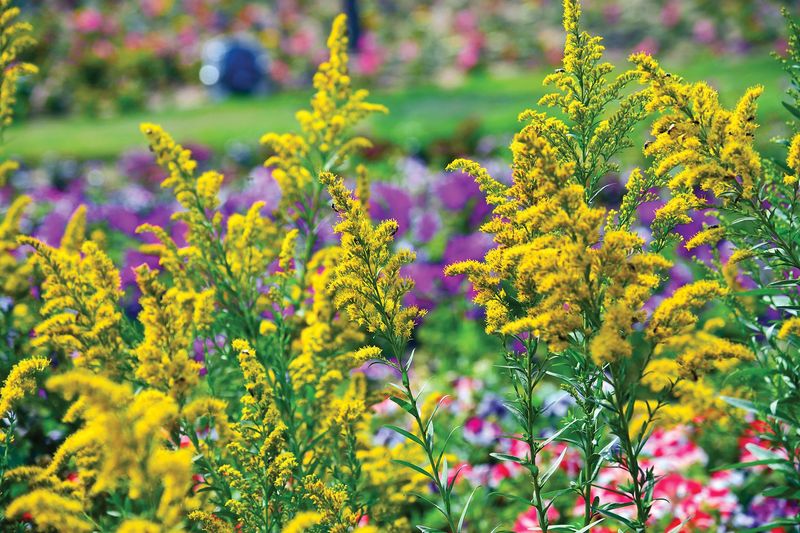
Goldenrod, with its brilliant yellow plumes, is a standout in late summer and fall gardens. Often misunderstood as an allergen, this vibrant perennial is actually a pollinator-friendly plant that attracts bees and butterflies.
Thriving in sunny locations, goldenrod requires minimal care and is drought-tolerant once established. Its bright blooms add a burst of sunshine to any landscape, complementing other late-season flowers beautifully.
Beyond its visual appeal, goldenrod has been used traditionally for its medicinal properties. Its combination of beauty and utility makes it a valuable addition to any garden, offering both ecological benefits and aesthetic charm.
19. Aster
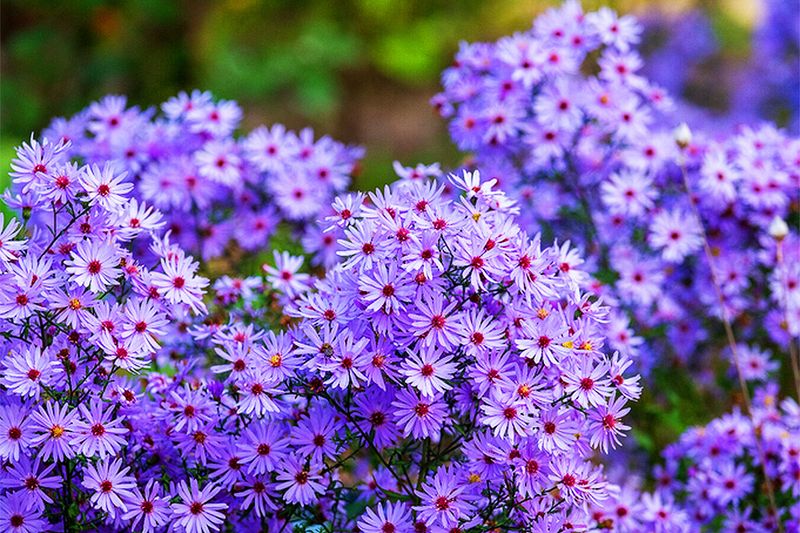
Asters are beloved fall bloomers, known for their daisy-like flowers in shades of purple, blue, and pink. Their vibrant blooms provide a splash of color as other flowers fade, making them essential for extending the floral season.
These hardy perennials thrive in sunny spots, where they attract bees and butterflies. Regular watering and deadheading help maintain their lush appearance and encourage reblooming.
Did you know? Asters were once used as a love charm in ancient Greece. Today, they symbolize patience and elegance, continuing to enchant gardeners with their timeless beauty and resilience. Add asters to your garden for a touch of autumn enchantment.
20. Russian Sage (Perovskia)
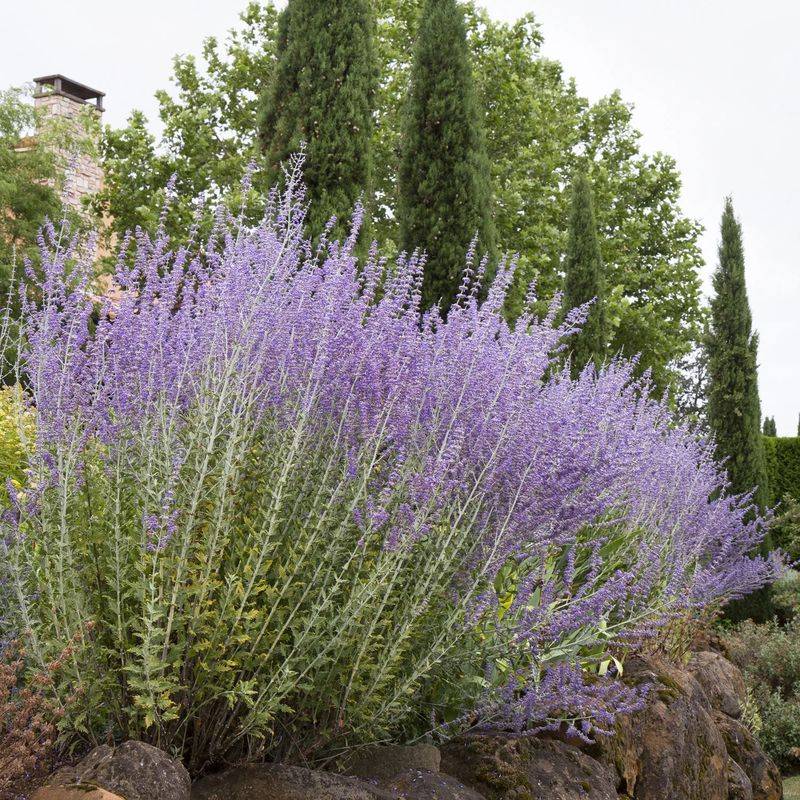
Russian sage stands out with its airy purple spikes and silvery foliage, creating a soft, romantic presence in the garden. Known for its drought tolerance, this perennial thrives in sunny, well-drained locations.
Its lavender-like flowers provide a stunning contrast against green backdrops, making it an excellent choice for borders and mass plantings. The aromatic foliage adds another layer of appeal, enhancing sensory experiences in the garden.
Beyond its beauty, Russian sage is easy to care for, requiring minimal maintenance. Its combination of visual elegance and practical resilience makes it a favorite for both novice and experienced gardeners seeking a carefree yet striking addition to their landscape.
21. Joe-Pye Weed (Eutrochium)
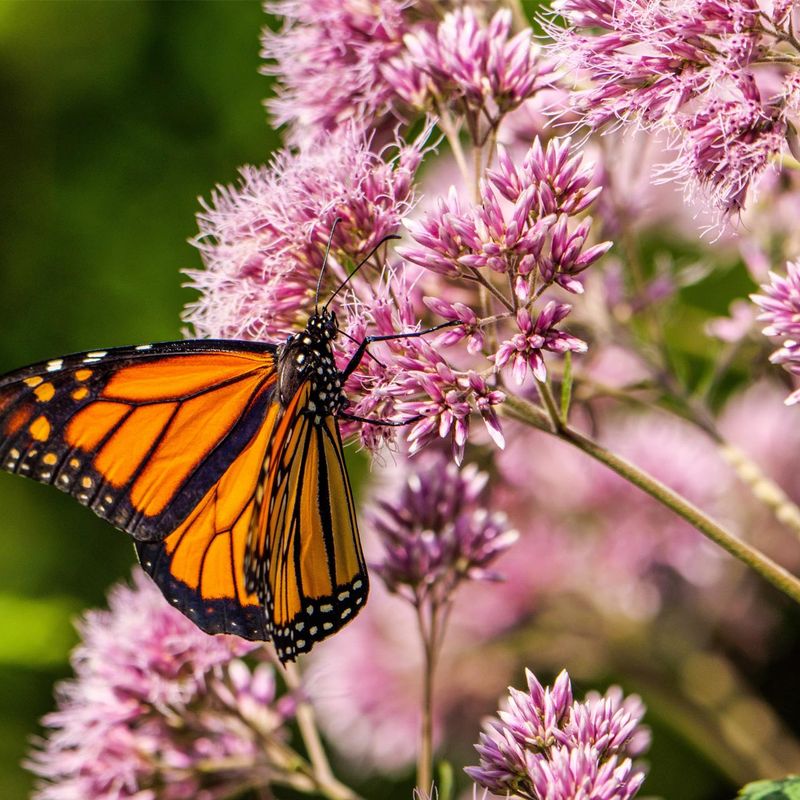
Joe-Pye weed is loved for its tall, mauve-pink blooms that attract a host of pollinators, including bees and butterflies. This perennial adds vertical interest and natural beauty to any garden or meadow.
Thriving in sunny to partially shaded areas, Joe-Pye weed is surprisingly easy to grow and requires minimal care. Its towering flower heads create a focal point, drawing attention and admiration.
Historically used by Native Americans for its medicinal properties, Joe-Pye weed remains a symbol of natural healing and harmony. Its combination of height, beauty, and ecological value makes it a must-have for gardeners seeking a dramatic yet low-maintenance addition to their landscape.
22. Hosta (Flowers!)
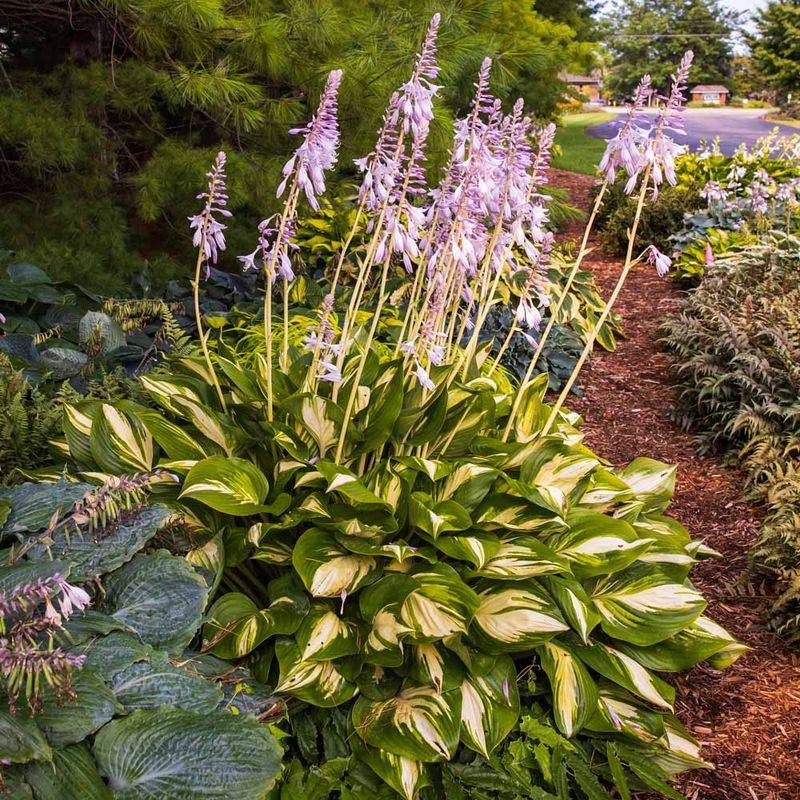
While hostas are primarily grown for their lush foliage, their tall, graceful flower spikes also offer beauty to floral arrangements. The lavender or white blooms add a touch of sophistication, complementing their large, textured leaves.
These shade-loving perennials thrive in garden beds where sunlight is sparse, making them versatile additions to any landscape. Their flowers not only enhance garden aesthetics but also attract hummingbirds, adding lively movement.
Fun fact: Hostas are native to Northeast Asia and were first introduced to Europe in the 18th century. Their adaptability and visual appeal continue to make them a popular choice for gardeners worldwide.
23. Lamb’s Ear (Stachys)
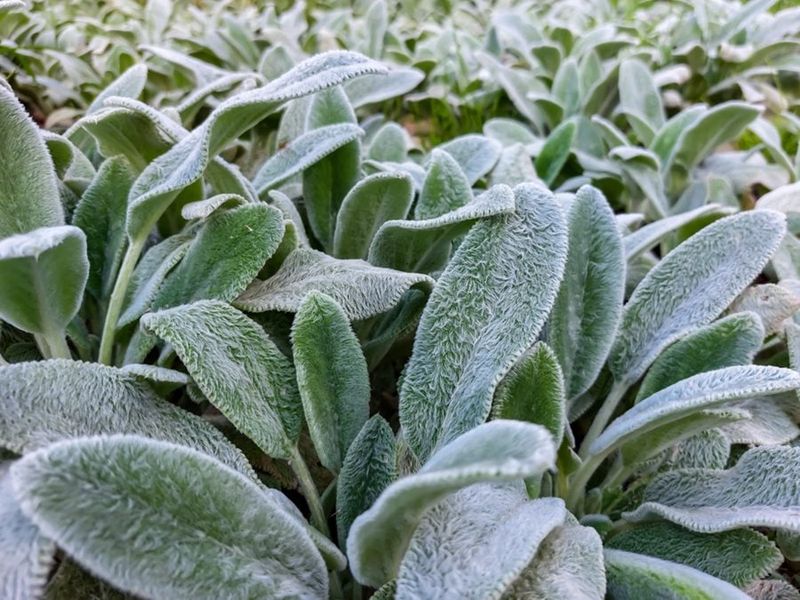
Lamb’s ear is cherished for its soft, silvery leaves that lend a velvety texture to the garden. Its unique foliage creates tactile interest, inviting touch and adding softness to visual landscapes.
Thriving in sunny spots with well-drained soil, this perennial requires minimal care and is drought-tolerant once established. Its subtle purple flowers add a gentle burst of color in late spring and early summer.
Beyond its ornamental appeal, lamb’s ear serves as a ground cover, offering weed suppression and erosion control. Its combination of practicality and beauty makes it a favorite for gardeners seeking both texture and function.
24. Ferns
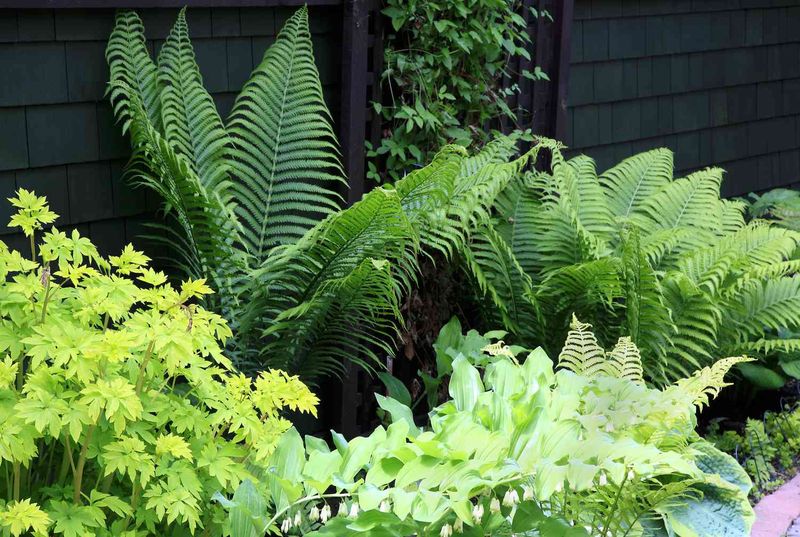
Ferns are celebrated for their intricate, feather-like fronds that add a lush, green texture to shady gardens. Their timeless elegance enhances any landscape, providing a tranquil, woodland feel.
These perennials thrive in shaded, moist areas, where their delicate foliage creates a cooling effect during warm months. Ferns require minimal care, making them ideal for both novice and seasoned gardeners.
Did you know? Ferns have been around for millions of years, predating even dinosaurs. This ancient lineage speaks to their resilience and adaptability, making them a fascinating and enduring choice for garden enthusiasts.
25. Ornamental Grasses
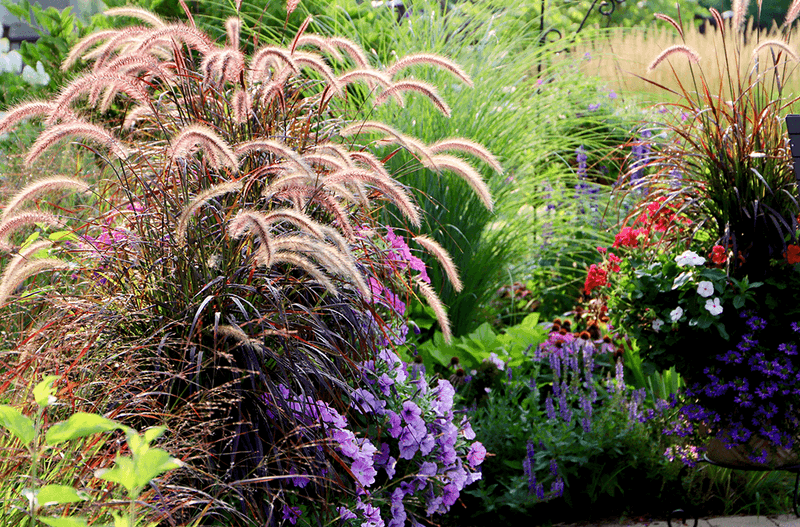
Ornamental grasses bring movement and texture to gardens, with their slender blades swaying gracefully in the breeze. They offer a unique blend of structure and softness, complementing other plants beautifully.
Thriving in sun or partial shade, these perennials are low-maintenance and drought-tolerant once established. They come in a range of colors and heights, adding diversity and interest to landscapes.
Beyond their visual appeal, ornamental grasses provide habitat for wildlife, making them a valuable ecological addition. Their versatility and charm ensure they remain popular choices for gardeners looking to enhance both form and function in their outdoor spaces.
26. Artemisia
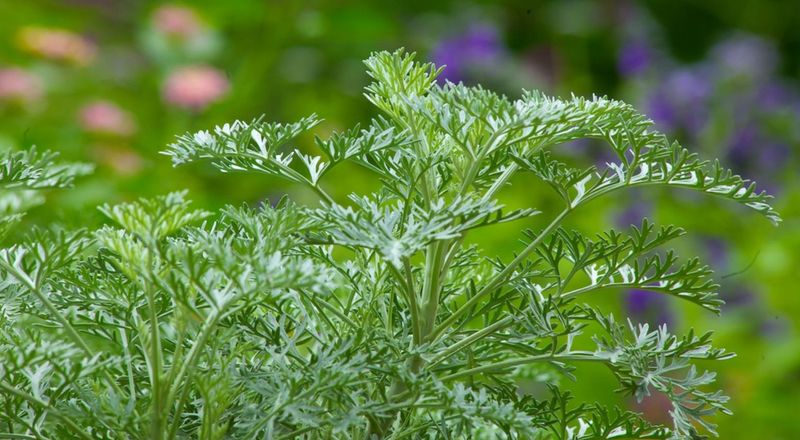
Artemisia stands out for its silvery, aromatic foliage that offers a striking contrast to colorful blooms. This perennial is valued for its ability to add texture and depth to garden landscapes.
Thriving in full sun with well-drained soil, artemisia is a hardy, drought-tolerant plant requiring little maintenance. Its delicate leaves and subtle scent create a sensory delight, enhancing any garden space.
Historically used for its medicinal properties and in culinary applications, artemisia remains a versatile and attractive choice for gardeners. Its combination of beauty, fragrance, and resilience ensures it continues to be a cherished favorite.
27. ‘David’ Phlox
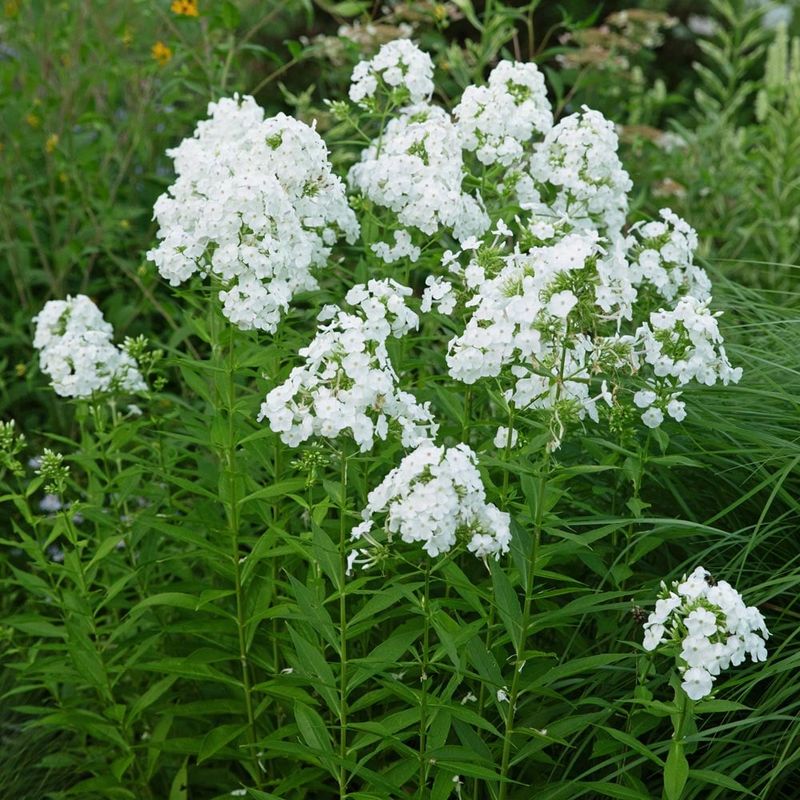
‘David’ phlox is a standout perennial known for its pure white blooms and sweet fragrance. This mildew-resistant variety offers gardeners a reliable and beautiful choice for summer floral displays.
Thriving in sunny conditions, ‘David’ phlox blooms profusely, adding height and brightness to garden borders. Regular watering and deadheading encourage continuous flowering and maintain its lush appearance.
Beyond its visual appeal, this phlox variety is admired for its strong resistance to common plant diseases, making it a practical choice for sustainable gardening. Its combination of beauty and hardiness makes it a must-have for any perennial collection.
28. ‘Moonbeam’ Coreopsis
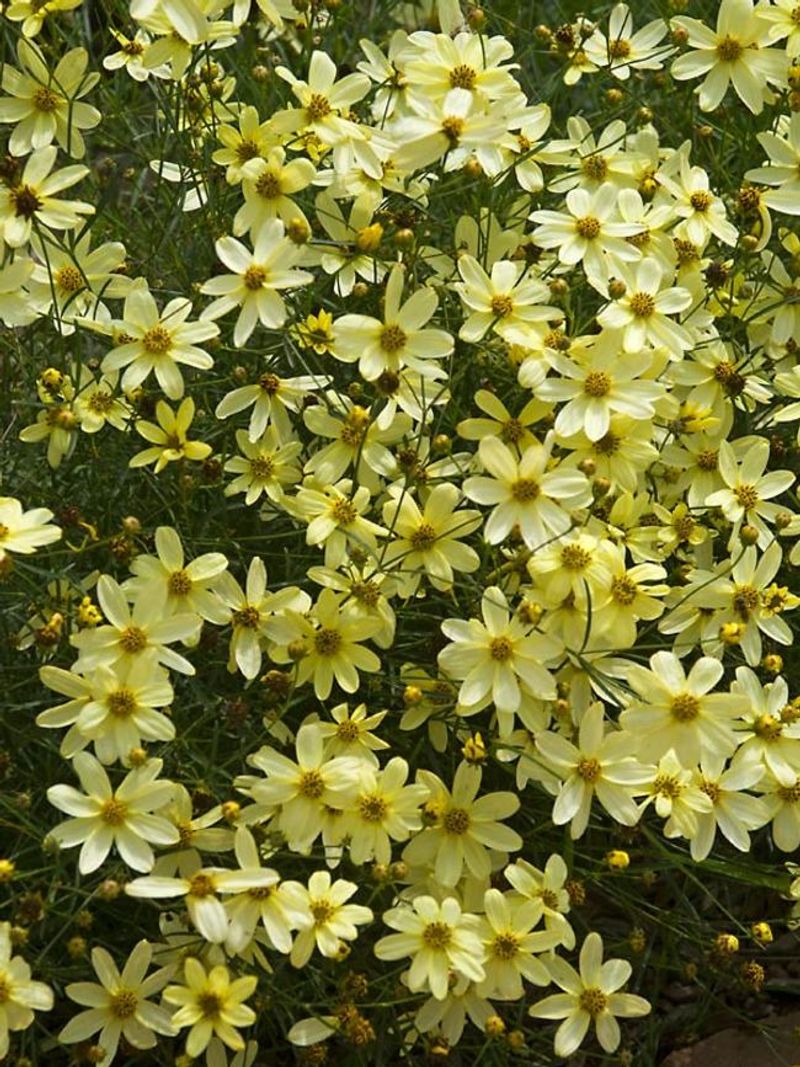
‘Moonbeam’ coreopsis stands out with its pale yellow, daisy-like blooms that bring a soft glow to gardens. Known for its long blooming season and drought tolerance, it offers gardeners both beauty and resilience.
This perennial thrives in sunny spots, where it blooms from early summer until fall. Its fine-textured foliage complements the delicate flowers, adding sophistication to any landscape.
Beyond its aesthetic appeal, ‘Moonbeam’ coreopsis is valued for its ability to attract pollinators, enhancing garden biodiversity. Its combination of elegance and practicality makes it a delightful addition for those seeking long-lasting floral displays.
29. Liatris (Blazing Star)
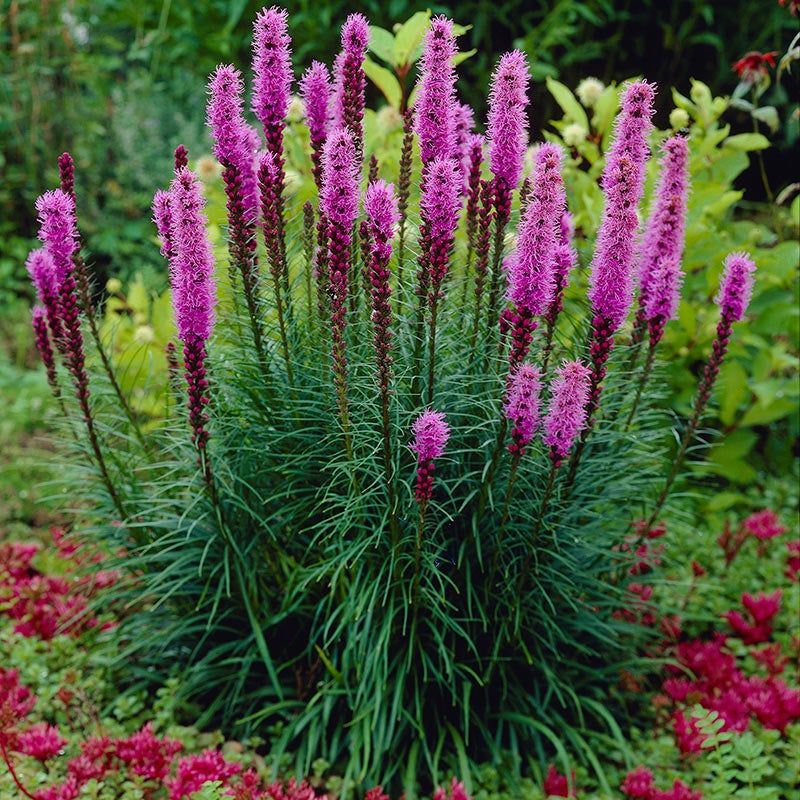
Liatris, commonly known as Blazing Star, is a striking perennial that adds vertical interest to any garden. Its tall, spiky stems are adorned with feathery purple blooms that attract pollinators such as butterflies and bees. The flowers bloom from top to bottom, creating a unique and eye-catching display.
Perfect for cutting gardens, Liatris adds both texture and color to flower arrangements. These hardy plants prefer sunny locations and well-drained soil, making them easy to grow for beginners and experts alike. Their drought tolerance ensures they will thrive even in less-than-ideal conditions.
Did you know? Liatris is not only beautiful but also holds medicinal properties. Native Americans used it for various remedies, adding a touch of history to its charm.
30. Astilbe
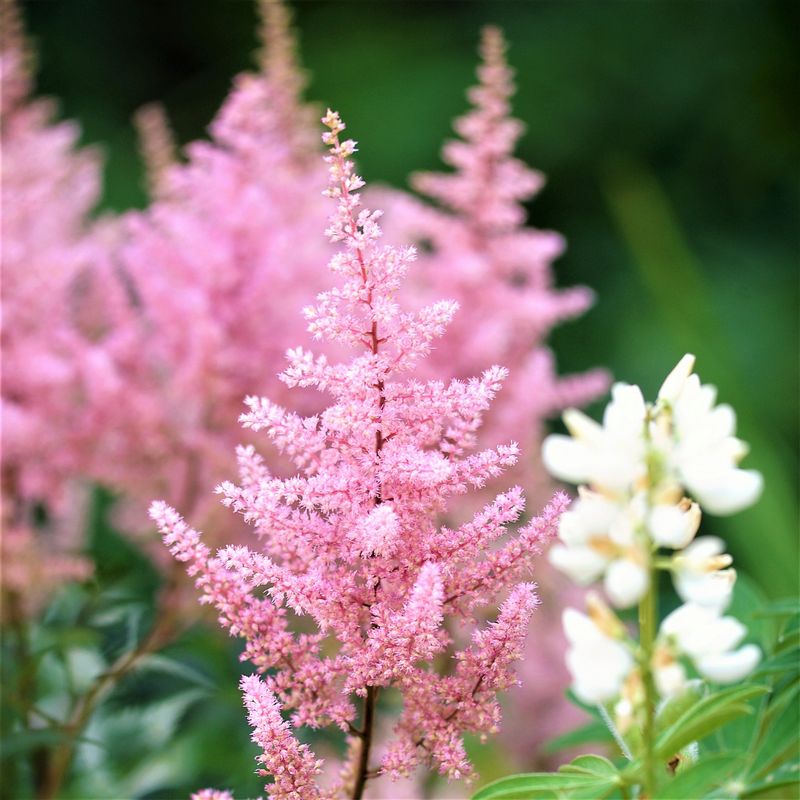
Astilbe brings elegance to shaded gardens with its feathery plumes and lush foliage. Available in shades of pink, white, and red, these perennials are perfect for adding a touch of grace to darker areas of your garden. Astilbe’s flowers rise above fern-like leaves, providing a striking contrast that enhances any landscape.
These plants thrive in moist, well-drained soil and prefer partial to full shade. Their ability to tolerate wet conditions makes them ideal for water-side plantings or damp gardens. Astilbe’s long-lasting blooms make them a favorite among cut flower enthusiasts who appreciate their delicate beauty.
Interesting tidbit: Astilbe was a favorite in Victorian gardens, where its refined appearance was highly prized. Today, it remains a beloved choice for gardeners seeking elegance and sophistication.