
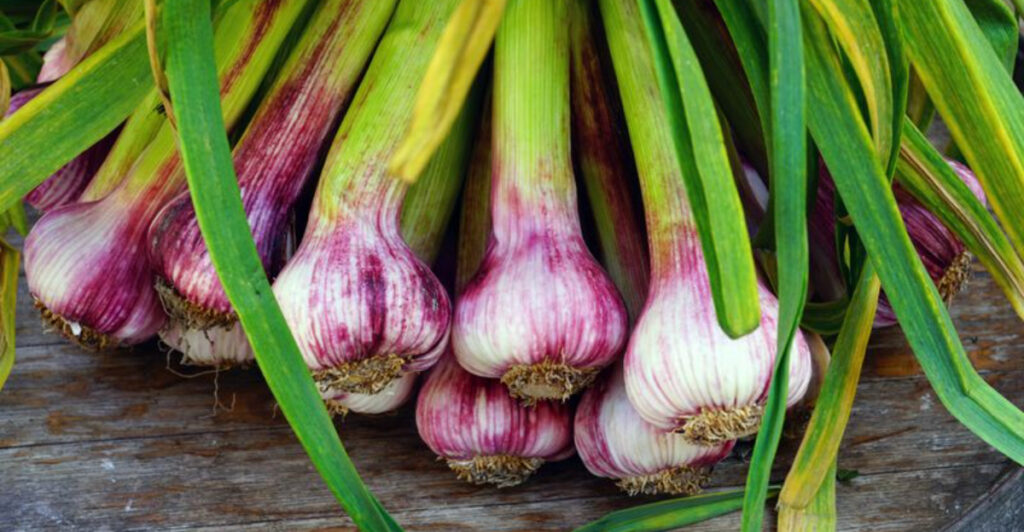
Have you ever marveled at the magic of nature, where a simple snip or cut can lead to bountiful new growth? Welcome to the fascinating world of regrowing vegetables! Not only does this practice promote sustainability, but it also brings the joy of endless harvests from your own kitchen garden. Whether you’re an experienced gardener or a beginner eager to get your hands dirty, these 27 vegetables offer an exciting opportunity to witness nature’s resilience. Let’s explore these regrowing wonders that keep on giving, season after season.
1. Lettuce

With lettuce, a quick snip about an inch above the base triggers fresh growth almost like magic. It’s a rewarding cycle of life, turning a single plant into an ongoing source of greens.
This leafy marvel is hungry for sunlight and a bit of water, thriving in cool climates. A staple in salads worldwide, lettuce’s ability to regrow adds an eco-friendly touch to your meals. Ever wondered about its origins? Lettuce was cultivated by ancient Egyptians, celebrating its refreshing crunch.
2. Kale
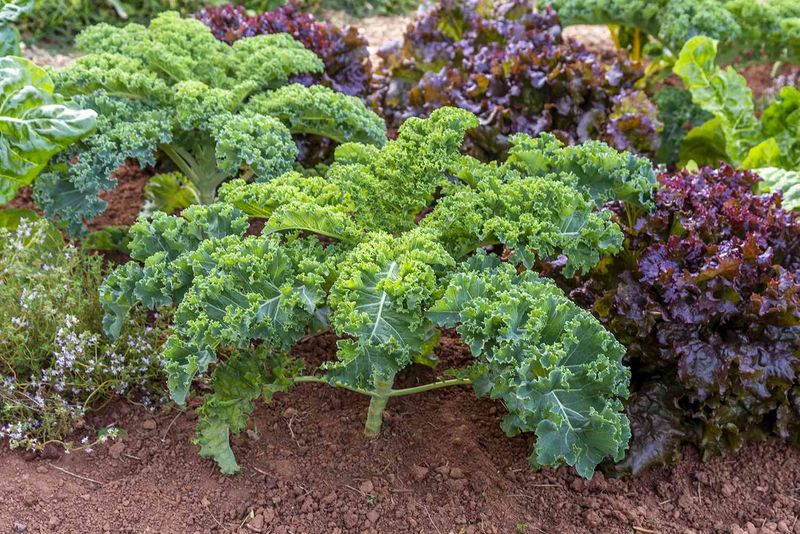
Kale, with its deep green leaves, stands as a symbol of resilience. By harvesting the outer leaves, you allow this powerhouse of nutrients to continue producing from its center, ensuring a continuous supply of greens.
Rich in vitamins A and C, kale thrives in cooler weather, making it a staple in many gardens. Beyond its health benefits, kale’s ability to regrow makes it a favorite among sustainable gardeners. Its history dates back to ancient Rome, where it was cherished for its robust nature and hearty flavor. Isn’t it time to add kale to your garden?
3. Spinach
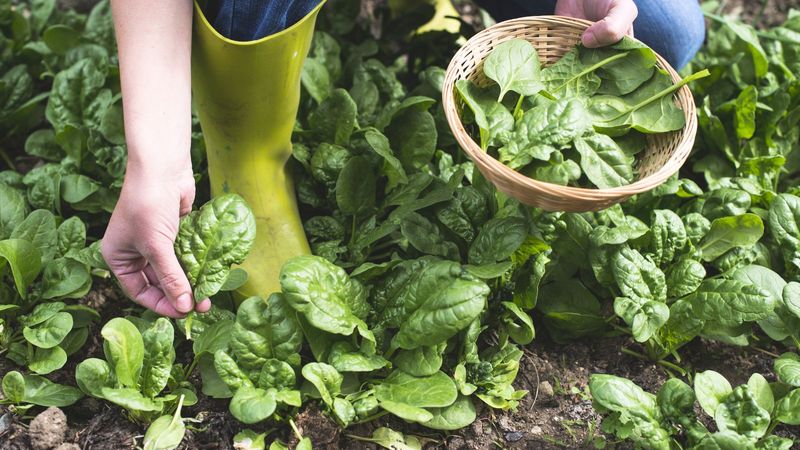
Spinach, the leafy green champion, offers a delightful surprise with its regrowth abilities. Snipping its outer leaves encourages new growth, allowing for multiple harvests from a single plant. This perpetual cycle makes spinach a garden favorite.
Loaded with nutrients like iron and calcium, spinach thrives in cooler temperatures. Its tender leaves add a burst of flavor to salads and smoothies. Spinach’s ability to regrow was revered by ancient Persians, who valued its versatility. Whether raw or cooked, spinach offers a nutritional punch and a sustainable solution for your garden.
4. Swiss Chard
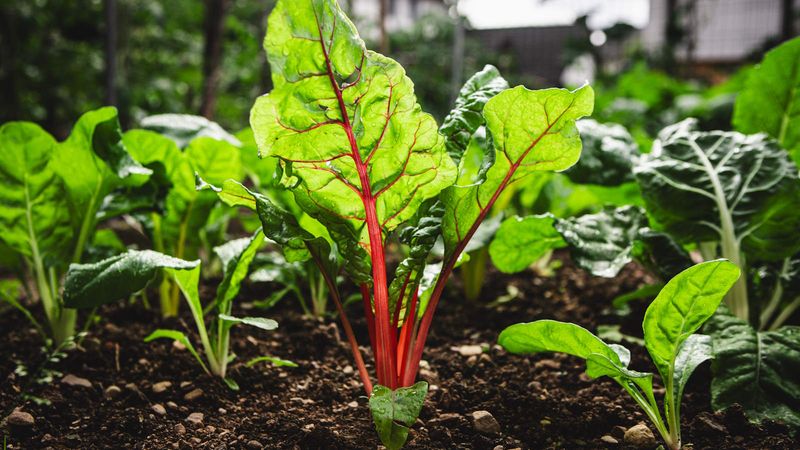
Swiss Chard, with its colorful stems and lush leaves, is a visual delight in any garden. By cutting the stems a couple of inches above the soil, you encourage it to regrow, providing a continuous supply throughout the growing season.
Rich in vitamins K and A, Swiss Chard is both nutritious and versatile, adding color and flavor to various dishes. Its ability to regrow from a single cutting makes it an eco-friendly choice for gardeners. Did you know? Swiss Chard has been cultivated since ancient Greece, where it was cherished for its vibrant appearance and earthy taste.
5. Bok Choy
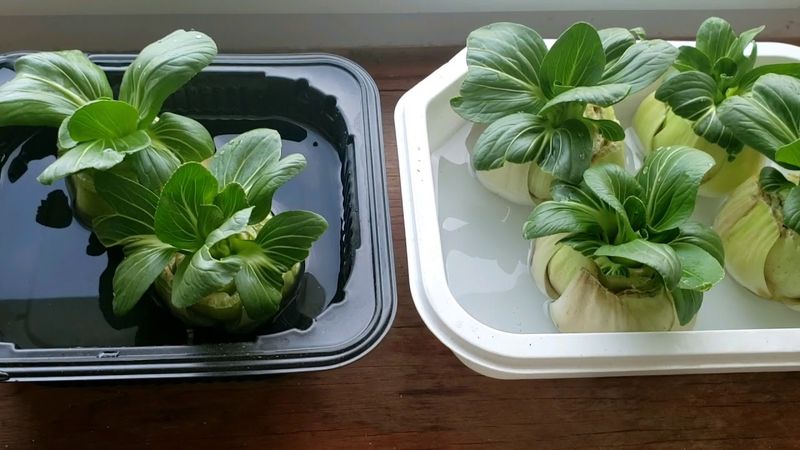
Bok Choy, the Asian green with a delicate crunch, offers a unique regrowth opportunity. After harvesting, placing the base in water encourages root and leaf development, making it ready for transplanting into soil.
This process not only extends your harvest but also adds a touch of gardening intrigue. Known for its mild flavor, Bok Choy is a favorite in stir-fries and soups. Its regrowth capability adds an eco-friendly twist to your culinary adventures. Originating from China, Bok Choy has been celebrated for centuries, adding cultural depth to its delectable taste.
6. Arugula
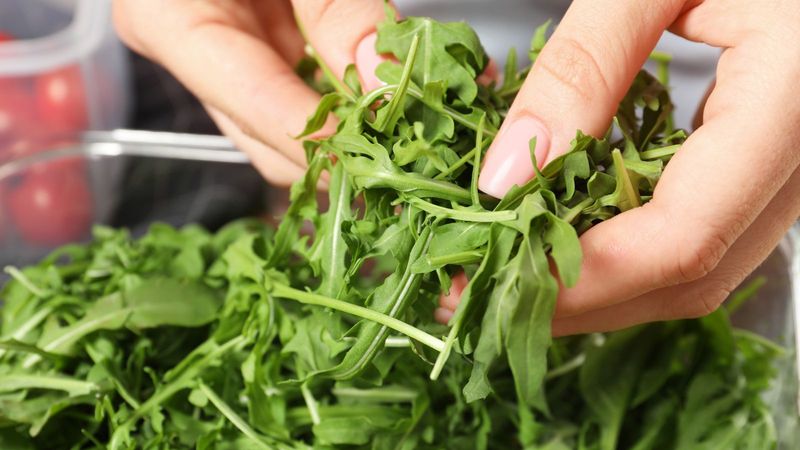
Arugula, the peppery delight, brings a burst of flavor to your garden. By trimming its leaves, you activate new growth, ensuring a steady supply of this zesty green. It’s an exciting cycle that keeps your taste buds tingling.
Thriving in cooler temperatures, arugula is a quick grower, making it perfect for impatient gardeners. Its regrowth ability makes it an eco-conscious choice, reducing waste and maximizing yield. Originating from the Mediterranean, arugula has been a culinary staple for centuries, appreciated for its unique taste and nutrient-rich profile.
7. Celery

Celery, the versatile kitchen staple, has a hidden talent for regrowth. By placing the base in water, roots and tiny stalks emerge, ready for planting in soil. It’s a fascinating process that turns kitchen scraps into new growth.
Loved for its crisp texture, celery’s regrowth ability adds an eco-friendly dimension to cooking. A staple in soups and salads, it offers a continuous supply of aromatic stalks. Celery’s history stretches back to ancient Egypt, where it was appreciated for both culinary and medicinal uses. Embrace celery’s regrowth and embark on a journey of sustainability.
8. Green Onions

Green onions, or scallions, are the champions of regrowth. Simply leaving the roots in water results in swift and endless new shoots, a testament to nature’s ingenuity. This process turns your kitchen windowsill into a constant source of fresh greens.
Perfect for garnishing dishes, green onions add a mild, oniony flavor to meals. Their regrowth ability makes them a favorite among beginner gardeners. With origins in Central Asia, green onions have been cultivated for millennia, praised for their simplicity and versatility. Enjoy the endless cycle of green onion regrowth in your own home.
9. Lemongrass
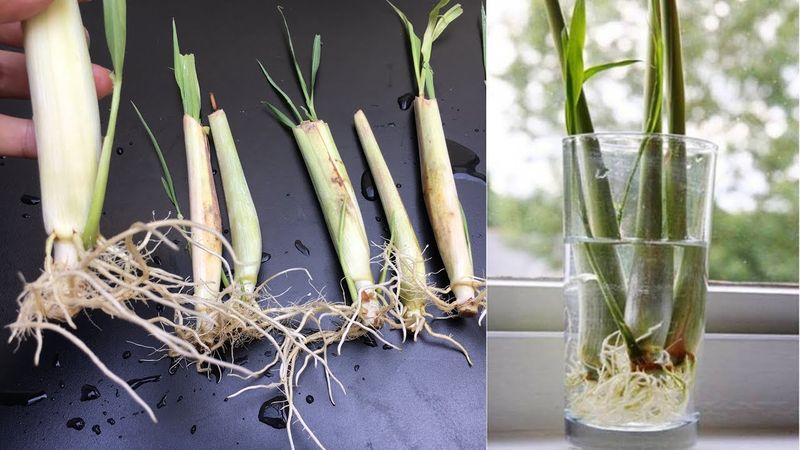
Lemongrass, the fragrant herb, offers an aromatic twist on regrowth. By placing the stalks in water, roots develop, transforming it into a garden-ready plant. This cycle ensures a continuous supply of its fresh, citrusy flavor.
Perfect for Asian cuisine, lemongrass adds a unique aroma to dishes. Its regrowth capability makes it an eco-friendly choice, minimizing waste and maximizing flavor. Originating from tropical regions, lemongrass has been cherished for its culinary and medicinal properties for centuries. Embrace its regrowth and enjoy the refreshing taste of lemongrass year-round.
10. Basil
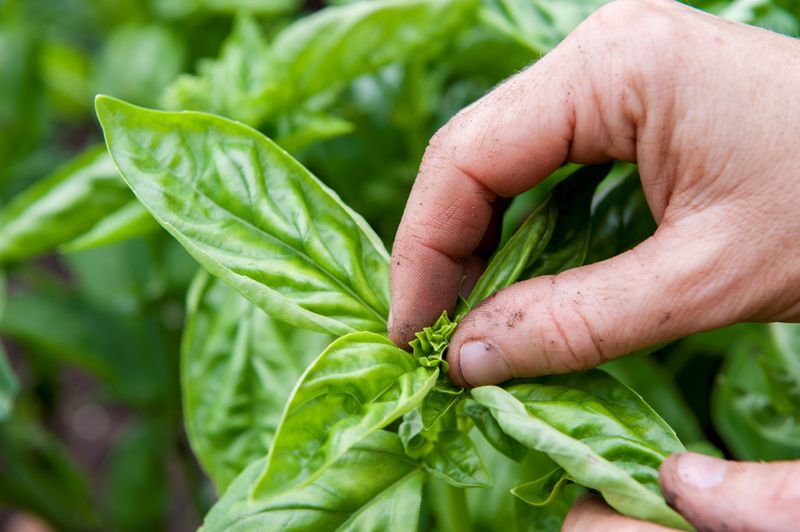
Basil, the aromatic herb with a sweet scent, thrives on pruning. By trimming stems above a leaf node, it encourages bushier growth, ensuring a steady supply of fragrant leaves. This cycle adds a touch of freshness to your garden and kitchen.
Integral to Italian cuisine, basil’s regrowth ability makes it a popular choice for gardeners. Its origins trace back to India, where it was revered for its flavor and spiritual significance. Basil’s regrowth adds a sustainable twist to your culinary adventures, turning a single plant into a bountiful source of aromatic leaves.
11. Green Garlic
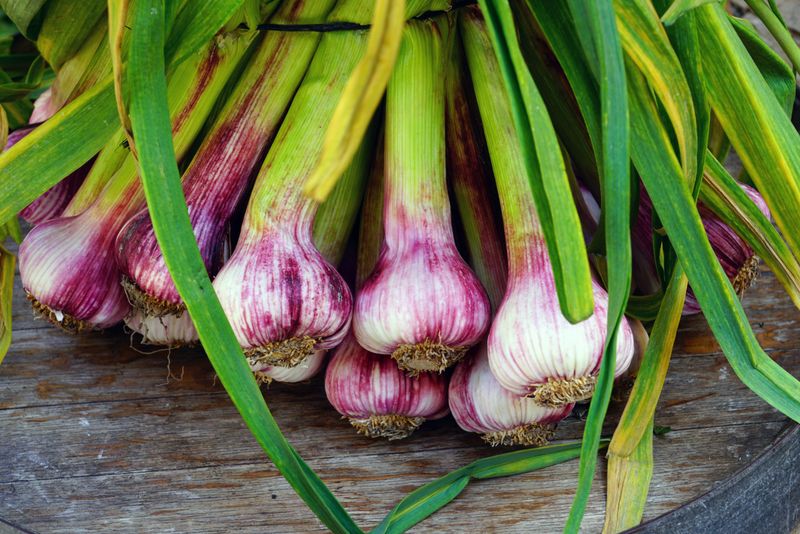
Green garlic, the young version of garlic, offers an intriguing regrowth opportunity. By replanting cloves, you witness new shoots emerging, creating an endless cycle of fresh, mild garlic flavor.
Perfect for adding a subtle kick to dishes, green garlic’s regrowth ability makes it a sustainable choice for garlic lovers. Its origins date back to Central Asia, where it was cherished for its versatility in cooking. Embrace the continuous cycle of green garlic regrowth and enjoy the aromatic touch it adds to your culinary creations. It’s a gardener’s delight and a cook’s best friend.
12. Leeks
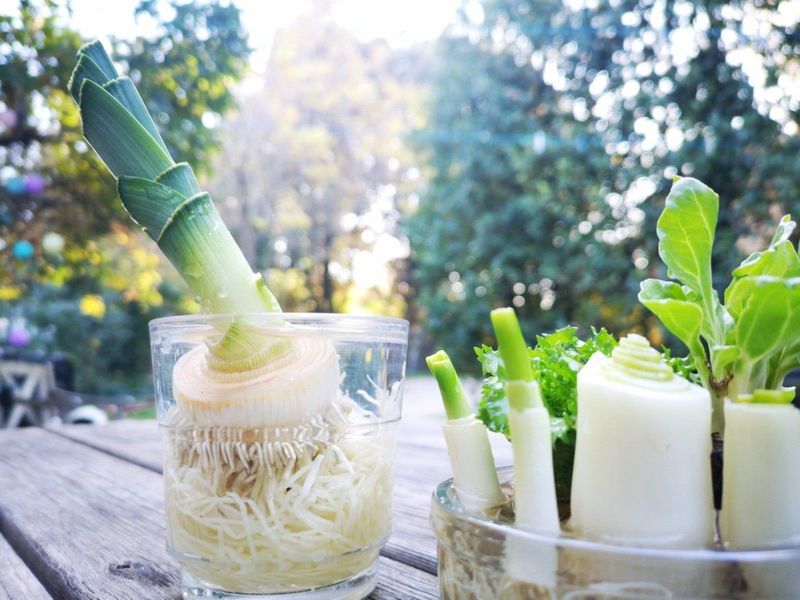
Leeks, with their mild onion flavor, present a unique regrowth opportunity. Placing their white ends in water encourages new root and shoot development, transforming them into garden-ready wonders.
Loved for their subtle taste, leeks add depth to soups and stews. Their regrowth ability makes them a sustainable choice for eco-conscious gardeners. Originating from the Mediterranean, leeks have been cultivated for centuries, appreciated for their delicate flavor and culinary versatility. Experience the satisfaction of leek regrowth and enjoy the continuous supply of this elegant vegetable.
13. Fennel
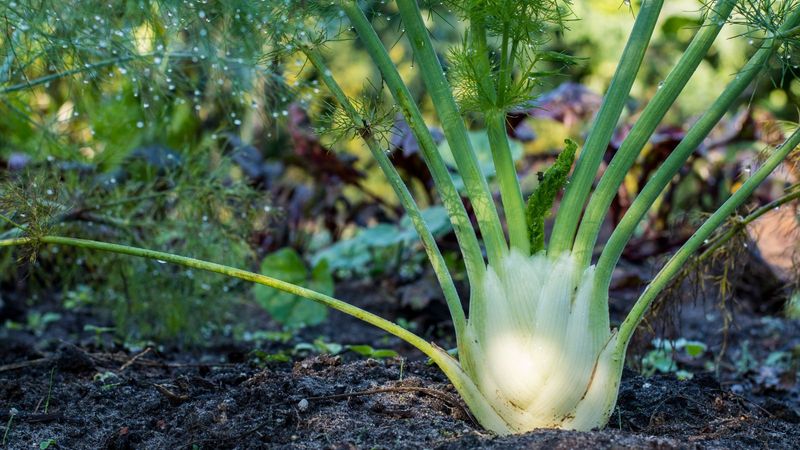
Fennel, the aromatic herb with a hint of anise, offers a delightful regrowth experience. By saving the bulb base and placing it in water, you witness roots and new shoots developing, ready for soil planting.
Cherished for its unique flavor, fennel adds depth to a variety of dishes. Its regrowth ability makes it a sustainable choice for herb enthusiasts. Fennel’s history dates back to ancient Greece, where it symbolized strength and longevity. Embrace the regrowth of fennel and savor the continuous supply of its aromatic leaves and seeds, adding a touch of elegance to your meals.
14. Ginger
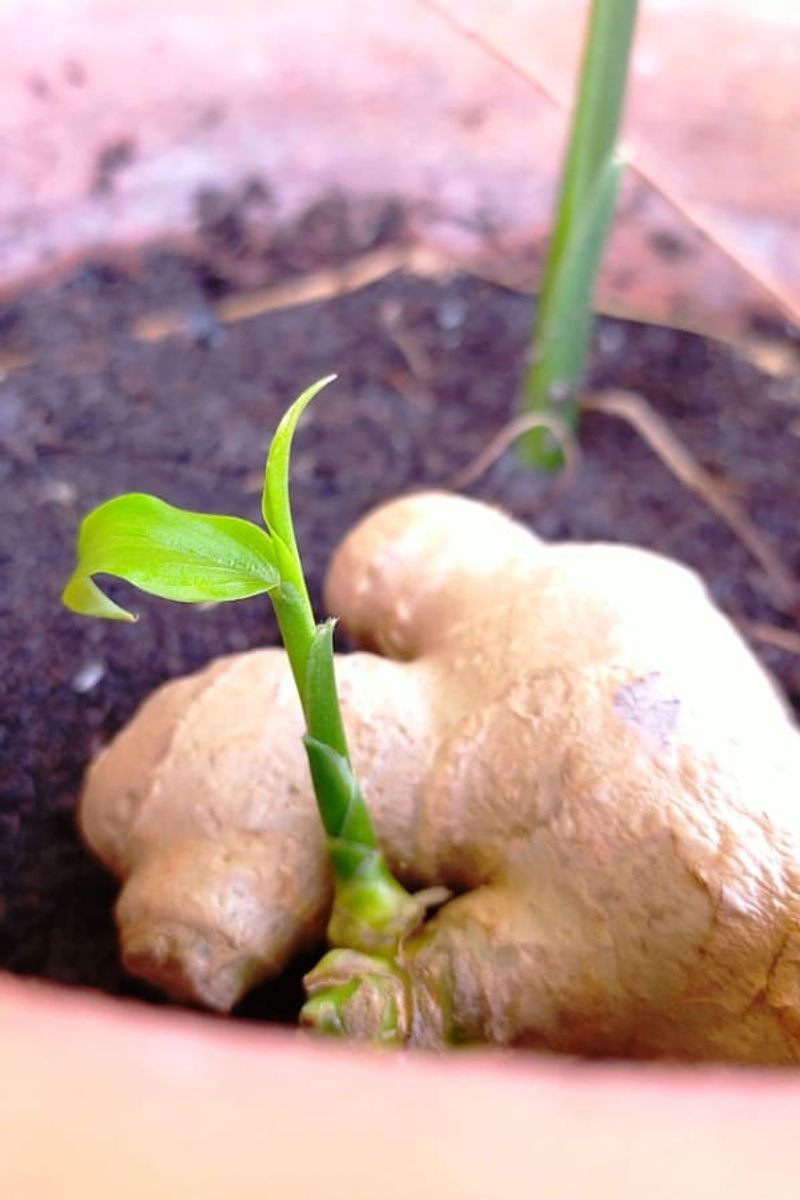
Ginger, the spice with a warm, zesty kick, offers a fascinating regrowth journey. By planting a chunk with visible buds into warm soil, you observe new shoots emerging, creating a continuous cycle of flavor.
Loved for its versatility, ginger adds a spicy touch to both savory and sweet dishes. Its regrowth ability makes it an eco-friendly choice, minimizing waste and maximizing culinary delight. Originating from Southeast Asia, ginger has been valued for its medicinal properties and flavor for centuries. Embrace the regrowth of ginger and enjoy the endless possibilities it brings to your kitchen.
15. Turmeric
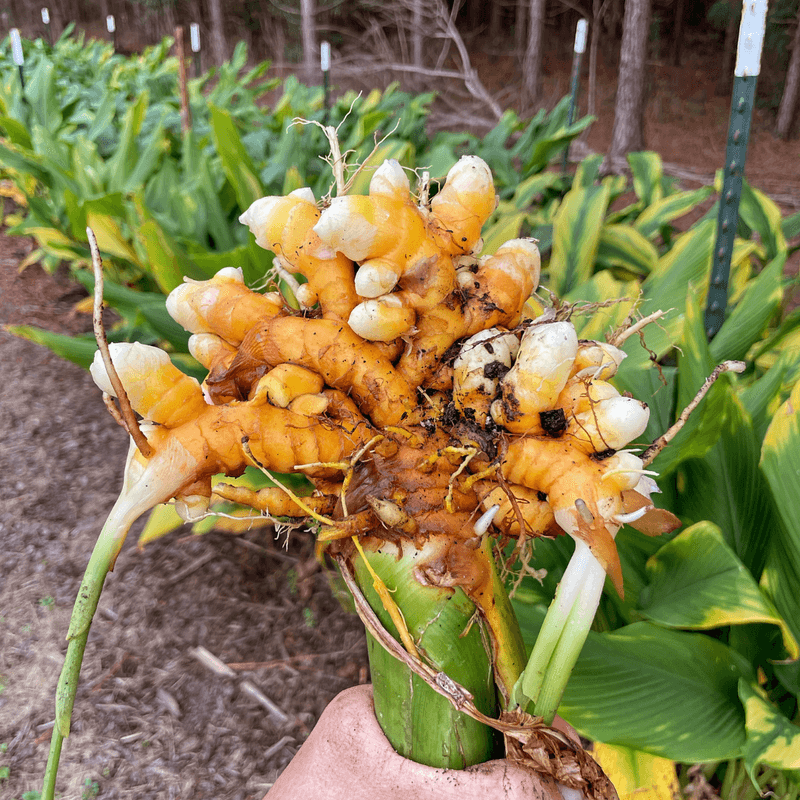
Turmeric, the golden spice, offers a vibrant regrowth opportunity. By planting rhizomes with buds into warm soil, you witness new shoots emerging, creating a lively cycle of growth and flavor.
Known for its earthy taste, turmeric adds color and depth to many dishes. Its regrowth ability makes it a sustainable choice, reducing waste and enhancing culinary adventures. With roots in South Asia, turmeric has been cherished for its medicinal properties and vibrant color for centuries. Embrace turmeric’s regrowth and enjoy the golden touch it brings to your meals and well-being.
16. Potatoes
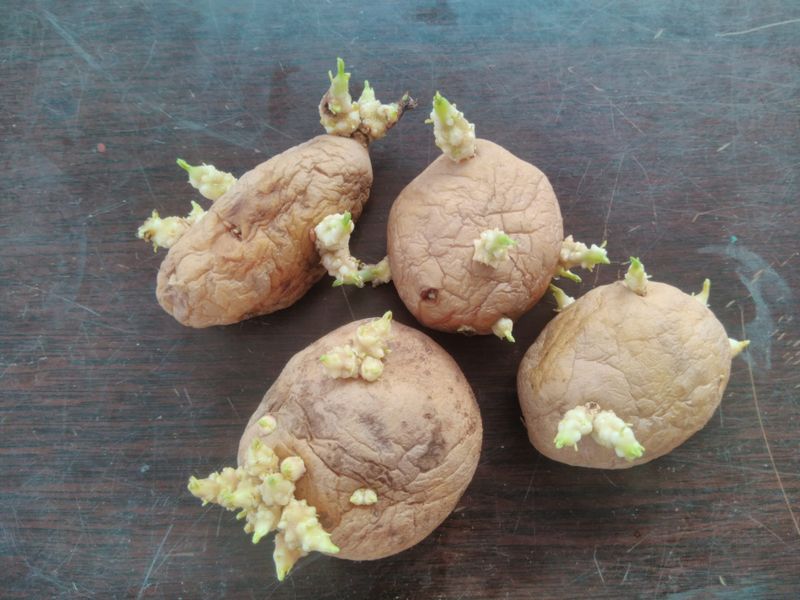
Potatoes, the humble tuber, present an exciting regrowth adventure. By planting sprouted “eyes,” you cultivate new plants, leading to a bountiful harvest of tubers. It’s a rewarding cycle that turns kitchen scraps into culinary treasures.
Versatile and beloved, potatoes are a staple in cuisines worldwide. Their regrowth ability makes them a sustainable choice, minimizing waste and maximizing yield. Originating from the Andes, potatoes have played a crucial role in global agriculture. Embrace potato regrowth and savor the endless possibilities it offers to your garden and table.
17. Sweet Potatoes

Sweet potatoes, with their vibrant orange flesh, offer a fascinating regrowth process. By suspending them in water, vines grow slips, ready for planting and cultivating a new crop.
Loved for their sweet flavor and nutritional value, sweet potatoes add a touch of color to meals. Their regrowth ability makes them a sustainable choice, reducing waste and enhancing gardening adventures. With origins in Central America, sweet potatoes have been cherished for centuries. Embrace the regrowth of sweet potatoes and enjoy the natural sweetness they bring to your kitchen and garden.
18. Tomatoes
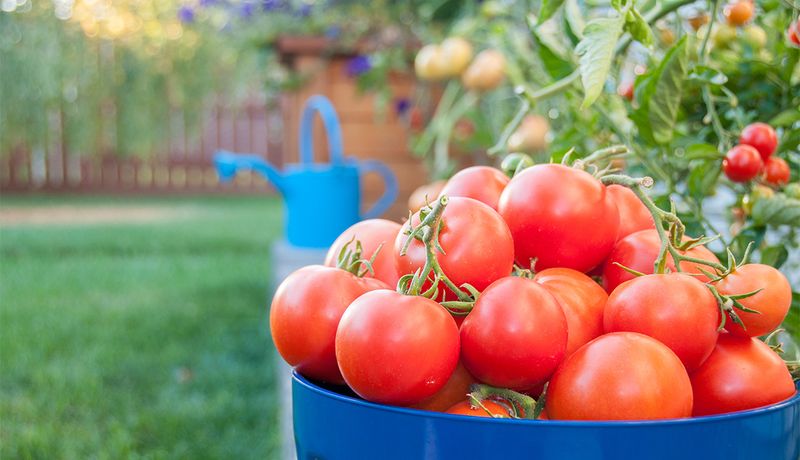
Tomatoes, the juicy garden favorite, have a secret regrowth trick up their sleeve. Fallen fruit can lead to volunteer plants sprouting up, creating a continuous supply of tomatoes.
With their vibrant red color and versatile use, tomatoes are a beloved addition to dishes worldwide. Their natural regrowth ability makes them an excellent choice for sustainable gardening. Originating from South America, tomatoes have transformed global cuisine. Embrace the regrowth of tomatoes and savor the juicy delights they bring to your garden and meals.
19. Peppers
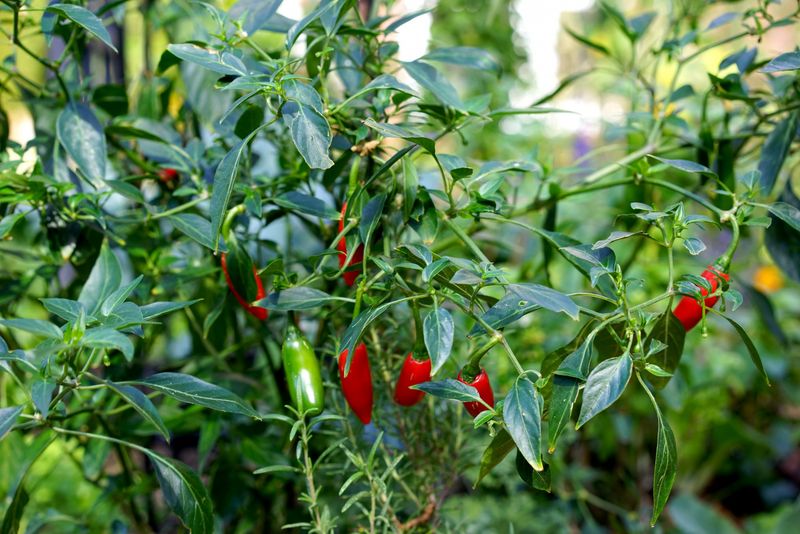
Peppers, whether spicy or sweet, present an exciting regrowth challenge. By overwintering plants indoors, you can enjoy a second year of vibrant growth and flavorful peppers.
Ideal for adding zing to dishes, peppers thrive in warm climates. Their regrowth ability makes them a sustainable choice, extending the life of your plants. With origins in Central America, peppers have added heat and flavor to cuisines globally. Embrace pepper regrowth and enjoy the fiery or sweet touch they add to your garden and culinary creations.
20. Pumpkins
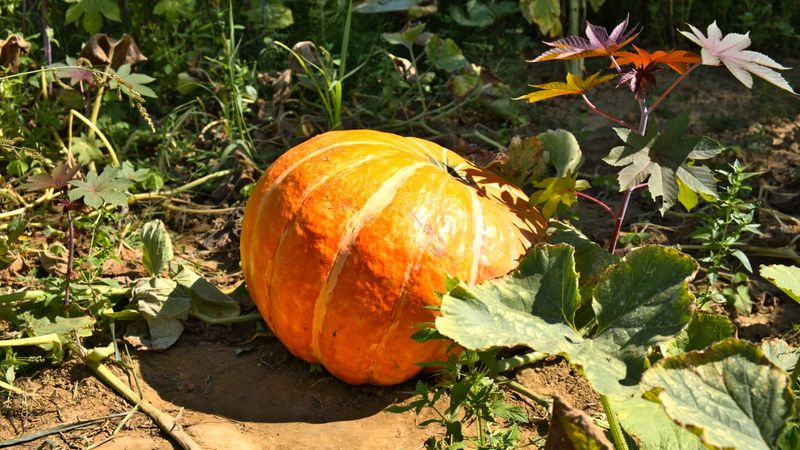
Pumpkins, the autumnal icons, have a delightful regrowth trick. If left to decompose in the garden, they can self-seed, leading to new plants and a fresh crop of pumpkins.
Cherished for their festive appeal and flavorful flesh, pumpkins are a versatile addition to dishes and decorations. Their natural regrowth ability makes them an eco-friendly choice, reducing waste and enhancing gardening adventures. Originating from North America, pumpkins have been celebrated for centuries. Embrace pumpkin regrowth and enjoy the seasonal splendor they bring to your garden and table.
21. Strawberries
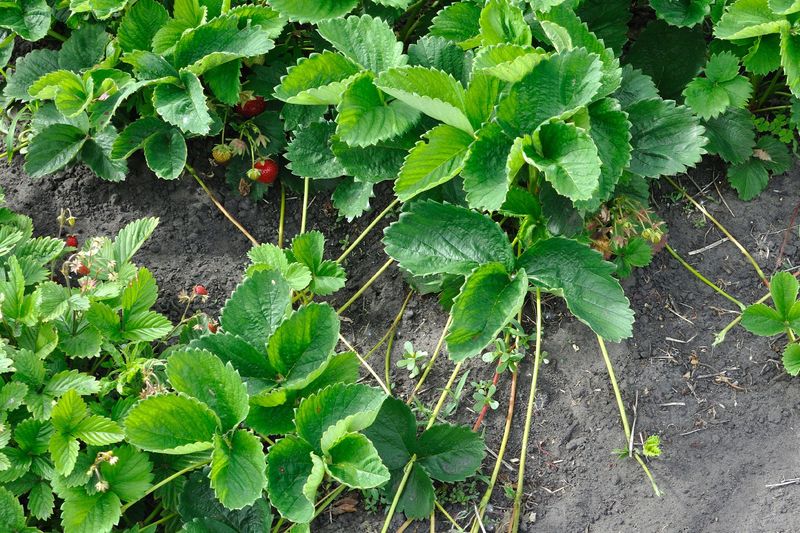
Strawberries, with their sweet red fruit, offer a charming regrowth process through runners. These runners create new plants, ensuring a continuous supply of strawberries year after year.
Loved for their juicy flavor, strawberries are a favorite in desserts and snacks. Their regrowth ability makes them a sustainable choice, multiplying your garden’s bounty. Originating from Europe, strawberries have delighted taste buds for centuries. Embrace strawberry regrowth and enjoy the sweet rewards they bring to your garden and kitchen, adding a burst of flavor to every bite.
22. Rhubarb
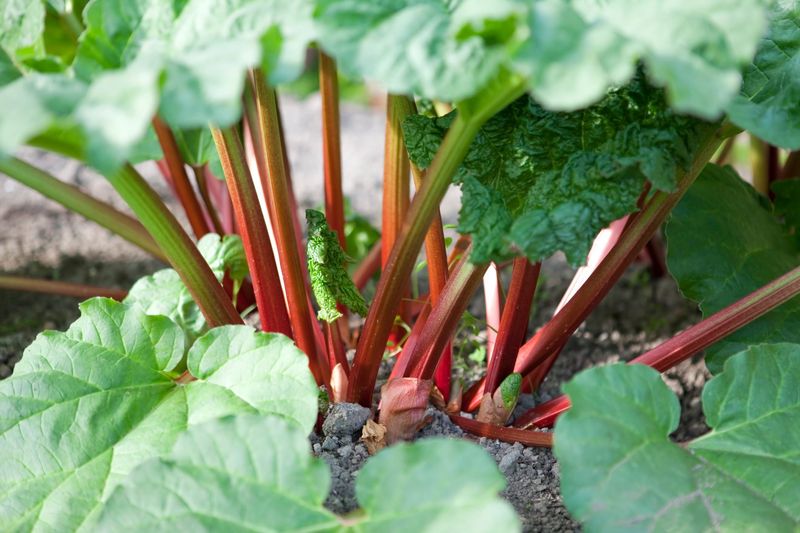
Rhubarb, with its tart flavor and vibrant red stalks, offers a perennial regrowth delight. Each spring, it comes back stronger, providing a fresh harvest of tangy stalks.
Perfect for pies and compotes, rhubarb adds a unique twist to desserts. Its natural regrowth ability makes it a sustainable choice, offering a yearly bounty. With origins in Asia, rhubarb has been appreciated for its culinary and medicinal properties for centuries. Embrace rhubarb regrowth and savor the tangy delights it brings to your garden and dishes, adding a touch of zing to your culinary creations.
1. Sunchokes
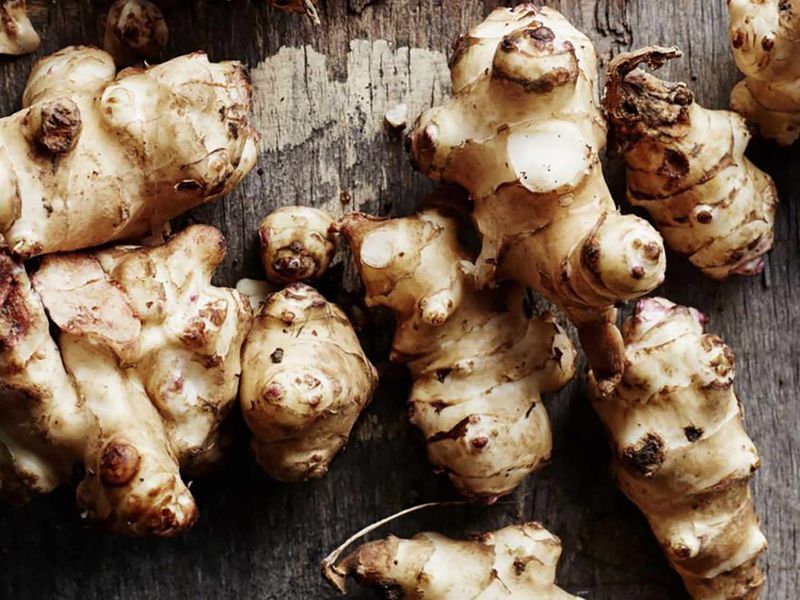
Sunchokes, also known as Jerusalem artichokes, offer a unique twist to traditional gardening. These tubers are not only tasty but also feature cheerful sunflower-like blooms that bring a splash of color.
After harvesting the tubers, you’ll find that any left behind in the soil will sprout new plants. This cycle ensures a continuous supply of sunchokes with minimal effort on your part.
Interestingly, sunchokes were once a staple food for Native American tribes, valued for their nutritional content and ease of cultivation.
2. Cabbage Stumps
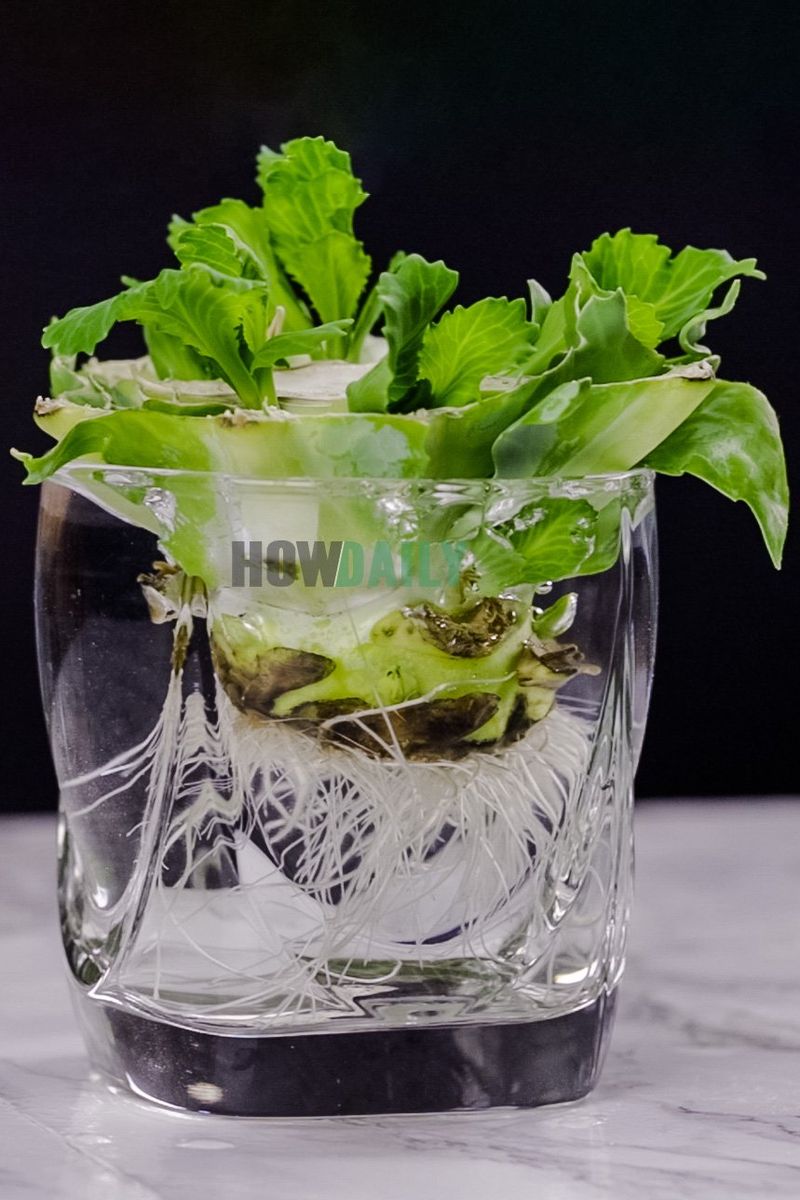
Cabbage stumps might seem like waste, but they hold the potential for regeneration. By placing the stump in water, new leaves will begin to grow, offering fresh cabbage greens.
These greens can be used in stir-fries, soups, or even as a substitute for traditional cabbage leaves. Their robust texture and flavor make them a versatile ingredient for various dishes.
Intriguing fact: Cabbage has a storied history, with its cultivation dating back over 4,000 years. Its ability to regenerate aligns with its long-standing role in culinary traditions worldwide.
3. Romaine Lettuce Stalks
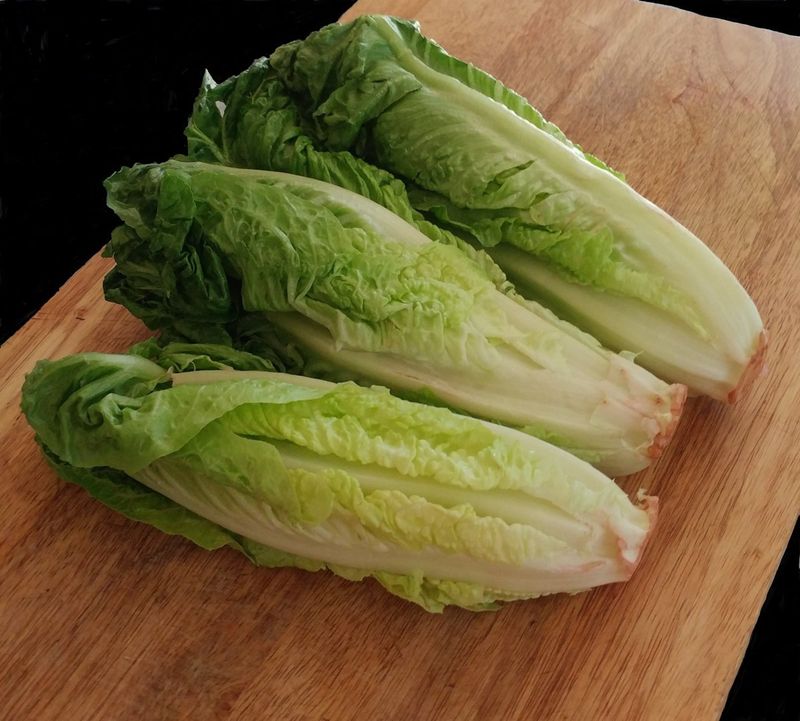
Romaine lettuce isn’t just a salad staple; it’s a regrowing marvel. By placing the base of a romaine stalk in water, you can encourage new leaves to sprout, providing a continuous supply of fresh lettuce.
This method is not only cost-effective but also ensures you have crisp, fresh greens at your fingertips. Ideal for salads or sandwiches, romaine’s mild flavor and crunchy texture are unbeatable.
Historical tidbit: Romaine lettuce has been enjoyed since the days of ancient Egypt and Rome, prized for its refreshing taste and versatility in culinary creations.
4. Beet Tops
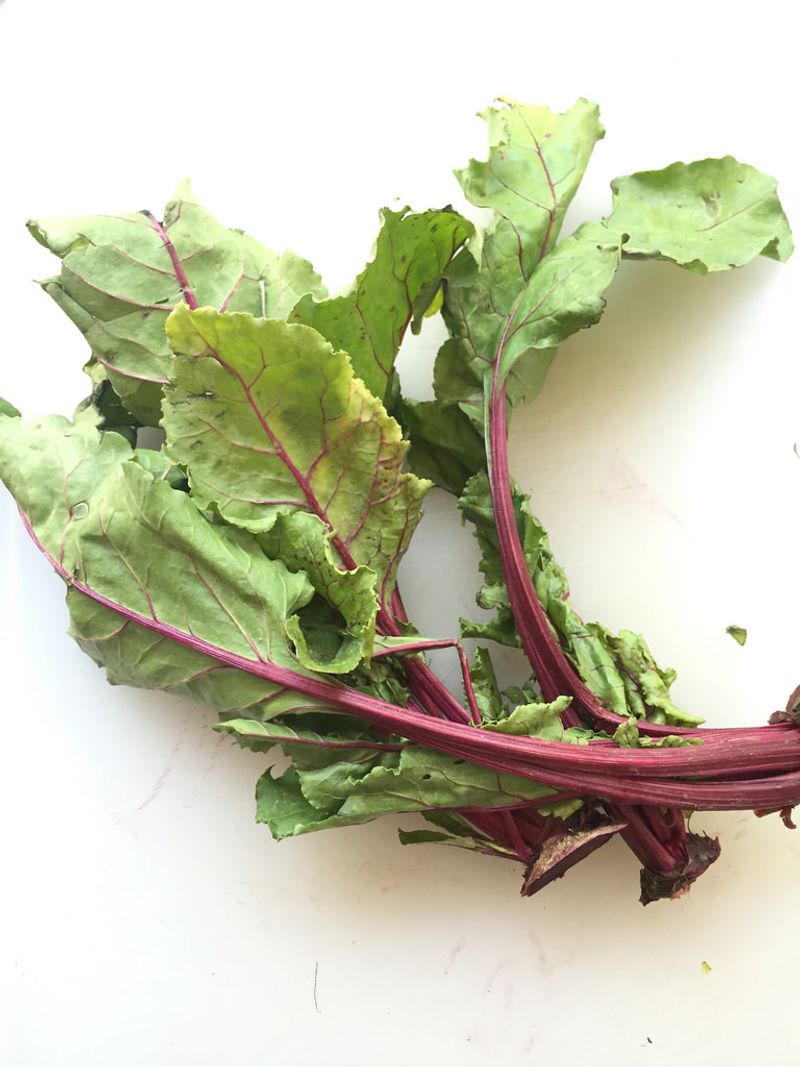
Beet tops are a hidden gem, offering both visual appeal and culinary delight. Simply place the top of a beet in a shallow dish of water, and watch as it sprouts new leafy greens.
These greens are packed with nutrients and can be used in salads or sautéed as a side dish. Their earthy flavor adds depth to any meal, making them a favorite among chefs and home cooks alike.
Quirky fact: Beets have been cultivated since Roman times, valued for both their roots and leafy tops. Their enduring popularity speaks to their versatile nature.
5. Carrot Tops
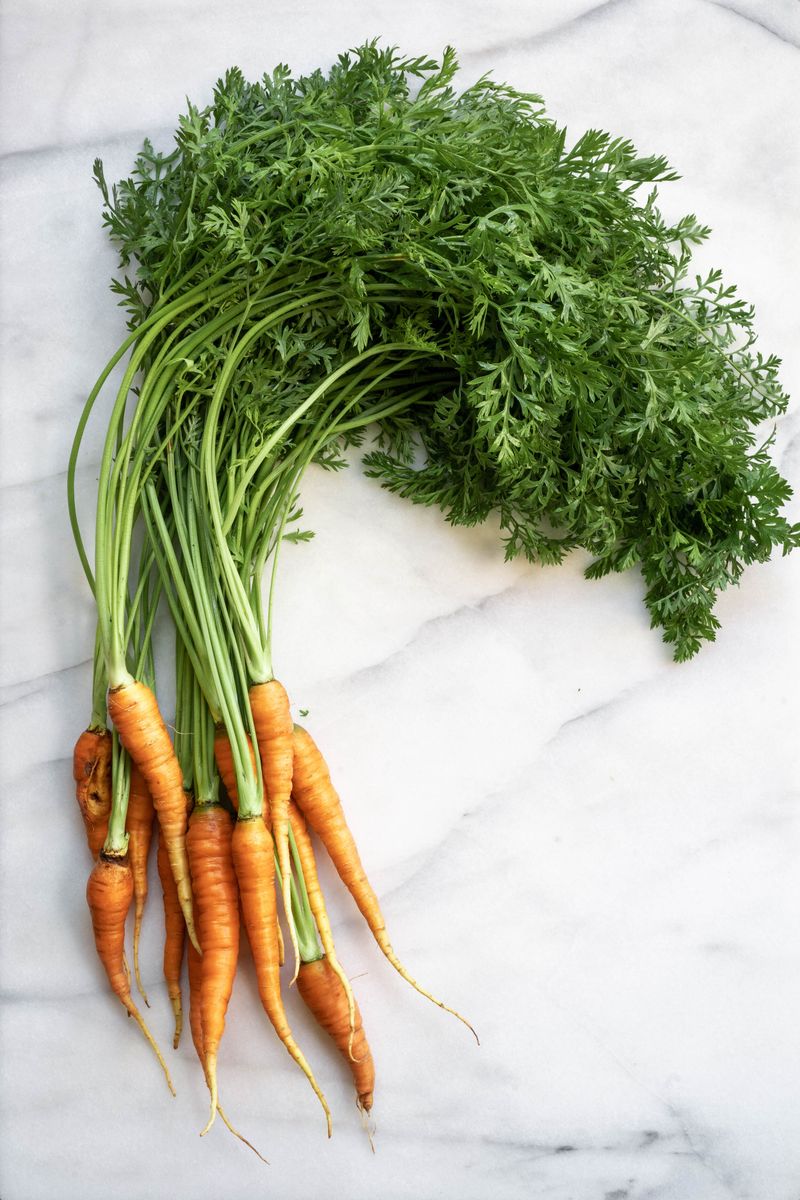
Carrot tops, often overlooked, offer a surprising regrowing capability. By simply placing the top of a harvested carrot in a shallow dish of water, new green sprouts will appear within days, offering a fresh batch of greens.
These greens aren’t just for show; they can be used in salads, soups, or as a garnish. With a delicate flavor reminiscent of parsley, they’re a delightful addition to your kitchen.
Fun fact: In ancient times, carrot greens were valued as a medicinal herb. Today, they continue to provide nutritional benefits, making them a versatile kitchen companion.