 Complete Gardening
Gardening can be a therapeutic hobby, but some plants demand more attention than others. For those looking to cultivate a garden without the constant worry of plant care, it’s wise to steer clear of high-maintenance varieties. This guide delves into 20 plants that, despite their allure, often prove to be more trouble than they’re worth. Whether it’s fussy light requirements, susceptibility to pests, or the need for precise watering, these plants can turn gardening from a relaxing pastime into a stressful chore. Discover alternatives that offer similar beauty without the hassle.
1. Gardenias
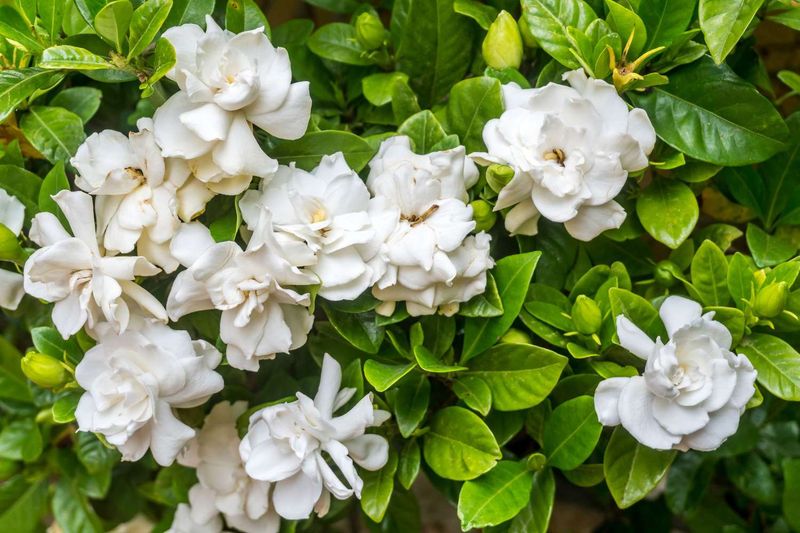
Gardenias may enchant with their fragrance, but they’re notorious for demanding care. Yellow leaves and bud drop plague them if conditions aren’t perfect. They crave acidic soil and high humidity, making them a headache for most gardeners. Beyond the basics, even a slight watering mishap can lead to disaster. Rather than enduring this botanical rollercoaster, consider the elegant Camellias. These beauties offer similar blooms without the fuss. Camellias thrive with less attention, allowing you to enjoy their charm with ease.
2. Fiddle Leaf Fig
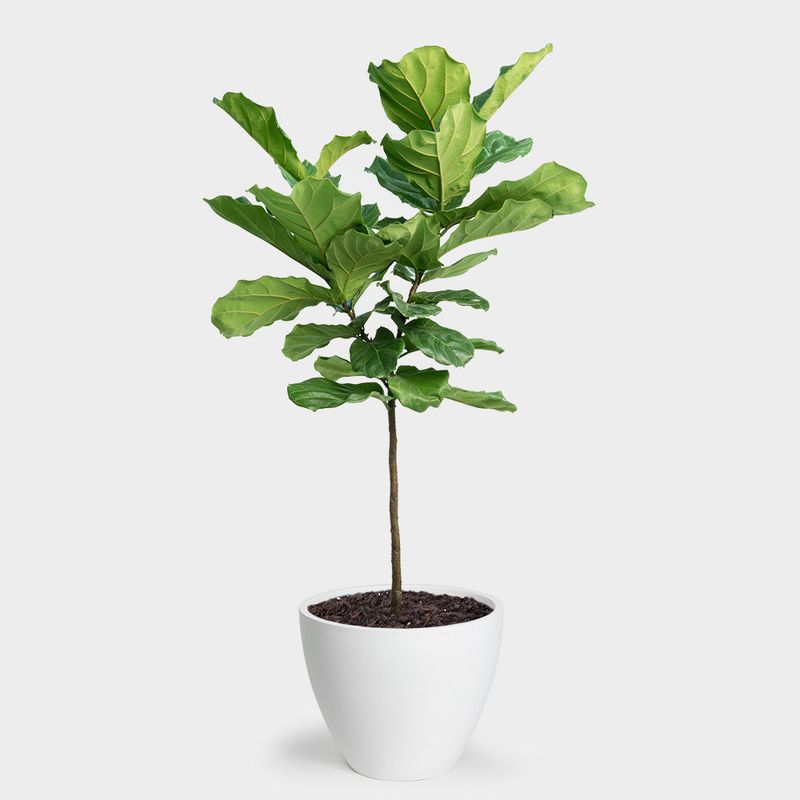
The Fiddle Leaf Fig, with its broad, glossy leaves, is a darling of interior design. However, its love for drama makes it less than ideal for the casual gardener. It will lament any change in light or humidity by shedding leaves dramatically. This plant craves precise conditions, turning a simple care routine into a performance. Instead, the hardy Rubber Plant offers similar aesthetic appeal without the theatrics. Its robust nature makes it a resilient choice for those who want beauty with less worry.
3. Hybrid Tea Roses
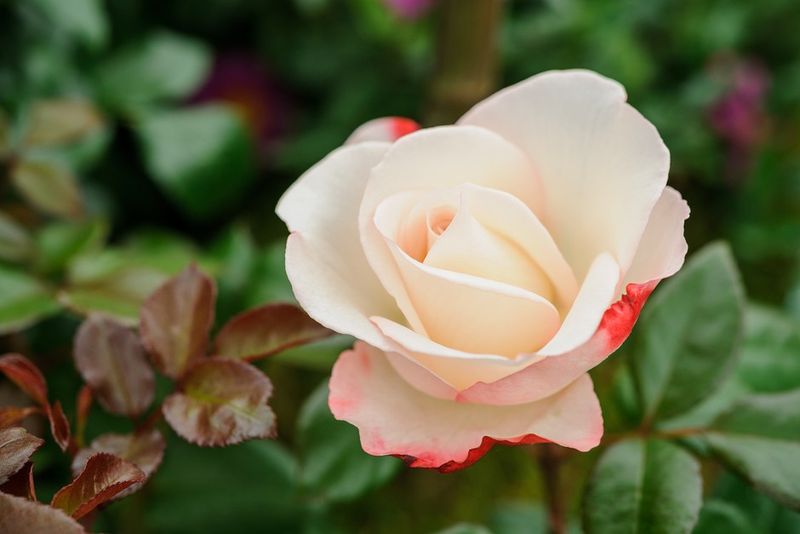
Hybrid Tea Roses stand as the quintessential rose with their large, elegant blooms, but they come with baggage. Prone to a litany of diseases like black spot and mildew, they demand vigilant care and weekly sprays. For those seeking roses without the drama, Knock Out Roses are a revelation. Hardy and self-cleaning, they offer a similar grace without the constant fight against pests. Enjoy garden beauty with resilience by opting for Knock Outs.
4. Boston Fern
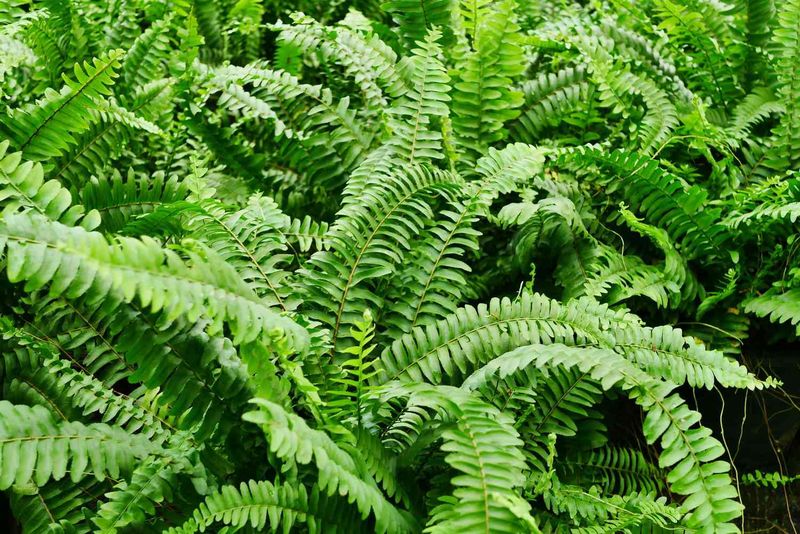
Boston Ferns add a lush, tropical vibe to any space but at a cost. They require constant moisture and daily misting to prevent their fronds from crisping. Few plants are as finicky about their environment as this fern. For a similar aesthetic without the moisture marathon, consider the Asparagus Fern. Not truly a fern, it offers a comparable look with much lower maintenance, thriving even when neglected. Embrace greenery without the watering can workout.
5. Orchids (Phalaenopsis)
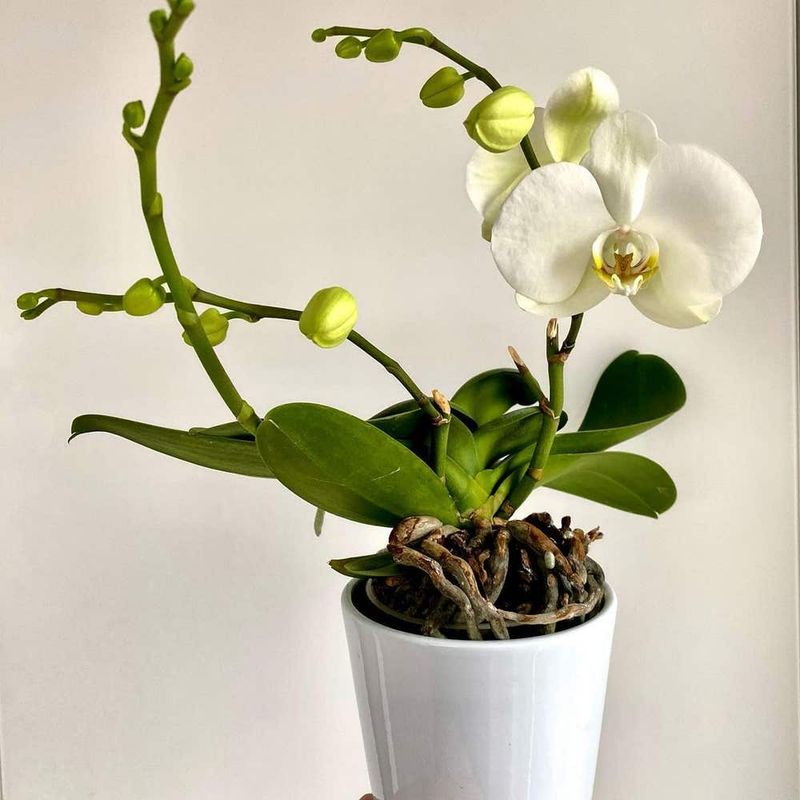
Orchids, particularly Phalaenopsis, are the epitome of elegance but come with a strict care checklist. Light, humidity, and watering must align perfectly to avoid rot. They’re stunning but can frustrate all but the most dedicated gardeners. For those seeking indoor blooms with less fuss, African Violets are a charming alternative. They offer similar visual joy without demanding the same level of vigilance. Their ease of care makes them an indoor favorite.
6. Japanese Maple (in Hot Climates)
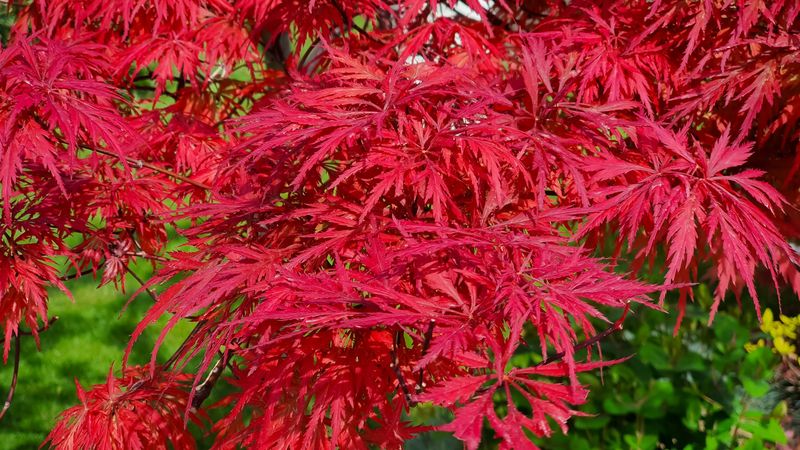
Japanese Maples are treasured for their delicate leaves and vibrant colors, but in hot climates, they become a gardener’s conundrum. Scorching sun and a need for acidic soil make them problematic. In regions where heat prevails, Crape Myrtle is a more forgiving choice. Not only does it flourish in warmth, but its robust nature ensures garden beauty with minimal demands. Crape Myrtle stands as a stalwart alternative, thriving where others wilt.
7. Delphiniums
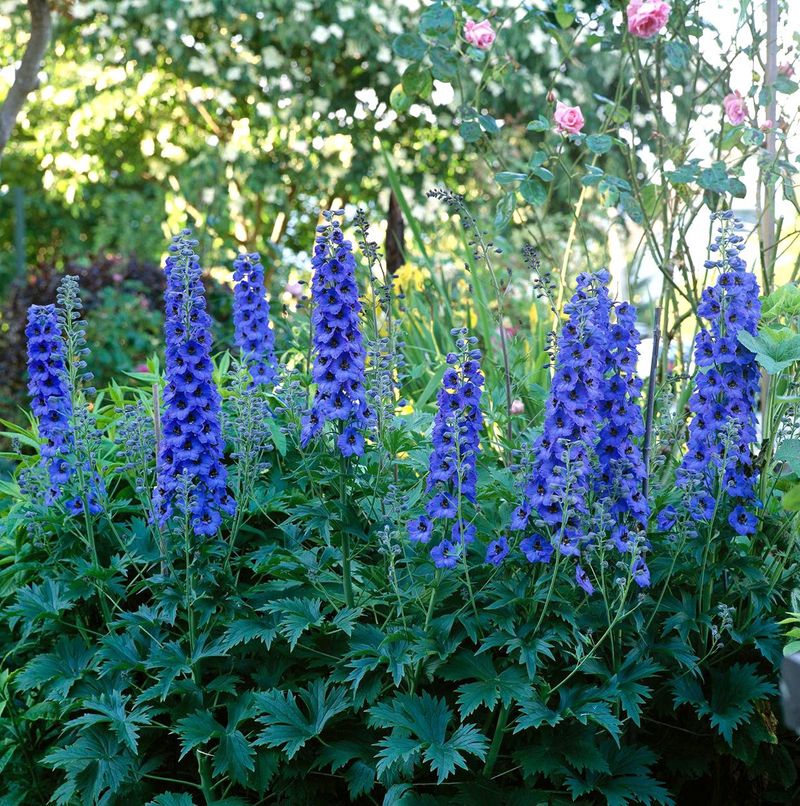
Delphiniums grace gardens with their towering spikes, yet they topple under their own beauty. Requiring staking and loathing heat, they are not for the faint-hearted. For those desiring vertical interest without the drama, Liatris is a brilliant substitute. Known for its resilience, it stands tall with minimal support, offering spiky blooms that endure. Liatris plants bring grace without the constant concern for structural integrity.
8. Calatheas (“Prayer Plants”)
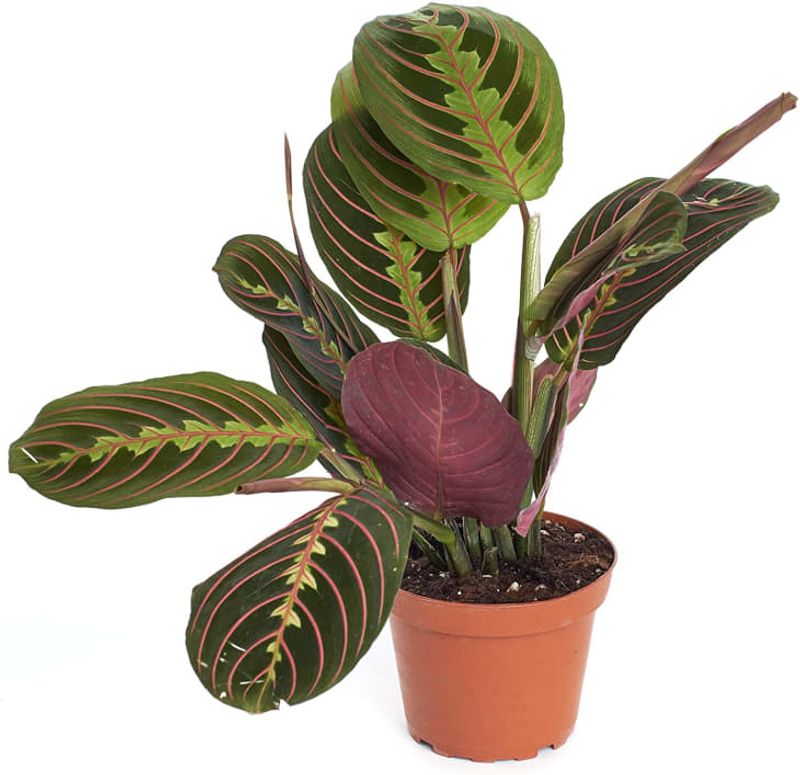
Calatheas, known for their striking foliage, require a precise humidity level. If it drops below 60%, brown edges appear, announcing their displeasure. This plant’s beauty is matched only by its fussiness. For those who prefer a more carefree experience, Pothos is the plant of choice. It thrives on neglect, growing lush and vibrant without the same humidity demands. Pothos offers beauty without the browning and wilting woes.
9. Tulips (in Warm Zones)
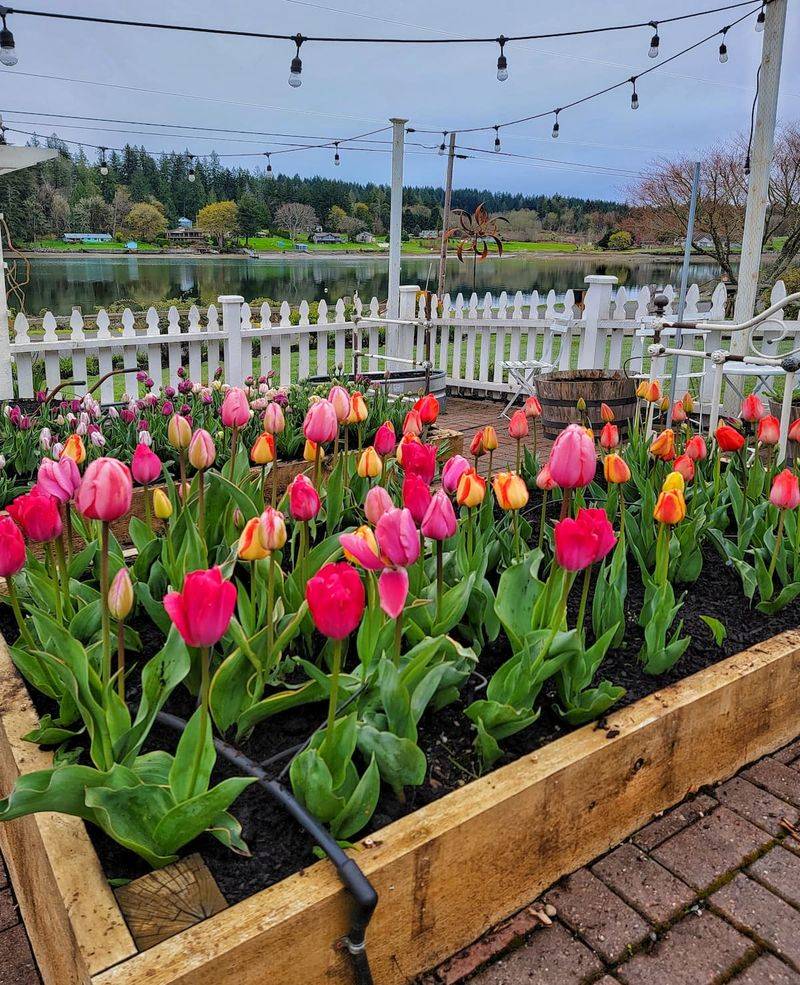
Tulips are a springtime favorite, but in warm climates, they often fade after one season. Their tendency not to rebloom makes them less ideal where winters are mild. For enduring floral displays, Daffodils provide an excellent solution. They naturalize easily, returning year after year with little effort. Daffodils’ cheerful presence ensures continuous garden delight without the need for replanting, bringing consistency to the seasons.
10. Majesty Palm (Indoors)
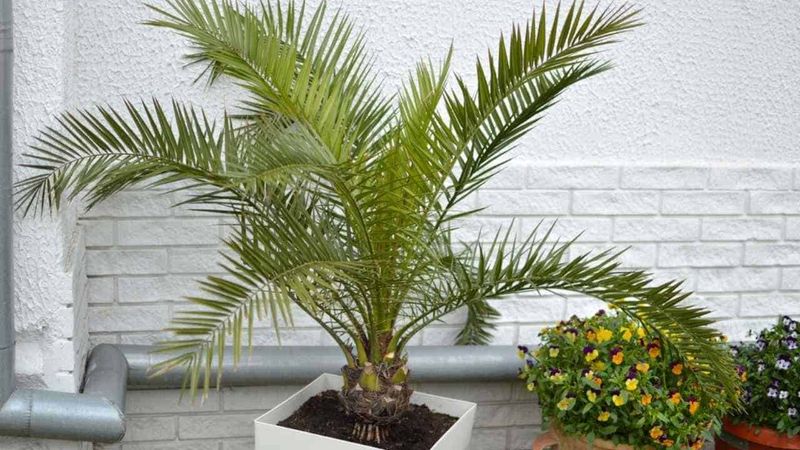
The Majesty Palm brings a touch of the tropics indoors, but its demands are substantial. Prone to spider mites and needing bright light with constant moisture, it can quickly become a chore. For an equally exotic feel with less fuss, the Parlor Palm is a delightful alternative. It forgives neglect, thriving even in less-than-ideal conditions. The Parlor Palm offers lush greenery without the vigilance required by its majestic counterpart.
11. English Boxwood
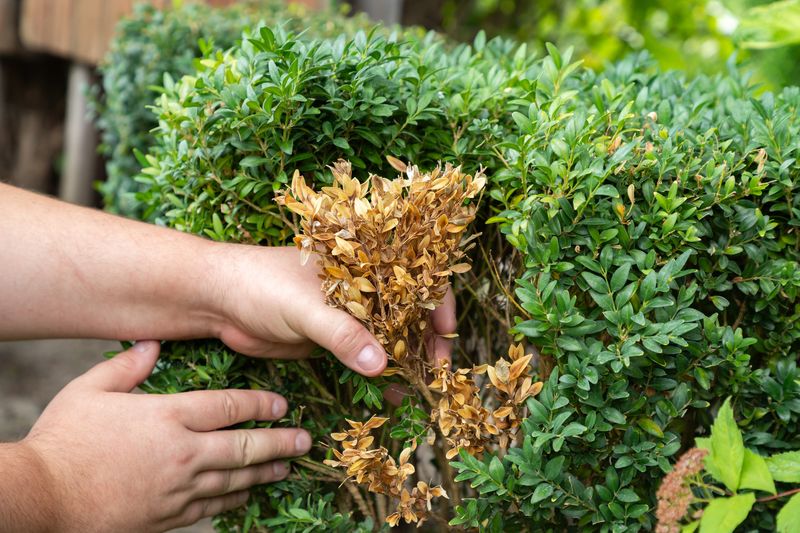
English Boxwood is a staple in formal gardens but is plagued by blight, pests, and winter bronzing. This finicky shrub requires careful attention to maintain its classic shape. For a similar structured look with greater resilience, Holly (Ilex) is an excellent choice. Holly’s hardiness and pest resistance make it a reliable garden ally. Enjoy the timeless appeal of structured greenery without the persistent worries of common boxwood ailments.
12. Hydrangeas (Bigleaf Types)
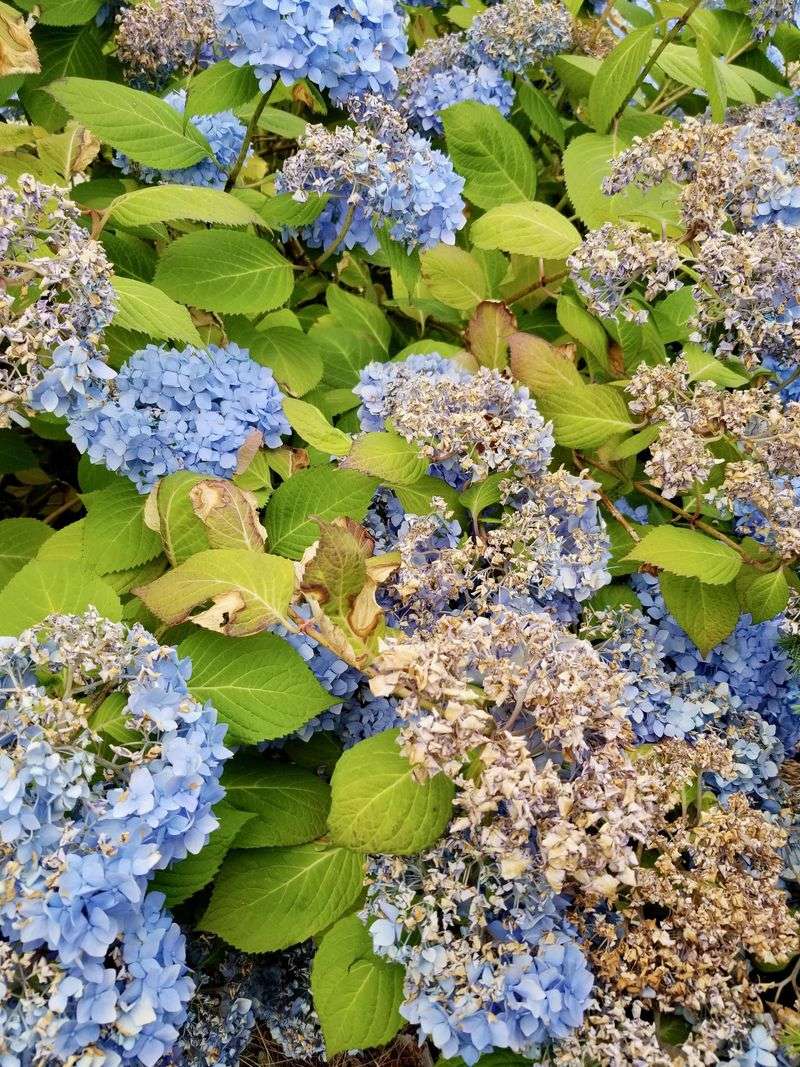
Bigleaf Hydrangeas captivate with their vibrant blooms but wither without perfect watering. Their blooms form on old wood, complicating pruning. For a more forgiving hydrangea experience, Panicle Hydrangeas bloom on new wood and are sun-tolerant. They offer the same floral spectacle without the meticulous care requirements. Panicle Hydrangeas promise garden beauty that’s both robust and sustainable, reducing the risk of bloom failure due to pruning errors.
13. Venus Flytrap
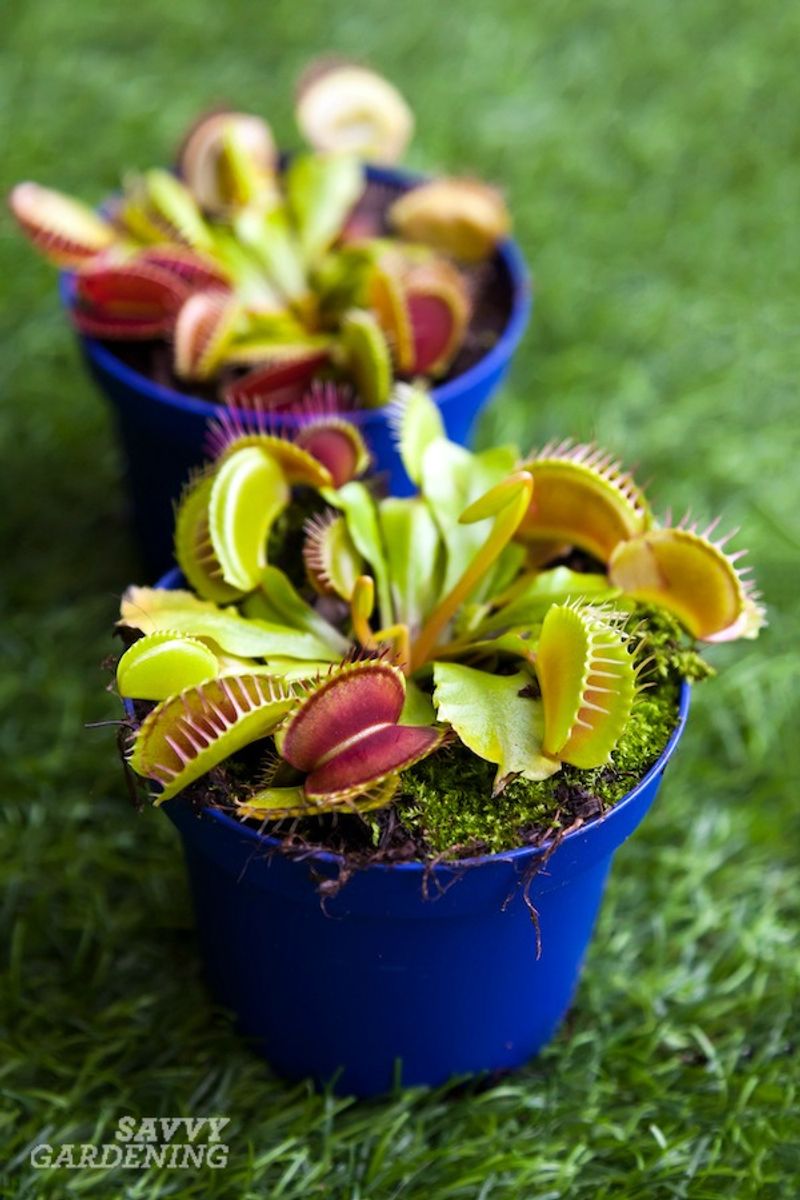
The Venus Flytrap is a fascinating carnivorous plant but comes with specific needs. It requires distilled water, constant high humidity, and a period of dormancy, making it challenging for many plant enthusiasts. A more manageable carnivorous alternative is the Pitcher Plant, which is less finicky yet equally intriguing. Pitcher Plants offer a captivating glimpse into nature’s complexity without the stringent care regimen, offering ease and intrigue in equal measure.
14. Lilacs (in Mild Climates)
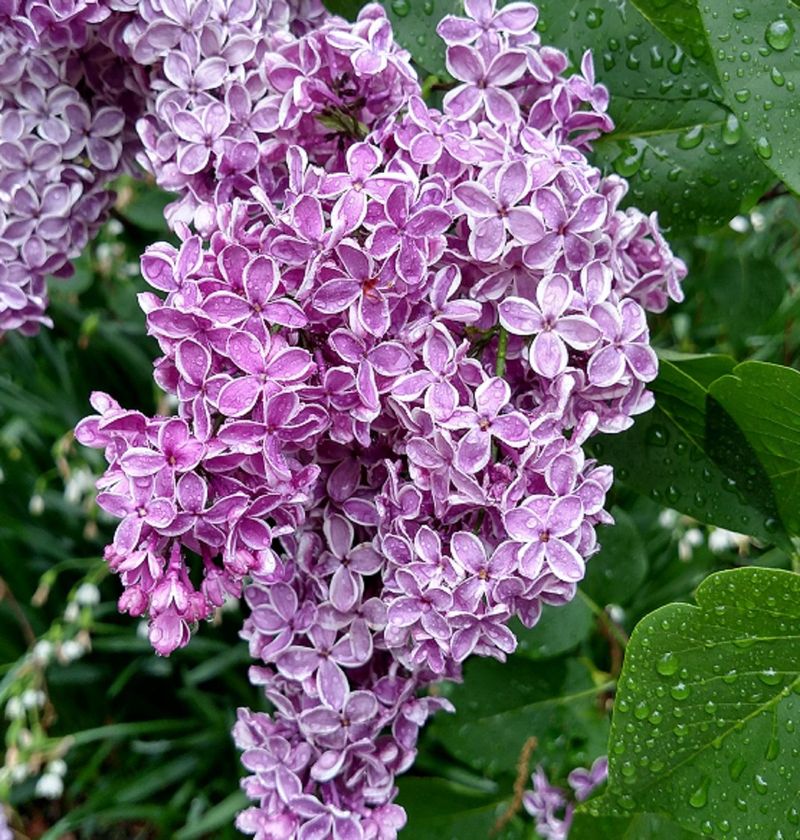
Lilacs are cherished for their fragrance but falter in mild climates where winter chills are absent. Without a cold snap, they fail to bloom, leaving gardeners longing for their sweet scent. The Butterfly Bush, with its similar aromatic appeal, thrives in warmer zones, blooming profusely without the need for cold. This heat-friendly option fills the garden with fragrance and color, providing a reliable alternative to traditional lilacs.
15. String of Pearls
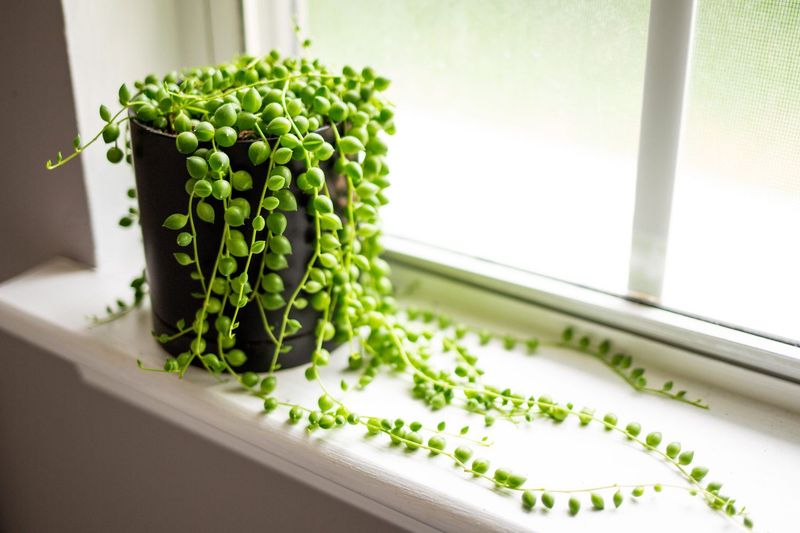
String of Pearls is a unique succulent with cascading beads that allure, but its watering needs are exacting. Overwater, and it rots; underwater, and it shrivels. This plant demands a precise hand. For an easier journey into trailing succulents, the String of Bananas offers similar visual charm with more forgiving care. It thrives with a less exacting watering regimen, allowing for a more relaxed approach to succulent beauty.
16. Azaleas (Indoors)
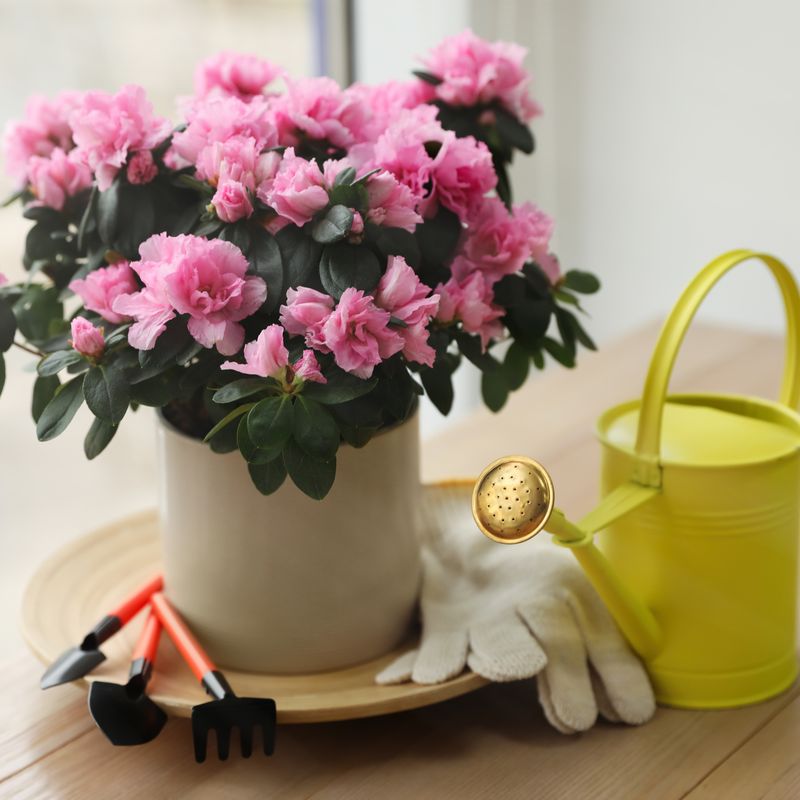
Indoor Azaleas are praised for their vibrant flowers but can be tricky to maintain. They drop leaves if exposed to dry air or insufficient light, requiring an attentive gardener to thrive. The Peace Lily, on the other hand, offers similar floral elegance with a much more forgiving nature. It copes well with low light and drier conditions, making it ideal for indoor spaces where Azaleas might falter. Enjoy indoor blooms with less commitment.
17. Weeping Fig (Ficus Benjamina)
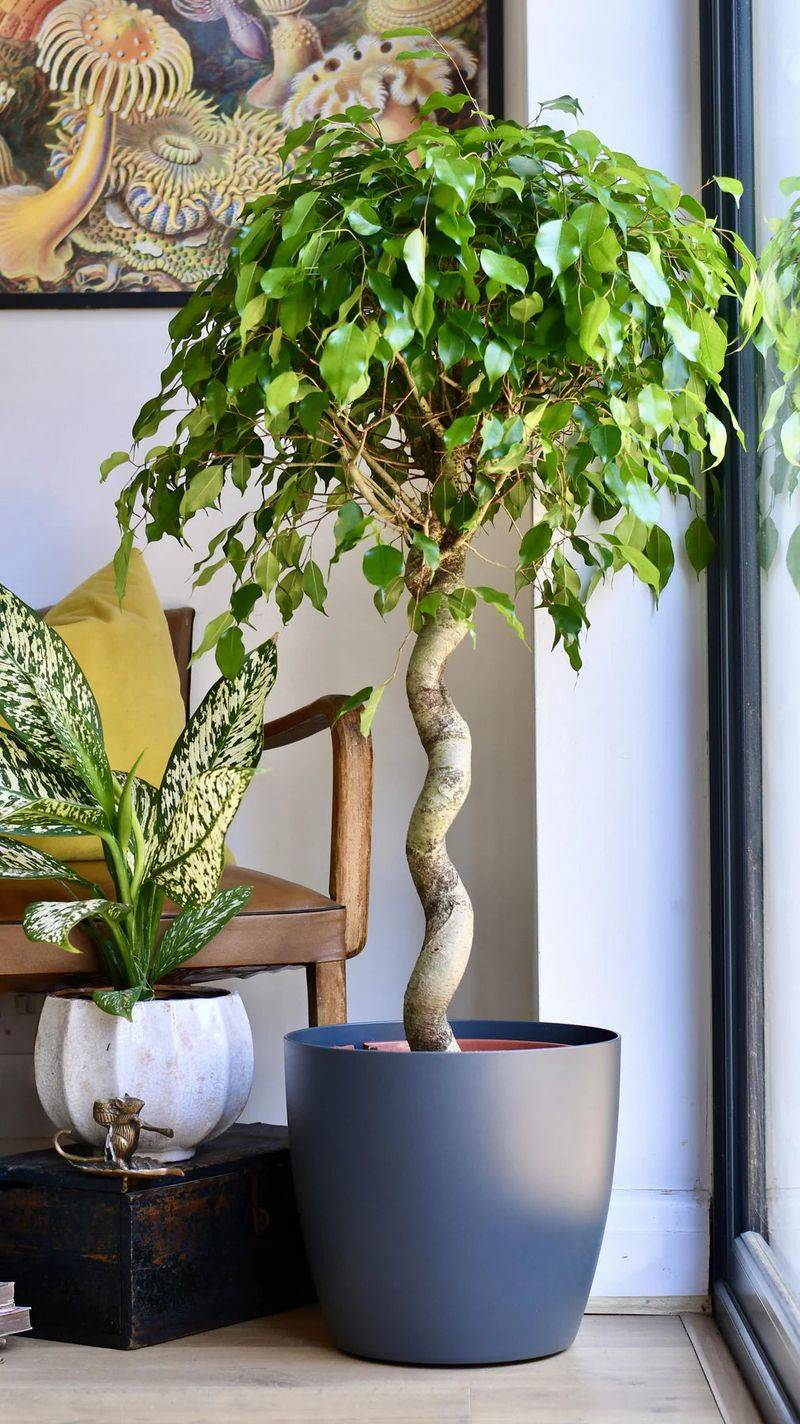
The Weeping Fig, or Ficus Benjamina, is a popular indoor tree known for its graceful canopy but is quickly stressed by environmental changes. Moving it or exposure to drafts can lead to leaf drop, leaving a bare tree behind. The Fiddle Leaf Fig, while still requiring care, is a less temperamental choice. It retains its lush foliage more reliably, making it a preferable option for those who want an indoor tree with fewer surprises.
18. Lupines
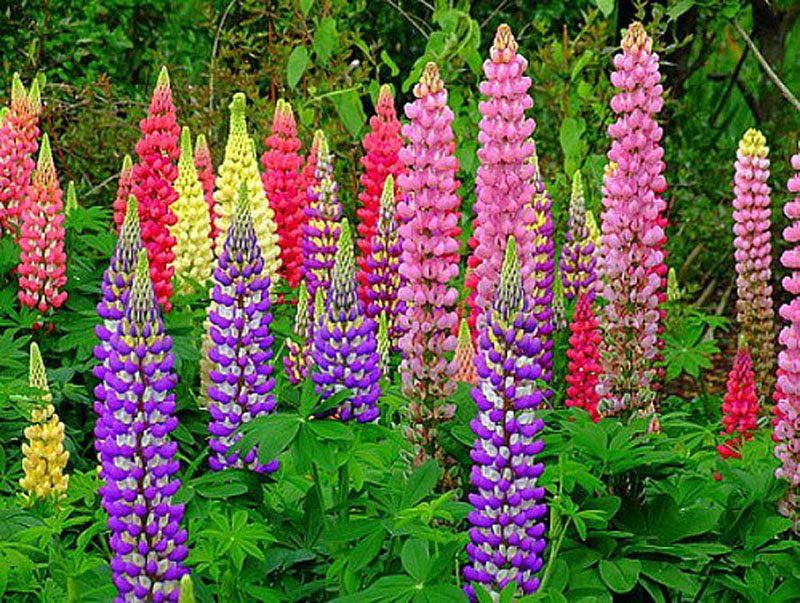
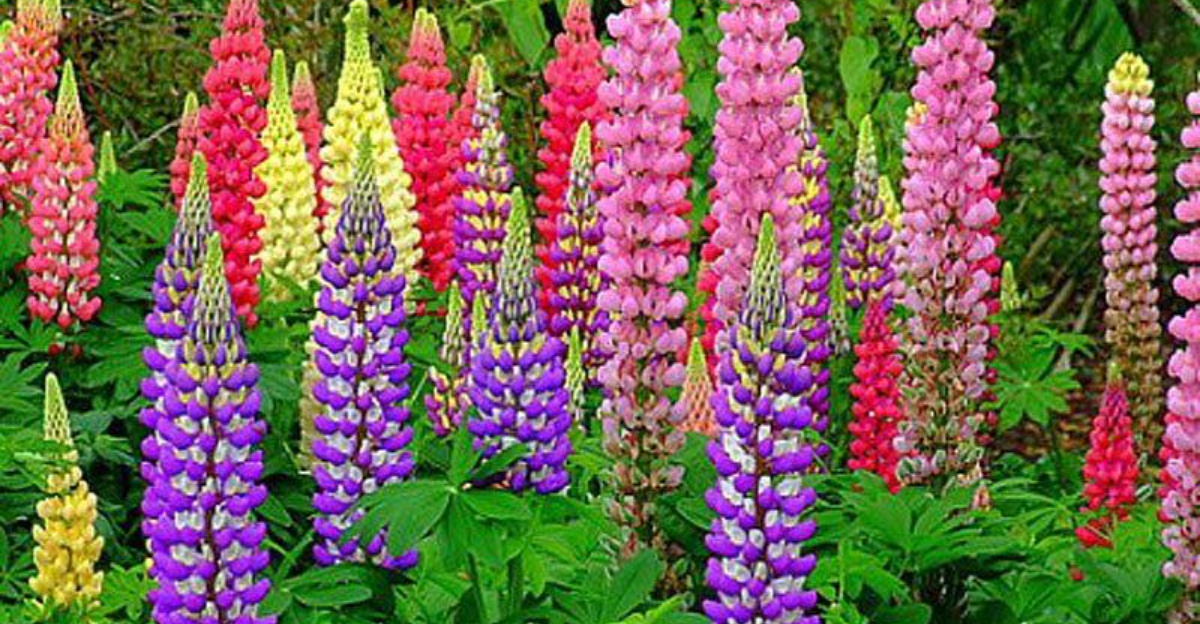
Lupines are loved for their spire-like blooms but despise heat and heavy soil. Transplanting them can be a gamble, often resulting in failure. For those seeking tall floral spikes with resilience, Foxgloves provide a promising alternative. While biennial, they self-seed, ensuring a continuous presence in the garden. Foxgloves bring vertical beauty with less hassle, making them a staple for gardeners seeking reliability amidst floral grandeur.
19. Maidenhair Fern
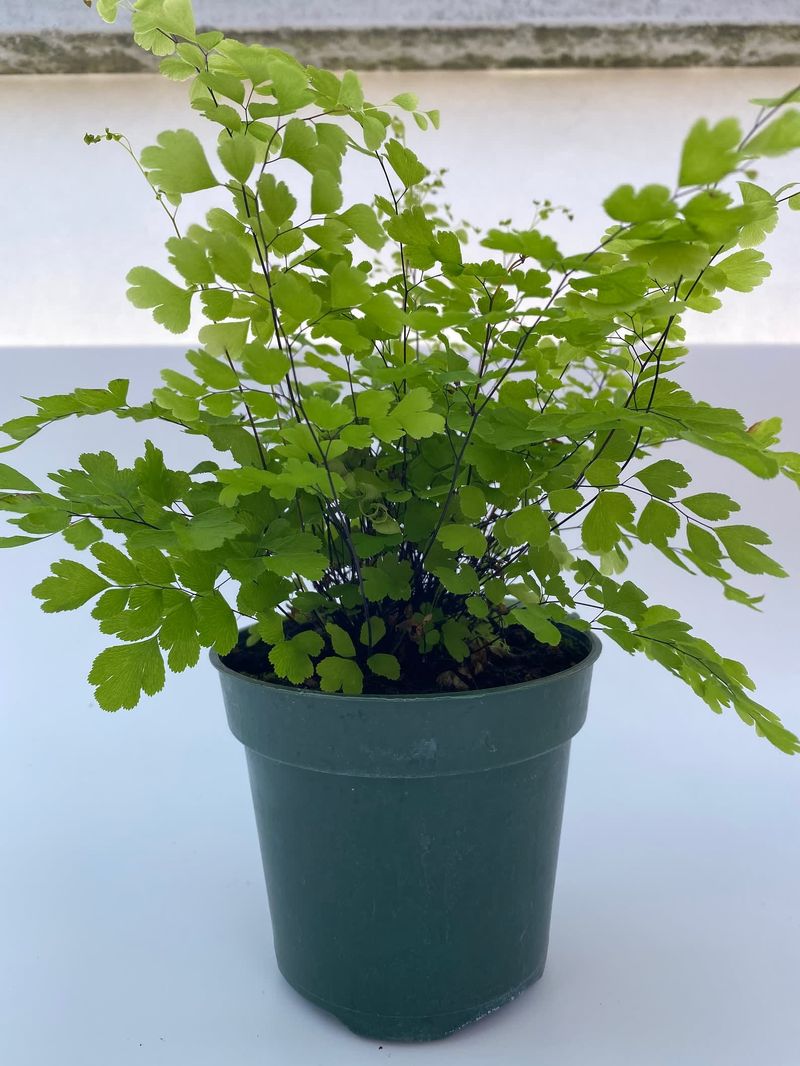
The Maidenhair Fern is celebrated for its delicate appearance but collapses if its soil dries out even once. Its care demands consistent moisture, a task not for the forgetful. The Bird’s Nest Fern, with its waxy leaves, is far less demanding. This robust plant can withstand occasional lapses in care, offering similar lush greenery without the constant watering schedule. Bird’s Nest Ferns make maintaining indoor ferns easier and more forgiving.
20. African Violets (For Beginners)
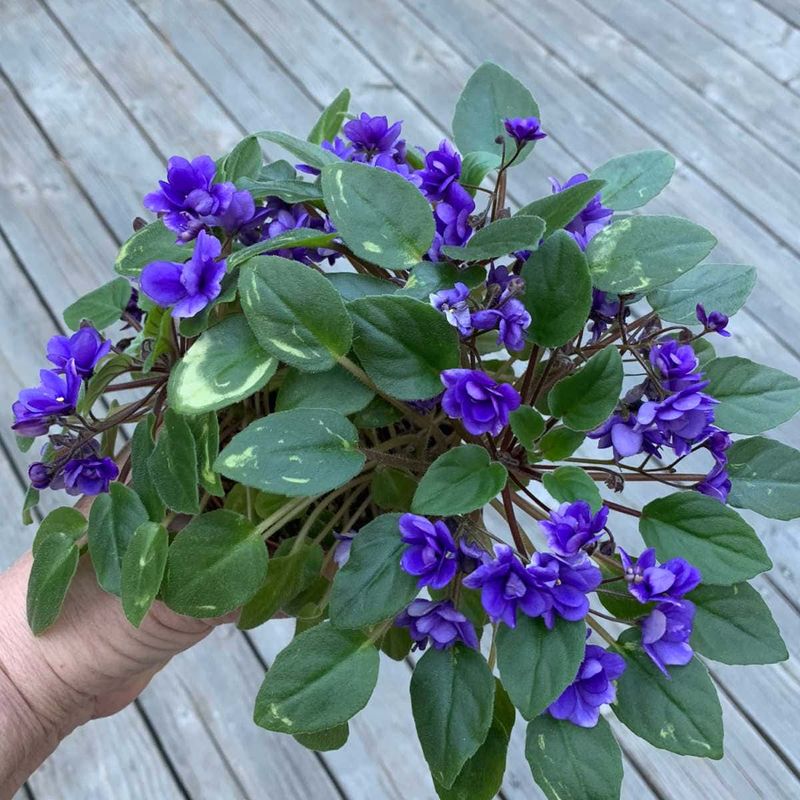
African Violets enchant with their compact, colorful blooms but can frustrate beginners with their sensitivity. Crown rot from improper watering and picky light preferences make them challenging. For a more beginner-friendly option, Peperomia offers a similar compact beauty with far less fuss. It’s forgiving of occasional neglect and tolerates variable light conditions, making it an excellent choice for those new to indoor gardening. Enjoy the joy of indoor plants without the risk of rot.