
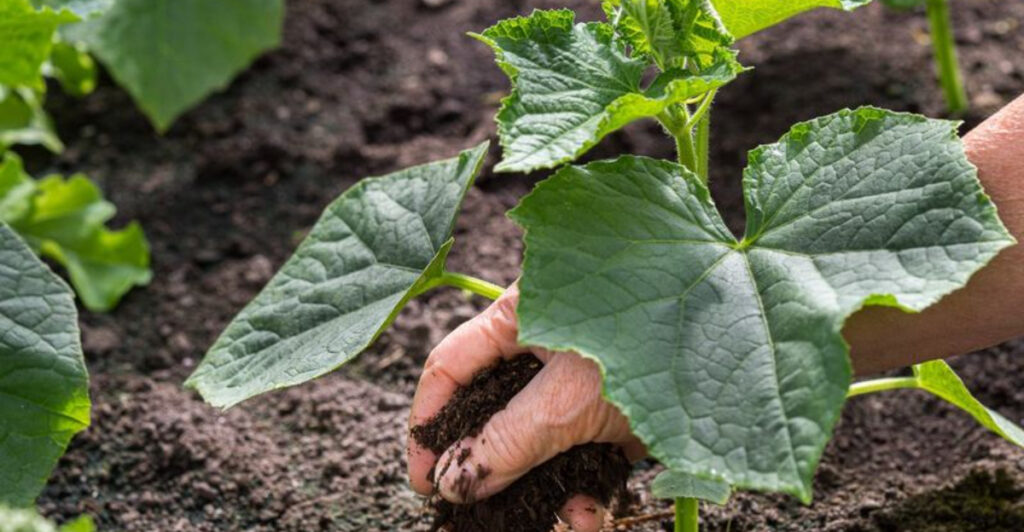
Growing young cucumber plants requires attention to detail and the right fertilizers to boost their growth and productivity.
Here are ten essential tips to ensure your cucumber plants thrive.
1. Nutrient-Rich Soil

Start with a garden bed that’s rich in nutrients. Mixing well-rotted manure or compost into the soil before planting provides an ideal foundation for cucumber seedlings. This nutrient-packed start ensures plants have essential minerals readily available. Imagine your cucumbers thriving in a soil that feels like a luxurious spa day for plants! Remember, healthy soil sets the stage for vibrant growth and bountiful harvests. It’s the first step to a fruitful cucumber journey.
2. Balanced Fertilizer at Planting
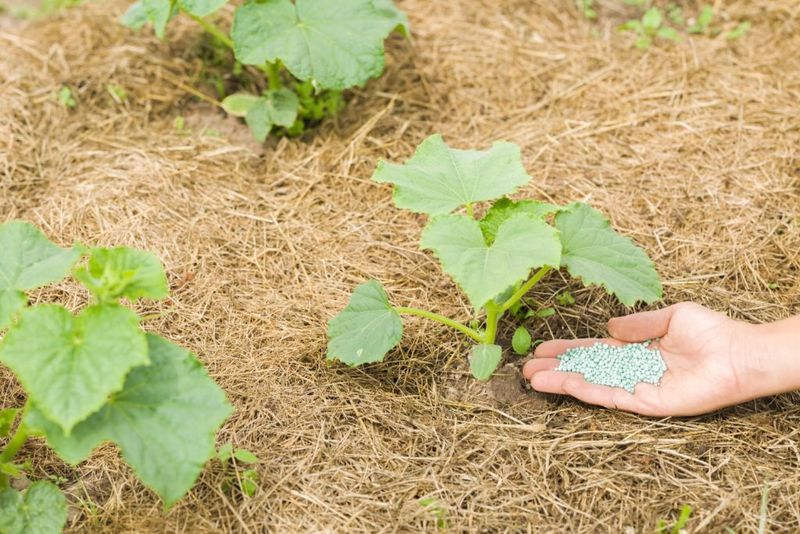
When transplanting or after seedlings show a few true leaves, apply a balanced fertilizer, like 10-10-10 or 5-5-5. This balanced mix provides equal parts nitrogen, phosphorus, and potassium, crucial for early growth stages. Visualize these nutrients as a balanced breakfast for your plants—offering everything they need to grow strong and healthy. Early nutrition sets a strong foundation for vigorous growth and productivity.
3. Water Before Fertilizing
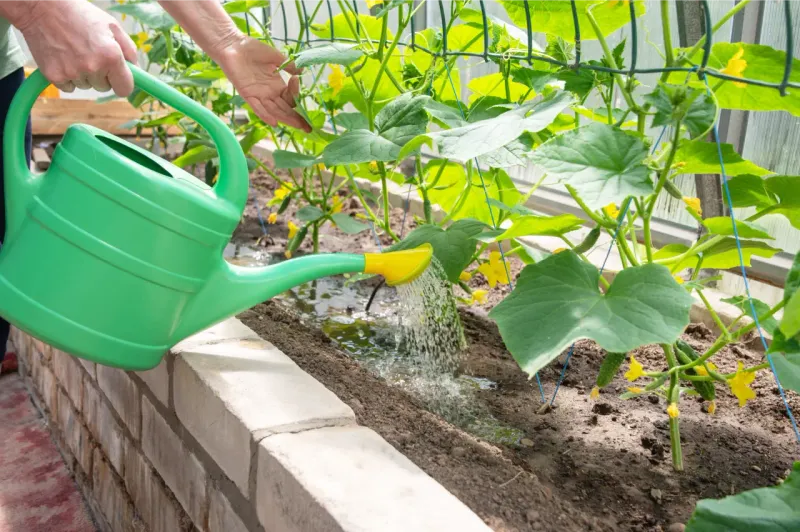
Always water the soil before applying any fertilizer. This practice prevents the risk of fertilizer burn and encourages even nutrient absorption. Picture the water as a soothing balm for the soil, preparing it to accept nutrients gracefully. Think of it as preparing the canvas before painting. By ensuring the soil is moist, nutrients can move freely and support the plant’s needs efficiently.
4. Liquid Fertilizer Every 10–14 Days
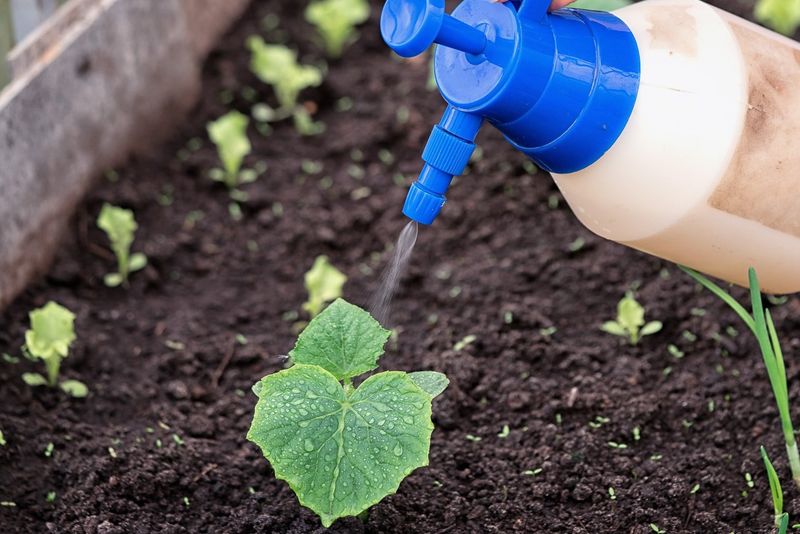
Opt for liquid fertilizers like fish emulsion or compost tea every 10–14 days. This regular feeding supports steady growth and keeps cucumbers on track for a hearty yield. Imagine feeding your cucumbers a refreshing drink, quenching their thirst while nourishing their roots. Regular liquid meals help maintain energy levels and encourage robust development as your plants reach for the sun.
5. Switch to Low-Nitrogen Fertilizer
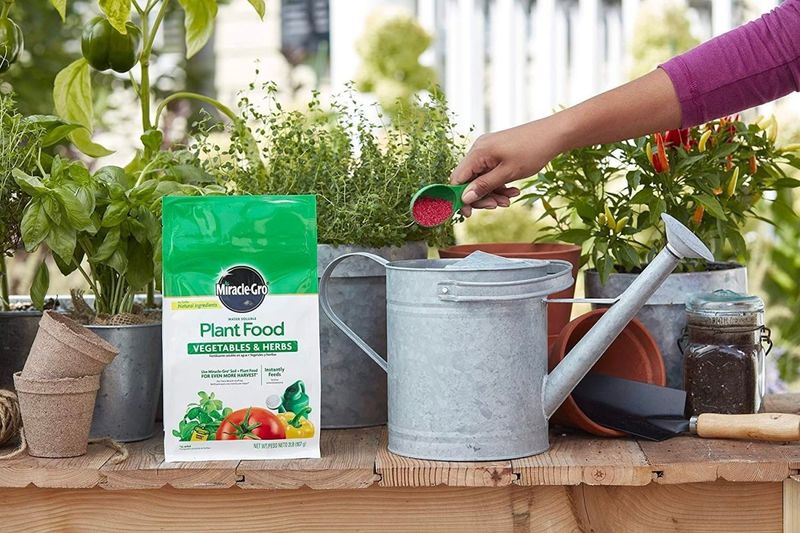
Once flowers appear, shift to a low-nitrogen fertilizer, like 5-10-10. Excess nitrogen can delay fruiting, so focus on phosphorus and potassium to boost blooms. Envision this switch as changing gears in a car—allowing your cucumbers to accelerate towards fruit production. It’s like providing a tailored fitness regime, ensuring they have adequate nutrients to set fruit effectively and efficiently.
6. Fertilize in the Morning or Evening
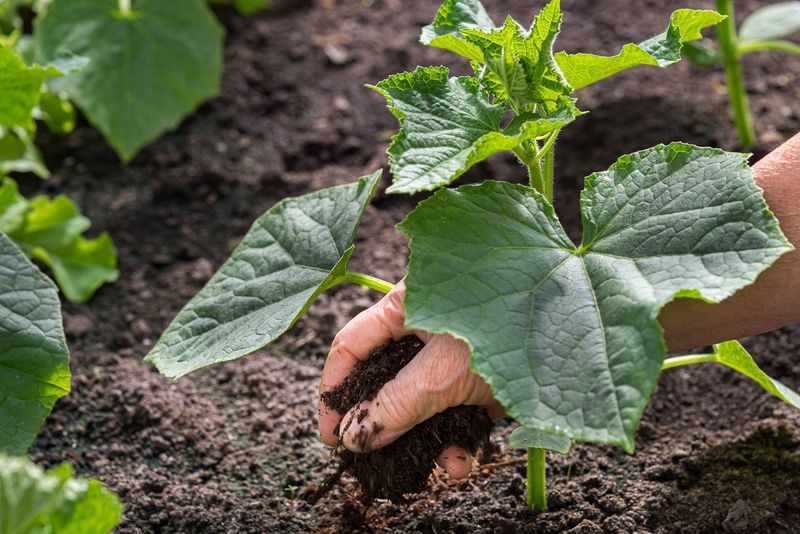
The best time to fertilize your cucumber plants is in the cool hours of morning or evening. This timing minimizes plant stress and reduces evaporation. Picture it like scheduling a relaxing massage at the spa, where conditions are just right. By choosing cooler parts of the day, you ensure nutrients are absorbed efficiently, aiding your cucumbers in flourishing without unnecessary strain.
7. Use Mulch to Retain Nutrients
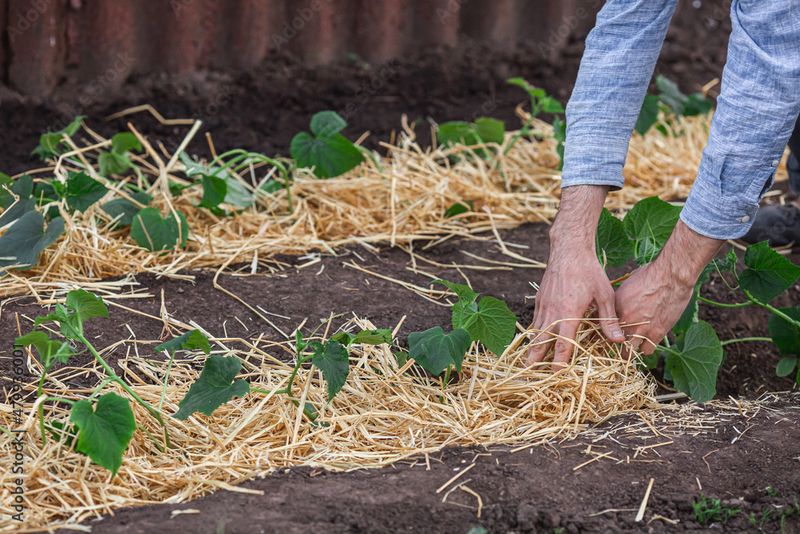
Mulching around cucumber plants helps retain soil moisture and nutrients, reducing the frequency of fertilization. Think of mulch as a comfy blanket, keeping the soil cozy and nutrient-rich. It acts like a shield, protecting the roots from temperature fluctuations and maintaining an ideal environment. Mulch reduces evaporation and ensures that the essential nutrients stay where they belong—around your cucumbers.
8. Watch for Signs of Deficiency
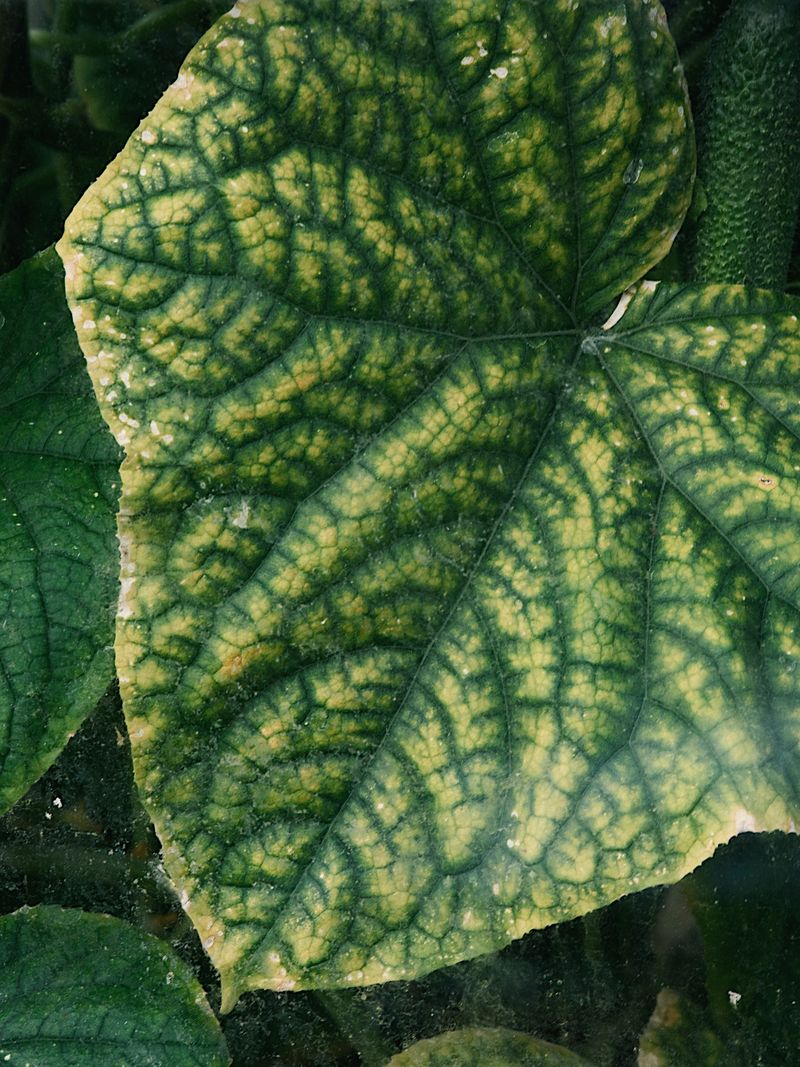
Stay vigilant for any signs of nutrient deficiency, such as yellowing leaves or stunted growth. These symptoms indicate that your cucumbers might need an extra nutrient boost. Imagine you’re a detective, using these clues to uncover what your plants are missing. Addressing deficiencies quickly can reinvigorate growth and enhance the overall health of your cucumber plants, ensuring a more bountiful harvest.
9. Avoid Over-Fertilizing
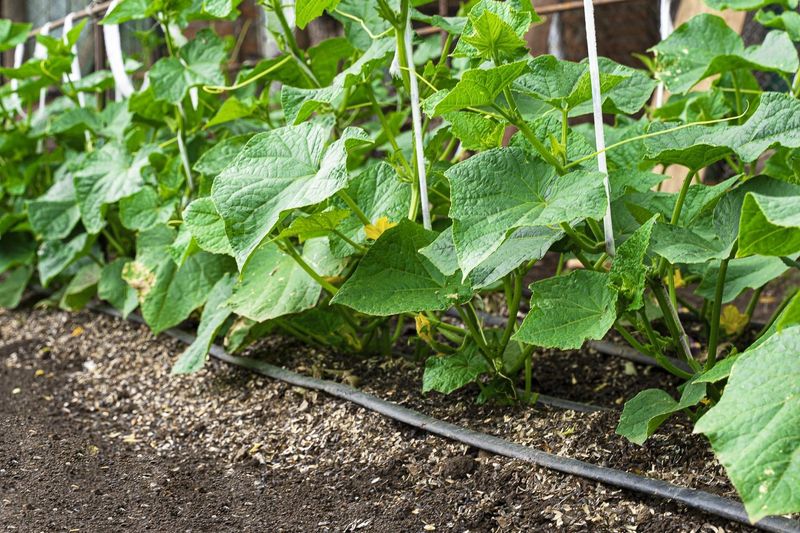
Resist the temptation to over-fertilize your cucumber plants. Excess fertilizer can harm roots and impede fruit production. Think of it as the difference between a balanced meal and overindulgence; moderation is key. Over-feeding can lead to nutrient lock-out, where plants can’t absorb what they need. Keep it simple and effective for the best results—your cucumbers will thank you with abundant fruits.
10. Feed Container Plants More Often
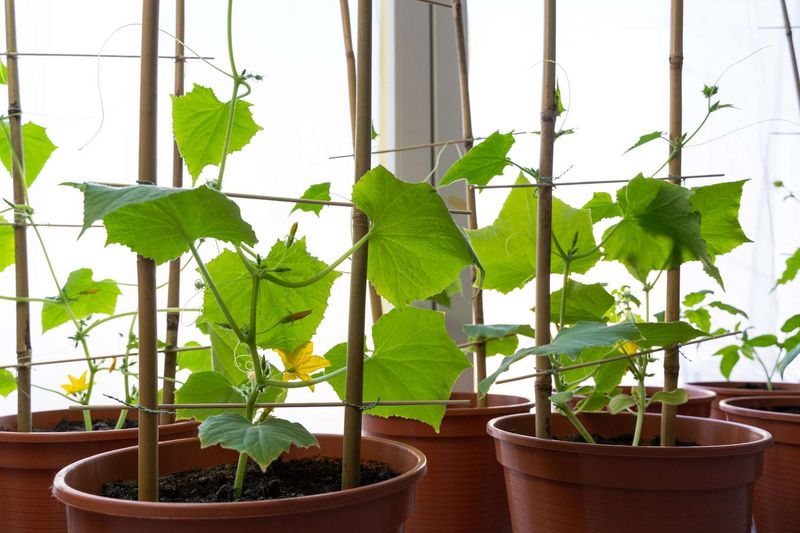
Container-grown cucumber plants require more frequent feeding since nutrients leach out faster. Feed them every 7–10 days to compensate. Visualize this as a busy city dweller needing more frequent meals to keep up with a hectic lifestyle. Container plants depend heavily on the nutrients you provide, so regular feeding ensures they remain healthy and productive, despite their limited root space.