
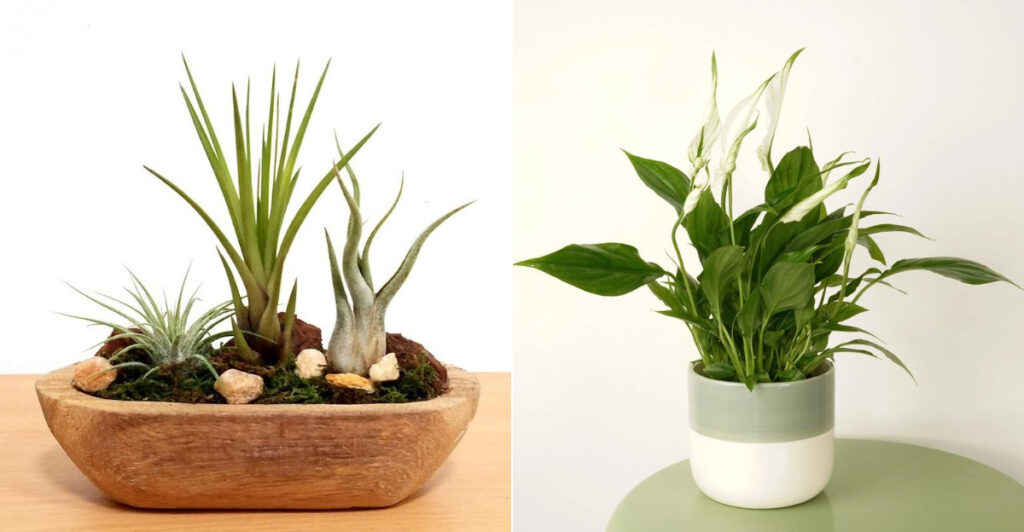
While coffee grounds can enrich the soil of some plants, they can be detrimental to others. Specifically, certain houseplants do not thrive with the acidity or moisture retention that coffee grounds provide. This guide explores 20 houseplants that would prefer you keep your morning brew to yourself.
1. Spider Plant
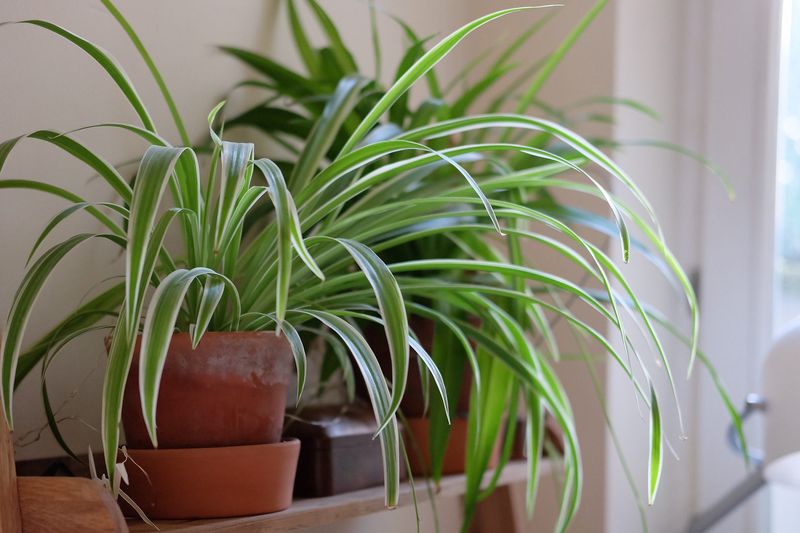
Spider Plants are admired for their ease of care and striking foliage. However, they are sensitive to pH levels, preferring neutral soil conditions. Coffee grounds can lower the pH, making the environment too acidic. This could lead to unsightly leaf tip burn, detracting from the plant’s natural beauty.
Moreover, the nitrogen content in coffee grounds can overwhelm the plant, causing further harm. It’s best to avoid using coffee grounds and opt for a balanced, neutral soil mix instead. The Spider Plant will repay you with lush, graceful leaves that enhance any room.
2. Snake Plant
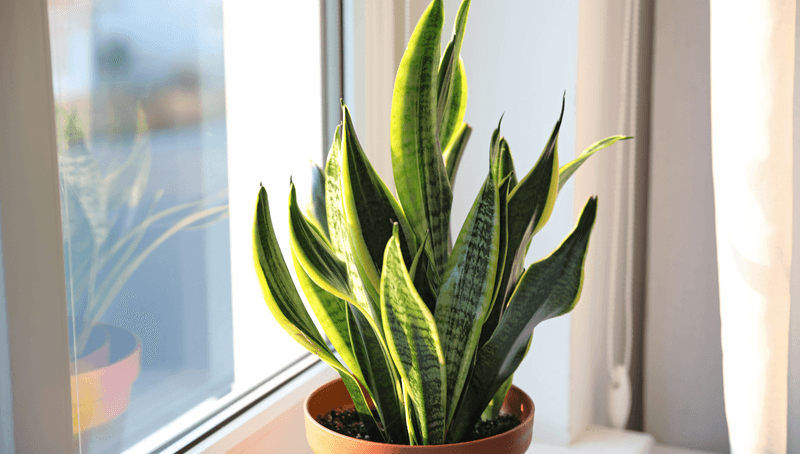
Known for its air-purifying qualities, the Snake Plant thrives in slightly alkaline soil. The acidity introduced by coffee grounds can disrupt the plant’s optimal growth conditions. Instead of robust, upright leaves, you might find a weakened plant struggling to maintain its form.
The Snake Plant’s hardy nature does not extend to handling excess nitrogen from coffee. For the best results, keep the soil slightly alkaline and free from coffee additives. This plant will thank you by continuing to purify the air with its sturdy, elegant presence.
3. ZZ Plant
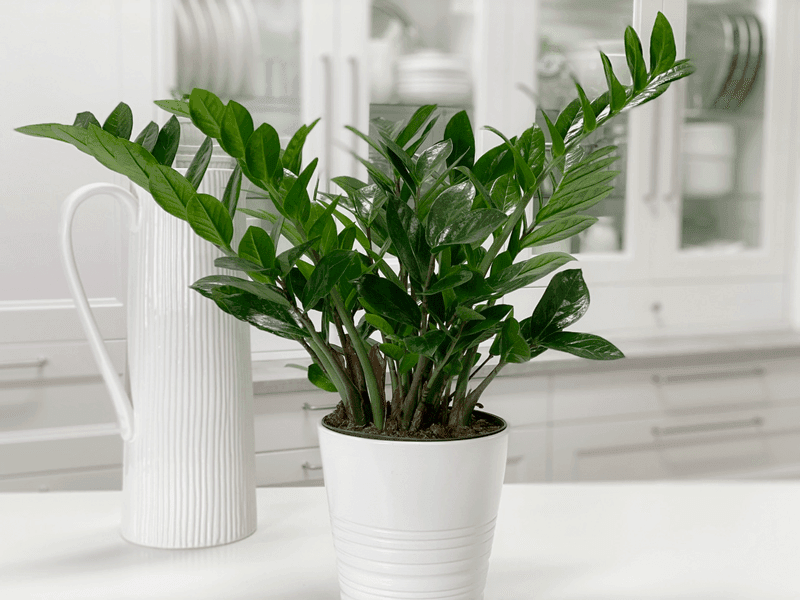
The ZZ Plant is celebrated for its glossy leaves and low-maintenance requirements. However, this plant is sensitive to changes in soil pH. Adding coffee grounds can alter the acidity levels, potentially stunting its growth.
Additionally, the moisture retention of coffee grounds can lead to root rot, especially if the plant is overwatered. To maintain its vitality, provide the ZZ Plant with neutral soil and avoid coffee grounds. This resilient plant will continue to thrive with minimal fuss, brightening up any space with its glossy foliage.
4. Lavender
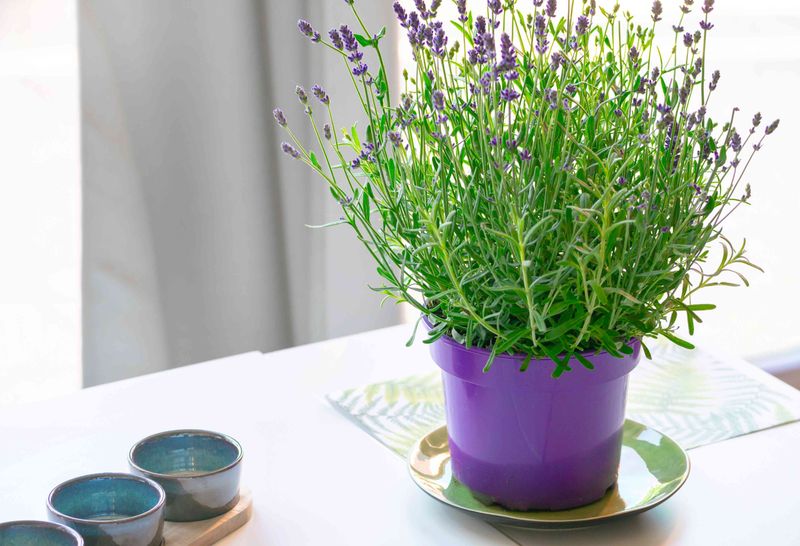
Lavender is synonymous with fragrant, calming gardens. However, it flourishes in alkaline soil, and coffee grounds can tip the balance toward acidity. This shift can hinder lavender’s growth and reduce its aromatic blooms.
The plant’s preference for dry, well-draining conditions is also compromised when coffee grounds retain moisture. For a thriving lavender plant, ensure the soil remains alkaline and free-draining, steering clear of coffee. Embrace the peaceful ambiance lavender provides without the interference of coffee grounds.
5. Succulents (Most Varieties)
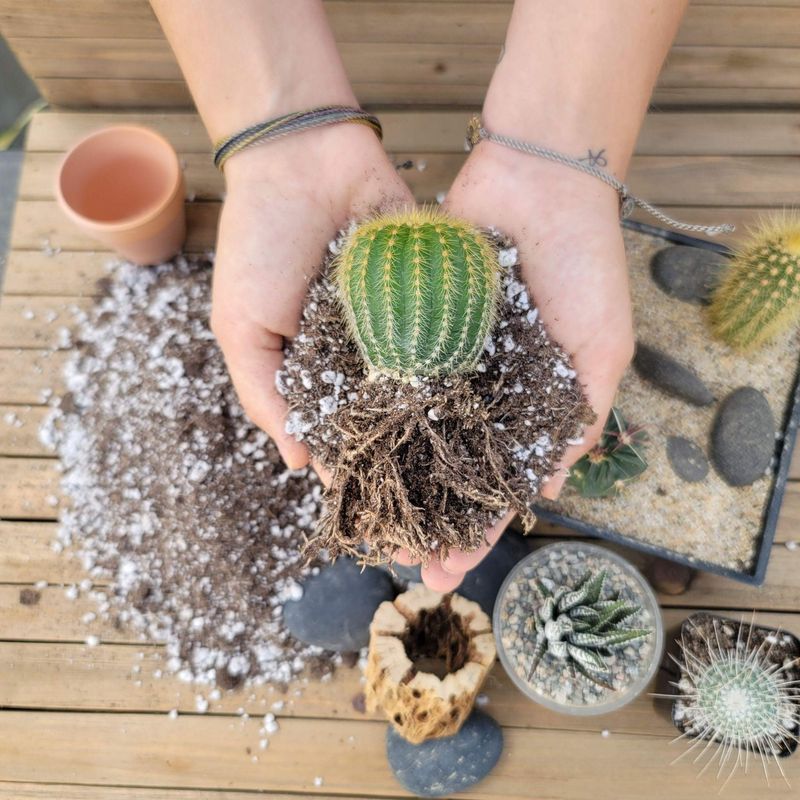
Succulents are adored for their minimal water needs and diverse appearances. They prefer well-draining, neutral soil, and coffee grounds pose a threat by retaining moisture and altering the pH balance.
These conditions can lead to root rot or fungal growth. Succulents thrive on neglect, and the best approach is to provide them with a cactus mix. Avoid coffee grounds to maintain their health, ensuring they remain a low-effort, charming addition to your home.
6. Cacti
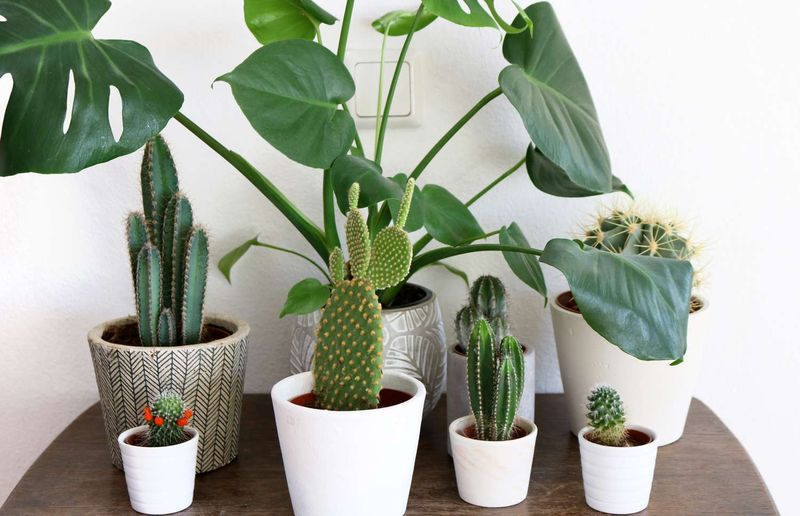
Cacti epitomize resilience in arid conditions. Yet, introducing coffee grounds can create a moisture-retentive environment unsuitable for these hardy plants. The excess moisture can lead to root rot, a common issue.
Moreover, the acidity of coffee grounds disrupts the neutral to slightly alkaline pH that cacti prefer. For healthy, thriving cacti, provide a gritty, well-draining soil and steer clear of coffee grounds. These plants will continue to flourish with their unique charm in the right conditions.
7. String of Pearls
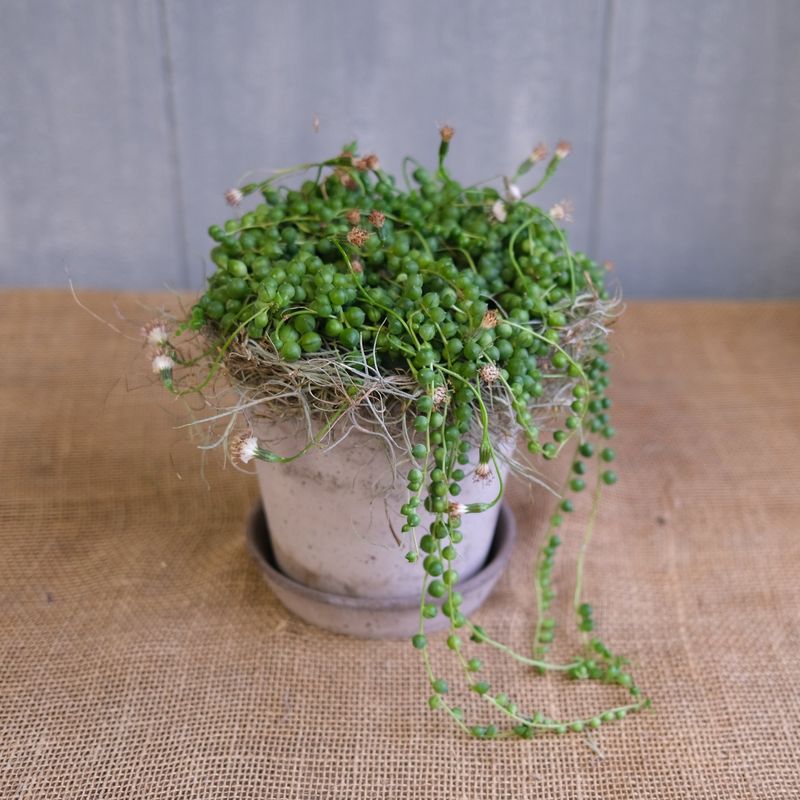
The String of Pearls plant is cherished for its trailing, bead-like foliage. However, its susceptibility to overwatering makes coffee grounds a poor choice. The moisture retention can lead to root rot, quickly compromising its health.
For optimal growth, ensure well-draining soil and a watering schedule that respects its drought-tolerant nature. Avoid coffee grounds to preserve the plant’s delicate beauty, allowing it to continue its graceful cascade unhindered.
8. Jade Plant
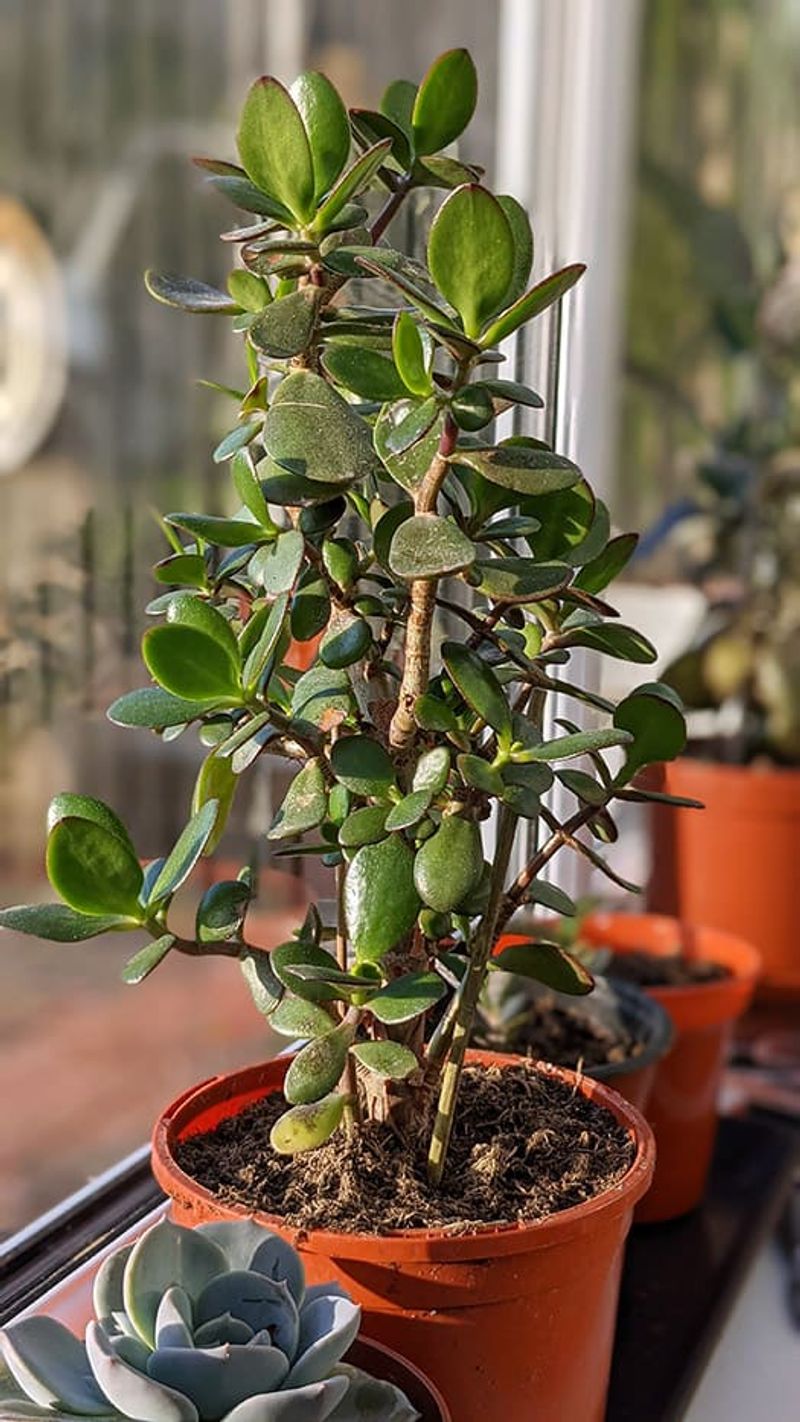
Jade Plants are symbols of prosperity, thriving on minimal care. Yet, they prefer dry, well-drained soil, and coffee grounds can introduce unwanted moisture, fostering fungal growth.
The acidity of coffee grounds is also not favored by Jade Plants. To maintain their robust, fleshy leaves, provide a well-draining mix and avoid coffee. You’ll find that Jade Plants reward your effort with enduring vibrancy and an inviting presence.
9. Aloe Vera
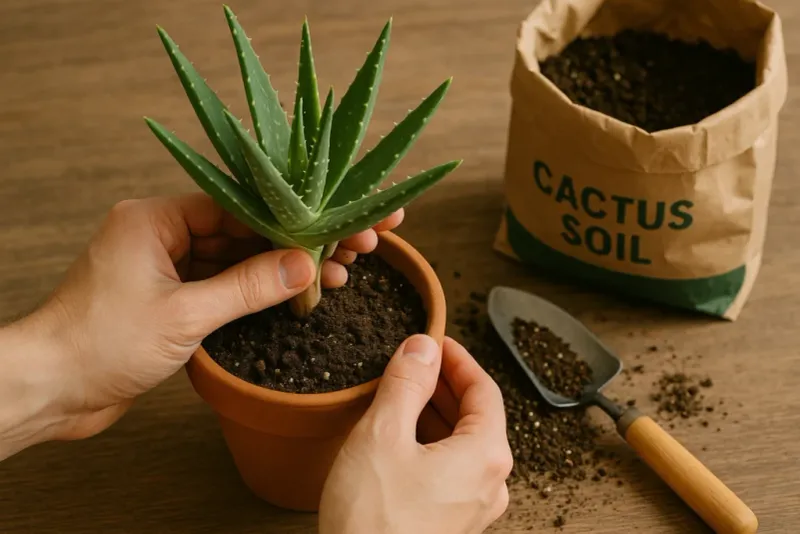
Aloe Vera, known for its soothing properties, dislikes soggy soil. Coffee grounds retain moisture, which can lead to root rot and impede this plant’s growth.
Sand or a cactus mix is preferable to maintain the drainage Aloe Vera requires. Avoid coffee grounds to ensure it remains healthy and continues to offer its healing benefits with ease. A thriving Aloe Vera is both a practical and attractive addition to any home.
10. Hoya
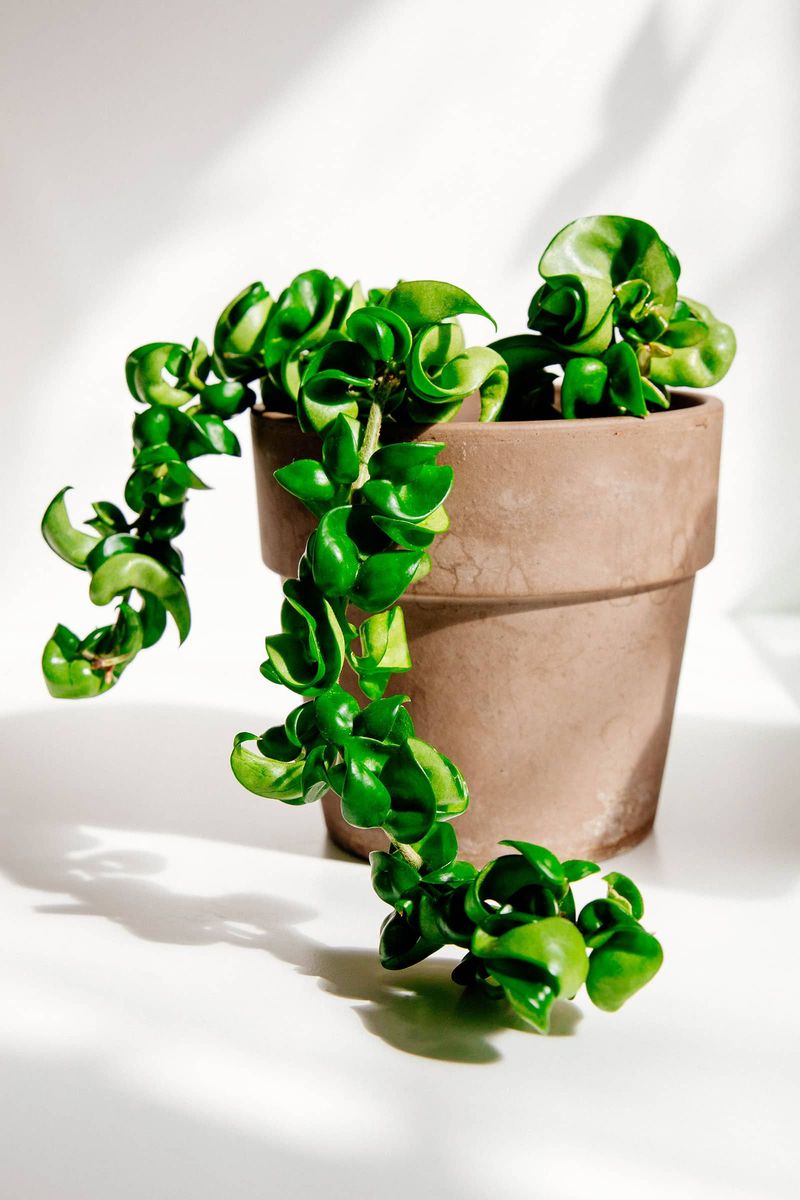
Hoyas are treasured for their waxy leaves and captivating flowers. However, they are sensitive to wet roots, and coffee grounds exacerbate moisture retention.
For a flourishing Hoya, provide a light, airy potting mix that drains well. Sidestepping coffee grounds will help prevent root issues and allow your Hoya to thrive, gracing your space with its unique beauty and charm.
11. African Violet
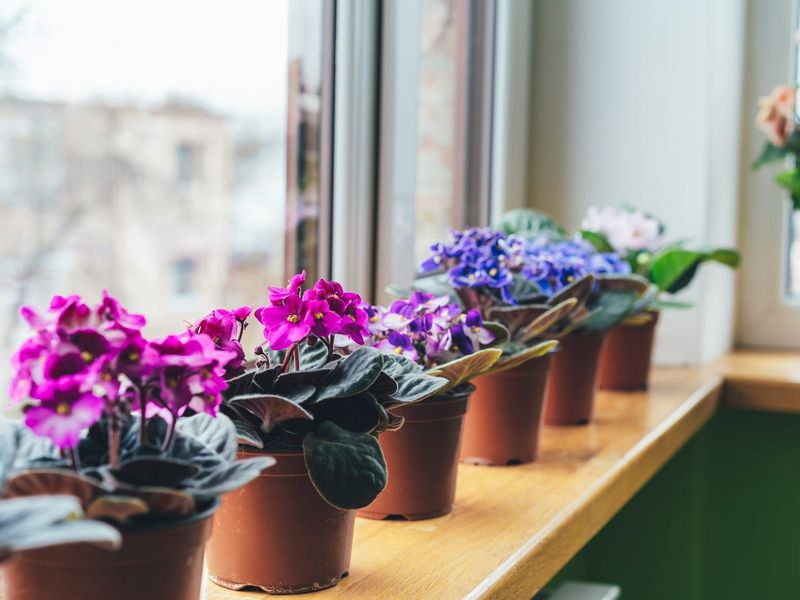
African Violets are beloved for their vibrant blooms, yet they require balanced nutrients to flower well. Coffee grounds, rich in nitrogen, can disrupt this balance and inhibit flowering.
To encourage blooms, use a fertilizer specifically for African Violets and avoid coffee grounds. These charming plants will then continue to brighten your home with their vibrant colors and delightful presence.
12. Orchid
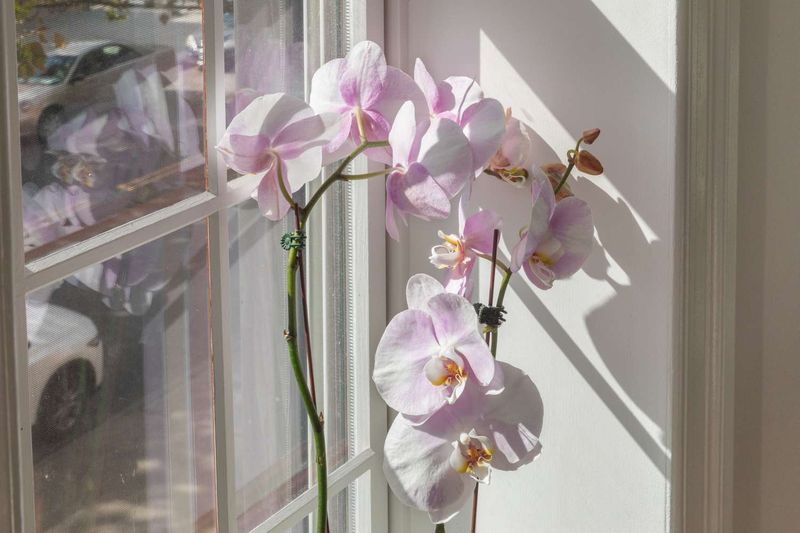
Orchids, renowned for their exotic beauty, require specialized care. They prefer orchid-specific food, and coffee grounds can lead to root rot due to moisture retention.
Maintaining an orchid involves careful attention to its unique needs. Avoid coffee grounds to ensure it remains healthy, continuing to captivate with its stunning flowers and grace.
13. Christmas Cactus
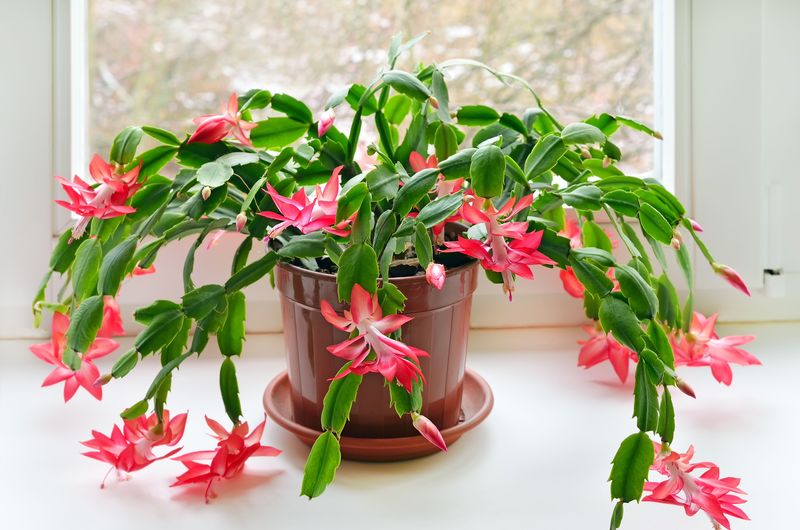
The Christmas Cactus is known for its festive blooms, but excess nitrogen from coffee grounds can reduce flowering.
To support its blooming cycle, use a balanced fertilizer and avoid coffee. This will ensure your Christmas Cactus remains a vibrant, festive part of your holiday decor.
14. Kalanchoe
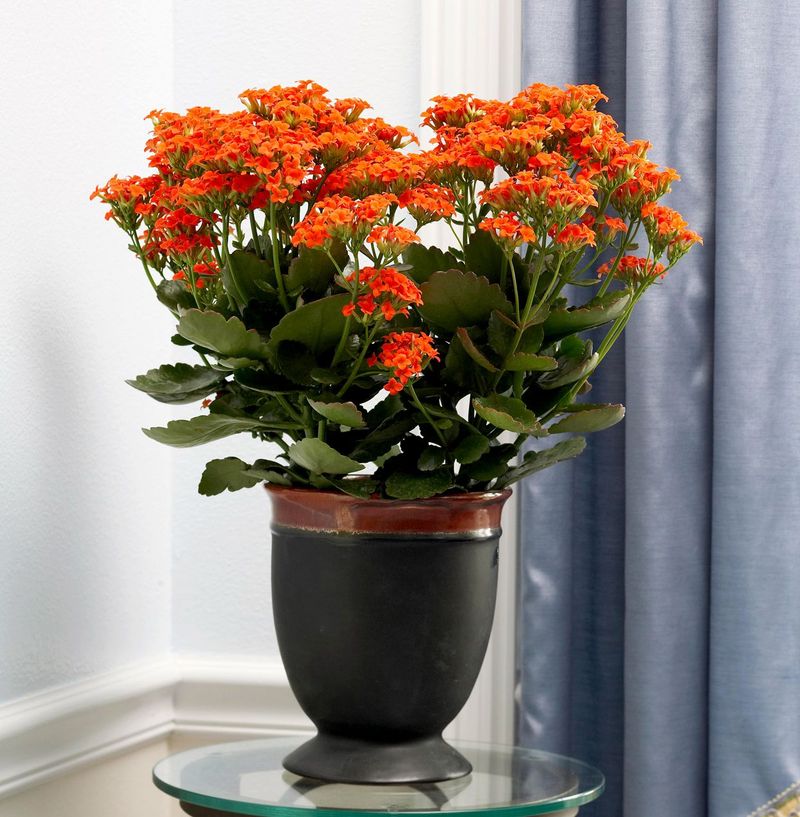
Kalanchoe plants, with their bright, cheerful flowers, thrive on a balanced diet. High nitrogen from coffee grounds can lead to leafy growth at the expense of blooms.
For a healthy, flowering Kalanchoe, avoid coffee grounds and use a fertilizer suited for flowering plants. This ensures it remains a colorful, low-maintenance addition to your home.
15. Peace Lily
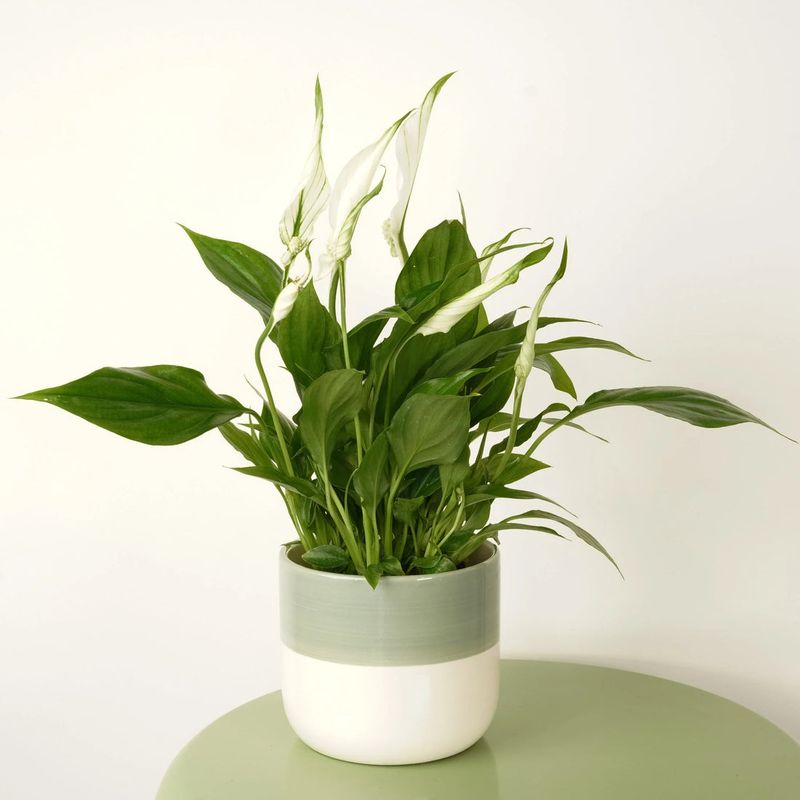
Peace Lilies are admired for their elegant white flowers, but they are prone to mold and mildew. Coffee grounds can exacerbate these issues by encouraging fungal growth.
To keep your Peace Lily healthy, maintain a well-draining soil mixture and avoid coffee grounds. This will ensure its graceful presence continues to enhance your living space.
16. Fiddle Leaf Fig
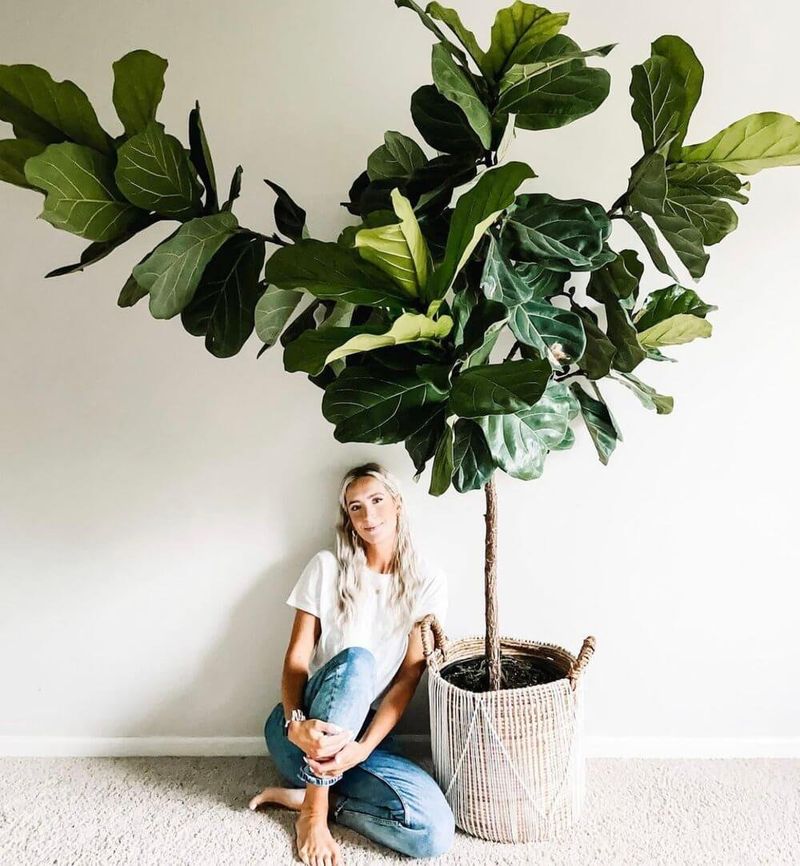
Fiddle Leaf Figs are popular for their dramatic foliage, yet they are susceptible to fungal issues. The moisture retention from coffee grounds can create an environment conducive to mold.
For a thriving Fiddle Leaf Fig, ensure proper drainage and avoid coffee. This will allow it to maintain its impressive stature and continue to be a striking focal point.
17. Pothos
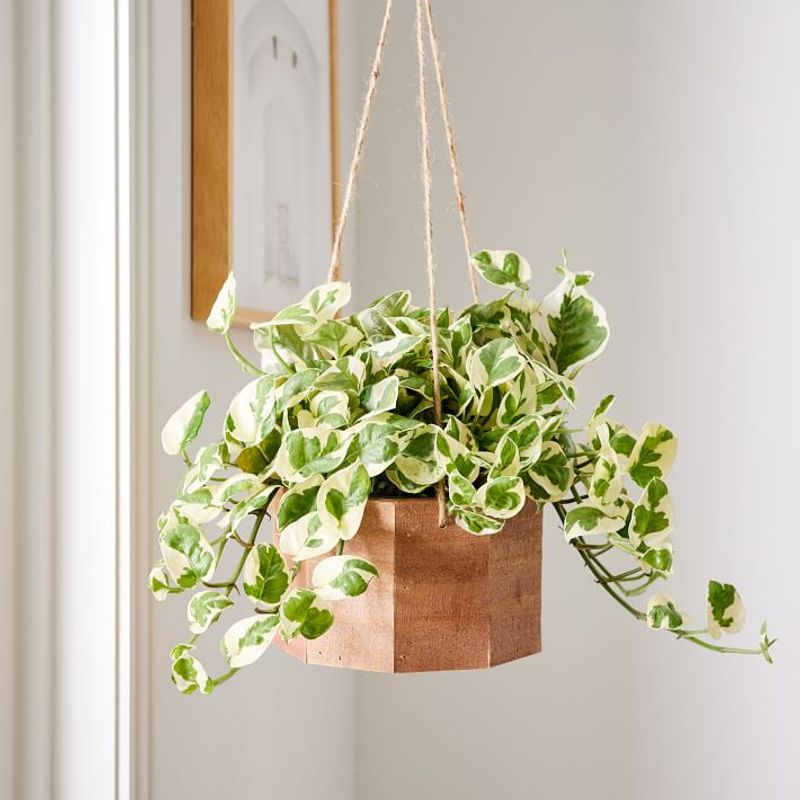
Pothos are easy-care plants, but they prefer light feeding. The nutrient-rich coffee grounds can attract fungus gnats.
To keep your Pothos healthy and pest-free, avoid coffee grounds and provide occasional fertilization suited for houseplants. This will ensure it remains a lush, vibrant part of your decor.
18. Air Plants (Tillandsia)
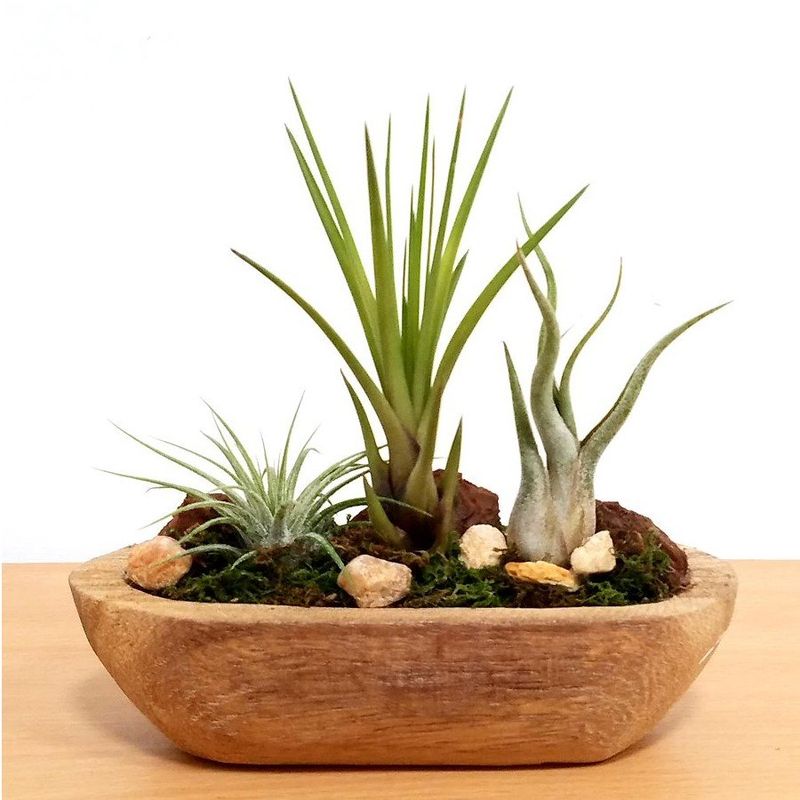
Air Plants, or Tillandsias, absorb nutrients from the air and require no soil. Coffee grounds are not suitable as they add unnecessary nitrogen.
To keep Air Plants thriving, ensure they receive adequate humidity and light, skipping coffee altogether. This will allow them to continue to intrigue with their unique, low-maintenance appeal.
19. Bromeliads
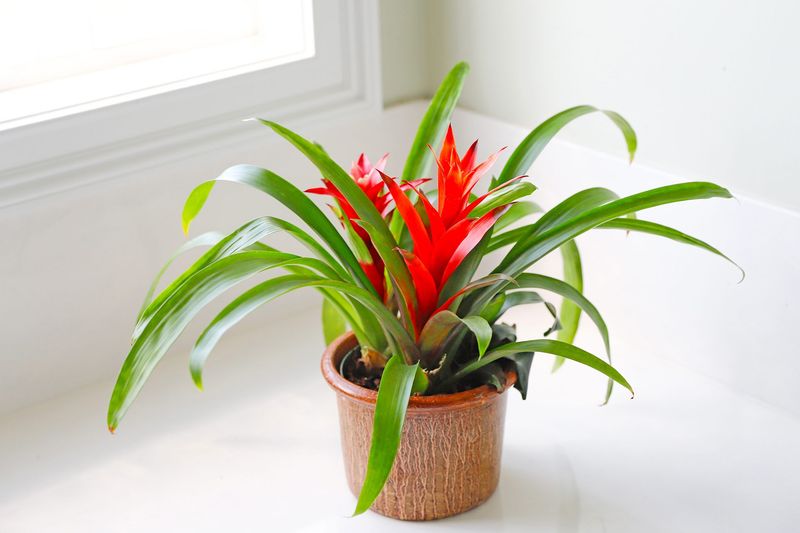
Bromeliads are tropical beauties that thrive on minimal soil nutrition. Coffee grounds are unnecessary and can disrupt their delicate balance.
To maintain their striking appearance, provide a well-draining mix and avoid coffee. This will ensure Bromeliads continue to stun with their vivid colors and unique form.
20. Ponytail Palm
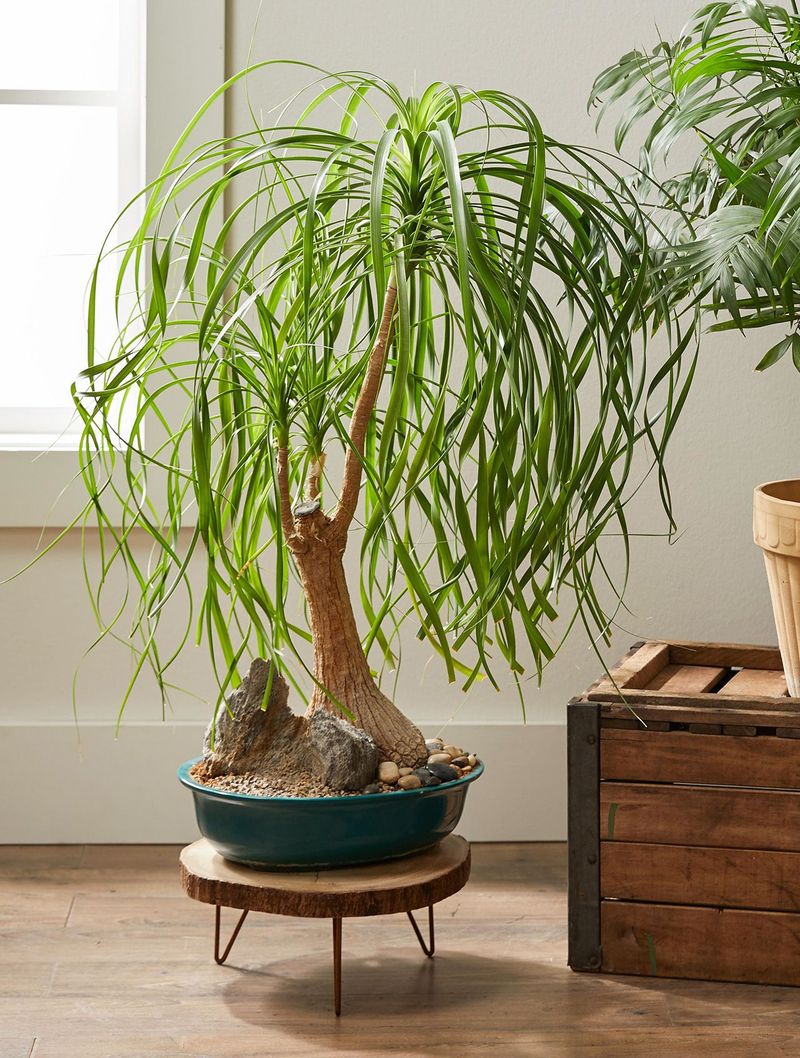
Ponytail Palms are hardy, thriving on neglect. Excess nitrogen from coffee grounds can harm them.
For a healthy Ponytail Palm, prioritize well-draining soil and skip coffee. This will allow it to flourish, adding a touch of the exotic to your decor with ease.