

Tomato blight, a common and destructive disease, can wreak havoc on your garden if not properly managed. These ten strategies offer effective ways to shield your tomatoes from blight, ensuring a healthy and bountiful harvest.
Whether you’re a seasoned gardener or a novice grower, these expert tips will empower you to tackle blight head-on, keeping your tomato plants thriving all season long.
1. Choose Blight-Resistant Varieties
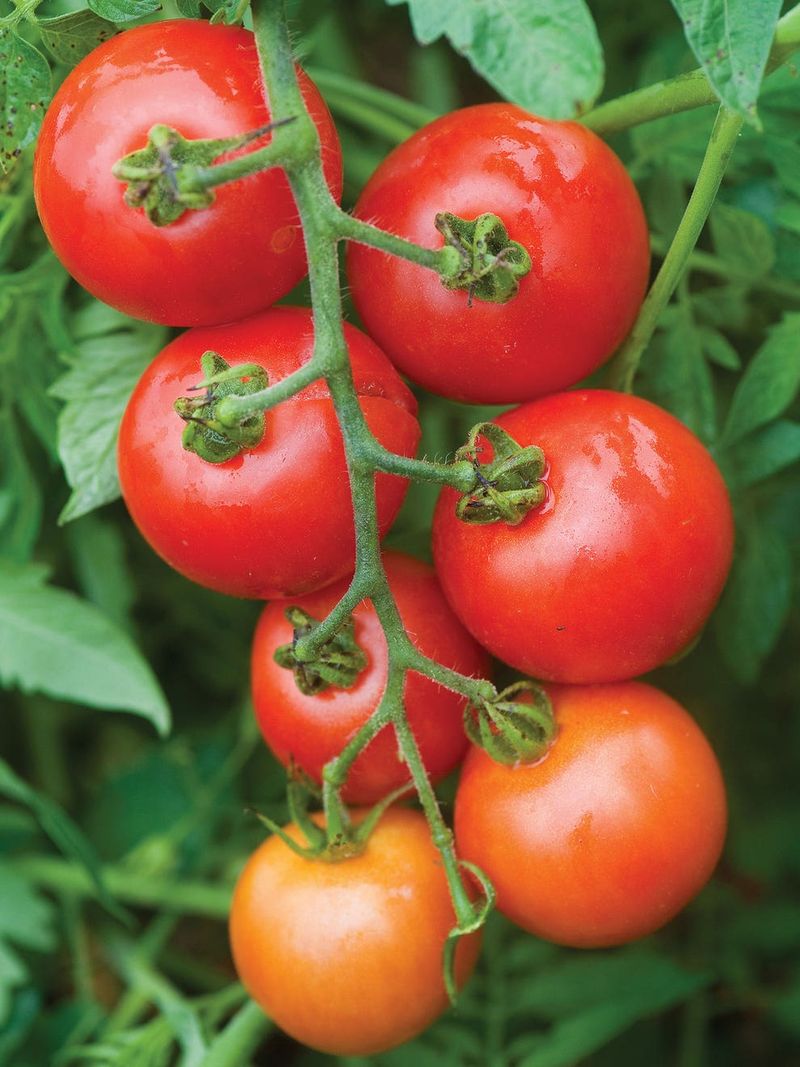
Selecting tomato varieties like ‘Iron Lady’ or ‘Mountain Magic’, known for their resistance to blight, is a smart first step. These varieties are specifically bred to withstand the common fungal threats. By choosing these resilient plants, you reduce the risk of early or late blight taking hold. Investing in these hardy options not only secures your crop but also saves time and resources in the long run. This proactive choice is a game-changer for any gardener.
2. Practice Crop Rotation
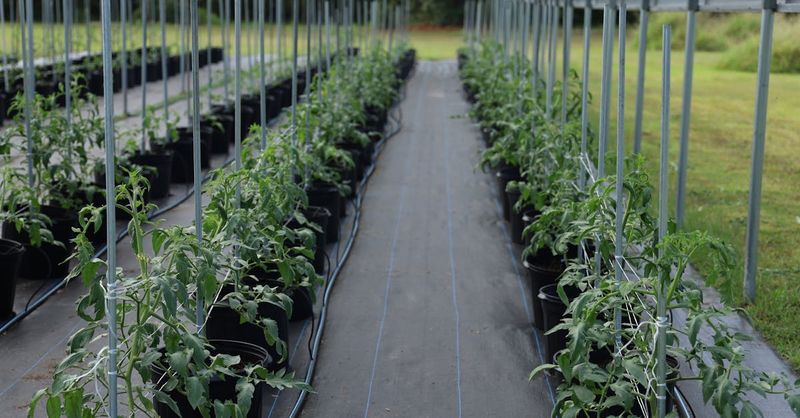
Rotating your crops is essential to prevent soil-borne diseases, including blight. Avoid planting tomatoes in the same soil each year. Instead, alternate with non-solanaceous crops like beans or lettuce. This practice disrupts the lifecycle of pathogens, reducing their chance to thrive. By breaking the cycle, you promote healthier soil and plants. It’s a time-tested method that keeps your garden soil fresh and reduces disease risk significantly.
3. Provide Proper Spacing
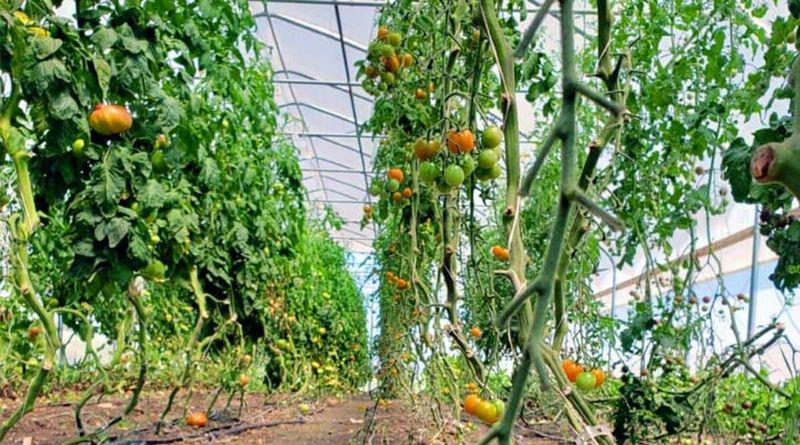
Proper spacing between plants is crucial to maintaining good airflow and reducing humidity. Space your tomato plants 18 to 24 inches apart. This distance minimizes the likelihood of fungal growth and blight. With better air circulation, leaves dry faster after rain or watering, deterring harmful spores. Proper spacing is a simple yet effective way to bolster plant health. It’s an easy adjustment with a big impact on disease prevention.
4. Water at the Base
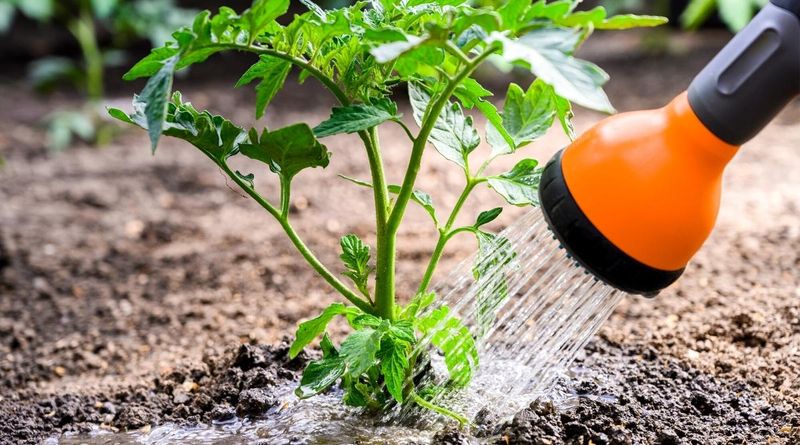
Watering at the base, rather than from above, keeps the foliage dry and prevents the spread of blight spores. Use a soaker hose or watering can to target the soil directly, ideally in the early morning. This method ensures roots get enough moisture without wetting leaves, which can harbor fungi. Keeping leaves dry is a key factor in blight prevention. This hands-on care tactic is simple but yields significant results in plant health.
5. Mulch the Soil
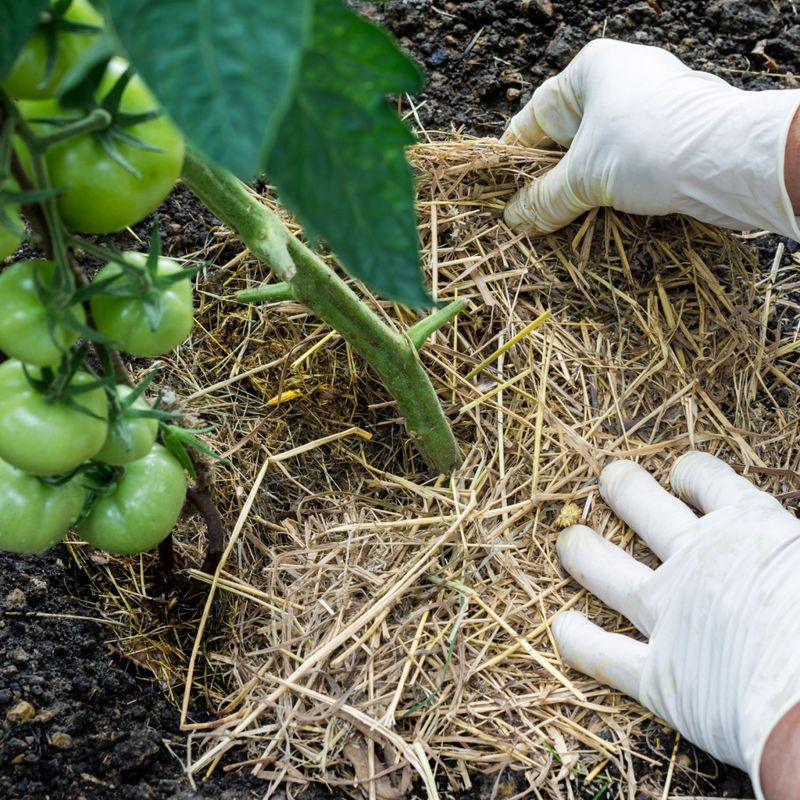
Applying mulch like straw or leaves around your tomato plants helps block soil-borne spores from reaching the leaves. Mulch acts as a barrier, preventing splashes during watering or rain. This layer also conserves moisture and regulates soil temperature. By mulching, you not only deter blight but support overall plant health. Mulch is a gardener’s ally, creating a protective environment for your tomatoes while enhancing the garden’s aesthetic.
6. Prune Lower Leaves
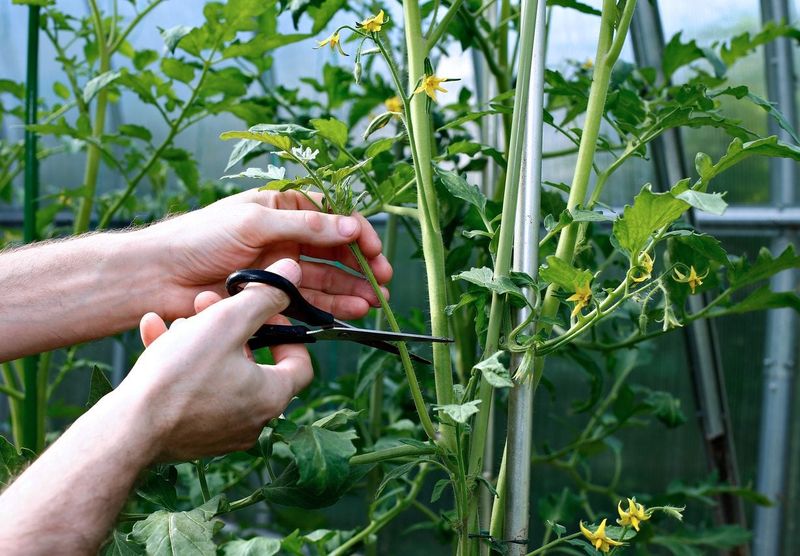
Pruning the lower leaves of your tomato plants is a proactive measure against blight. Remove any leaves touching the soil, as they can easily pick up spores. Regular pruning helps air circulate freely around the plant and reduces disease spread upwards. This practice keeps your plants clean and healthy, making it harder for blight to take hold. It’s a straightforward task that can dramatically improve your crop’s resilience.
7. Use a Fungicide Preventatively
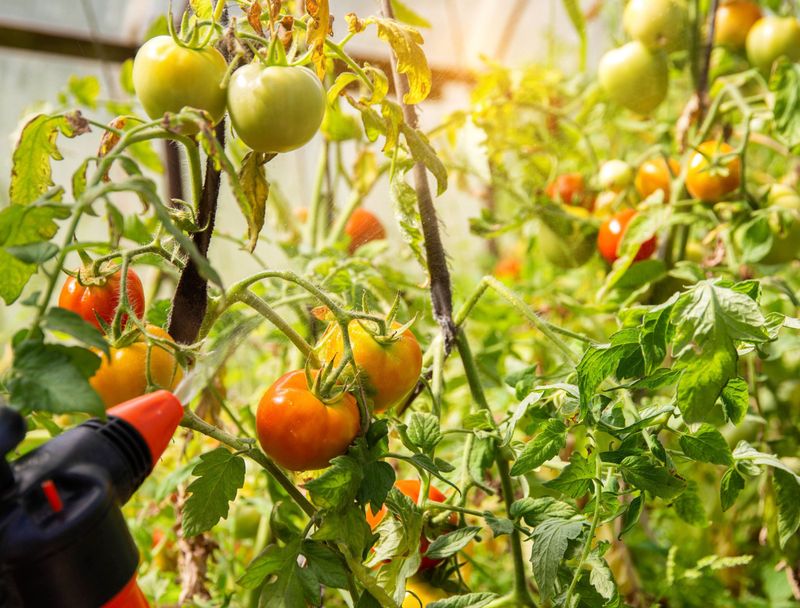
Applying a fungicide like neem oil or copper spray before blight symptoms appear can prevent the disease. These organic options act as a shield, stopping spores from establishing. Begin treatment early in the growing season for maximum protection. This preventative approach can save your plants from future outbreaks. By incorporating fungicides into your routine, you arm your garden with a powerful defense against fungal threats.
8. Keep Garden Tools Clean
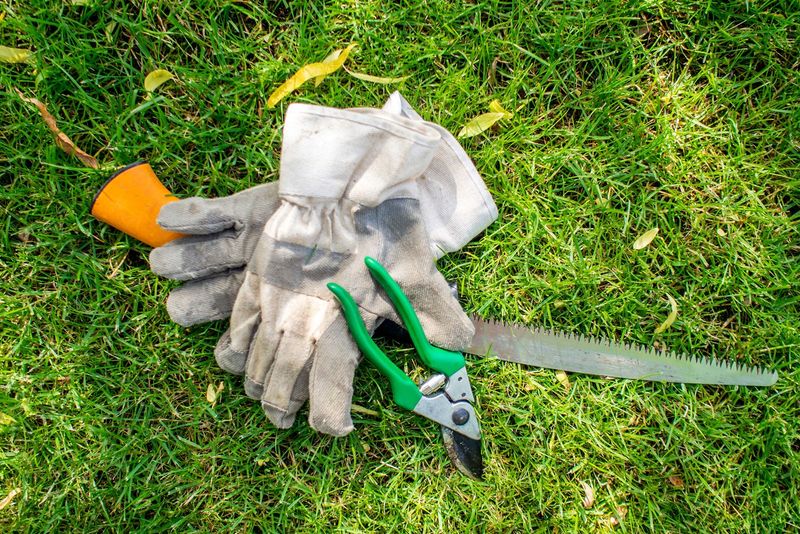
Cleaning garden tools is an often overlooked but crucial step in preventing blight. Disinfect pruners, stakes, and cages regularly to stop pathogen transfer between plants. Using clean tools ensures you’re not inadvertently spreading disease. This small action keeps your garden healthy and productive. Regularly sanitized tools reflect a conscientious gardener’s commitment to plant health and longevity. It’s a simple habit with far-reaching benefits.
9. Remove Infected Leaves Immediately
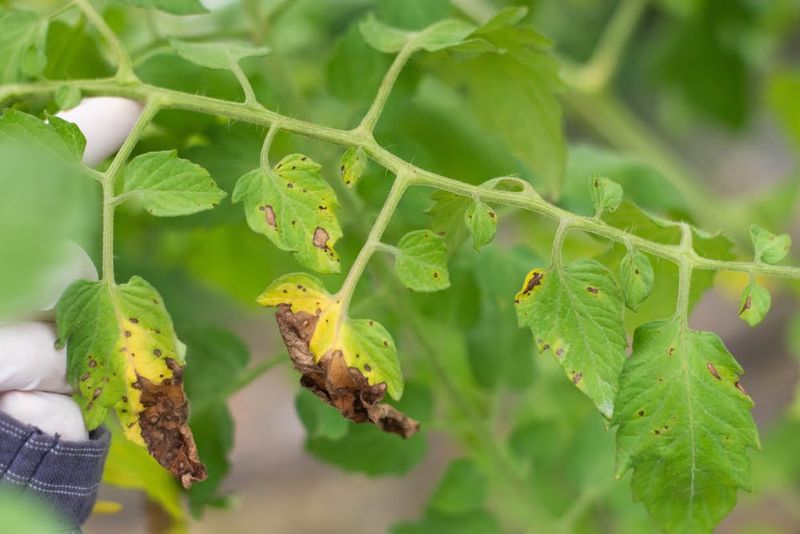
At the first sign of blight, act quickly to remove and dispose of infected leaves. Look for telltale signs like brown spots or yellowing. Prompt removal halts the disease from spreading to healthy parts. Always dispose of infected material away from the garden, avoiding compost to prevent future contamination. This vigilant approach helps maintain plant vitality. Swift action is key in managing blight effectively and protecting your yield.
10. Clean Up at Season’s End
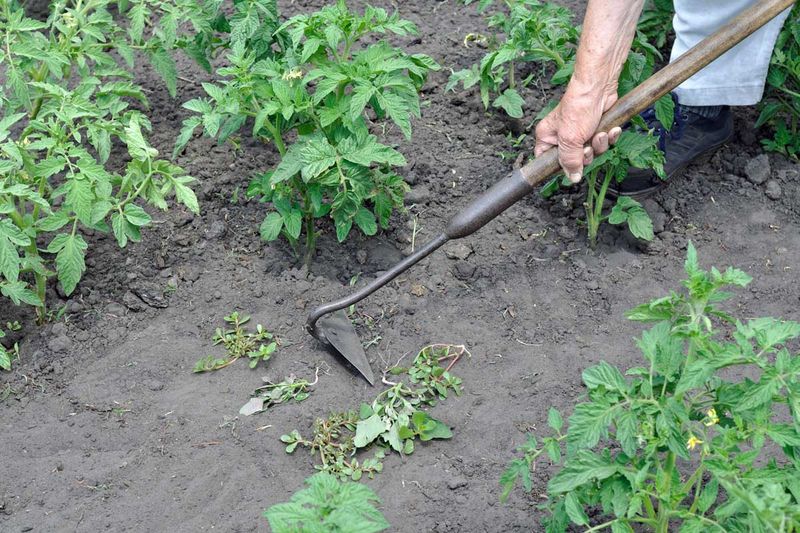
Cleaning up your garden at the season’s end is vital to prevent overwintering spores. Remove all plant debris, fallen leaves, and remnants from the garden bed. This thorough cleanup cuts down the chance of blight reappearing next season. By eliminating potential hiding spots for spores, you start with a clean slate. This practice ensures a healthier garden environment come spring. A clean garden is a strong foundation for future growth.