
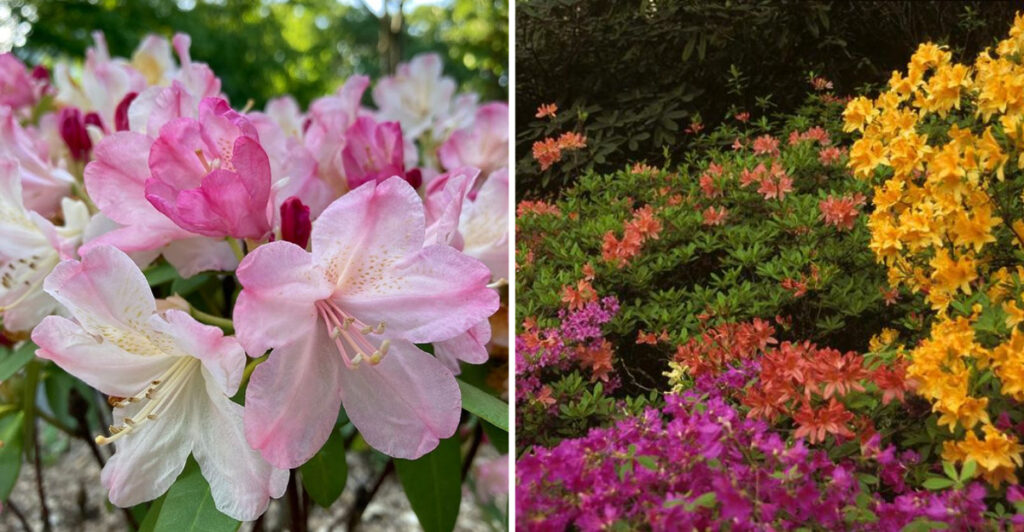
Explore the fascinating world of flowers that alter their hues based on the acidity of the soil. These botanical wonders enchant gardeners and nature enthusiasts alike by showcasing a spectrum of colors, transforming gardens into dynamic landscapes.
Hydrangea
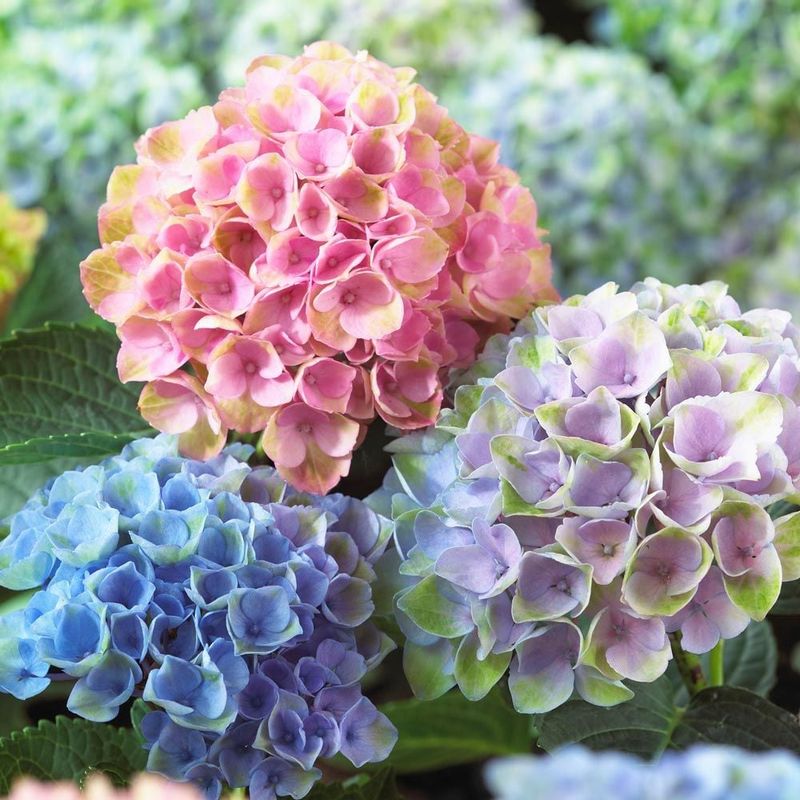
Imagine a garden where the flowers themselves tell the story of the soil’s essence. Hydrangeas captivate with their dramatic color shifts. These blooms can appear in shades of blue or pink, depending on soil acidity levels.
The secret lies in aluminum ions. In acidic soil, hydrangeas absorb these ions, turning the petals blue. Alkaline conditions, however, lead to pink hues.
Gardeners often experiment with soil pH to achieve their desired palette. Beyond their beauty, hydrangeas offer a natural pH indicator, making them both functional and enchanting in any garden.
Azalea
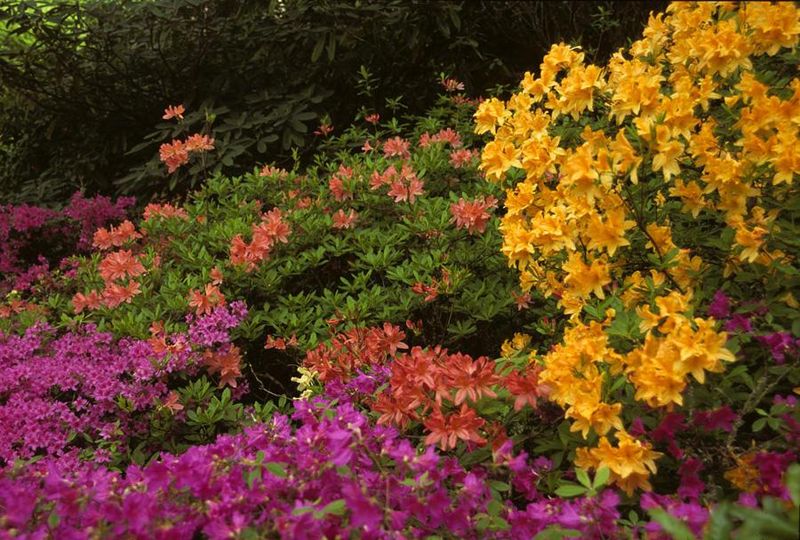
Azaleas, beloved for their vibrant display, offer more than meets the eye. These blossoms can change color, reflecting the soil’s acidic nature. Known for their versatility, azaleas thrive in various pH levels, showcasing bright pinks in acidic soils.
When the soil becomes less acidic, the blooms may take on a more orange hue. This ability to adapt makes them a gardener’s delight, offering a living canvas to experiment.
Their captivating colors and adaptability make azaleas a dynamic presence in any garden, adding an ever-changing beauty to landscapes.
Rhododendron
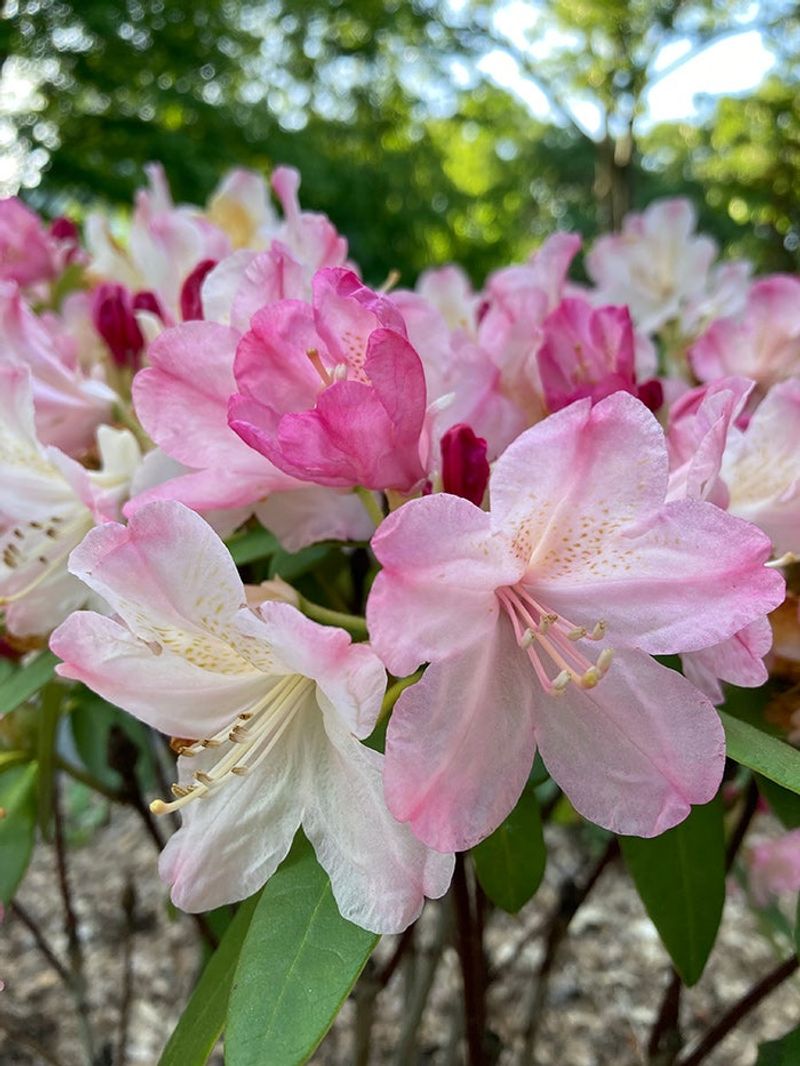
Rhododendrons, with their rich history and diverse varieties, bring a touch of elegance to gardens. These flowers can subtly shift in color, influenced by the soil’s acidity.
White rhododendrons may develop pink tinges in acidic conditions, enhancing their graceful appearance.
Their adaptability to different environments makes them a favorite among gardeners seeking variety. With a storied past and a spectrum of colors, rhododendrons continue to dazzle with their understated beauty and responsiveness to the elements.
Morning Glory
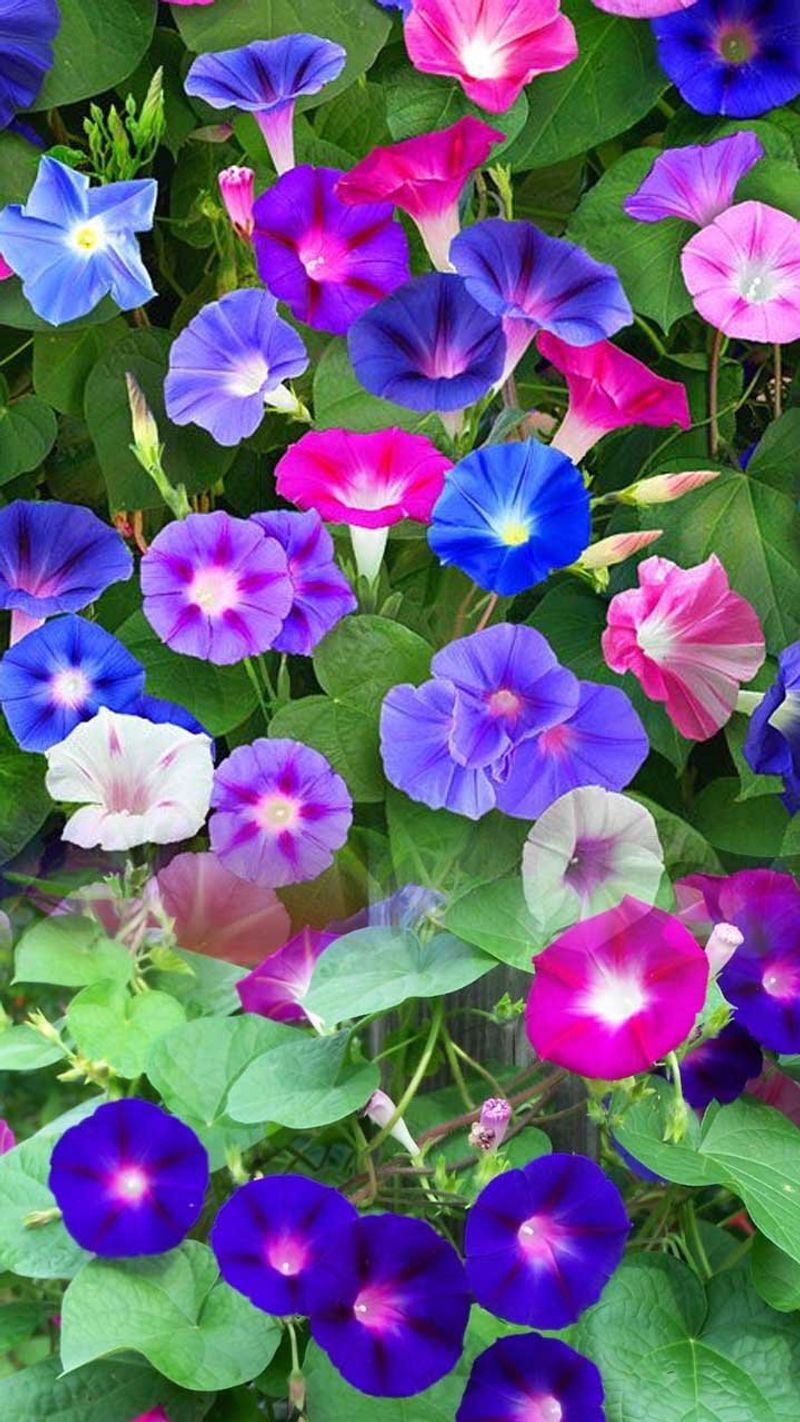
The ephemeral beauty of morning glories extends beyond their brief bloom. These flowers can shift from purple to blue, depending on the soil’s acidity.
Morning glories absorb soil nutrients, and in acidic conditions, their vibrant hues deepen.
As a climber, they not only add vertical interest but also a dynamic color palette. This transformation is a gardener’s joy, allowing for creative expression and experimentation. Their fleeting yet profound presence makes morning glories a cherished addition to any garden.
Lilac

Lilacs, synonymous with sweet fragrance, also display a fascinating color adaptability. These blooms can subtly change from violet to pink based on soil pH.
In more acidic environments, lilacs’ deep violet becomes prominent, while less acidic conditions bring out pink tones. This color shift adds an element of surprise and delight to gardens.
Beyond their scent, lilacs offer a visual journey that captivates and enthralls, making them a beloved choice for those seeking both beauty and sensory pleasure.
Tulip Tree
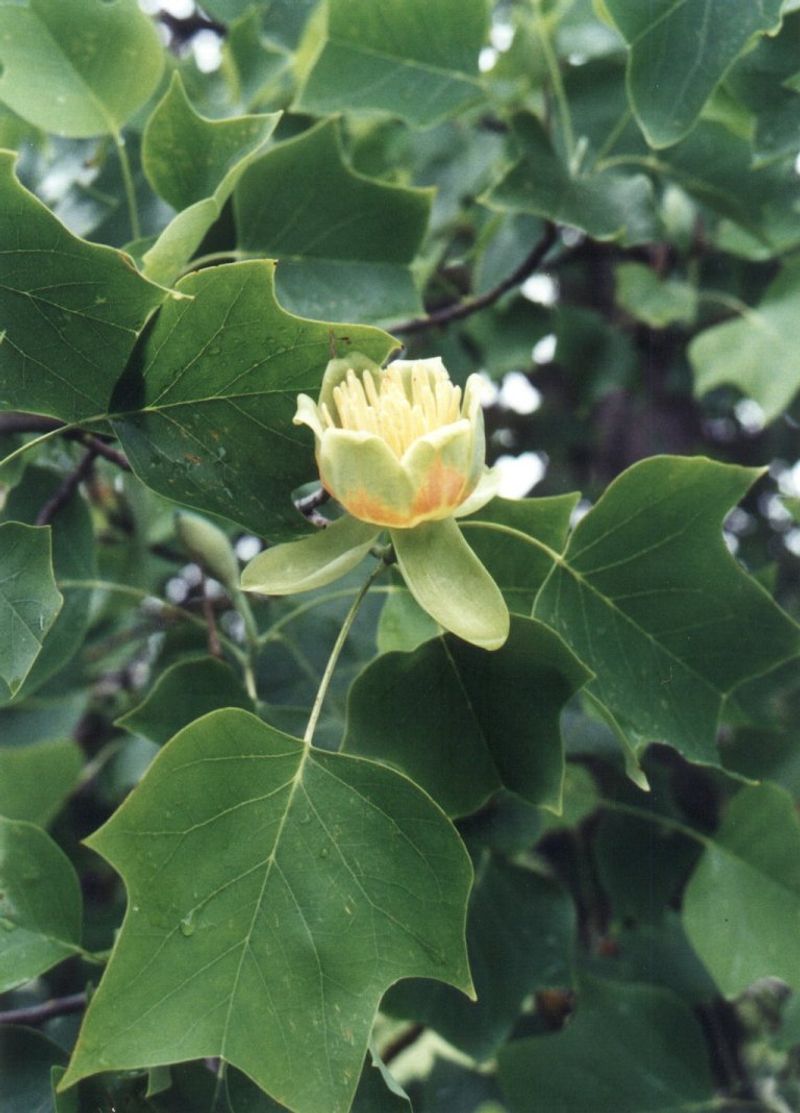
The tulip tree, known for its elegant blossoms, surprises many with its color-changing properties. When grown in acidic soil, these charming flowers often take on a pinkish hue.
In more alkaline conditions, they might display a paler, almost yellowish tint, adding a layer of diversity to any garden.
Gardeners appreciate its versatility, as its transformation reflects the unique chemistry of the soil. An icon of beauty and change, the tulip tree symbolizes adaptability and nature’s artistry.
Blue-Eyed Grass
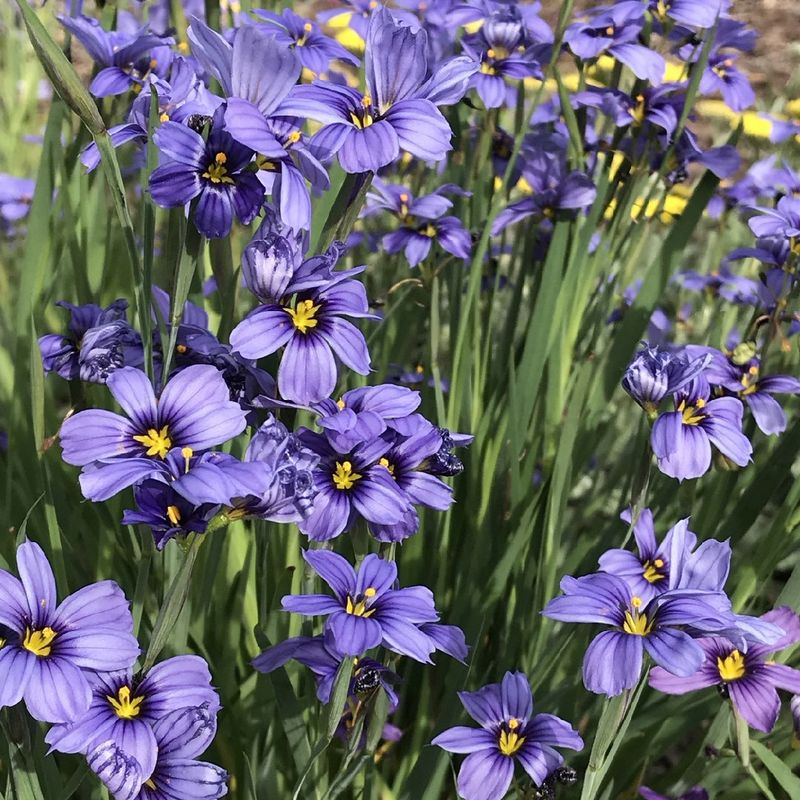
Blue-eyed grass, despite its name, can surprise with a range of colors. This grass-like flower often shifts from blue to a deeper purple in acidic soils, making it a favorite among those who seek a natural palette in their landscapes.
Its delicate, star-shaped blossoms add charm and a sense of whimsy.
As a member of the iris family, it carries with it the eloquence of transformation, proving that even the most unassuming plants can offer breathtaking beauty.
Lupine
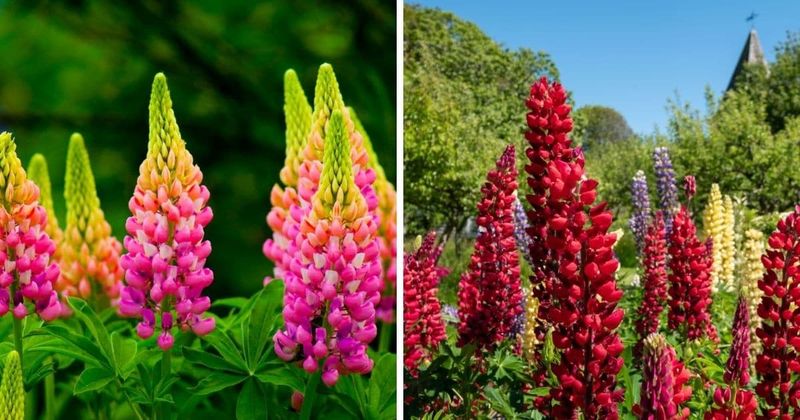
Lupines are well-regarded for their towering spikes and vibrant colors. In acidic soils, these flowers might boast shades of deep blue and purple.
However, as the soil becomes more alkaline, they can transform into lighter pinks and whites, offering a stunning seasonal display.
Immensely popular in wildflower gardens, lupines also support local wildlife, making them both a visual and ecological treasure.
Buddleia
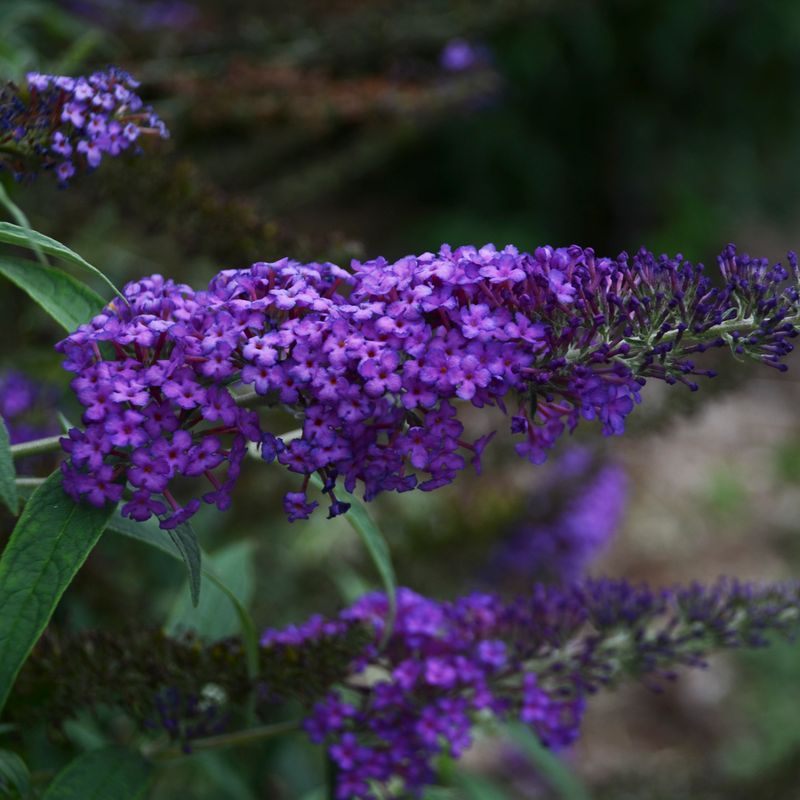
Often known as the butterfly bush, Buddleia captivates with its fragrant and vibrant blooms. In acidic environments, its flowers may adopt rich blue or purple hues, which attract an array of pollinators.
Conversely, more neutral soils may yield paler pink or white flowers.
This adaptability not only enhances its aesthetic appeal but also supports biodiversity, providing a sanctuary for butterflies and bees.
Four O’Clock
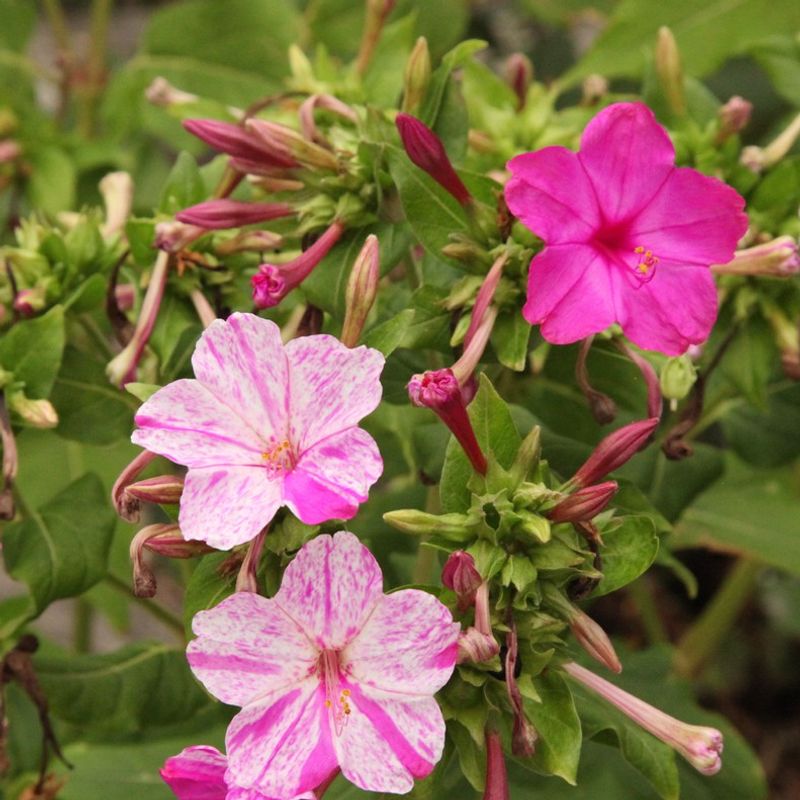
Mirabilis jalapa, commonly known as the four o’clock flower, doesn’t just offer an evening spectacle; its blooms respond to soil chemistry too.
In more acidic terrains, the flowers often display vibrant reds and pinks. As alkalinity increases, their colors can mellow to soothing yellows and whites.
A marvel of the plant world, its transformation based on soil conditions adds intrigue to its natural allure.
Snapdragon
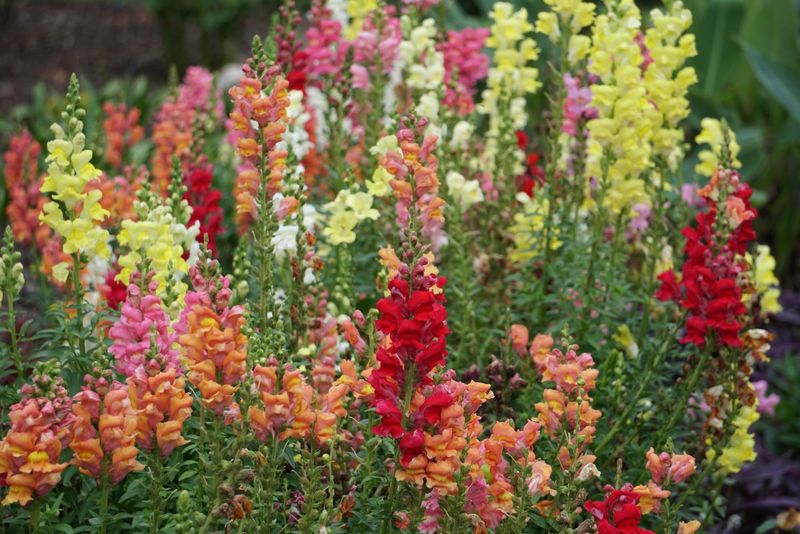
Snapdragons, beloved in cottage gardens, offer more than just their playful blooms. These flowers can reflect the soil’s acidity, shifting hues in response.
Acidic soils might encourage warmer tones like reds and oranges, while neutral conditions favor softer pinks and yellows.
Their dynamic nature and vibrant personality make them a gardener’s delight, providing seasonal interest and charm.
Sweet Pea
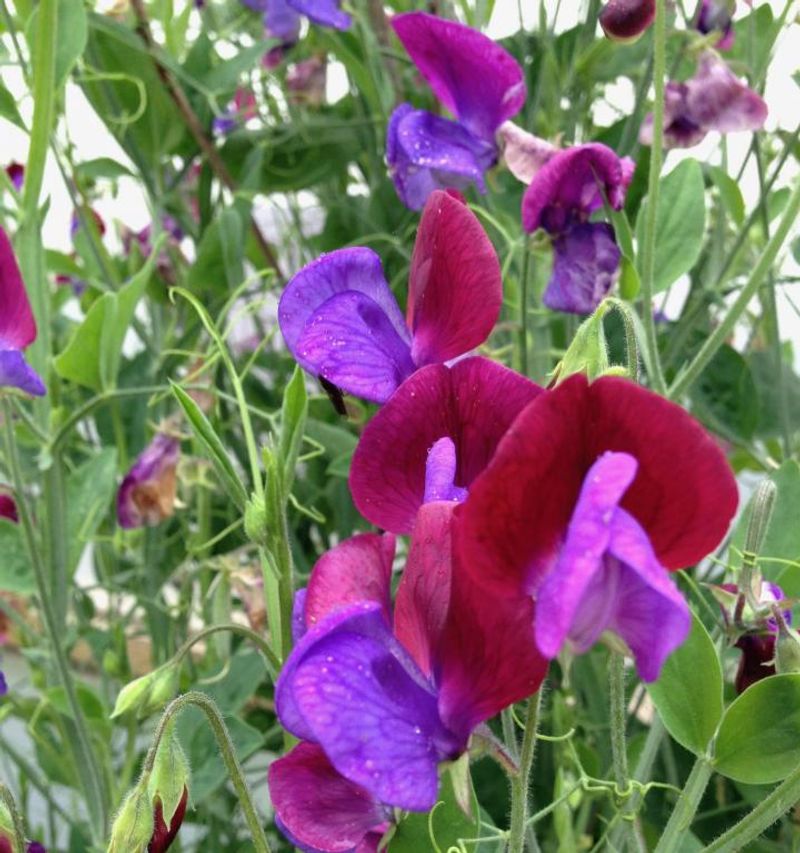
Sweet peas, with their intoxicating fragrance, are a staple in many gardens. Their blooms, however, can change color with soil acidity.
In acidic soils, they might present more vivid shades of pink and purple. With more alkaline conditions, these can turn pastel and delicate.
Their adaptability not only fills gardens with fragrance but also with a dynamic display of colors through the seasons.
Viola
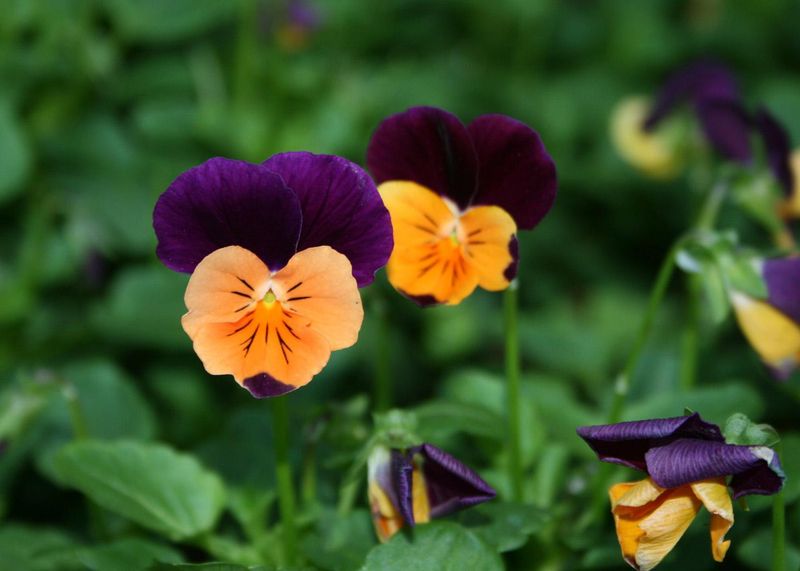
Violas, cherished for their cheerful faces, can surprise with color shifts linked to soil pH. Acidic soils may deepen their purple tones, while a shift to neutral soils can produce lighter blues and yellows.
Their diminutive size belies a robust ability to adapt, making them versatile additions to gardens.
Their changing palette adds depth and interest to floral displays, captivating all who pass by.
Petunia
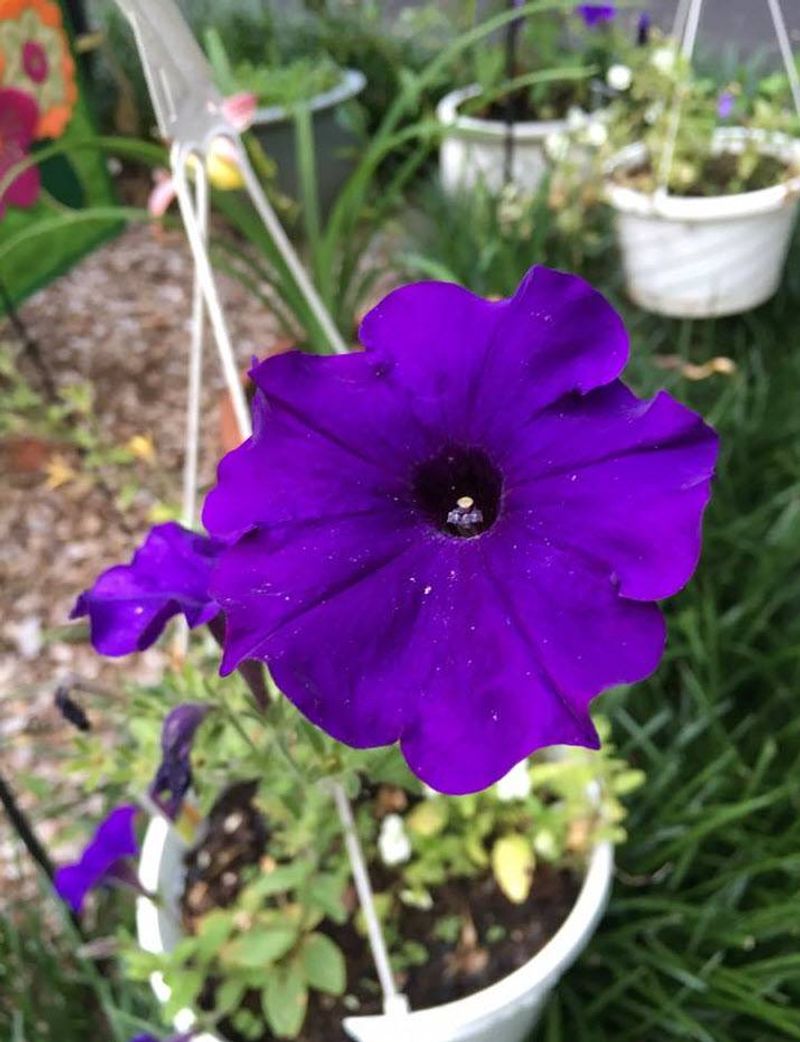
Petunias, often used in hanging baskets and borders, react intriguingly to soil acidity. Acidic conditions can intensify their vivid purples and reds, while more alkaline soils may soften these to whites and pinks.
This transformative nature allows gardeners to play with color schemes, creating an ever-evolving landscape.
Their adaptability makes them a favorite among horticulturists seeking diversity and beauty.
Columbine
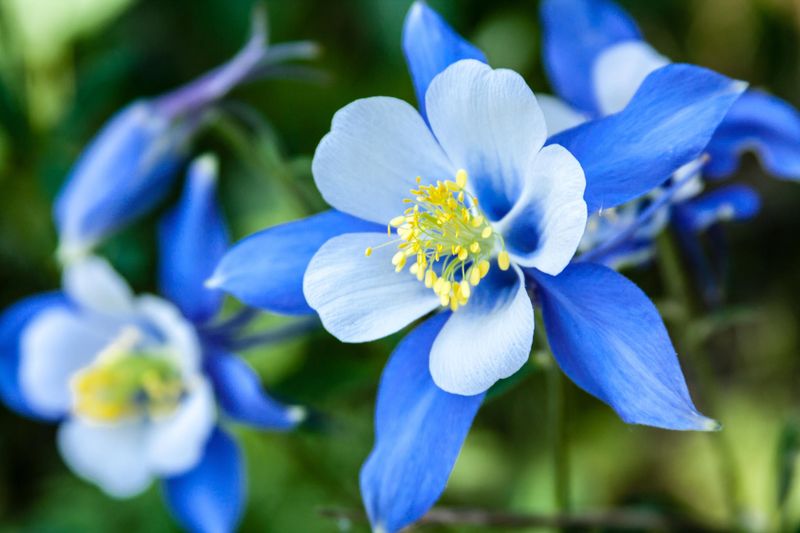
Columbines, with their intricate shapes, offer more than just visual intrigue. Their colors can vary depending on soil acidity, presenting blues and purples in acidic conditions.
In more neutral soils, they may fade to subtle pinks and whites.
A symbol of change and grace, columbines enrich gardens with delicate beauty and an ever-shifting palette, attracting admirers at every glance.
Primrose
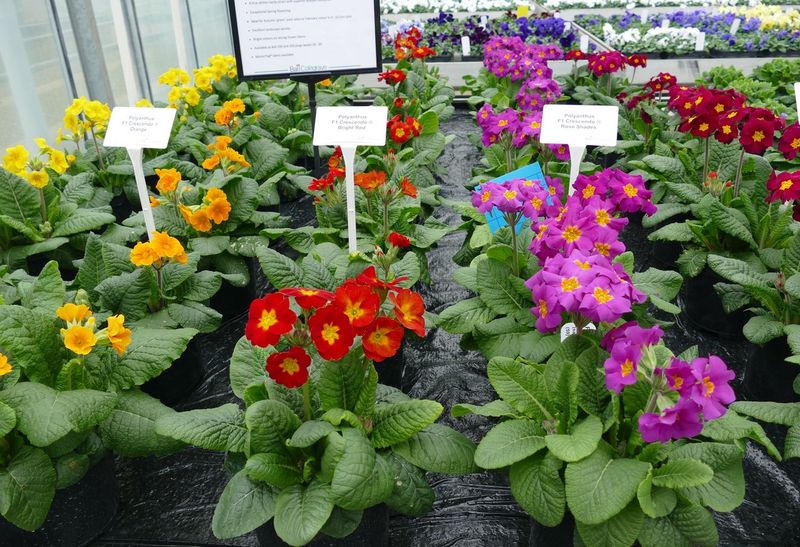
Primroses, heralds of spring, captivate with their vibrant displays. In more acidic soils, their blooms may take on brilliant pinks and purples.
Alkaline conditions, on the other hand, might yield softer yellows and whites.
This remarkable ability to change with soil pH not only enhances their appeal but also showcases the wonders of nature’s adaptability. Primroses remain a charming choice for any garden setting.