 Complete Gardening
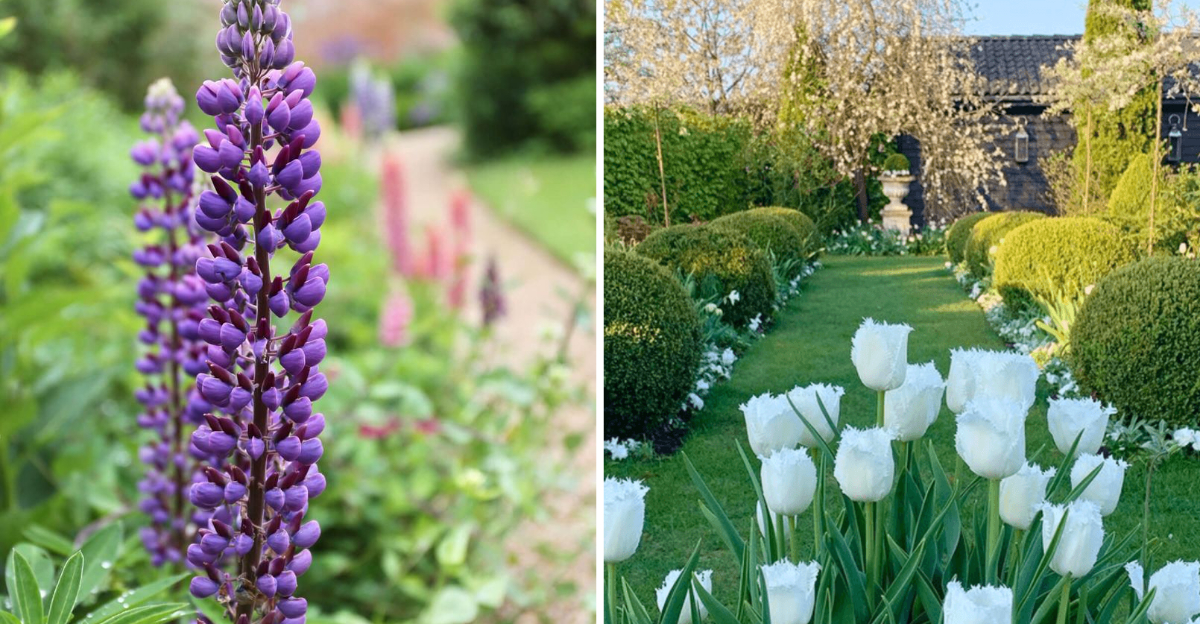
Creating a monochromatic flower bed can be a captivating way to showcase the beauty of a single color in various hues, shapes, and textures. By selecting flowers that fall within a specific color palette, you can craft a visually harmonious garden that is both striking and elegant. Whether you are a seasoned gardener or a novice, this guide provides insight into planning a stunning monochromatic flower bed that highlights the allure of color-focused gardening.
Choosing the Right Hue
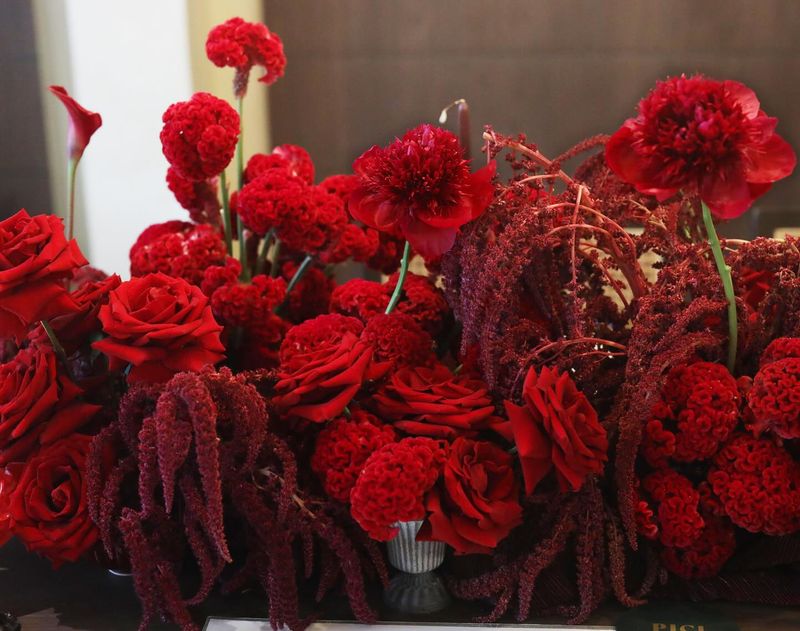
Imagine a garden filled with different shades of red, each flower complementing the next. The key to a successful monochromatic flower bed is selecting the right hue. From deep maroon to bright scarlet, every shade plays a part.
By focusing on one color family, you create a unified look that’s visually appealing. For beginners, red might be a bold choice, offering warmth and vibrancy.
Consider the existing elements in your garden, as the chosen hue should blend seamlessly with the surrounding environment.
Layering with Texture
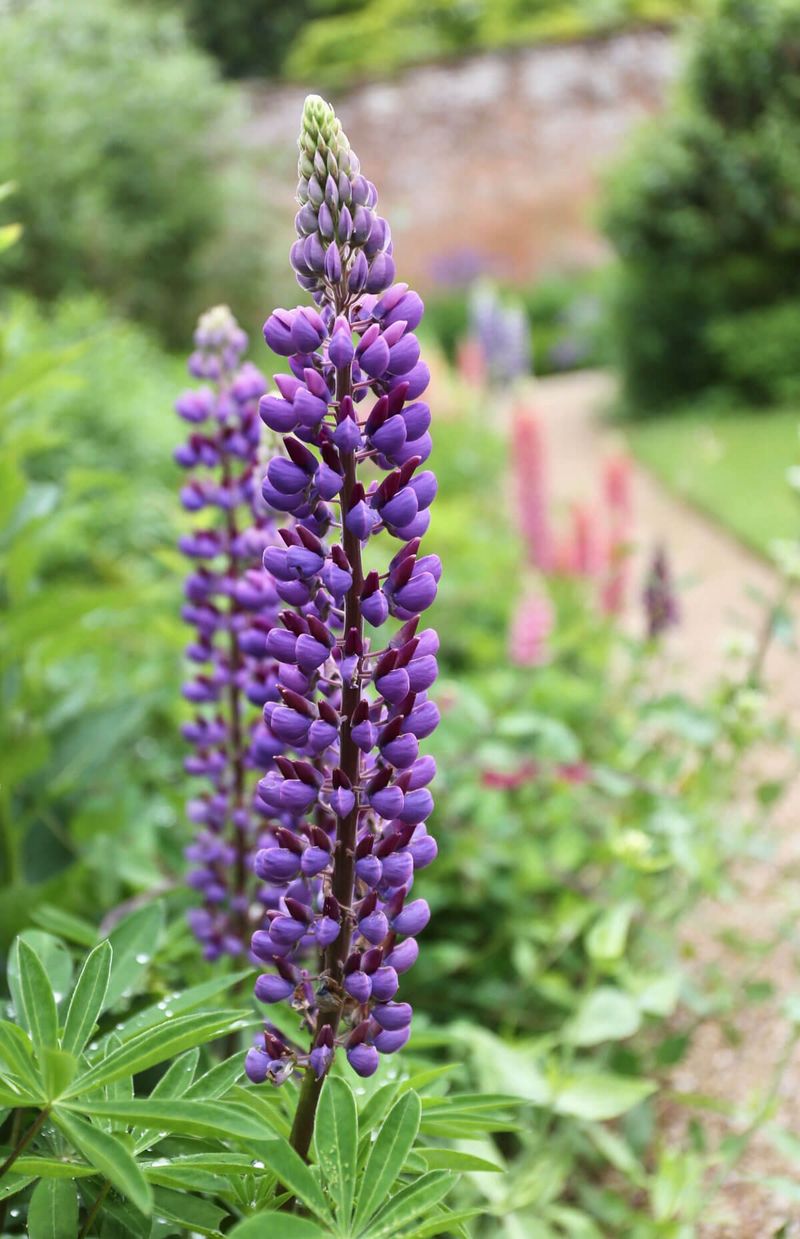
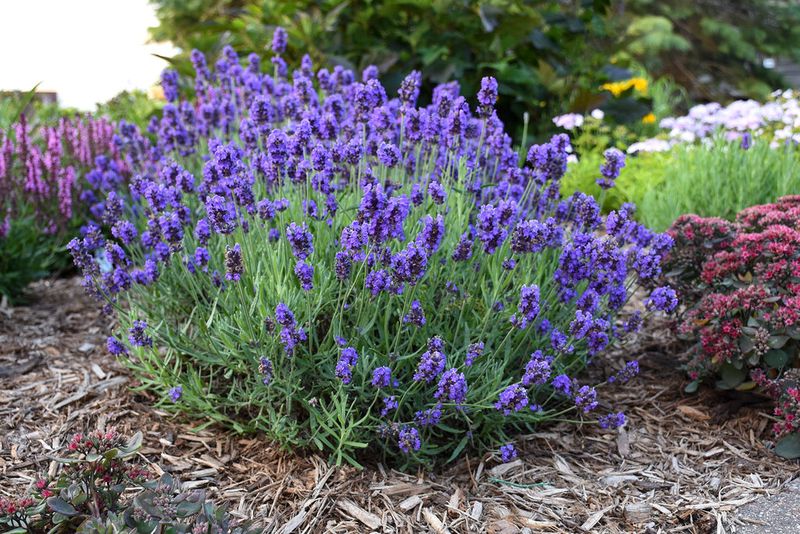
Texture plays a crucial role in a monochromatic flower bed. By layering flowers with varying textures, you add depth and interest. Picture soft lavender blossoms juxtaposed with spiky purple liatris.
This interplay draws the eye and provides a rich sensory experience. Consider combining tall, feathery blooms with low-growing, dense flowers to achieve a balanced look.
The use of texture can transform a simple color scheme into a dynamic and engaging garden.
Seasonal Blooms
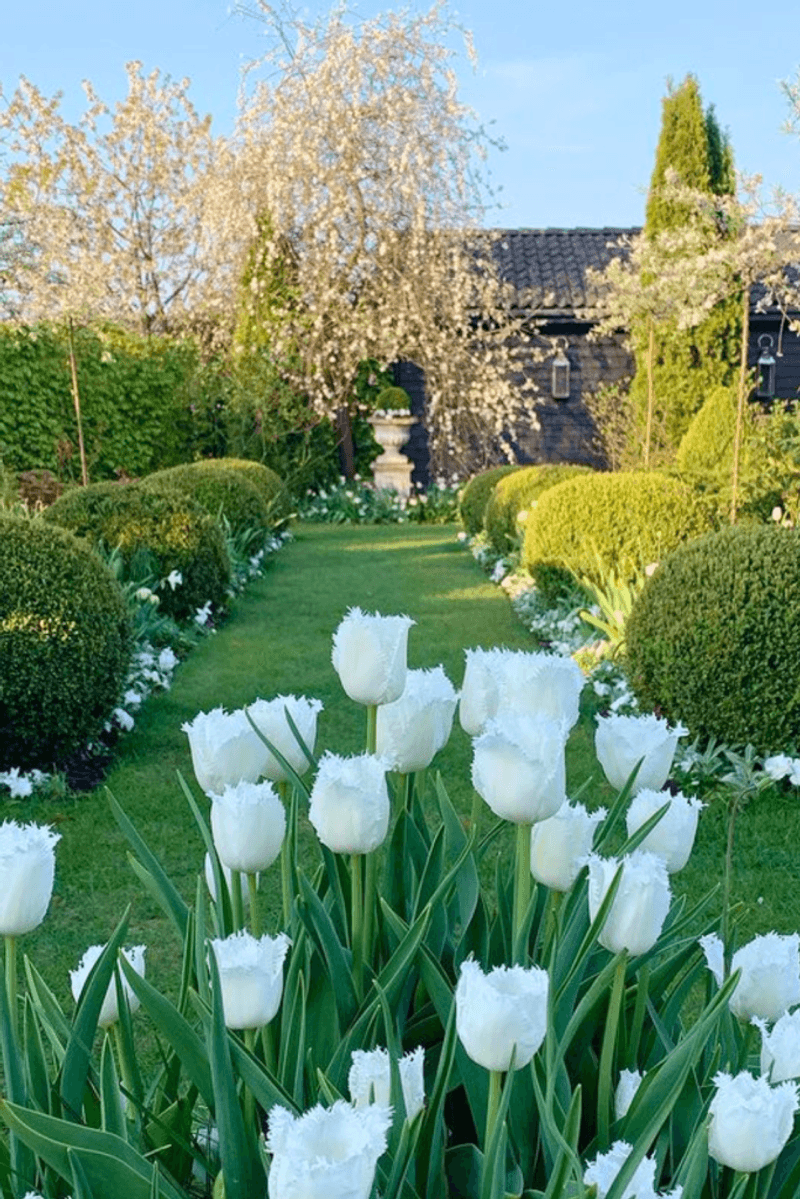
A well-planned monochromatic flower bed can bloom throughout the year. Seasonal selection is vital. Imagine snowdrops in winter, followed by white daffodils in spring, and ending with autumn chrysanthemums.
Each season brings fresh blooms that maintain the color theme. This continuous cycle ensures your garden remains lively and interesting.
By planning for seasonal changes, you create a garden that evolves over time, delighting with new surprises each season.
Contrasting with Greenery
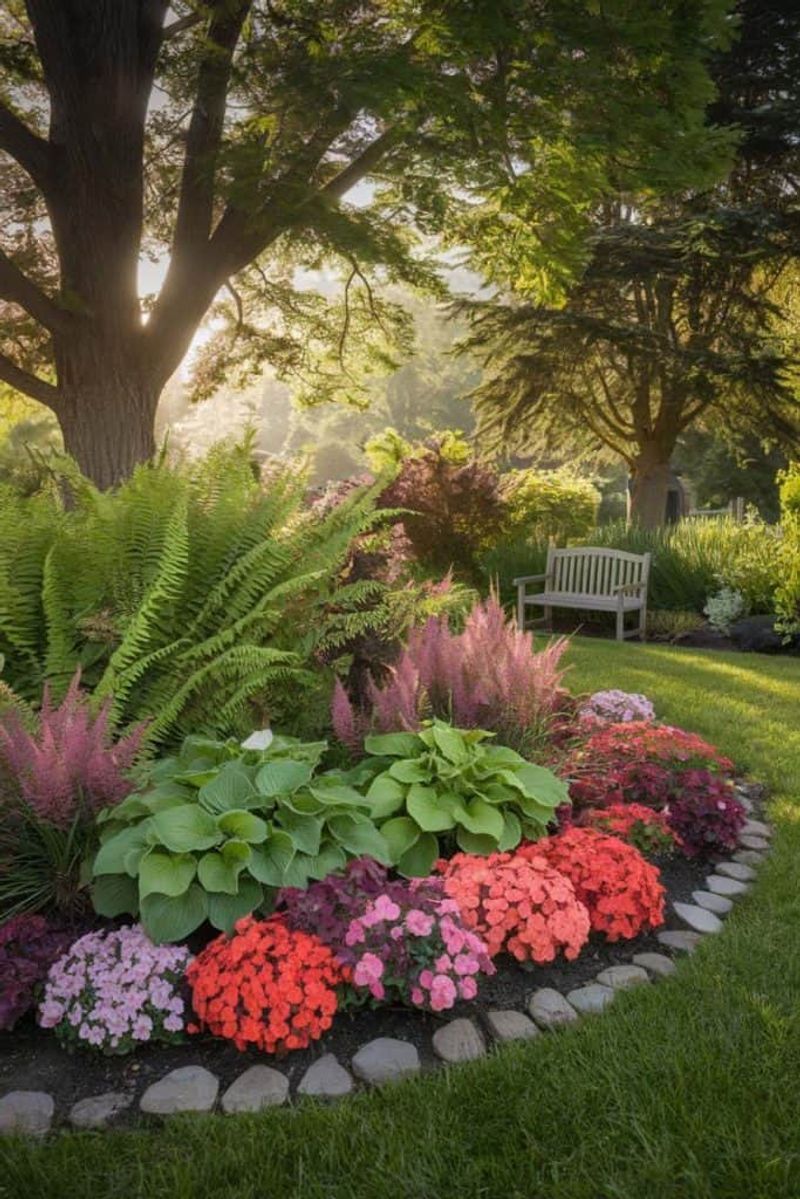
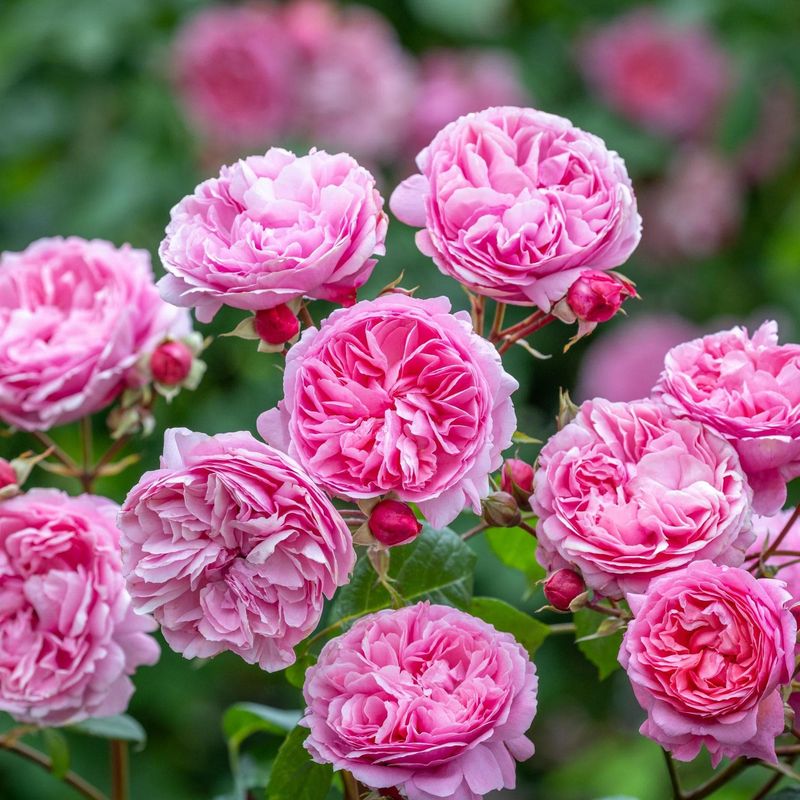
Greenery can make a monochromatic flower bed truly pop. Imagine a bed of pink flowers, like roses and peonies, set against a lush backdrop of green foliage.
The contrast enhances the colors, making them more vibrant. This technique not only adds visual interest but also softens the overall look.
Utilizing different shades and textures of green can serve as a perfect canvas, from which your chosen color scheme can shine.
Height Variation
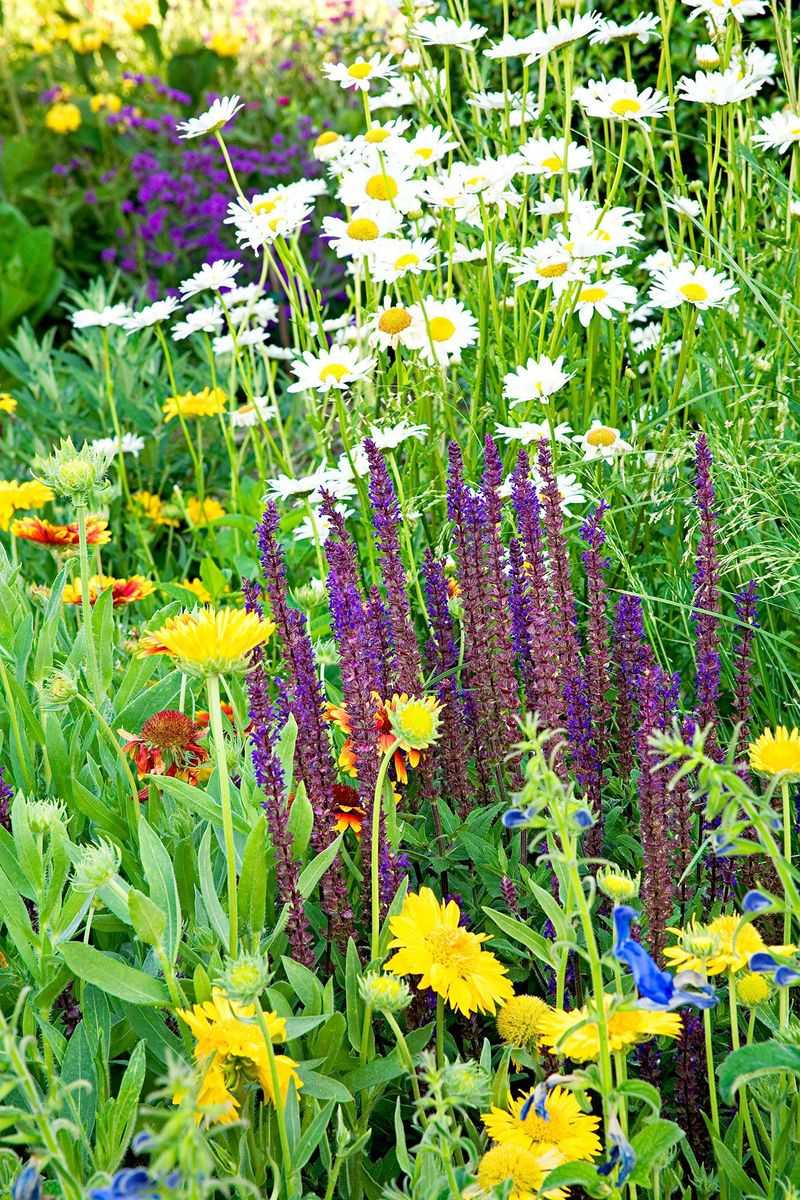
Height variation adds dimension to a monochromatic flower bed. Picture tall sunflowers swaying above clusters of coneflowers and marigolds. The staggering heights create a dynamic visual effect.
This arrangement also allows each plant to receive adequate sunlight and air circulation. By incorporating plants of various heights, you prevent a flat and uninteresting appearance.
Such diversity in elevation invites exploration and interaction with the garden space.
Incorporating Foliage
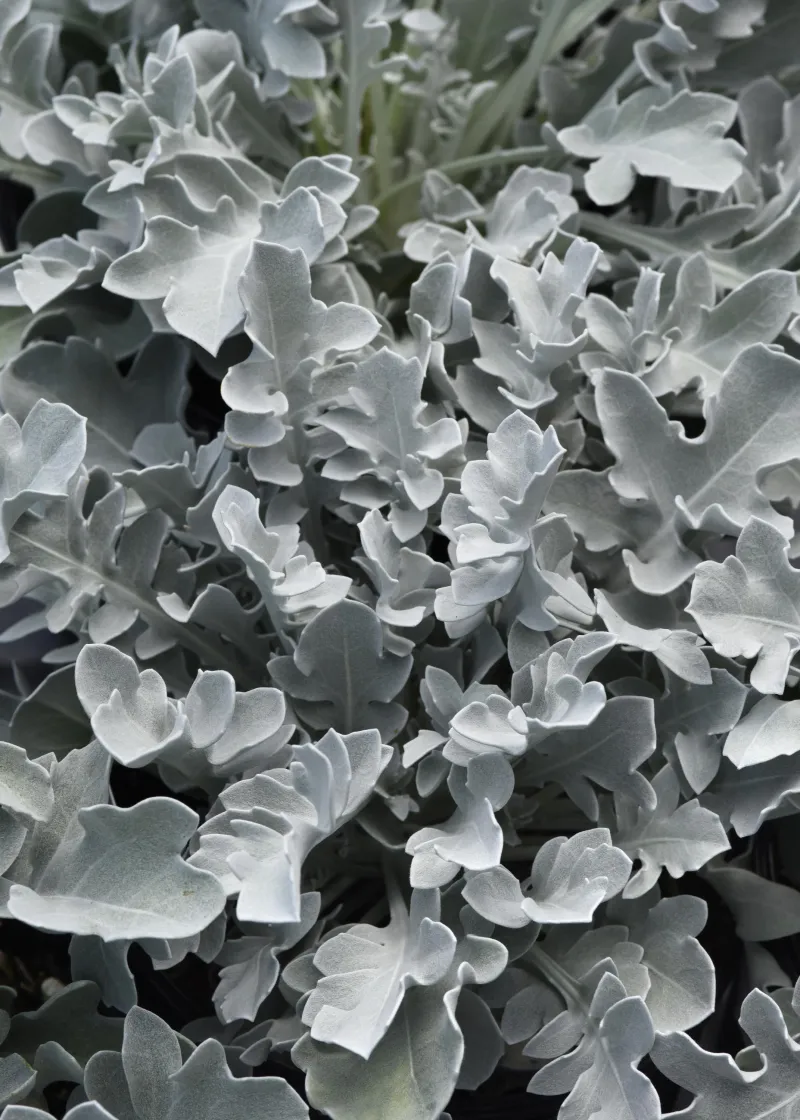
Foliage can add another layer of intrigue to a monochromatic flower bed. Consider a blue-themed garden, where agapanthus and hydrangeas are complemented by silvery-blue foliage.
This addition offers shade variation and enhances the overall color theme. The subtle differences in foliage texture and hue can enhance the flower display, providing depth and richness.
Incorporating foliage ensures the garden maintains its charm, even when flowers are not in bloom.
Edging and Borders
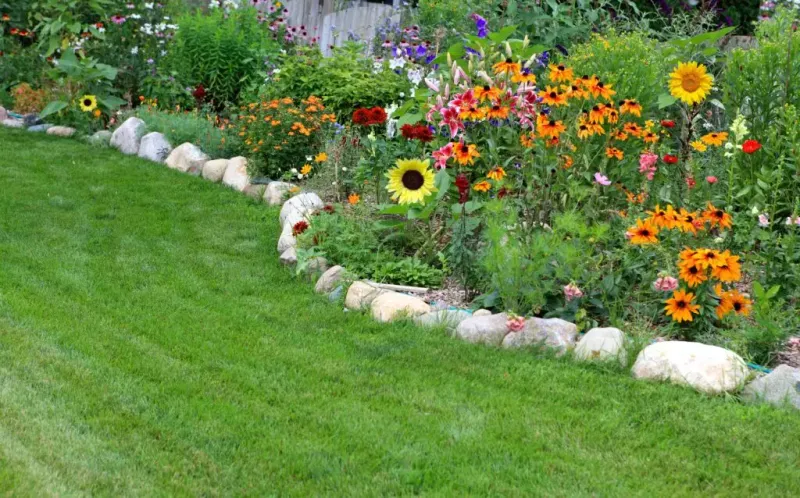
Edging and borders can provide a polished finish to a monochromatic flower bed. Envision bold orange marigolds, bordered by neatly trimmed boxwood.
This not only defines the space but also adds a touch of elegance. The contrast between the vivid blooms and the structured greenery creates a striking visual impact.
By carefully choosing edging materials, you can frame your flower bed, enhancing its overall aesthetic.
Unified Plant Shapes
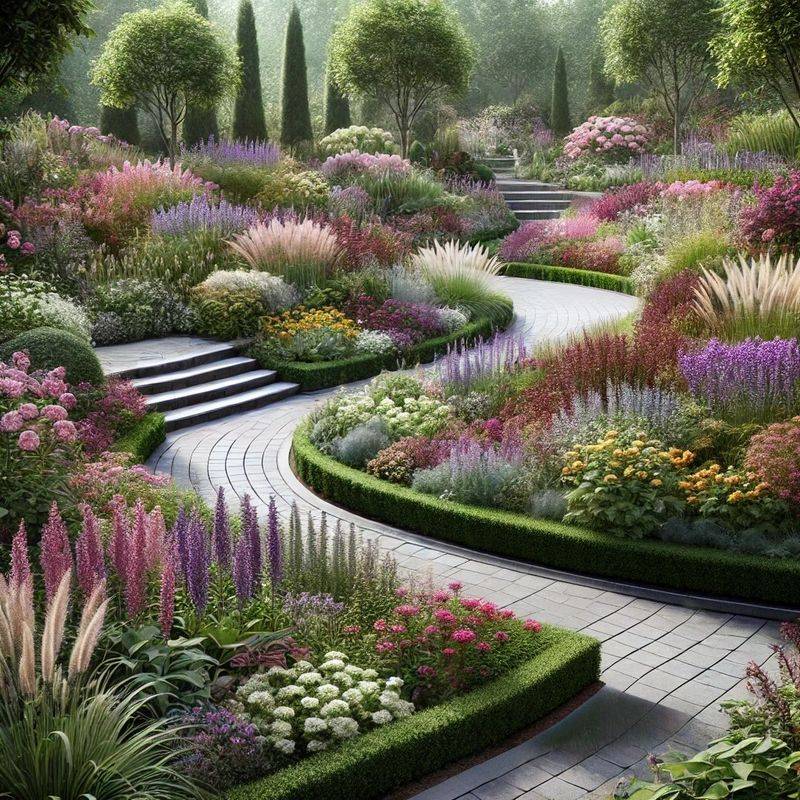
Imagine a garden where every plant shares a similar silhouette, creating a unified and harmonious design. By selecting plants with comparable shapes, you enhance the monochromatic theme while adding subtle depth and interest. This approach allows the color to take center stage, ensuring your garden feels both cohesive and thoughtfully curated. Unified plant shapes also simplify maintenance, as similar growth patterns often require similar care routines. Experiment with different plant types to find the ideal shapes that suit your garden’s aesthetic. The result is a visually captivating space that feels both serene and organized.
Seasonal Transition Planning
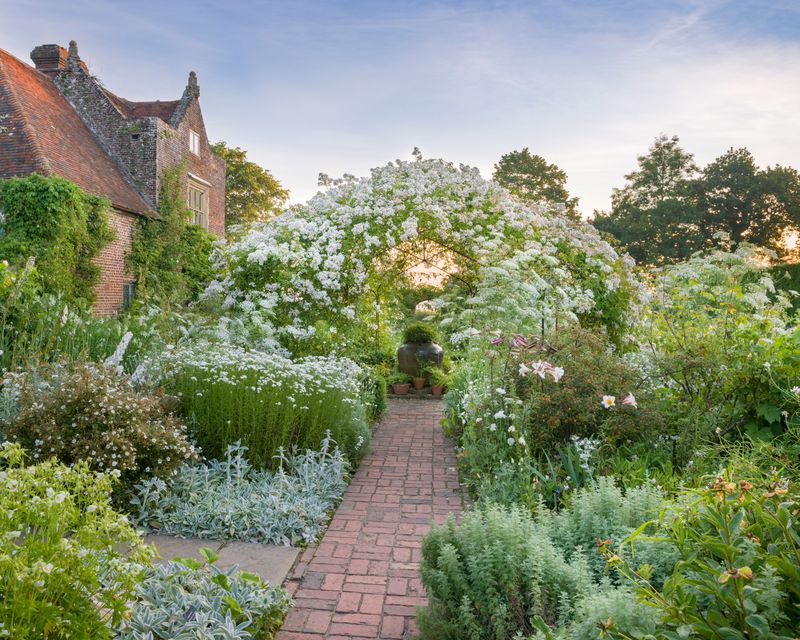
Planning for seasonal transitions ensures your monochromatic garden remains vibrant throughout the year. By selecting plants that bloom in different seasons, you can maintain constant color in your flower bed. This thoughtful planning not only enhances visual appeal but also supports local biodiversity by providing continuous resources for pollinators. Consider the lifecycle of each plant, and choose varieties that will naturally succeed one another as the seasons change. This strategic approach results in a dynamic, ever-changing display that keeps your garden fresh and engaging all year round.
Lighting Effects
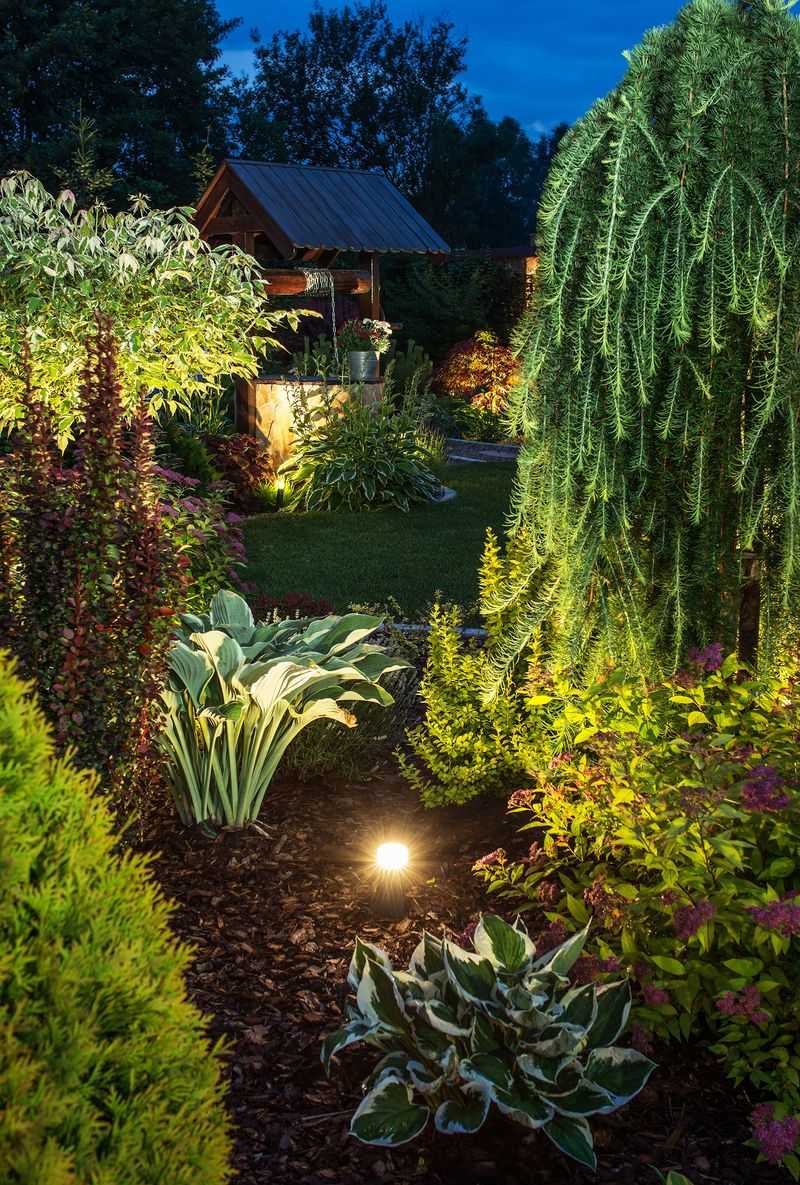
Enhance your monochromatic garden with strategic lighting techniques that highlight the beauty of your chosen color. By incorporating various lighting effects, you can create a magical ambience that extends the enjoyment of your garden into the evening. Experiment with uplighting to emphasize tall plants or use backlighting to create dramatic silhouettes. Consider how different light temperatures affect the perception of color, and choose fixtures that enhance rather than overpower. Thoughtful lighting design transforms your garden into a captivating visual experience, adding a layer of sophistication that complements the natural beauty of your plants.
Textural Contrast
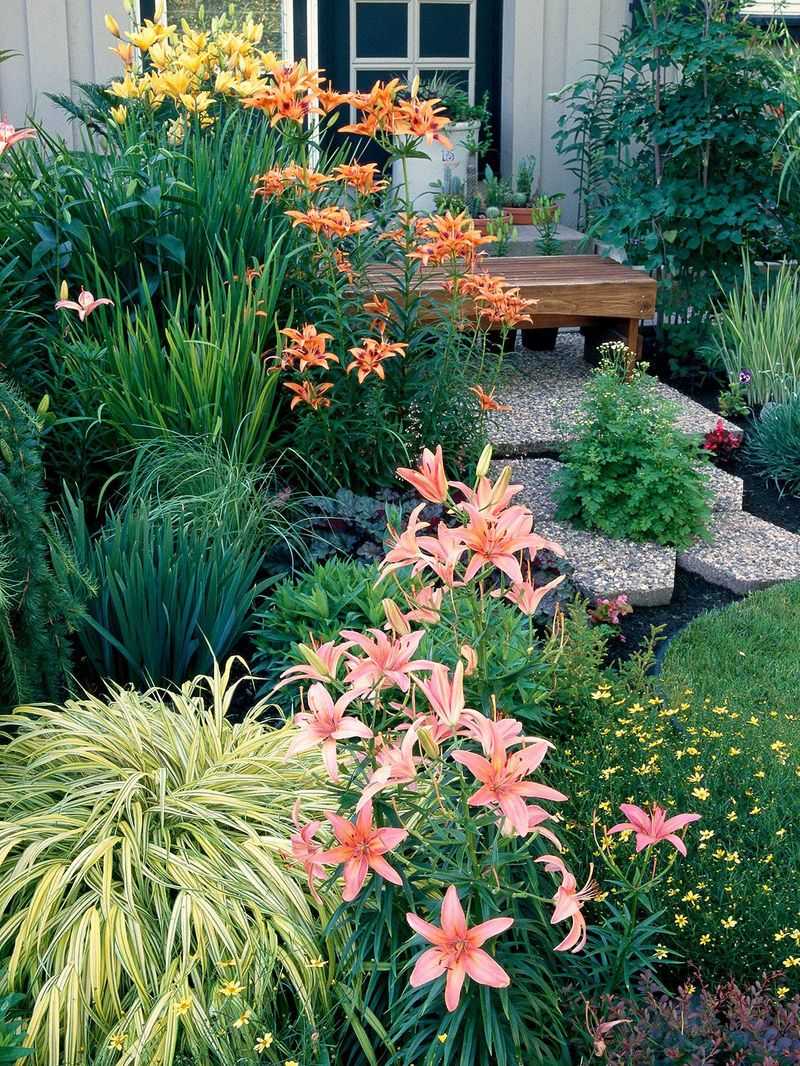
In a monochromatic garden, textural contrast plays a crucial role in maintaining visual interest. By incorporating plants with varying textures, you create a dynamic and engaging landscape that captivates the senses. From feathery grasses to bold, broad leaves, the interplay of textures adds depth and dimension to your garden, enhancing the impact of a single color. This method encourages closer observation, allowing visitors to appreciate the subtle nuances within your design. Pairing different textures also enhances the tactile experience, inviting interaction and exploration.
Water Features Integration
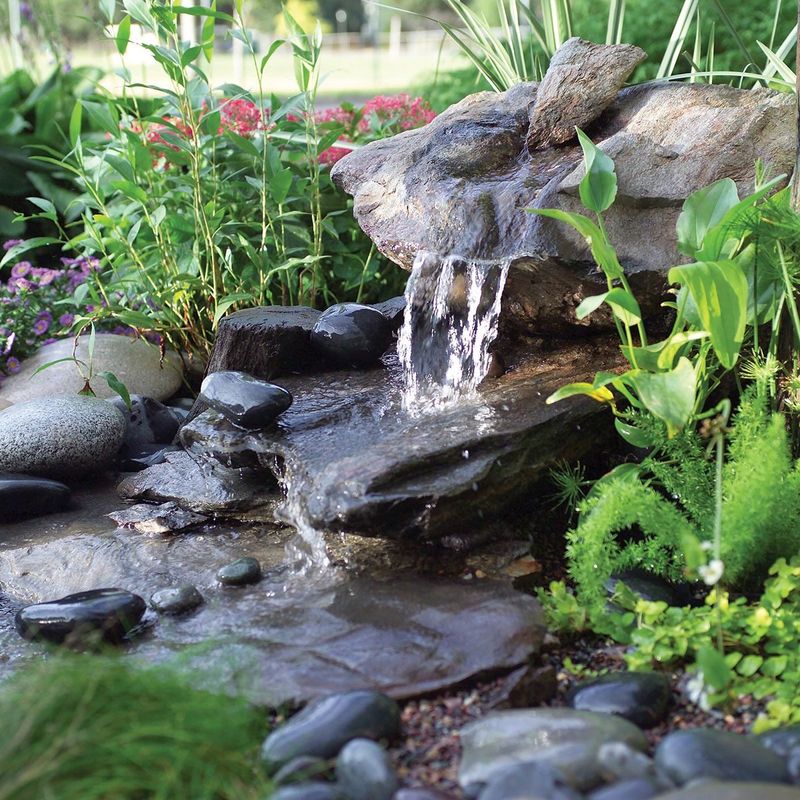
Integrating a water feature into your monochromatic garden adds a layer of tranquility and movement that enhances the overall theme. The reflective surface of water mirrors the colors of your flowers, amplifying their visual impact while introducing a soothing auditory element. Choose a fountain or pond that complements the scale and style of your garden, ensuring it feels like a natural extension of your design. The addition of water attracts wildlife such as birds and butterflies, enriching the ecosystem and adding life to your space. This feature transforms your garden into a peaceful retreat.
Color Dominance Balance
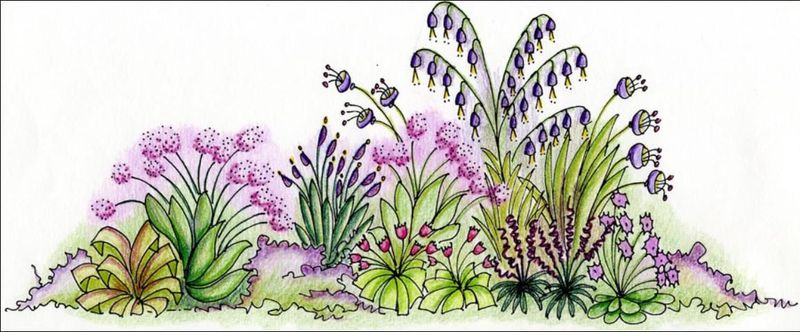
Achieving color dominance balance is key to a successful monochromatic garden. By carefully selecting plants in various shades, you create a rich tapestry that offers depth and interest without overwhelming the senses. This balance allows the dominant hue to shine, while the subtle variations add layers of complexity. Experiment with different plant heights and forms to accentuate the color’s impact, ensuring a harmonious yet dynamic presentation. The result is a garden that feels both vibrant and cohesive, where each element contributes to the overall aesthetic without competing for attention.
Perennial and Annual Mix
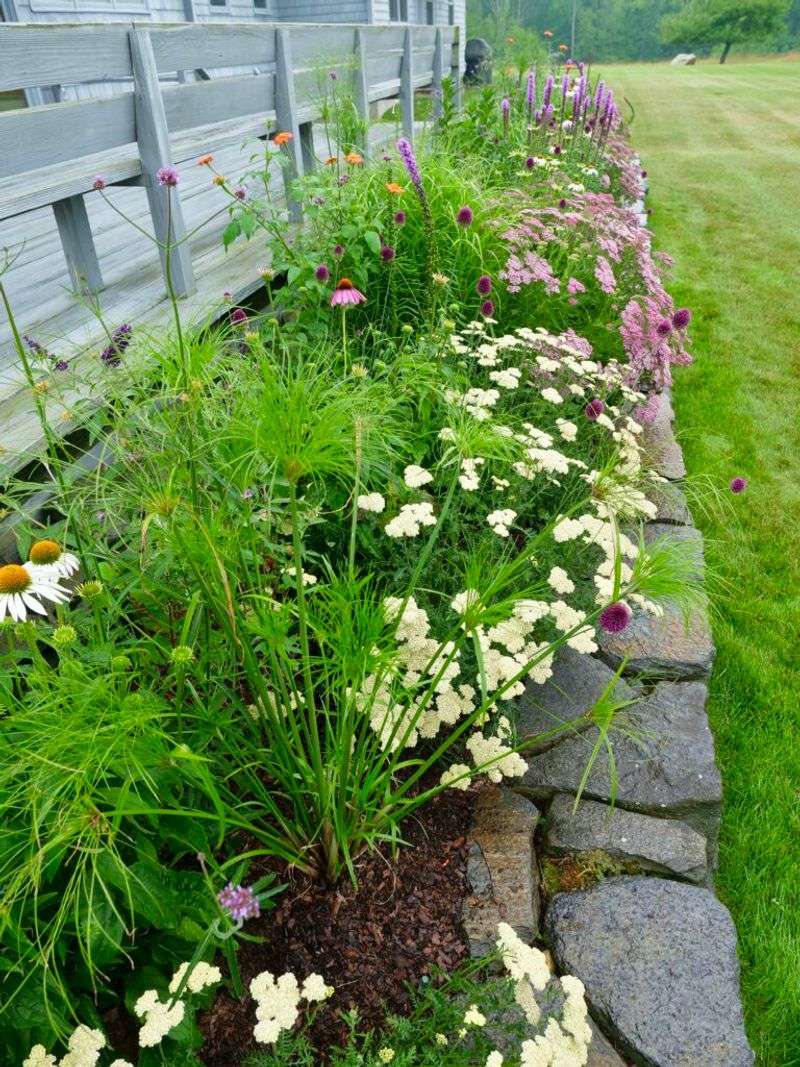
Combining perennials and annuals in your monochromatic garden introduces variety and resilience. Perennials provide a reliable backbone with their consistent presence, while annuals add seasonal flair with their vibrant, temporary blooms. This mix ensures a dynamic and ever-changing display, as annuals can be swapped each year for a fresh look. Choose plants that complement the seasonal cycle, ensuring constant color and interest. This approach not only enhances visual appeal but also supports a healthy garden ecosystem by encouraging diverse pollinator visits. The result is a garden that feels both stable and innovative.
Vertical Gardening Techniques
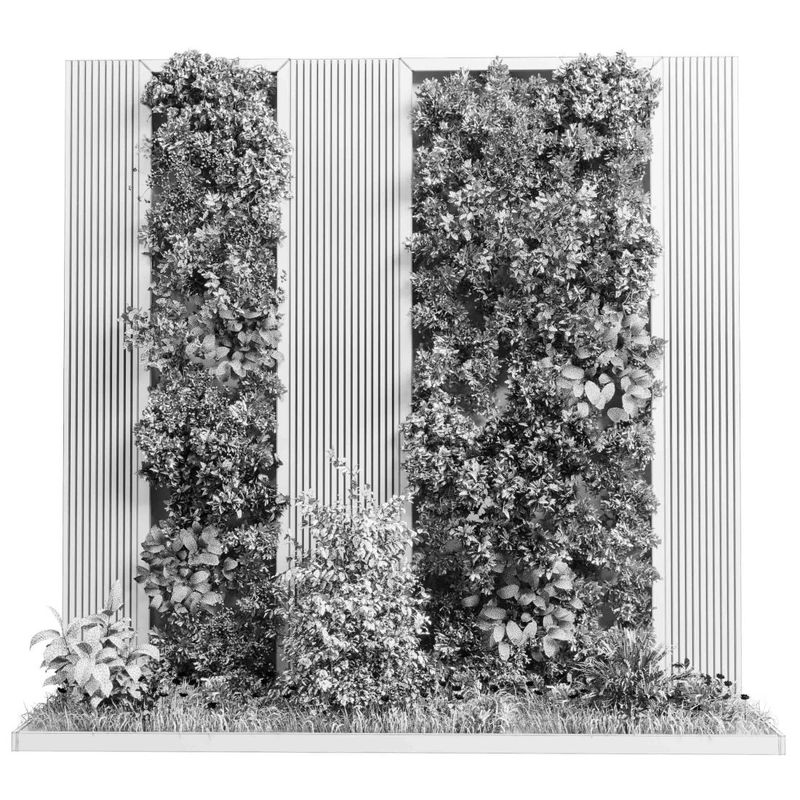
Vertical gardening offers a creative solution for those with limited space, allowing you to maximize your monochromatic theme in a unique way. By utilizing walls or trellises, you can create stunning displays that draw the eye upwards, adding dimension to your garden. This approach not only conserves space but also enhances aesthetic appeal by showcasing cascading blooms. Choose plants that thrive in vertical settings, ensuring they remain healthy and vibrant. Vertical gardening transforms ordinary walls into living masterpieces, offering a fresh perspective on traditional garden design and celebrating the beauty of your chosen color.
Scented Plant Selection
Incorporating scented plants into your monochromatic garden elevates the sensory experience, adding an invisible layer of beauty that enhances the overall atmosphere. Fragrant flowers create a welcoming ambience, inviting visitors to linger and savor the subtle aroma. Choose scents that complement the visual theme, ensuring a harmonious blend of color and fragrance. This sensory integration transforms your garden into a multi-dimensional retreat, where each visit offers a new discovery. The addition of scent also attracts beneficial insects, supporting a thriving ecosystem and enriching your outdoor environment.
Sustainable Design Practices
Embrace sustainable design practices in your monochromatic garden to create a beautiful, environmentally conscious space. Select native, drought-tolerant plants that align with your color theme, reducing water usage and maintenance needs. Incorporate eco-friendly materials in your garden’s construction, such as recycled or locally sourced options. This approach not only benefits the environment but also enhances the resilience of your garden, ensuring it thrives with minimal intervention. By prioritizing sustainability, you create a garden that reflects both your aesthetic preferences and commitment to ecological stewardship, ensuring a lasting positive impact.