
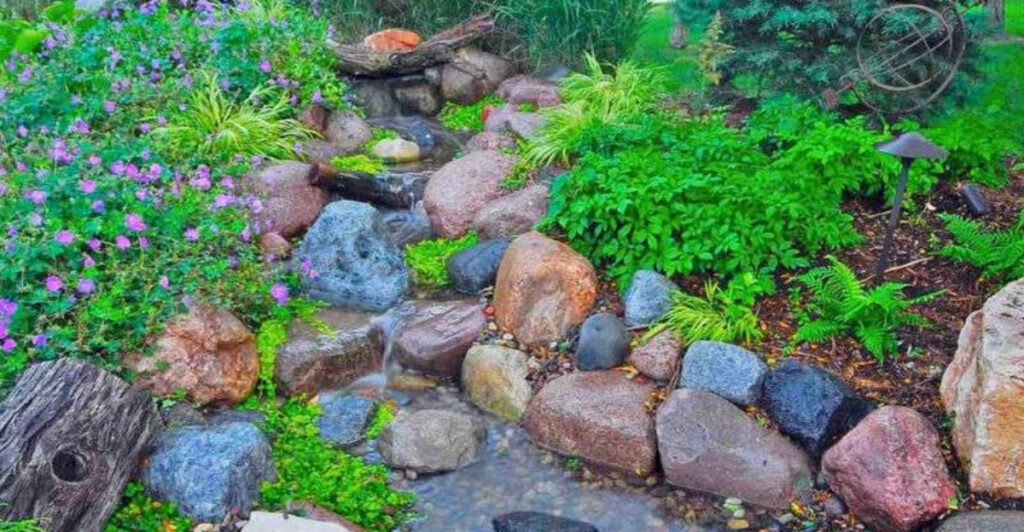
Transforming your yard into a water-efficient oasis doesn’t mean sacrificing beauty. Traditional grass lawns, though lush, often demand excessive water and upkeep. Fortunately, stunning alternatives exist that are not only environmentally friendly but also strikingly attractive. Let’s explore some exceptional options to help you conserve water while maintaining an eye-catching landscape.
1. Succulent Garden
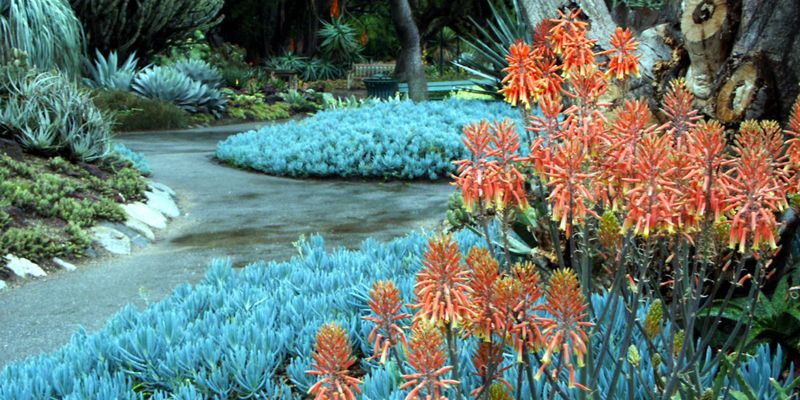
Imagine a garden where every plant seems sculpted by the desert itself. Succulents offer a vivid tapestry of colors and forms, each unique in its resilience and charm. These hardy plants thrive with minimal water, making them perfect for eco-conscious gardeners.
Succulents require little more than occasional watering and plenty of sunlight, reducing your environmental footprint. Varieties like aloe, echeveria, and agave create a stunning display, offering visual interest all year round.
By choosing succulents, you embrace a creative and sustainable approach to landscaping, where beauty and conservation coexist harmoniously.
2. Gravel and Stone Design
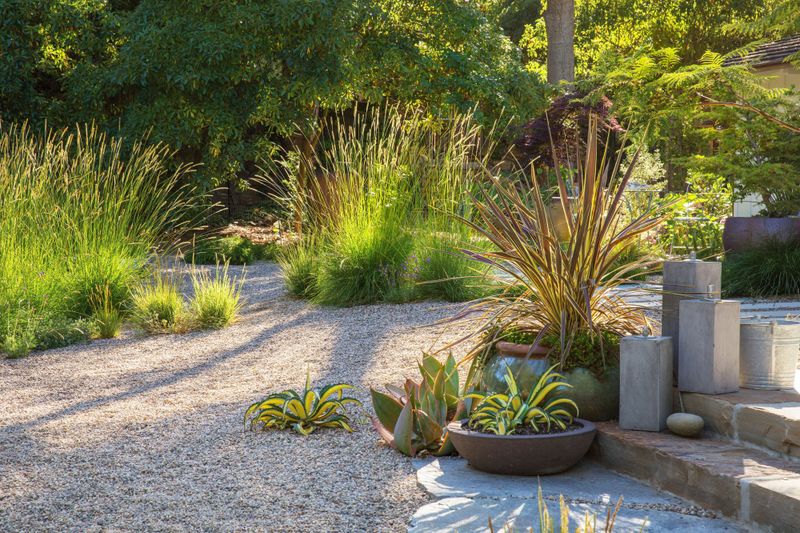
For those who appreciate simplicity with flair, gravel and stone designs offer an unparalleled blend of elegance and practicality. This landscaping choice uses rock formations and gravel paths to create a serene, low-maintenance environment.
Gravel gardens require no watering and very little maintenance, making them an appealing choice for busy homeowners. They provide a modern aesthetic that suits both urban and rural settings alike.
Choosing gravel and stone means embracing a timeless style that is both functional and beautiful, perfect for those seeking a sleek and water-wise landscape solution.
3. Artificial Turf
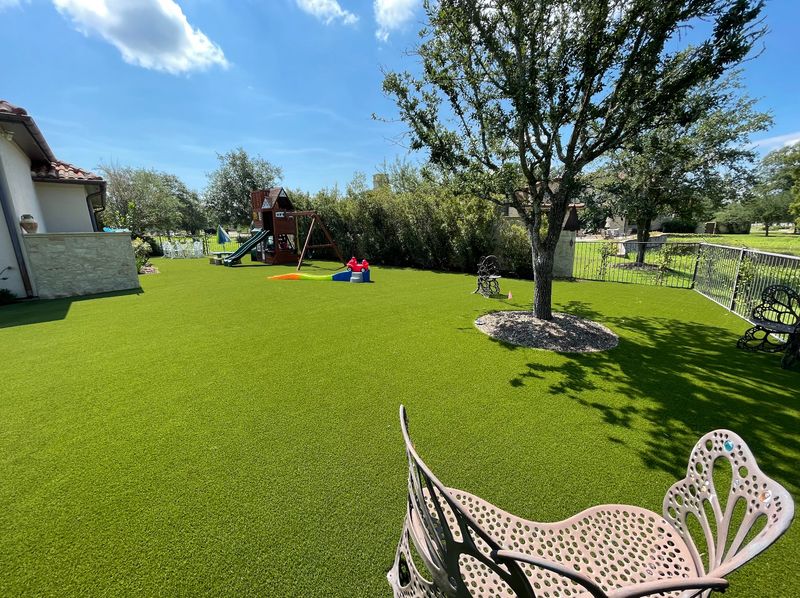
Step onto a lawn as green as the real thing but without the guilt of excessive water use. Artificial turf offers the lushness of grass without the maintenance woes. Perfect for families and pets, it provides a soft surface for play.
Artificial turf doesn’t need watering, fertilizing, or mowing, making it an environmentally friendly and cost-effective option. It stays green all year, resisting wear and tear from weather and foot traffic.
Switching to artificial turf can transform your yard into a vibrant space, offering reliability and beauty with minimal effort.
4. Native Plant Landscaping

Native plants are nature’s gift to the eco-savvy gardener. These plants are adapted to local climates, requiring minimal water and care. They offer a rich tapestry of colors and textures, drawing wildlife like butterflies and birds.
Choosing native plants reduces the need for fertilizers and pesticides, helping to preserve local ecosystems. They provide seasonal beauty and interest with their unique bloom cycles.
By opting for native plants, you support biodiversity and create a habitat that thrives naturally, making your garden an environmentally responsible choice.
5. Clover Lawn
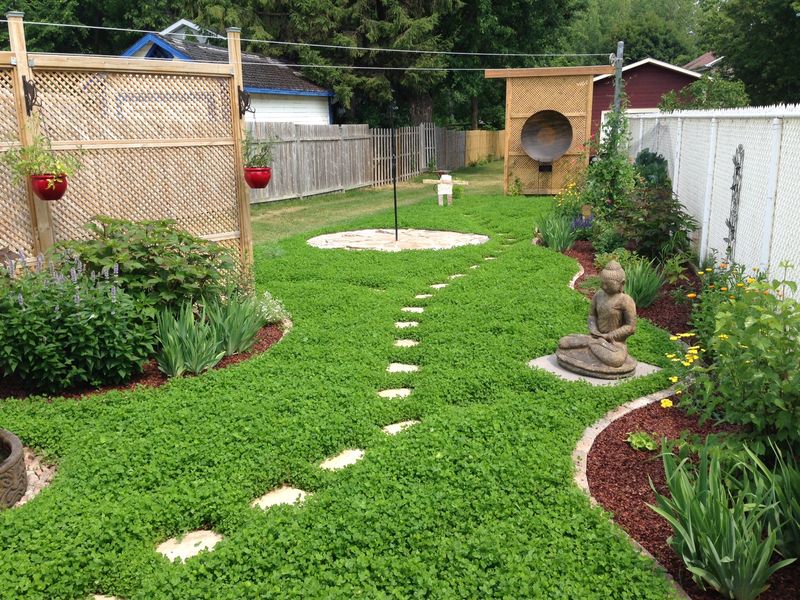
Clover lawns offer a whimsical charm with their lush green leaves and delicate white flowers. Unlike traditional grass, clover requires much less water and no fertilizers. It enriches the soil with nitrogen, promoting healthier garden ecosystems.
Clover is soft underfoot, making it a pleasant choice for families and pets. Its resilience against drought and ability to thrive in poor soils highlight its suitability for sustainable landscaping.
Opting for a clover lawn means embracing a natural, low-maintenance solution that’s as attractive as it is practical, providing beauty and ecological balance.
6. Rock Garden
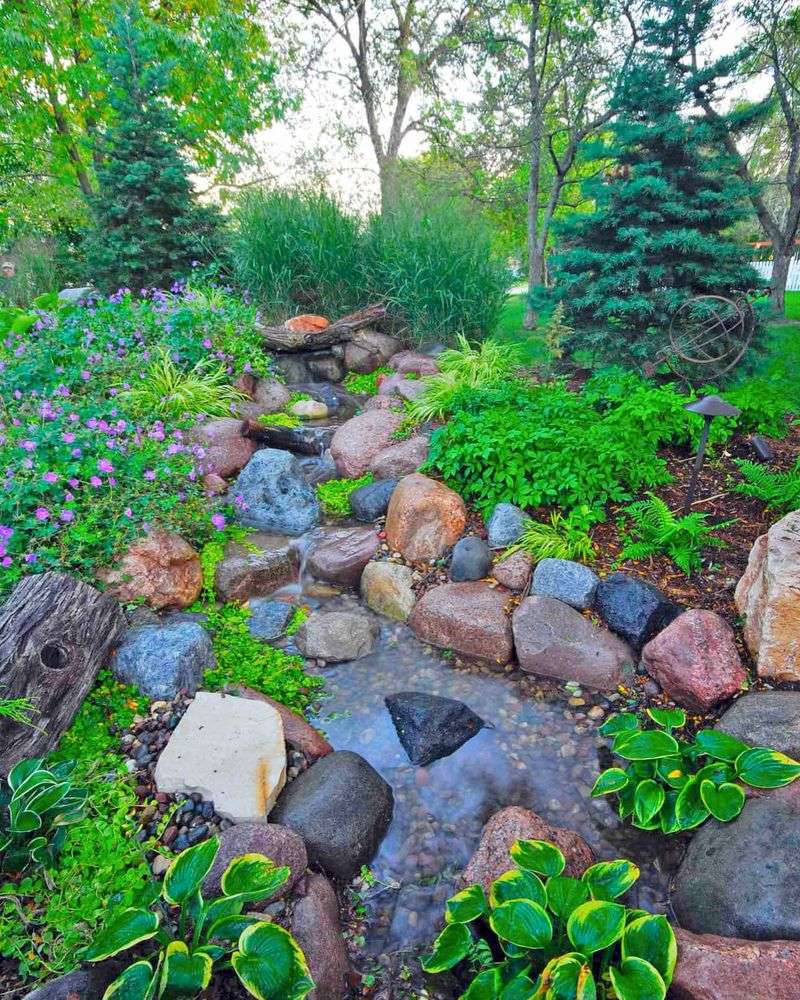
Embrace the art of simplicity with a rock garden. Featuring stones and drought-resistant plants like alpine species, rock gardens offer a dramatic and low-water landscape option. They evoke a sense of tranquility and timelessness.
Rock gardens are resilient to dry conditions, requiring minimal care once established. They provide structure and variety, allowing creativity in design with different stone sizes and plant placements.
This garden style harmonizes with nature, offering an aesthetic that is both rugged and refined. It’s a perfect choice for those looking to minimize water use and maximize visual appeal.
7. Groundcover Alternatives
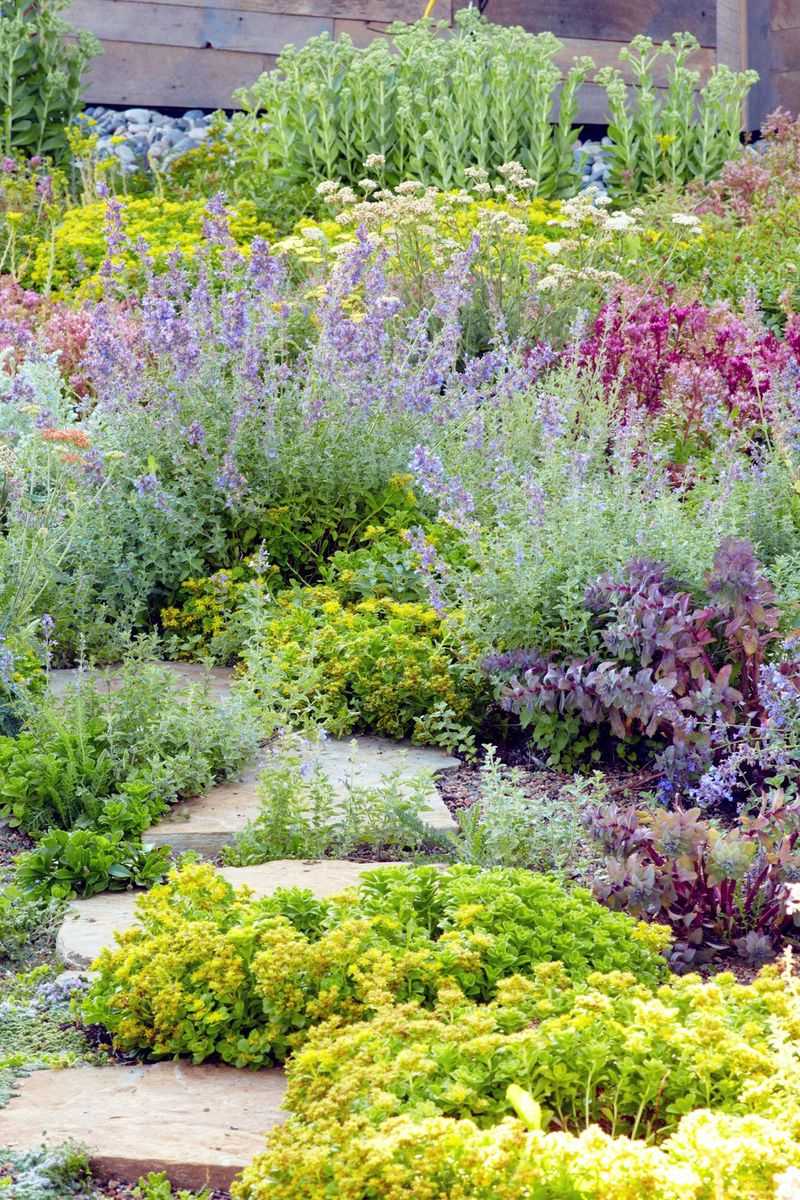
Groundcover plants weave a living carpet of colors and textures, offering a delightful alternative to traditional lawns. Varieties like creeping thyme and sedums thrive with minimal water, creating a lush, low-maintenance landscape.
These plants spread quickly, suppressing weeds naturally and adding visual interest with their rich hues and occasional blooms. Groundcovers adapt well to different soil conditions, making them versatile choices for various garden designs.
Choosing groundcover plants provides a water-conscious solution that celebrates diversity and beauty, transforming your garden into a sustainable and captivating space.
8. Herb Garden Wonderland
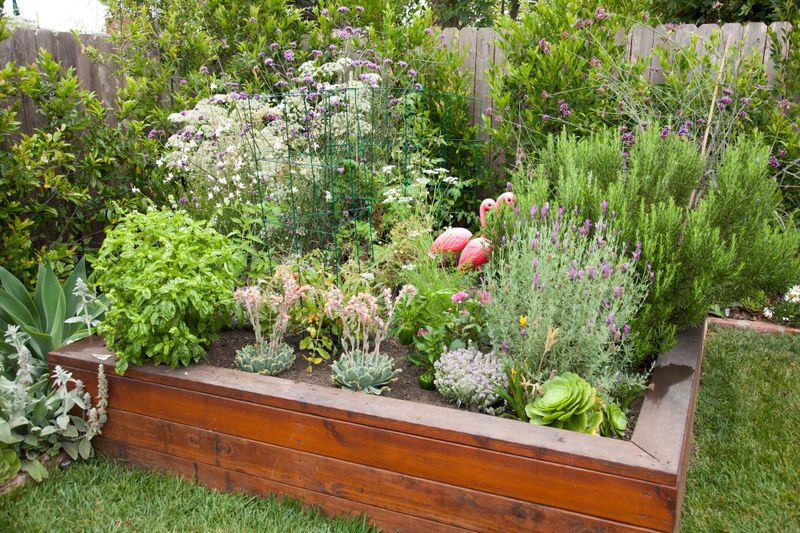
Imagine stepping into a world where aromas dance in the air. A herb garden can transform your outdoor space into a fragrant paradise.
With plants like rosemary and thyme, your garden not only saves water but also brings culinary delights right to your doorstep.
These gardens thrive in well-drained soil, making them ideal for drier climates. Additionally, they attract beneficial insects, enhancing biodiversity.
Did you know? Many herbs have historical significance, with some being used for centuries in traditional medicine.
9. Ornamental Grass Display
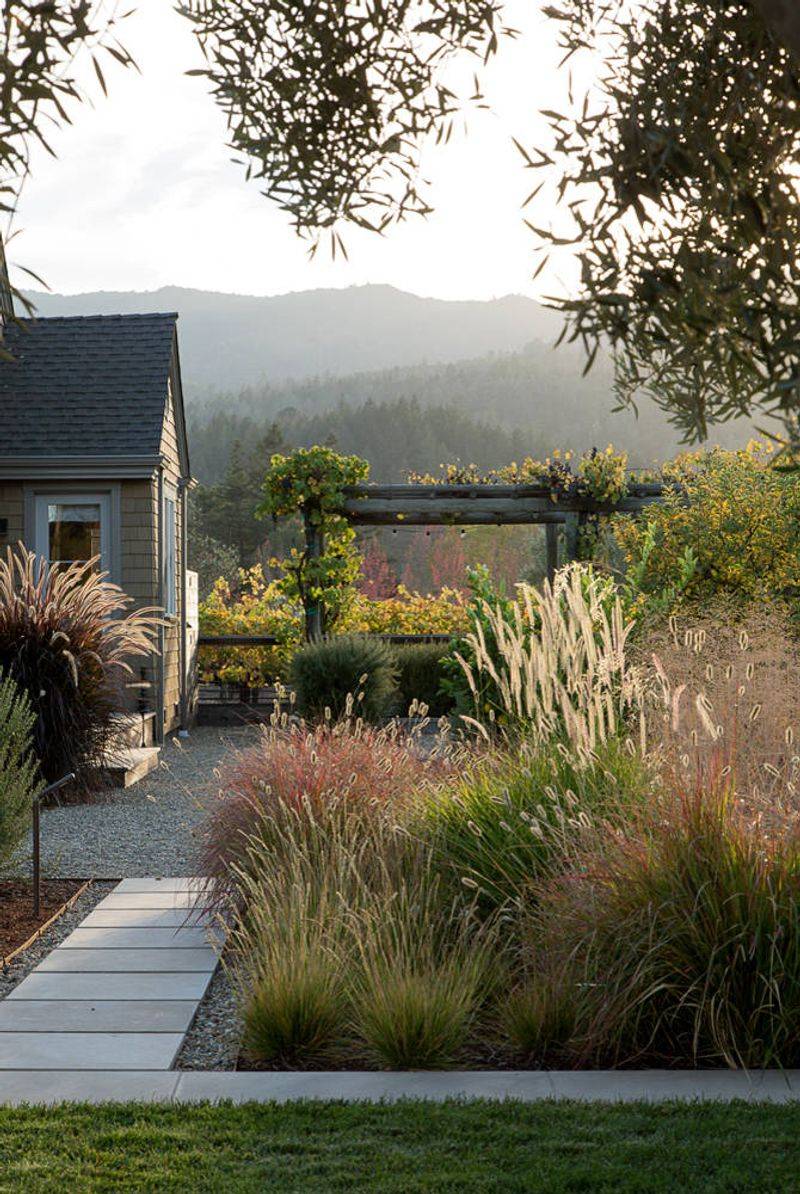
Long, flowing, and full of character, ornamental grasses add movement and texture to any garden.
Unlike traditional lawns, they require minimal watering, making them perfect for eco-conscious homeowners.
There are many varieties, from tall and statuesque to compact and colorful, each offering unique visual interest.
Fun fact: Ornamental grasses are often used in modern landscape design due to their versatility and low maintenance needs.
10. Rain Garden Retreat
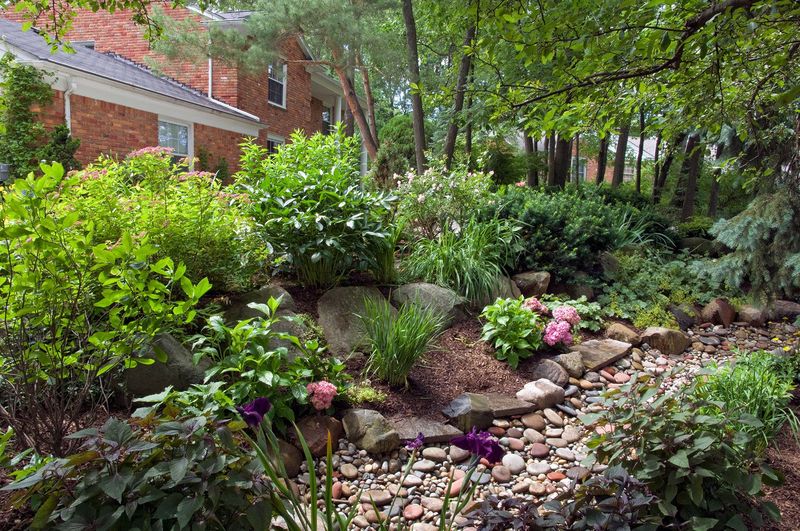
With a clever design that captures rainwater, rain gardens are both practical and pretty.
They help mitigate stormwater runoff, providing a haven for native plants that thrive in varying moisture levels.
Not only do they reduce water waste, but they also support local wildlife and enhance soil health.
Historically, rain gardens have roots in indigenous practices, emphasizing sustainability and respect for nature.
11. Vertical Garden Oasis
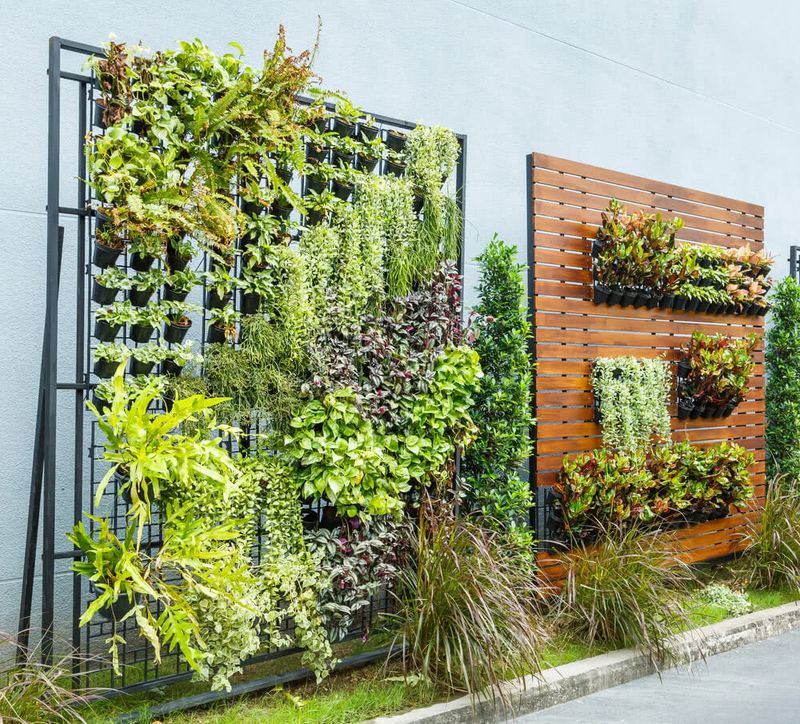
Vertical gardens defy gravity, turning walls into living art. Perfect for small spaces, they maximize greenery while saving space.
These gardens can incorporate a variety of plant species, offering endless creativity in design.
By utilizing vertical space, they reduce the need for expansive lawns, conserving water and enhancing urban environments.
Did you know? Vertical gardening is an ancient practice, dating back to the Hanging Gardens of Babylon!
12. Edible Landscaping Adventure
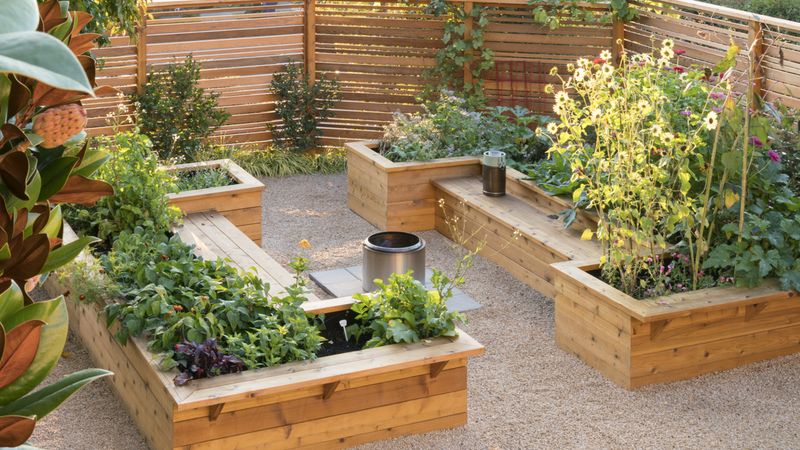
Edible landscaping brings together beauty and utility, turning yards into productive gardens.
With fruit trees, berry bushes, and vegetables, it’s a feast for the eyes and the table.
This approach prioritizes water-efficient plants, ensuring sustainability while providing fresh produce.
Tip: Choose native or drought-resistant edible plants to further enhance water conservation efforts.
13. Wildflower Meadow Magic
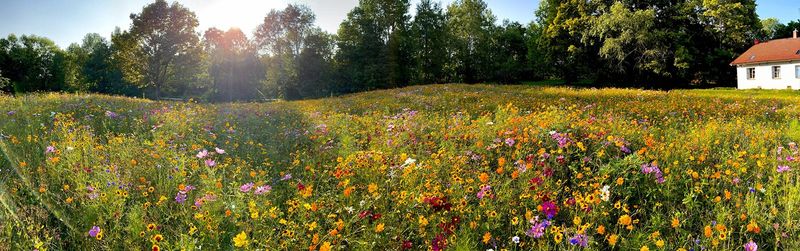
Transform your lawn into a captivating wildflower meadow. This vibrant alternative supports pollinators and adds seasonal color.
Wildflowers are hardy and often require less water than traditional grass, making them ideal for water conservation.
They create a dynamic and ever-changing landscape, offering a natural charm that appeals to many.
Fun fact: Wildflower meadows are reminiscent of traditional European landscapes, celebrated for their ecological beauty.
14. Bamboo Grove Getaway
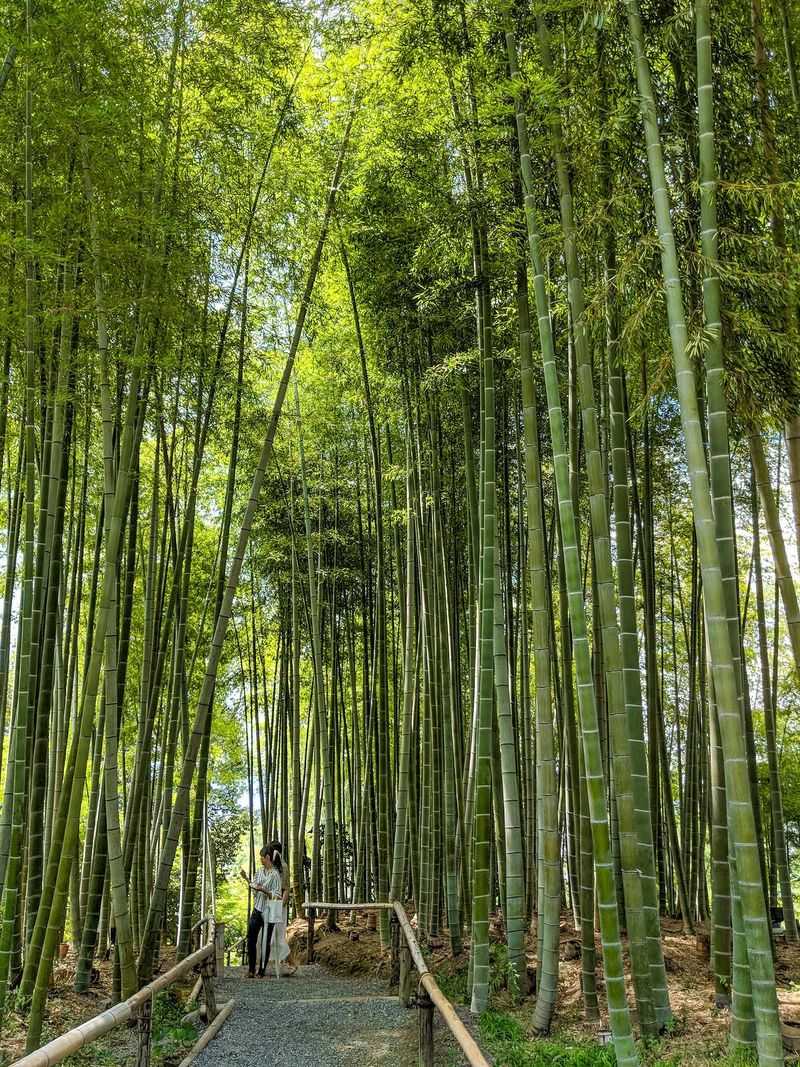
Bamboo groves offer a touch of the exotic. Known for their rapid growth and towering presence, bamboos create natural screens and shaded retreats.
Despite their size, they are surprisingly water-efficient, thriving in various conditions.
Bamboos are often used in Asian-inspired gardens, reflecting themes of peace and tranquility.
Did you know? Bamboo is one of the fastest-growing plants on Earth, making it a renewable resource.
15. Fescue Lawn Alternative
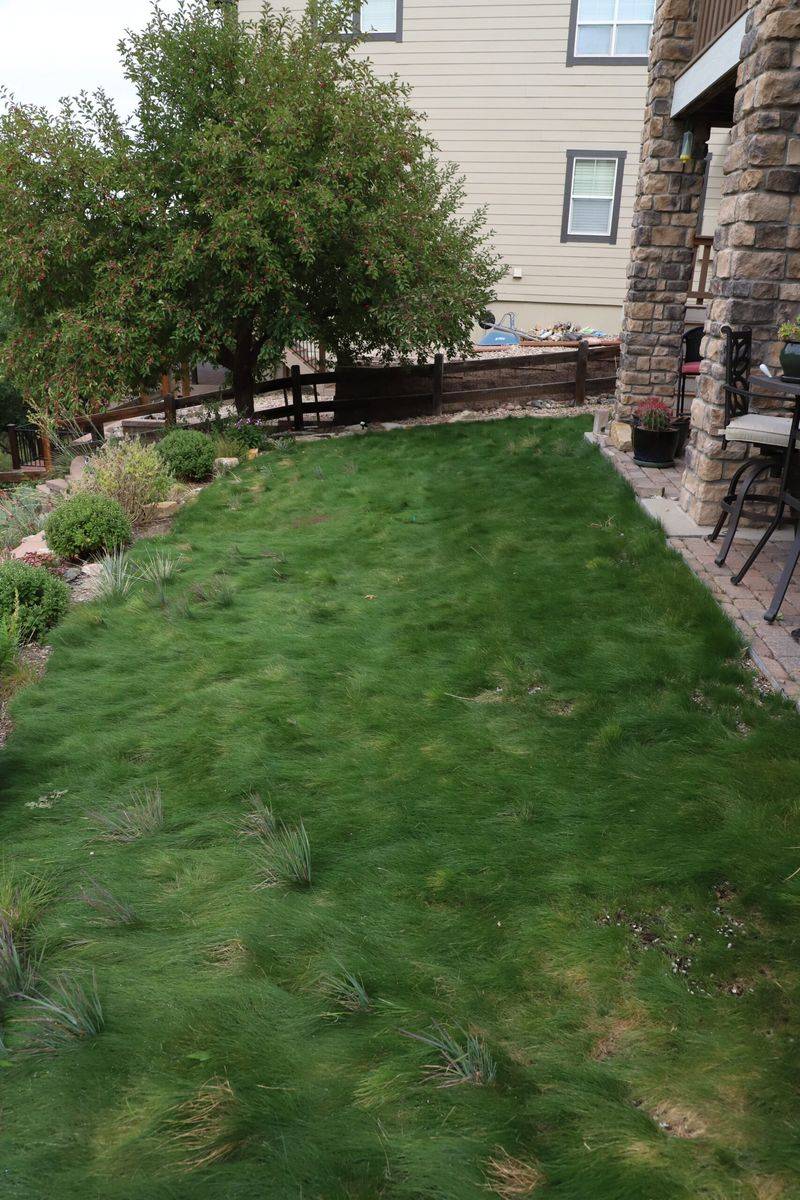
Fescue grass is the unsung hero of lawn alternatives. Soft, lush, and resilient, fescues require less water and maintenance.
They adapt well to different climates, providing year-round greenery without the need for excessive irrigation.
This grass type is perfect for those seeking a traditional lawn look with eco-friendly benefits.
Fun fact: Fescue’s deep root system enhances soil structure and reduces erosion.
16. Terraced Garden Terrarium
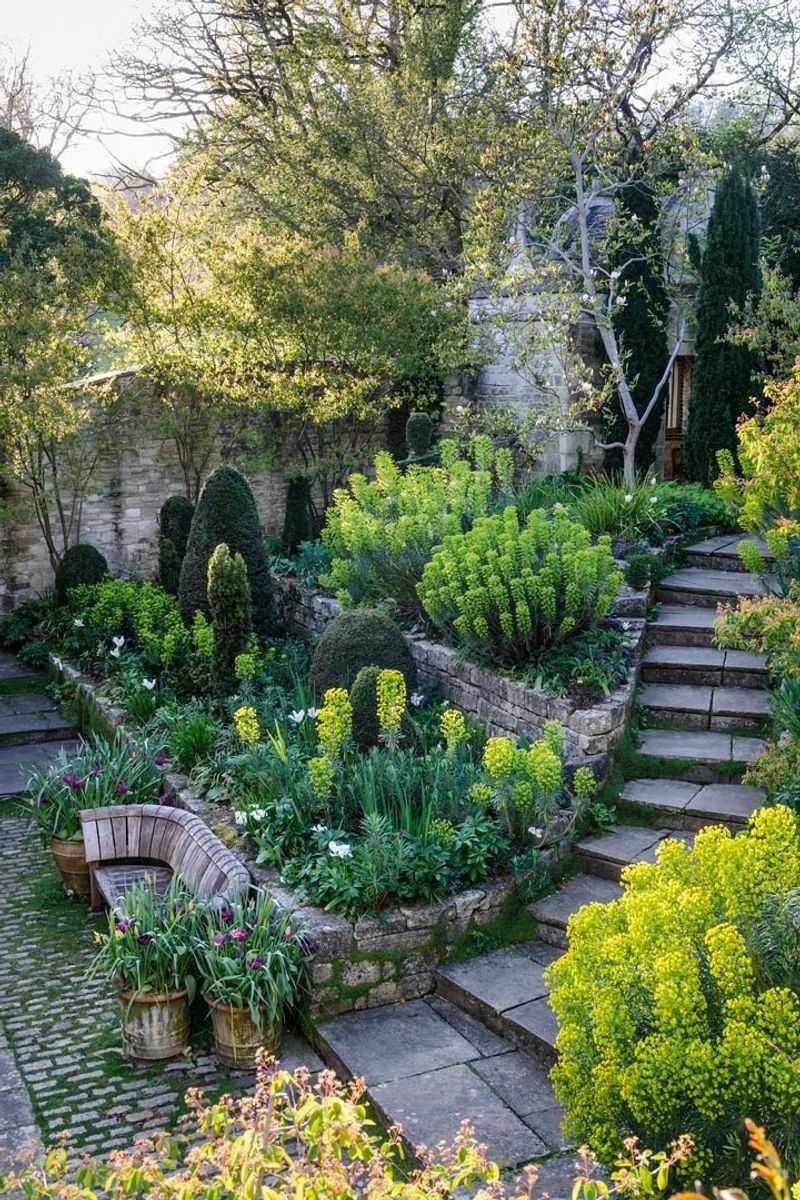
Terraced gardens bring a new dimension to landscape design. By creating levels, they add interest and maximize planting space.
These gardens are excellent for slopes, reducing soil erosion while conserving water through strategic plant placement.
Incorporating diverse plant species, terraced gardens enhance biodiversity and aesthetic appeal.
Did you know? Terrace farming has been used for centuries in hilly regions to cultivate crops efficiently.