 Complete Gardening
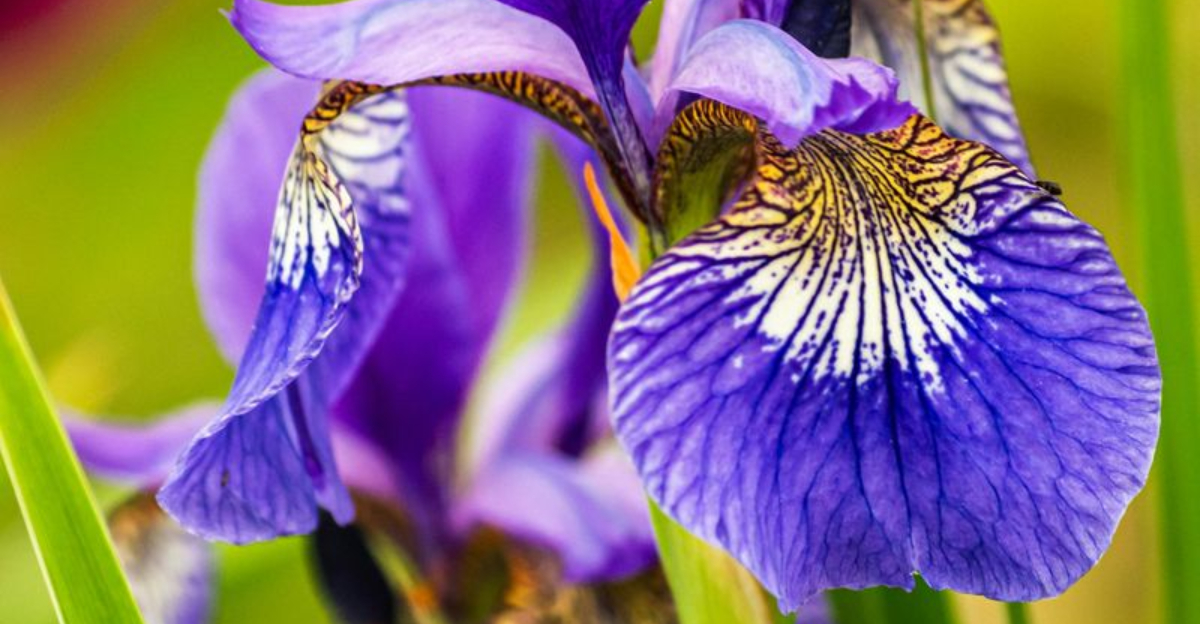
When it comes to creating a stunning cut flower garden, not all blooms are created equal. While some plants flourish and provide abundant blossoms perfect for bouquets, others may not meet the mark. Here, we explore twelve popular flowers that, despite their beauty, might not be the best choice for your cut garden.
1. Poppies
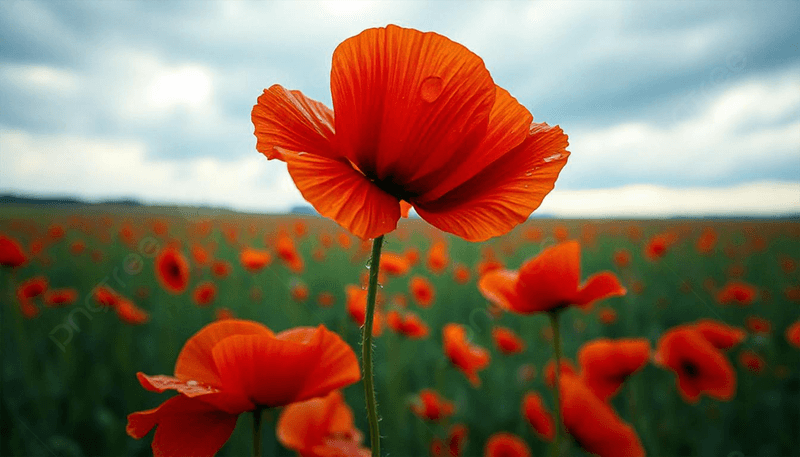
Poppies captivate with their delicate petals and vibrant hues, but their fleeting nature poses a challenge for gardeners. Once cut, they tend to wilt quickly, leaving you with a short-lived display.
While their allure is undeniable, the effort to maintain their freshness often outweighs the benefits. Poppies are best enjoyed in a garden setting where their ephemeral beauty can be fully appreciated without the pressure of preservation.
For those who cherish lasting arrangements, other flowers may be more suitable, ensuring your bouquets remain fresh and vibrant for longer.
2. Daffodils
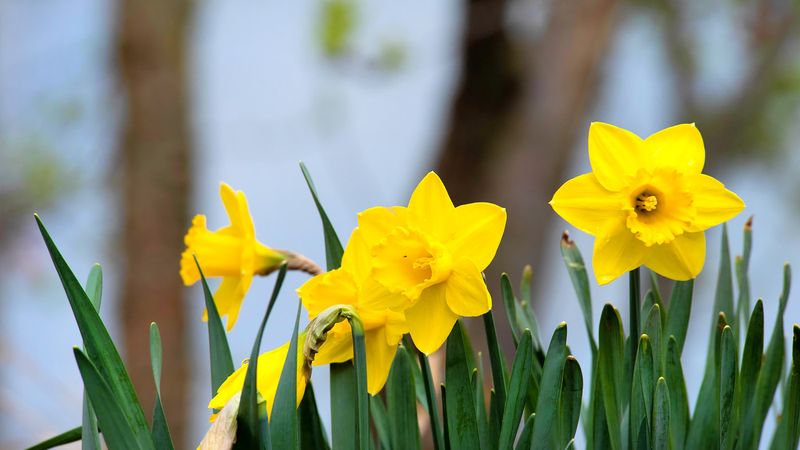
Daffodils bring a burst of sunshine to any garden with their cheerful yellow blooms. However, they release a sap that can harm other flowers when arranged together.
This defensive mechanism, while intriguing from a botanical perspective, complicates their use in mixed bouquets. Gardeners seeking harmonious arrangements might find daffodils less appealing due to this incompatibility.
For those who admire their sunny demeanor, displaying daffodils alone or in separate vases is a delightful compromise that retains their charm without disrupting other blooms.
3. Lilies
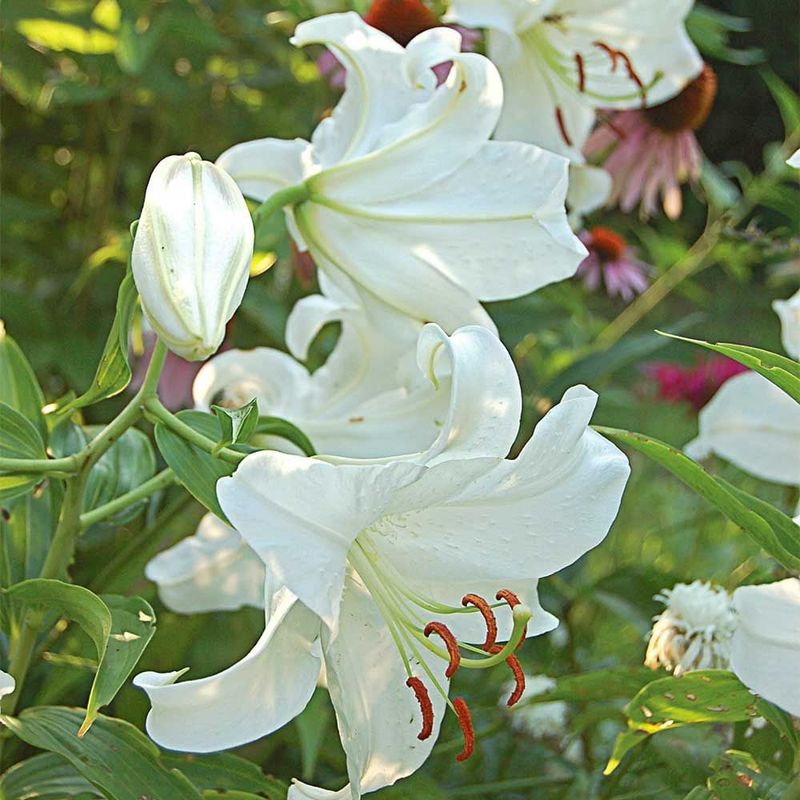
Lilies are known for their elegant and striking appearance, making them a favorite among flower enthusiasts. However, their strong fragrance can be overwhelming, especially indoors.
Additionally, the pollen from lilies can stain fabrics, posing a risk to home furnishings. Gardeners with sensitive noses or those who cherish pristine interiors might reconsider growing lilies for cut arrangements.
Nonetheless, their dramatic blooms are undeniably captivating, often serving as the star in outdoor gardens where their scent can disperse freely without overwhelming nearby spaces.
4. Sunflowers
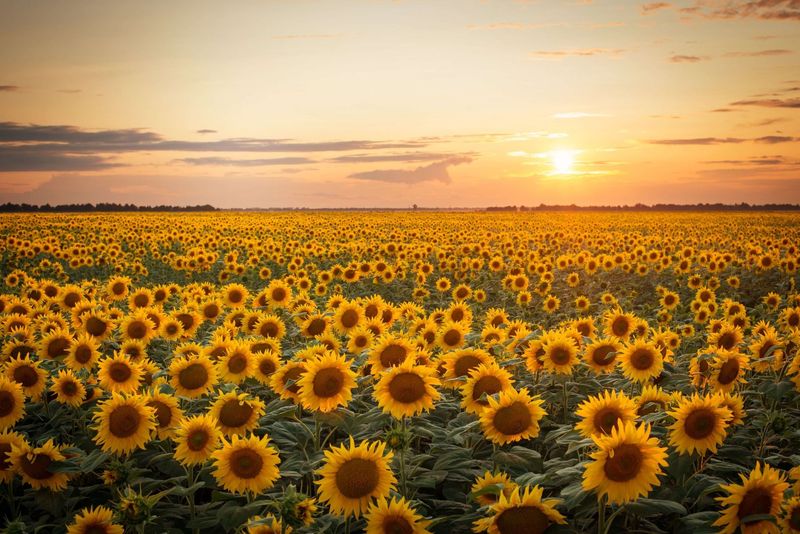
Sunflowers, with their towering stalks and cheerful faces, brighten any garden. Yet, their large size can make them cumbersome for small arrangements or delicate vases.
Their heavy heads often require sturdy support, limiting their versatility in floral designs. For those seeking more flexible options, other flowers may better suit intricate bouquets.
Despite their limitations in cut settings, sunflowers remain a symbol of positivity and warmth, often best enjoyed in expansive gardens where their grandeur can be fully appreciated under the open sky.
5. Peonies

Peonies are beloved for their lush, romantic blooms, often evoking nostalgia and elegance. However, their short blooming season limits their availability, and once cut, they can be prone to drooping.
Despite their fleeting nature, the allure of peonies often draws gardeners to include them in their landscapes, savoring their beauty while it lasts.
For extended displays, mixing peonies with more robust flowers can provide some balance, offering both the charm of these blooms and the longevity of sturdier options in your arrangements.
6. Tulips

Tulips dazzle with their wide array of colors and elegant forms, making them a popular choice in spring gardens. However, they continue to grow even after being cut, which can lead to awkwardly elongated stems in arrangements.
This unique characteristic can disrupt carefully planned designs, requiring frequent adjustments to maintain balance and aesthetics.
While tulips are undeniably charming in the garden, those seeking stable, long-lasting bouquets may find them less practical for cut arrangements, opting instead for blooms that maintain their shape and form.
7. Irises
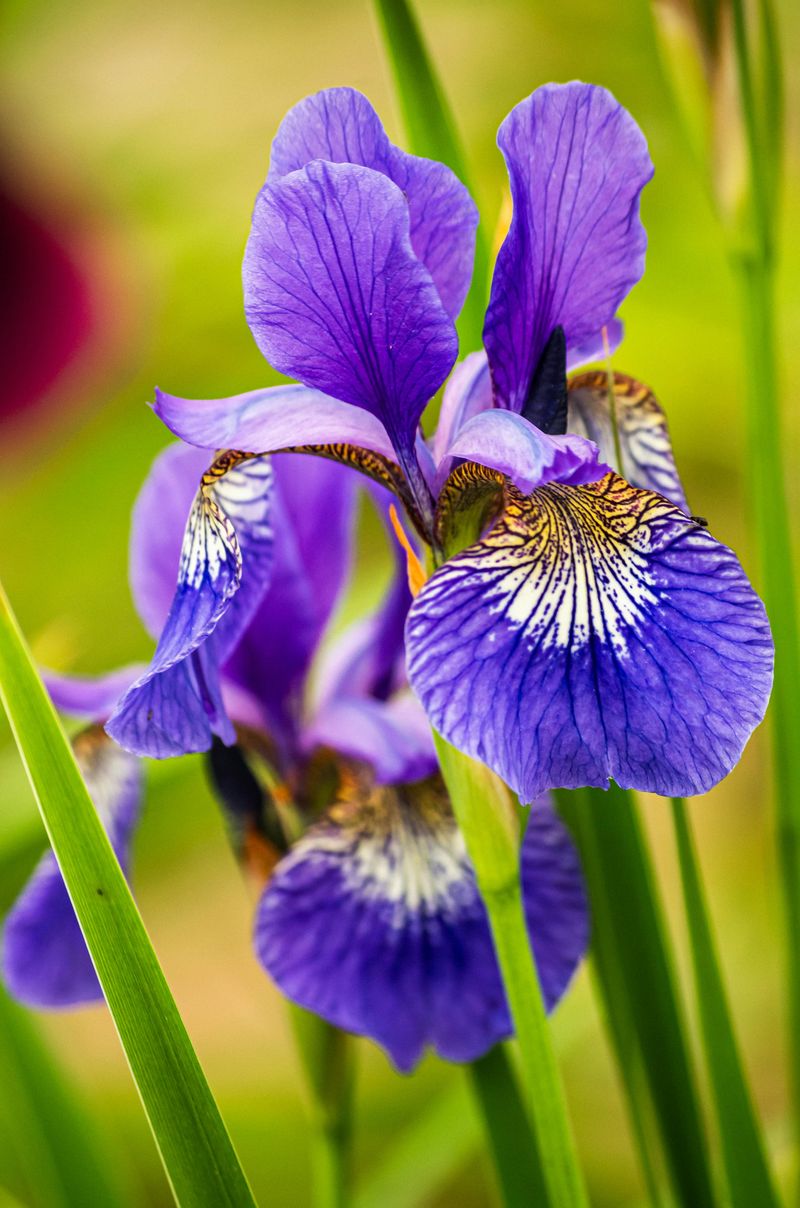
Irises boast intricate blooms with rich colors and delicate beauty. However, their complexity comes with a fragile nature, leading to a shorter vase life compared to other flowers.
Their blossoms often wilt quickly once cut, which can be disappointing for those looking for enduring arrangements. Gardeners who treasure the ethereal quality of irises might prefer to enjoy them in their natural setting.
In gardens, irises can be a striking feature, offering vibrant color and elegance without the constraints of vase longevity.
8. Hydrangeas
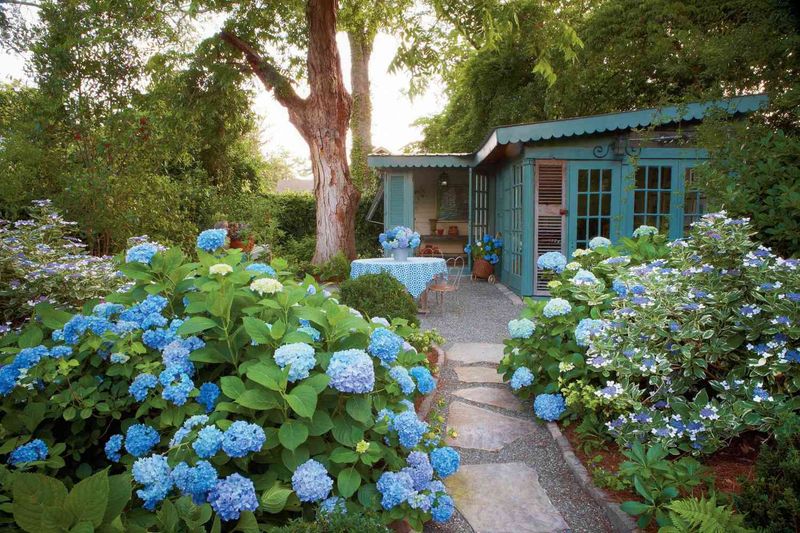
Hydrangeas are adored for their voluminous clusters and rich colors, adding a touch of opulence to any setting. However, they are notorious for their high water needs, often wilting quickly if not properly hydrated.
This sensitivity can make them a challenging choice for those seeking low-maintenance cut flowers. For garden enthusiasts who embrace their demands, hydrangeas can still provide stunning displays.
When cared for meticulously, they offer undeniable beauty, transforming both gardens and arrangements with their lush, extravagant blooms.
9. Roses
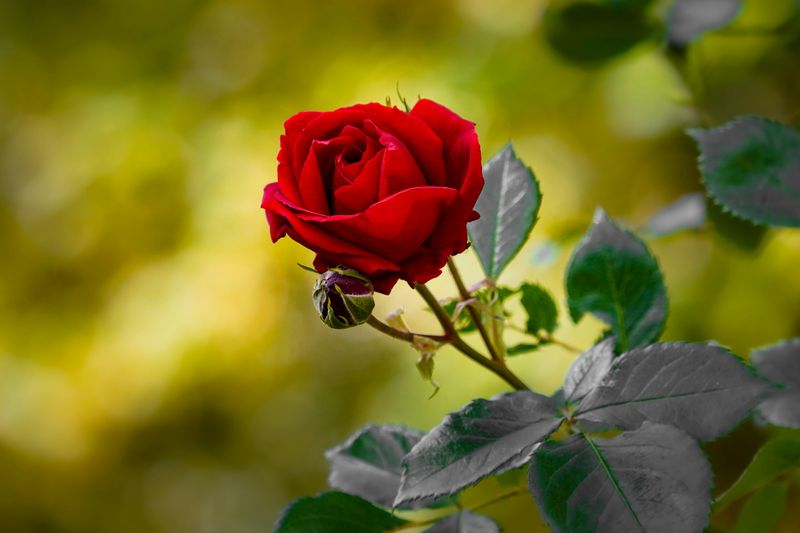
Roses symbolize love and beauty, their classic appeal undeniable. However, their high maintenance needs, including careful pruning and pest control, can be daunting for gardeners.
In cut arrangements, roses require meticulous care to maintain their elegance and prevent wilting. For those seeking effortless blooms, roses might pose more of a challenge than anticipated.
Despite these demands, their timeless allure often justifies the effort, offering unmatched elegance and fragrance when successfully cultivated in both gardens and floral displays.
10. Orchids
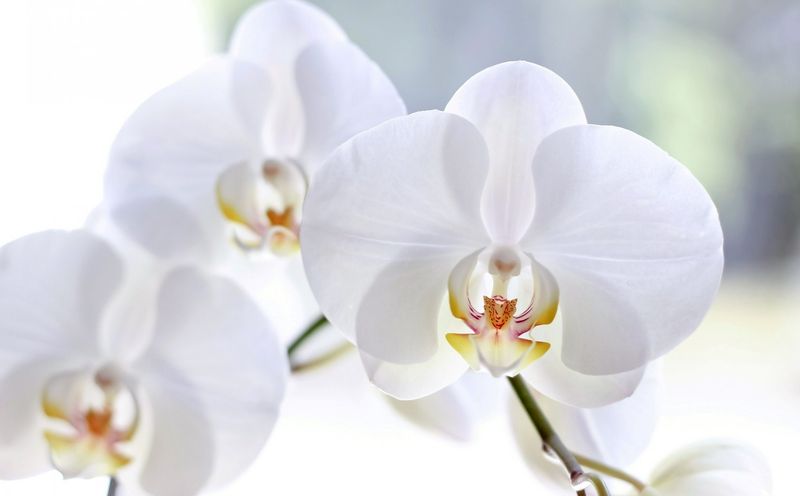
Orchids are exotic and enchanting, often sought after for their unique beauty. Their delicate nature, however, requires specific conditions to thrive, making them less ideal for cut arrangements.
These tropical wonders can be finicky, with their blooms often wilting quickly if removed from their optimal environment.
Gardeners who appreciate the exotic allure of orchids might choose to cultivate them for personal enjoyment rather than for floral displays, allowing their extraordinary blossoms to shine in settings that cater to their precise needs.
11. Carnations
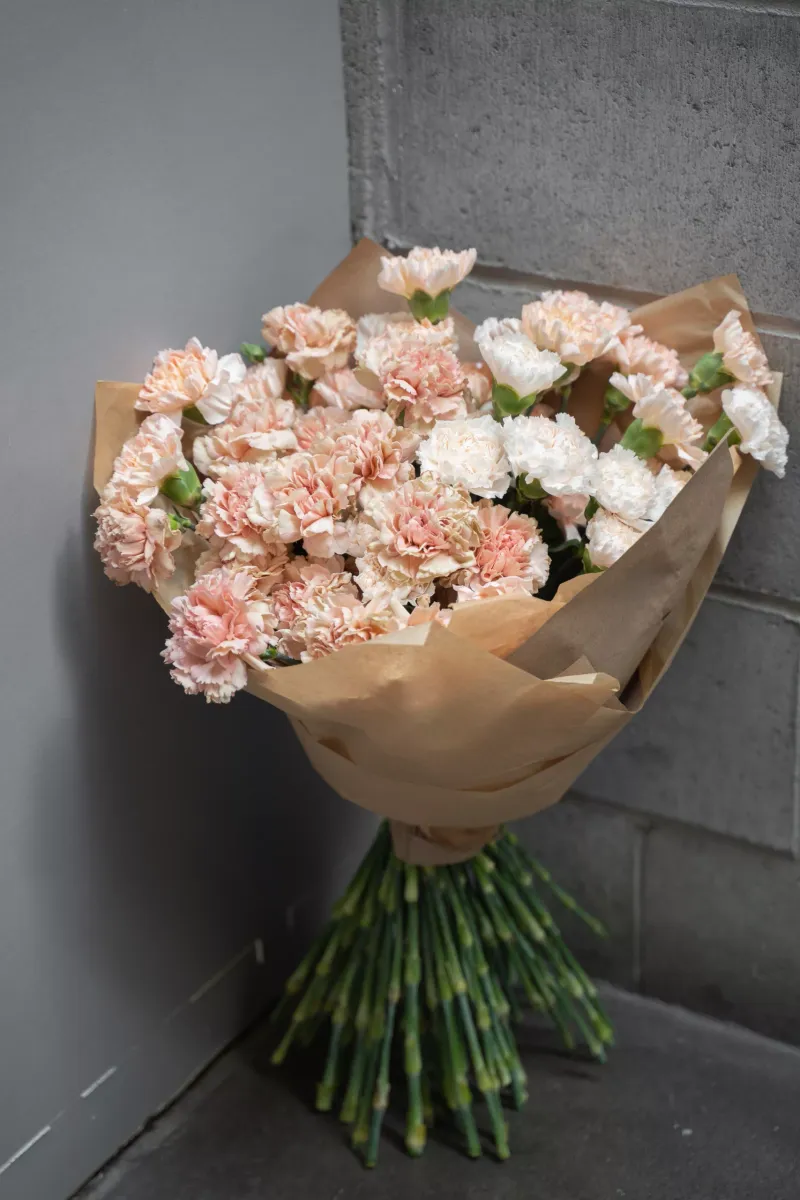
Carnations offer vibrant colors and frilled petals, known for their long-lasting nature. However, their common association with dated or less sophisticated designs can be a deterrent for some floral enthusiasts.
While hardy and enduring, carnations may not appeal to those seeking modern, chic arrangements. Their reputation as “filler” flowers often overshadows their potential.
For those who appreciate their resilience and affordability, carnations remain a practical choice, providing color and longevity to arrangements without the need for constant replacement.
12. Marigolds
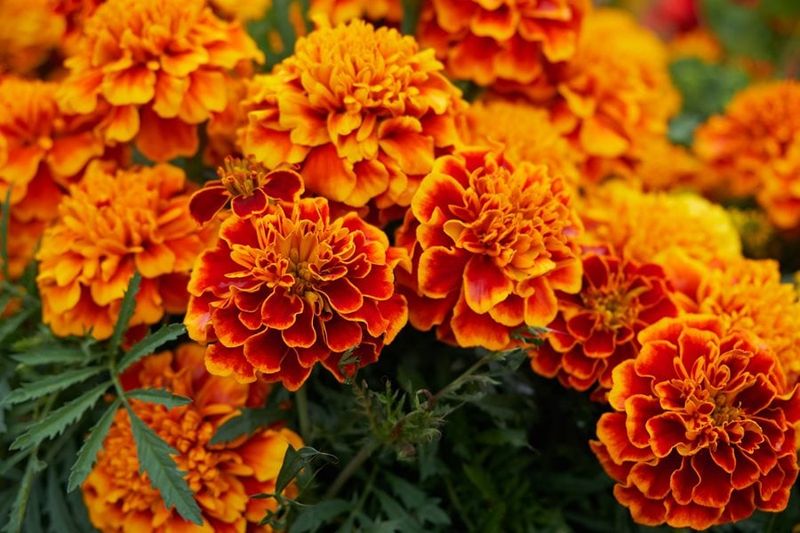
Marigolds bring vibrant color and a unique, spicy scent to gardens, celebrated for their pest-repelling properties. However, their pungent aroma can be off-putting in cut arrangements, making them less appealing indoors.
Their robust nature, while beneficial in gardens, may not translate well into the delicate balance of floral displays.
Enthusiasts who appreciate marigolds for their garden benefits might choose to enjoy their blooms outdoors, where they can thrive and contribute to the ecosystem without overpowering indoor spaces with their scent.
13. Snapdragons

Snapdragons, with their whimsical dragon-shaped blooms, captivate the imagination. Yet, their allure fades quickly when snipped for a vase. These flowers tend to wilt rather swiftly indoors, losing their vibrant charm.
Additionally, snapdragons are susceptible to pests like aphids, making maintenance a chore. Although they offer a lovely display in the garden, their fleeting nature indoors can be disappointing for those seeking long-lasting beauty.
For garden lovers seeking enduring arrangements, snapdragons might not be the best choice. Consider sturdier options for a more reliable indoor display.
14. Zinnias
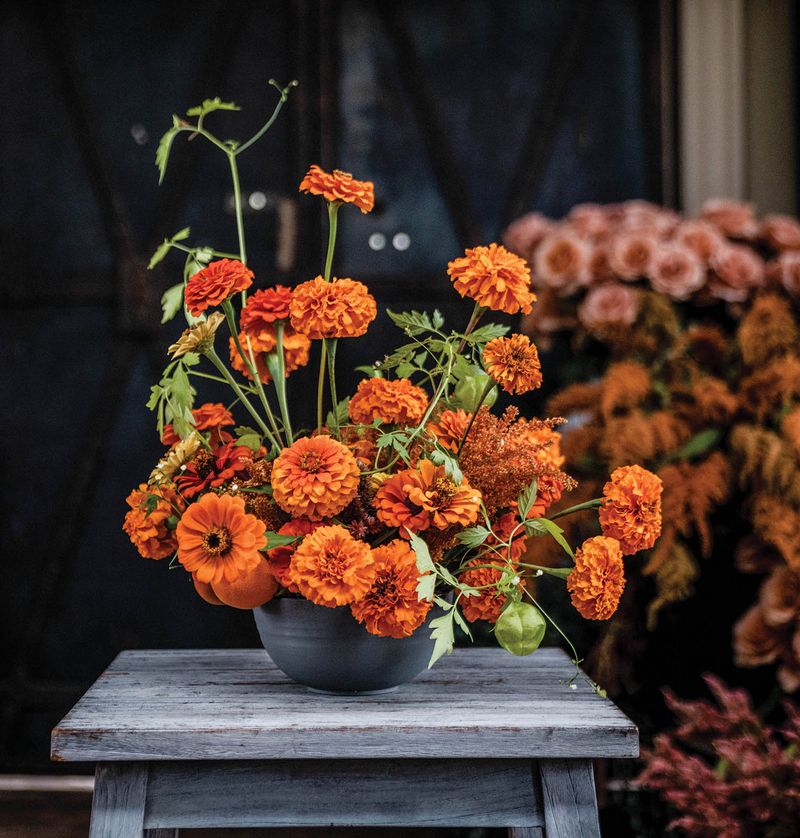
Zinnias, known for their dazzling array of colors, are a summer staple. Their vibrant petals can cheer up any garden. However, once cut, they often fail to maintain their fresh appearance for long.
These blooms are prone to mildew, which can affect their longevity indoors. Furthermore, their stems can be brittle, making them tricky to arrange in a bouquet.
While zinnias are stunning in the garden, their short-lived vase life might not suit those looking for extended beauty. A little caution is advised if considering them for your cut flower lineup.
15. Sweet Peas

Sweet peas enchant with their delicate fragrance and pastel hues. They evoke nostalgia and charm, reminiscent of old-fashioned gardens. Yet, their ephemeral blooms often wilt soon after cutting, leaving much to be desired in terms of longevity.
In addition, sweet peas can be finicky, requiring specific conditions to thrive. This makes them less than ideal for gardeners seeking low-maintenance options.
Though they bring a pleasant scent, their fleeting presence in vases may disappoint. For those aiming for sustainable arrangements, other options might serve better.