 Complete Gardening
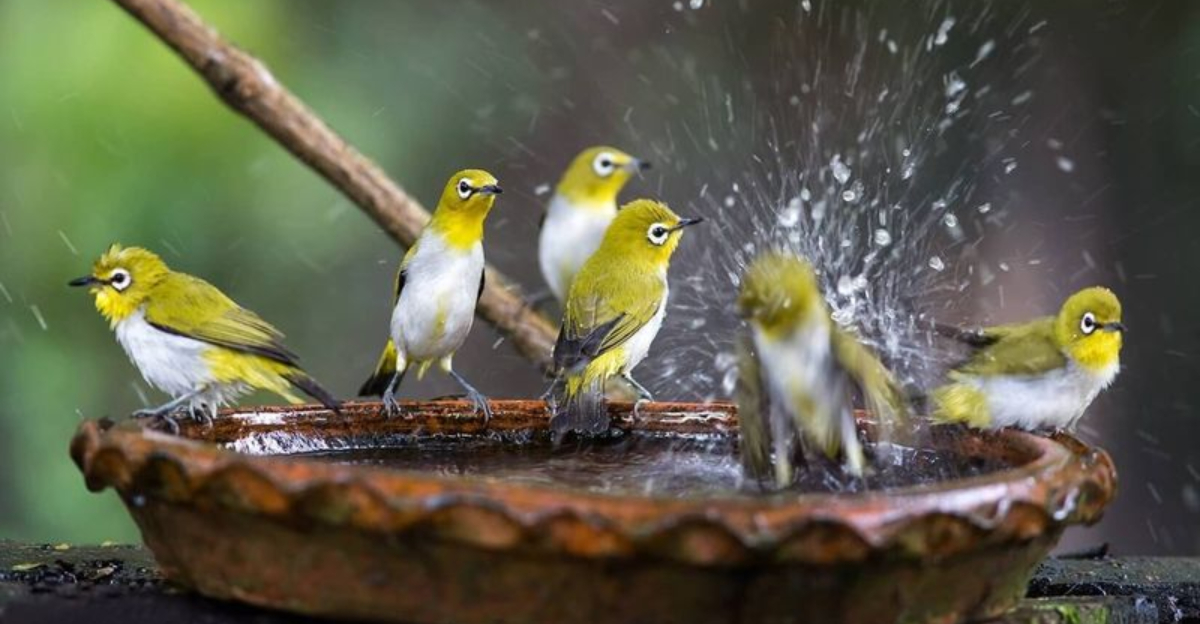
Creating a bird-friendly yard is a delightful way to invite nature’s beauty closer to home. By incorporating a variety of plants, feeders, and water sources, you can attract a wide range of bird species. Here are seven tips to help you transform your garden into a vibrant bird sanctuary.
1. Native Plants
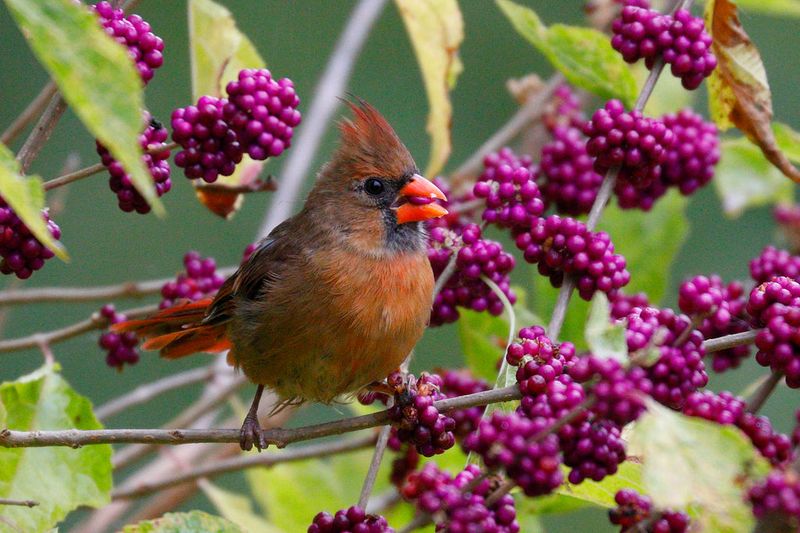
Native plants are the cornerstone of a bird-friendly yard. By planting species native to your region, you provide natural food sources and habitats for local birds. These plants attract insects, which are a crucial food source for many bird species.
Consider planting a mix of flowers, shrubs, and trees to cater to different bird preferences. The diversity in flora not only enhances your garden’s beauty but also supports a sustainable ecosystem.
Fun fact: Native plants require less water and maintenance, making them an eco-friendly choice for gardeners.
2. Bird Feeders
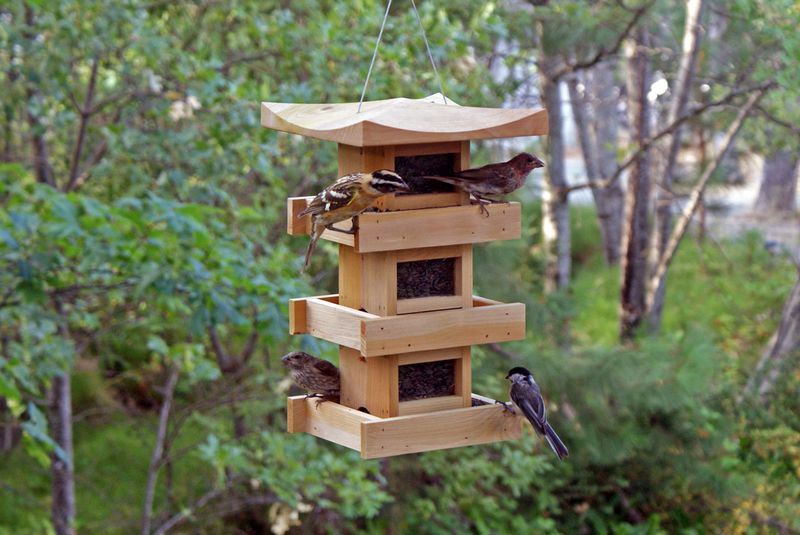
Bird feeders are an excellent way to attract a diverse range of birds to your yard. Offering a variety of seeds like sunflower, millet, and safflower can cater to different bird species.
Position the feeders at varying heights and locations to accommodate both shy and social birds. Regularly clean the feeders to prevent disease spread among birds.
Did you know? Some birds, like finches, prefer nyjer seeds, which are rich in oil and nutrients. This makes bird feeders a versatile tool for bird enthusiasts.
3. Water Sources
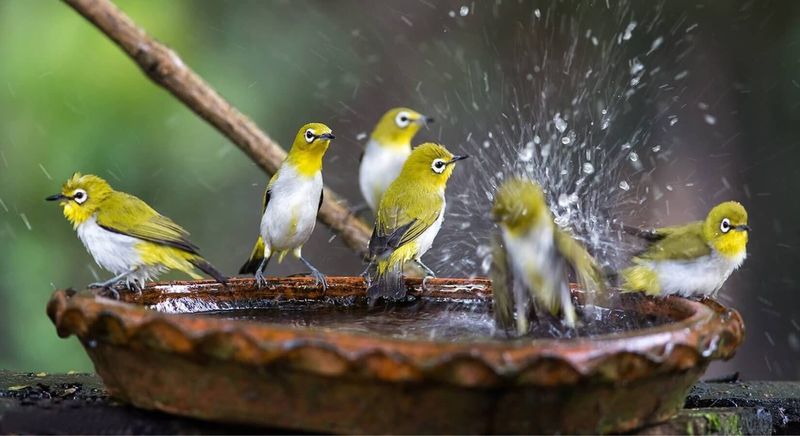
Water sources, such as birdbaths or small ponds, are vital for attracting birds. Birds need water for drinking and bathing, especially during hot weather.
Ensure the water is fresh and clean, and consider adding a fountain for movement, which can attract more birds. Positioning the water source in a quiet part of the garden can make birds feel safe.
Quirky fact: Birds are often attracted to the sound of running water, making fountains a popular choice among birdwatchers.
4. Shelter and Nesting
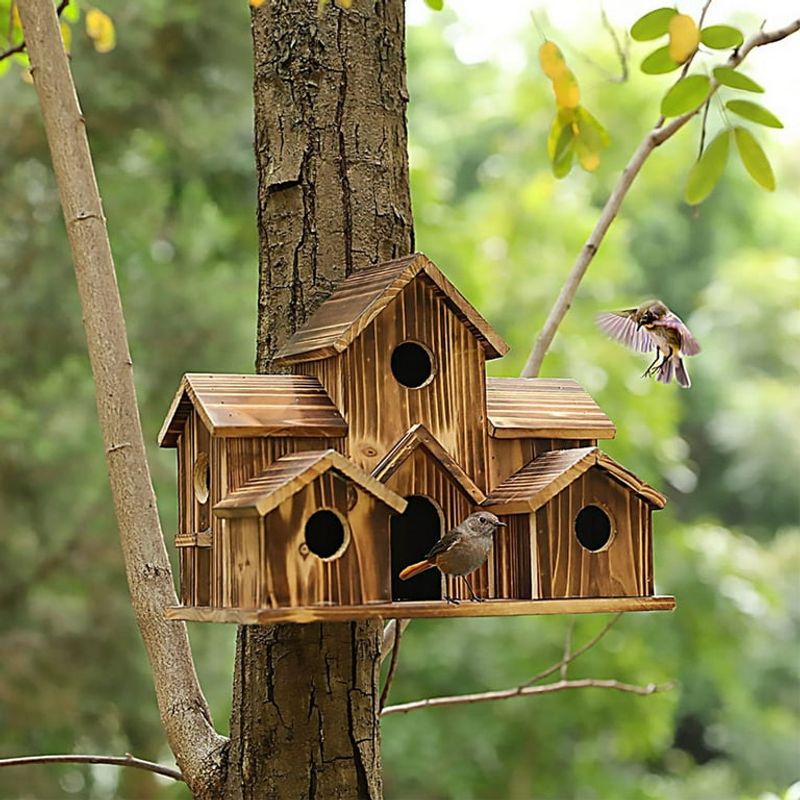
Providing shelter and nesting options is essential for making your yard bird-friendly. Birdhouses and nesting boxes can encourage birds to settle and raise their young.
Place these in sheltered spots, away from predators and harsh weather. Different species have unique nesting requirements, so offering a range of options can help attract a variety of birds.
Interesting tidbit: Some birds, like wrens, prefer nesting in dense shrubs, while others, like bluebirds, are attracted to open areas.
5. Seasonal Foods
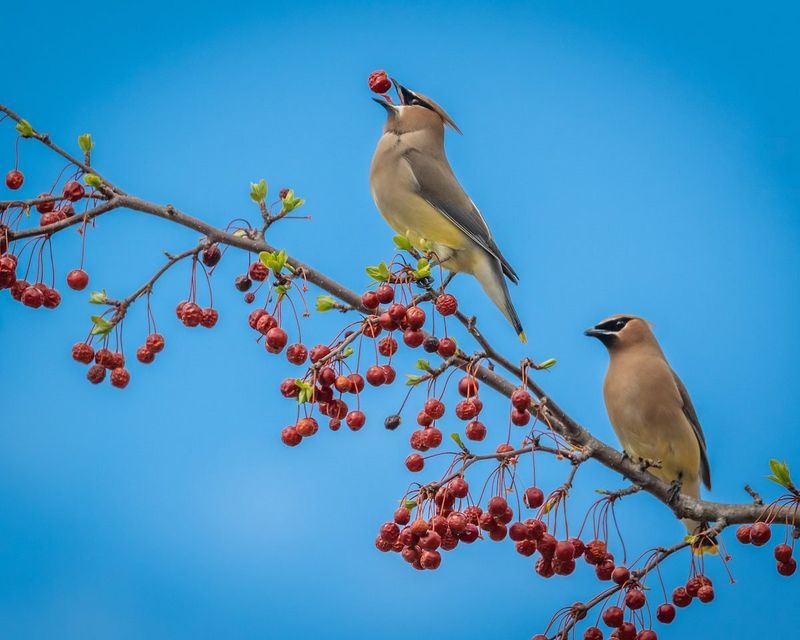
Offering seasonal foods can attract birds throughout the year. In spring and summer, provide nectar-rich flowers for hummingbirds, and in autumn, plant berry bushes to feed migrating birds.
During winter, suet and peanut butter can be valuable food sources when insects are scarce. Adjusting your offerings based on the season can ensure your yard remains a bird hotspot year-round.
Fun fact: Some birds, like cedar waxwings, rely heavily on berries during migration periods, making your garden a crucial stopover.
6. Diverse Landscaping
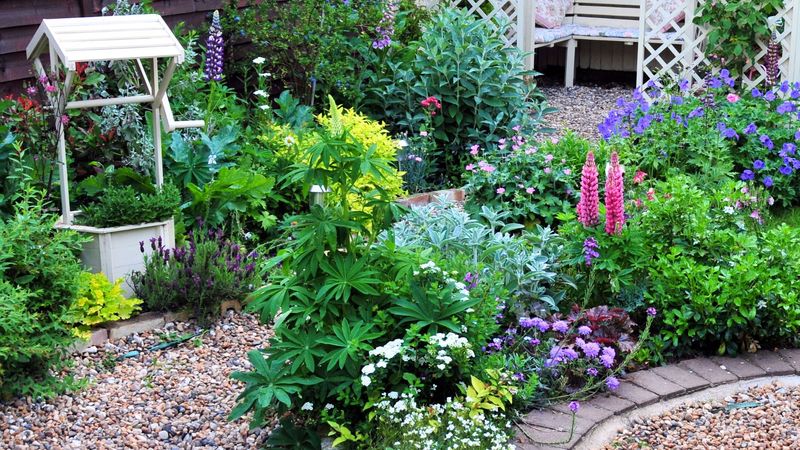
Creating diverse landscapes can attract a wide array of bird species. Include tall trees, dense shrubs, and open spaces to cater to different habitat needs.
This variety not only provides shelter and food but also encourages birds to visit and linger. Mixing different elements can transform your garden into a haven for both birds and other wildlife.
Interesting fact: Different bird species prefer different garden structures, so a varied landscape is key to attracting them all.
7. Wind Chimes and Melodies
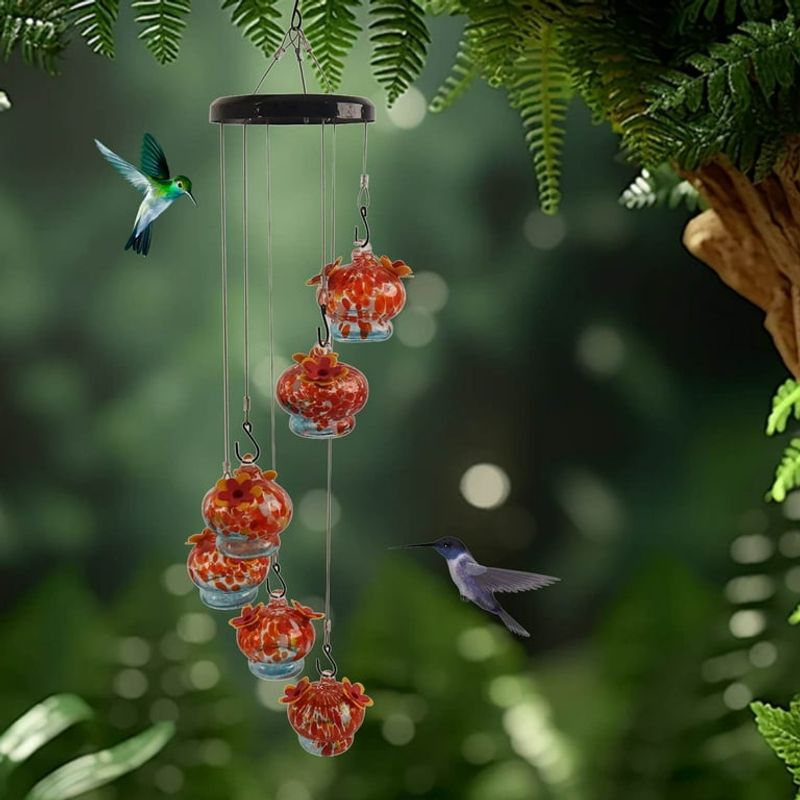
The gentle tinkling of wind chimes can create a peaceful atmosphere that attracts sensitive species. Birds are drawn to areas where melodic sounds signal a safe and harmonious environment.
Consider installing wind chimes in different tones and materials. This variety not only enhances your garden’s aesthetic but also appeals to various bird species.
You might find local artisans who craft unique designs, adding a personal touch. Additionally, musical tones can mask urban noise, offering a sanctuary. The subtle music acts as an invitation, turning your yard into a symphony of nature.
8. Colorful Birdhouses
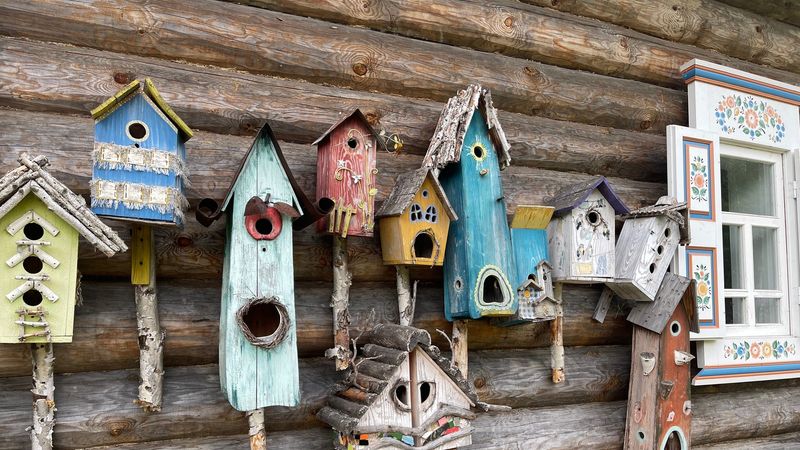
Vividly colored birdhouses can be an irresistible draw for curious birds. Bright hues mimic natural flowers, intriguing species that rely on visual cues for foraging.
Painting birdhouses in bold colors not only makes your garden pop but also provides visual interest for birds. Choose non-toxic paints to ensure safety.
By arranging these birdhouses creatively, you can form an enticing area that stands out. Birds appreciate the vibrant allure, similar to wildflowers. Thus, a yard with colorful birdhouses can become a favored spot for feathered friends.
9. Insect Hotels
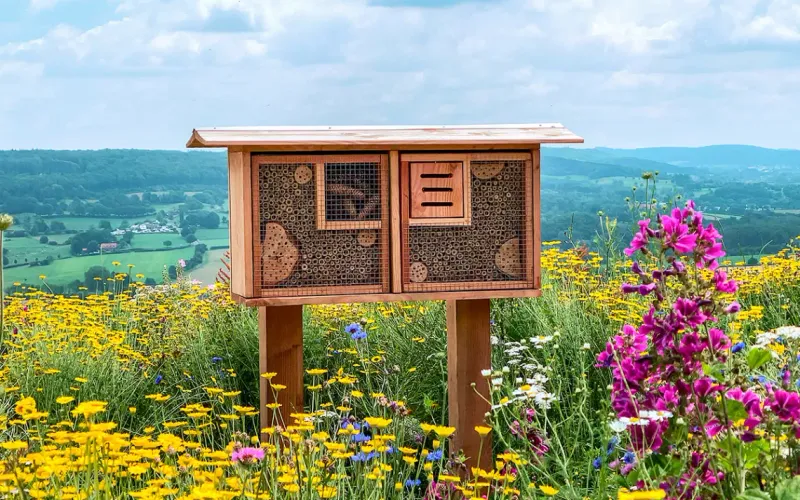
By building an insect hotel, you attract a variety of insects, which in turn lure insect-eating birds. This natural food source supports birds’ dietary needs, encouraging frequent visits.
Insect hotels can be constructed from materials like wood and straw. They not only provide habitat for insects but also add a rustic charm to your garden.
Place the hotel in a sunny spot to attract more insects, and you’ll soon notice birds stopping by. This sustainable approach enriches your yard’s ecosystem, offering a dynamic, bird-friendly environment.
10. Butterfly Gardens
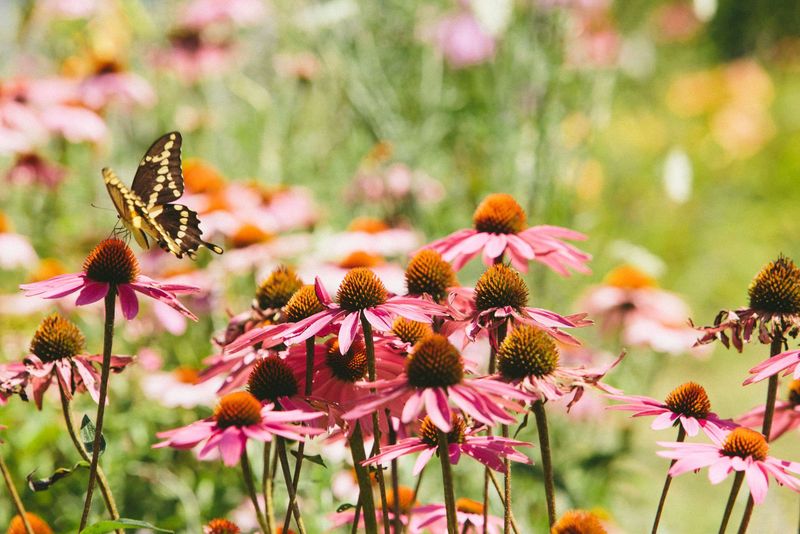
Integrating a butterfly garden into your landscape can enhance its appeal for birds. Vibrant flowers lure butterflies, which in turn attract insectivorous birds.
Plant nectar-rich flowers like milkweed and coneflowers to foster a thriving butterfly population. This captivating addition can become a lively spectacle, drawing birds with its movement and color.
A butterfly garden not only supports bird life but also adds beauty and tranquility to your yard. The dance of butterflies amid blossoms creates an inviting scene for birds seeking new territories.
11. Natural Ground Cover
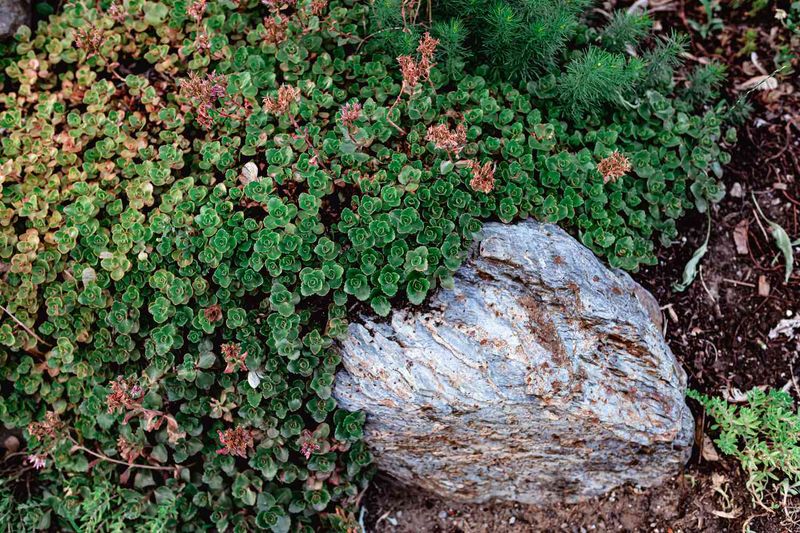
Using natural ground cover can provide shelter and foraging grounds for ground-dwelling birds. These covers mimic the forest floor, offering hiding spots and an abundance of insects.
Opt for native ground covers that are low-maintenance and drought-tolerant. These plants provide a rich habitat, attracting species like sparrows and thrushes.
With a lush, natural ground cover, your garden becomes a haven for birds that prefer staying close to the earth. This approach not only enhances biodiversity but also complements traditional gardening practices.
12. Fragrant Plants
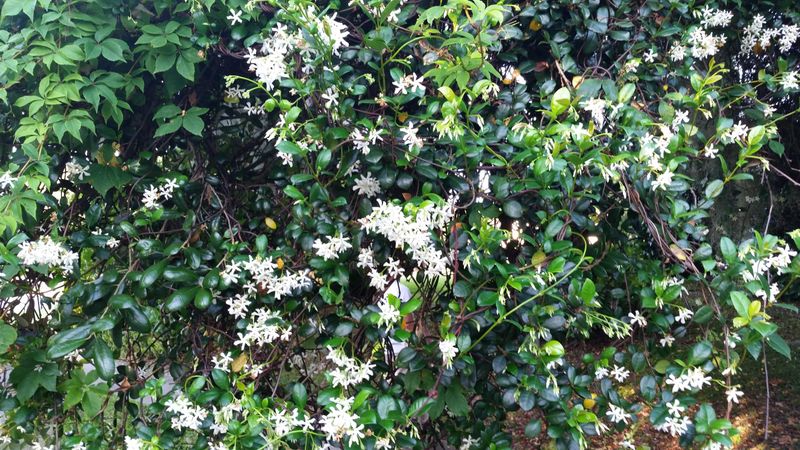
Introducing fragrant plants can appeal to olfactory senses, attracting birds in search of food. Scented flowers like lavender or jasmine can mask human scent, offering a more natural setting.
The aroma of these plants entices insects, which are a food source for many birds. Additionally, fragrant gardens can be an aromatic delight for human visitors, creating a multi-sensory experience.
The allure of a fragrant garden lies not just in its beauty but in its ability to draw in a myriad of bird species, enriching the local ecosystem.
13. Rock Gardens
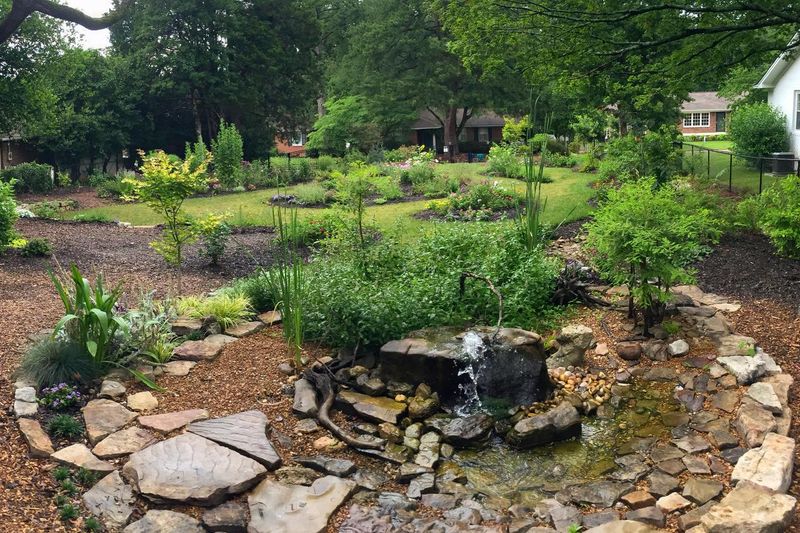
Rock gardens offer a unique landscape element that appeals to birds, providing perching spots and insect habitats. These structures can mimic natural environments, making them ideal for many species.
Rocks absorb heat, offering warm places for birds to rest. Incorporating a small water feature can enhance this setup, inviting birds with the sound of trickling water.
Such gardens blend seamlessly with natural surroundings, attracting birds that enjoy open, rocky areas. The addition of a rock garden can turn your yard into a picturesque haven for wildlife.
14. Climbing Vines
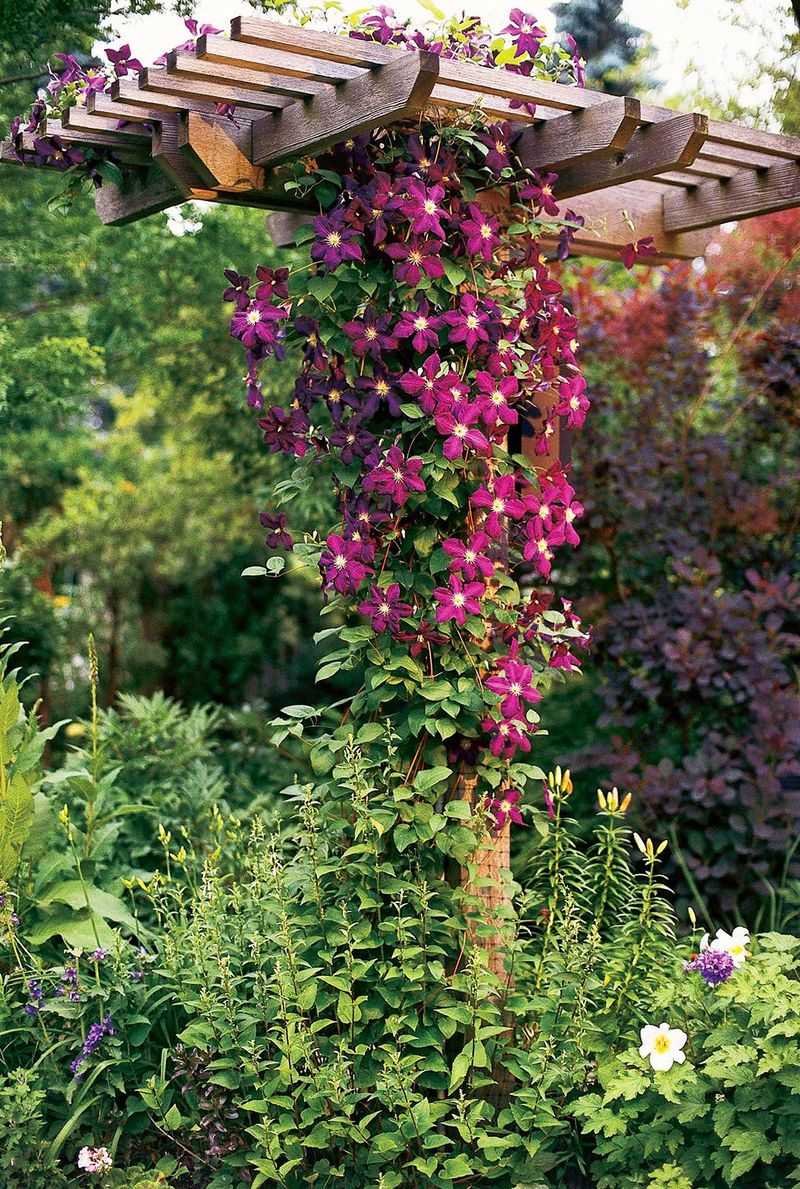
Climbing vines provide shelter and nesting opportunities for various bird species. These plants create vertical habitats that appeal to birds seeking protective cover.
Choose flowering vines like honeysuckle, which offer nectar and attract pollinators, indirectly enticing birds. Vines can transform fences and walls into lush, bird-friendly spaces.
By incorporating climbing plants, you add vertical interest to your garden. This not only enriches the landscape but also supports bird populations by providing essential resources.