
Learn about which fruits can spike your blood sugar and which ones are safe to consume if you’re monitoring your glucose levels.
This list provides detailed insights into 12 fruits that may raise blood sugar and 12 that are safer choices, complete with descriptions, image prompts, and search queries.
1. Bananas (especially very ripe)

Bananas are a beloved snack, but as they ripen, their sugar and carbohydrate content increases. This makes them a potentially risky choice for those monitoring blood sugar levels. The riper they get, the sweeter they become. It’s essential to consider portion control if you’re enjoying them. Interestingly, their high potassium content is beneficial for heart health, creating a nutritional paradox. So, while they are nutritious, caution is advised with very ripe bananas.
2. Grapes

Small yet mighty, grapes pack a punch with their concentrated sugars, making them a fruit that can raise blood sugar levels. Despite their size, they contain enough fructose to impact glucose readings. Their naturally sweet flavor makes them a popular choice for snacking. However, moderation is key. Grapes are rich in antioxidants, such as resveratrol, which offer cardiovascular benefits. Balancing their sweetness with health benefits requires mindful consumption.
3. Mangoes
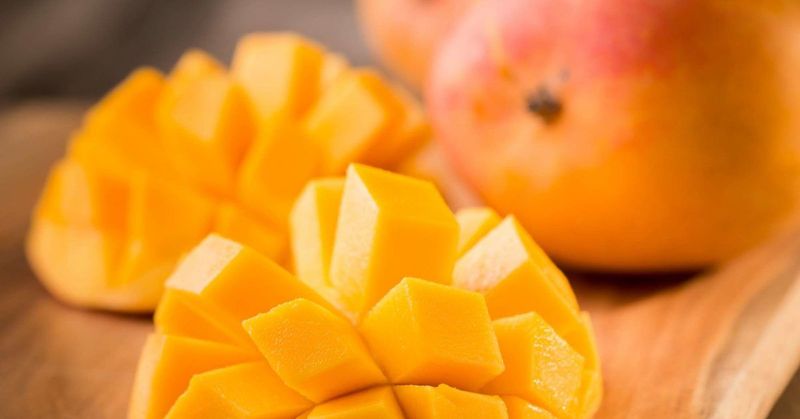
Mangoes, known for their tropical allure, are rich in natural fructose that can elevate blood sugar levels quickly. Their luscious taste and vibrant color make them irresistible, yet they should be enjoyed in moderation, especially for those watching glucose levels. Beyond their sweetness, mangoes are packed with vitamins A and C, contributing to skin and immune health. While they are a treat for the senses, mindful eating can help balance indulgence with health.
4. Pineapple

Pineapple’s juicy sweetness is a summer delight but comes with a high glycemic index, meaning it can spike blood sugar levels. Its appeal lies in the tropical flavor that evokes sunny days and beachside relaxation. While it’s high in vitamin C and bromelain, aiding digestion and inflammation, portions should be controlled to mitigate sugar impact. Pineapple is a perfect reminder that enjoyment and moderation can coexist.
5. Cherries
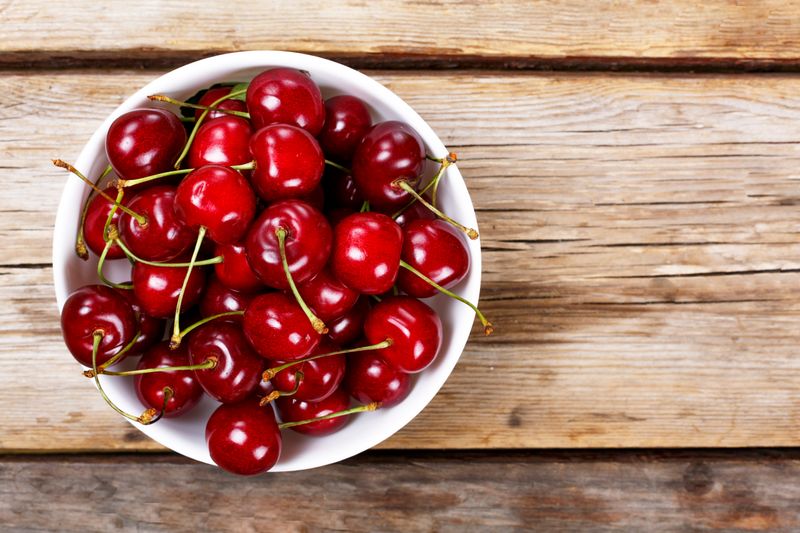
Cherries are petite powerhouses of sweetness, and their sugar content can raise blood glucose levels if overconsumed. Their burst of flavor is delightful, making them a summer favorite. Despite their sugar, cherries are a source of antioxidants, particularly anthocyanins, which provide anti-inflammatory benefits. It’s this dual nature of healthfulness and sugar that makes cherries a fruit best enjoyed sparingly for those monitoring glucose.
6. Watermelon
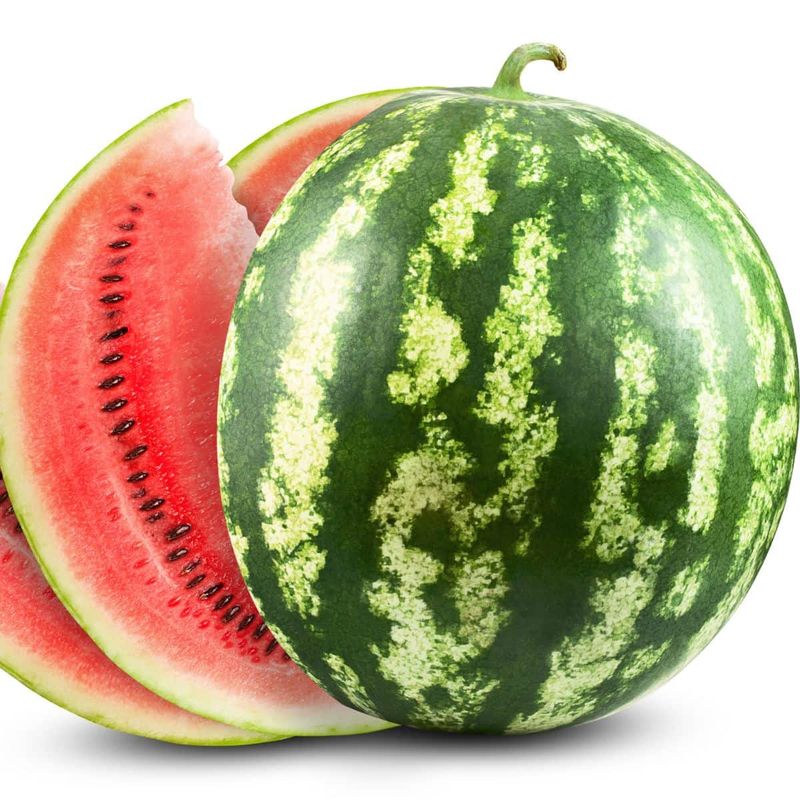
Watermelon is refreshing and hydrating, often associated with summer picnics. Despite its low-calorie reputation, it has a high glycemic index, meaning it can rapidly affect blood sugar levels. Its juicy, sweet nature is deceptive in terms of sugar absorption. Beyond this, watermelon is rich in vitamins A and C, and contains lycopene, a powerful antioxidant. Those monitoring blood sugar should consider smaller servings of this summer treat.
7. Lychee

Lychee, with its delicate, floral sweetness, can be a sugary indulgence for fruit lovers. This tropical fruit, although small, is packed with sugar and can be a challenge for those looking to control blood sugar levels. Its exotic flavor transports you to far-off lands, while its nutrient profile offers vitamin C and copper. Moderation is key to enjoying lychee without overloading on sugar.
8. Dried Fruits (raisins, dates, apricots)

Dried fruits are often seen as healthy snacks, but their concentrated sugar levels can rapidly raise blood glucose. The dehydration process removes water, leaving behind sugar-dense bits. While convenient and tasty, especially in trail mixes, caution is needed. Dried fruits like raisins, dates, and apricots are rich in fiber and nutrients, yet their sugar content is amplified, making them a tricky choice for those regulating blood sugar.
9. Figs

Figs are a symbol of ancient abundance, yet their high sugar content, particularly in dried form, can be concerning for blood sugar control. Their luscious texture and sweet flavor are a treat for the senses. Historically revered, they offer fiber and essential minerals like calcium and potassium. Despite these benefits, figs should be consumed mindfully, especially by those keeping an eye on glucose levels, to enjoy their richness without a sugar spike.
10. Papaya

Papayas beckon with tropical allure and a medium-high sugar content that can affect blood sugar levels. Their creamy texture and sweet taste are a delight, reminiscent of island getaways. Papayas offer digestive benefits due to their enzyme, papain, and are rich in vitamins A and C. This makes them a nutritional choice, yet portion control is key for those managing glucose levels. Enjoying papayas in moderation allows for their benefits without sugar pitfalls.
11. Oranges (especially juice)

Oranges, often associated with morning refreshment, present a sugar challenge, particularly in juice form. The absence of fiber in juice allows sugar to enter the bloodstream quickly. Whole oranges offer a slower absorption due to fiber, making them a better choice. Rich in vitamin C and flavonoids, they support immune health. Balancing their consumption, especially as juice, is crucial for those monitoring blood sugar levels.
12. Plums

Plums, with their sweet and juicy nature, can impact blood sugar if consumed in excess. Their vibrant color and refreshing taste make them a summer favorite. Plums contain vitamin C and antioxidants like phenols, contributing to health benefits. However, their sugar content requires mindful eating, especially for individuals watching glucose levels. By enjoying plums in moderation, one can delight in their flavor without unwanted sugar spikes.
1. Berries (blueberries, strawberries, raspberries)
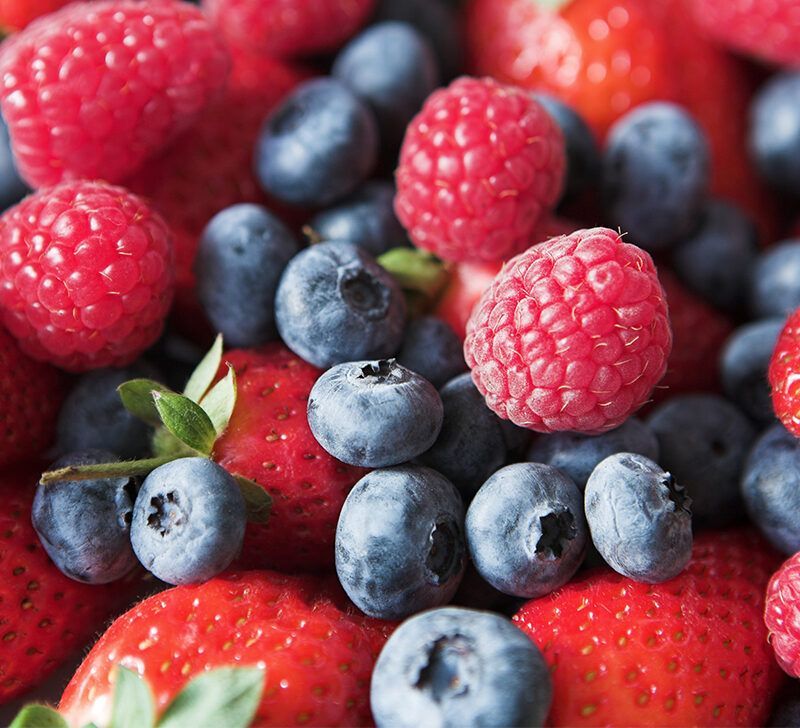
Berries are a delightful exception among fruits, offering a low-sugar option packed with antioxidants and fiber. Their vivid colors and sweet-tart flavors make them an appealing choice. Blueberries, strawberries, and raspberries each bring unique benefits, from heart health to anti-inflammatory properties. Their low glycemic index ensures they have a minimal impact on blood sugar levels, making them a safe and satisfying option for those mindful of glucose.
2. Avocados
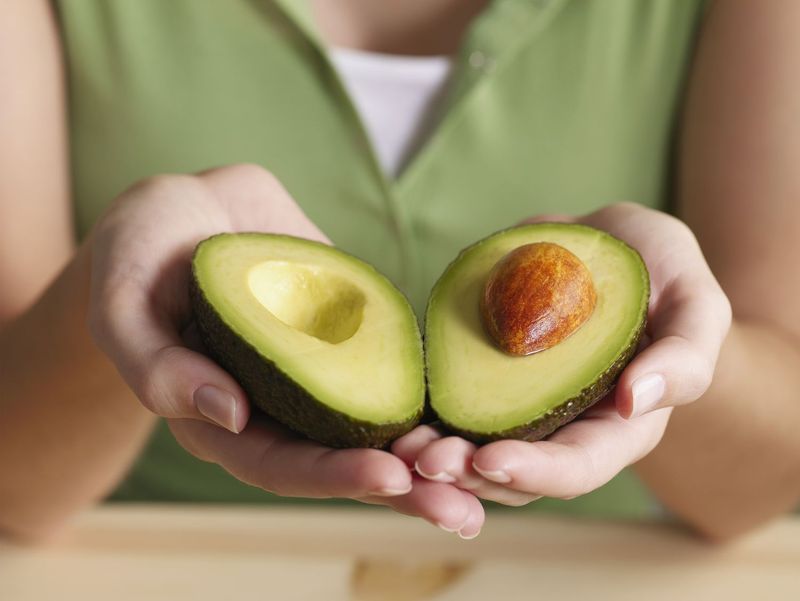
Avocados might surprise some as a fruit, but their near-zero sugar content and high healthy fat make them unique. Their creamy texture and mild flavor lend themselves to various dishes. Rich in monounsaturated fats and fiber, avocados are heart-healthy and satisfying. They provide a satiating option without affecting blood sugar, making them ideal for those managing glucose. Avocados are proof that not all fruits fit the sweet, sugary mold.
3. Apples (with skin)

Apples with their skin are a classic, healthy snack known for pectin fiber, which slows sugar absorption. Their crunch and sweet-tart balance make them universally loved. Apples contain vitamins C and K, supporting overall wellness. Consuming them with the skin maximizes fiber intake, aiding in blood sugar regulation. Enjoying apples as part of a balanced diet can offer nutritional benefits without significant sugar spikes, making them a go-to choice.
4. Pears
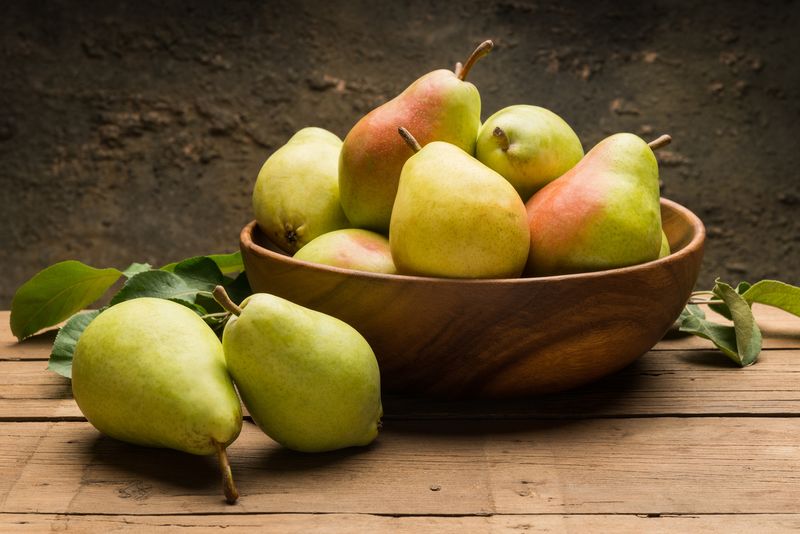
Pears bring a unique sweetness that balances with high fiber content, offsetting their moderate sugar levels. Their soft, juicy texture and delicate flavor make pears a cherished fruit. Rich in antioxidants and vitamins C and K, they contribute to health benefits beyond taste. For those watching blood sugar, pears offer a harmonious blend of sweetness and nutrition, making them a delightful and safe inclusion in a balanced diet.
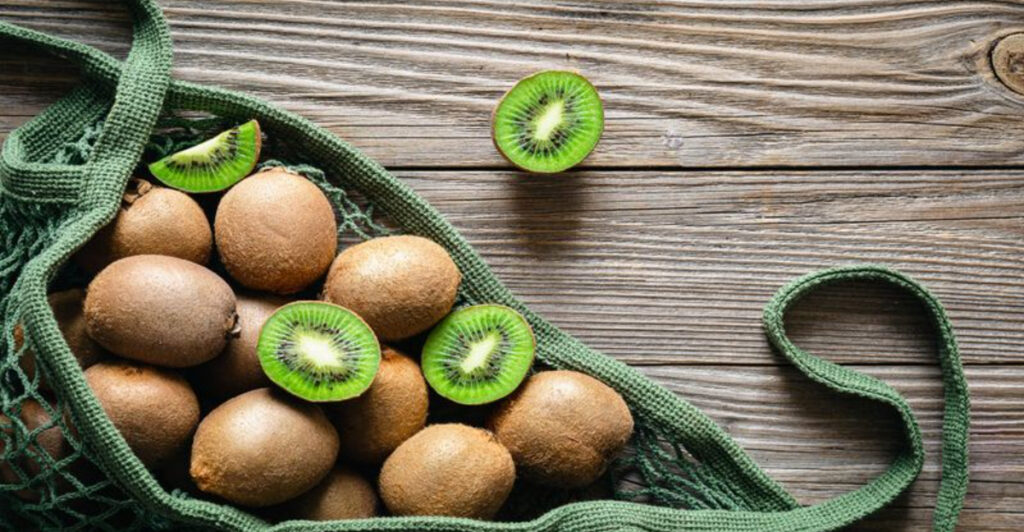
5. Kiwi

Kiwi offers a tangy, fiber-rich experience that is gentle on blood sugar levels. Its vibrant green color and distinct texture make it a refreshing choice. Packed with vitamins C and E, kiwi supports immune function and offers antioxidant benefits. Despite its sweetness, the fiber content helps moderate blood sugar impact, making it a suitable option for those mindful of glucose. Kiwi’s combination of flavor and health makes it a standout fruit.
6. Grapefruit

Grapefruit, with its tart taste, presents a relatively low glycemic index, making it a reasonable choice for blood sugar management. Its refreshing flavor brightens any meal, offering a burst of vitamin C and antioxidants. While not as sweet as other fruits, grapefruit provides health benefits and can be a zesty addition to a balanced diet. Its ability to moderate blood sugar impact makes it a valuable fruit for those watching glucose levels.
7. Peaches (in moderation)
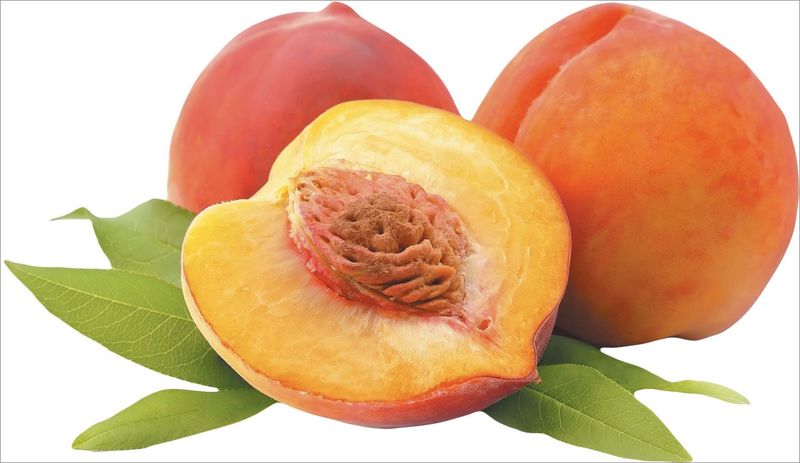
Peaches, when enjoyed fresh and in moderation, have a lower glycemic index than many stone fruits. Their luscious, sweet taste is synonymous with summer enjoyment. Peaches offer vitamins A and C, along with fiber that aids digestion. For those monitoring blood sugar, peaches provide a seasonal treat that balances flavor with nutritional benefits. By savoring them responsibly, one can appreciate their sweetness without compromising health objectives.
8. Lemons and Limes

Lemons and limes are virtually sugar-free, offering a tart burst of flavor to enhance dishes without affecting blood sugar levels. Their acidic nature makes them versatile for culinary uses, from dressings to drinks. Rich in vitamin C, they support immune function and skin health. For those keen on maintaining stable glucose levels, these citrus fruits provide zest and nutrition without the sugar, making them a staple in any kitchen.
9. Tomatoes
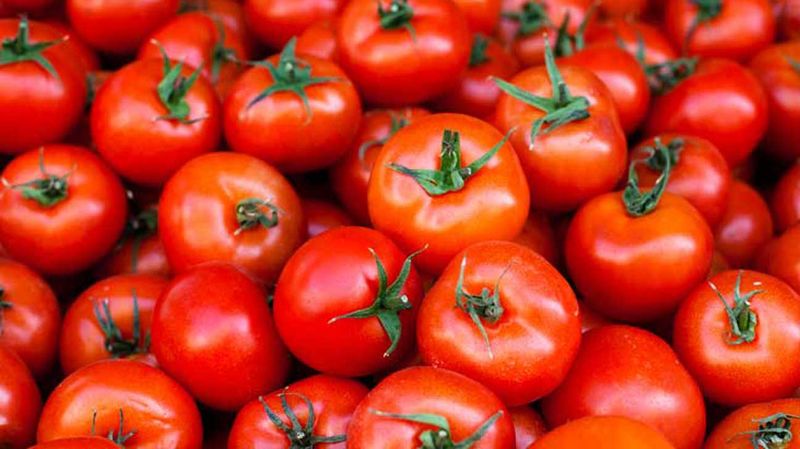
Tomatoes are a surprising fruit with low sugar content and a rich nutritional profile. Their vibrant red color and savory taste complement a variety of dishes. Tomatoes are packed with vitamins C and K, along with lycopene, an antioxidant that promotes heart health. For those monitoring blood sugar, tomatoes offer a nutritious and flavorful addition without the worry of sugar spikes, proving that not all fruits are sweet and sugary.
10. Olives

Olives stand out as an unusual fruit, high in healthy fats and devoid of sugar. Their briny taste and firm texture make them unique. Rich in monounsaturated fats and antioxidants like vitamin E, olives support heart health and have anti-inflammatory properties. For those wary of sugar impact, olives provide a savory, satisfying option that aligns with health goals. Their presence in Mediterranean diets highlights their nutritional value.
11. Blackberries
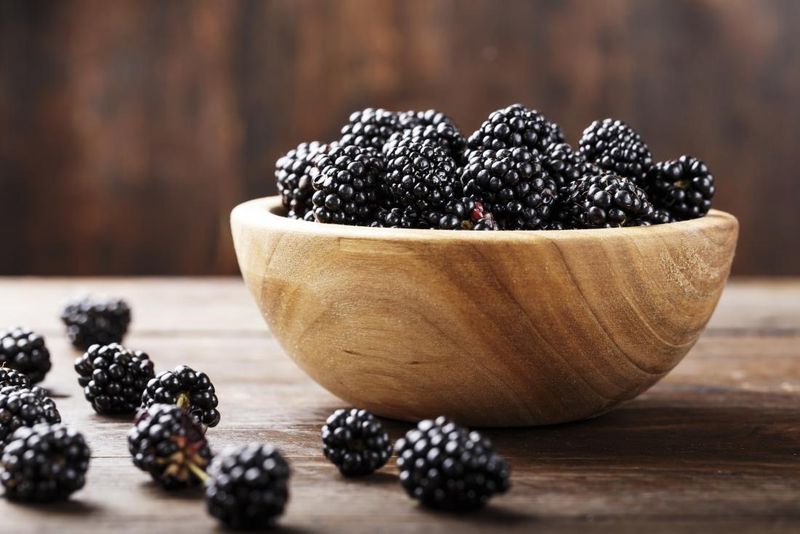
Blackberries, with their deep color and tart sweetness, are very low in sugar and high in fiber, making them a perfect choice for those watching sugar levels. They provide a burst of flavor and nutrition, rich in vitamins C and K, as well as antioxidants. Their ability to maintain low blood sugar impact while delivering taste and health benefits makes blackberries a favored fruit for healthy eating.
12. Guava
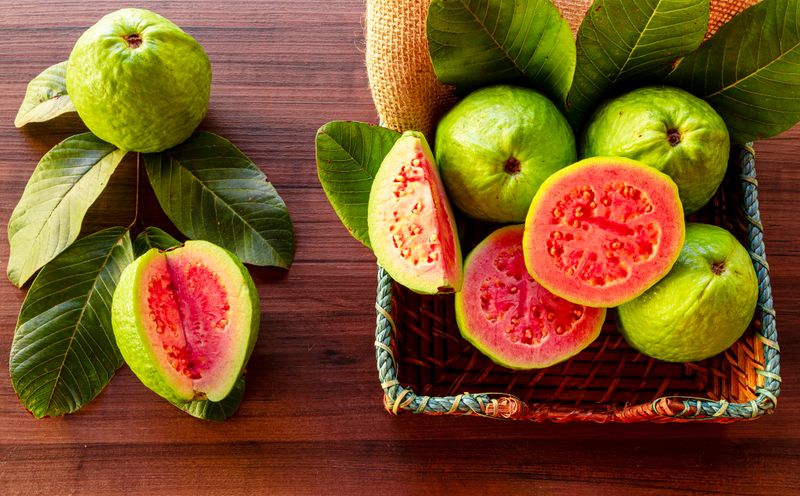
Guava is a tropical delight with a unique blend of sweetness and nutritional benefits. Its high fiber content helps modulate blood sugar impact, while vitamins A and C boost immune function. The vibrant pink flesh and aromatic scent evoke exotic locales. Guava’s ability to balance flavor with health benefits makes it a versatile and safe choice for those mindful of glucose levels, ensuring enjoyment without excess sugar.