
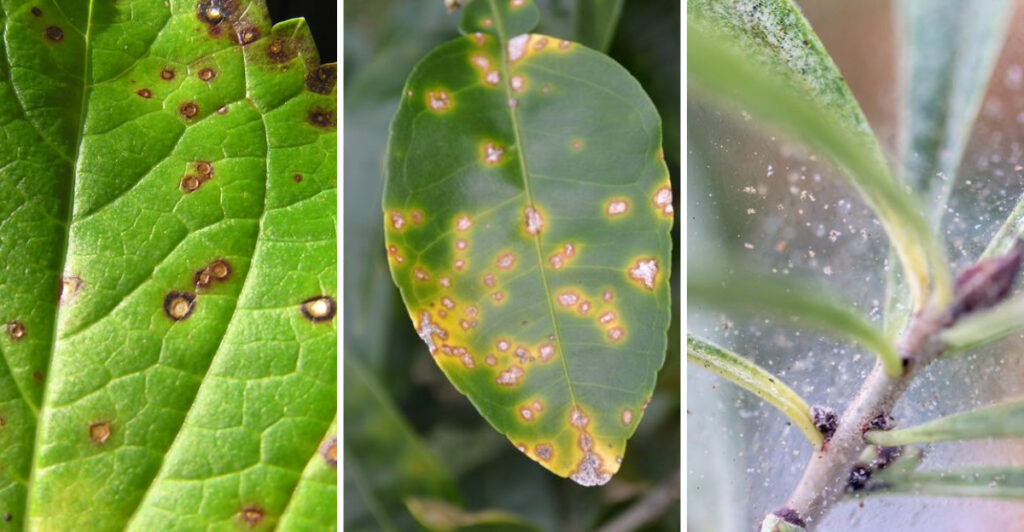
Butterfly bushes, with their vibrant blooms and graceful branches, are a favorite amongst gardeners. However, these beautiful plants are susceptible to various problems and diseases that can hinder their growth. Understanding and identifying these issues early can help in maintaining their health and beauty. This article explores 14 common problems and diseases affecting butterfly bushes, providing insights into prevention and care.
1. Spider Mites
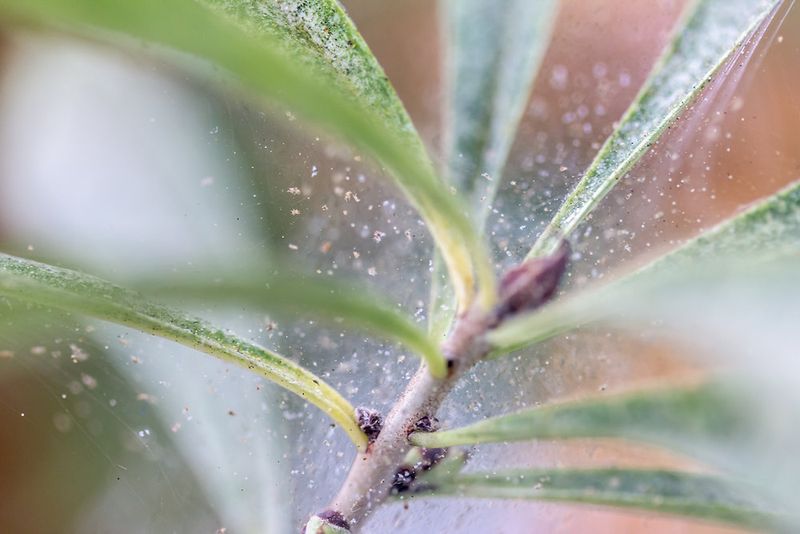
A butterfly bush can fall victim to the minuscule, yet destructive, spider mites. These tiny pests weave webs and suck the juices from the leaves, leading to discoloration and wilting.
The damage may initially appear as small yellow spots but can quickly escalate if not addressed.
A vigorous spray of water can dislodge mites, but miticides may be necessary for severe cases.
Consider introducing natural predators like ladybugs to your garden.
Additionally, keeping the plant healthy and hydrated reduces susceptibility.
2. Root Rot
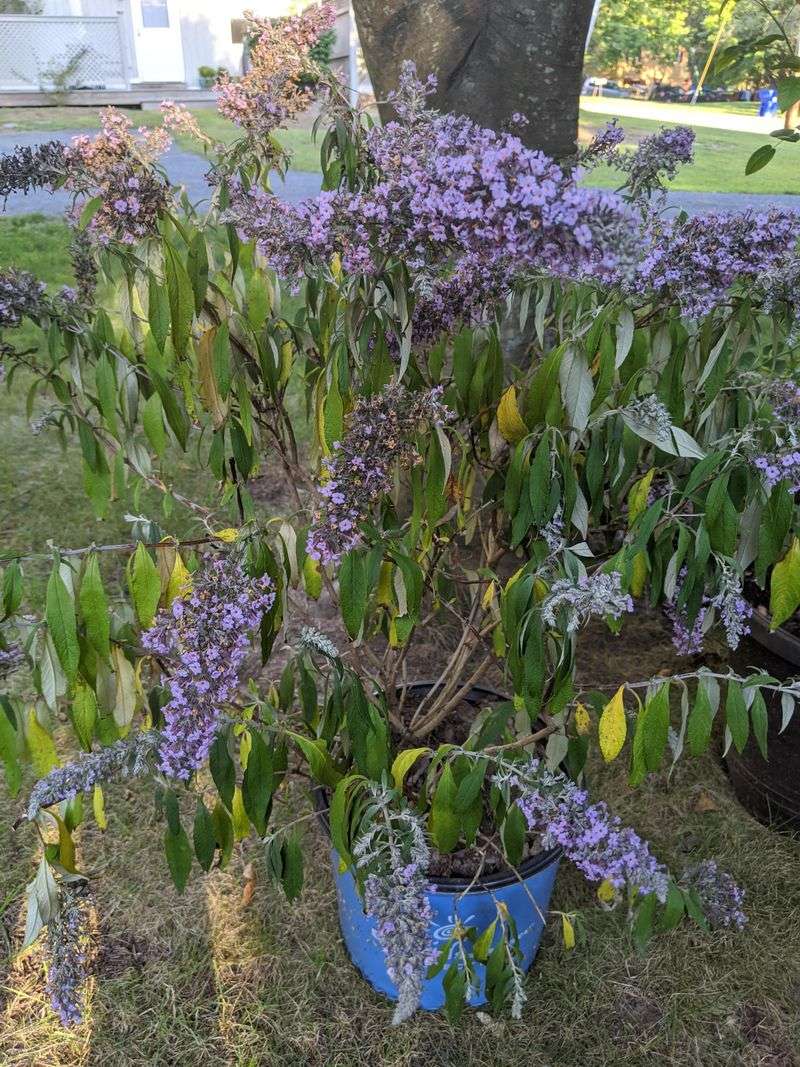
Root rot is a silent killer, often sneaking up unnoticed until the damage is extensive. Caused by overwatering or poorly draining soil, it leads to black, mushy roots and yellowing leaves.
To combat this, ensure the soil has proper drainage and avoid waterlogging.
If detected early, repotting the plant in fresh, well-draining soil with proper care can save it.
Consider using fungicides for treatment.
This disease emphasizes the importance of monitoring soil moisture levels regularly.
3. Powdery Mildew
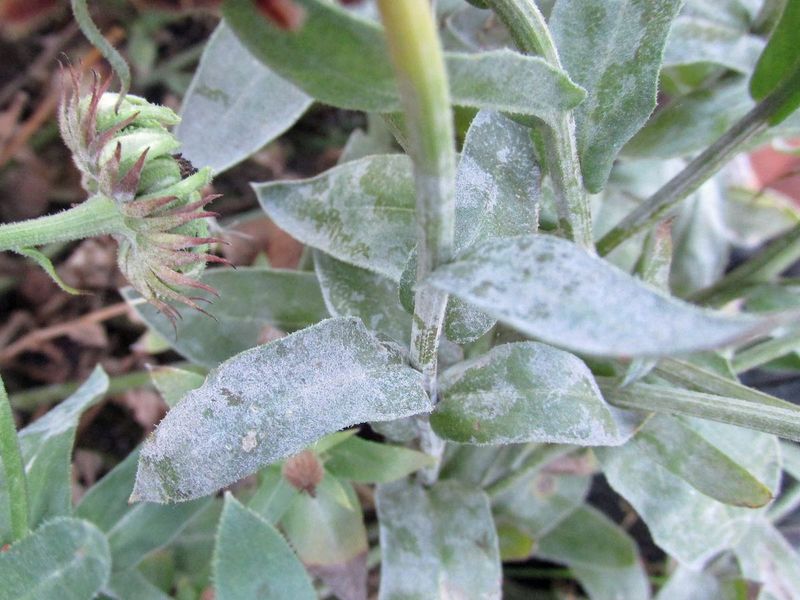
The unsightly powdery mildew is a common fungal disease found on butterfly bushes. It manifests as white, powder-like spots covering leaves and stems.
This disease thrives in warm, dry climates but can also appear in humid conditions.
To prevent its spread, maintain good air circulation around the plant and avoid overhead watering.
Fungicides can effectively control severe infestations.
Regular monitoring and immediate action are crucial.
4. Leaf Spot
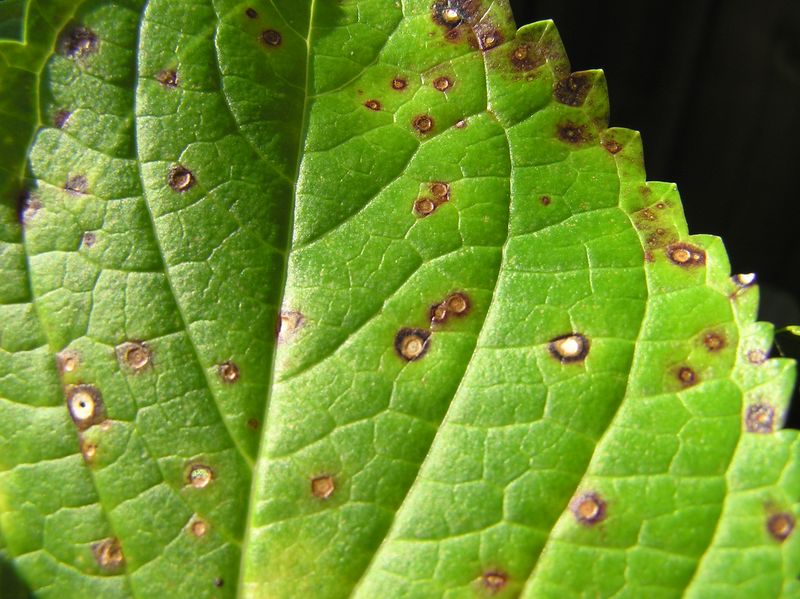
Leaf spot, characterized by dark brown or black spots on the foliage, can weaken a butterfly bush. These spots may enlarge and merge, causing premature leaf drop.
Crowded plantings and wet foliage are common causes.
To manage this disease, remove and destroy affected leaves and maintain proper spacing.
Using a copper-based fungicide can be beneficial in controlling the spread.
Regular pruning helps in improving air circulation, reducing risk.
5. Aphid Infestation
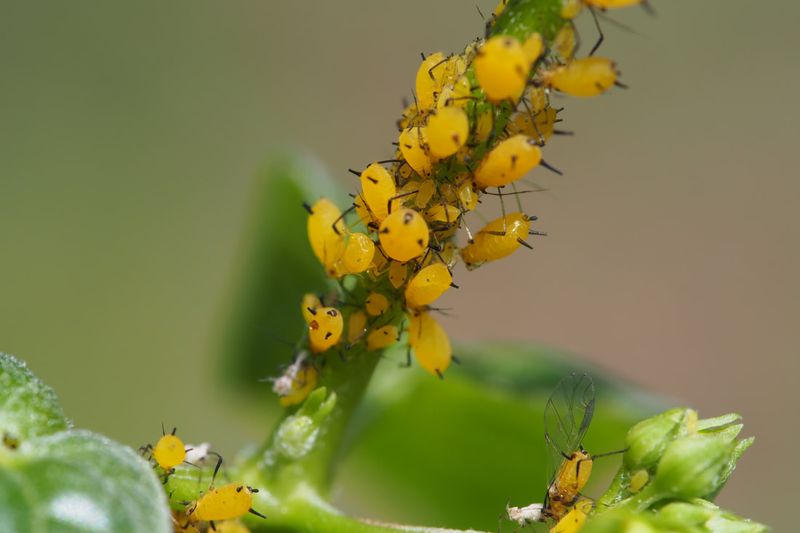
Aphids, often referred to as plant lice, are small pests that can cause significant harm to butterfly bushes. They cluster in large numbers on new growth, sucking sap and secreting a sticky substance known as honeydew.
This honeydew can lead to sooty mold growth, further damaging the plant.
Insecticidal soaps or neem oil provide effective control.
Ladybugs are natural predators that help keep aphid populations in check.
Regular inspection and swift action prevent major damage.
6. Verticillium Wilt
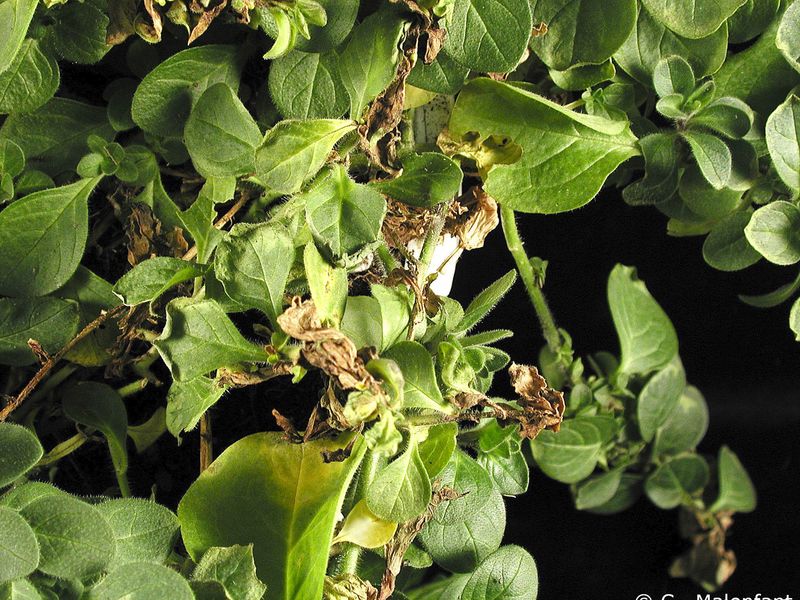
Verticillium wilt is a soil-borne fungal disease that can devastate butterfly bushes. It causes leaves to wilt and yellow, often starting on one side of the plant.
This disease is challenging to manage, as it resides in the soil for years.
Remove and destroy infected plants to prevent spread.
Planting resistant varieties and rotating crops help mitigate risks.
Maintaining healthy soil with proper nutrients enhances resistance.
7. Whiteflies
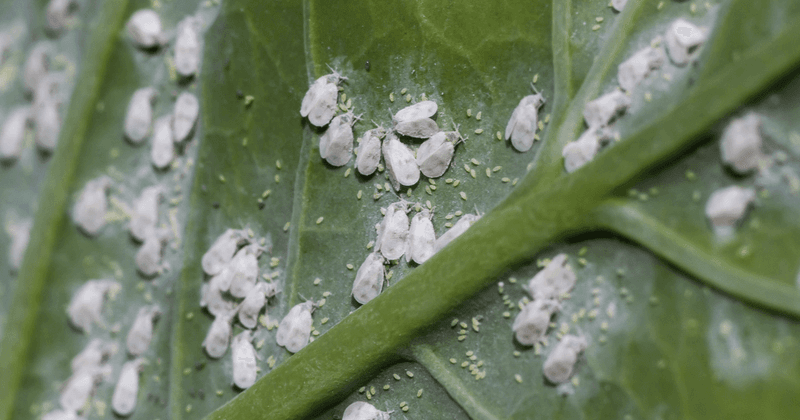
Whiteflies are tiny, winged insects that can cause significant damage to butterfly bushes. They feed on plant sap, leading to yellowing leaves and stunted growth.
Their presence is often accompanied by a sticky substance that attracts mold.
To control whiteflies, consider using yellow sticky traps or insecticidal soap.
Introducing natural predators like parasitic wasps can offer long-term control.
Regularly inspecting your plants helps catch infestations early.
8. Crown Gall
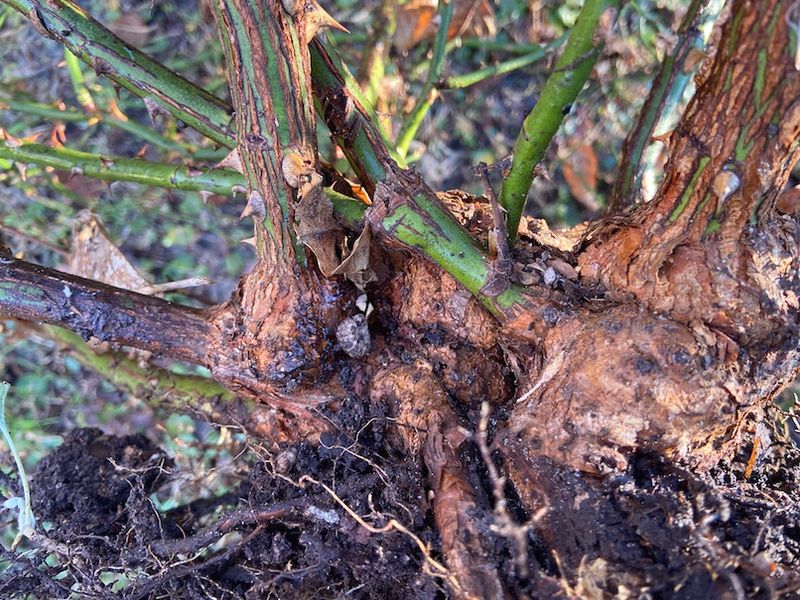
Crown gall is a bacterial disease that causes swollen, tumor-like growths on the stems of butterfly bushes. These galls disrupt nutrient flow, weakening the plant over time.
Infected plants should be removed and destroyed to prevent spreading.
To avoid introducing the bacteria, inspect plants before planting and practice proper sanitation.
There is no effective chemical treatment for crown gall.
Prevention remains the best strategy, emphasizing the importance of plant health and hygiene.
9. Bacterial Leaf Spot
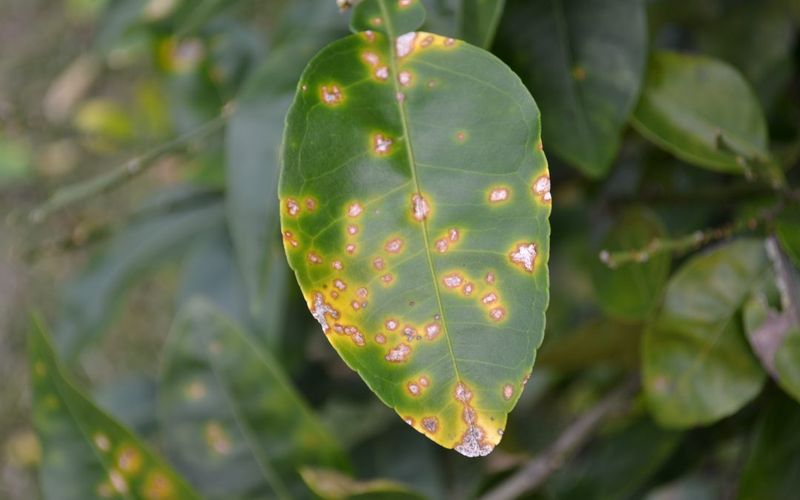
Bacterial leaf spot presents as small, angular, water-soaked spots on butterfly bush leaves. These spots may become larger and merge, leading to leaf drop.
High humidity and wet conditions promote this disease.
Improved air circulation and proper spacing can help reduce risk.
Copper-based bactericides may offer control, but early detection and removal of affected leaves are crucial.
Regularly inspect plants to catch symptoms early and prevent spread.
10. Mealybugs
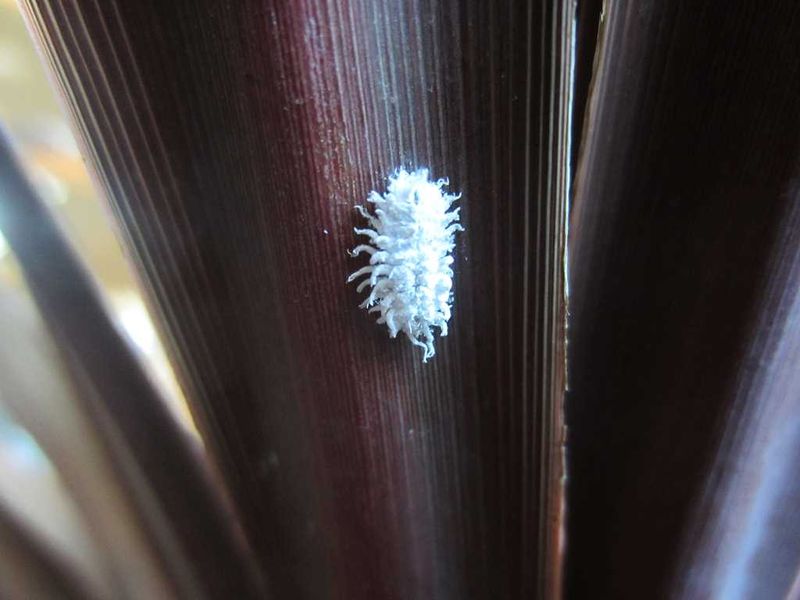
Mealybugs, with their cotton-like appearance, are a common pest problem for butterfly bushes. They cluster on stems and leaves, sucking sap and excreting honeydew.
This can lead to sooty mold and weakened plants.
Insecticidal soap or neem oil effectively reduces populations.
Regular washing with a strong stream of water can dislodge many bugs.
Introducing natural predators like ladybugs aids control.
Maintaining plant health reduces susceptibility.
11. Rust
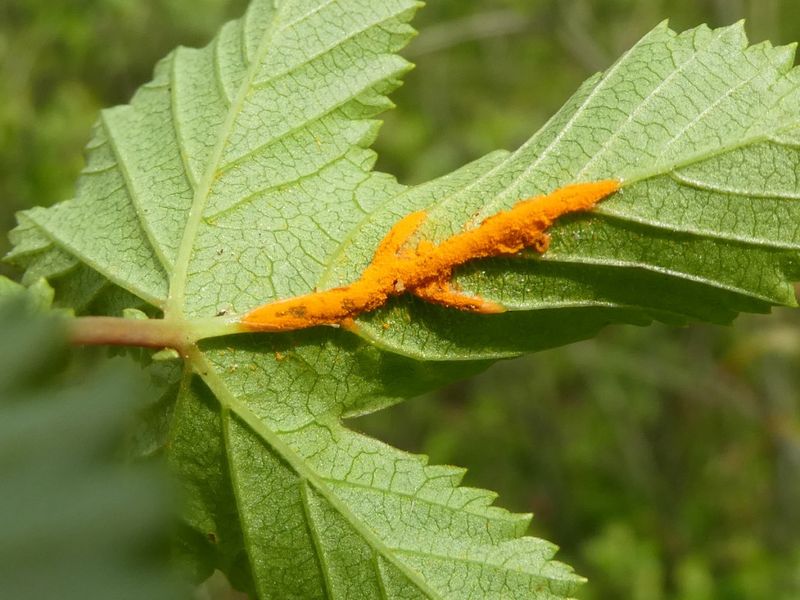
Rust is a fungal disease characterized by orange, powdery spores on the undersides of butterfly bush leaves. It can cause premature leaf drop if left unchecked.
Cool, moist conditions often promote its development.
To manage rust, remove and destroy affected leaves and maintain good air circulation.
Applying appropriate fungicides can prevent spread.
Regular monitoring and cultural practices like pruning help keep rust at bay.
12. Scale Insects
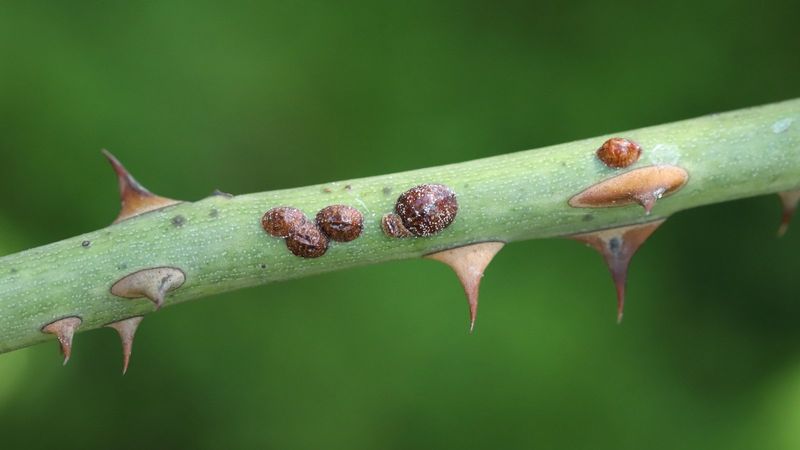
Scale insects are sneaky pests that attach themselves to branches, appearing as small, brown bumps. They suck plant sap, weakening the butterfly bush over time.
Heavy infestations can lead to yellowing leaves and stunted growth.
Horticultural oils or insecticidal soap offer effective control.
Introduce natural predators like ladybugs to aid management.
Regularly inspect plants for early detection and immediate action.
13. Botrytis Blight
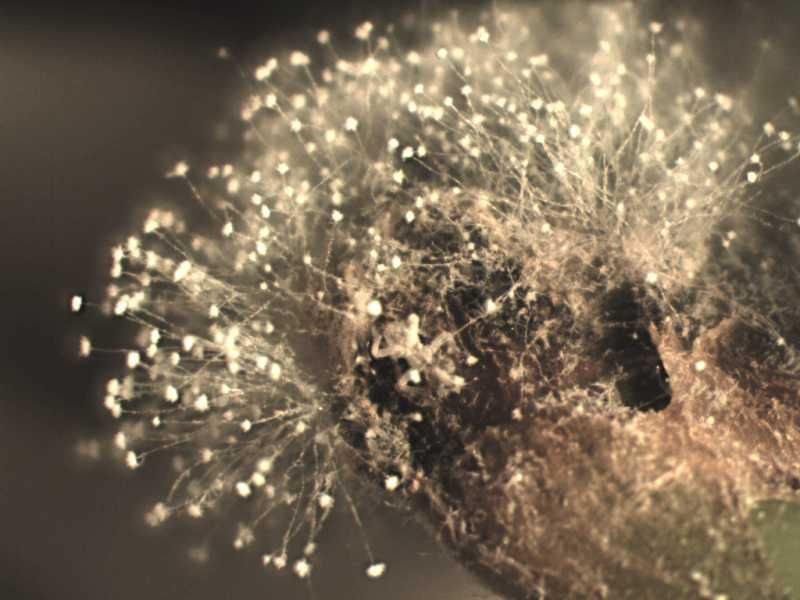
Botrytis blight, or gray mold, affects butterfly bushes, especially during cool, damp weather. It appears as gray, fuzzy mold on flowers and leaves, leading to decay.
Sanitation is vital; remove affected parts immediately to prevent spread.
Fungicides may help in controlling severe cases.
Improve air circulation and avoid overhead watering to minimize risk.
Regular pruning and monitoring are essential practices.
14. Nematodes
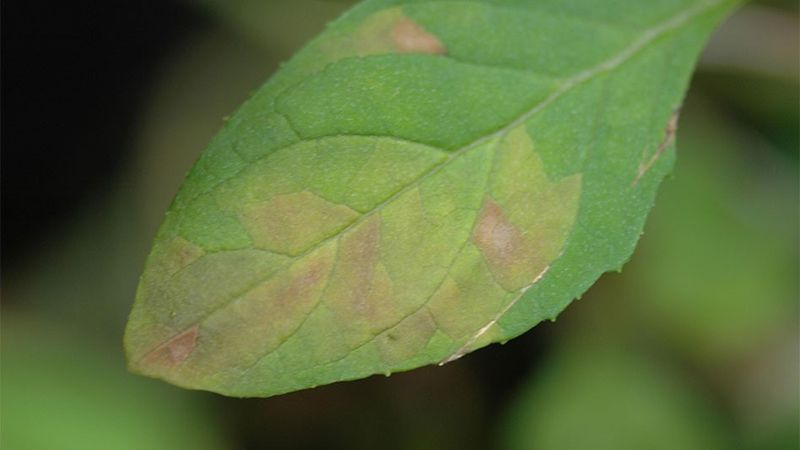
Nematodes are microscopic worms that infest soil, attacking butterfly bush roots. They cause stunted growth, yellowing leaves, and reduced vigor.
Rotating crops and using resistant varieties can help manage these pests.
Solarizing the soil by covering it with plastic can reduce nematode populations.
Maintaining a healthy plant through proper fertilization and watering reduces susceptibility.
Regular monitoring ensures early detection and management.
15. Black Root Rot
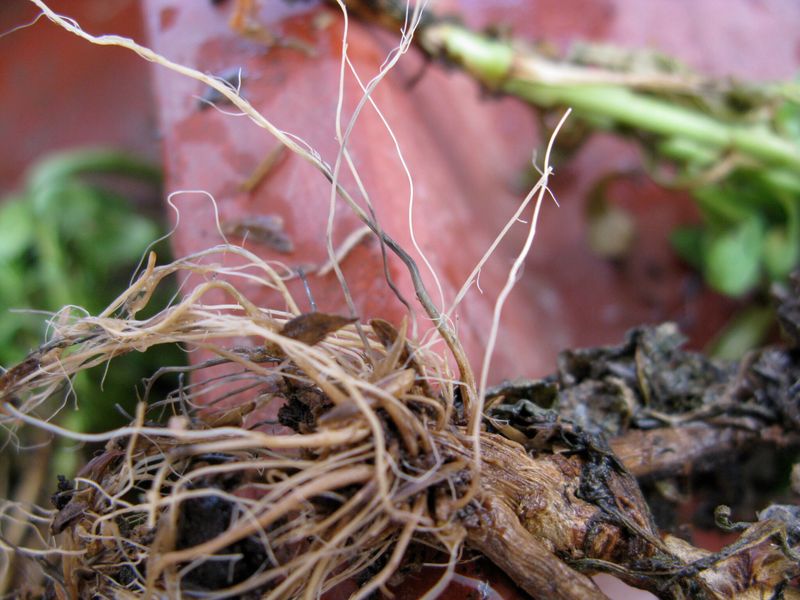
Black Root Rot is a sneaky adversary for butterfly bushes, often lurking beneath the soil surface. This fungal disease causes roots to turn black and decay, ultimately stunting plant growth.
Early detection is crucial. Look for signs such as wilting leaves and reduced vigor, even when the plant is well-watered.
Treatment involves improving soil drainage and using fungicides. Consistently monitor the health of your butterfly bush to prevent future outbreaks.
Did you know? Black Root Rot can also affect other garden favorites, such as begonias and azaleas, making it a widespread garden threat.
16. Thrips Infestation
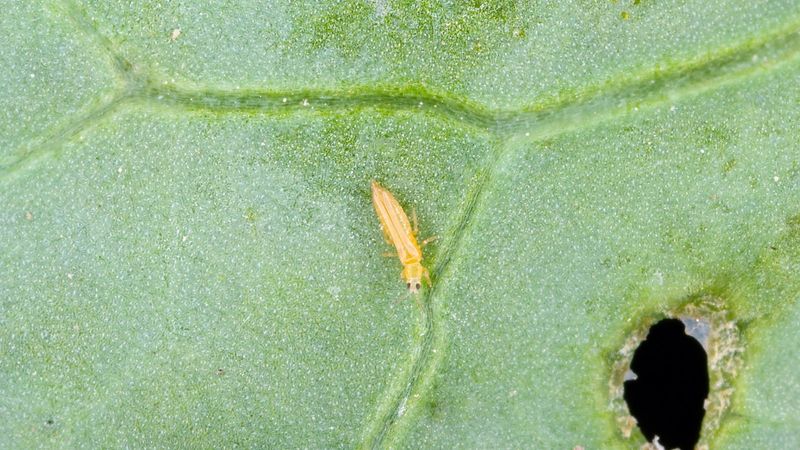
Thrips are tiny, but their impact on butterfly bushes is substantial. These slender insects feed on plant cells, causing leaves to appear silvery and scarred.
Control measures include introducing natural predators like ladybugs and using insecticidal soaps. Regular monitoring ensures their population remains manageable.
Interestingly, thrips can also act as vectors for plant viruses, further complicating their management.
A robust integrated pest management strategy is essential to protect the health and aesthetics of your butterfly bush.
17. Phytophthora Root Rot
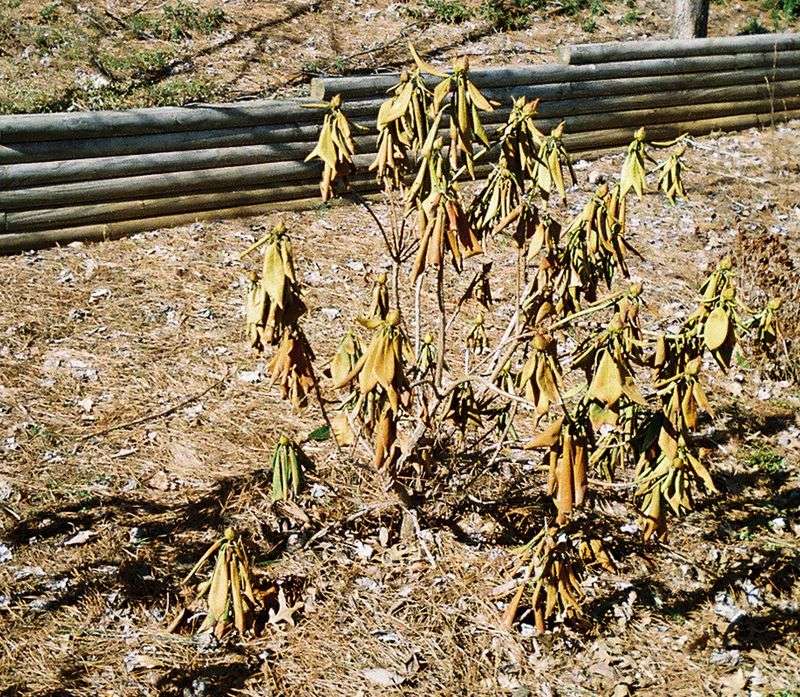
Phytophthora Root Rot strikes fear in the heart of gardeners. This disease leads to yellowing leaves and wilting, signaling trouble below ground.
The culprit is a water mold thriving in overly moist conditions, particularly in poorly drained soils.
Preventative measures include ensuring proper drainage and avoiding overwatering. For affected plants, removal and destruction may be necessary to halt the spread.
Phytophthora is notoriously difficult to control, emphasizing the importance of preventative care in maintaining a healthy garden.
18. Nutrient Deficiency
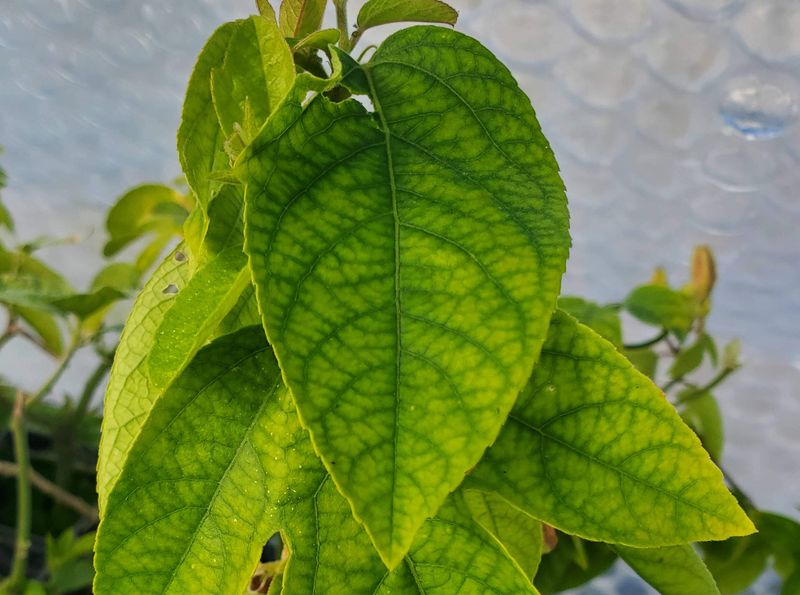
Butterfly bushes suffering from nutrient deficiency often exhibit pale, yellowing leaves. This lack of essential nutrients, such as nitrogen or iron, affects photosynthesis and plant vigor.
Corrective actions include soil testing and appropriate fertilization to restore nutrient balance.
Ensure a consistent feeding regimen to support healthy growth, especially during the growing season.
Did you know? Over-fertilization can be just as harmful as nutrient deficiency, leading to salt buildup and root damage. Balance is key to a thriving garden environment.