
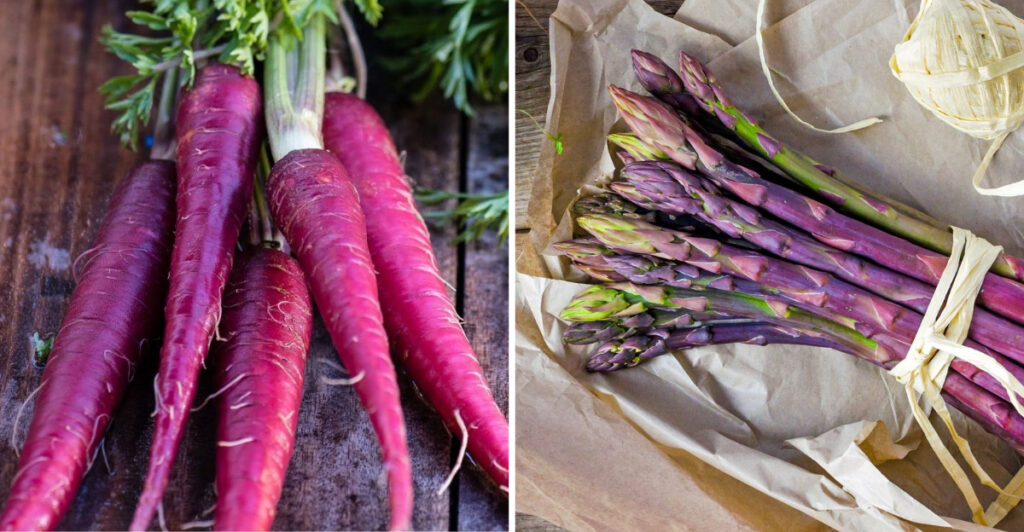
Explore the vibrant world of purple vegetables, a colorful addition to any garden. These unique varieties are not only eye-catching but also packed with nutrients. Whether you’re a seasoned gardener or a beginner, these purple-hued delights offer something for everyone. From the deep, rich tones of eggplants to the lighter shades of lavender cauliflower, each vegetable brings its own charm and health benefits. Discover 25 exciting purple vegetables that will transform your garden into a tapestry of color and flavor. Embrace the beauty and nutrition of purple in your gardening journey.
1. Purple Carrot
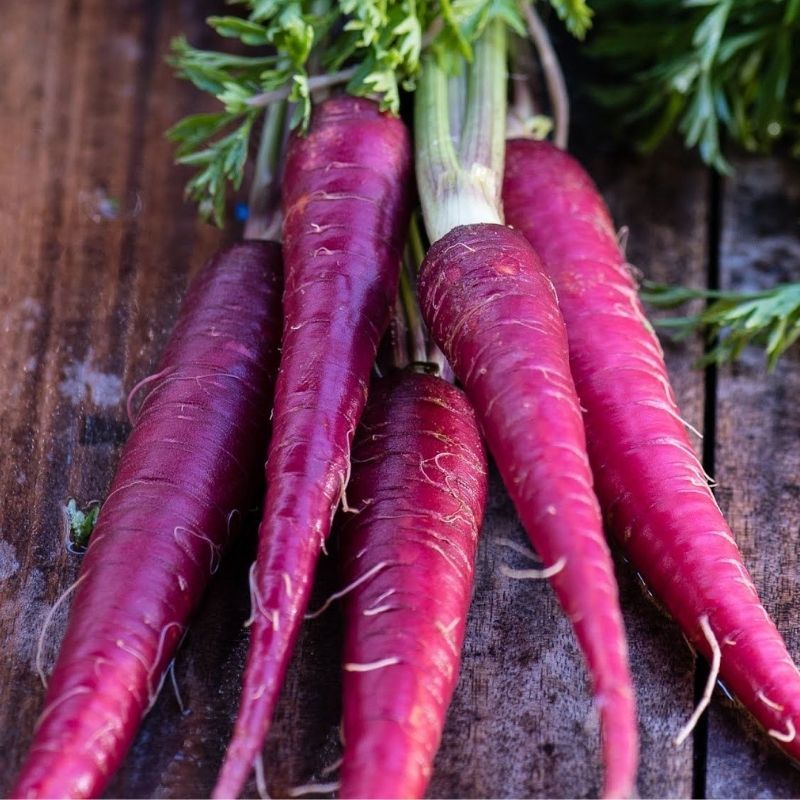
The purple carrot is a root vegetable with a rich history dating back thousands of years. Originally cultivated in ancient Persia, it stands out with its striking purple skin and vibrant orange core. This unique coloration is due to high levels of anthocyanins, known for their antioxidant properties. In addition to its visual appeal, the purple carrot offers a sweet and earthy flavor, making it a delightful addition to salads and stews. Did you know? Purple carrots were the dominant variety before the orange carrot stole the spotlight in the 17th century.
2. Eggplant
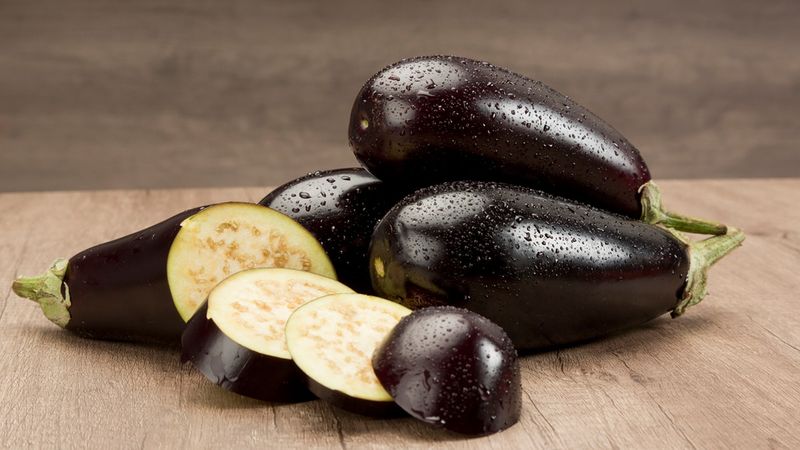
Eggplants, also known as aubergines, are a staple in cuisines around the world. Their glossy, deep purple skin makes them a standout in any dish. Native to India, these nightshade vegetables have a mild flavor that absorbs seasonings beautifully. They’re perfect for grilling, roasting, or making traditional dishes like ratatouille and baba ghanoush. With a rich cultural history and versatile nature, eggplants are beloved by chefs and home cooks alike. Fun fact: In Italy, eggplant was once known as “mad apple” due to a myth that it could cause insanity.
3. Purple Cauliflower
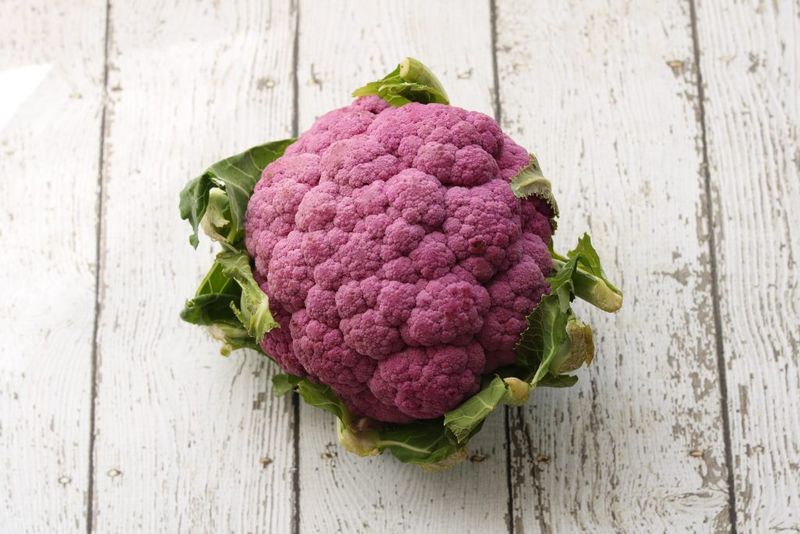
Purple cauliflower is a stunning member of the brassica family, celebrated for its brilliant color and subtle, nutty flavor. This vegetable gets its purple hue from anthocyanins, the same antioxidants found in red cabbage and red wine. It’s not only a visual treat but also a nutritious one, packed with vitamins C and K. Purple cauliflower can be enjoyed raw in salads or cooked in a variety of dishes. Its vibrant color remains even after cooking, making it a perfect choice for adding a splash of color to meals.
4. Purple Bell Pepper
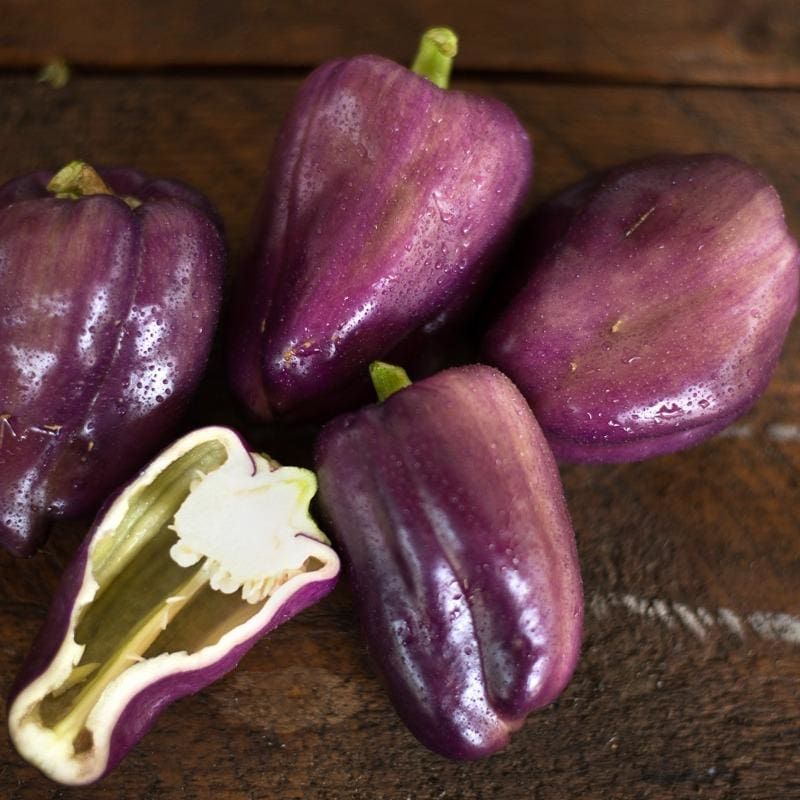
The purple bell pepper is a delightful twist on the classic garden favorite. With its glossy, deep purple skin, it adds an unexpected pop of color to your dishes. These peppers have a slightly sweeter taste compared to their green counterparts, offering a crisp texture and juicy bite. Perfect for salads, stir-fries, or even as a crunchy snack, purple bell peppers can elevate any meal. They are rich in vitamins A and C, making them a healthy addition to your diet.
5. Purple Kale
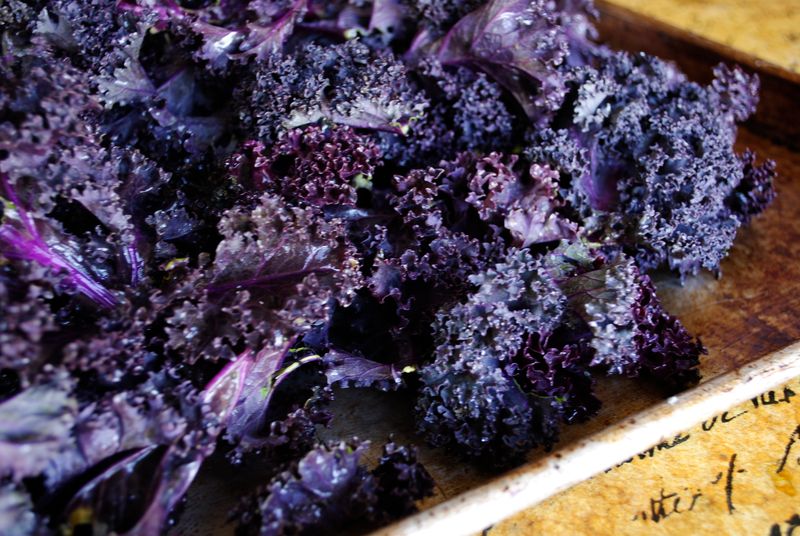
Purple kale is more than just a pretty face; it’s a nutritional powerhouse. With curly, deep purple leaves, it adds both beauty and health benefits to your plate. This leafy green is packed with vitamins A, C, and K, along with fiber and antioxidants. Its slightly peppery flavor makes it a versatile ingredient in smoothies, salads, and soups. Fun fact: The colder the weather, the more vibrant the purple color becomes, making it a winter garden favorite.
6. Purple Brussels Sprouts
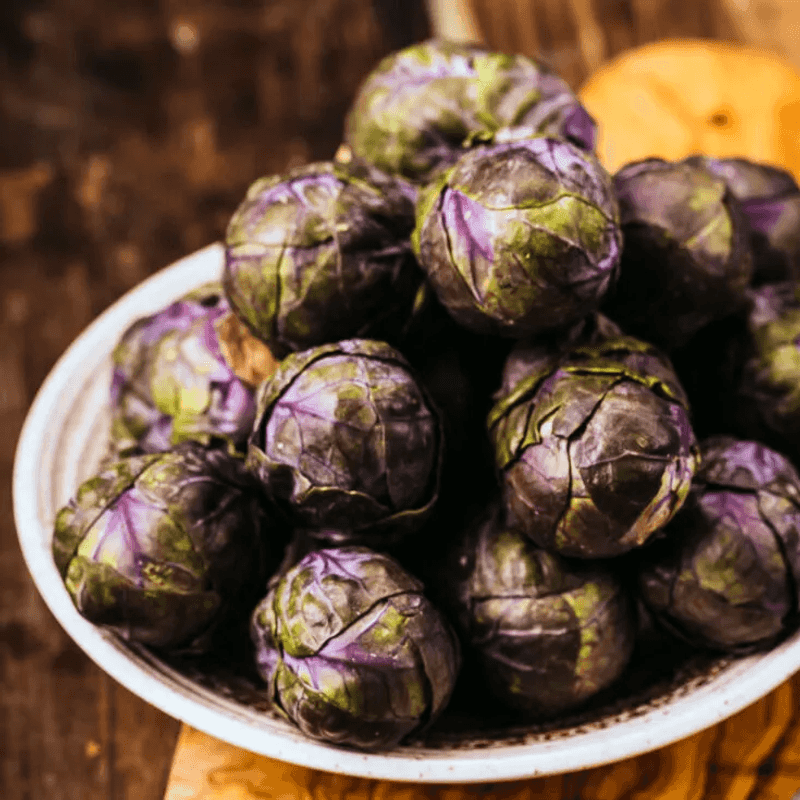
Purple Brussels sprouts are an eye-catching twist on the classic green variety. With their rich purple hue, they bring a touch of elegance to your dinner table. These sprouts have a sweeter and milder taste, making them more appealing to those who shy away from the typical bitterness. They’re perfect for roasting, steaming, or sautéing, offering a delicious way to enjoy cruciferous vegetables. High in vitamins C and K, they provide excellent nutritional benefits with an added pop of color.
7. Purple Asparagus
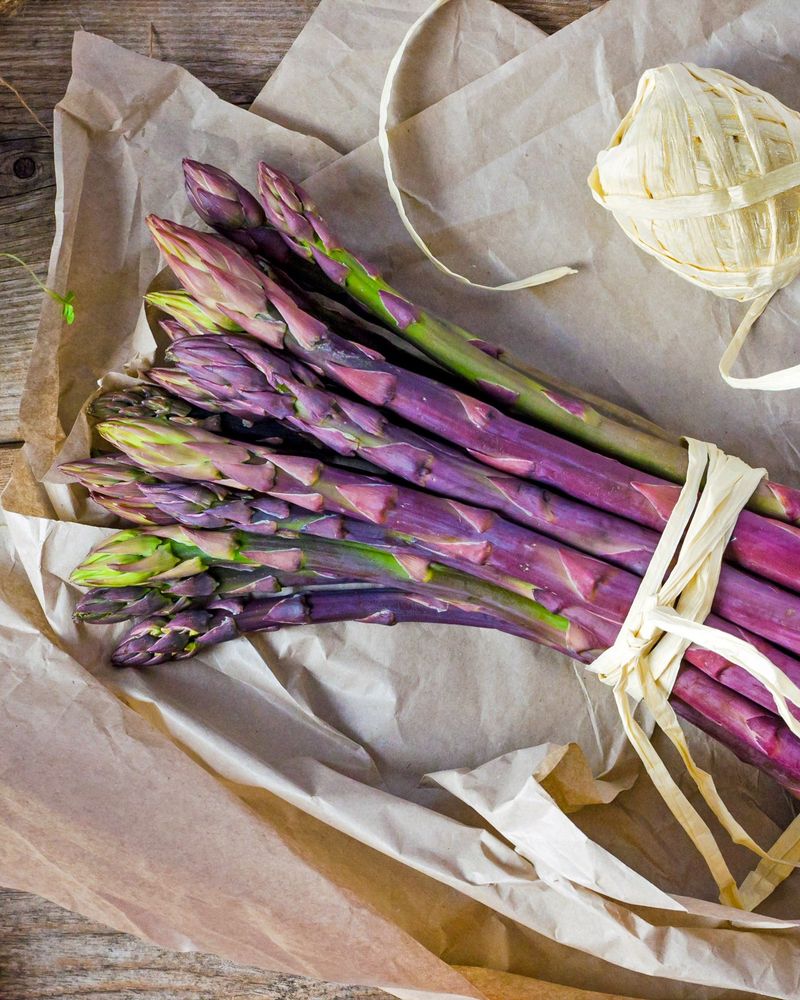
Purple asparagus is a unique and visually striking variety. With its vibrant purple spears and tender texture, it offers a delightful change from the typical green asparagus. Known for its mild, nutty flavor, it can be enjoyed raw or cooked, adding a touch of elegance to salads and side dishes. This variety is not only beautiful but also nutritious, providing essential vitamins and antioxidants. Interestingly, purple asparagus turns green when cooked, so to retain its color, enjoy it raw in salads or lightly steamed.
8. Purple Cabbage
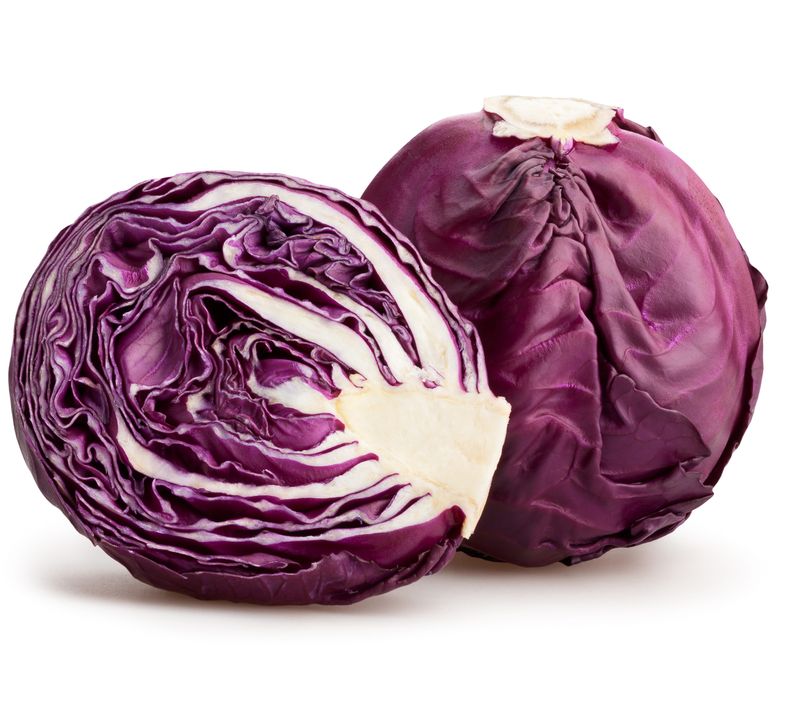
Purple cabbage, also known as red cabbage, is a versatile and nutritious vegetable. Its rich, deep purple leaves are packed with vitamins C and K, along with fiber and antioxidants. This cruciferous vegetable has a slightly peppery taste, making it a crunchy addition to coleslaws, salads, and stir-fries. Its vibrant color can also be used to create natural dyes. Fun fact: The acidic environment can change its color to pink, while alkaline turns it blue, offering a fun experiment in your kitchen.
9. Purple Potatoes
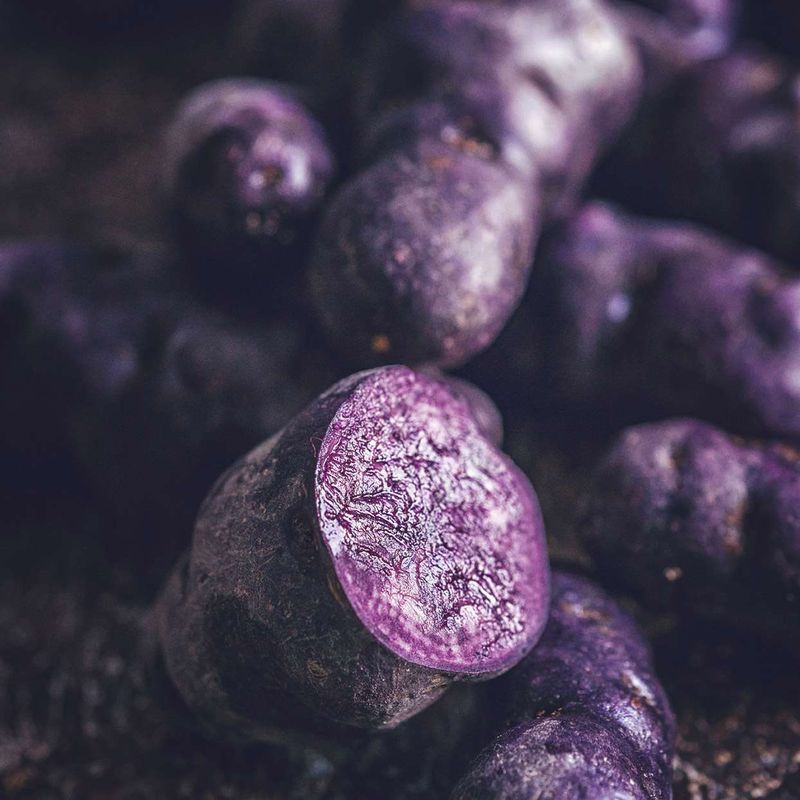
Purple potatoes are a delightful and colorful addition to any meal. With their deep purple skin and flesh, they offer a unique visual appeal. These potatoes are high in antioxidants, particularly anthocyanins, which give them their vibrant color. They have a slightly nutty flavor and can be used in a variety of dishes, from roasted potatoes to mashed and baked recipes. Originating from Peru, they have been a staple in Andean diets for centuries. Their eye-catching appearance makes them a favorite for gourmet chefs.
10. Purple Okra
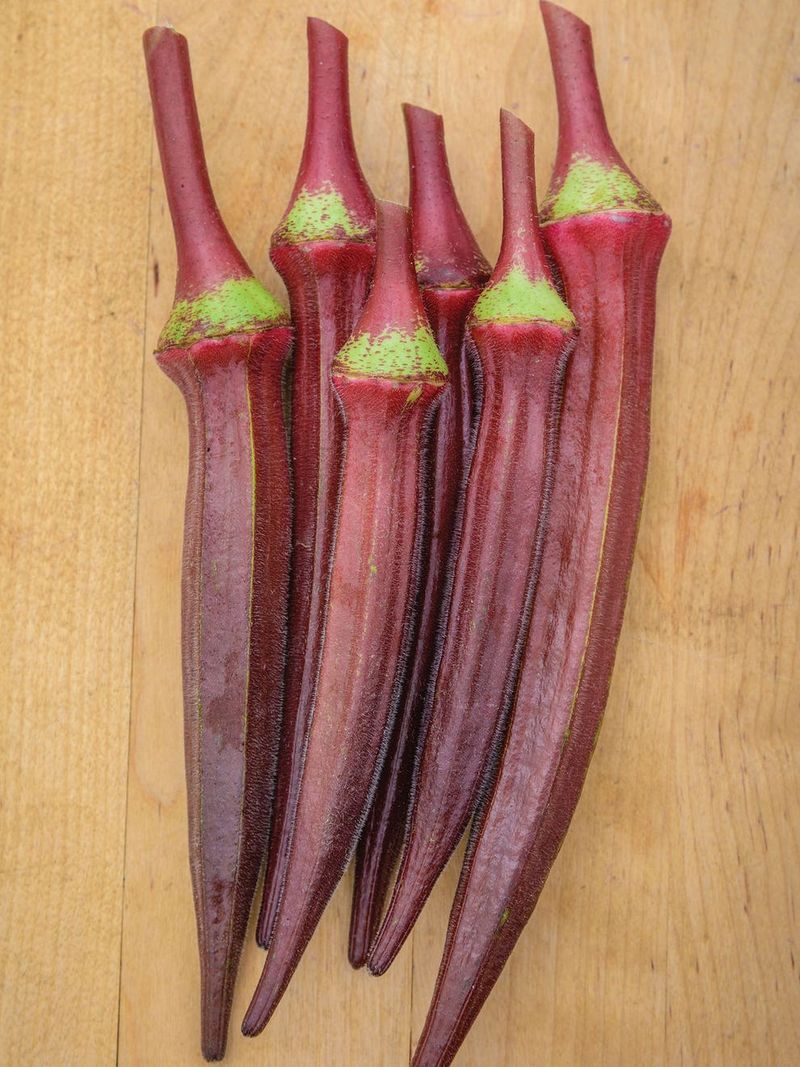
Purple okra is a vibrant twist on the traditional green variety. With its deep purple pods, it brings a pop of color to any dish. This variety offers a mild, grassy flavor and is slightly less slimy than its green counterpart. It’s perfect for frying, stewing, or adding to gumbo. Rich in vitamins A and C, purple okra is not only visually appealing but also nutritious. Fun fact: When cooked, the purple pods often turn green, so enjoy them raw or lightly cooked to preserve their color.
11. Purple Beans
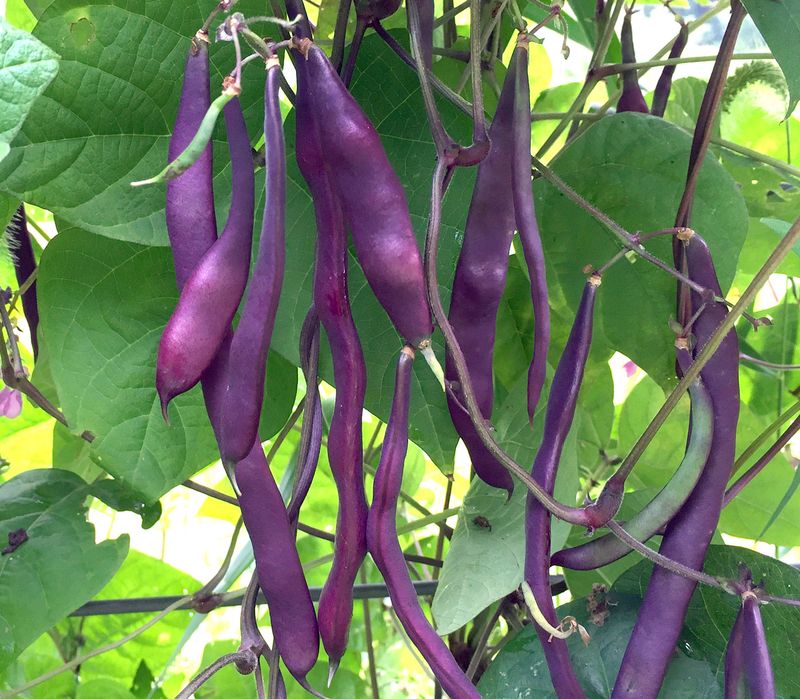
Purple beans are a vibrant and tasty addition to your garden. With their striking purple pods, they stand out among the usual green beans. These beans are not only beautiful but also nutritious, offering fiber, vitamins, and antioxidants. When cooked, the purple color fades to green, so they are best enjoyed raw in salads or quickly blanched. Their tender texture and slightly sweet flavor make them a favorite for summer dishes. Fun fact: Purple beans are a heritage variety, treasured for their unique coloration and taste.
12. Purple Basil
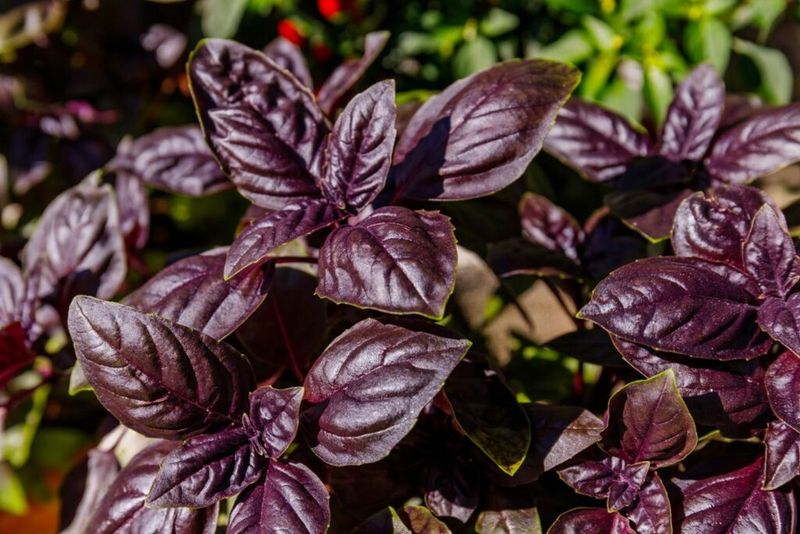
Purple basil is a fragrant herb with a distinct and vibrant appearance. Its deep purple leaves are not only beautiful but also packed with flavor. Known for its slightly spicy and clove-like taste, purple basil can elevate a variety of dishes, from salads to pasta sauces. It’s rich in antioxidants and offers a unique twist on the classic green basil. This herb thrives in sunny spots and makes a striking addition to any herb garden. Try using it in pesto for a colorful and flavorful variation.
13. Purple Kohlrabi
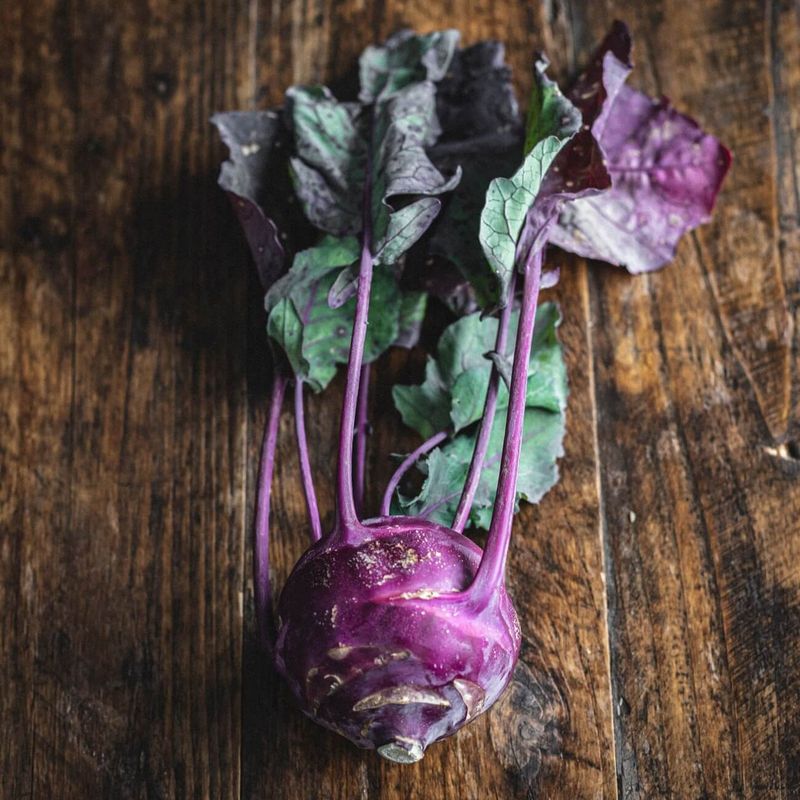
Purple kohlrabi is a unique member of the cabbage family, known for its bulbous stem and vibrant purple color. This vegetable offers a crisp texture and a mildly sweet taste, reminiscent of a cross between cabbage and broccoli. It’s versatile in the kitchen, perfect for salads, slaws, or roasting. Rich in vitamins C and fiber, purple kohlrabi adds both nutrition and visual appeal to your meals. Fun fact: The name “kohlrabi” comes from the German words for cabbage (kohl) and turnip (rabi), hinting at its unique flavor profile.
14. Purple Radish
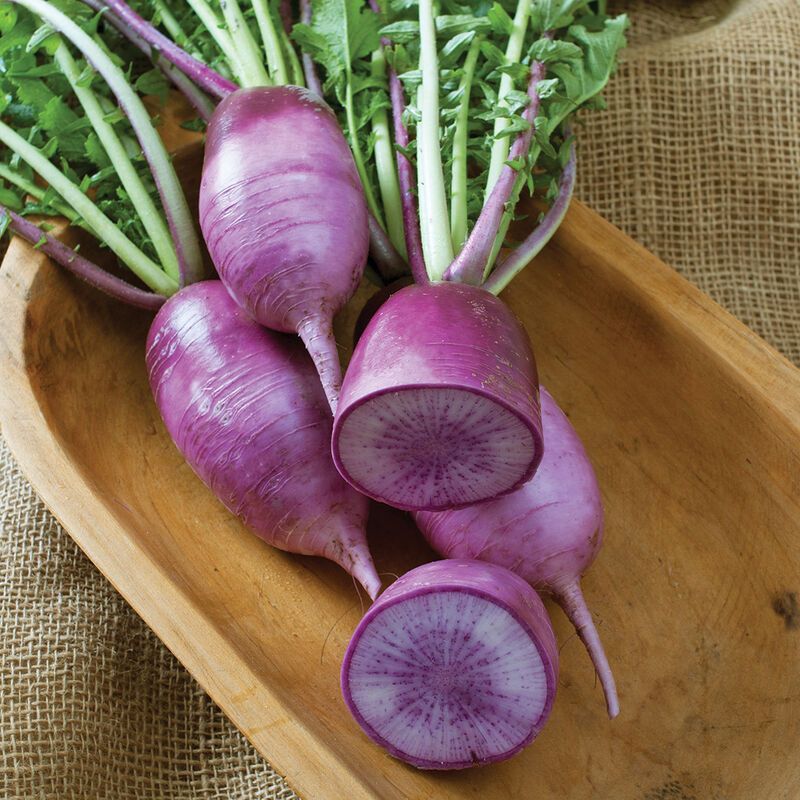
Purple radishes are a colorful twist on the classic red variety. With their vibrant purple skin and crisp white flesh, they offer a pleasing crunch and peppery flavor. These radishes are perfect for salads, pickling, or as a garnish to add a pop of color. They are rich in vitamin C and other antioxidants, providing both health benefits and visual appeal. The striking color of purple radishes makes them a favorite for chefs and home gardeners alike. Try them thinly sliced in salads for a spicy, colorful addition.
15. Purple Broccoli
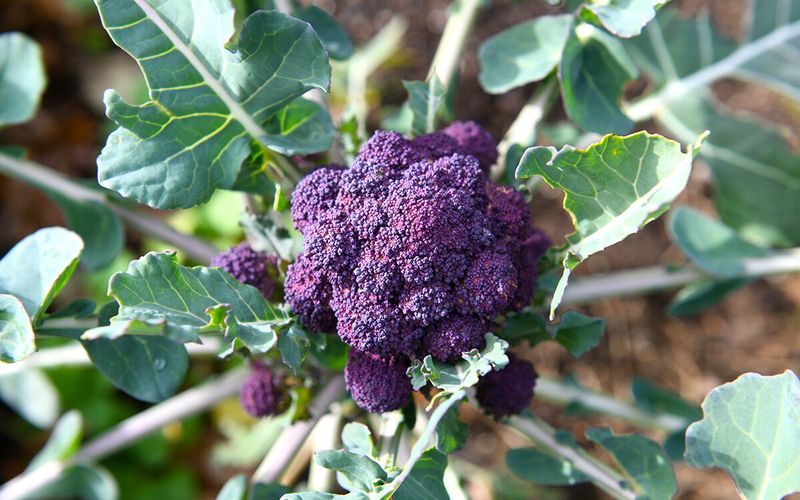
Purple broccoli is a delightful variation of the traditional green broccoli. Known for its stunning purple florets, this vegetable is both beautiful and nutritious. It offers a mild, slightly earthy flavor and is rich in vitamins C and K, as well as fiber and antioxidants. Purple broccoli can be enjoyed raw, steamed, or roasted, adding a splash of color to any dish. Fun fact: The purple pigment comes from anthocyanins, which may help protect against certain diseases.
16. Purple Yam
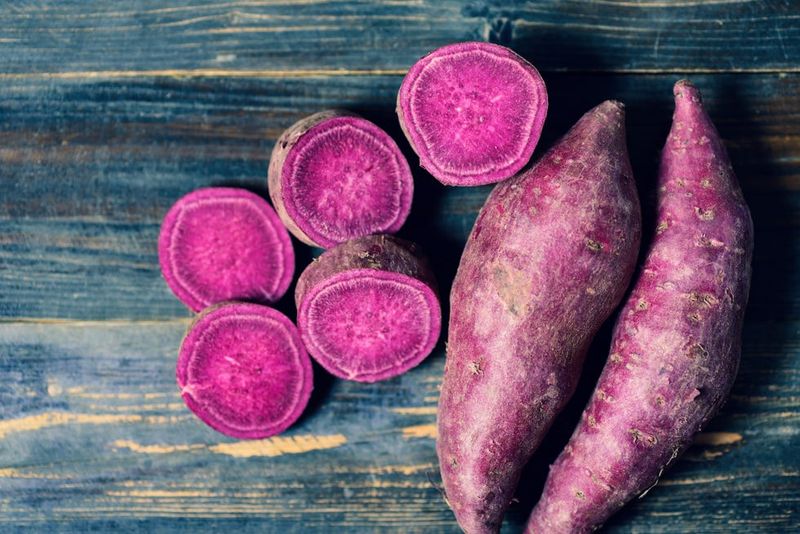
Purple yams, also known as ube, are a starchy root vegetable celebrated for their vivid purple color and sweet, nutty flavor. Native to Southeast Asia, they are a staple in Filipino cuisine, particularly in desserts. Purple yams are rich in vitamins, fiber, and antioxidants, making them a nutritious and visually appealing ingredient. They can be boiled, mashed, or baked, and are often used in cakes, ice creams, and other sweet treats. The vibrant hue of purple yams adds an exotic touch to any dish.
17. Purple Corn
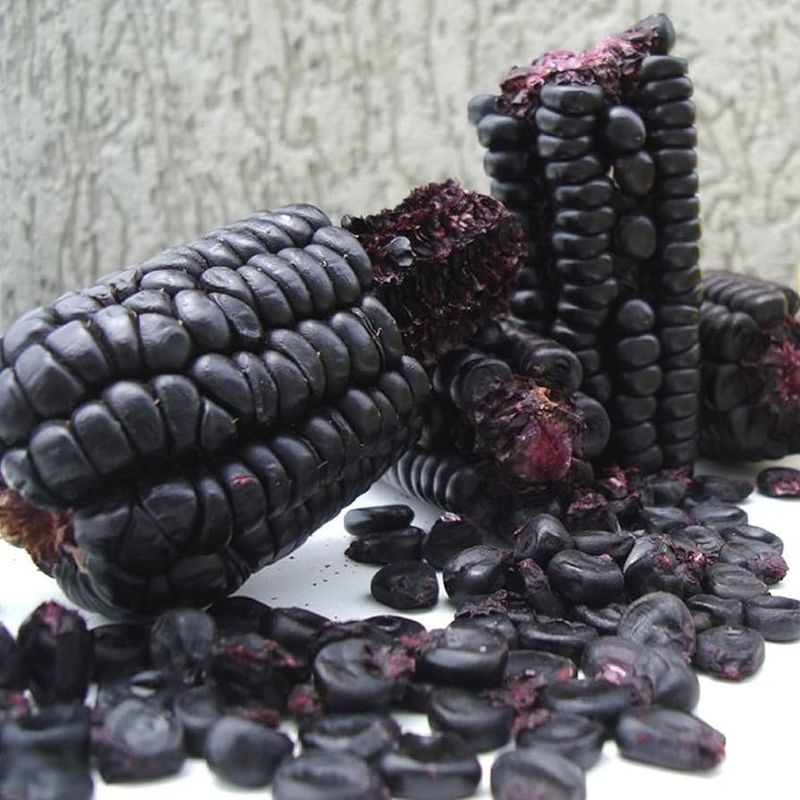
Purple corn is an ancient grain with a rich history, dating back to the Indigenous people of the Andes. Its deep purple kernels are packed with antioxidants, particularly anthocyanins, which contribute to its vibrant color. Purple corn is not only visually striking but also offers a sweet, nutty flavor. It can be used in a variety of dishes, from tortillas to beverages. Known for its health benefits, purple corn is gaining popularity as a superfood ingredient. Discover the rich flavors and colors of this unique grain.
18. Purple Artichoke
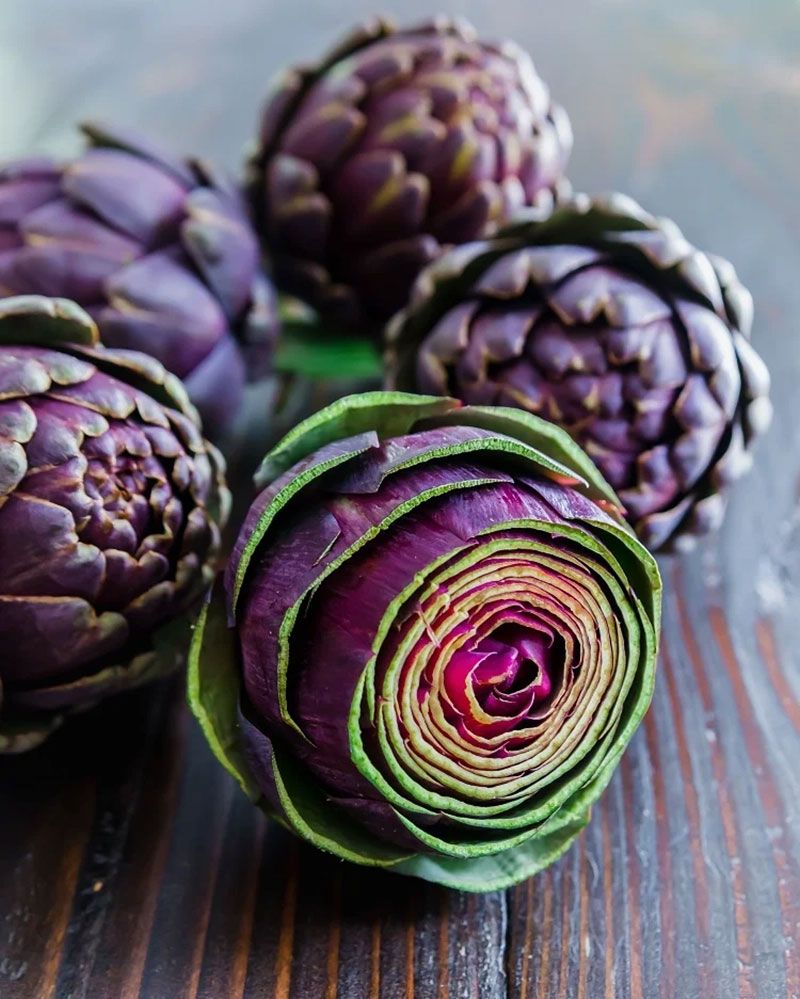
Purple artichokes are a gourmet delight, known for their tender, flavorful leaves and striking color. These artichokes are not only tasty but also packed with nutrients, including fiber, vitamin C, and antioxidants. With their slightly nutty and sweet flavor, they can be enjoyed steamed, grilled, or stuffed. The vibrant color remains even after cooking, adding a pop of elegance to any dish. Fun fact: Artichokes were considered a delicacy in ancient Rome, enjoyed by emperors and served at lavish feasts.
19. Purple Sweet Potato
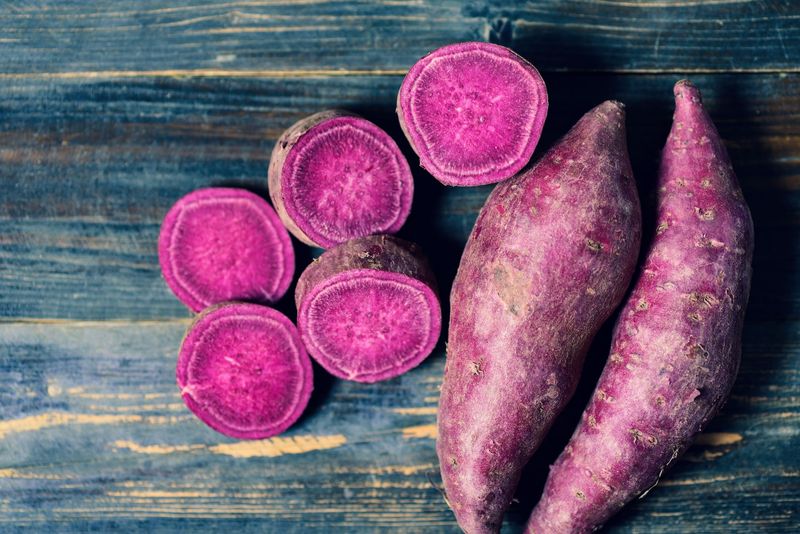
Purple sweet potatoes are a stunning and nutritious addition to any meal. With their deep purple flesh and sweet, earthy flavor, they offer a unique twist on the classic sweet potato. Rich in antioxidants, fiber, and vitamins, purple sweet potatoes are a healthy choice. They can be baked, roasted, or mashed, adding both color and nutrition to your dishes. Originating from South America, they have become a popular ingredient worldwide, celebrated for their health benefits and eye-catching appearance.
20. Purple Turnip
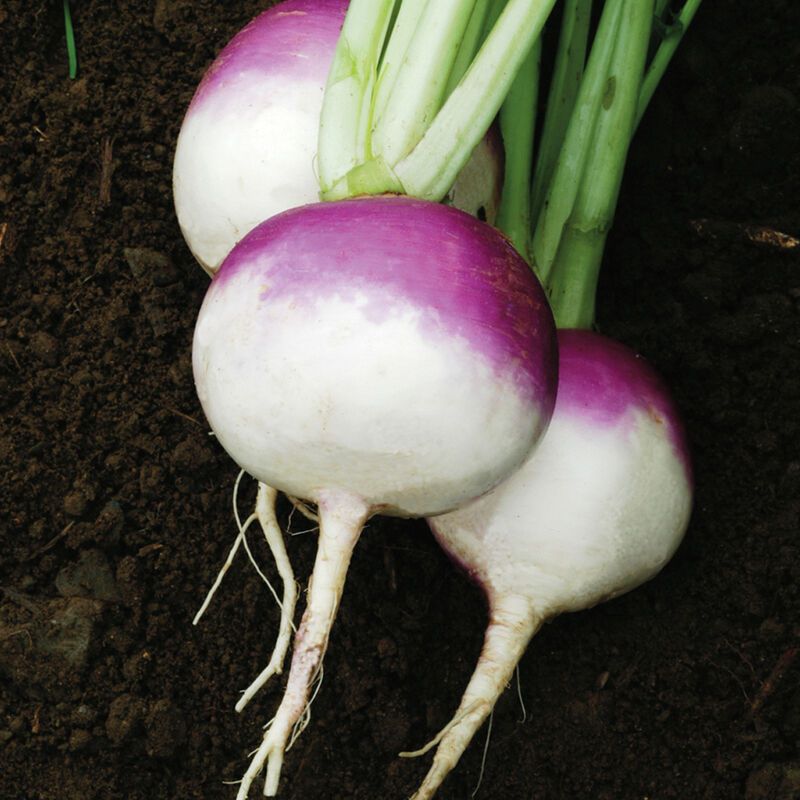
Purple turnips are a colorful and nutritious root vegetable. With their vibrant purple tops and crisp white flesh, they offer a mild, sweet flavor. Rich in vitamins, minerals, and antioxidants, purple turnips are a healthy addition to any diet. They can be enjoyed raw, roasted, or mashed, offering versatility in the kitchen. The striking color of purple turnips makes them a favorite for farmers’ markets and home gardens alike. Try them in soups or stews for added flavor and nutrition.
21. Purple Peas
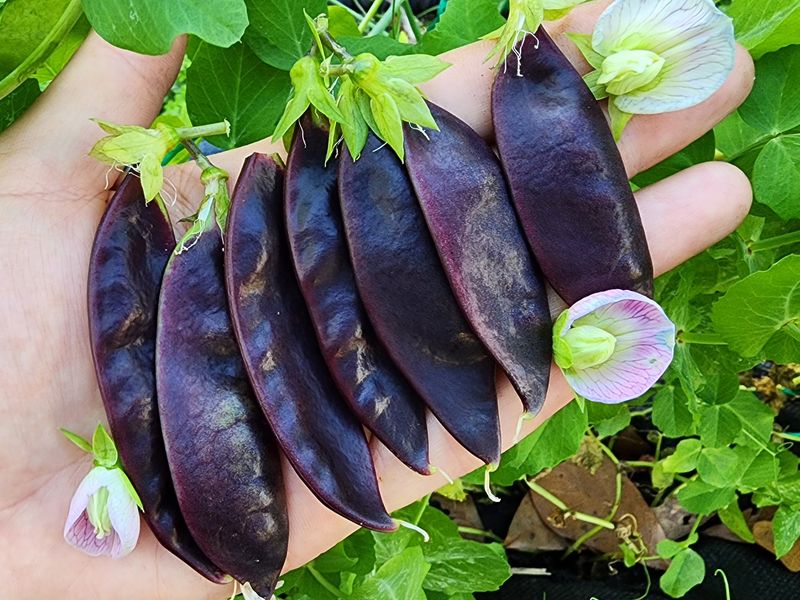
Purple peas are a delightful variation of the traditional green pea. With their striking purple pods and sweet, tender peas inside, they offer both visual appeal and flavor. Rich in vitamins, fiber, and antioxidants, purple peas are a nutritious choice. They can be enjoyed raw in salads or cooked in a variety of dishes. The unique color of the pods adds a whimsical touch to any meal. Fun fact: Unlike the pods, the peas inside remain green, providing a colorful contrast when served.
22. Purple Lettuce
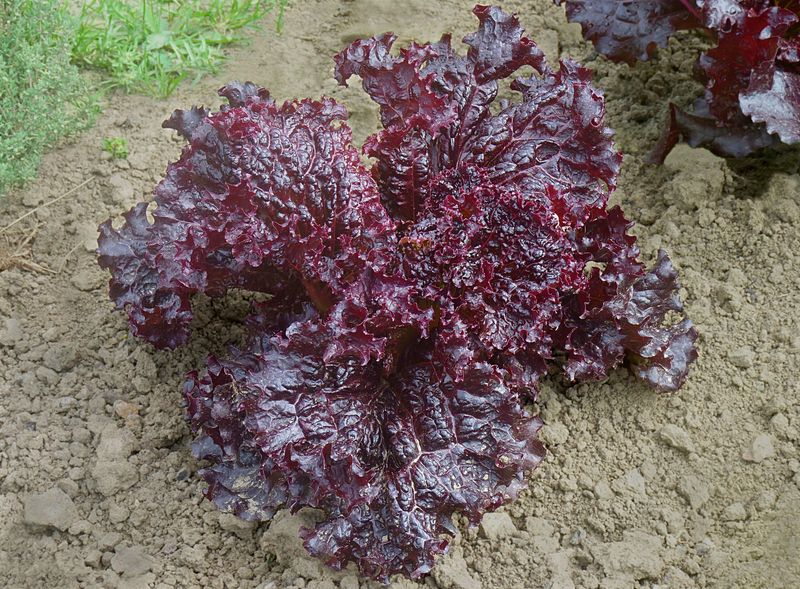
Purple lettuce is a visually striking and flavorful addition to salads. With its deep purple leaves and crisp texture, it offers a mild, slightly bitter taste. This lettuce variety is rich in antioxidants, vitamins, and minerals, making it a healthy choice. Perfect for adding color to salads, sandwiches, or wraps, purple lettuce is both nutritious and eye-catching. The vibrant color of purple lettuce makes it a favorite for culinary presentations, elevating the look of any dish.
23. Purple Swiss Chard
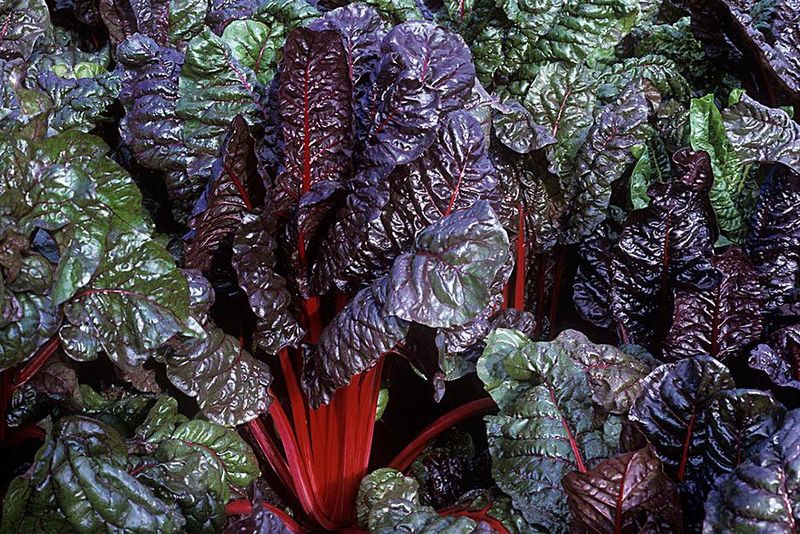
Purple Swiss chard is a stunning leafy green with colorful stalks and deep purple leaves. Known for its slightly earthy and bitter flavor, it offers a unique twist on the classic Swiss chard. Rich in vitamins A, C, and K, as well as minerals and antioxidants, it’s a nutritious addition to any meal. Enjoy it sautéed, steamed, or raw in salads for a burst of color and flavor. The vibrant pigmentation of purple Swiss chard makes it a favorite for gardeners and chefs alike.
24. Purple Mustard Greens
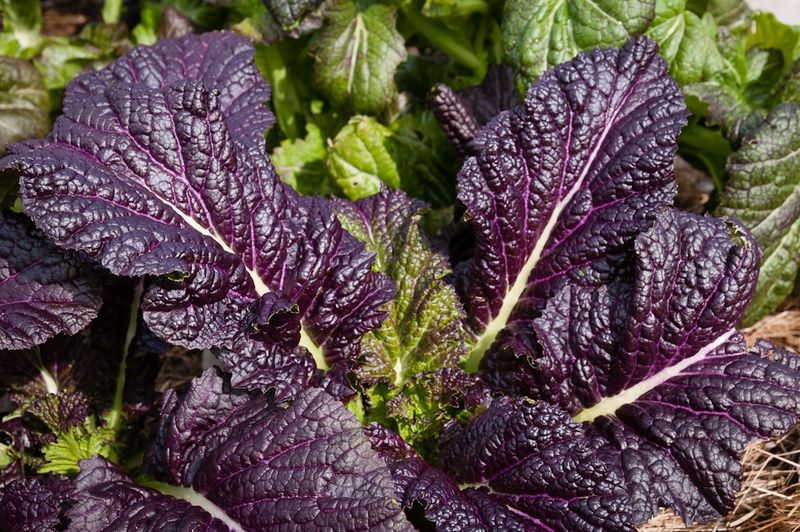
Purple mustard greens are a bold and flavorful addition to your culinary repertoire. With their striking purple leaves and peppery taste, they bring a burst of flavor to any dish. Rich in vitamins and minerals, these greens are a nutritious choice. They can be enjoyed raw in salads, sautéed, or added to stir-fries for a spicy kick. The vibrant color of purple mustard greens makes them a standout in any garden or market display. Try them for an adventurous twist on your usual greens.
25. Purple Zucchini
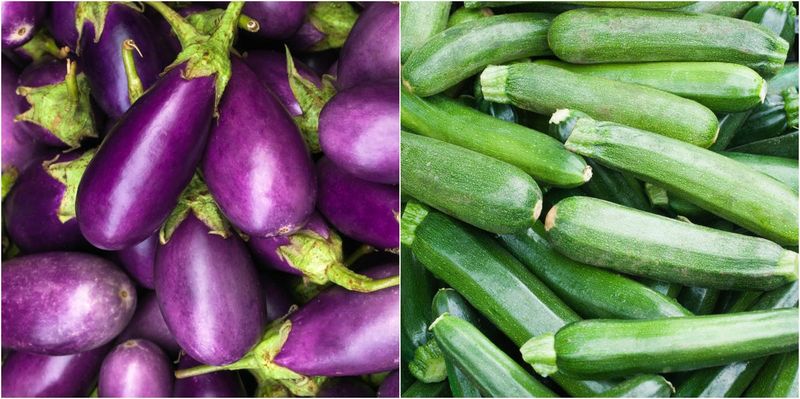
Purple zucchini is a unique and colorful twist on the classic summer squash. With its glossy purple skin and tender flesh, it offers a mild and slightly sweet flavor. This vibrant vegetable is rich in vitamins A and C, as well as fiber, making it a healthy addition to any meal. Enjoy it grilled, sautéed, or spiralized into noodles for a nutritious and eye-catching dish. The striking color of purple zucchini makes it a favorite for gardeners looking to add variety to their harvest.