
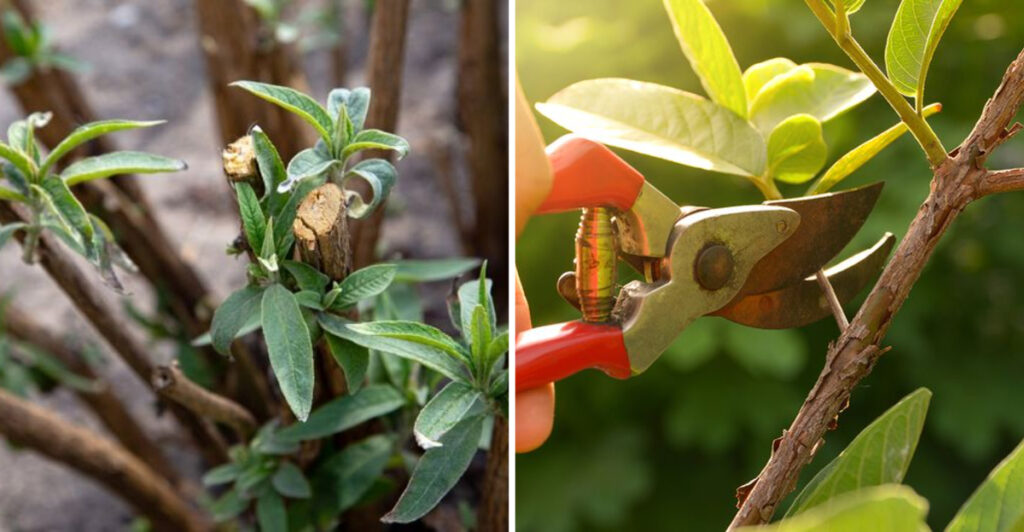
Pruning a butterfly bush in spring is essential for healthy growth and abundant blooms. However, common mistakes can hinder the plant’s potential. Avoid these pitfalls to ensure your butterfly bush thrives.
Pruning Too Early
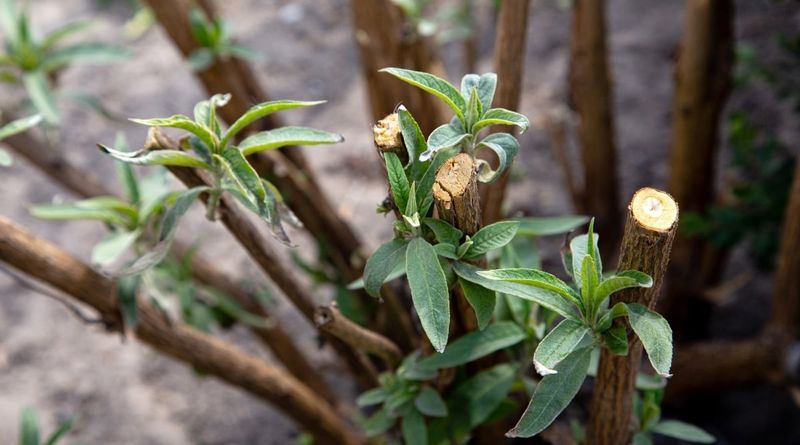
Pruning too early can be a common misstep. As winter’s chill recedes, the urge to tidy up the garden can be strong. Resist this temptation. Butterfly bushes need time to awaken from their dormancy. Trimming them too soon might expose them to late frosts, causing damage.
Wait until new growth appears. This signals that the plant is ready for renewal. If you cut them back prematurely, you risk harming their delicate new buds. Instead, let nature dictate the timing.
Patience ensures a healthy start to the growing season, rewarding you with vibrant, full blooms later.
Cutting Too Much
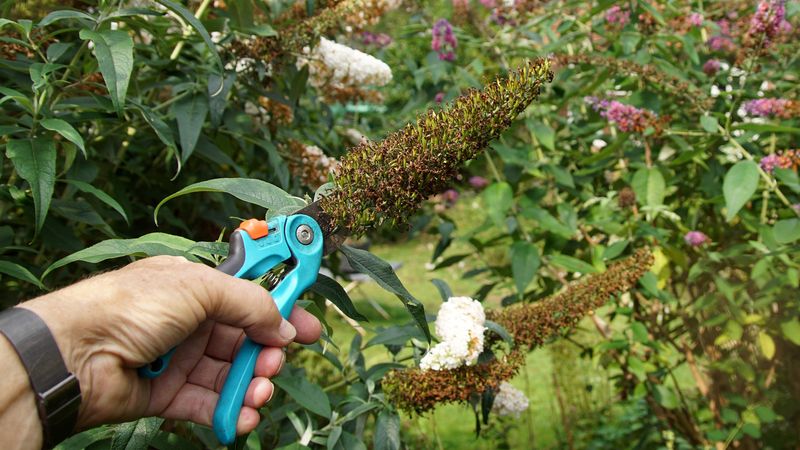
A heavy hand can lead to over-pruning, a mistake that many gardeners regret. The butterfly bush, while resilient, needs some foliage for photosynthesis.
Removing too much can weaken the plant and reduce flowering. Approach pruning with caution. Leave some of last year’s growth intact to support the plant’s energy needs.
This balance allows the bush to thrive, ensuring it has enough resources for a robust blooming season. Thoughtful pruning encourages not only beauty but also longevity in your garden, providing a habitat that butterflies find irresistible.
Ignoring Deadwood
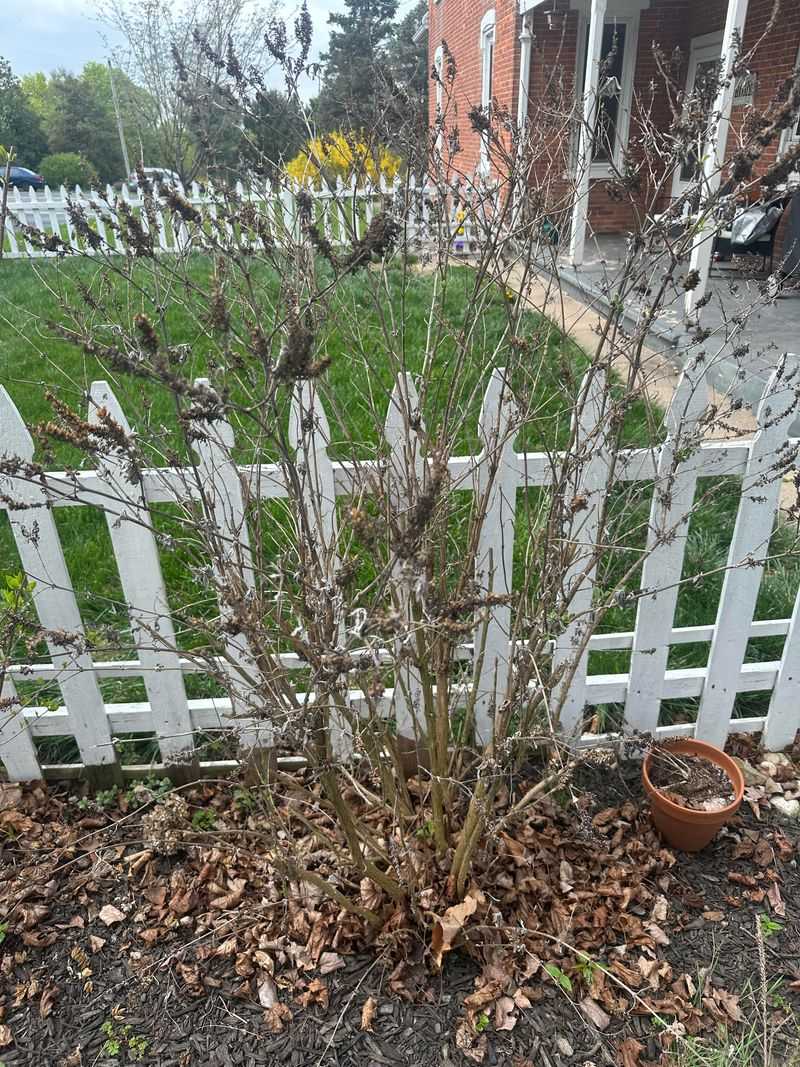
Neglecting deadwood can hinder the health of your butterfly bush. These dead branches not only look unsightly but also compete for nutrients.
In spring, take the time to identify and remove any lifeless wood. Deadwood does not contribute to the plant’s growth and can even harbor diseases.
Clearing away these remnants ensures that your butterfly bush directs its energy towards new, healthy growth. This practice promotes a cleaner, more vibrant plant, ready to attract butterflies with its nectar-rich flowers. Regular maintenance is key to a thriving garden.
Pruning in Wet Conditions
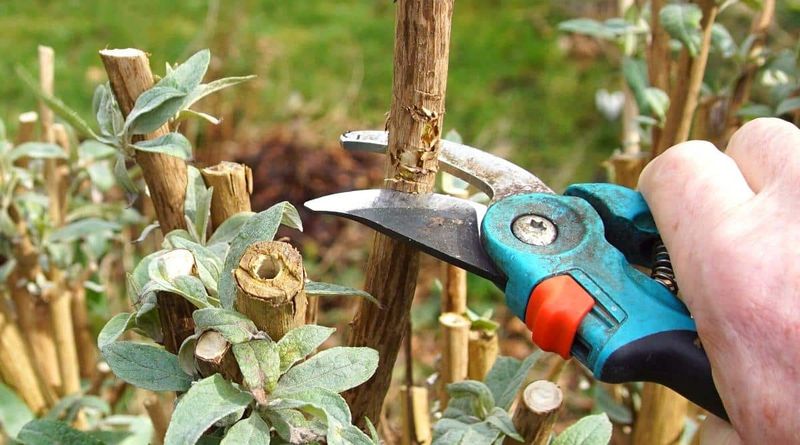
Rainy days might seem like a good time to garden, but pruning in wet conditions is a misstep. Moisture can lead to fungal infections, which compromise the health of the butterfly bush.
Always choose a dry day for pruning. This minimizes the risk of spreading disease. Additionally, wet branches can be slippery, making precision cuts difficult.
Select a sunny, dry day to carry out this task, ensuring your plant stays healthy and resilient. Proper timing contributes to the overall well-being of your garden, helping your butterfly bush flourish.
Improper Tool Use
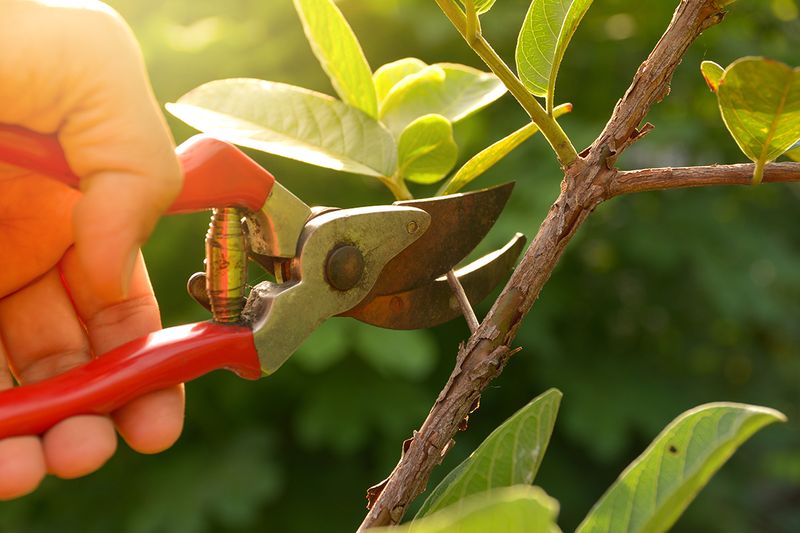
Using the wrong tools can be detrimental. Dull shears make ragged cuts, leaving the butterfly bush vulnerable to disease. It’s essential to keep your pruning tools sharp and clean.
Sharp blades ensure clean cuts, promoting quick healing. Choose tools appropriate for the task, whether trimming thick stems or delicate new shoots.
Properly maintained equipment is vital for effective pruning. It not only enhances the plant’s health but also makes the task more efficient and enjoyable. Invest time in tool care to safeguard your garden’s beauty and vitality.
Pruning at the Wrong Time of Day
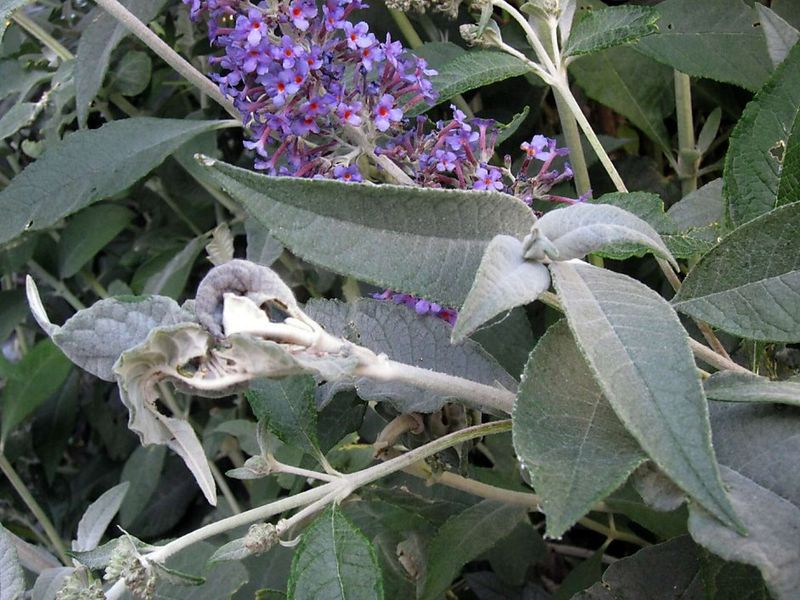
Timing is everything when pruning. Early morning is ideal, as plants are well-hydrated and the sun hasn’t begun to stress the leaves. Pruning in the heat of the day can cause unnecessary stress to the plant, leading to wilting and shock.
Try pruning when temperatures are cooler to maintain the plant’s vitality. The cooler climate helps the bush recover quickly, promoting robust growth.
Additionally, early morning pruning allows for the cut ends to seal before nighttime. This minimizes disease risk, keeping your butterfly bush healthy and flourishing.
Ignoring Plant Health
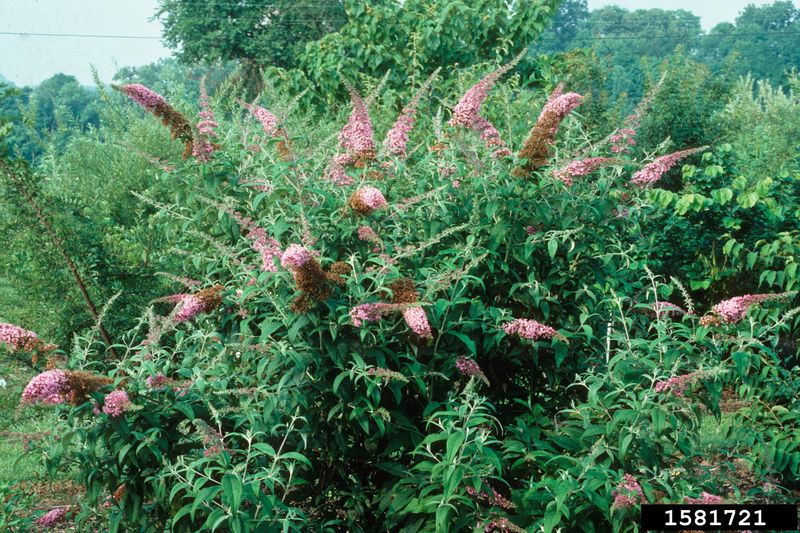
Healthy plants respond better to pruning, so always assess your butterfly bush’s condition first. Look for signs of disease or pest infestation, such as yellowing leaves or unusual spots.
Address any health issues before pruning to prevent spreading disease throughout the plant. A healthy bush will thrive after pruning, rewarding you with abundant flowers.
Neglecting these health checks may lead to further decline, making it harder for the bush to recover and flourish after pruning.
Overlooking Soil Conditions
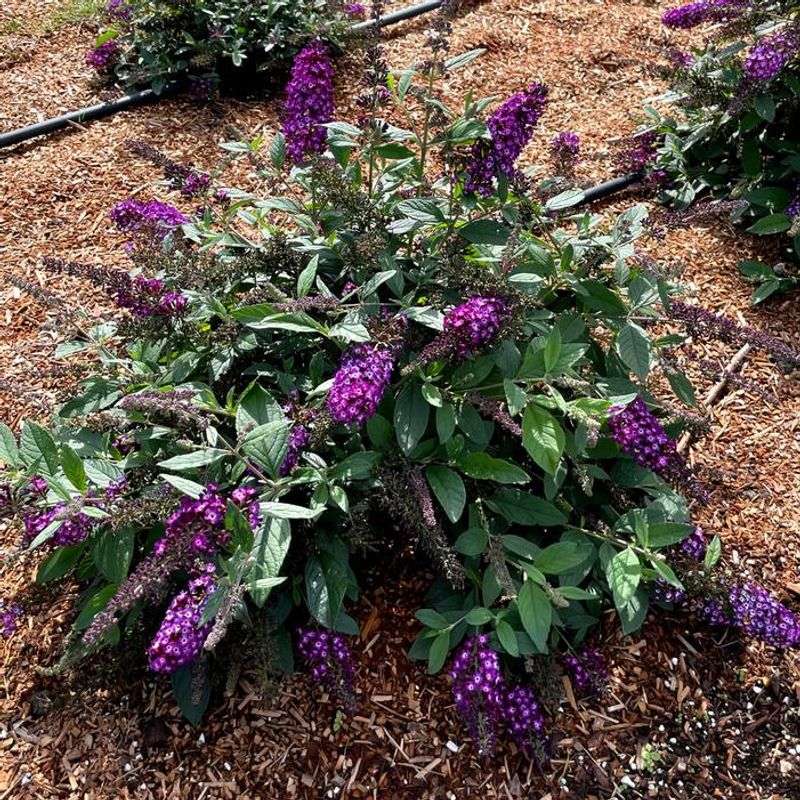
Soil plays a crucial role in how well your butterfly bush recovers from pruning. Ensure it’s well-drained and rich in nutrients. Poor soil conditions can stress the plant, making it difficult to bounce back.
Check for compacted soil or inadequate drainage, as these issues can be addressed prior to pruning. Enhancing soil quality supports strong root systems.
Healthy roots lead to vigorous growth, helping your butterfly bush flourish post-pruning. Regular soil maintenance is key to long-term plant health.
Failing to Clean Tools
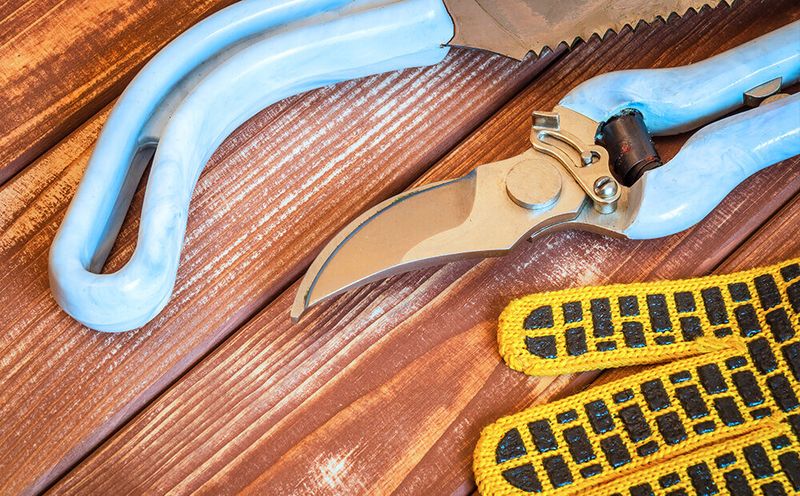
Dirty tools can spread disease between plants, making clean tools essential for healthy pruning. Before starting, disinfect your tools to prevent contamination.
Tools should be cleaned regularly, as rust and residue can damage plant tissues. Sharp, clean blades provide precise cuts, reducing stress on the bush.
Maintaining tool hygiene is a simple yet effective way to support plant health and ensure a successful pruning session. It protects your butterfly bush from unnecessary harm.
Neglecting Deadheading
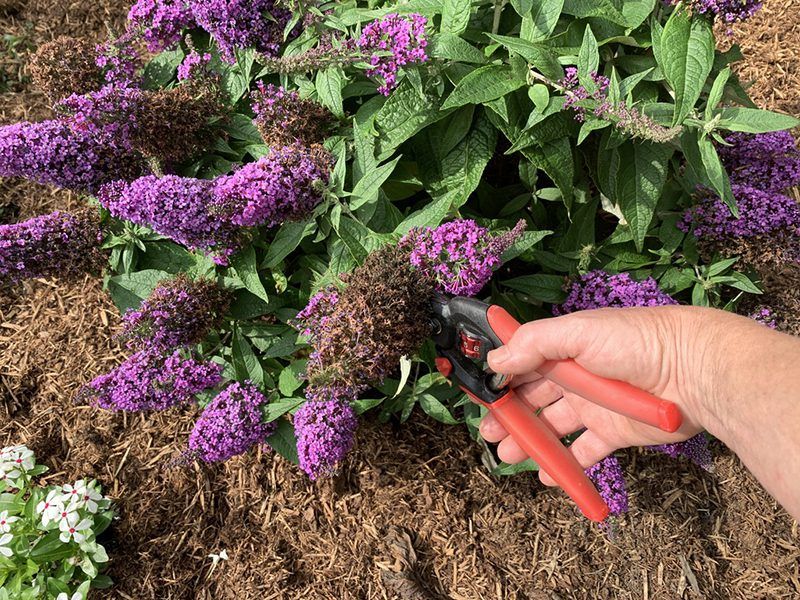
Removing spent blooms, or deadheading, encourages new growth and prolongs the flowering season. Many gardeners overlook this simple step, missing out on a fuller display of blooms.
Deadheading redirects energy to producing fresh flowers instead of seeds, enhancing the bush’s appearance. Regular attention to this task keeps your butterfly bush vibrant.
Incorporating deadheading into your routine ensures a continuous display of beautiful, fragrant flowers throughout the season.
Improper Mulching
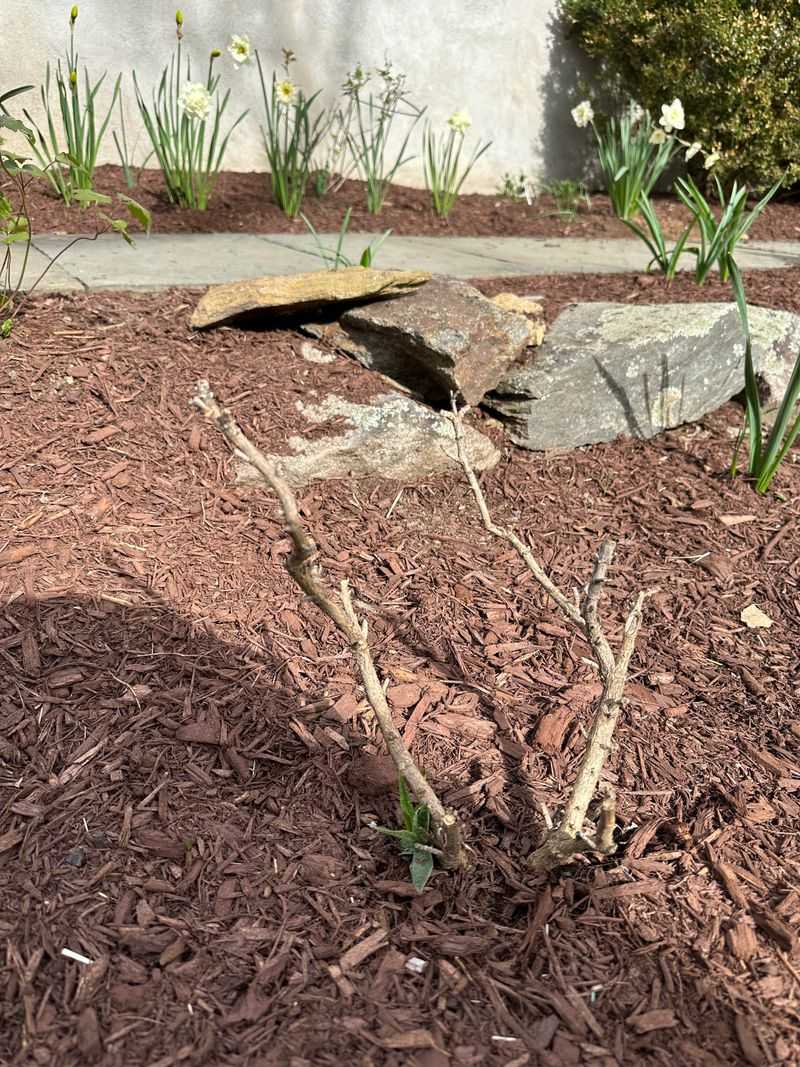
Mulching helps retain moisture and suppress weeds, but improper application can harm your butterfly bush. Use organic mulch and apply a thin layer, avoiding direct contact with the stem.
Too much mulch can suffocate the plant, while too little fails to conserve moisture. Aim for a balanced approach to protect the roots and retain essential moisture.
Regularly check the mulch level to ensure it remains effective, fostering a healthy environment for your butterfly bush.
Ignoring Plant Shape
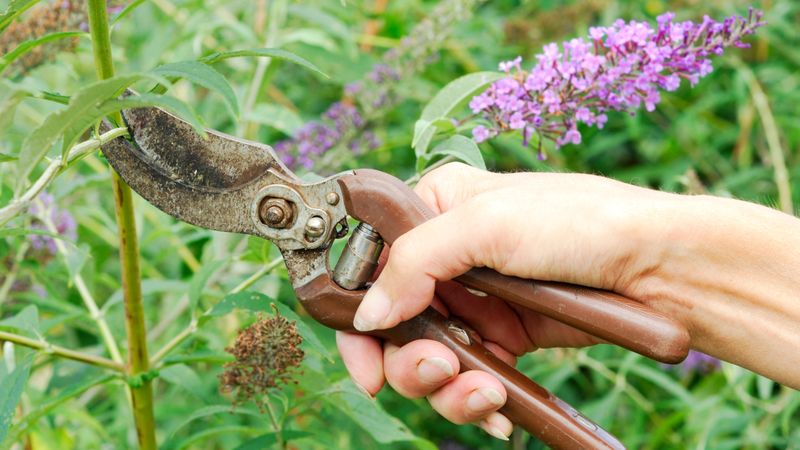
Shaping your butterfly bush not only enhances its appearance but also promotes healthy growth. Ignoring its natural shape can lead to uneven growth and a less visually appealing plant.
Prune with the plant’s structure in mind, encouraging a balanced form that supports flower production. A well-shaped bush maximizes sunlight exposure and airflow.
Paying attention to the plant’s natural lines preserves its beauty, ensuring it remains a centerpiece in your garden.
Pruning Without a Plan
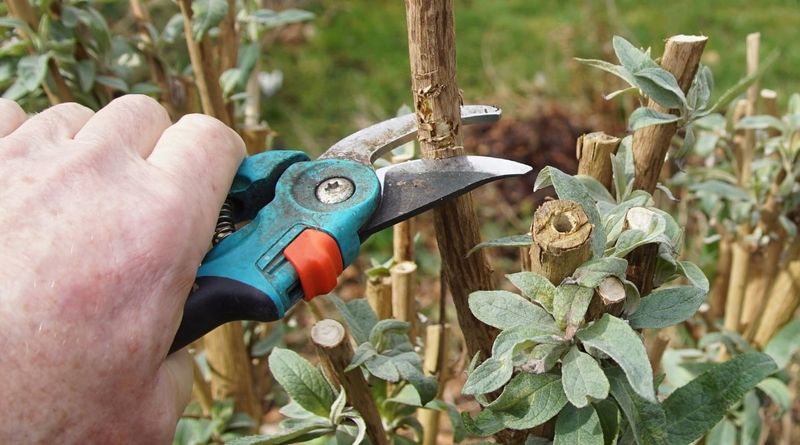
Approach pruning with a clear plan to avoid haphazard cuts that can damage your butterfly bush. Consider the bush’s current shape and the desired outcome.
A strategic plan ensures you make thoughtful cuts that enhance the plant’s appearance and health. Mapping out your approach prevents over-pruning and supports the bush’s natural growth.
Taking the time to plan leads to a more successful pruning session, fostering a robust and beautiful butterfly bush.
Not Considering Future Growth

Pruning should accommodate future growth, allowing for the plant’s expansion and development. Consider the size and space the bush will need as it grows.
Anticipating future growth helps prevent overcrowding and ensures the bush has room to thrive. This foresight supports a healthier, more robust plant.
By planning for future growth, you encourage a flourishing butterfly bush that continues to delight season after season.
Over-Complicating Pruning Techniques
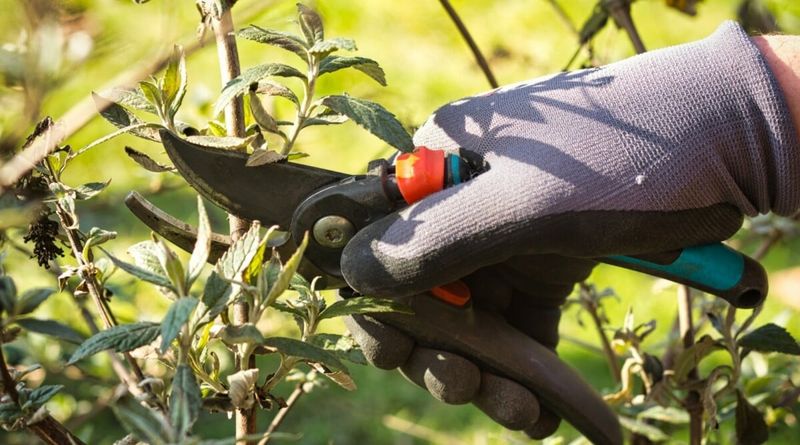
Pruning doesn’t need to be complex. Stick to basic techniques that promote health and beauty without over-complicating the process.
Focus on removing dead or damaged branches and shaping the plant naturally. Simplicity often yields the best results, keeping the plant stress-free.
Avoid intricate methods that can confuse and lead to mistakes. Embrace straightforward techniques to maintain a vibrant butterfly bush.
Ignoring the Weather Forecast
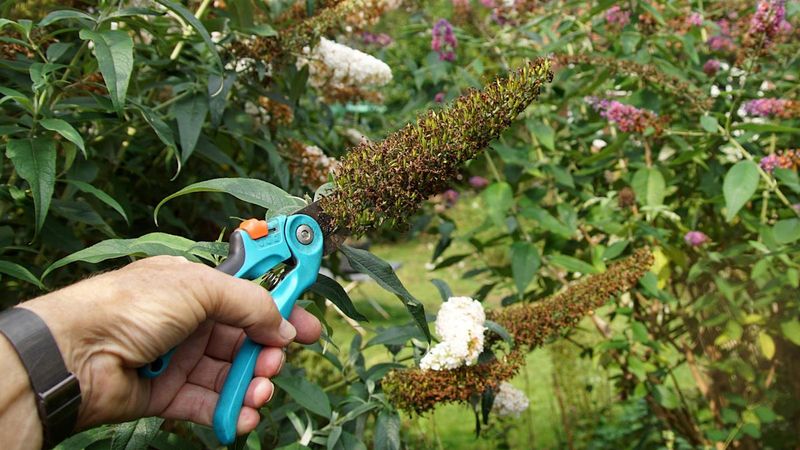
Weather conditions can significantly impact pruning success. Always check the forecast before grabbing your shears.
Avoid pruning before or during extreme weather, such as heavy rain or frost. These conditions can damage the plant and hinder recovery.
Choosing the right weather ensures a smoother recovery, helping your butterfly bush thrive after pruning. Stay mindful of the forecast to protect your plant.
Forgetting to Fertilize
Fertilizing after pruning provides essential nutrients for recovery and growth. Neglecting this step can stunt your butterfly bush’s development.
Choose a balanced fertilizer to boost the plant’s vitality and enhance its flowering potential. Proper fertilization encourages lush, colorful blooms.
Regular feeding keeps the bush healthy and able to withstand future pruning. Incorporate fertilizing into your routine for continuous growth and beauty.