
Discover a selection of 17 shrubs that not only beautify your garden but also provide safe and nutritious berries for wildlife. These shrubs are essential for supporting birds, mammals, and insects, offering them a reliable food source. Each description highlights the unique characteristics and benefits of these shrubs, ensuring your garden becomes a haven for local wildlife.
1. Elderberry (Sambucus nigra)
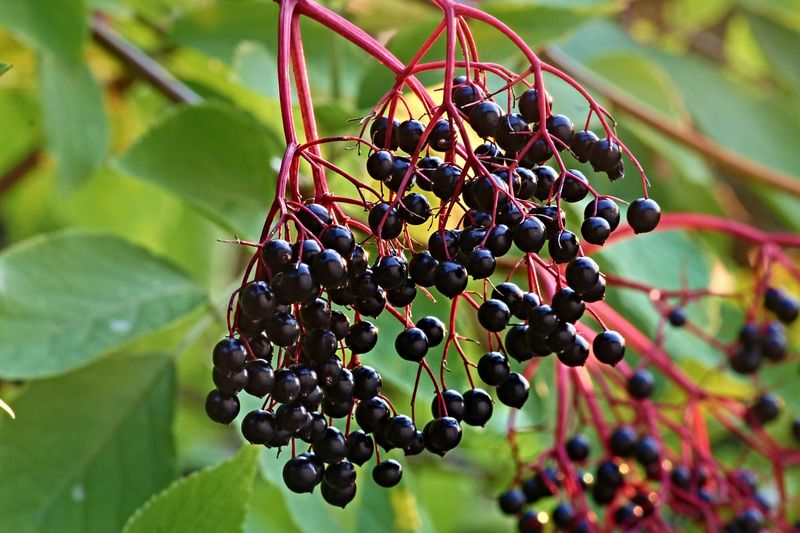
Elderberry, known for its rich history, produces clusters of deep purple berries. These berries are a favorite among birds and mammals alike. The shrub’s foliage and flowers provide additional habitat benefits. Its rapid growth makes it an excellent choice for hedgerows.
In folklore, elderberry was believed to ward off evil spirits, adding a touch of mystery to its charm. Perfect for moist, well-drained soils, it thrives in sunny spots, offering seasonal interest. With its multi-seasonal appeal, elderberry is more than just a berry-producer; it’s a wildlife sanctuary.
2. American Beautyberry (Callicarpa americana)
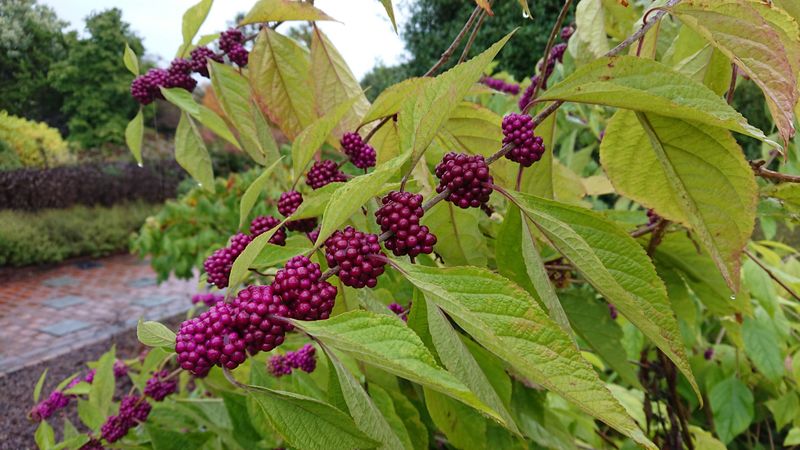
The American Beautyberry stands out with its vivid purple clusters of berries. These berries are not only visually appealing but also loved by birds and deer. The shrub offers a delightful splash of color to any garden.
Adaptable to various soil types, it thrives in partial shade to full sun. This shrub supports wildlife with both food and cover. Its beauty and versatility make it a favorite among gardeners looking to attract pollinators. The beautyberry’s ultimate allure lies in its vibrant fruiting display.
3. Winterberry (Ilex verticillata)
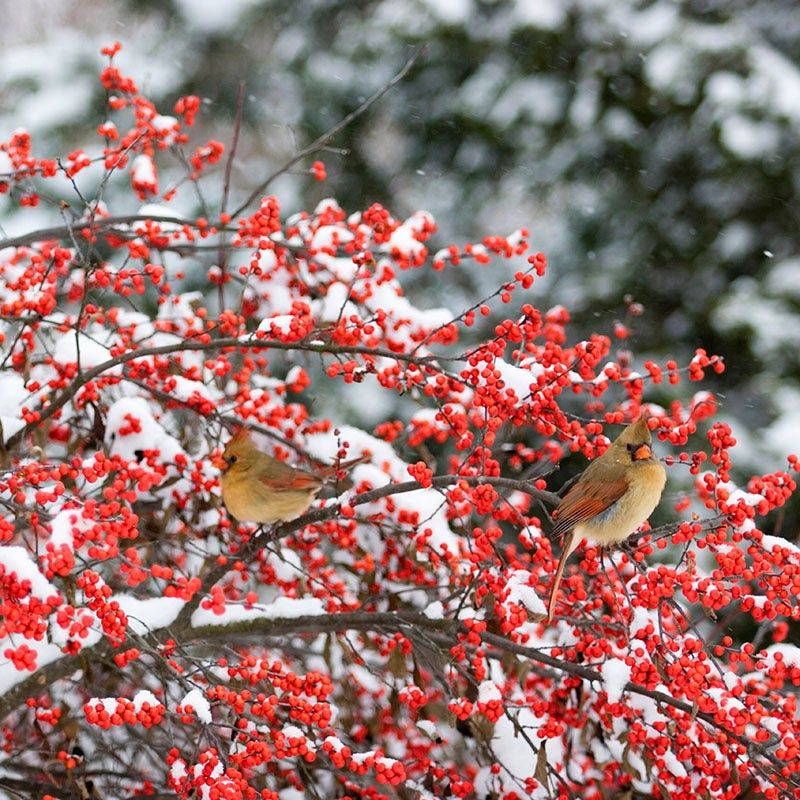
Winterberry, a deciduous holly, lights up the winter landscape with its bright red berries. These berries are a crucial food source for birds during colder months. The shrub’s bare branches adorned with berries create a striking winter silhouette.
Thriving in wet areas, it’s ideal for gardens needing winter interest. Winterberry requires a male and female plant for berry production. Its resilience and beauty make it a cherished plant for supporting wildlife through harsh seasons. Enjoy its bold color and ecological benefits in your garden.
4. Serviceberry (Amelanchier alnifolia)
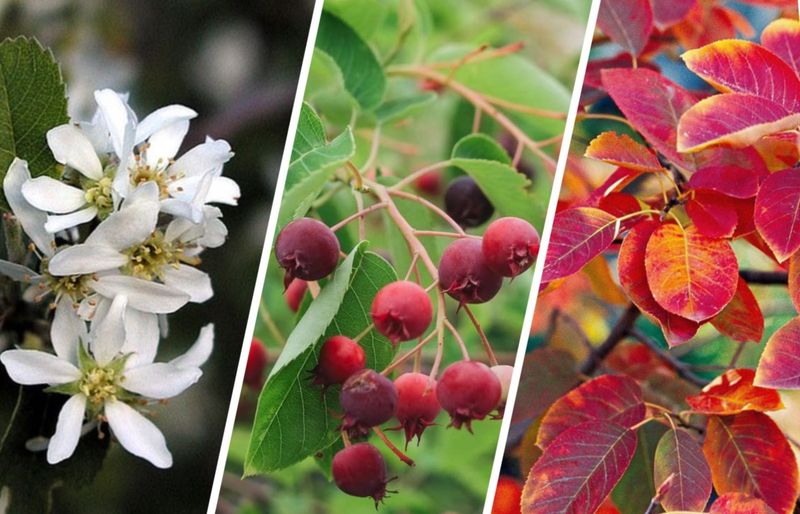
Serviceberry is celebrated for its seasonal transformation, from white spring blossoms to juicy summer berries. These sweet berries are relished by birds and even humans. The shrub’s aesthetic appeal is undeniable, with its autumn foliage adding warm hues.
Serviceberry serves as both a food source and a nesting site. Its adaptability to various conditions makes it a versatile choice for gardens. Often found in native landscaping, it plays a pivotal role in supporting ecosystems. Its beauty and utility make it a garden favorite.
5. Red Osier Dogwood (Cornus sericea)
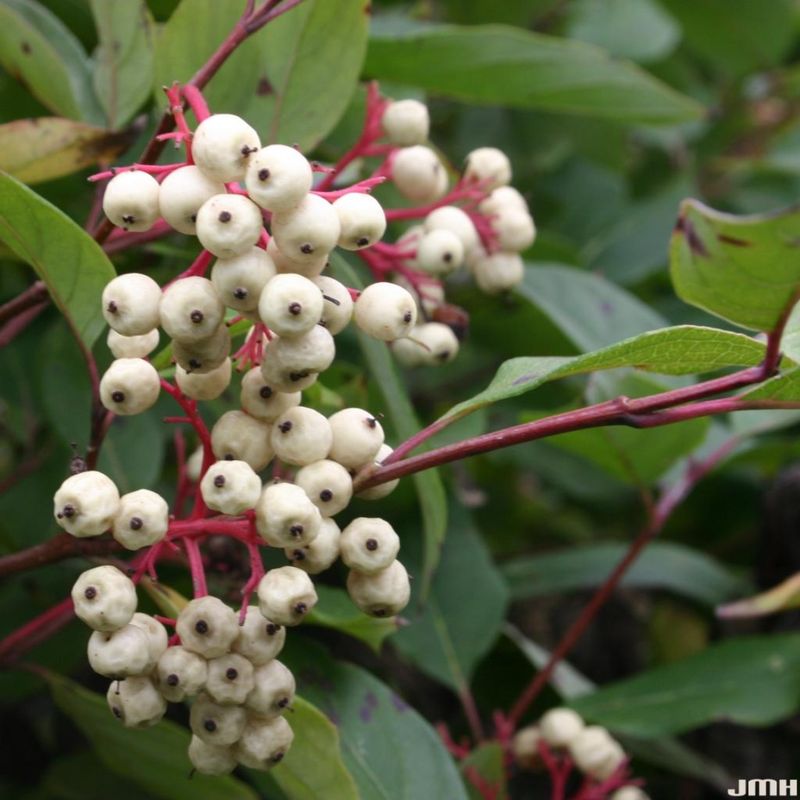
Red Osier Dogwood is notable for its vivid red stems that stand out in winter. The white berries are enjoyed by a variety of bird species. This shrub is a visual delight, especially when contrasted against snow.
Preferring wet soils, it’s perfect for rain gardens or water’s edge. Its stems provide nesting material, while its berries offer sustenance. Beyond its aesthetic appeal, it supports wildlife through diverse offerings. Its striking appearance and ecological benefits make it a must-have for nature enthusiasts.
6. Nannyberry (Viburnum lentago)
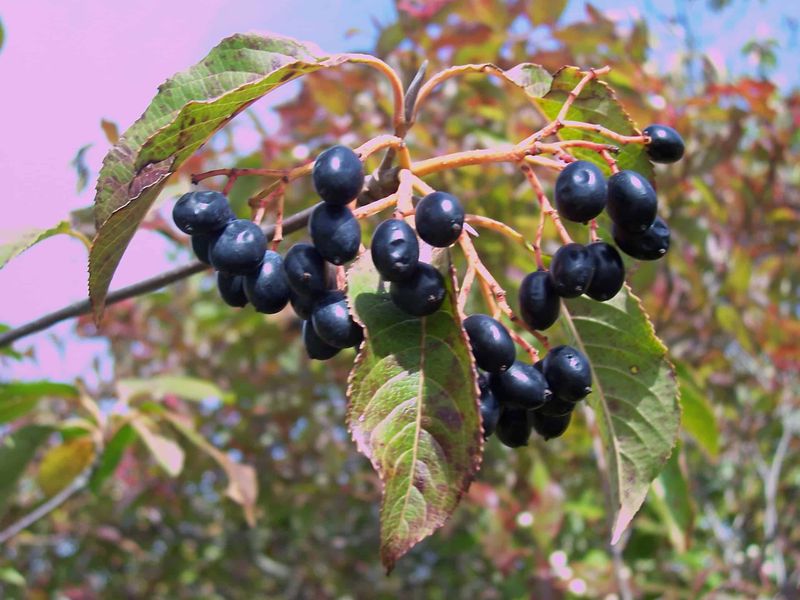
Nannyberry captivates with its clusters of blue-black berries. These berries serve as a vital food source for birds in fall and winter. The shrub’s glossy leaves and elegant form add visual interest to any landscape.
Tolerant of various soil types, it adapts to different garden settings. During spring, its white flowers attract pollinators, complementing its berry production. Nannyberry’s ability to thrive in sun or shade enhances its appeal. Its multi-season interest and ecological contributions make it a garden treasure.
7. Holly (Ilex aquifolium)
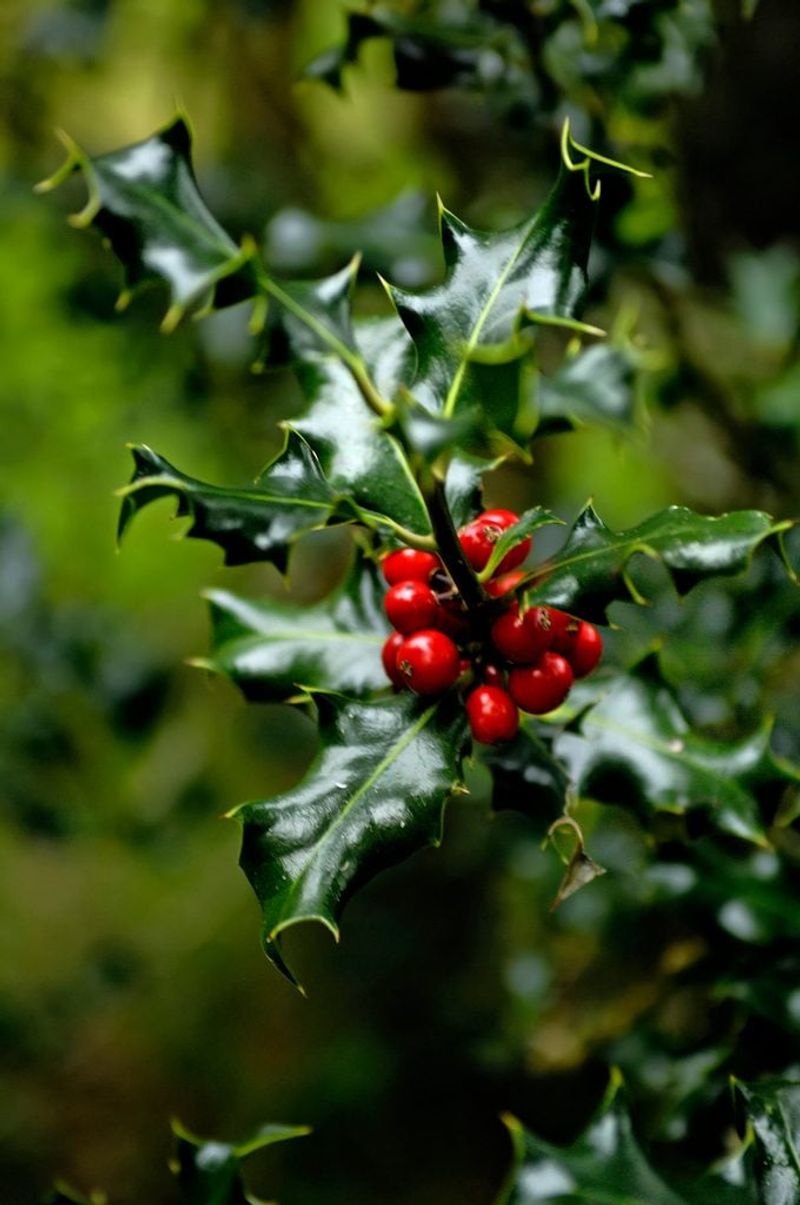
Holly, with its iconic red berries and spiky green leaves, is a garden classic. The berries provide essential nourishment for birds during winter. Its dense foliage offers excellent shelter and nesting sites.
A staple in holiday decorations, holly carries cultural significance. It thrives in well-drained soils and is tolerant of shade. Its year-round interest and wildlife support make it a dependable choice. Whether for its ornamental value or ecological benefits, holly remains a beloved shrub in gardens worldwide.
8. Arrowwood Viburnum (Viburnum dentatum)
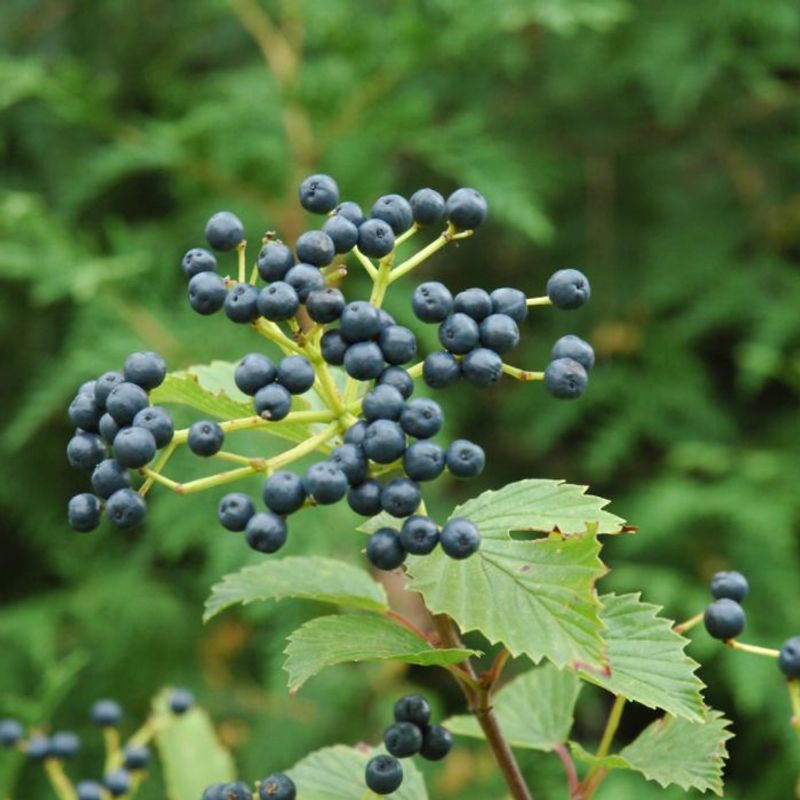
Arrowwood Viburnum is prized for its resilience and versatility. Its blue-black berries are a magnet for birds. This shrub’s glossy green leaves turn vibrant shades in autumn, adding seasonal charm.
Arrowwood thrives in a variety of soil conditions, making it adaptable to many garden environments. Its white spring flowers attract pollinators, enhancing its ecological role. Known for its durability, it withstands urban conditions. With its wildlife benefits and adaptability, it’s a valuable addition to any garden.
9. Chokeberry (Aronia melanocarpa)
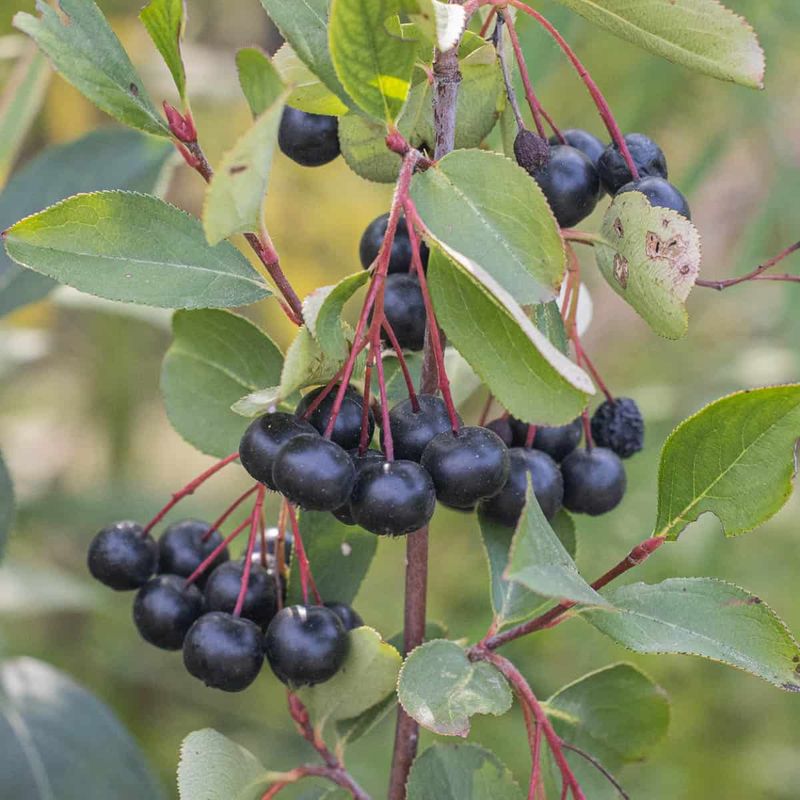
Chokeberry, despite its name, offers a bounty for wildlife with its black berries. These berries persist into winter, providing food for birds when other sources are scarce. Its red autumn foliage is a visual treat.
This hardy shrub adapts to various conditions, from wet to dry soils. In spring, its white flowers add an extra layer of beauty. Chokeberry’s resilience and seasonal beauty make it a versatile choice for gardeners. Its contribution to biodiversity is as notable as its aesthetic appeal.
10. Spicebush (Lindera benzoin)
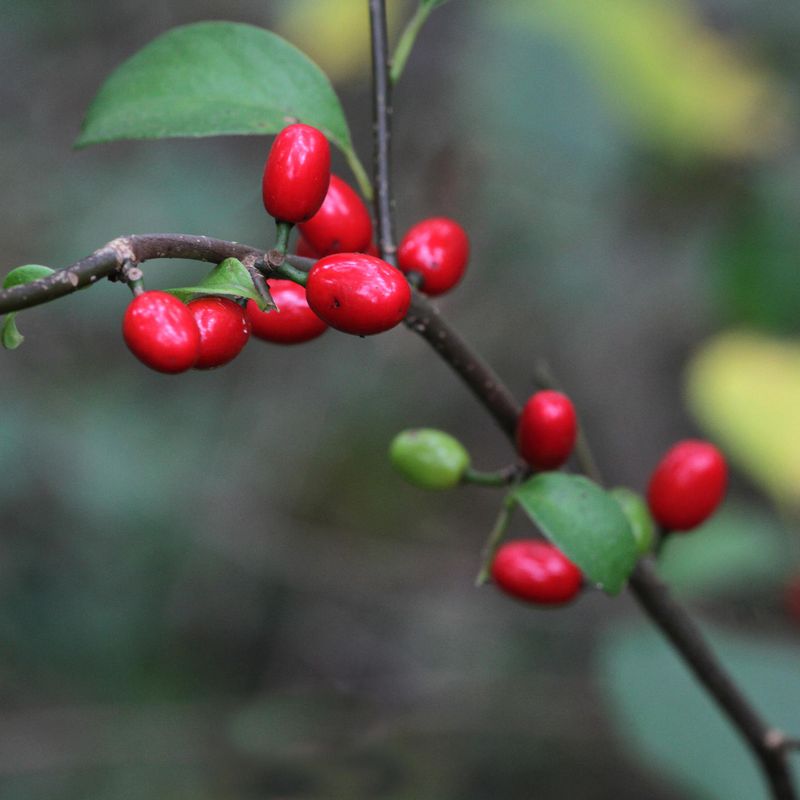
Spicebush enchants with its aromatic leaves and bright red berries. These berries are a preferred food source for many bird species. The shrub’s yellow spring flowers add early-season interest.
Thriving in woodland settings, it prefers moist, well-drained soils. Its distinctive aroma and vibrant berries enhance any landscape. Spicebush is not only a visual delight but also a vital ecological component. Its role in supporting wildlife is complemented by its ornamental value. A perfect choice for naturalized gardens.
11. Blackhaw Viburnum (Viburnum prunifolium)
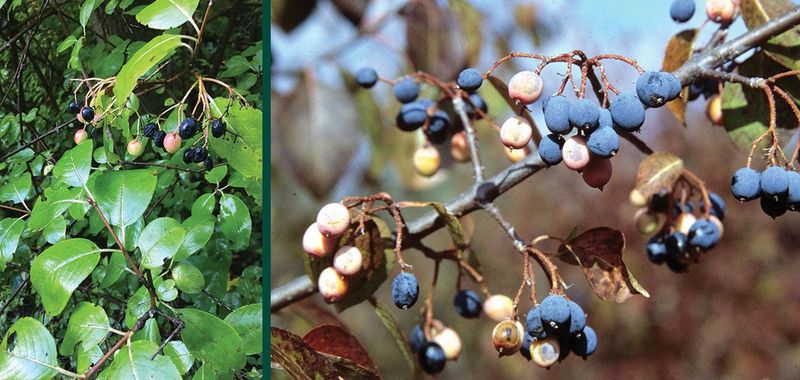
Blackhaw Viburnum impresses with its blue-black berries, a favorite among birds. Its spring blossoms give way to these nutritious fruits. The shrub’s rich green foliage adds depth to gardens.
Adaptable to different soils, it flourishes in sun or partial shade. Blackhaw’s durability and multi-season interest make it a garden staple. It supports a range of wildlife, from pollinators to birds. Its understated elegance and ecological benefits are unmatched. Ideal for those seeking a robust and attractive shrub.
12. Hawthorn (Crataegus monogyna)
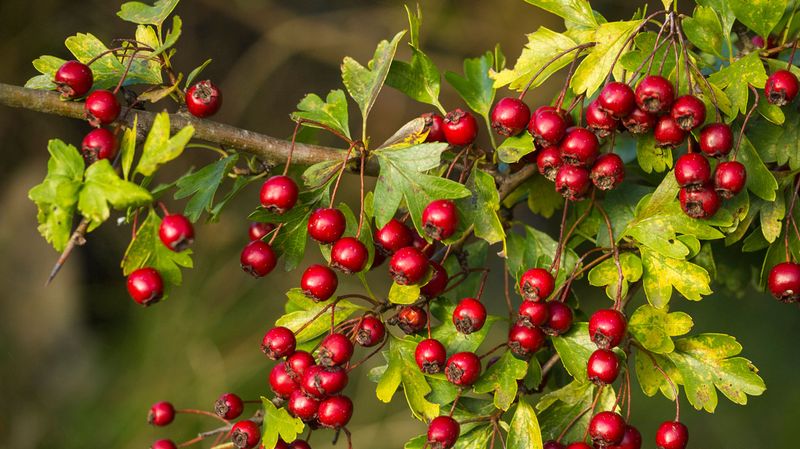
Hawthorn, with its thorny branches, produces clusters of red berries beloved by birds. These berries, rich in antioxidants, are a winter lifeline for wildlife. The tree’s spring blossoms are equally captivating.
Tolerant of various conditions, hawthorn thrives in poor soils and exposed locations. Its dense growth provides excellent nesting sites. Beyond its wildlife value, it has a storied history in folklore. The hawthorn’s resilience and beauty make it a timeless choice for natural landscapes.
13. Cotoneaster (Cotoneaster horizontalis)
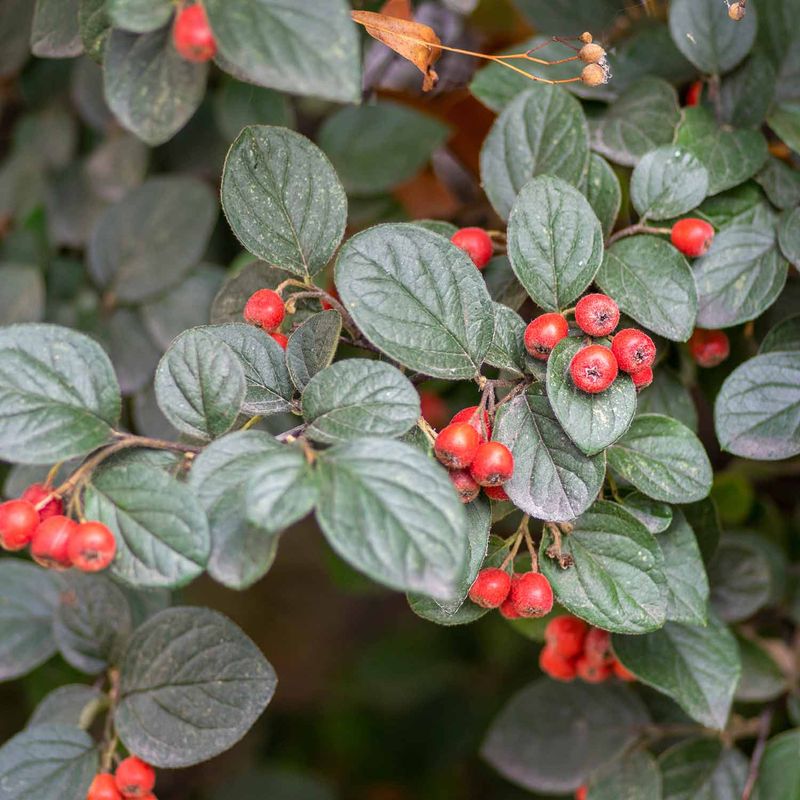
Cotoneaster’s sprawling form and bright red berries create a picturesque scene. These berries are a magnet for birds throughout winter. The shrub’s glossy leaves add a touch of elegance.
Perfect for rock gardens, it thrives in well-drained soils. Its low-growing habit makes it an excellent ground cover option. Cotoneaster is not only ornamental but also ecologically important. Its ability to support wildlife while enhancing garden aesthetics is commendable. A versatile choice for diverse landscapes.
14. Privet (Ligustrum vulgare)
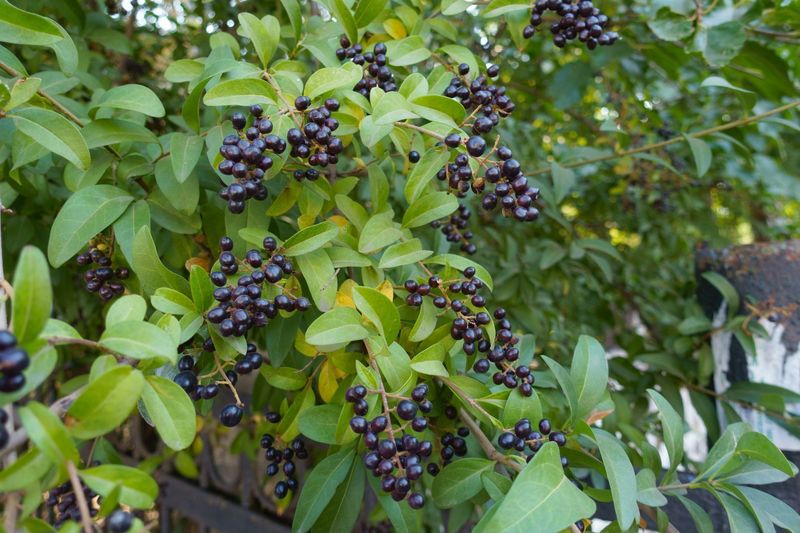
Privet, often used for hedging, produces clusters of dark purple berries. These berries are a valuable food source for birds. Its dense foliage provides excellent shelter and nesting opportunities.
Adaptable to various conditions, privet thrives in full sun to partial shade. Its role in garden design is complemented by its ecological benefits. The shrub’s formal appearance and practical uses make it a garden favorite. Privet’s ability to support wildlife while maintaining a neat appearance is admirable.
15. Snowberry (Symphoricarpos albus)
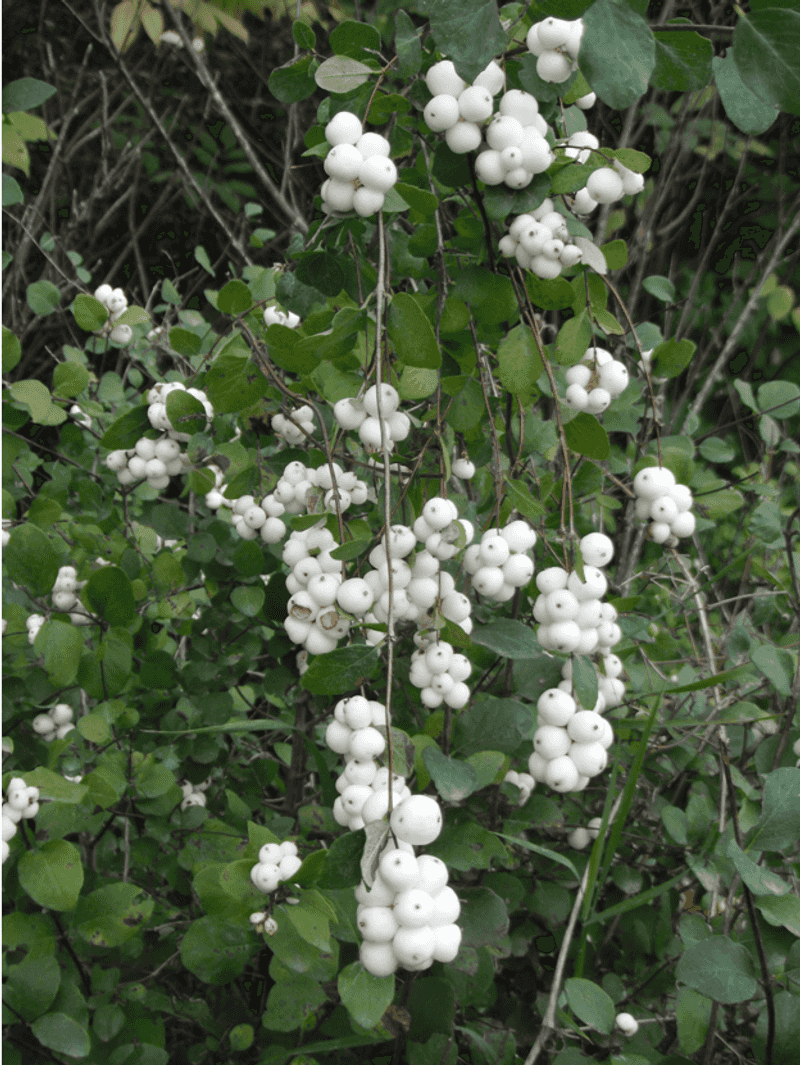
Snowberry captivates with its white, waxy berries that persist through winter. These berries provide a vital food source for birds during harsh months. The shrub’s arching branches add to its charm.
This hardy plant thrives in a variety of soil conditions, from sun to partial shade. Its resilience and beauty make it a valuable garden addition. Snowberry’s ability to enhance winter landscapes while supporting wildlife is impressive. A delightful shrub for those seeking year-round interest.
16. Sea Buckthorn (Hippophae rhamnoides)
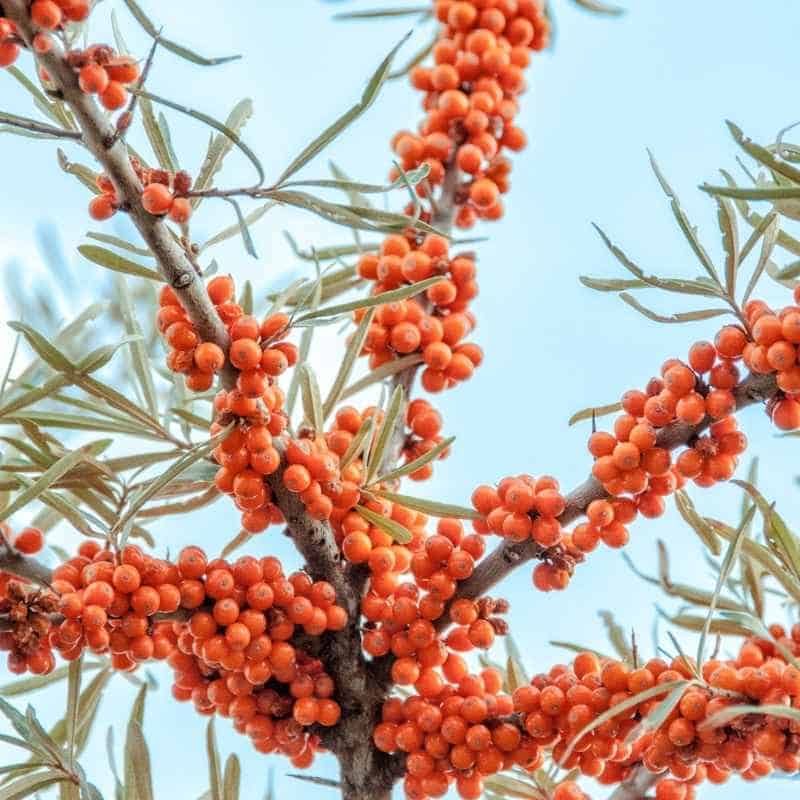
Sea Buckthorn is renowned for its bright orange berries, rich in vitamins. These berries are a crucial winter food source for wildlife. The shrub’s silver-green leaves add a unique touch to gardens.
Tolerant of salty and poor soils, it’s perfect for coastal areas. Its thorny branches provide excellent shelter. Sea Buckthorn’s ecological benefits are matched by its ornamental value. Its ability to thrive in challenging conditions is noteworthy. Ideal for those looking to support wildlife in coastal gardens.
17. Highbush Cranberry (Viburnum trilobum)
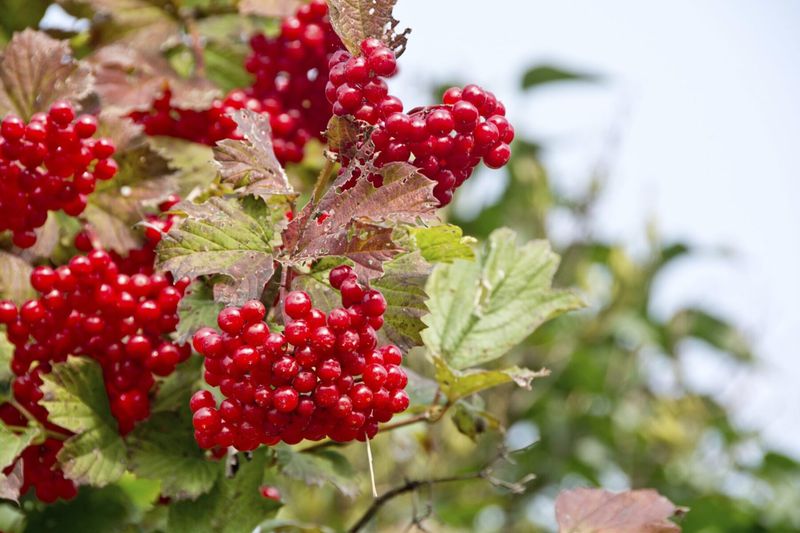
Highbush Cranberry, with its vibrant clusters of red berries, is a feast for the eyes and a delight for wildlife. This deciduous shrub provides significant ecological benefits, attracting birds with its nutritious fruit. Growing up to 12 feet, it thrives in moist, well-drained soil.
In spring, beautiful white flowers grace the bush, making it a stunning addition to any garden. By autumn, the foliage turns a striking red, offering seasonal interest.
A fascinating fact: despite its name, the Highbush Cranberry is not a true cranberry but rather a member of the honeysuckle family.