 Complete Gardening
Composting is a fantastic way to reduce waste and enrich the soil in your garden. However, many of us are not aware of some common items that can be composted. This article explores twelve surprising items you might not have realized can contribute to your compost pile, each with their unique benefits.
1. Tea Bags
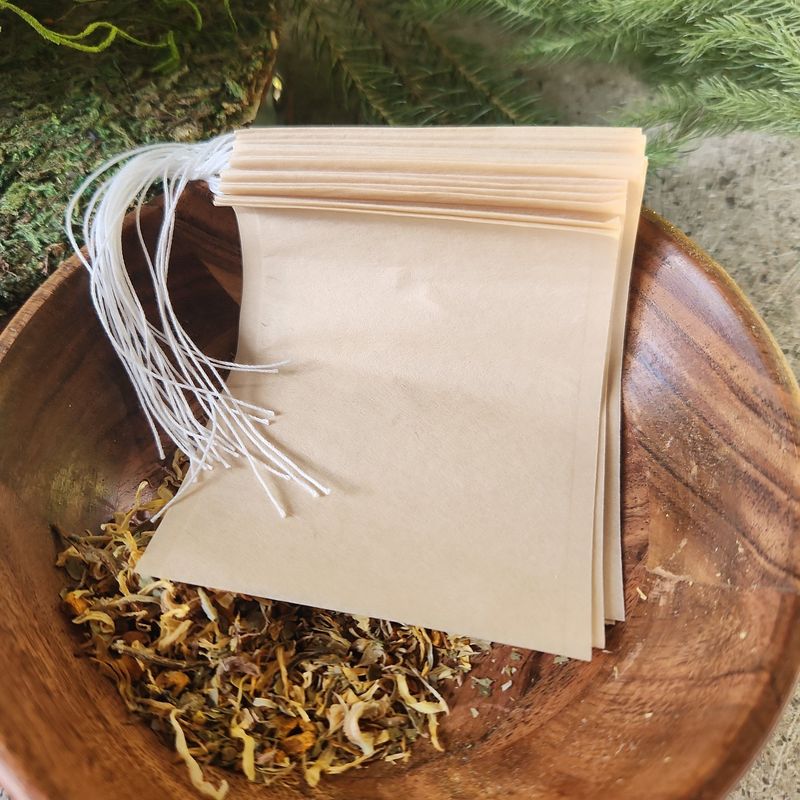
You might savor a warm cup of tea every day, but what happens to the tea bags afterward? Many don’t realize that tea bags can be composted, adding valuable nutrients to your compost heap. However, ensure the bags are made from biodegradable materials. Some brands use plastic in the bags, which won’t decompose and can harm your compost’s integrity. Consider snipping open the bags and only composting the leaves if unsure. By composting tea bags, you’re not just reducing landfill waste but also returning essential nutrients back to the earth.
2. Pet Hair
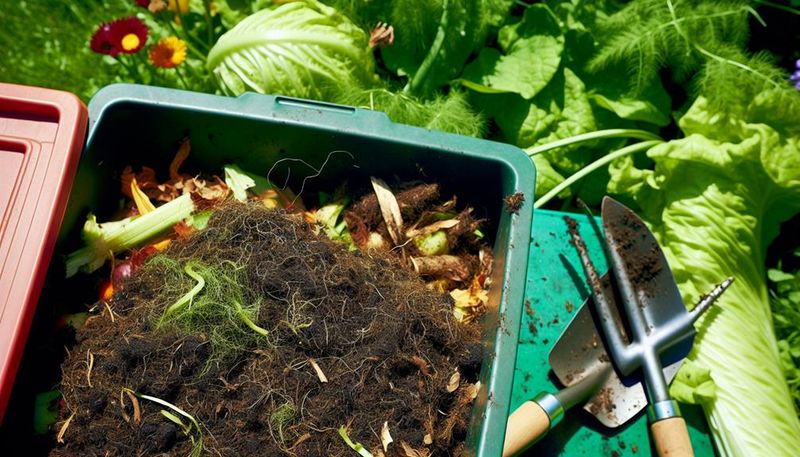
Ever thought about where all that pet hair goes after grooming your furry friend? Pet hair is a fantastic nitrogen-rich addition to your compost. It decomposes relatively quickly and can be mingled with other organic materials to create a nutrient-rich humus. This practice is not only eco-friendly but also a way to make use of something that would otherwise be considered waste. Whether you’re dealing with fluffy cats or shaggy dogs, their hair can play a part in creating a sustainable garden.
3. Wine Corks
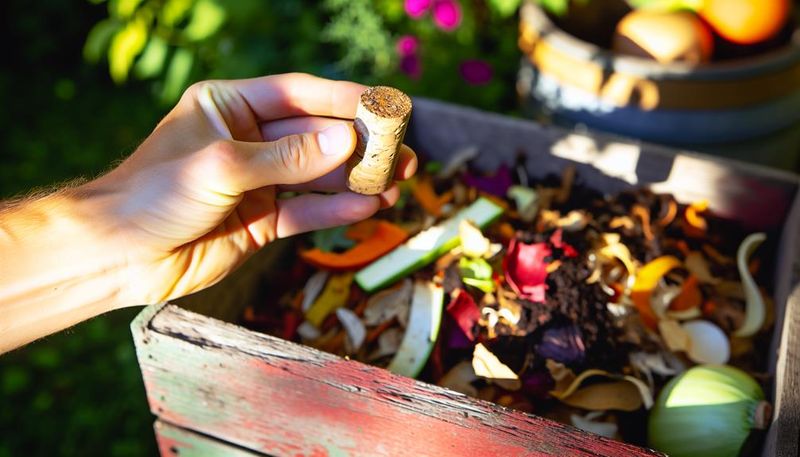
Wine enthusiasts might not think twice about discarding corks. However, natural cork is a biodegradable material that can be composted. Before tossing them into the compost bin, ensure they are made from natural cork rather than synthetic alternatives. Breaking them into smaller pieces can speed up the decomposition process. Adding corks to your compost not only reduces waste but also introduces a slow-releasing carbon source that benefits your garden soil over time, particularly in aeration and moisture retention.
4. Used Matches
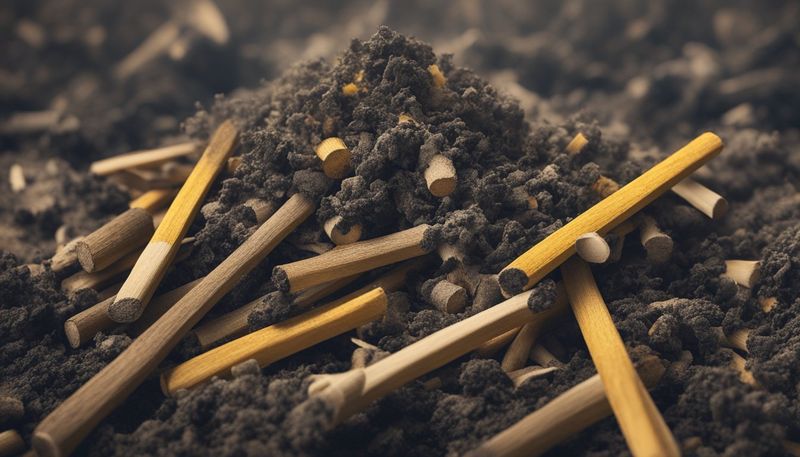
Struck a match to light a candle or start a fire? Don’t chuck it out just yet. Used matches, which are primarily wood, can be a part of your composting routine. These tiny sticks of wood break down fairly quickly and can be mixed with other compost materials. They add a small but valuable amount of carbon to your compost, helping to balance the nitrogen from greener materials. Next time, instead of tossing them, give your garden a little boost.
5. Pencil Shavings
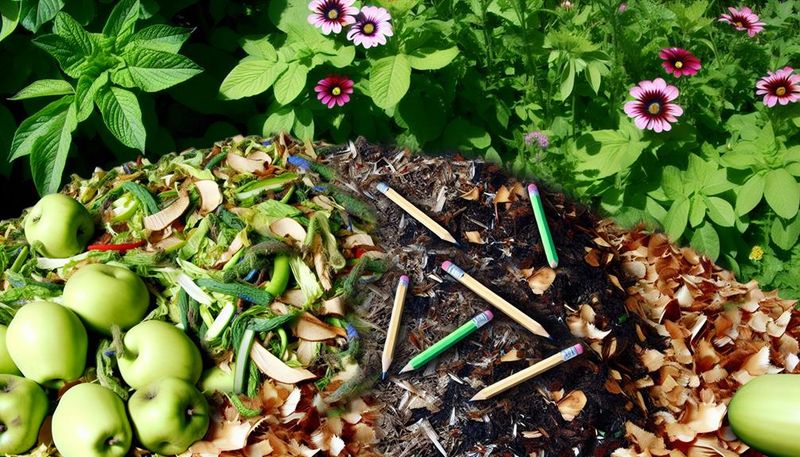
Sharpening pencils may seem mundane, but the shavings have hidden value. Composed of wood and graphite, they break down easily in compost. Toss them into your compost pile to contribute to the carbon content. The next time you’re sharpening pencils, think of it not as a chore but as creating a resource for your garden. Not only does this practice help reduce waste, but it also makes for a productive way to repurpose an everyday item.
6. Cardboard
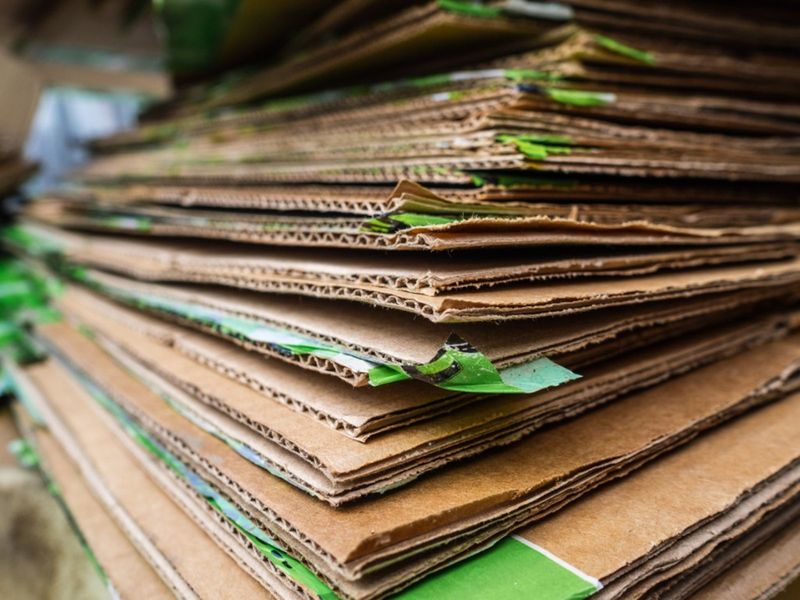
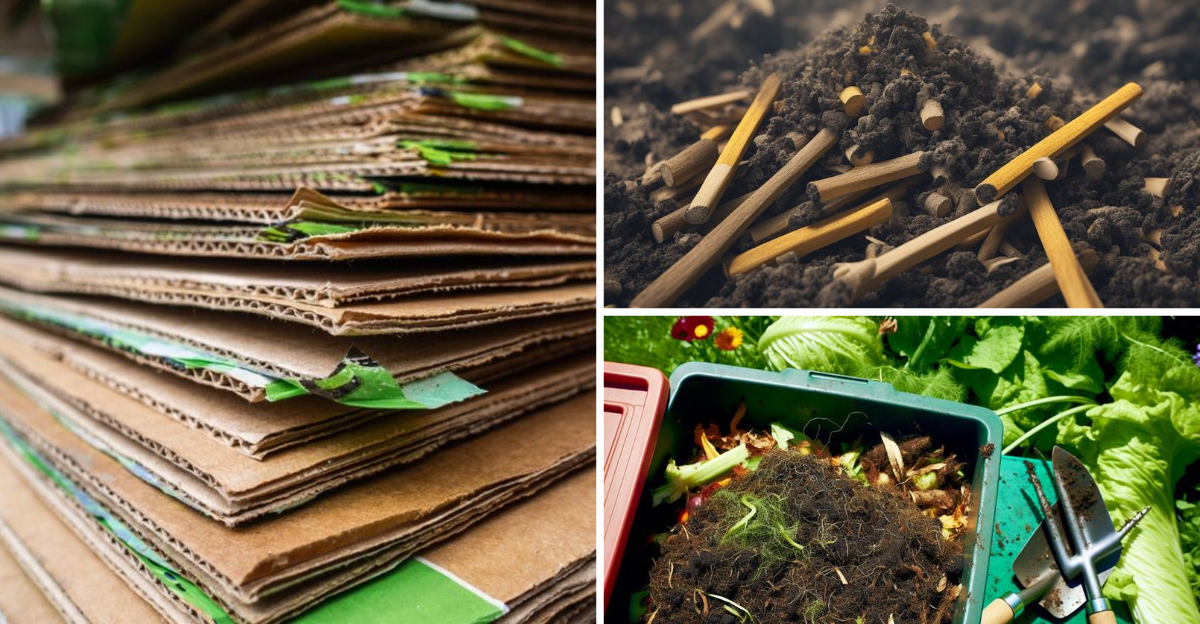
Boxes from online shopping or egg cartons often end up in the trash, but they can easily be composted. Cardboard, especially when shredded, is a superb source of carbon, balancing the nitrogen-rich components of the compost. It’s vital to remove any tape or stickers as these don’t decompose. By composting cardboard, you contribute to a sustainable cycle that benefits the environment and enhances soil quality.
7. Wood Ash
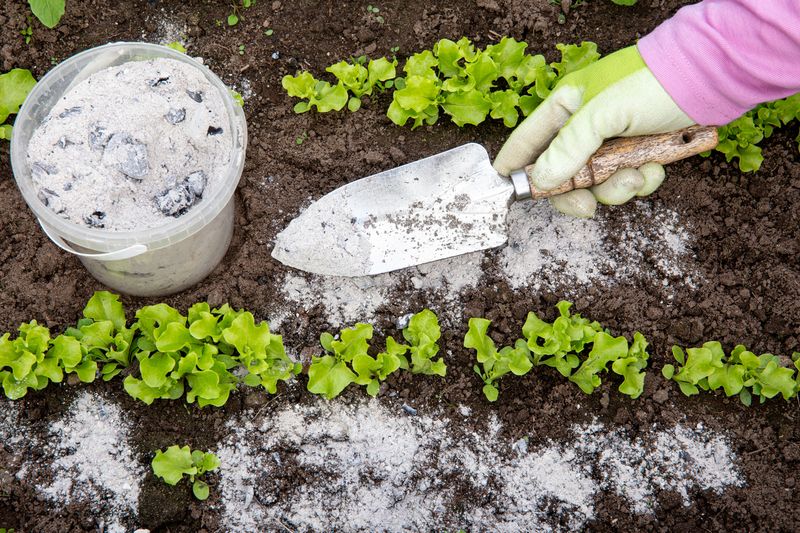
After a cozy evening by the fire, don’t throw away the ashes. Wood ash can be a beneficial amendment to your compost pile. It’s high in calcium carbonate, which can help to balance the pH of your compost. However, use it sparingly as too much can make the compost overly alkaline. Wood ash also deters pests and contributes valuable minerals, making your compost nutrient-rich and better for the garden.
8. Uncooked Pasta
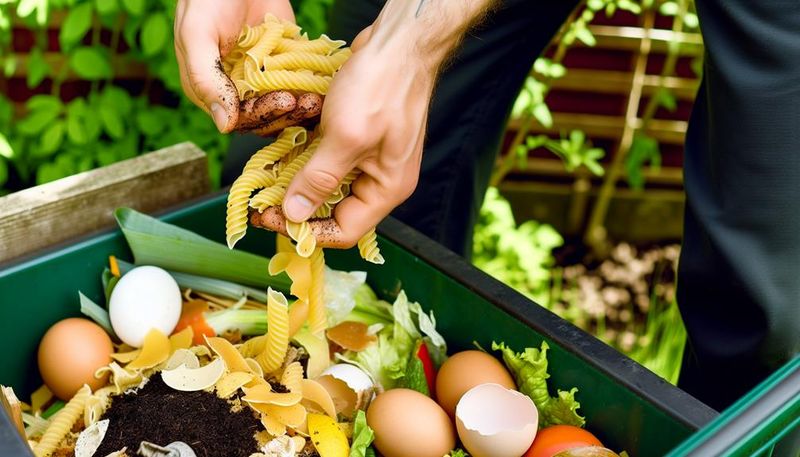
Ever found yourself with a bit of uncooked pasta leftover? Instead of throwing it away, compost it. Pasta, particularly whole grain, provides essential carbohydrates that benefit microbial life in compost. Break it into smaller pieces to hasten decomposition. Although it requires moisture to break down, it adds a unique texture to your compost pile, enhancing the organic matter and promoting a thriving garden ecosystem.
9. Toilet Paper Rolls
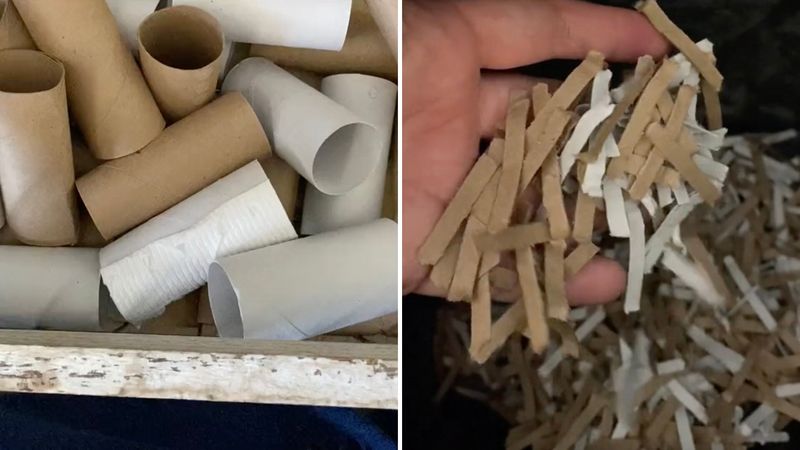
Those cardboard tubes from toilet paper rolls are more than just waste. They’re a fantastic source of brown material for your compost. By shredding them, you increase the surface area, speeding up decomposition. They contribute to the structural integrity of the compost pile, improving aeration. This not only reduces household waste but also enriches your garden soil over time. Consider them the unsung heroes of the compost world.
10. Cotton Swabs
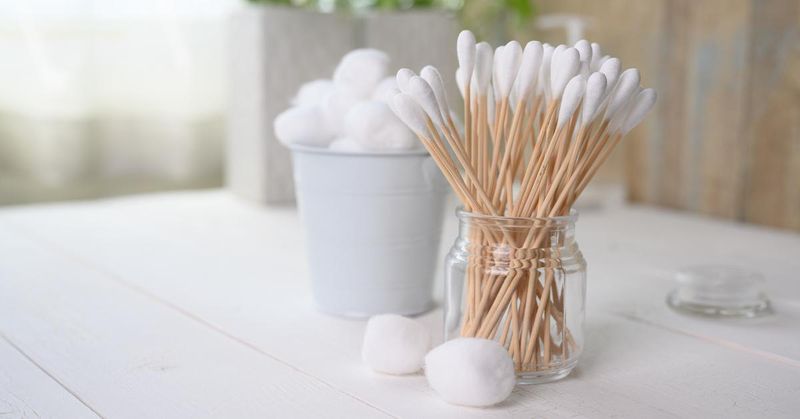
After using cotton swabs, consider composting them if they’re made from 100% cotton and paper sticks. They break down well and contribute to the organic content of your compost. However, avoid those with plastic components. This small step can significantly reduce waste and enhance your composting efforts. Each swab acts as a little contributor to a healthier, more sustainable garden, proving that even the smallest items can have an impact.
11. Pizza Boxes
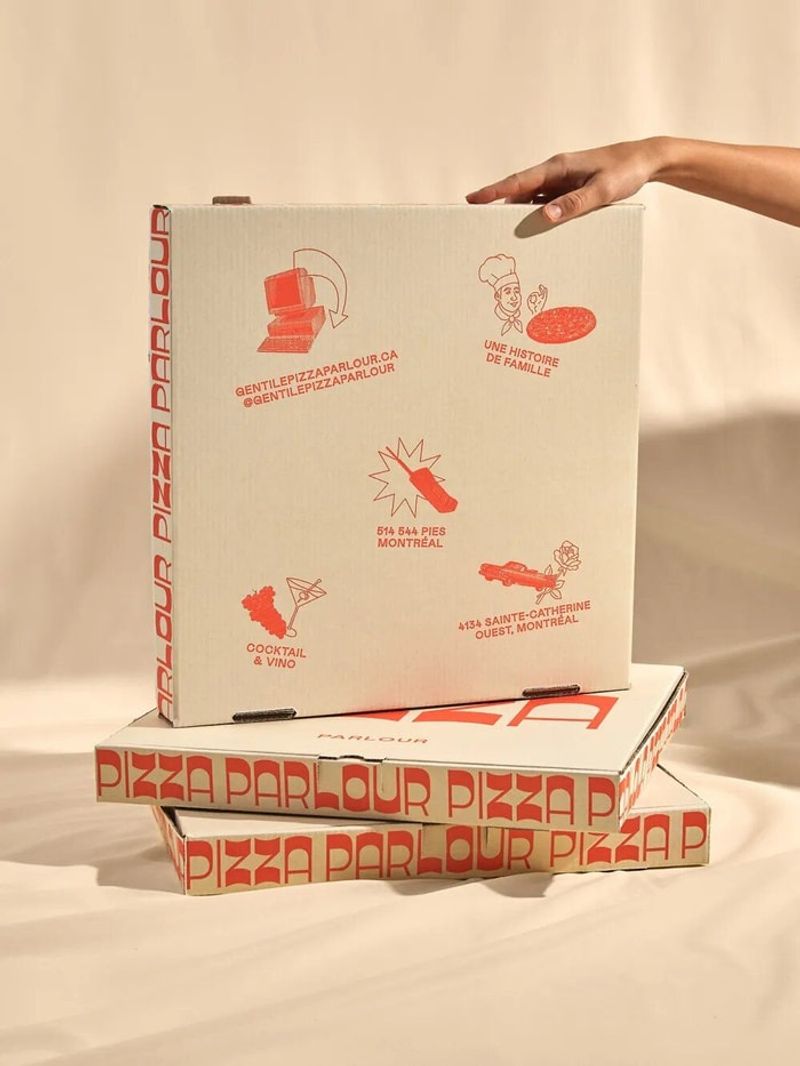
Enjoyed a delicious pizza? Don’t forget about the box. Greasy pizza boxes that are unsuitable for recycling can be torn into pieces and added to your compost pile. They add carbon and help maintain a balanced compost. The grease and food residue break down along with the cardboard, contributing to the nutrient content. This practice not only recycles waste but also supports a thriving compost ecosystem, perfect for enriching garden soil.
12. Hair from Hairbrush
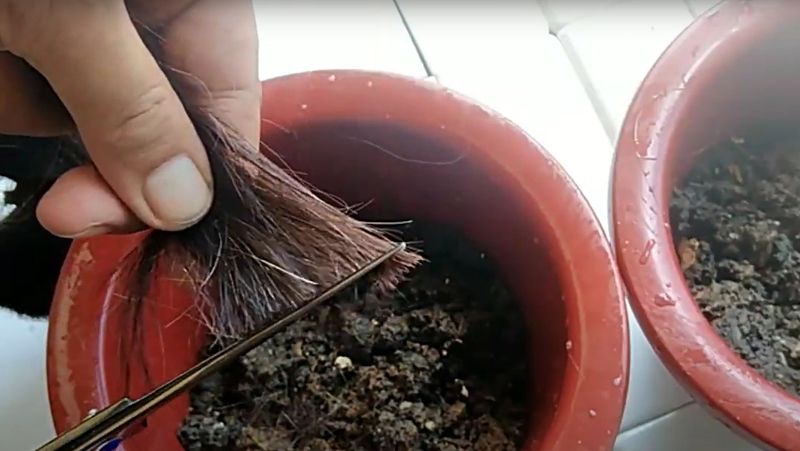
Every time you clean your hairbrush, consider saving those strands for the compost. Human hair is rich in nitrogen, which is a critical component in the composting process. Think of it as giving back the nutrients that your hair once absorbed.
Hair takes time to break down, meaning it can aerate the compost pile longer, helping it breathe. It also acts as a deterrent for pests that might avoid the human scent.
Fun fact: Thomas Edison supposedly used to collect his hair for composting, believing in its benefits for soil enrichment.
13. Expired Spices
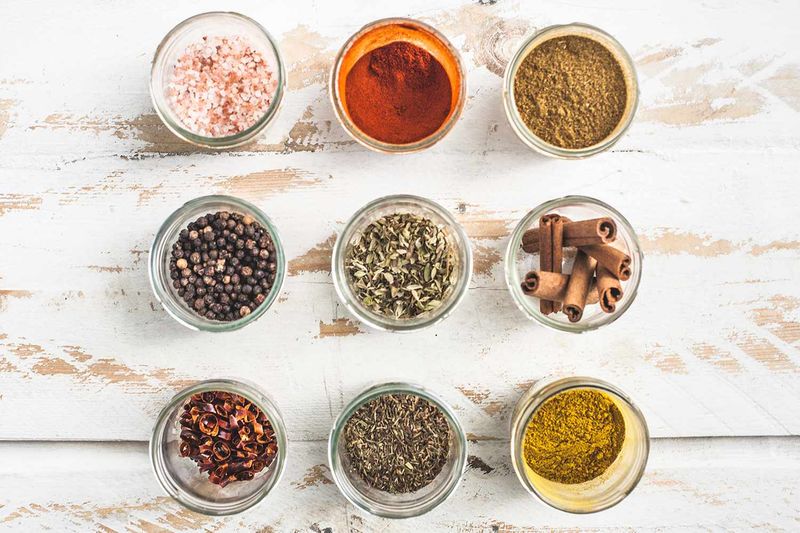
Expired spices might have lost their flavor, but they haven’t lost their value for your compost heap. These aromatic powders can add a slight fragrance to your compost pile, making the chore of turning it more pleasant.
Spices, being plant-based, break down efficiently while contributing unique micronutrients. Mixing them into your compost adds diversity, which can be beneficial for microbial growth.
Did you know many ancient cultures believed spices held mystical powers? While those claims are left to history, their composting power is very real.
14. Old Loofahs
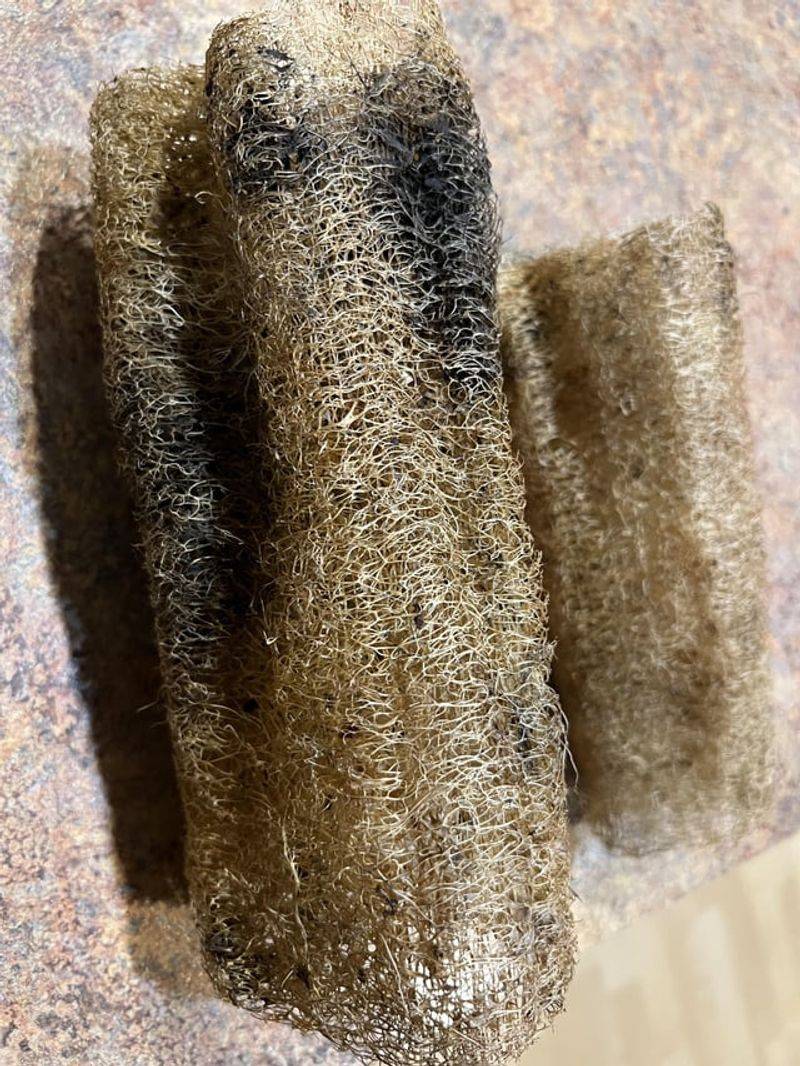
That old loofah might have scrubbed its last back, but it can still fulfill a purpose in your compost. Made from the fibrous interior of certain gourds, loofahs are completely biodegradable.
Adding them to your compost pile introduces more carbon, balancing out nitrogen-rich materials. Their structure helps aerate the pile, promoting better decomposition.
Loofahs have been used for centuries as natural scrubbers. Now, instead of ending up in a landfill, they can return to the earth as nutrient-rich compost.
15. Stale Bread
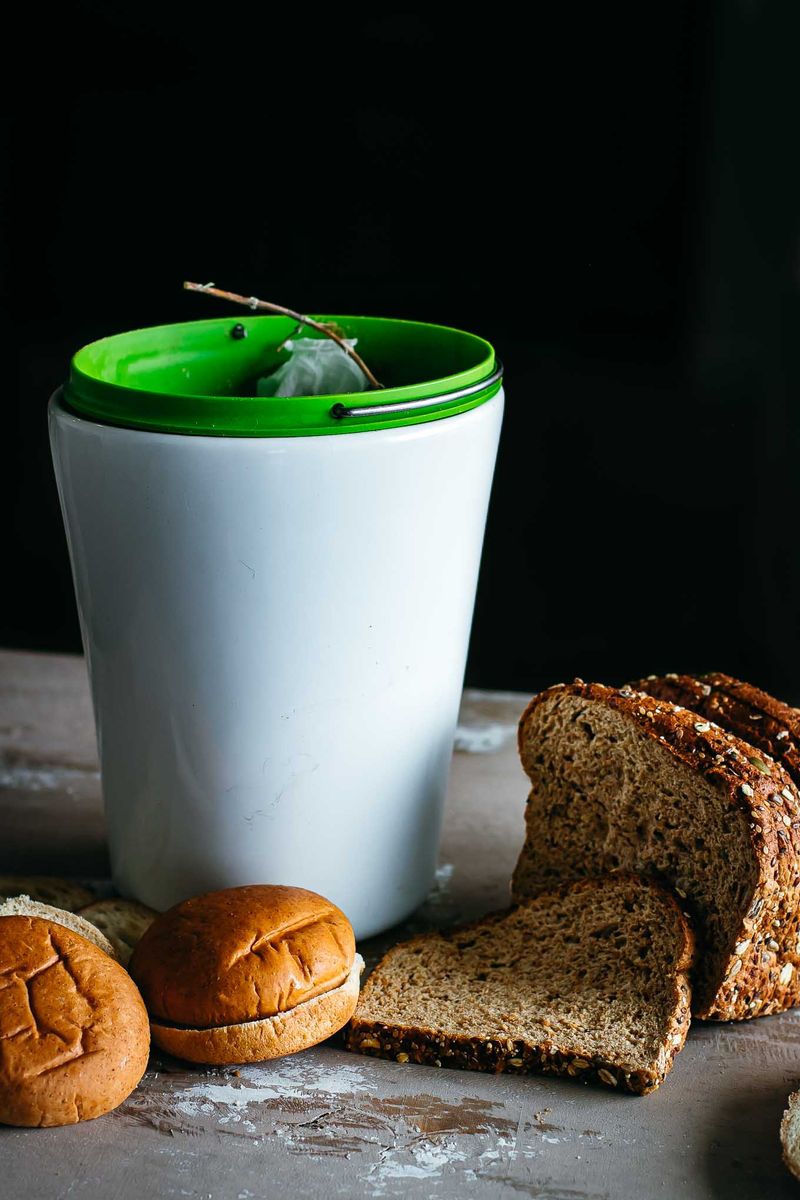
Stale bread might not make for a tasty sandwich, but it’s a delightful treat for your compost bin. Break it into smaller pieces, and let it decompose with other organic scraps.
Bread is an excellent source of carbon and helps to balance the green materials in the compost, ensuring a more effective breakdown.
Throughout history, bread has been a staple in diets worldwide. Now, it can be a staple in your compost, contributing to a healthier garden ecosystem.
16. Old Holiday Decor
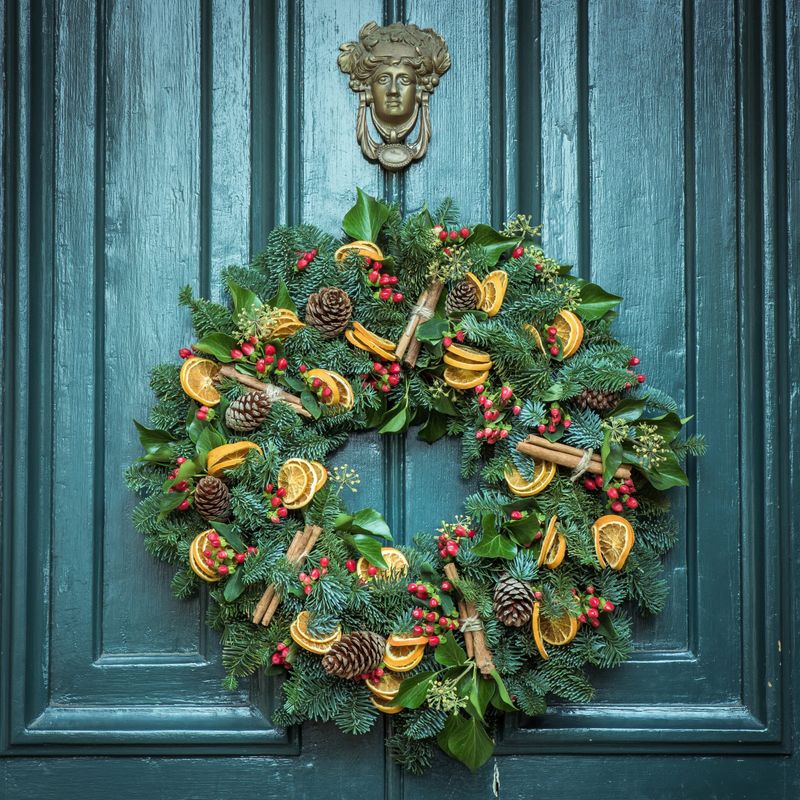
When holiday cheer fades, and decorations break, don’t toss them away if they’re made from natural materials. Straw, wood, and cotton decorations can decompose beautifully.
These items enrich the compost pile with carbon. Just ensure they are free from synthetic embellishments. Holiday decor can add a touch of nostalgia even as they transform into compost.
Historically, holiday decorations were crafted from nature, and this practice can continue by returning them to the earth once their decorative life ends.