 Complete Gardening
Propagation is a fascinating method to expand your garden using just one mother plant. This technique not only saves money but also ensures the health and consistency of your plants. Whether you’re a gardening novice or a seasoned expert, understanding the basics of propagation can lead to a flourishing garden. Let’s explore five distinct methods to propagate plants effectively.
1. Stem Cuttings
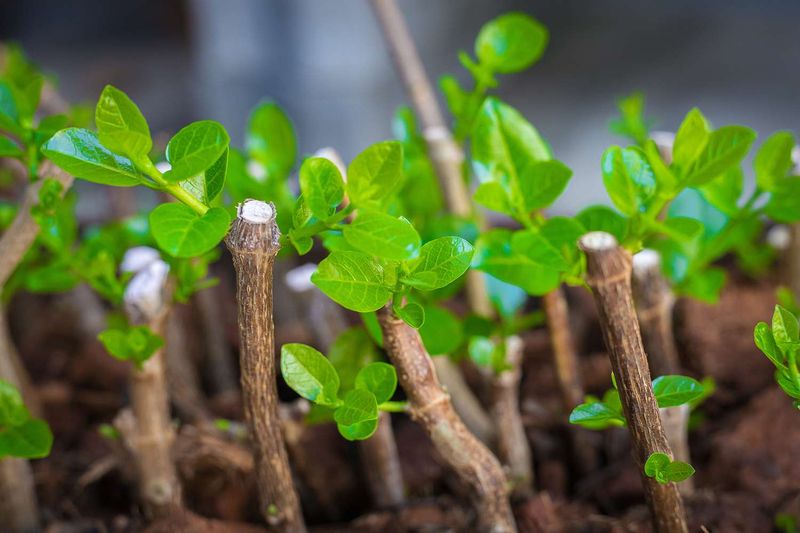
Ever wondered how one stem can become a whole plant? Stem cuttings provide a simple yet effective way to multiply plants. By cutting a healthy stem and placing it in water or soil, new roots can develop. For many plants, this is the easiest propagation method.
Different plants require specific care for successful growth from cuttings. Knowing the unique needs of each plant type enhances success rates.
Fun Fact: Some plants, like mint, almost seem eager to root and grow, making them a favorite among beginner gardeners.
2. Leaf Cuttings
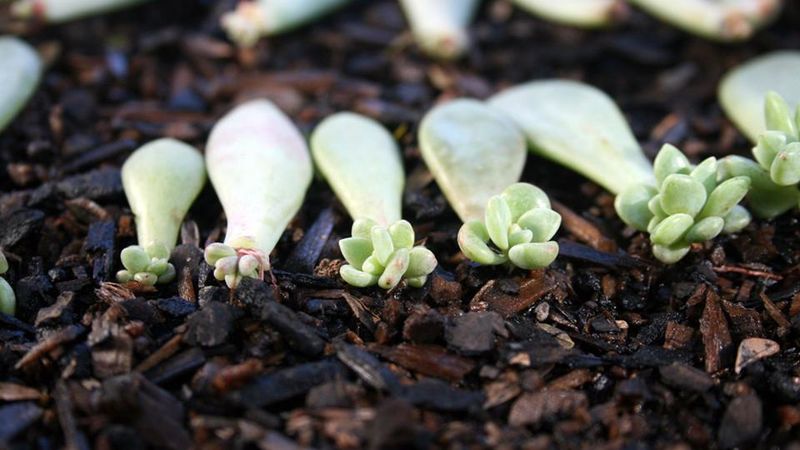
With leaf cuttings, you can watch the magic of nature unfold. This method is unique, as entire new plants can sprout from a single leaf. Plants like succulents and begonias are ideal for leaf cuttings.
Starting the process involves placing the leaf on soil and ensuring consistent moisture. Soon, roots and new leaves appear, creating miniature versions of the mother plant.
Fun Fact: Some species, like the snake plant, can even grow from a leaf segment, making propagation accessible and fun for indoor gardeners.
3. Division
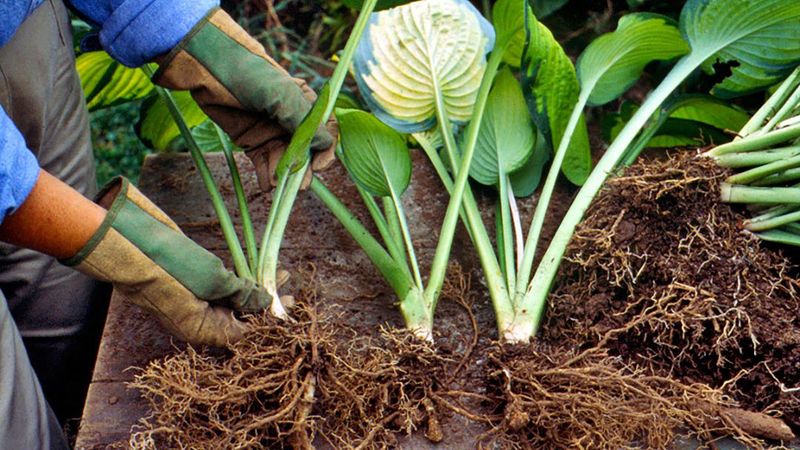
Division offers an exciting way to manage perennials while expanding your garden. This method involves splitting a mature plant into smaller sections, each with roots and stems. It’s ideal for plants like iris and hosta.
Starting with a healthy mother plant ensures successful divisions. Carefully separate the plant, ensuring each section has adequate roots. Replanting these ensures they thrive in new spots.
Did you know? Division not only helps propagation but also revitalizes the mother plant, often resulting in more vigorous growth.
4. Layering
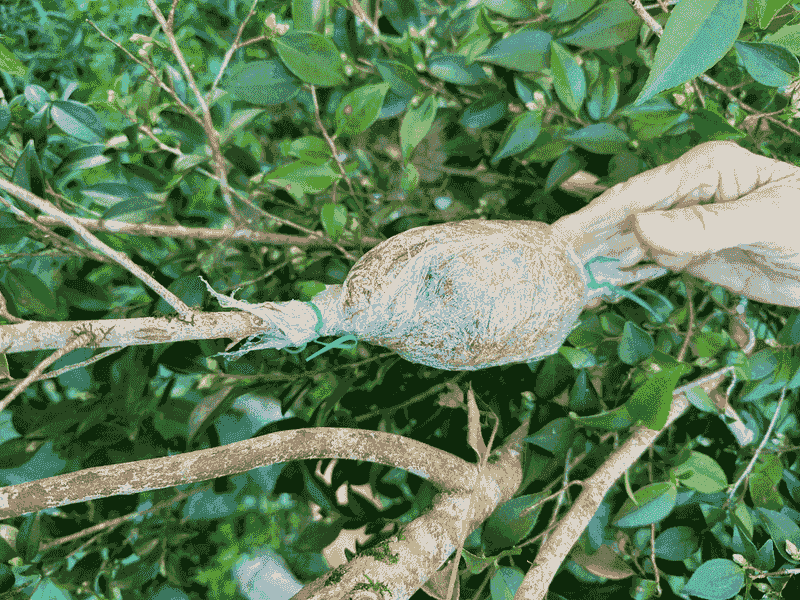
Layering, unlike other methods, allows a part of the plant to develop roots while still attached to the mother. Bending a branch to the soil and securing it often suffices. Suitable for climbers and shrubs, this method is less stressful for the plant.
Patience is key as rooting can take time. Once roots are established, the new plant can be separated. It’s a natural, low-effort way to propagate.
Fun Fact: Layering has been used for centuries, especially in cultivating grapevines and other woody plants.
5. Grafting
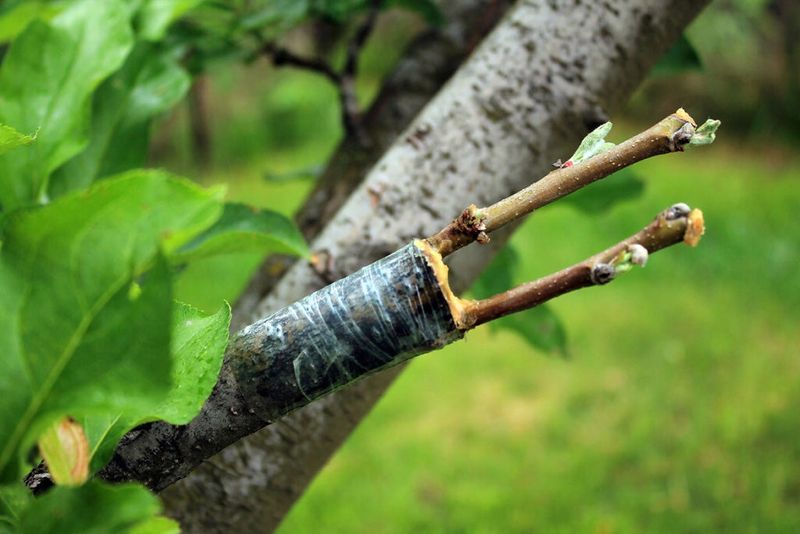
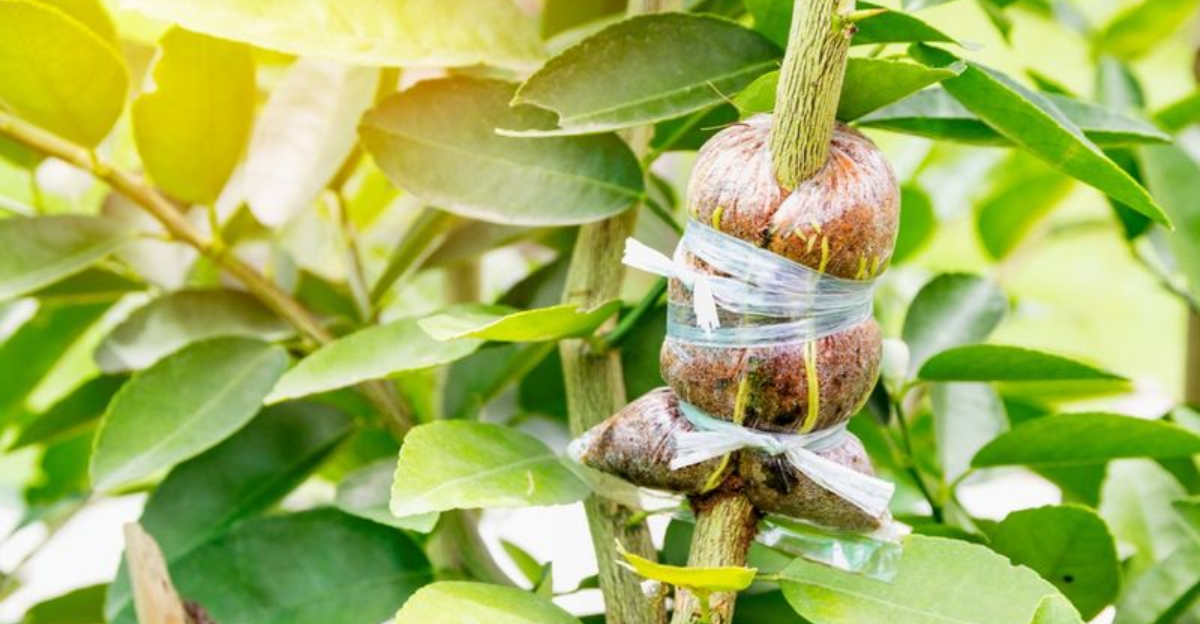
Grafting melds parts from two plants into one, ideal for fruit trees. By joining a scion with a rootstock, gardeners can create plants with desired traits. Although more complex, grafting can enhance fruit production.
Skill and precision play crucial roles in successful grafts. Choosing compatible plants ensures longevity and health. This ancient technique remains vital in both home gardens and professional orchards.
Quirky Fact: Grafting has enabled the creation of multi-colored roses and apple trees bearing different apple varieties on each branch.
6. Air Layering
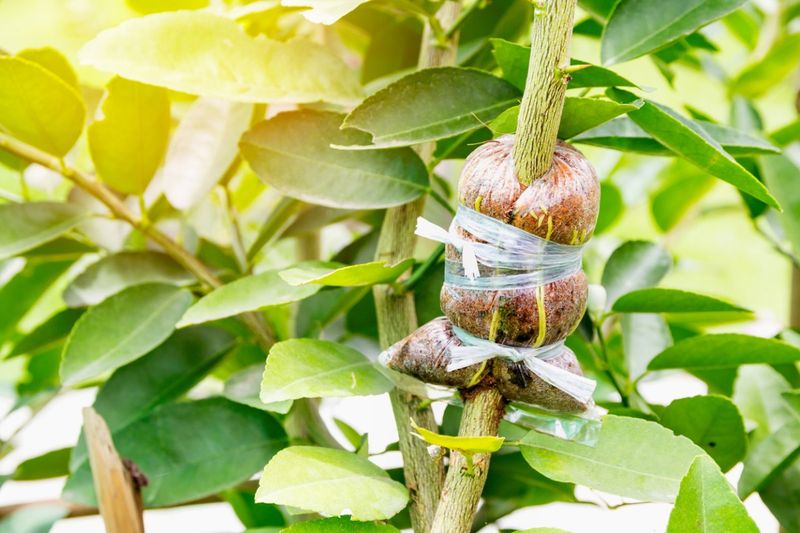
Air layering is a technique that involves rooting a section of a plant stem while it’s still attached to the parent plant. This method is ideal for those who wish to propagate larger, woody plants. By carefully wounding a branch and wrapping it with moist moss, roots will develop over time.
The process may take several weeks, but the result is a new, independent plant ready for potting. Air layering is not only an effective way to propagate challenging plants but also adds an engaging project to your gardening endeavors.
Suitable for both indoor and outdoor plants, this approach offers versatility and creativity.
7. Water Propagation
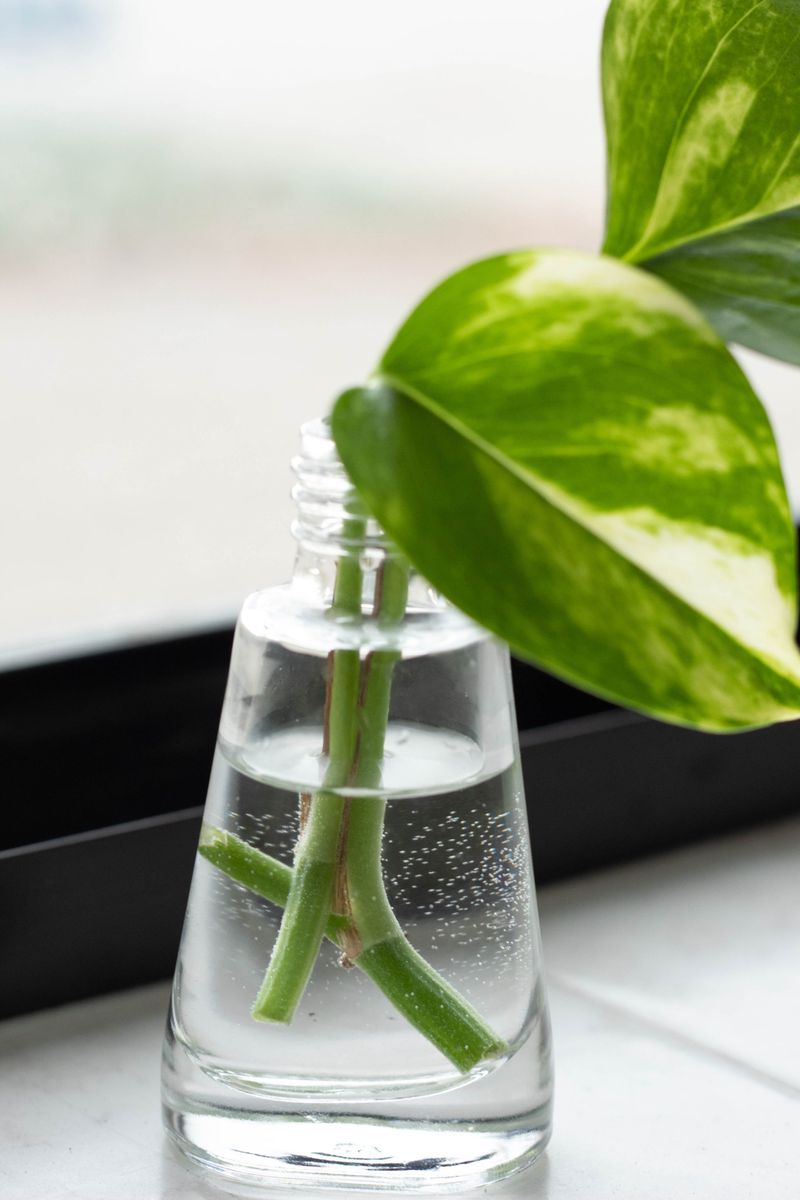
Water propagation is a simple, intriguing method for starting new plants. By placing cuttings in water, gardeners can watch roots grow right before their eyes. This technique is perfect for those who enjoy a more interactive propagation experience.
Transparent containers are often used, allowing observation of root development, adding a dynamic visual element to the process. Whether you’re propagating pothos or philodendrons, this method provides a satisfying view of nature at work.
Water propagation is accessible to novices and offers a gentle introduction to the art of plant reproduction, encouraging ongoing exploration.
8. Seed Propagation
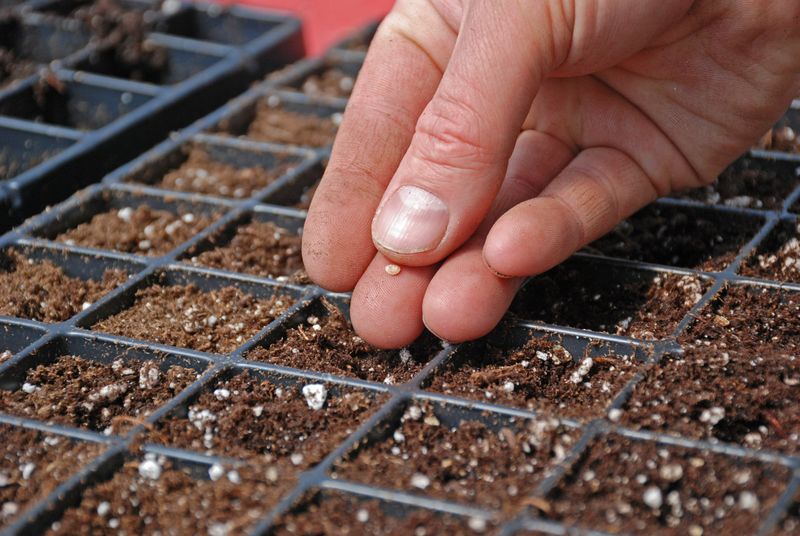
Seed propagation allows gardeners to experience the full life cycle of a plant. Starting from seeds, one can nurture a plant’s growth from germination to maturity. This method celebrates the miracle of life, offering a unique connection to nature.
While it requires patience and care, the rewards of watching seeds sprout into thriving plants are immense. Ideal for annuals and vegetables, seed propagation is an economical way to expand your garden.
By selecting seeds from favorite plants, gardeners can continue beloved lineages, creating a garden rich in personal history and meaning.
9. Root Cuttings
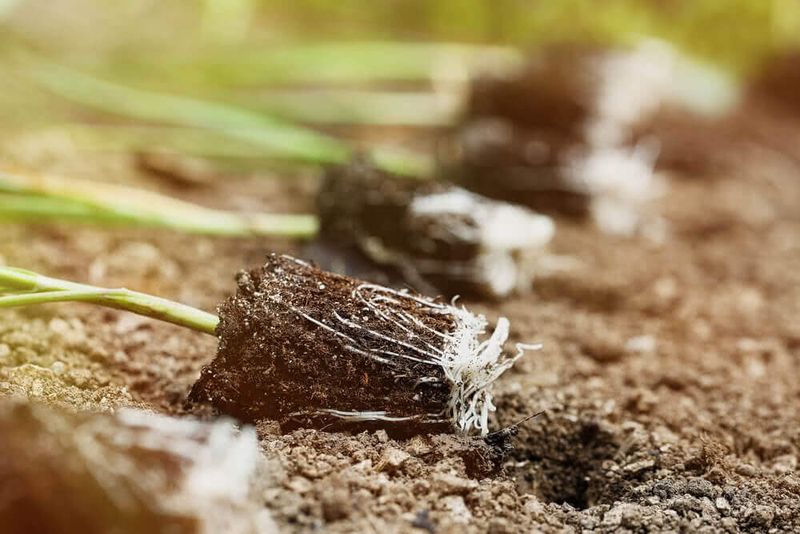
Root cuttings open a world of possibilities for propagating perennial plants. By taking sections of a plant’s root system, new growth can be stimulated to form independent plants. This technique is particularly useful for plants that don’t easily propagate from stems or leaves.
The process involves cutting healthy roots into segments, then planting them in a suitable medium. Over time, these cuttings develop into robust new plants. Root cutting propagation offers a hands-on, rewarding experience for gardeners looking to expand their plant collection with minimal resources.
Ideal for a variety of perennials, this method encourages exploration.
10. Suckers and Offshoots
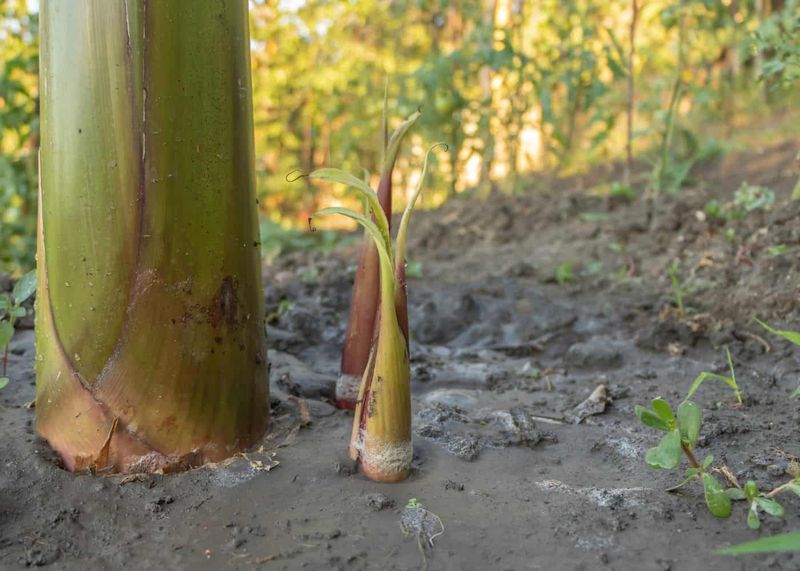
Harnessing suckers and offshoots is a straightforward propagation method, perfect for many fruiting and ornamental plants. These natural extensions form at the base of the mother plant and can be separated to grow independently.
The process is as simple as identifying a healthy sucker, gently removing it, and transplanting it to a new location. This technique is not only efficient but also preserves the characteristics of the parent plant.
From bananas to agaves, using suckers and offshoots offers a practical way to multiply your garden’s bounty while maintaining genetic consistency.
11. Spores Propagation
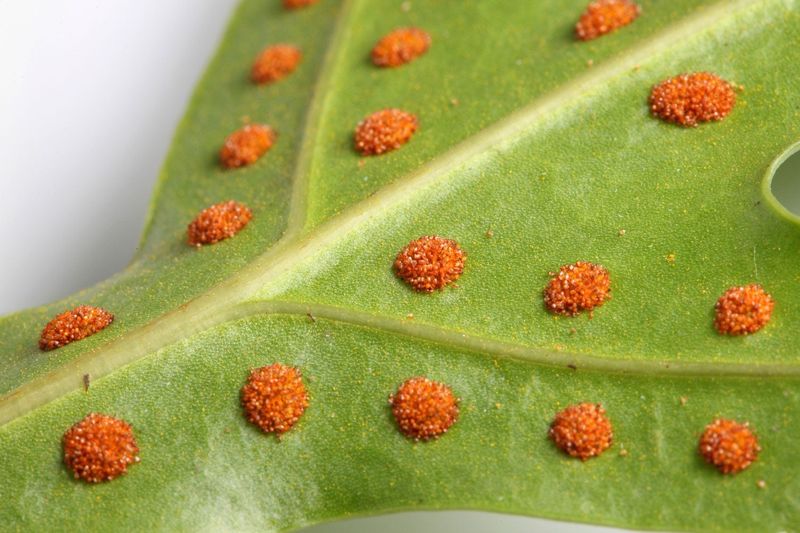
Propagation through spores is a unique method mostly used for ferns and fungi. Collecting and sowing spores, rather than seeds, allows for the growth of new plants from these tiny reproductive units.
This fascinating process requires specific conditions, such as moisture and warmth, to encourage successful germination. Spore propagation offers an exciting challenge for those looking to experiment with non-traditional plants.
Ideal for fern enthusiasts, this method adds variety and intrigue to your garden endeavors, turning the propagation process into both a scientific and artistic pursuit.
12. Bulb Division
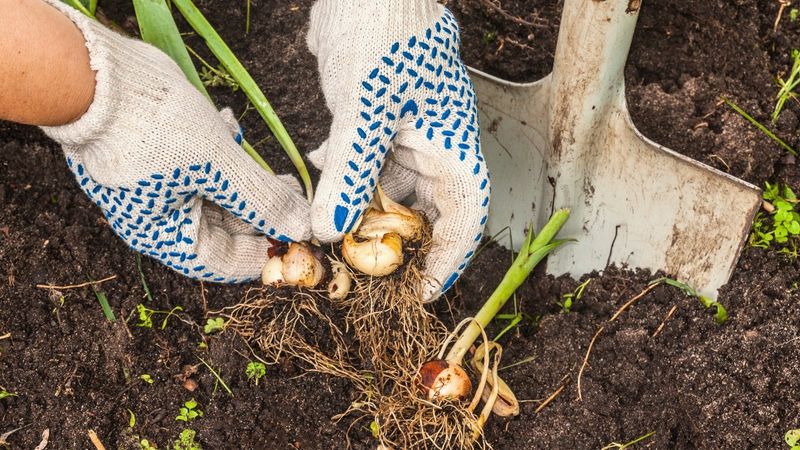
Bulb division is an effective way to propagate bulbous plants, providing an abundance of new growth each season. By separating bulbs from the parent plant, gardeners can increase their collection effortlessly.
This method is particularly popular with flowering plants like tulips and daffodils. After blooming, bulbs can be lifted, divided, and replanted. The process not only multiplies plants but also revitalizes aging bulbs.
Bulb division is a rewarding technique that promises vibrant blooms, making it a favorite for those looking to enhance their garden’s floral display.
13. Tuber Propagation
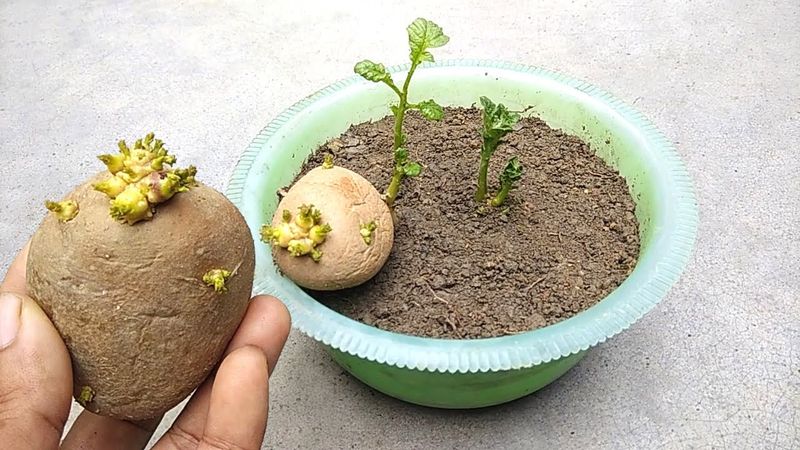
Tuber propagation transforms gardening into a culinary adventure. By cutting and planting pieces of tubers, gardeners can cultivate new plants from these underground storage organs. Potatoes are a common example, but this method applies to other tuberous plants as well.
Each segment must contain a growth node, ensuring successful sprouting. Tuber propagation promises abundant yields and the satisfaction of home-grown produce.
Whether for ornamental or edible varieties, this method offers a practical approach to multiplying plants, turning your garden into a source of nourishment and beauty.
14. Rhizome Division
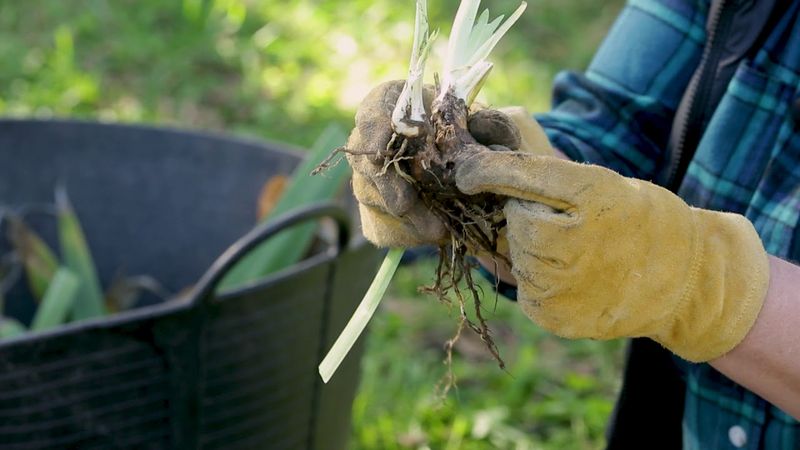
Rhizome division is a powerful propagation technique for spreading plants like irises and ginger. Rhizomes are horizontal stems that grow underground, and dividing them can lead to multiple thriving plants.
This method involves cutting rhizomes into sections, each with growth nodes, before replanting. It’s both an economical and effective way to rejuvenate aging plants.
Rhizome division not only expands your garden but also strengthens plant vigor, offering a fresh start for beloved varieties. This technique, full of promise and renewal, enriches gardening practices with exciting opportunities.
15. Corm Propagation
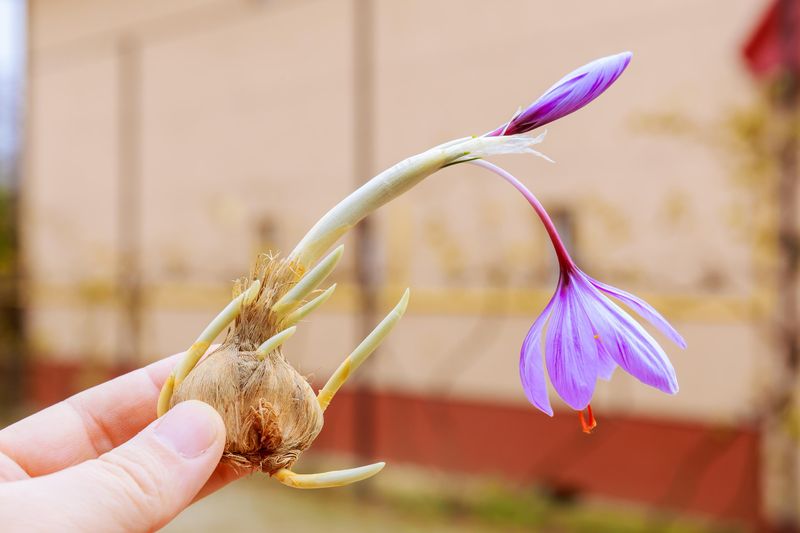
Corm propagation embodies the essence of renewal and growth. Corms are swollen underground stems that store nutrients for the plant. This method involves separating new corms from the parent when dormant, allowing gardeners to propagate plants like crocuses and gladiolus.
Planting these corms in suitable conditions ensures new growth, offering vibrant blooms in the following season. The process is simple yet rewarding, bridging the gap between seasons with continuous beauty.
By embracing corm propagation, gardeners can extend plant life and enjoy a perennial showcase of nature’s resilience.