
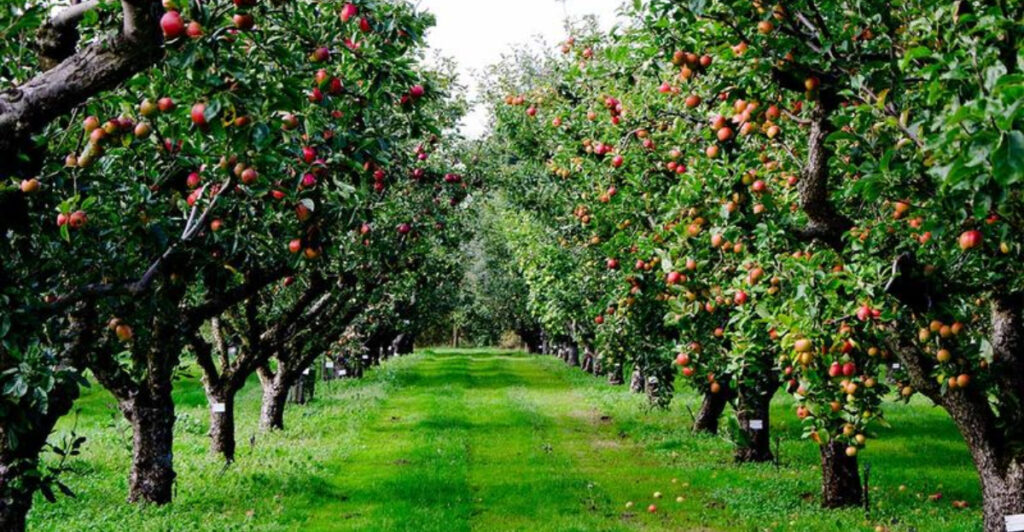
Planting fruit trees in your yard is a rewarding endeavor that brings both beauty and bounty. Whether you’re a seasoned gardener or new to the world of horticulture, selecting the right fruit trees can transform your outdoor space. From the classic apple to exotic persimmons, each tree offers unique flavors, growth habits, and care requirements. This guide introduces 20 exceptional fruit trees recommended by arborists and horticulturists, providing you with essential information and inspiration for your garden.
1. Pear (Pyrus spp.)
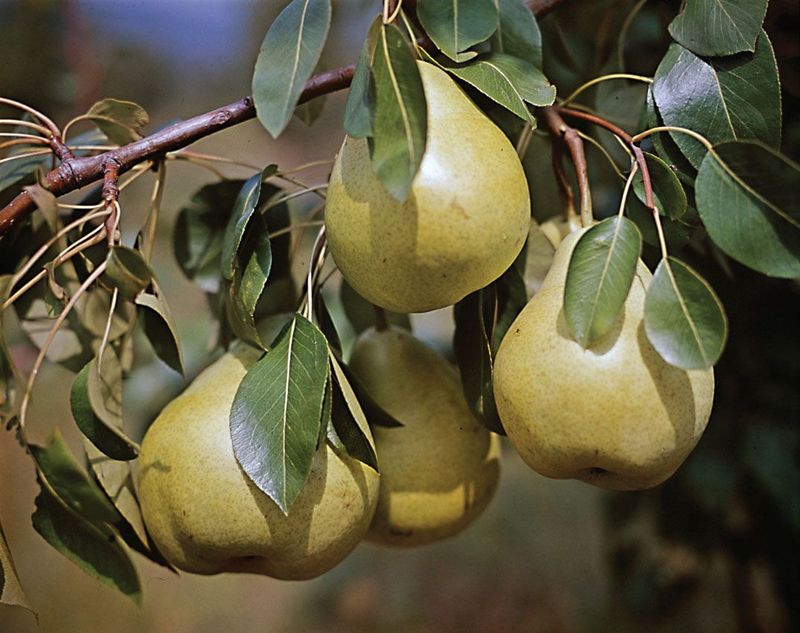
Pear trees, with their elegant form and sweet fruit, are a delightful addition to any garden. Resistant to several common diseases, varieties like ‘Kieffer’ and ‘Moonglow’ offer gardeners peace of mind. Best suited for zones 4 to 9, pears require less maintenance than apples and tend to attract fewer pests. Planting a pear tree means you’ll enjoy both its springtime blossoms and the juicy, flavorful fruits that follow. They are perfect for fresh eating or canning, providing versatility in the kitchen. Their graceful shape also adds visual interest to any landscape.
2. Peach (Prunus persica)
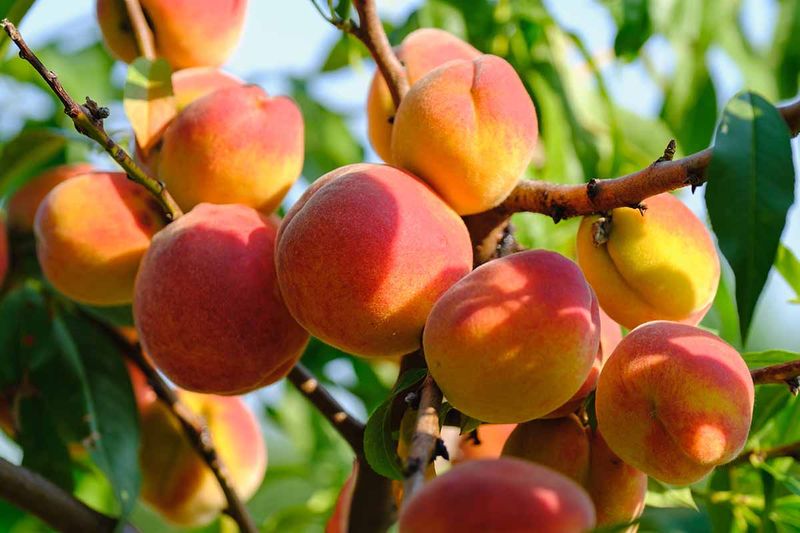
Nothing compares to the sweet aroma of ripe peaches wafting through your yard. Peaches are fast-growing trees, often producing fruit within 3 to 4 years. Ideal for zones 5 to 9, they offer vibrant spring blossoms and luscious summer fruits. Among the favorites is the ‘Elberta’, known for its classic taste and hardiness. Though they require some care, the rewards—juicy peaches perfect for jams, desserts, or fresh snacking—are well worth the effort. Their presence adds a touch of southern charm to any garden, making them a beloved choice for many.
3. Fig (Ficus carica)
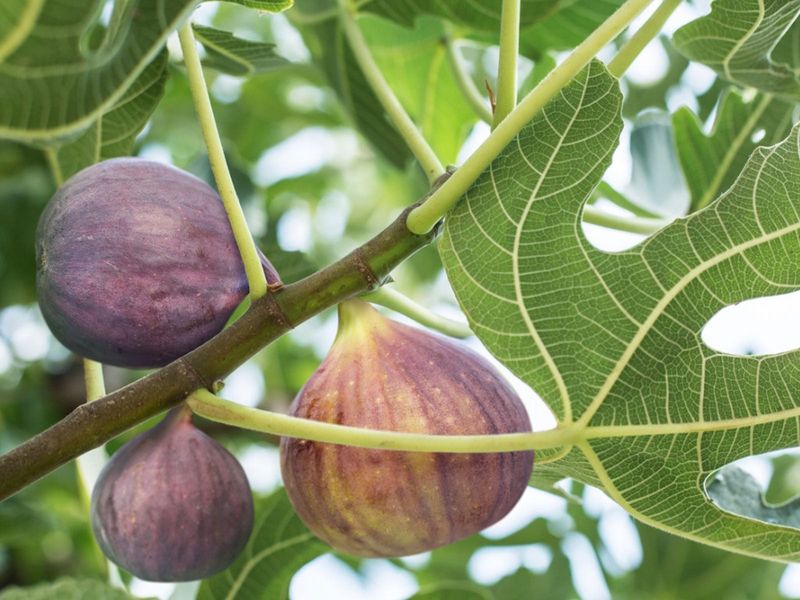
Figs are a treasure for gardeners seeking a low-maintenance and drought-tolerant option. Known for their unique texture and honey-like sweetness, figs thrive in zones 7 to 10, though they can grow in containers in cooler areas. The ‘Chicago Hardy’ variety is especially popular for its cold resistance. Figs do not require pollination, simplifying care, and they offer a delightful harvest from late summer to fall. Their large, lobed leaves provide a tropical feel, making them an attractive and practical addition to gardens or patios.
4. Cherry (Prunus avium / Prunus cerasus)
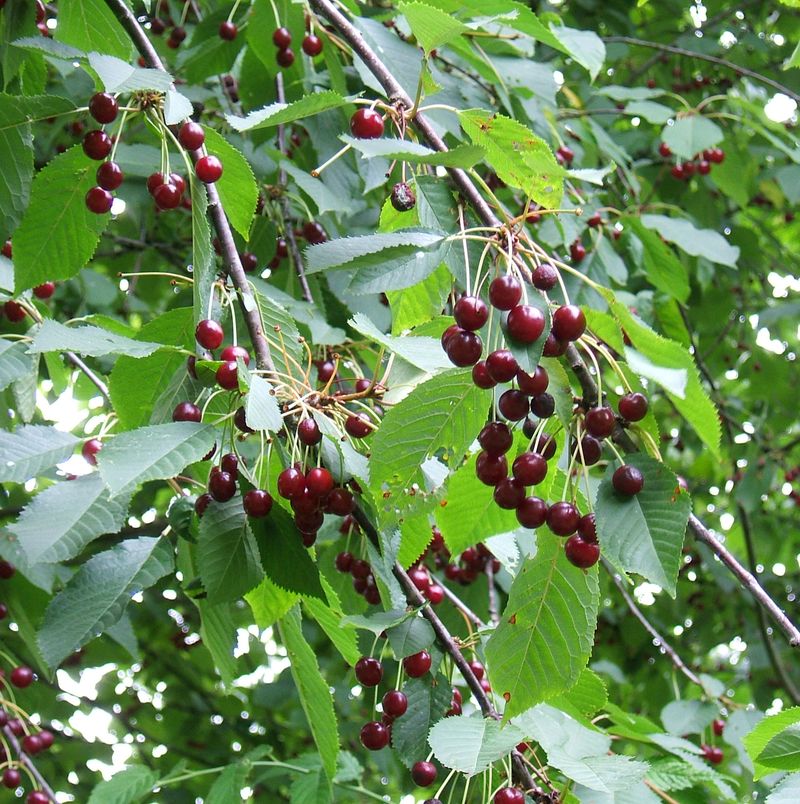
Cherries offer a delightful choice between sweet and tart varieties, perfect for fresh eating or baking. With their stunning blossoms, cherry trees create a spring spectacle. Sweet cherries, like ‘Bing’, flourish in zones 5 to 8, while tart cherries, such as ‘Montmorency’, thrive in zones 4 to 8 and are easier to grow. These trees are a haven for wildlife, attracting pollinators and birds alike. Once established, they require minimal care, rewarding gardeners with glossy fruits in summer. Their elegance and productivity make them a cherished feature in any yard.
5. Plum (Prunus domestica)
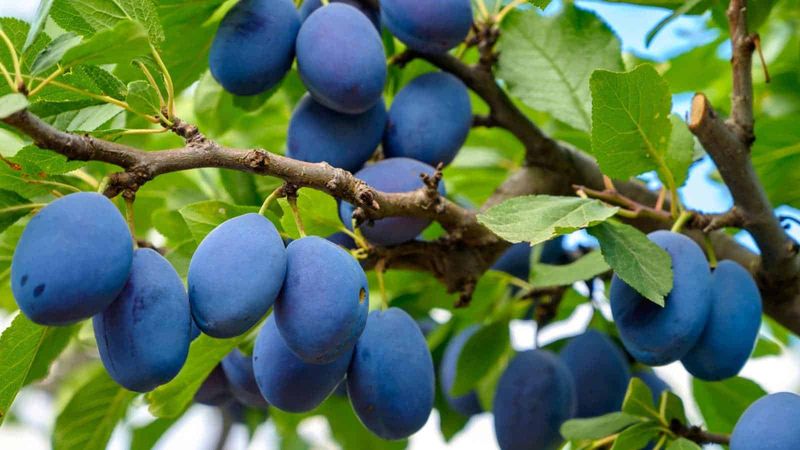
Plums, with their juicy and flavorful fruits, are a must-have for fruit lovers. Varieties like ‘Stanley’ and ‘Santa Rosa’ are prolific producers, ensuring a bountiful harvest. Suitable for zones 4 to 9, plums are versatile in both the garden and kitchen, perfect for fresh consumption or preserves. In spring, their blossoms add a touch of beauty, while in summer, the fruits provide satisfaction and nourishment. Low maintenance and fruitful, plums are ideal for those looking to enhance their garden’s productivity and aesthetic appeal.
6. Apricot (Prunus armeniaca)
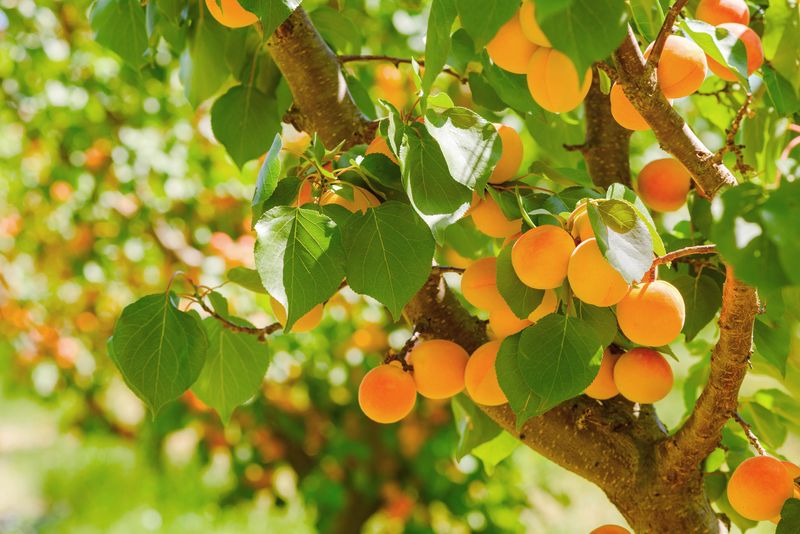
Apricots are beloved for their early spring blooms and succulent fruits. With varieties like ‘Moorpark’, an heirloom favorite, these trees are as beautiful as they are productive. Suitable for zones 5 to 8, apricots thrive in well-drained soil and sunny locations. Their sweet and tangy fruits are perfect for fresh eating or drying. Apricots not only delight the taste buds but also enhance garden charm with their vibrant blossoms and attractive foliage. They are a symbol of early season abundance, offering both visual and culinary benefits.
7. Apple (Malus domestica)

Imagine biting into a crisp, juicy apple you’ve grown yourself. Apples are a staple in many yards due to their reliability and cold-hardiness. With countless dwarf varieties available, they suit even the smallest spaces. For the best yield, plant at least two different varieties for cross-pollination. Depending on the cultivar, apples thrive in zones 3 to 8. Not only are they delicious fresh, but they also store well and can be used in numerous recipes. Their vibrant blossoms in spring add ornamental value, making them a dual-purpose addition to your yard.
8. Persimmon (Diospyros kaki / Diospyros virginiana)
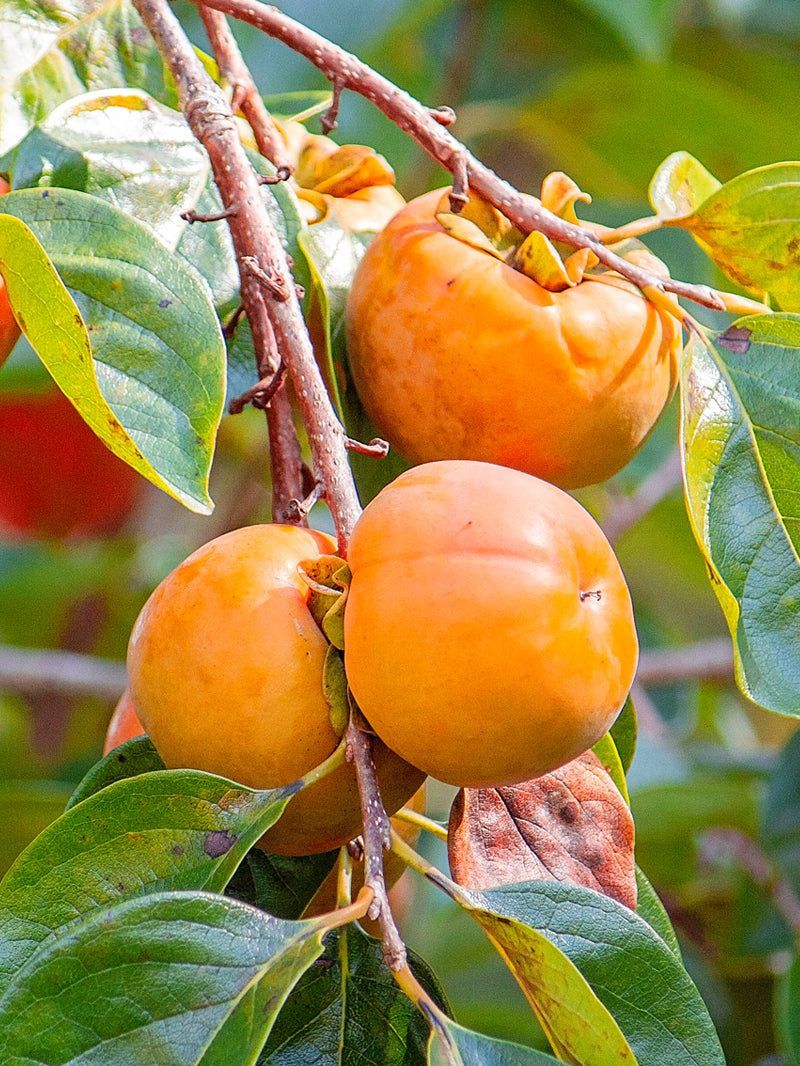
Persimmons stand out for their vibrant orange fruits and glossy foliage. The ‘Fuyu’ variety, non-astringent and sweet, is a favorite among gardeners for its ease of care. Suitable for zones 7 to 10, or even colder zones with the American persimmon, they are low-maintenance trees that offer a rich harvest. Their unique flavor profile makes them excellent for fresh consumption or culinary use. In addition to their delicious fruits, persimmons add ornamental value with their lush green leaves, providing shade and beauty to any landscape.
9. Mulberry (Morus spp.)
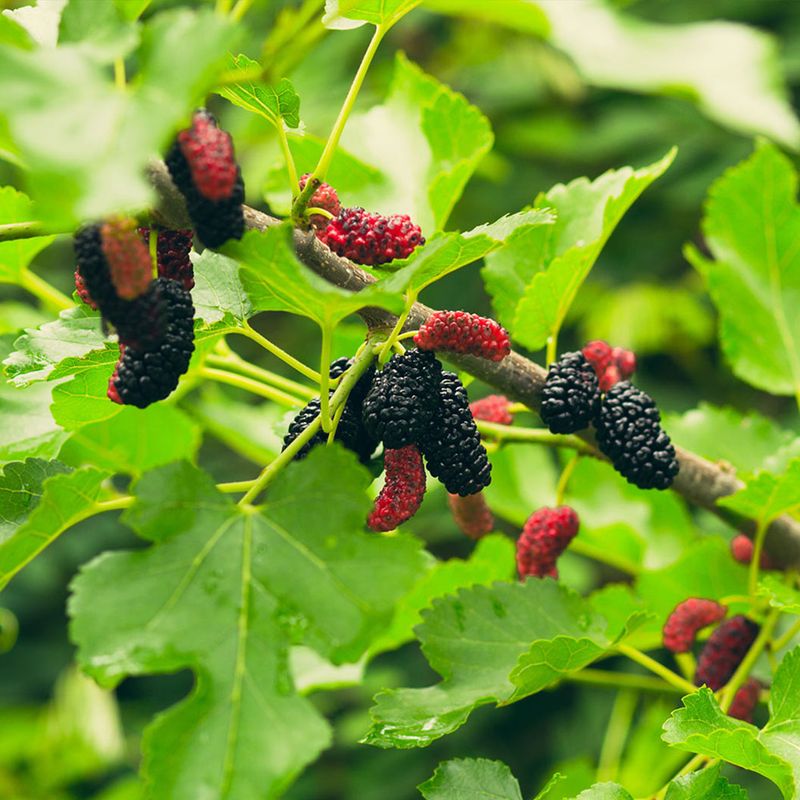
Mulberries, with their fast growth and bird-attracting berries, are a dynamic addition to any yard. Varieties like ‘Illinois Everbearing’ are particularly favored for their prolonged fruiting season. Thriving in zones 4 to 9, mulberries are drought-resistant and require minimal care. Their berries are not only delectable but also versatile, suitable for fresh eating or making jams and wines. These trees serve as a food source for wildlife, while their dense foliage provides excellent shade. Mulberries offer both ecological benefits and delicious rewards.
10. Pawpaw (Asimina triloba)
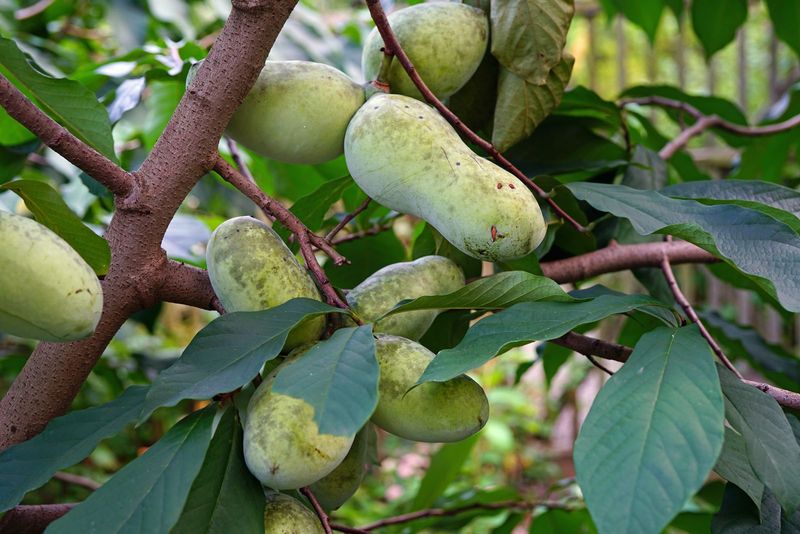
Pawpaws are North America’s largest native fruit, offering a tropical flavor reminiscent of bananas and mangoes. Suitable for zones 5 to 9, pawpaws are shade-tolerant and pest-resistant, making them an excellent choice for woodland gardens. Their large, vibrant fruits ripen in late summer, providing a unique culinary experience. Despite their exotic taste, pawpaws are easy to grow and require little maintenance. Their broad leaves and attractive form add a touch of the wild to any garden, making them a conversation starter among fruit enthusiasts.
11. Pomegranate (Punica granatum)

Pomegranates bring a taste of the exotic to your garden, admired for their ornamental beauty and nutritious fruits. The ‘Wonderful’ variety is the most popular, known for its large, juicy seeds. Thriving in zones 7 to 11, these trees are drought-tolerant and easy to maintain. Their vibrant red flowers transform into glossy fruits by fall, offering both visual appeal and health benefits. Pomegranates are versatile in the kitchen, perfect for juicing or adding to salads. Their stunning presence and delicious yield make them a treasured addition.
12. Citrus (Orange, Lemon, Lime, etc.)
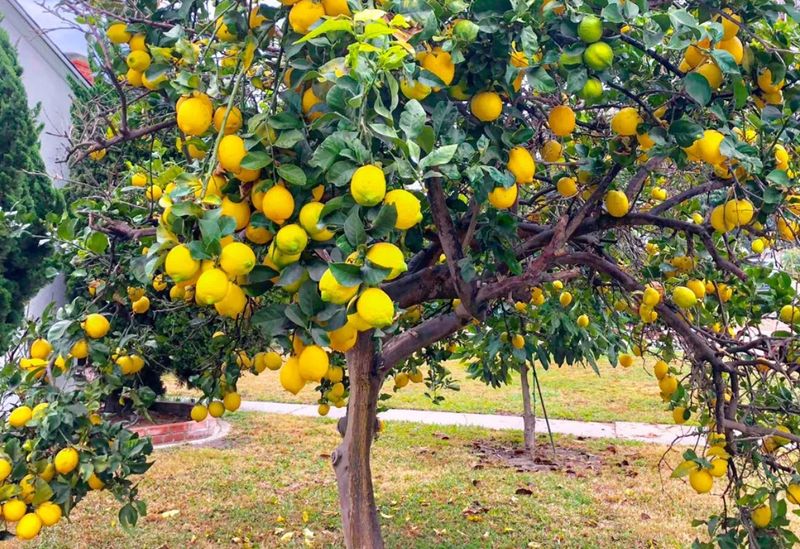
Citrus trees, with their fragrant blossoms and zesty fruits, bring a slice of sunlit charm to any garden. Dwarf varieties, such as the ‘Meyer Lemon’, thrive in pots, allowing them to be moved indoors during colder months. Best suited for zones 9 to 11 or as container plants in cooler areas, they offer year-round beauty and bounty. Citrus fruits are a versatile addition to any kitchen, perfect for drinks, desserts, or savory dishes. Their adaptability and vibrant presence make them a beloved choice for gardeners seeking both form and function.
13. Jujube (Ziziphus jujuba)
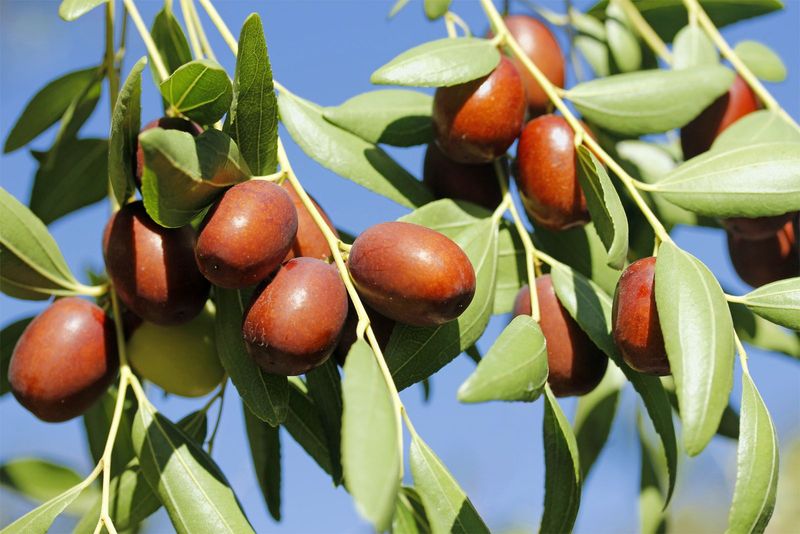
Jujubes, often referred to as the “Chinese date,” are valued for their sweet, date-like fruits and resilience to heat and drought. The ‘Li’ variety is particularly popular for its large, delicious fruits. Best suited for zones 6 to 9, jujube trees require minimal care and are highly productive. Their fruits can be eaten fresh or dried, offering a unique flavor experience. With their attractive, weeping form and small, glossy leaves, jujubes add both beauty and practicality to any garden, making them a favored choice for diverse landscapes.
14. Loquat (Eriobotrya japonica)
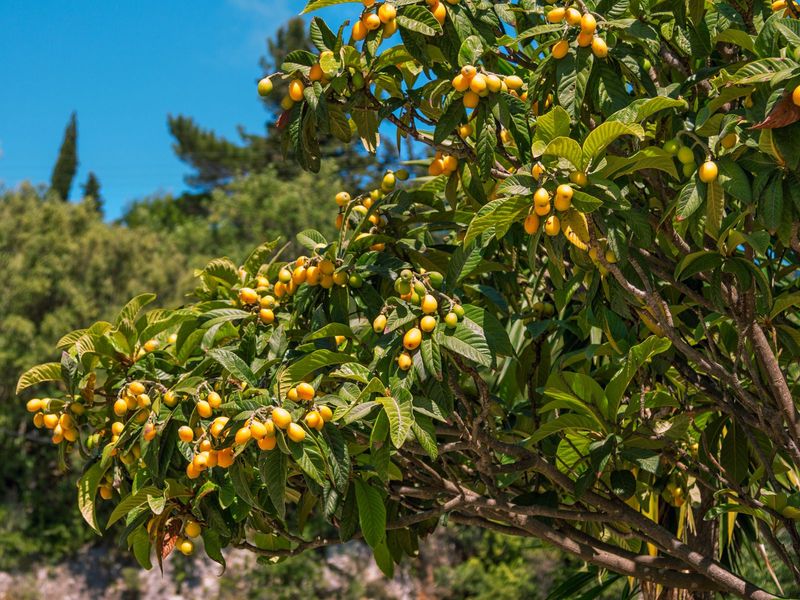
Loquats are evergreen trees prized for their tropical flavor and low-maintenance nature. Thriving in zones 8 to 10, they produce sweet and tangy fruits that are a springtime delight. Loquats require well-drained soil and full sun to flourish, offering a unique taste experience that combines citrus and peach notes. In addition to their delicious fruits, loquats provide year-round greenery and are known for their attractive foliage. Their ability to thrive in diverse conditions makes them a resilient and rewarding choice for gardeners seeking variety and flavor.
15. Quince (Cydonia oblonga)
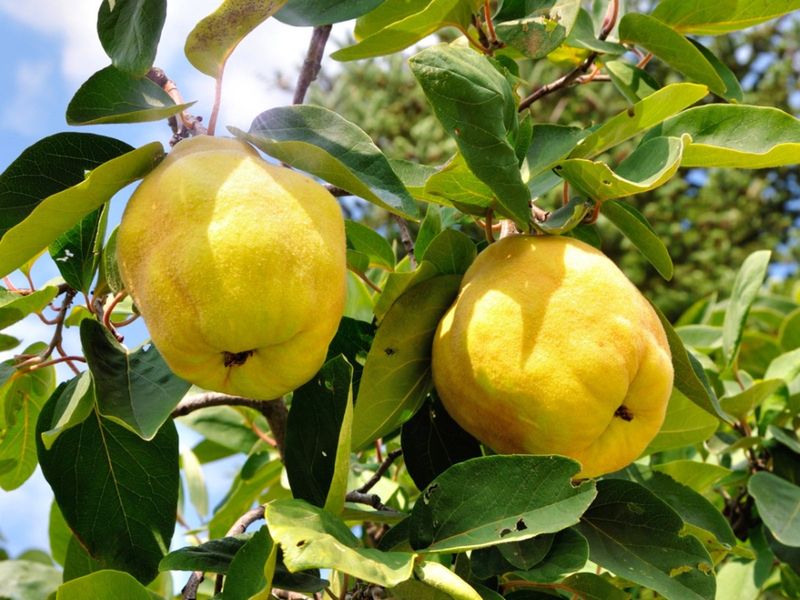
Quinces are cherished for their fragrant, golden-yellow fruits and hardy nature. Suitable for zones 5 to 9, they thrive in well-drained soil and are tolerant of challenging conditions. Quinces are ideal for making jams and jellies due to their high pectin content, providing a unique culinary opportunity. Their twisted branches and ornamental blossoms add character to any garden. As a symbol of love and fertility, quinces bring both beauty and tradition to your landscape, offering a delightful blend of aesthetics and function.
16. Nectarine (Prunus persica var. nucipersica)

Nectarines, known for their smooth skin and juicy interior, are a refreshing twist on the traditional peach. Self-pollinating and ideal for zones 5 to 9, they offer gardeners ease and productivity. The ‘Arctic Star’ variety, with its white flesh and sweet flavor, is a top choice. Nectarines require well-drained soil and full sun to thrive, rewarding gardeners with delicious fruits perfect for fresh eating or baking. Their fragrant blossoms and lush foliage enhance garden beauty, making them a versatile and delightful choice for both novice and experienced gardeners.
17. Serviceberry (Amelanchier spp.)
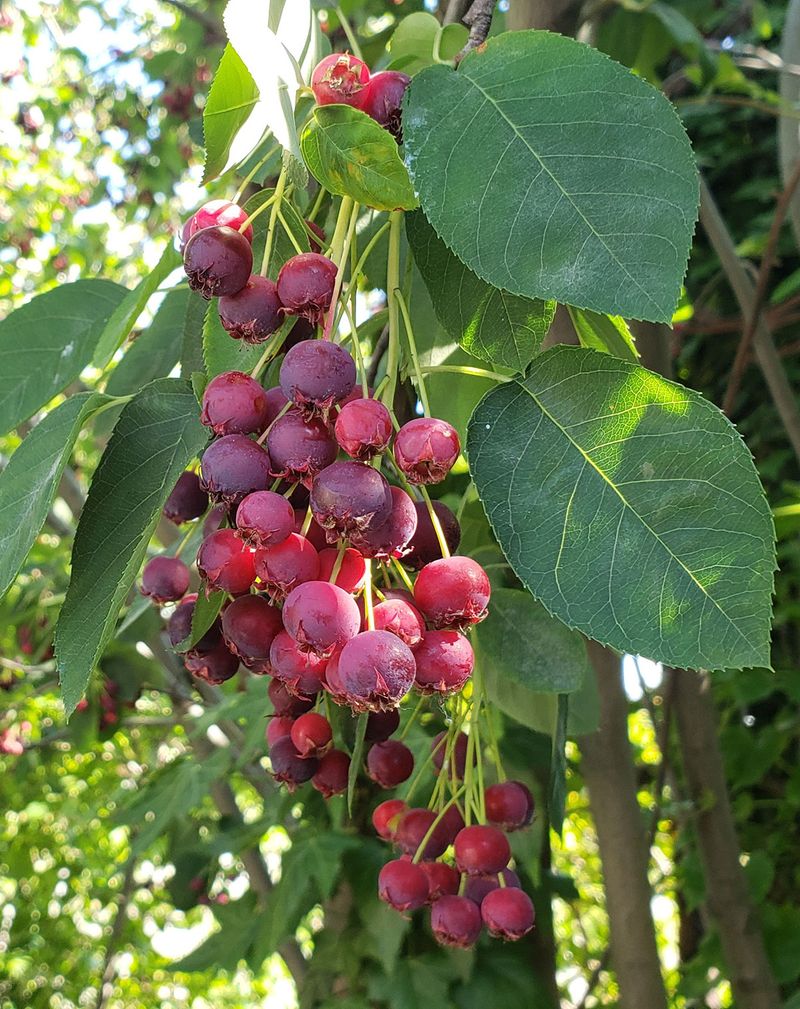
Serviceberries, native to North America, offer a charming blend of form and function. Their berry-like fruits are not only delicious but also attract birds and wildlife, enhancing garden biodiversity. Thriving in zones 4 to 9, serviceberries are low-maintenance and adaptable to various conditions. In spring, they burst into bloom with delicate white flowers, transforming into edible berries by summer. Their elegant form and multi-season interest make them a beloved choice for naturalistic gardens, providing both aesthetic appeal and ecological benefits.
18. Elderberry (Sambucus spp.)
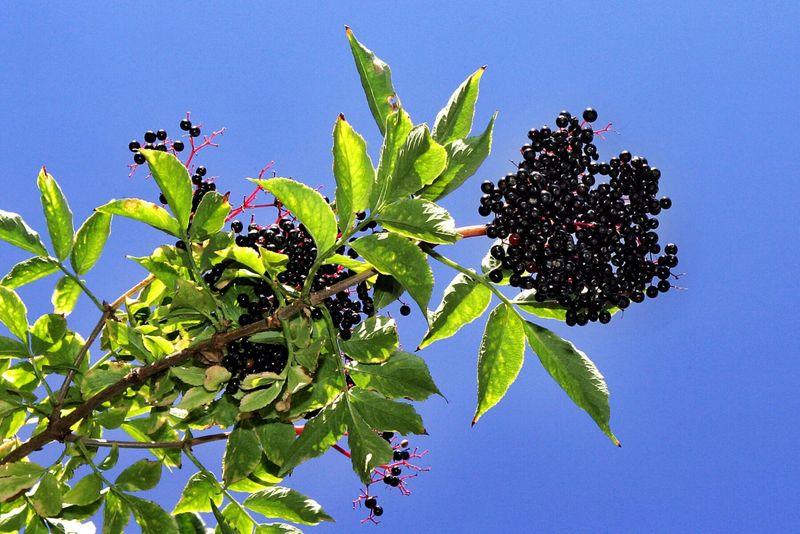
Elderberries are renowned for their medicinal properties and ease of growth, making them a valuable addition to any yard. The ‘Adams’ variety is known for its high yield and robust nature. Best suited for zones 3 to 9, elderberries thrive in well-drained soil with full sun to partial shade. Their clusters of white flowers in spring give way to dark, tart berries by late summer. These berries are perfect for making syrups, wines, or jams. Elderberries offer both culinary delights and health benefits, wrapped in a package of natural beauty and resilience.
19. Olive (Olea europaea)
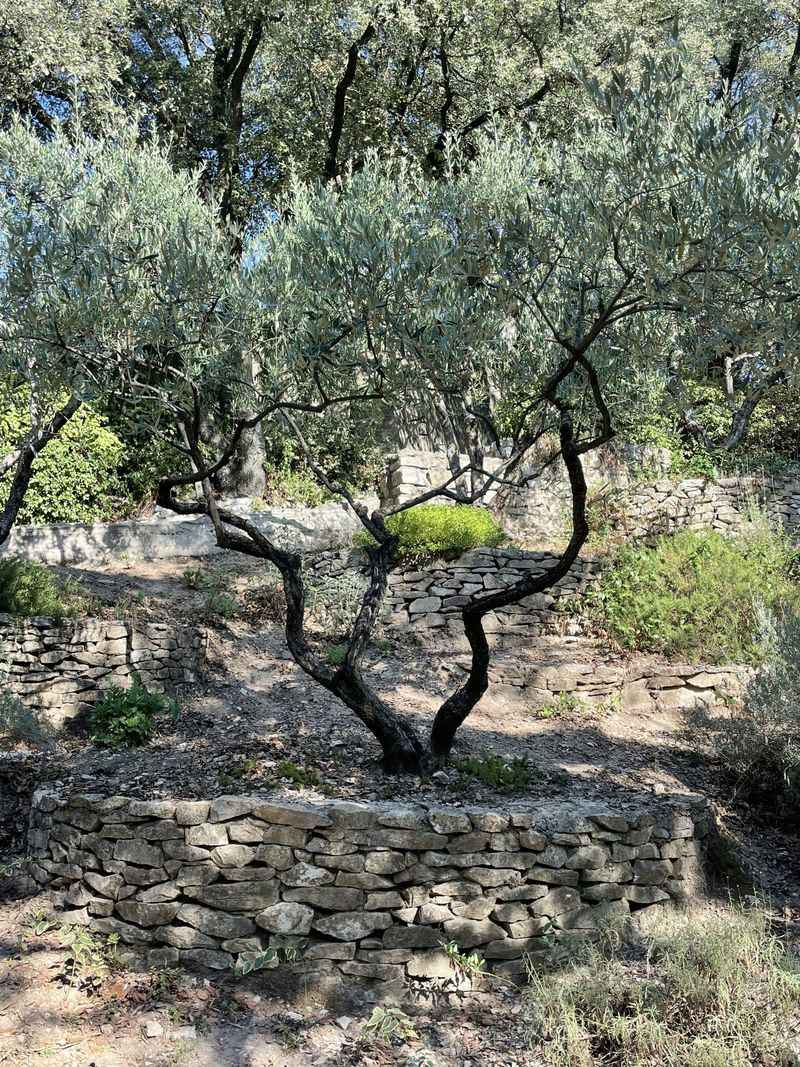
Olive trees, with their silver-green leaves and ancient charm, bring a touch of the Mediterranean to any landscape. Known for their hardiness and longevity, olives are best suited for zones 8 to 11. They require well-drained soil and full sun to thrive. While their fruits are a culinary staple, olives also offer ornamental value, with their gnarled trunks and evergreen foliage. These trees symbolize peace and abundance, making them a meaningful addition to gardens. Olives require minimal care, providing beauty, history, and delicious rewards.
20. Asian Pear (Pyrus pyrifolia)

Asian pears, with their crisp texture and sweet flavor, are a delightful addition to any garden. The ‘Hosui’ variety is particularly prized for its juicy and aromatic fruits. Suitable for zones 5 to 9, Asian pears are easy to grow and require minimal maintenance. They thrive in well-drained soil and full sun, rewarding gardeners with fruits perfect for fresh snacking or culinary use. Their blossoms in spring add an ornamental touch, while the fruits provide a unique taste experience. Asian pears combine beauty and productivity, making them a popular choice.