 Complete Gardening
Gardening enthusiasts often look to diversify their green spaces with exotic plants. However, some of these non-native species can wreak havoc on local ecosystems. This article explores 25 non-native plants that you should avoid planting in your garden, highlighting their invasive nature and the ecological disruptions they cause.
1. English Ivy (Hedera helix)
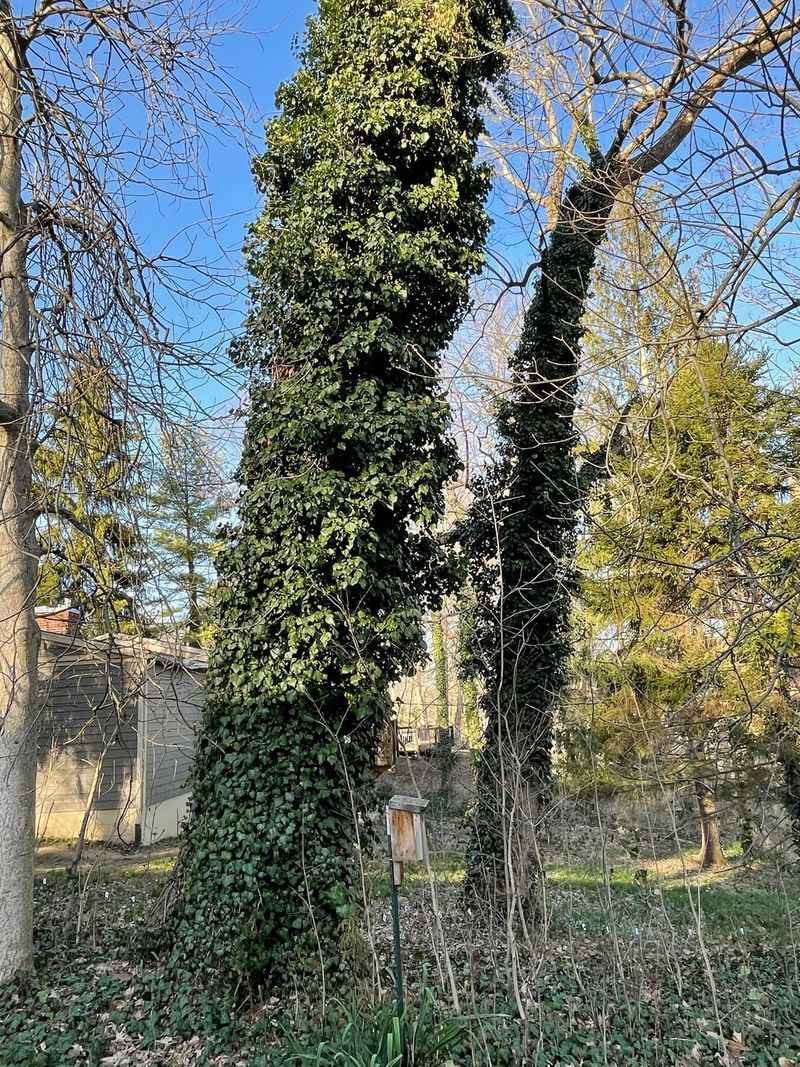
With its glossy, evergreen leaves, English Ivy seems like the perfect ground cover. But don’t be fooled. This plant has a dark side. Climbing trees with relentless determination, it strangles its hosts, depriving them of sunlight and nutrients. Often, it serves as a safe haven for pests, further damaging local flora. In the quiet of a shaded garden, it silently spreads, creating a monoculture that outcompetes native plants. English Ivy’s charm can quickly turn into a gardener’s nightmare, making it a plant best admired from afar.
2. Japanese Honeysuckle (Lonicera japonica)
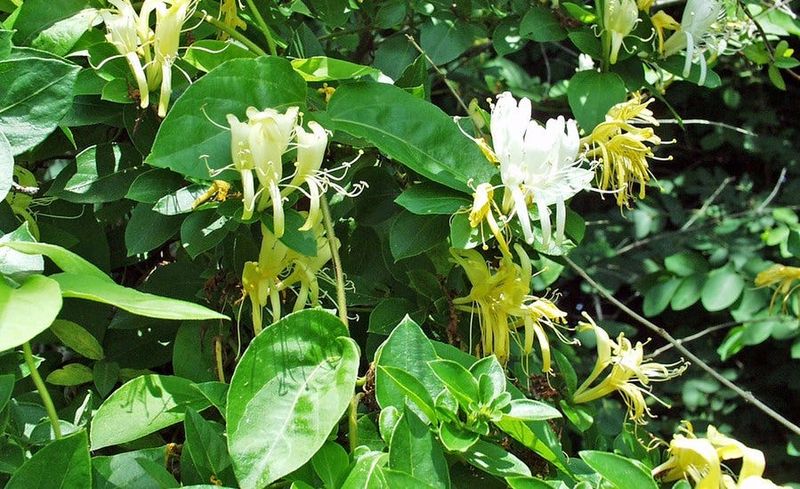
Sweetly scented blossoms make Japanese Honeysuckle a tempting choice for gardeners. However, this vine’s beauty conceals its invasive nature. It rapidly twines around native plants, smothering them under its dense foliage. Each spring, its fragrant flowers signal a new wave of growth, threatening biodiversity. Its ability to alter ecosystems and displace native species makes it a problematic presence in gardens. Despite its alluring fragrance, Japanese Honeysuckle is a plant that can wreak havoc on native habitats.
3. Purple Loosestrife (Lythrum salicaria)
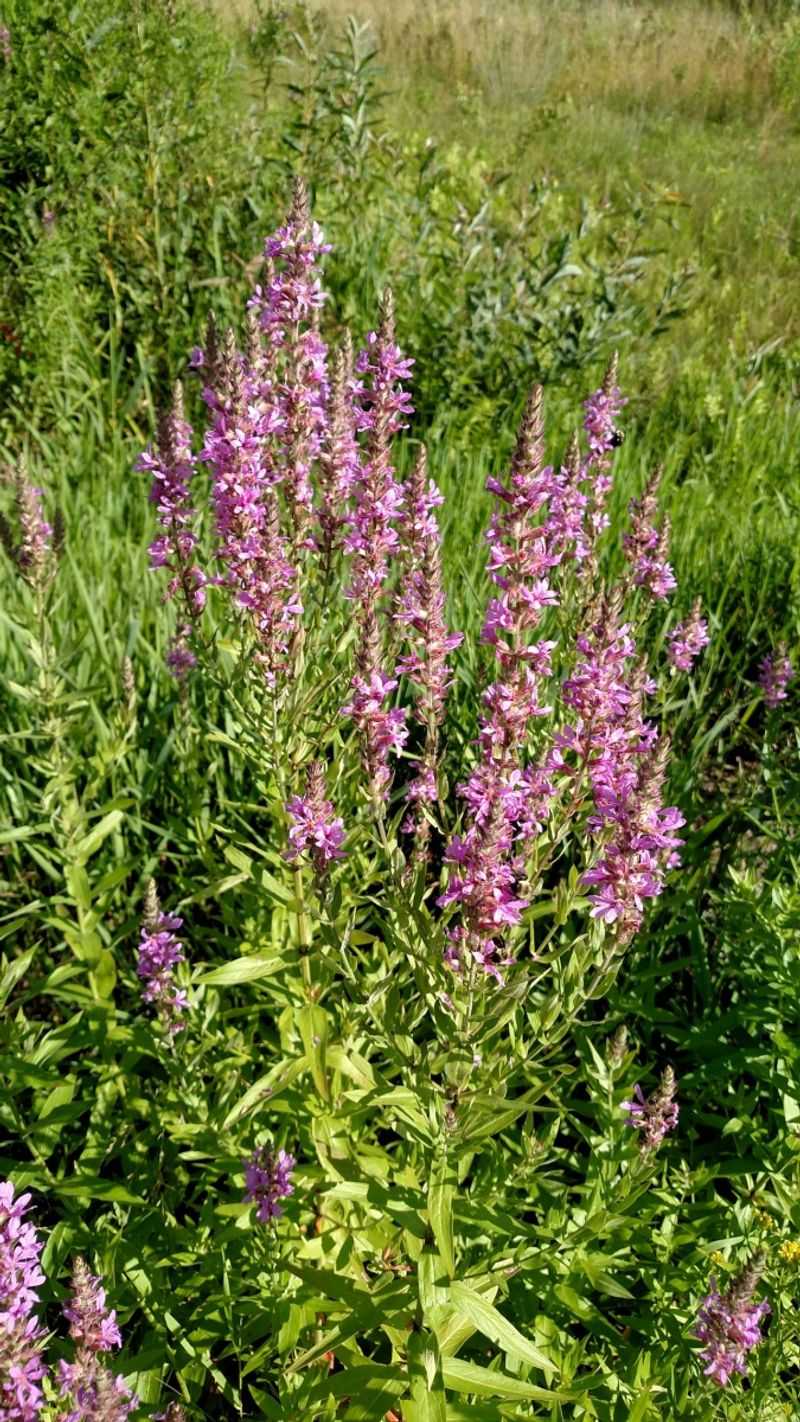
Purple Loosestrife, with its tall spikes of vivid purple flowers, might seem like a gardener’s dream. Yet, this beauty is a double-edged sword. In wetlands, it spreads aggressively, creating dense stands that crowd out native flora. Each plant can produce thousands of seeds, ensuring its rapid spread. Over time, it alters habitats, affecting water flow and availability for native species. Its ability to dominate wetlands has earned it a notorious reputation. Despite its visual appeal, Purple Loosestrife is best left out of gardens.
4. Kudzu (Pueraria montana)

Kudzu grows with a vigor that is almost unmatched, earning it the nickname “the vine that ate the South.” Originating from Asia, it was initially introduced for erosion control, but its growth quickly spiraled out of control. Covering everything in its path, from trees to buildings, it forms a dense canopy that blocks sunlight. This inhibits the growth of any plant beneath it, stifling biodiversity. Its rapid spread and ease of establishment make it a formidable invader, turning landscapes into kudzu-dominated spaces.
5. Chinese Wisteria (Wisteria sinensis)
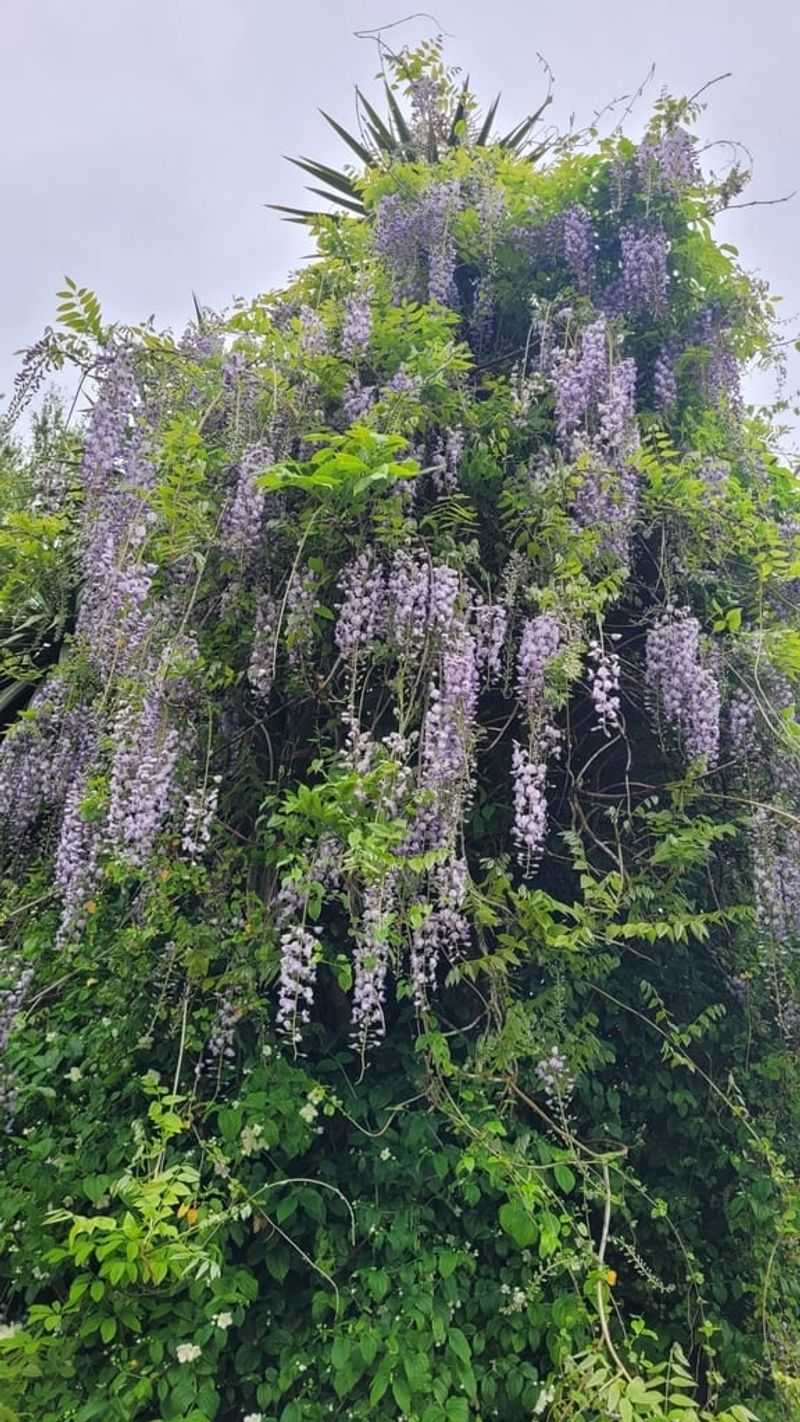
Chinese Wisteria enchants with its cascading violet blooms, but its beauty masks a more sinister nature. Once established, it wraps around trees and structures, strangling them with woody vines. Its aggressive growth makes it a challenging adversary to eradicate. Each spring, its blossoms create a mesmerizing display, but the underlying damage to trees and native plants is far from enchanting. While its flowers captivate many, its impact on local ecosystems is damaging, earning it a spot on the list of plants to avoid in gardens.
6. Norway Maple (Acer platanoides)
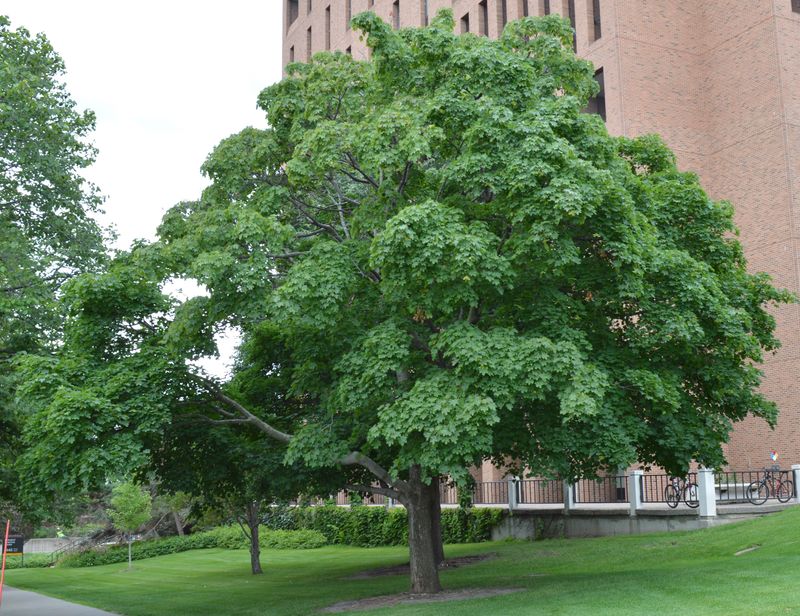
Norway Maple might seem like a robust choice for its shade-providing qualities, yet it casts more than just a shadow. Its dense canopy blocks sunlight, preventing native undergrowth from thriving. The tree’s roots alter soil composition, further impacting the plants around it. Introduced for its aesthetic appeal, its pervasive nature has since been recognized. Its ability to dominate landscapes and reduce biodiversity makes it less desirable for those looking to create balanced, eco-friendly gardens.
7. Japanese Barberry (Berberis thunbergii)
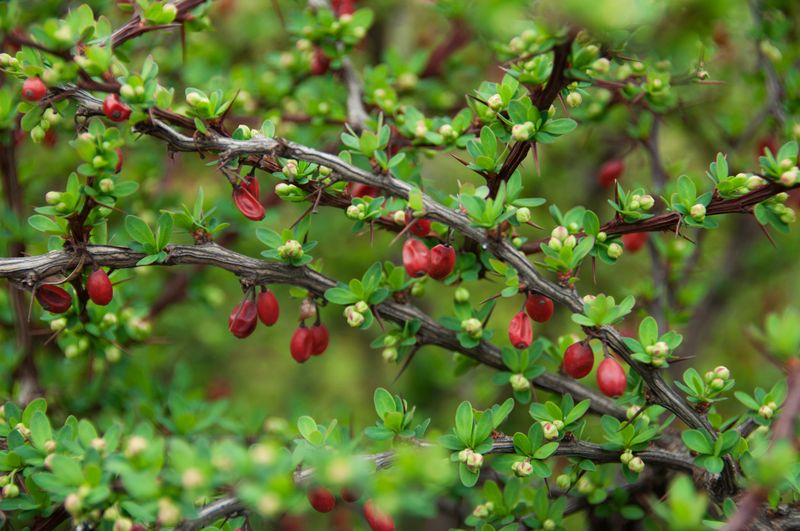
Japanese Barberry’s vibrant foliage and bright red berries make it a garden favorite. However, beneath its ornamental appeal lies a thorny problem. It spreads quickly, forming dense thickets that outcompete native plants. Its presence is more than just a nuisance; it alters soil chemistry and provides a haven for ticks, posing risks to both plants and animals. While its appearance is striking, the ecological impact of Japanese Barberry is significant, making it a problematic choice for gardens seeking to protect native flora.
8. Butterfly Bush (Buddleja davidii)
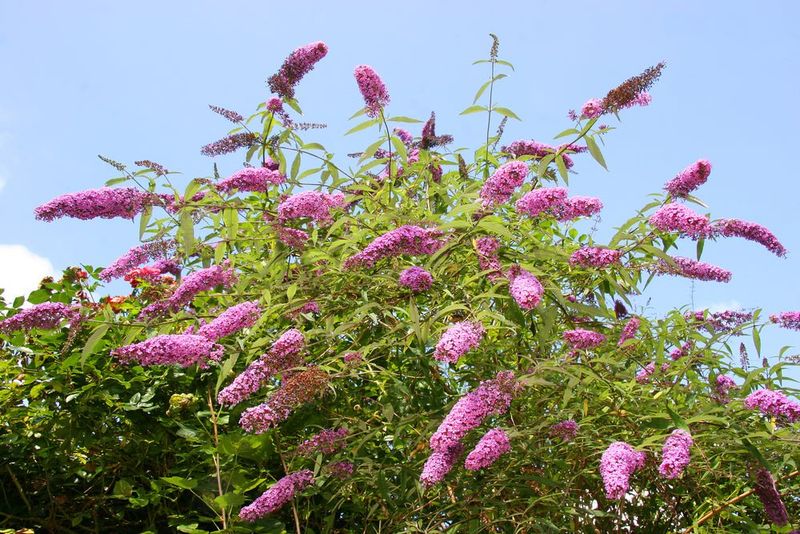
Butterfly Bush, adored for attracting butterflies, seems like a gardener’s delight. Yet, its prolific seed production allows it to escape garden confines, spreading into wild areas. Though it draws butterflies, it offers little to native insects, disrupting food webs. Its ability to form dense stands limits the growth of native plants. While it adds beauty to a garden, its ecological impact is far-reaching, leading to concerns about its role in disrupting local ecosystems. It is a plant that requires careful consideration before planting.
9. Russian Olive (Elaeagnus angustifolia)
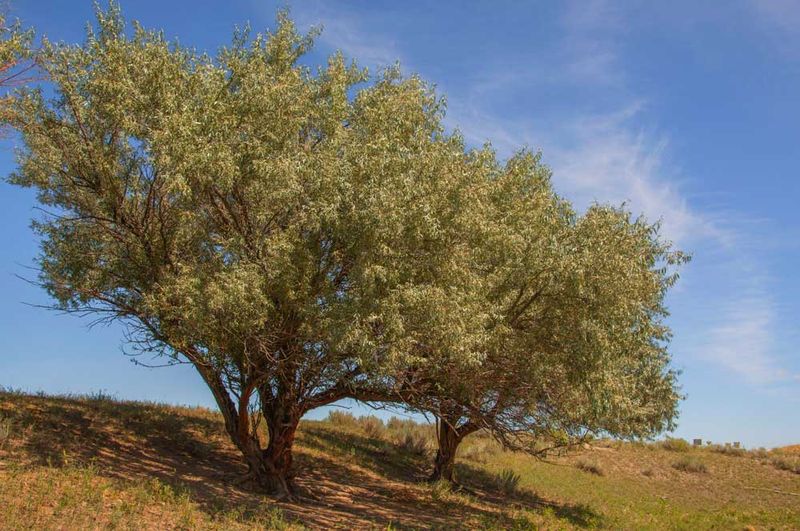
Russian Olive’s silvery leaves and fragrant yellow flowers offer a unique aesthetic. However, this beauty comes at a cost. In riparian zones, it aggressively outcompetes native trees and shrubs, altering waterway ecosystems. Its nitrogen-fixing ability changes soil composition, impacting surrounding flora. Though visually appealing, Russian Olive’s impact on biodiversity and waterway health is concerning. The plant’s invasive nature makes it a poor choice for gardens, especially those near sensitive ecological areas.
10. Tree of Heaven (Ailanthus altissima)

Tree of Heaven, with its rapid growth, seems like an easy solution for quick shade. However, its fast development is matched by its ability to weaken structures it grows near. Additionally, it serves as a host for the invasive spotted lanternfly, exacerbating its negative impact. Despite its name, it creates anything but a heavenly environment, as its dense growth crowds out native species. Its presence in gardens and urban areas raises ecological concerns, making it a plant best avoided for those seeking harmony in their landscapes.
11. Japanese Knotweed (Fallopia japonica)
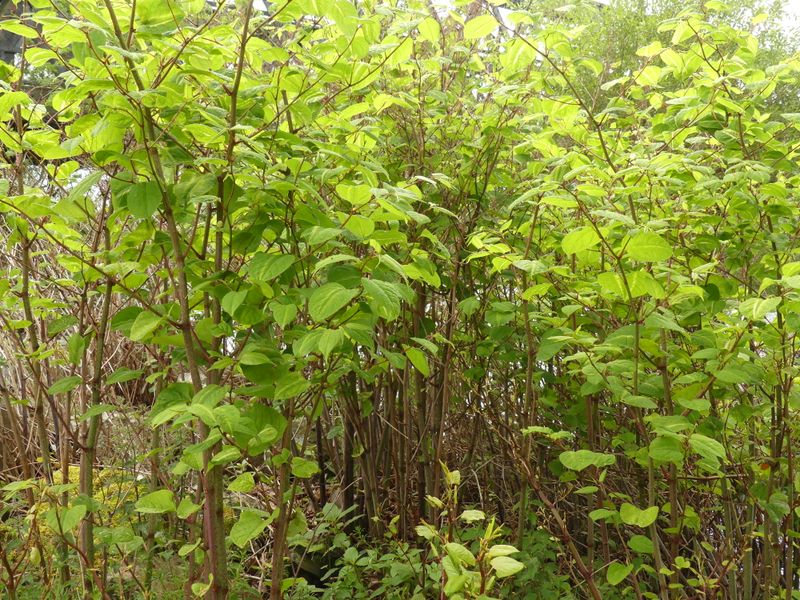
Japanese Knotweed is notorious for its ability to destroy foundations and reclaim landscapes. Its bamboo-like stems form thick stands, outcompeting all other vegetation. This invasive thrives along riverbanks, where its extensive root system undermines structures. Almost impossible to eradicate, it’s a gardener’s nightmare once established. Despite its appealing appearance, its aggressive nature overshadows any ornamental value. This plant’s resilience and potential for destruction make it one of the most problematic non-natives in gardens.
12. Scotch Broom (Cytisus scoparius)
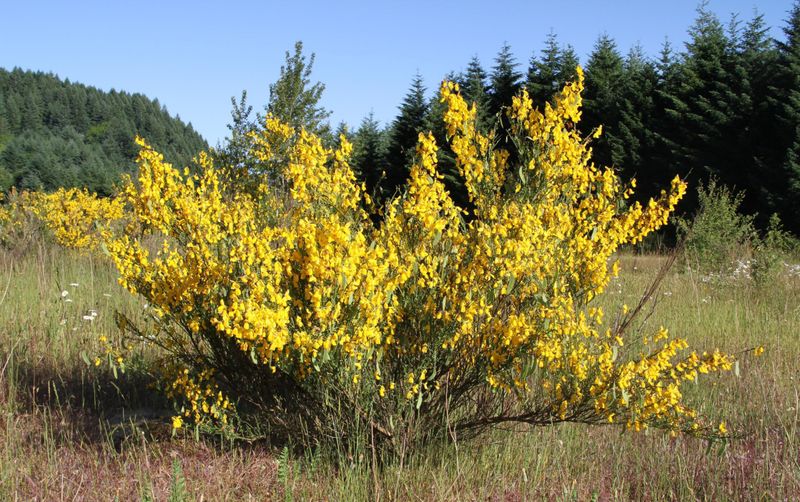
Scotch Broom captivates with vibrant yellow blossoms that transform landscapes into seas of gold. But beyond its beauty lies a combustible threat. Its highly flammable nature turns it into a fire hazard, endangering ecosystems. Once settled, it spreads across open fields, forming dense thickets that displace native species. Despite its initial allure, its ecological impact is significant, turning once diverse fields into monocultures. Scotch Broom’s presence is a reminder of how beauty can sometimes mask danger in the natural world.
13. Chinese Privet (Ligustrum sinense)
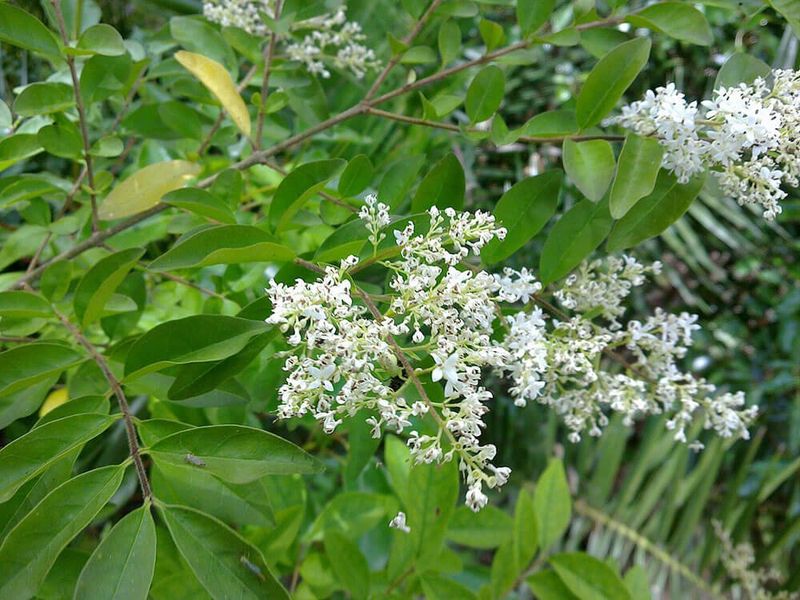
Chinese Privet’s fragrant white flowers may tempt gardeners, but its ability to form dense thickets tells a different story. Along forest edges, it chokes out native plants, altering ecosystems. Its seeds spread rapidly, carried by birds, ensuring its pervasive presence. Once established, it becomes a dominant force, changing the dynamics of plant communities. Despite its ornamental use, its invasive nature means it often does more harm than good. Careful consideration is needed before introducing this plant to garden spaces.
14. Burning Bush (Euonymus alatus)
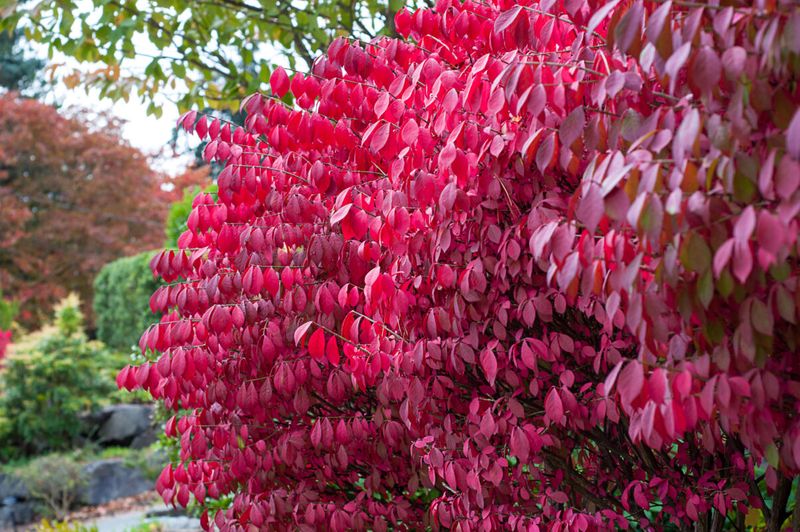
Burning Bush dazzles with its fiery autumn display, but its visual appeal belies an invasive tendency. Its seeds disperse easily, leading to its spread into forests where it displaces native shrubs. As it establishes, it forms dense thickets that alter the forest understory. Its vibrant colors may captivate, yet the ecological implications are concerning. For those wanting to preserve native plant diversity, Burning Bush is best admired in photos rather than planted in gardens where it can escape and impact natural ecosystems.
15. Yellow Flag Iris (Iris pseudacorus)
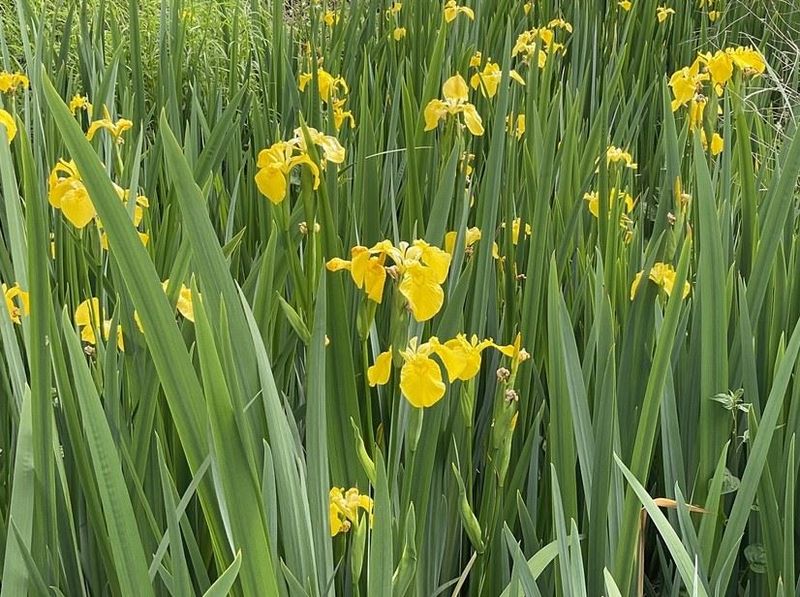
Yellow Flag Iris, with its striking yellow blooms, paints wetlands with bold color. Yet, this vibrant appearance hides its invasive nature, as it spreads rapidly along water edges. Its dense clumps outcompete native wetland species, altering habitats crucial for wildlife. Moreover, this iris poses a toxicity risk to animals, making its presence even more concerning. While its beauty in a naturalized setting can be tempting, its potential ecological disruption and toxicity make it a plant to approach with caution.
16. Japanese Spirea (Spiraea japonica)
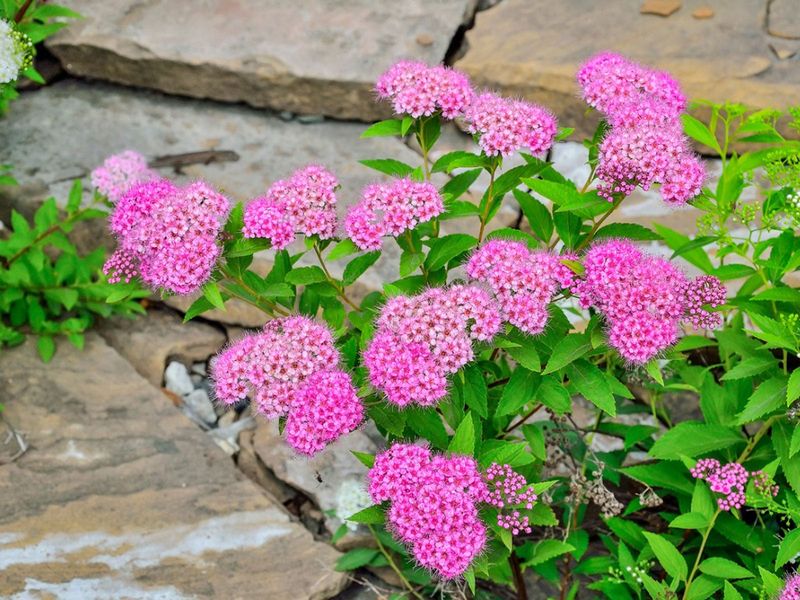
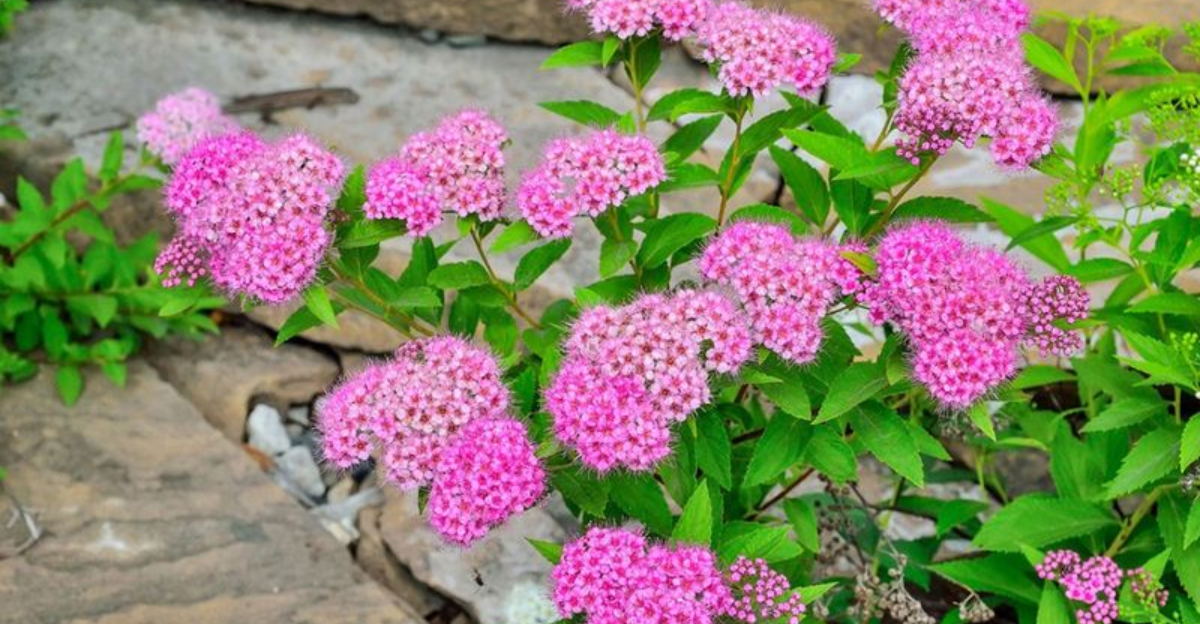
Japanese Spirea’s clusters of pink flowers offer a splash of color to gardens, but they come at a cost. This shrub forms dense stands, spreading quickly and reducing biodiversity. Its presence in a garden can overshadow native plants, creating imbalances in plant communities. While its flowers bring visual appeal, its aggressive nature and tendency to dominate landscapes raise concerns. Careful management is required to prevent its spread beyond intended borders, making it a contentious choice for eco-conscious gardeners.
17. Crown Vetch (Securigera varia)
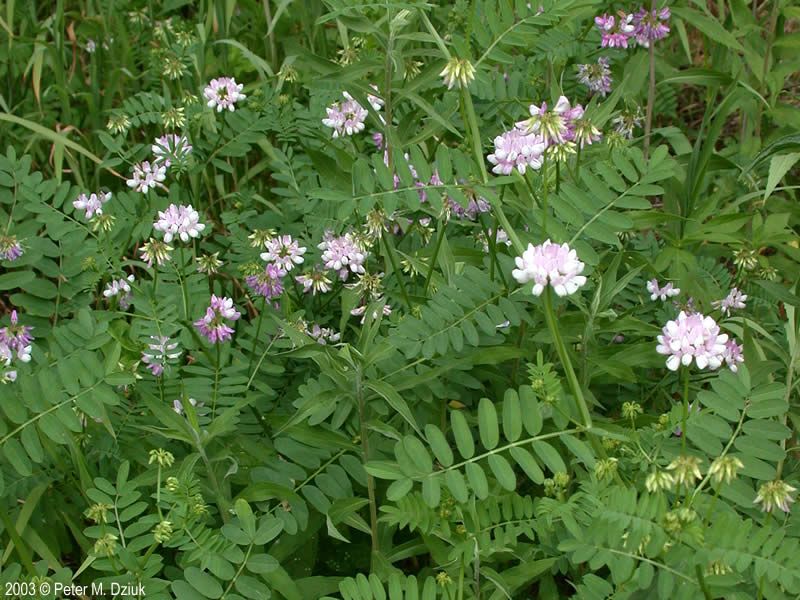
Crown Vetch’s cascading foliage and pink and white blooms might seem charming, yet its rapid spread tells another story. Often used for erosion control, it establishes quickly, covering large areas and suppressing native growth. Along roadsides, its presence is hard to ignore, as it forms thick mats that limit biodiversity. While it serves practical purposes, its tendency to dominate landscapes can have unintended ecological consequences. Balancing its use with the needs of native plants can be a challenge for those managing natural areas.
18. Multiflora Rose (Rosa multiflora)
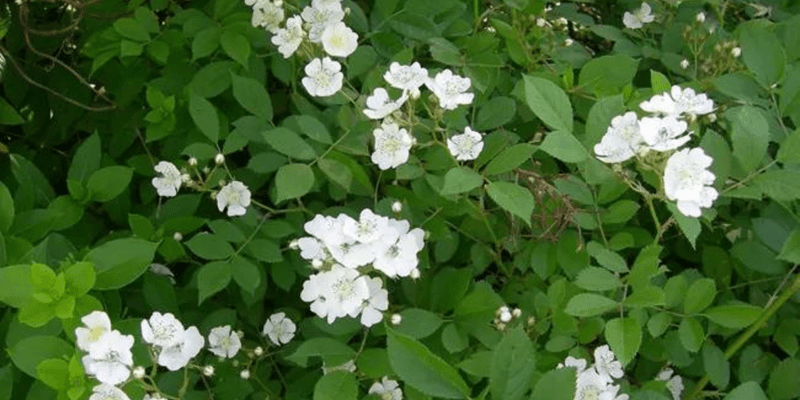
Multiflora Rose captivates with delicate white blooms, yet its thorny canes form barriers that are anything but delightful. This rose spreads aggressively, creating dense thickets that can dominate pastures and wildlife areas. Its ability to form impenetrable barriers poses challenges for both livestock and native wildlife. Despite its floral charm, the ecological and agricultural impact is significant, making it a plant that requires careful management to prevent unwanted spread. Its presence is a reminder of how attractive plants can sometimes have hidden drawbacks.
19. Giant Hogweed (Heracleum mantegazzianum)

Giant Hogweed stands as a towering figure in fields, with umbrella-like clusters of white flowers. However, its grandeur comes with a hidden danger: toxic sap that causes severe burns upon contact with skin. This giant not only poses risks to humans but also spreads rapidly, forming dense stands that outcompete native plants. Its imposing size and harmful effects make it a plant best admired from a safe distance. The challenges it presents to both health and ecosystems underscore the need for caution in its presence.
20. Porcelain Berry (Ampelopsis brevipedunculata)
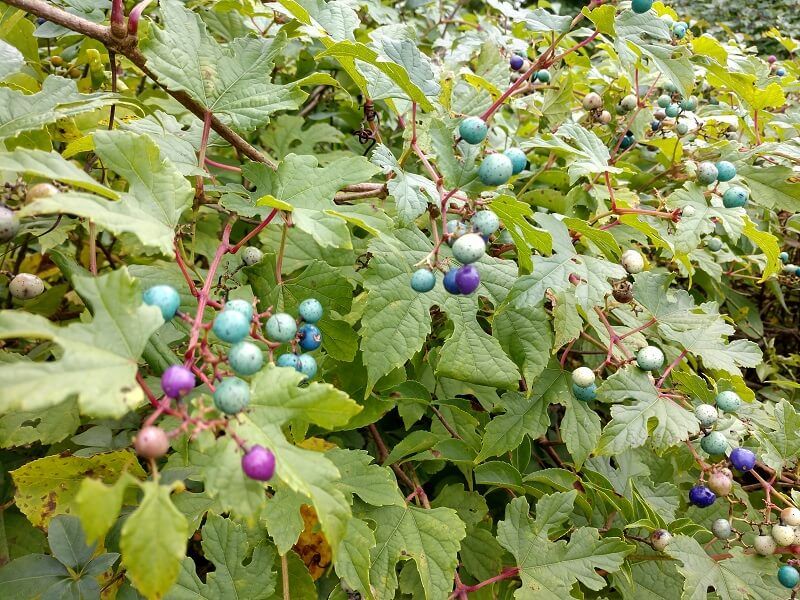
Porcelain Berry captures attention with its vibrant, multicolored berries that resemble jewels. Yet, its beauty is deceptive, as it invades spaces by climbing over trees and shrubs. Its grapevine-like growth pattern allows it to spread rapidly, overshadowing native vegetation below. While visually striking, its competitive nature disrupts plant communities, making it a troublesome presence in gardens and wild areas alike. The allure of its colorful berries is overshadowed by the ecological challenges it presents, requiring careful consideration in any planting plans.
21. Autumn Olive (Elaeagnus umbellata)
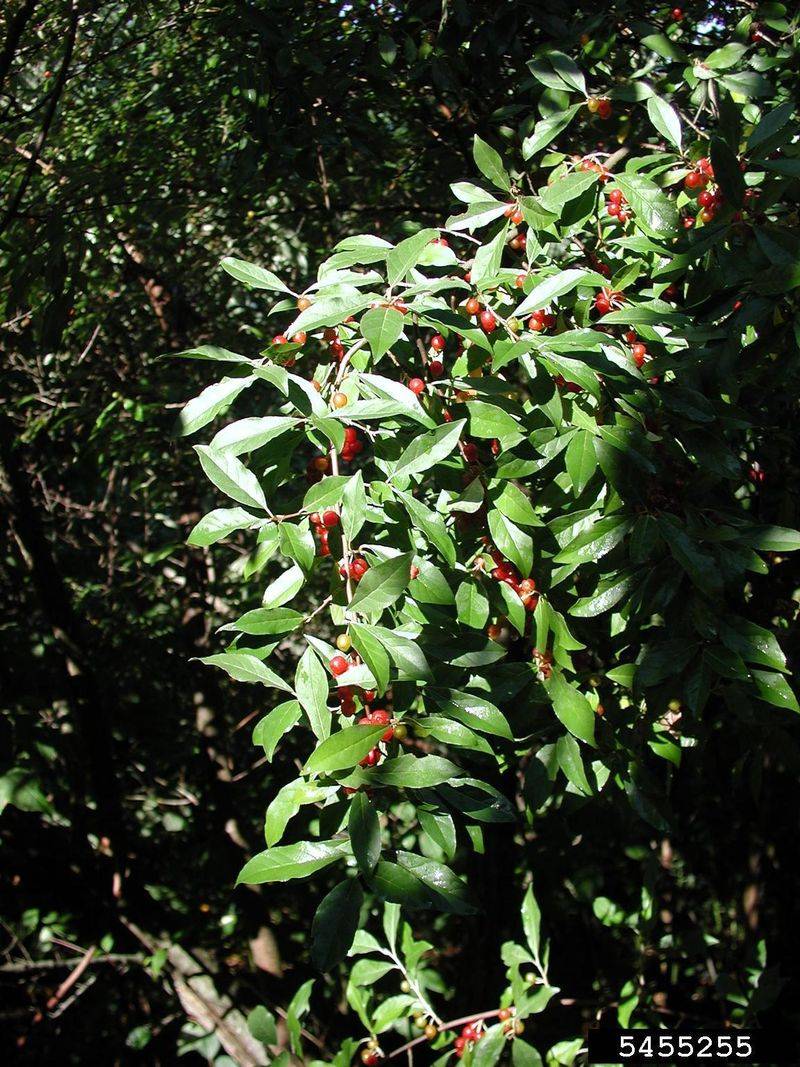
Autumn Olive’s silvery leaves and bright red berries offer a striking visual contrast, yet its impact on ecosystems is far less appealing. Along forest edges, it spreads quickly, altering soil chemistry and displacing native plants. Its nitrogen-fixing capability changes nutrient balances, affecting entire plant communities. While its ornamental appeal is undeniable, the consequences of its spread are significant, making it a plant best managed with caution. Its presence in gardens should be considered carefully, especially near natural areas.
22. Water Hyacinth (Eichhornia crassipes)
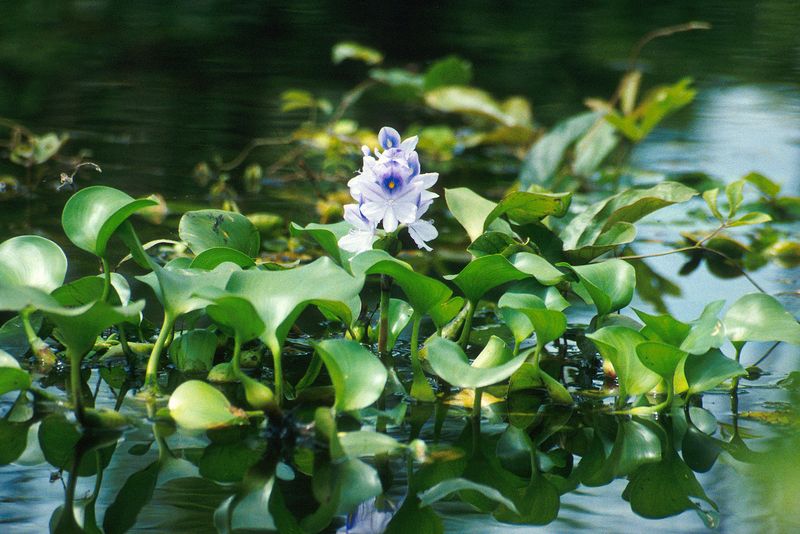
Water Hyacinth dazzles with clusters of lavender flowers floating on water surfaces. However, its beauty belies its aggressive nature, as it forms thick mats that clog waterways. This not only impedes water flow but also deprives aquatic life of sunlight and oxygen. Its rapid spread can transform vibrant aquatic ecosystems into lifeless bodies of water. Despite its ornamental use, the environmental impact is severe, making it a plant that requires strict control and management to prevent ecological damage.
23. Japanese Stiltgrass (Microstegium vimineum)
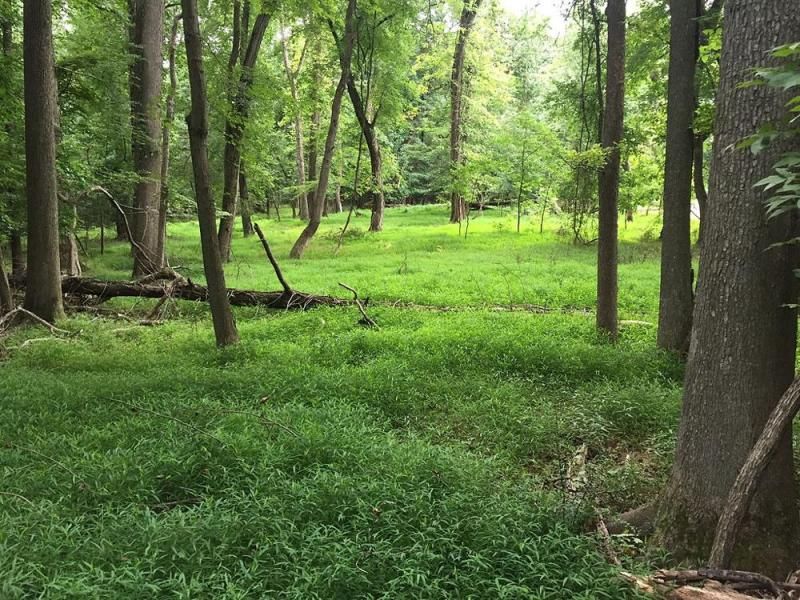
Japanese Stiltgrass, with its elegant grass-like blades, paints forest floors in delicate shades of green. However, this beauty hides its invasive traits. It spreads quickly, forming dense mats that crowd out native plants, altering forest ecosystems. Its ability to thrive in shaded environments allows it to dominate, reducing biodiversity. While its appearance is serene, the ecological consequences are anything but peaceful. Japanese Stiltgrass’s impact on native species is profound, making it a challenging invader to manage in natural settings.
24. Brazilian Pepper Tree (Schinus terebinthifolia)
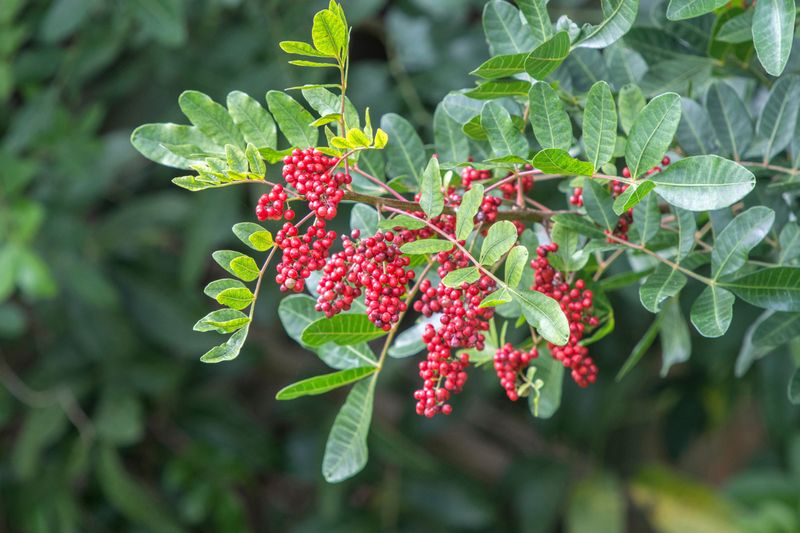
Brazilian Pepper Tree’s feathery leaves and bright red berries adorn landscapes with vibrant color. Yet, beneath this beauty lies a toxic and allergenic presence. Its rapid growth in subtropical areas allows it to overtake native species, altering ecosystems. Its berries, while attractive, contribute to its spread, creating dense thickets that challenge biodiversity. Despite its ornamental appeal, Brazilian Pepper Tree’s ecological impact is concerning, making it a plant best avoided for those seeking to maintain balanced environments.
25. Mexican Feather Grass (Nassella tenuissima)
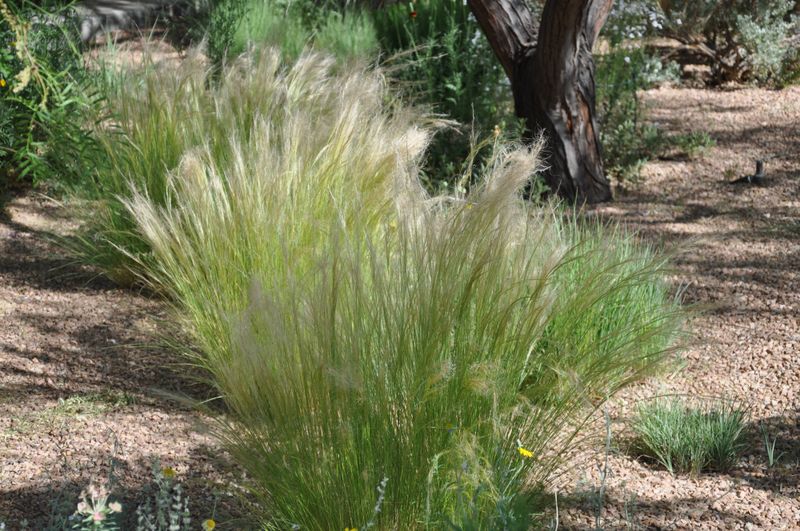
Mexican Feather Grass sways gracefully in the breeze, its delicate plumes creating a mesmerizing dance. However, this feathery elegance conceals its invasive potential. It spreads quickly via wind-blown seeds, establishing in meadows and prairies where it outcompetes native grasses. Its ability to colonize large areas raises concerns about biodiversity loss. While its ornamental qualities are appealing, the ecological impact is significant, requiring careful management to prevent uncontrolled spread. Mexican Feather Grass’s delicate appearance belies its powerful ability to disrupt ecosystems.