
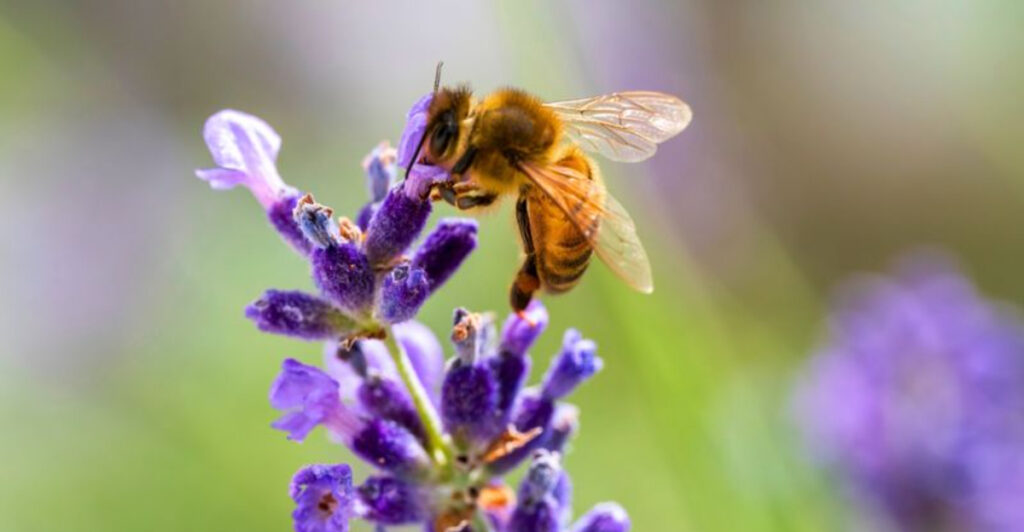
Bees play a crucial role in our gardens, influencing the growth of plants, flowers, and produce. Without them, our gardens would lack the vibrancy and productivity we cherish.
From pollination to maintaining biodiversity, bees are indispensable allies in gardening. This blog explores ten essential facts every gardener needs to know, revealing the profound impact of bees on gardening.
Discover how to create a bee-friendly environment and understand the threats bees face. Let’s delve into the incredible world of bees and their relationship with our gardens.
1. Bees Are Responsible for 1 in Every 3 Bites of Food
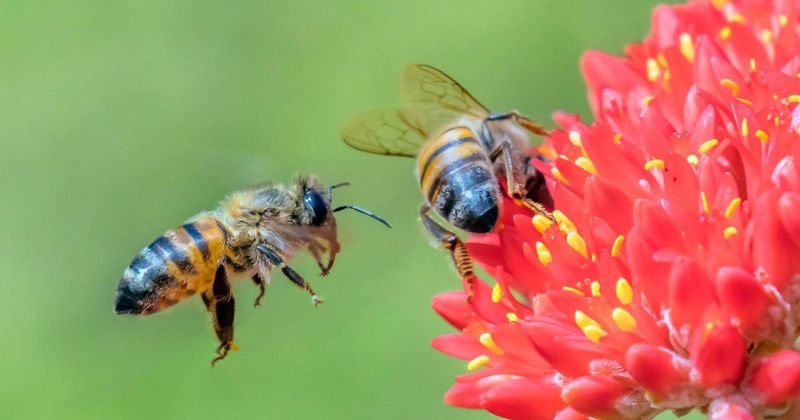
Imagine biting into a juicy apple or savoring a fresh zucchini. Did you know bees are behind these delicious bites? Bees are responsible for the pollination of over 75% of our crops. Their role is crucial in the production of fruits and vegetables. Without bees, our dietary options would diminish significantly.
These industrious insects ensure agricultural diversity. They contribute not just to our gardens but to global food security. Their tiny wings and ceaseless work are behind every third bite we take. Appreciate these tireless workers next time you enjoy your meal. Their contribution is both unseen and invaluable.
2. No Bees = No Blooms (and No Fruit)
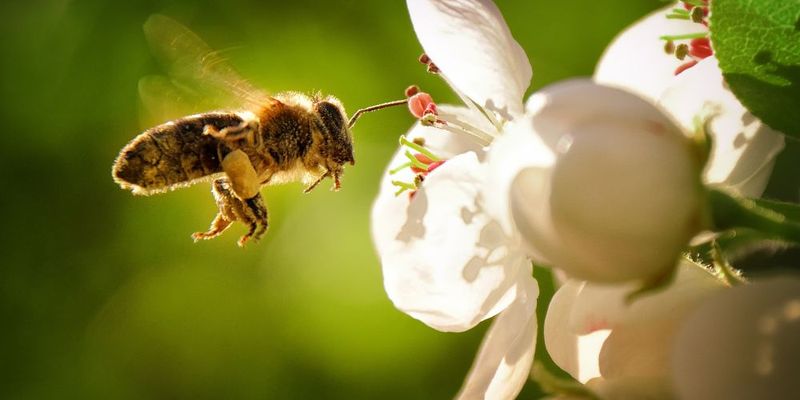
Without bees, many plants in your garden would fail to produce fruits. Bees are paramount for pollination. Without them, flowers wither without bearing fruit or seeds. This results in a lack of produce in gardens.
Many fruits and vegetables depend entirely on bees for reproduction. Tomatoes, cucumbers, and many others need bee assistance to transform blossoms into produce. Without pollination, flowers remain barren.
Gardens devoid of bees struggle to thrive. A bee’s absence is noticeable in diminished yields. Ensuring a bee-friendly garden is crucial for bountiful harvests. Gardens flourish with the help of these vital pollinators.
3. Pesticides Are Killing Your Garden’s Best Friends
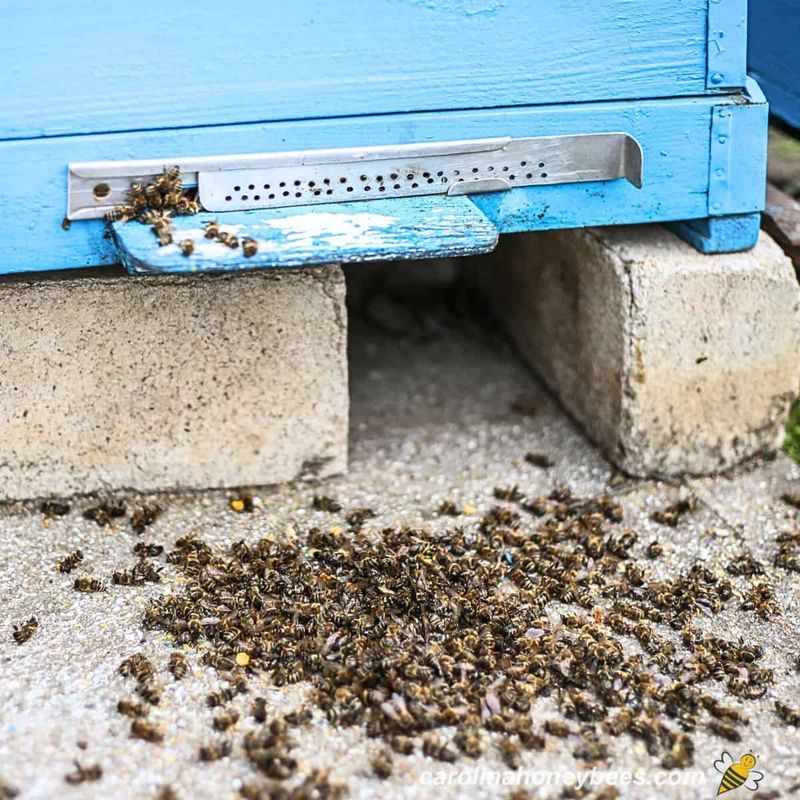
The use of pesticides is a silent threat to bees. These chemicals, often sprayed in gardens, can harm or even kill bees. Even in small doses, pesticides pose a risk to their health and survival.
Choosing bee-friendly or organic alternatives can mitigate this risk. Protecting bees from harmful substances ensures they continue pollinating and boosting garden yields.
Gardens thrive when their pollinators are safe. Pesticides may keep pests away, but they also deter the garden’s greatest allies—the bees. Making informed choices can safeguard these essential workers. Your garden’s future depends on their survival.
4. Your Garden Can Become a Bee Magnet
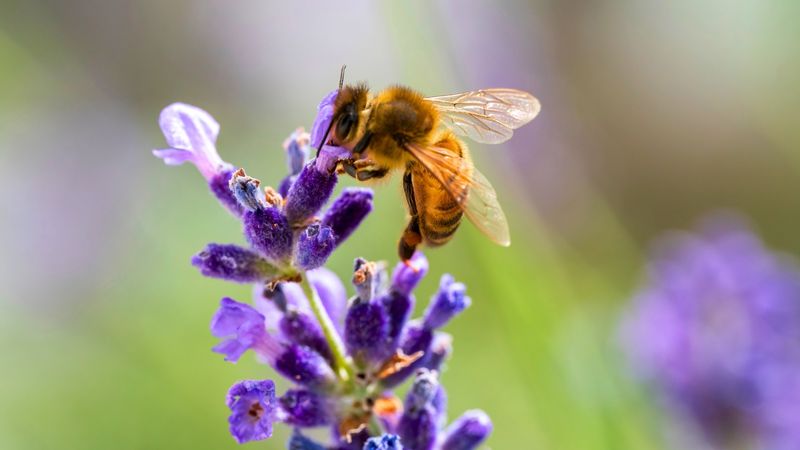
Transforming your garden into a bee magnet is easier than you think. Planting flowers like lavender, echinacea, bee balm, and sunflowers attracts bees with ease. These vibrant blooms provide nectar and pollen that bees love.
A garden full of these plants buzzes with life, creating a harmonious environment. Bees flock to gardens offering a variety of blossoms. The diverse floral scents and colors draw them in.
Cultivating a bee-friendly garden not only benefits bees but also enhances your garden’s beauty. Watch your garden thrive as bees perform their essential pollination duties. Their presence is a sign of a healthy ecosystem.
5. Bees Need More Than Just Flowers
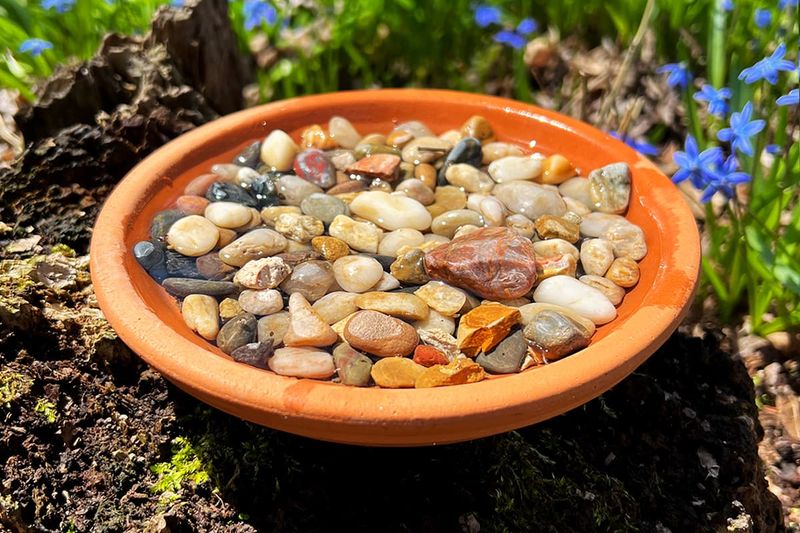
Bees require more than just flowers to thrive. Providing water sources, shelter, and nesting spots is vital. A shallow dish filled with water and stones offers bees a safe place to drink.
Additionally, leaving parts of your garden undisturbed can create ideal nesting areas. Small wood piles or patches of bare soil serve as excellent homes for bees.
These simple additions transform your garden into a haven for bees. Meeting their needs beyond flowers ensures they remain healthy pollinators. A well-rounded garden supports both the plants and their buzzing friends. Encouraging bees can lead to a flourishing ecosystem.
6. Not All Bees Live in Hives
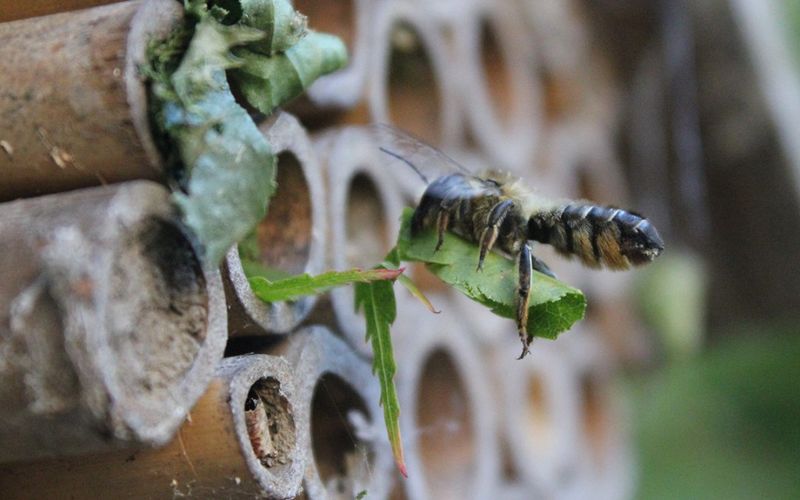
Most people associate bees with hives, but over 70% of bee species are solitary. They nest in the ground or hollow stems, not in hives. These solitary bees are crucial pollinators, often overlooked.
Maintaining parts of your garden in a natural state provides these bees with necessary habitats. Leaving some areas undisturbed encourages their presence.
Supporting solitary bees is as important as caring for those in hives. Recognizing their habits and habitats aids in their conservation. They quietly contribute to pollination, ensuring gardens continue to blossom. Their independence makes them unique yet vital members of the garden.
7. A “Perfect Lawn” Is a Pollinator Desert
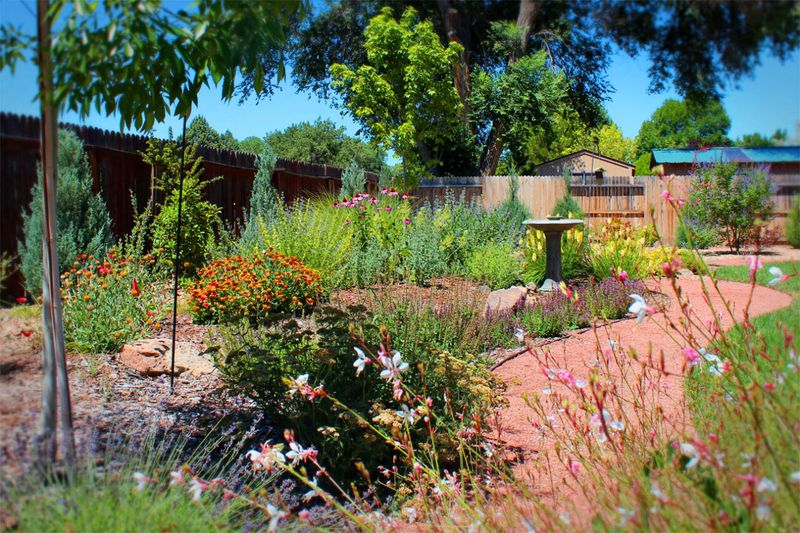
The pursuit of a perfect lawn often leaves gardens barren of pollinators. Monoculture lawns, with no variety, offer little for bees to feed on. Clover and wildflowers, often removed, are essential for bee nutrition.
Letting nature reclaim some lawn space benefits bees. Allow clover and wildflowers to bloom. These plants not only support bees but also enhance lawn diversity.
A garden rich with flora attracts bees, making it vibrant. Perfect lawns may look appealing, but they lack the diversity bees need. Embracing a slightly wilder lawn supports ecological balance. Bees and gardens thrive together.
8. Native Plants Attract Native Bees
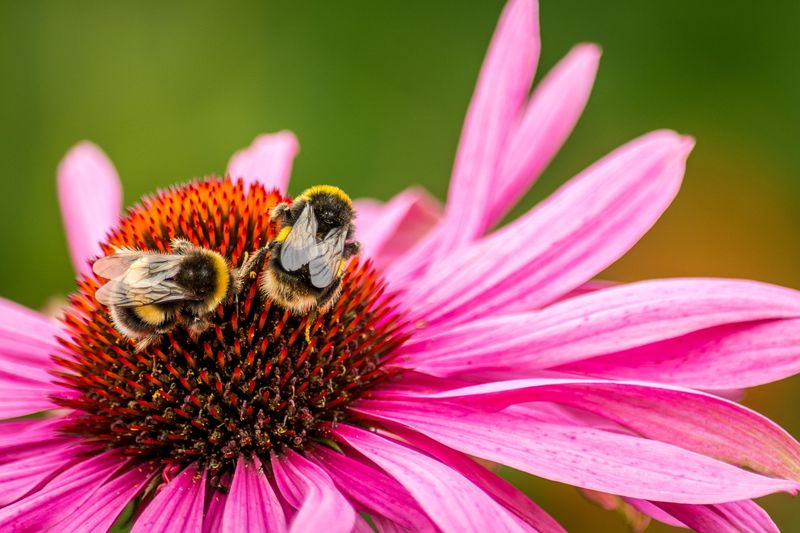
Native plants are essential for attracting native bees. These plants, adapted to the local environment, provide the right nectar and pollen. Imported ornamentals often lack these qualities.
Choosing native flora supports local bee populations. Their familiar scents and structures invite bees in. A garden filled with native plants buzzes with local pollinators.
Gardens that favor native plants contribute to biodiversity. They ensure the survival of local bee species. This partnership between plants and pollinators strengthens ecosystems. Supporting native plants is a step towards a thriving garden. Native bees bring vitality to every bloom.
9. Bees Are in Trouble—But Gardeners Can Help
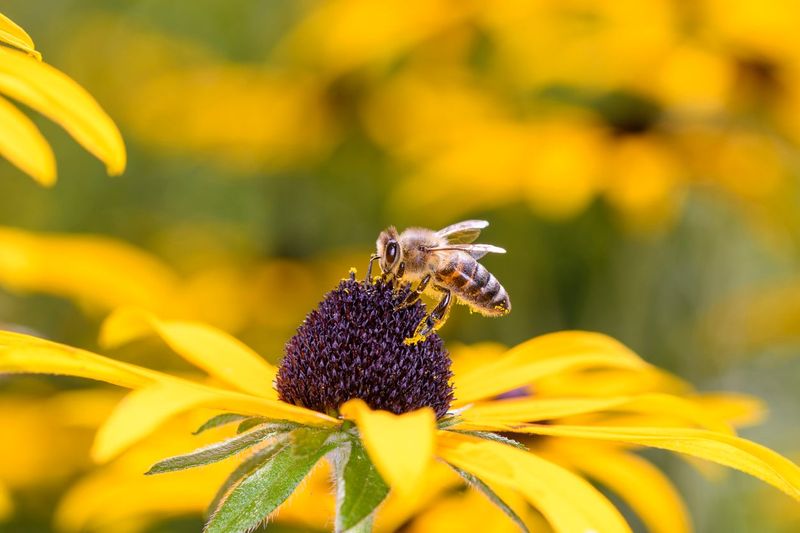
Bees face challenges such as habitat loss, chemicals, and climate change. These threats endanger their populations. However, gardeners have the power to help.
Creating bee-friendly gardens offers safe havens. Providing diverse plants, nesting areas, and avoiding chemicals supports bee recovery.
Every effort counts in the fight to save bees. Even small gardens can make a big impact. When gardeners unite to protect bees, they contribute to a healthier planet.
Gardening with bees in mind supports their survival. In return, bees ensure gardens remain productive and beautiful. Together, we can make a difference.
10. A Bee-Friendly Garden = A Thriving Garden
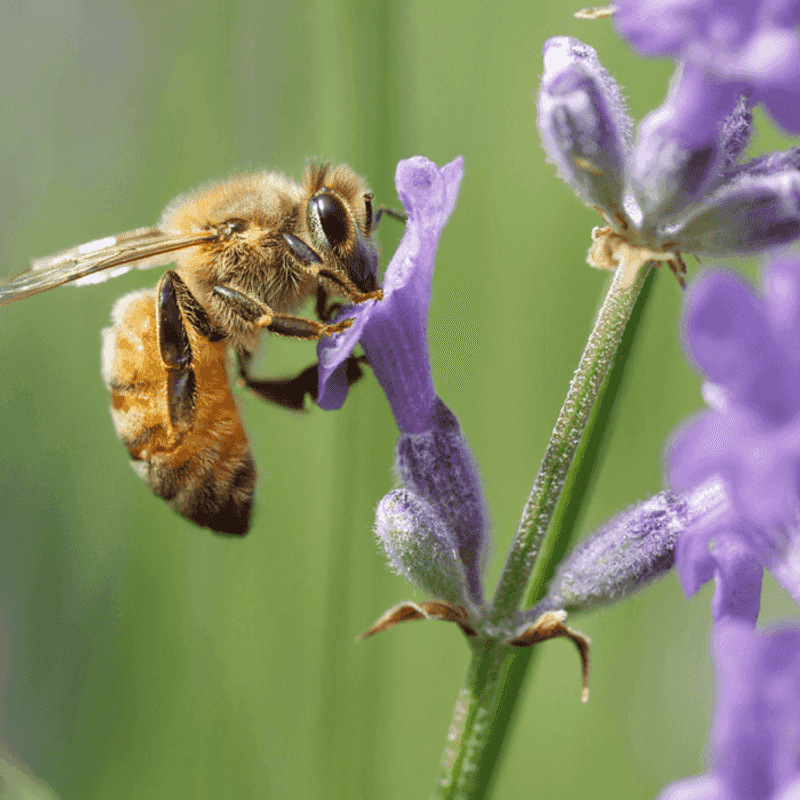
A garden buzzing with bees is a flourishing garden. Regular bee visits result in more flowers, healthier fruits, and bigger harvests. Pollinators play a key role in garden productivity.
Bees ensure that plants reproduce efficiently. Their presence leads to a balanced ecosystem. A garden that welcomes bees is a garden that thrives.
Encouraging bees transforms gardens into vibrant spaces. Their contributions go beyond pollination. Bees support biodiversity, making gardens more resilient.
Creating a bee-friendly environment benefits all. By inviting bees, gardeners facilitate growth and abundance. A partnership with bees leads to garden success.