
Late spring perennials are essential for bridging the floral gap between the vibrant spring bulbs and the bold summer blooms. These captivating plants not only add color and texture to gardens but also provide a seamless transition in the landscape. Their diverse forms and hues create a tapestry of beauty, ensuring that gardens remain vibrant and alive during this transitional period. With an array of options, from lush foliage to delicate petals, these perennials cater to various tastes and garden styles, making them an indispensable part of any garden enthusiast’s collection.
1. Peony
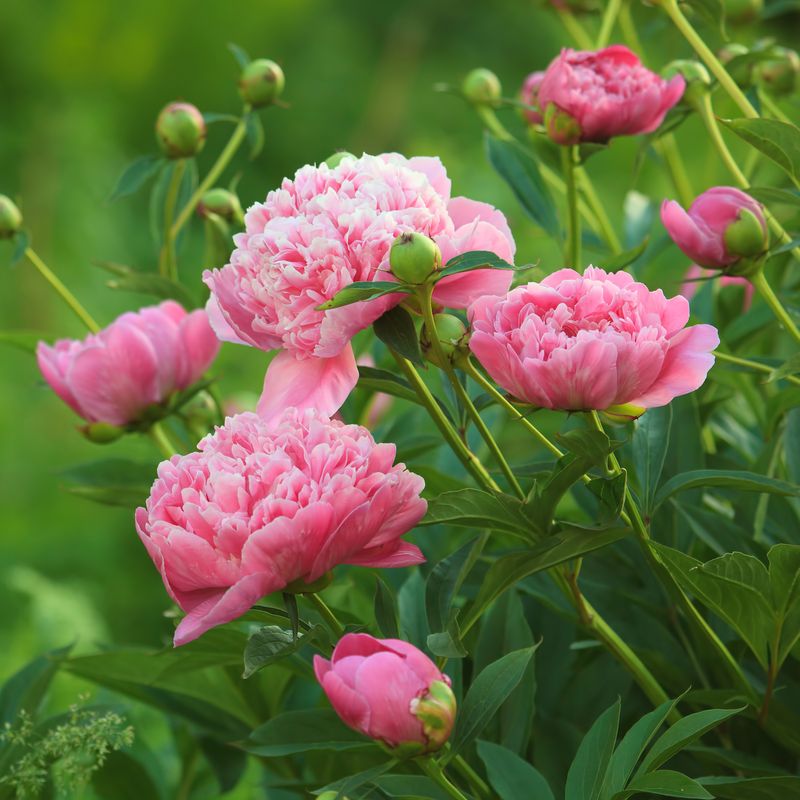
Peonies are the jewels of the late spring garden, renowned for their lush, full blooms and sweet fragrance. Emerging each year with vigor, they captivate with soft, romantic petals in shades ranging from blush pinks to snowy whites. Their presence in a garden is nothing short of enchanting.
These flowers hold a rich history, often linked to prosperity and romance, making them a favorite in wedding bouquets and arrangements. As they bask in the gentle warmth of spring, their blooms offer a visual and olfactory delight that is unmatched.
Whether showcased in a formal garden or a casual border, peonies present a timeless elegance that enchants gardeners and onlookers alike. Their ability to thrive in a variety of conditions adds to their charm, making them a staple in gardens worldwide.
2. Lupine
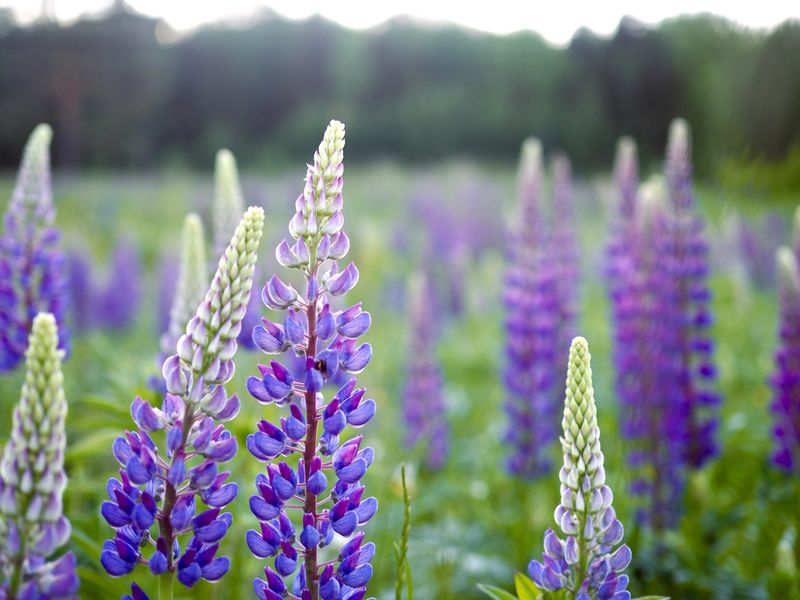
Lupines stand tall and proud, a beacon of color and form in the late spring landscape. Their striking spires of flowers come in rich shades of blue, purple, and pink, adding vertical interest to any garden.
These perennials are not only loved for their beauty but also for their ability to enrich the soil, thanks to their nitrogen-fixing abilities. This makes them a valuable asset in garden ecosystems, promoting soil health and supporting other plants.
Beyond their ecological benefits, lupines have a certain whimsical charm, reminiscent of wildflower meadows and countryside retreats. Their statuesque presence and vibrant colors make them a favorite among gardeners looking for both form and function.
3. Iris
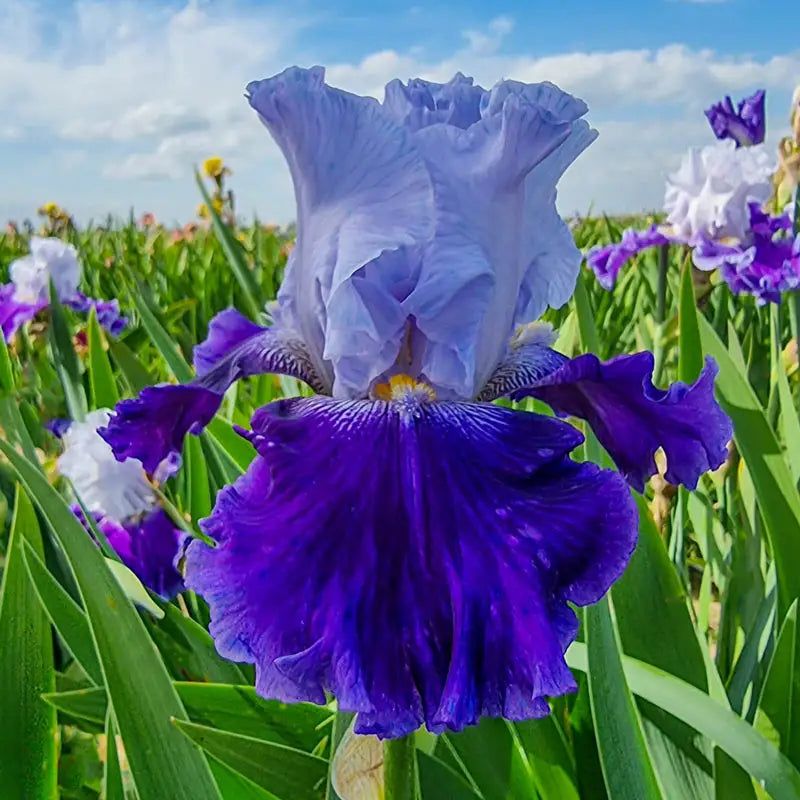
Irises, with their elegant, sword-like foliage and striking blooms, bring a touch of sophistication to the late spring garden. Known for their intricate flower patterns and vibrant hues, they emerge as a delightful surprise each year.
These perennials are steeped in symbolism, often associated with courage and valor. Their unique structure and vivid colors create a visual feast, standing out against the backdrop of emerging greenery.
Iris flowers are a testament to the artistry of nature, with each bloom resembling a carefully crafted masterpiece. Their resilience and adaptability make them a beloved choice for gardeners, offering both beauty and symbolism as they bloom in the warmth of spring.
4. Columbine
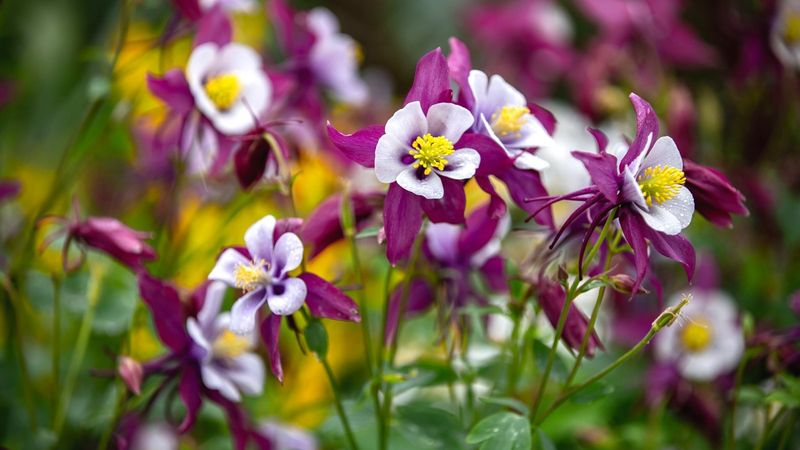
Columbines, with their intricate, fairy-like blooms, add a whimsical touch to late spring gardens. Their nodding flowers, in hues from deep purples to soft pastels, dance gracefully on slender stems.
These perennials are admired for their unique spurred petals and their ability to thrive in both sun-drenched and shaded locations. Columbines have a storied past, symbolizing wisdom and strength, and have been favorite subjects in both art and folklore.
Their enchanting appearance and versatile nature make them a wonderful addition to garden borders and rock gardens. The charm of columbines lies in their ability to captivate with both their beauty and their quiet resilience.
5. Bleeding Heart
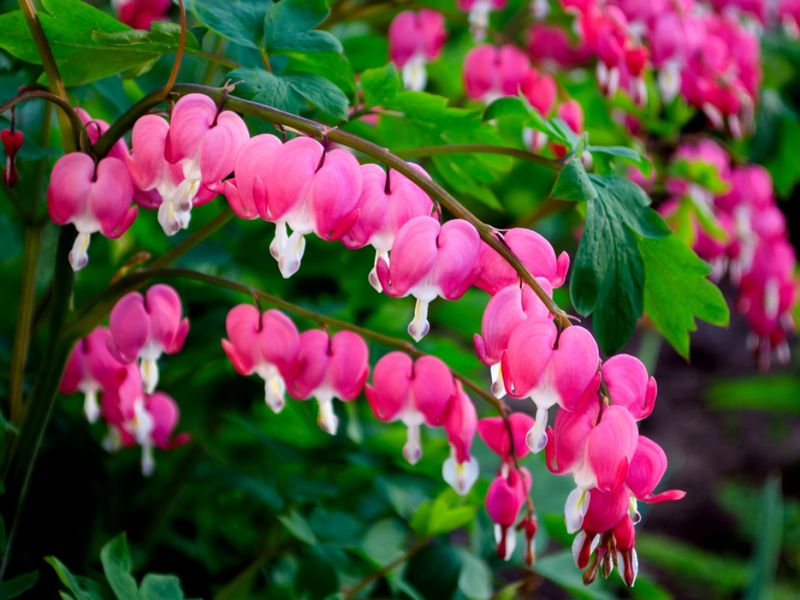
With heart-shaped blossoms that hang like delicate pendants, the bleeding heart is an undeniably romantic addition to the late spring garden. Its arching stems and vibrant pink flowers create a cascade of beauty that is both enchanting and unique.
These perennials are known for their gentle charm and thrive in shaded locations, making them perfect companions for ferns and hostas. Their presence in a garden adds a touch of whimsy and nostalgia, reminiscent of old-fashioned cottage gardens.
The bleeding heart’s delicate appearance belies its resilience, as it returns each spring to grace gardens with its distinctive blooms. Its romantic allure and adaptability make it a cherished choice for gardeners seeking beauty with a hint of magic.
6. Allium
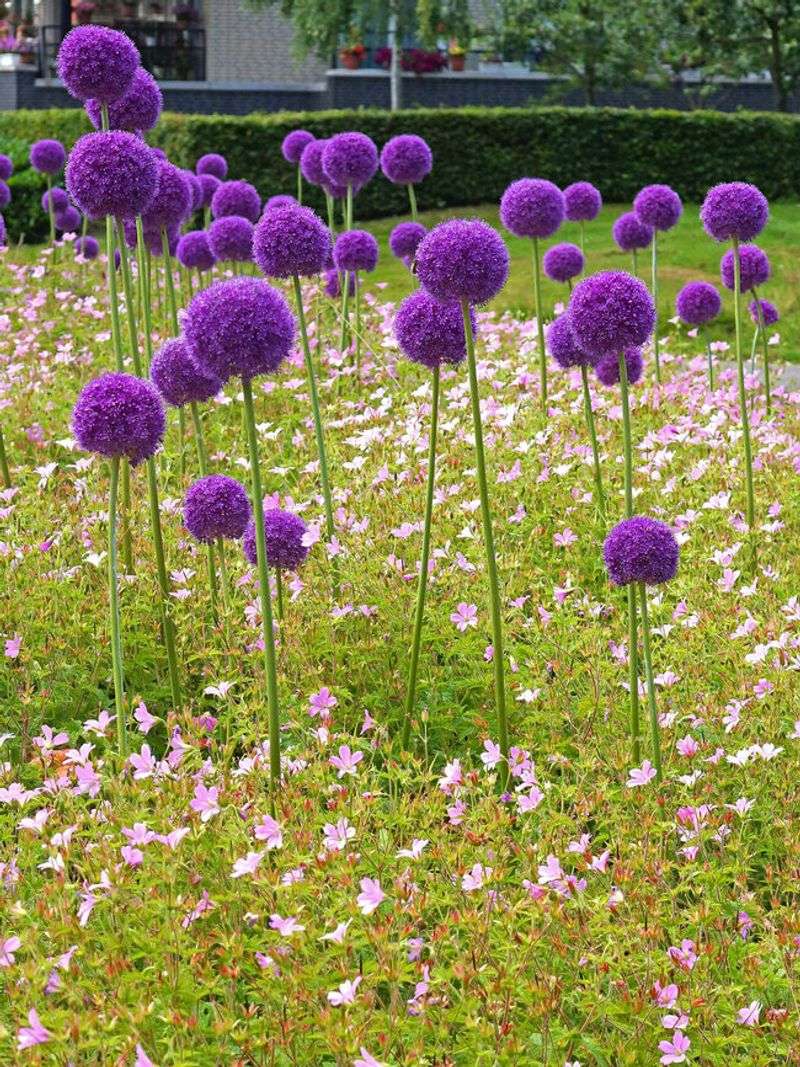
Alliums, with their globe-like flower heads and striking silhouettes, offer a bold architectural element to late spring gardens. Their tall, sturdy stems and vibrant purple blooms stand out, creating a dramatic effect that draws the eye.
These perennials are celebrated not only for their aesthetic appeal but also for their ability to deter garden pests, making them a practical choice for any planting scheme. Their unique structure adds a modern touch to garden borders and mixed beds.
The allure of alliums lies in their ability to bridge the gap between spring and summer, with blooms that persist and captivate. Their striking form and multifunctional nature make them a favorite among garden designers and enthusiasts alike.
7. Foxglove
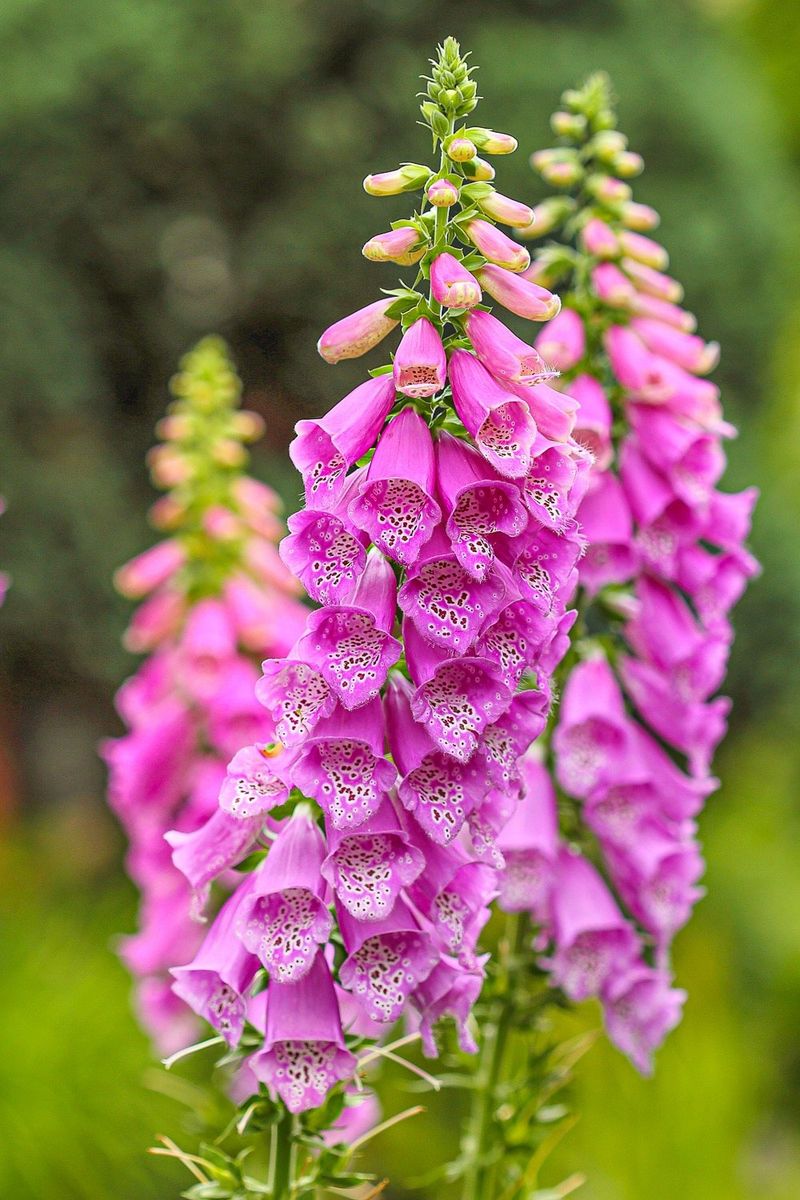
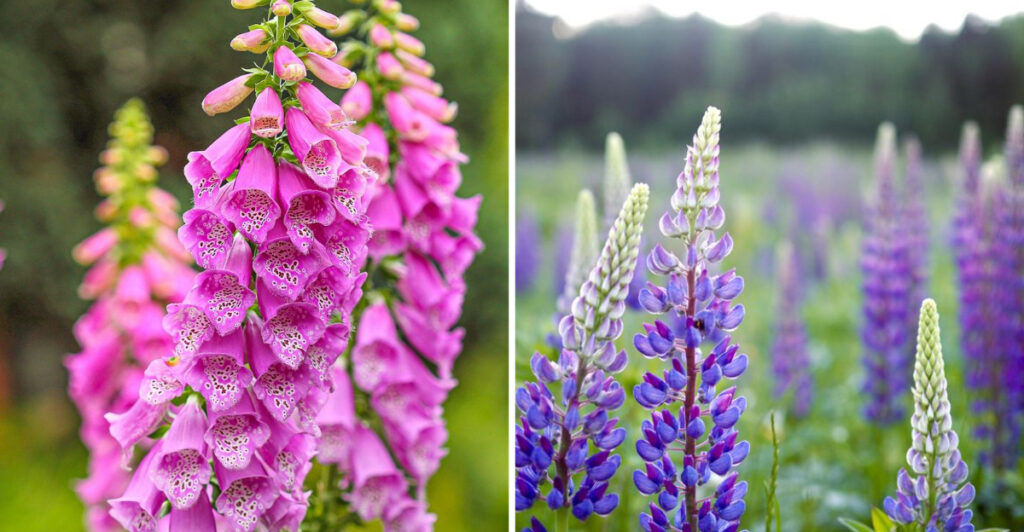
Foxgloves, with their towering spires of bell-shaped flowers, bring a touch of drama and elegance to late spring gardens. These graceful giants, with blooms in pinks, purples, and whites, create vertical interest and attract pollinators.
Renowned for their beauty and symbolic associations with magic and healing, foxgloves have a storied past. Their unique structure and striking colors make them a standout choice for cottage gardens and woodland settings.
The presence of foxgloves in a garden is both enchanting and beneficial, as they draw in bees and hummingbirds with their nectar-rich flowers. Their combination of elegance and ecological value makes them a cherished addition to any garden.
8. Astilbe
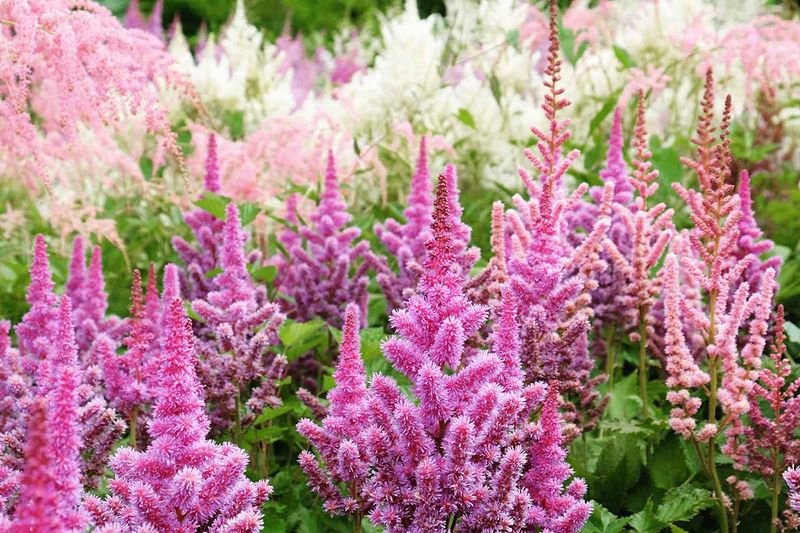
Astilbes, with their feathery plumes and delicate foliage, bring soft texture and gentle color to late spring gardens. Flourishing in shaded areas, these perennials add layers of visual interest with blooms in pinks, reds, and whites.
They are often associated with elegance and grace, creating a serene atmosphere in woodland gardens and shaded borders. Their ability to thrive in low light makes them a versatile choice for challenging garden spots.
Beyond their beauty, astilbes are known for their resilience and low-maintenance nature. Their soft, billowy flowers and lush greenery enhance the tranquility of garden spaces, offering a peaceful retreat for both plants and people.
9. Salvia
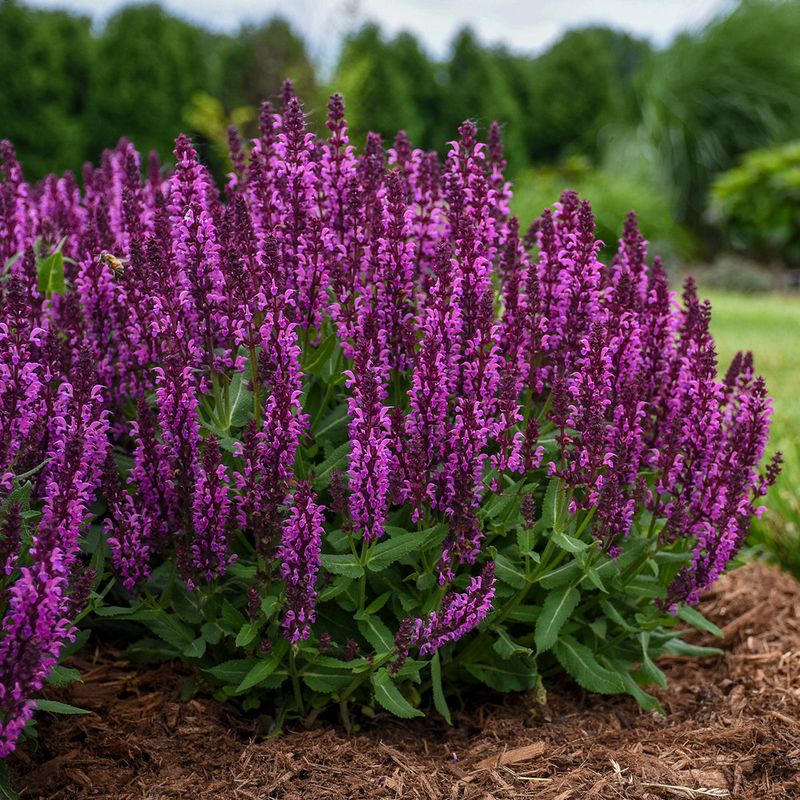
Salvias, with their vibrant spikes of blue and purple, inject a burst of color and life into the late spring garden. These hardy perennials are beloved for their long-lasting blooms and ability to attract bees and butterflies.
Known for their aromatic foliage and robust nature, salvias thrive in sunny locations, adding both beauty and ecological value to garden spaces. Their striking form and intense colors make them a dynamic addition to any landscape.
The charm of salvias lies in their dual role as both ornamental and functional plants, offering visual splendor while supporting garden pollinators. Their lively presence in the garden is a testament to nature’s vibrancy and vitality.
10. Poppy
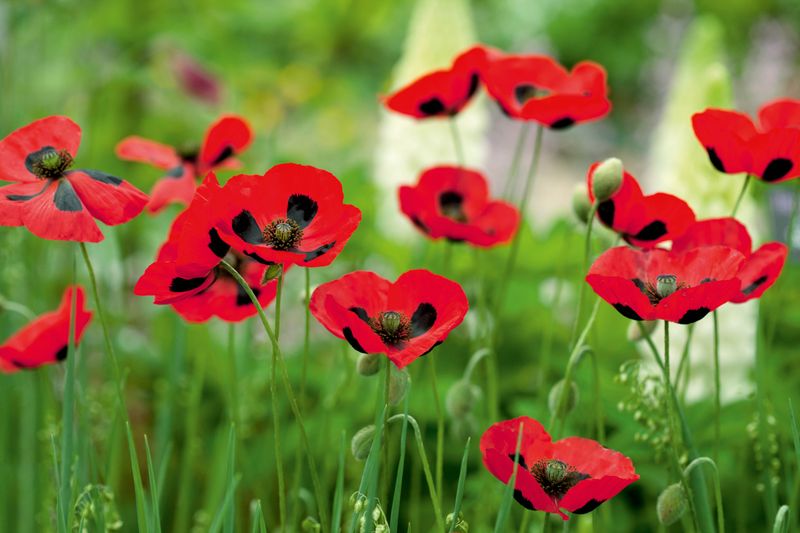
Poppies, with their vivid colors and delicate petals, offer a splash of brightness to late spring gardens. Their large, cup-shaped flowers in red and orange hues create a striking contrast against lush green backgrounds.
These perennials are often associated with remembrance and peace, adding both beauty and meaning to garden spaces. Their delicate nature and bold colors make them a favorite among gardeners seeking to make a statement.
Poppies are not only visually stunning but also easy to grow, making them accessible to gardeners of all levels. Their presence in a garden is a constant reminder of nature’s ability to produce breathtakingly beautiful blooms with effortless grace.
11. Coreopsis
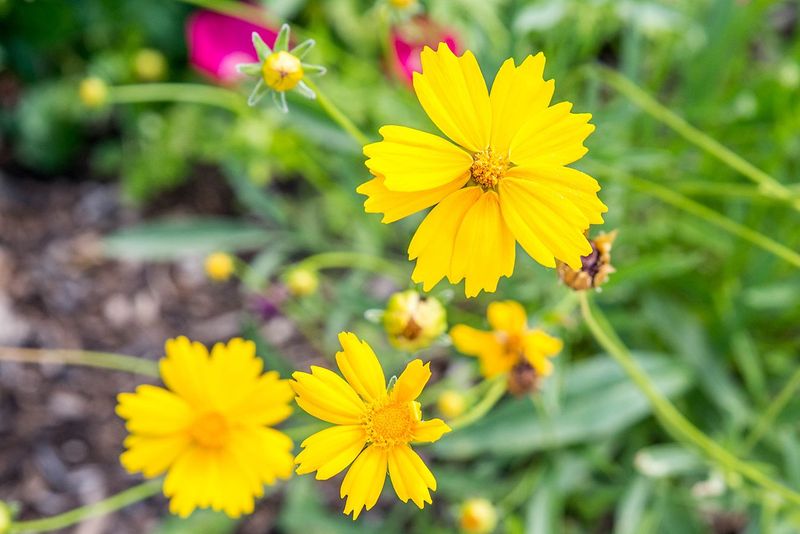
Coreopsis, often referred to as “tickseed,” brings a cheerful, sun-kissed charm to late spring gardens. Their bright yellow flowers resemble small sunbursts, adding warmth and energy to any planting scheme.
These hardy perennials are prized for their long blooming period and ability to thrive in various conditions. Their sunny disposition and resilience make them a great choice for both beginner and experienced gardeners.
The beauty of coreopsis lies in its simplicity and vibrancy, offering a touch of brightness that lifts garden spirits. Their ability to attract pollinators while requiring minimal care makes them a favorite for eco-friendly and low-maintenance gardens.
12. Campanula
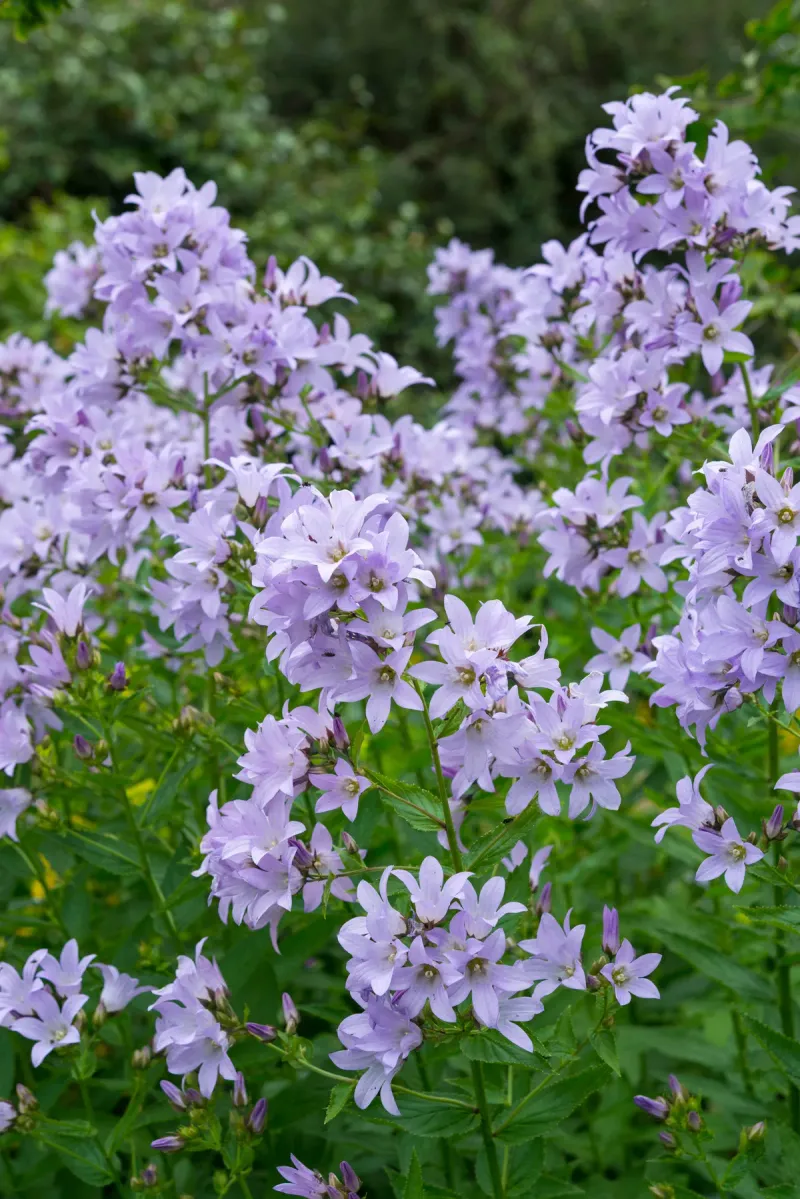
Campanulas, or “bellflowers,” enchant with their delicate, bell-shaped blooms in shades of lavender-blue. These charming perennials spill gracefully over walls and rock gardens, adding a whimsical touch to late spring landscapes.
Their association with gratitude and constancy gives them a special place in the hearts of gardeners. Campanulas thrive in various conditions, offering versatility and beauty in equal measure.
The appeal of campanulas lies in their gentle, cascading nature and subtle hues. Their ability to adapt and enhance garden spaces with soft elegance makes them a beloved choice for creating serene and picturesque settings.
13. Dianthus
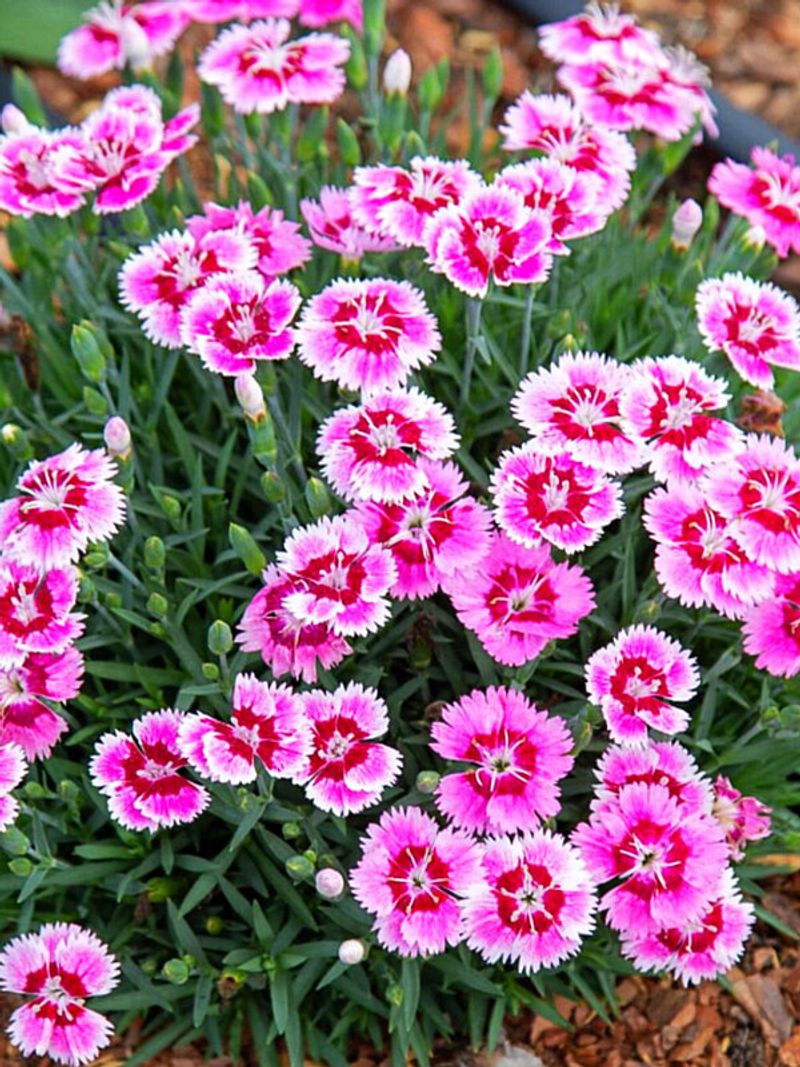
Dianthus, known for their sweet fragrance and fringed petals, bring a splash of color and scent to late spring gardens. Their pink and red blooms exude charm, often reminiscent of romantic, old-world gardens.
These perennials, often called “pinks,” thrive in well-drained soils, making them ideal for rock gardens and borders. Their compact form and vibrant colors create a harmonious blend of beauty and practicality.
The allure of dianthus is in their rich fragrance and striking appearance, offering a sensory delight for garden enthusiasts. Their ability to evoke nostalgia while fitting into modern landscapes makes them a versatile and cherished garden choice.
14. Geum
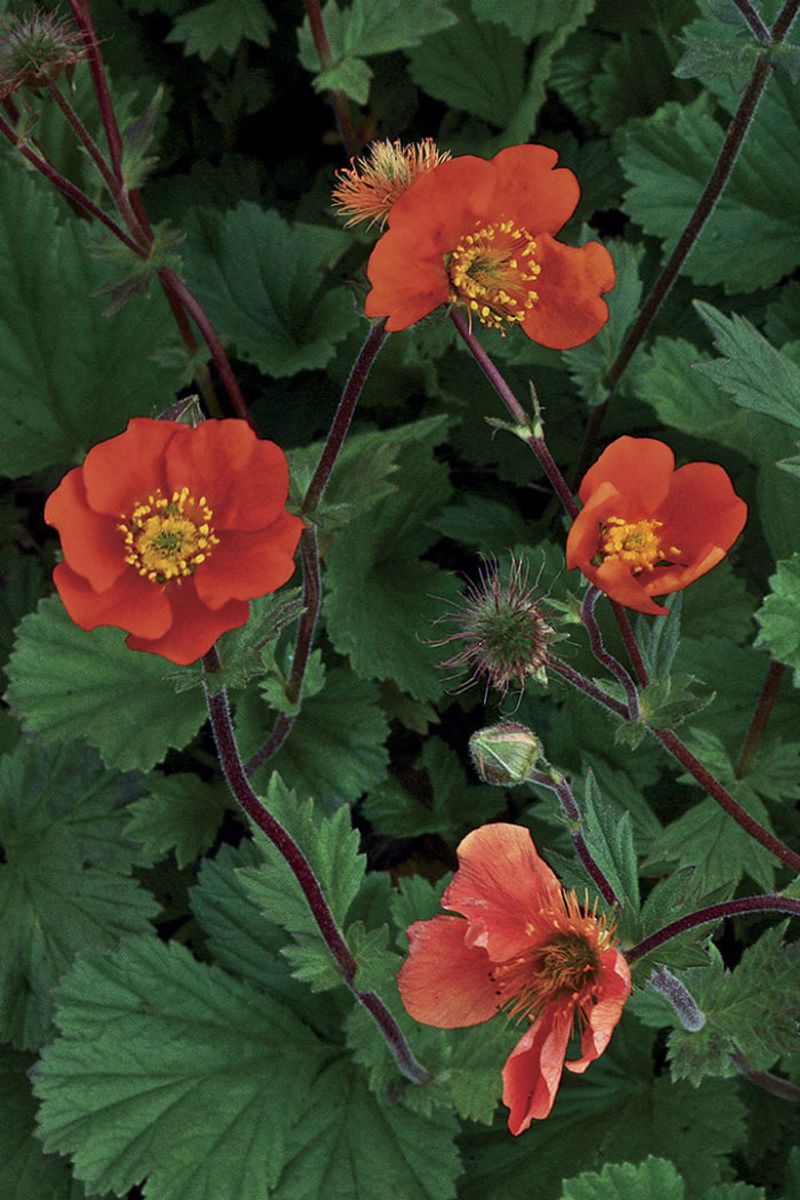
Geums, with their bright, ruffled blooms in fiery shades of orange and red, ignite a spark of energy in late spring gardens. Their vibrant colors and cheerful disposition make them a standout choice for those looking to add warmth and vibrancy.
These hardy perennials are known for their resilience and adaptability, thriving in a variety of garden settings. Their long blooming period and ease of care make them a favorite among gardeners seeking both beauty and simplicity.
The charm of geums lies in their ability to bridge the seasons, offering a splash of color as spring transitions into summer. Their bold hues and lively nature ensure they capture attention and admiration wherever they grow.
15. Brunnera
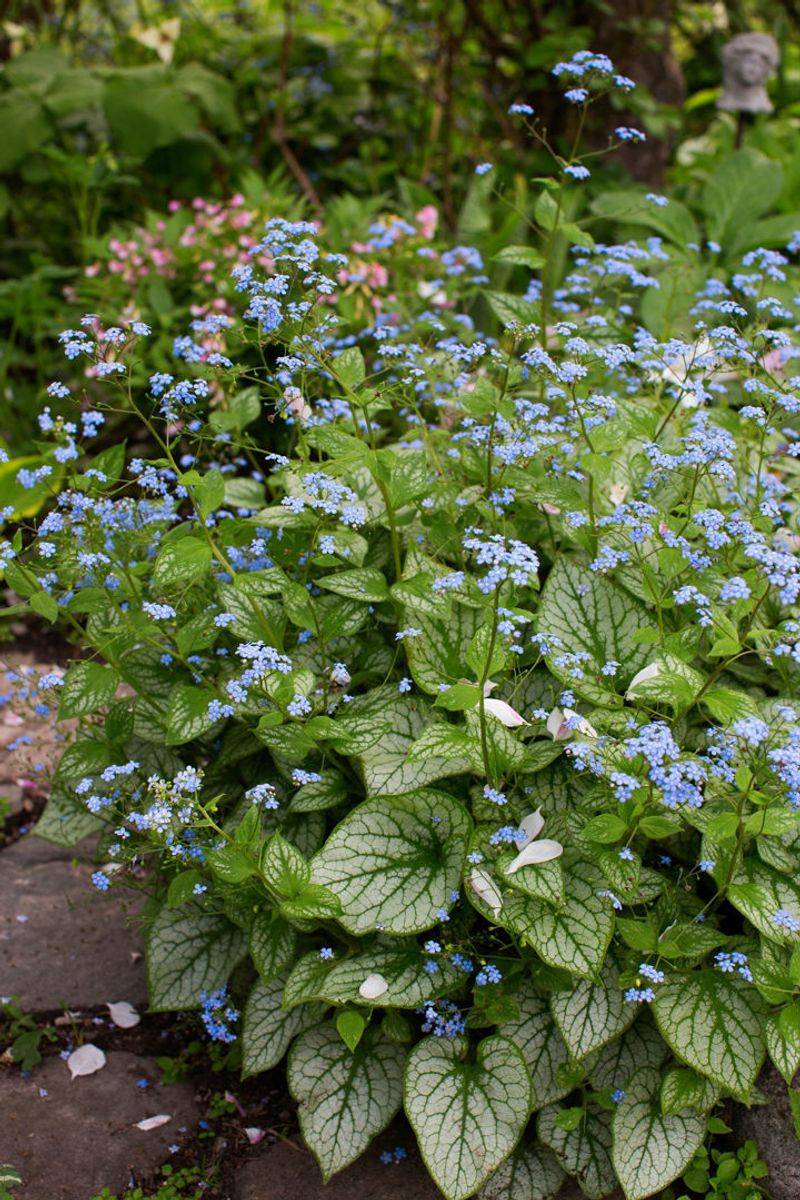
Brunneras, often admired for their striking foliage, add a touch of elegance and texture to shaded late spring gardens. Their heart-shaped leaves, often patterned with silver, create a stunning backdrop for the tiny, delicate blue flowers.
These perennials thrive in low-light conditions, making them perfect for woodland gardens and shaded borders. Their longevity and minimal care requirements make them a practical choice for creating beautiful, low-maintenance garden spaces.
The beauty of brunneras is in their dual appeal—beautiful foliage and charming blooms. Their understated elegance and ability to fill challenging garden spots with grace make them a beloved plant for garden enthusiasts.
16. Nepeta
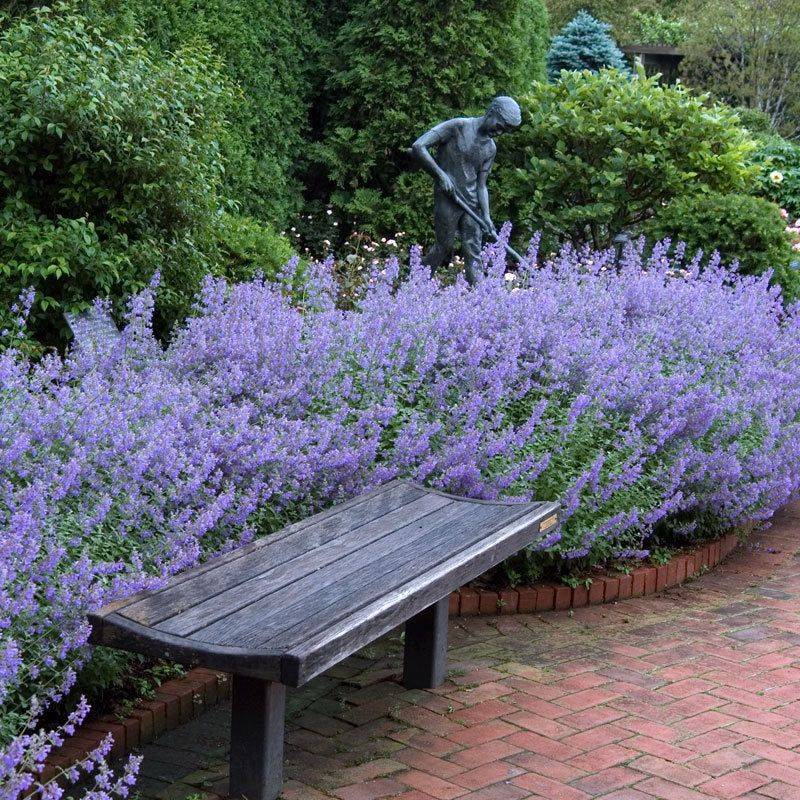
Nepetas, often known as “catmints,” offer a haze of lavender-blue flowers and aromatic foliage to late spring gardens. These hardy perennials are beloved for their long blooming period and ability to attract pollinators.
Their low-growing habit and gentle, arching stems make them perfect for edging garden paths and borders. Their fragrance and resilience add an extra layer of charm, making them a favorite among both gardeners and wildlife.
The appeal of nepeta is in its versatility and easygoing nature, providing color and interest with minimal fuss. Its soft hues and aromatic presence create a calming, inviting garden atmosphere that endears it to many.