 Complete Gardening
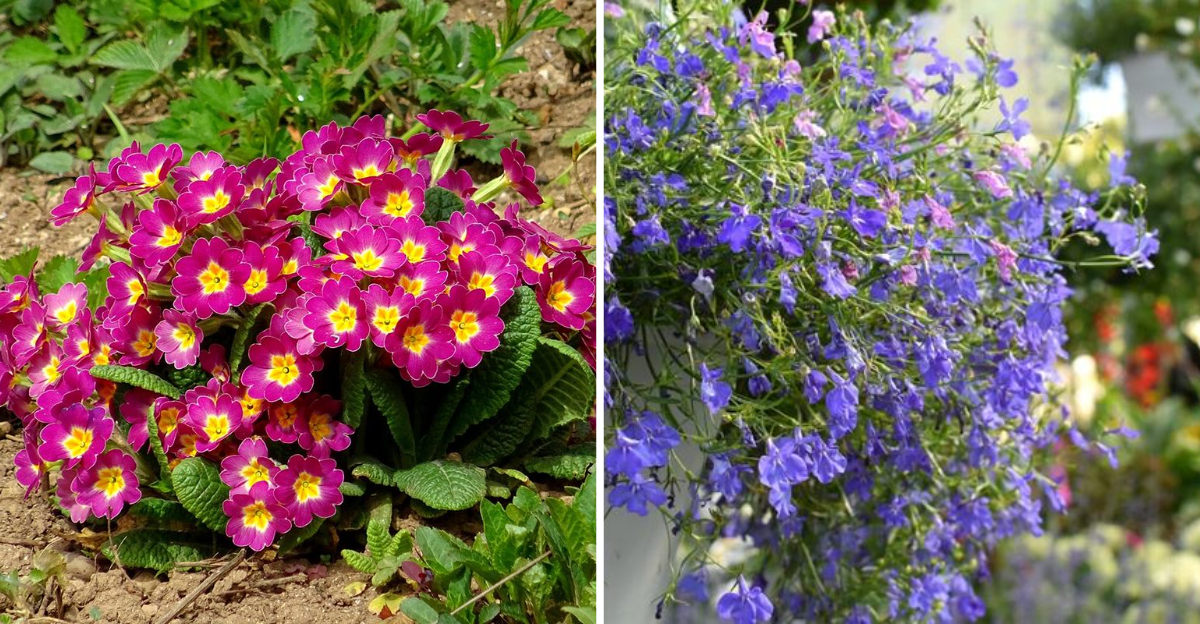
Perennials are a gardener’s dream due to their ability to return year after year, providing beauty and structure to landscapes. However, not all perennials are created equal; some are notoriously fragile, especially for newcomers without a green thumb. This article explores 20 delicate perennials that often fall victim to beginner mistakes. From overwatering to insufficient sunlight, these plants require a bit more attention and understanding to thrive. Whether you’re new to gardening or looking to expand your perennial collection, understanding these plants’ needs will help ensure they flourish for years to come.
1. Bleeding Heart
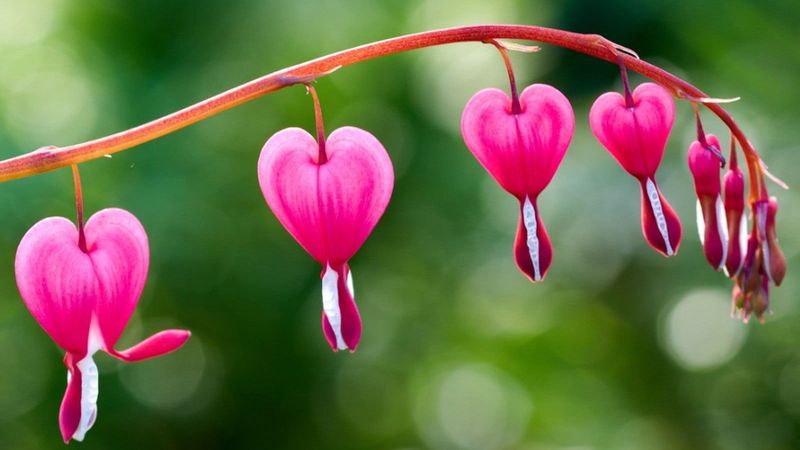
Bleeding Heart, known for its exquisite heart-shaped flowers, often struggles under the care of novices. These enchanting blooms prefer the cool embrace of shade, shying away from harsh sunlight that can cause wilting. Excessive watering, another common mistake, leads to root rot, compromising their health.
Their delicate stems are easily damaged, so positioning in a low-traffic area is ideal. A touch of patience rewards gardeners with a springtime spectacle that delights the senses.
Did you know? Bleeding Hearts have been cultivated since the 1800s and symbolize undying love in the language of flowers.
2. Lobelia
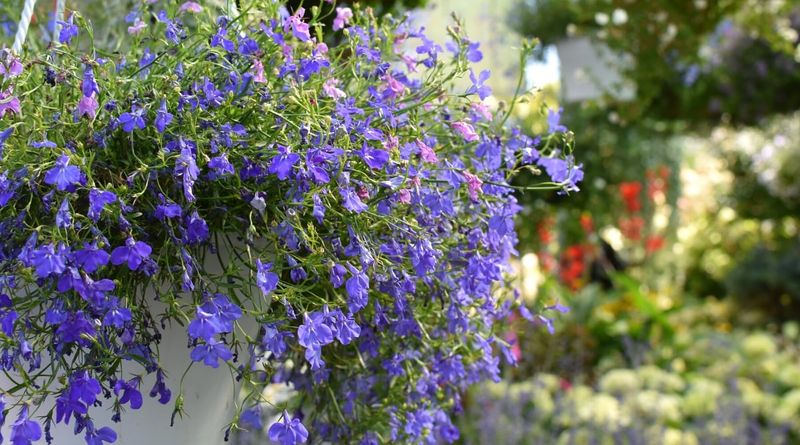
With its vivid blue blossoms, Lobelia captivates any onlooker. Despite its beauty, this plant is no stranger to hardship in beginner gardens. Lobelia prefers cooler temperatures and loses its vibrancy if exposed to relentless sun.
Over-fertilization is a pitfall, encouraging lush foliage at the expense of blooms. Beginners should resist overwatering, as it can lead to root rot.
Lobelia’s cascading beauty is perfect for hanging baskets, offering a waterfall of color that dances in the breeze. Originating from South Africa, Lobelia brings an exotic flair to gardens worldwide.
3. Delphinium
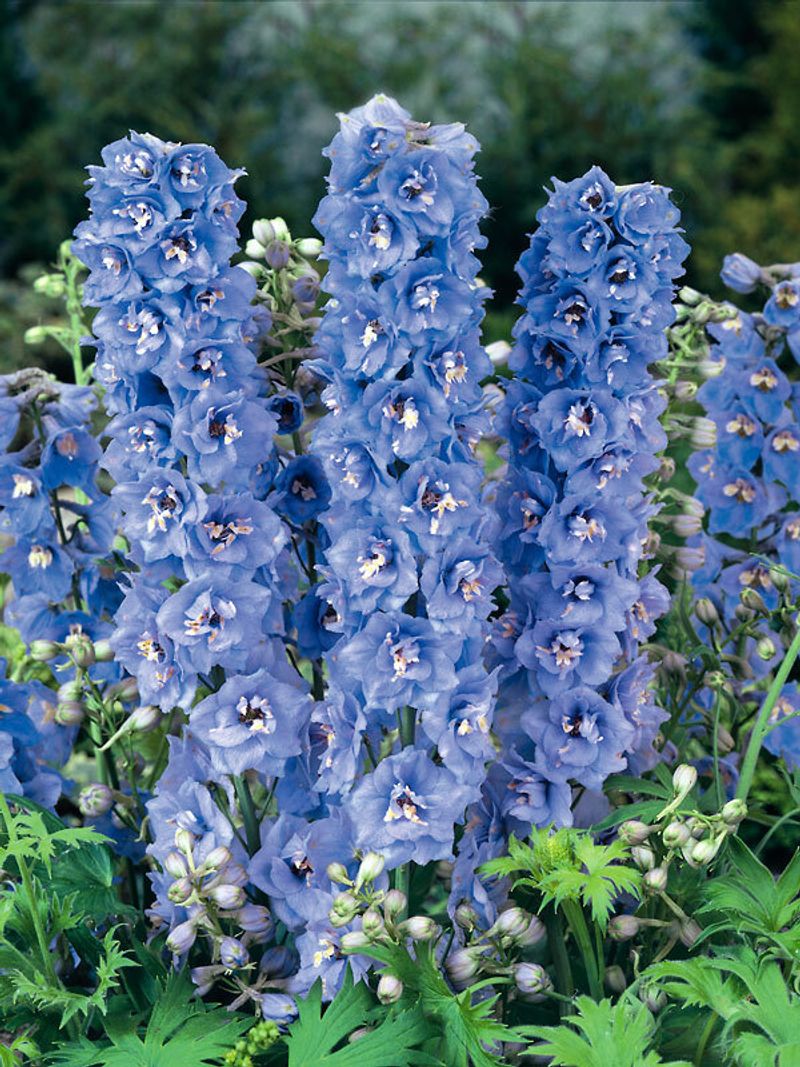
Delphiniums, with their towering spires and array of colors, are often the pride of experienced gardeners. However, their beauty is matched by their demands. Delphiniums thrive in rich, well-drained soil and need staking to support their lofty heights.
Beginners may struggle with their susceptibility to mildew, particularly in humid climates. Regular pruning helps maintain their shape and encourages reblooming.
Historically associated with protection, Delphiniums make a bold statement in any garden. Proper care ensures these majestic flowers return annually, gracing the landscape with their regal presence.
4. Primrose
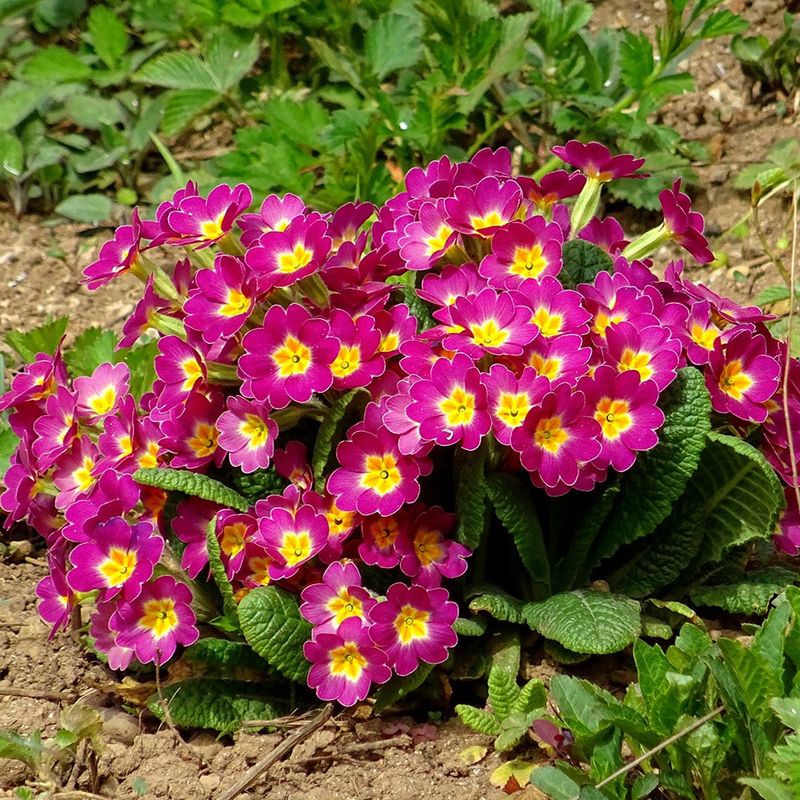
Primroses, with their cheerful blooms, herald spring’s arrival. Yet, their vibrant display belies their finickiness in cultivation. These plants demand a balance of moisture, wilting if left thirsty but suffering root rot with excess water.
Primroses thrive in cool, damp environments and prefer dappled sunlight. Beginners often misjudge these needs, leading to disappointment.
A symbol of early youth in the floral world, Primroses reward attentive gardeners with a carpet of color. Historically, they were used in traditional medicine for their soothing properties.
5. Coral Bells
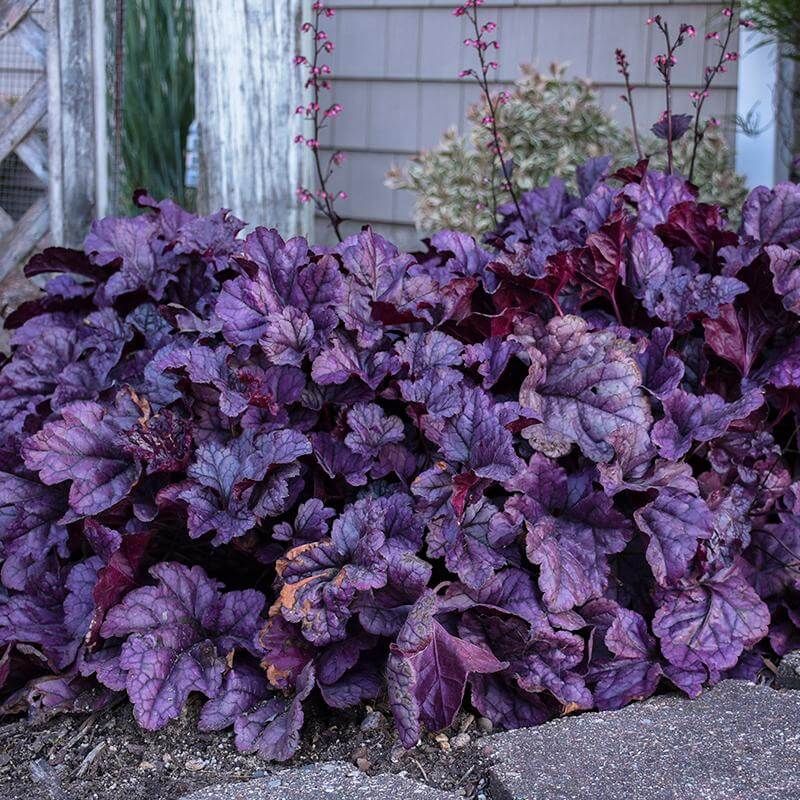
Coral Bells, celebrated for their dramatic foliage, are a perennial favorite. However, their allure can be deceptive. These plants demand well-draining soil and suffer in heavy clay, which can suffocate their roots.
Overcrowding is a common mistake, as it invites pests and disease. Beginners may overlook their need for periodic division to maintain vigor.
With varieties showcasing vivid purple, bronze, or silver leaves, Coral Bells add texture to any garden. They originated from North America and were used by indigenous people for medicinal purposes.
6. Astilbe
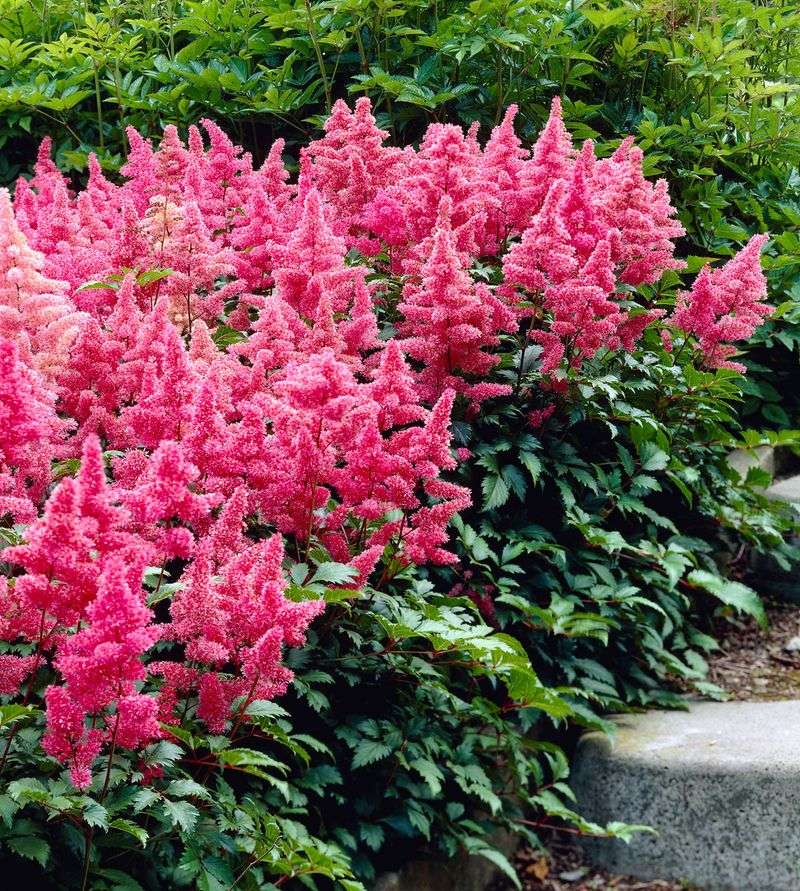
Astilbe, known for its feathery plumes, creates a soft, romantic effect in gardens. Yet, its delicate nature often sees it struggle under novice care. Astilbes require consistently moist soil and falter without regular watering.
Incorrect planting depth is a frequent error, inhibiting their growth. They prefer partial to full shade, as intense sun can scorch their leaves.
Astilbe hails from Asia, where it symbolizes patience and dedication. Its ethereal beauty, when properly cared for, transforms shady spots into serene havens.
7. Foxglove
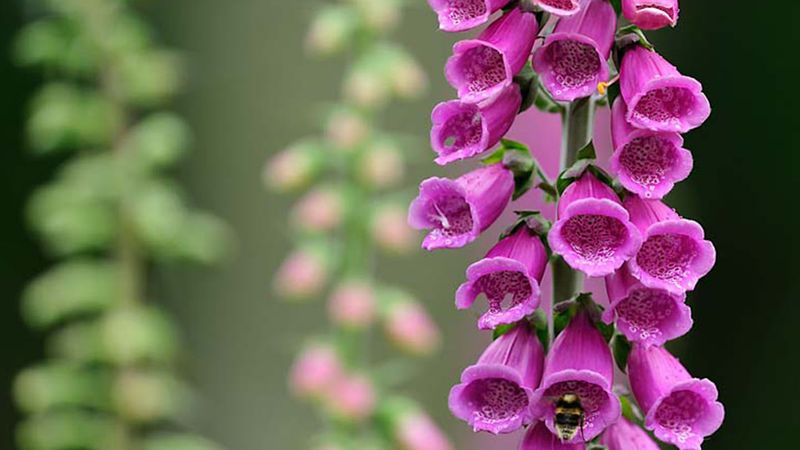
Foxgloves stand tall with their stately presence, but their elegance masks their fragility. This plant’s biennial nature confuses novices, who may mistakenly think it has died after its first year.
They demand well-draining soil and can struggle in waterlogged conditions. Careful handling is required, as parts of the Foxglove are toxic.
A favorite of English gardens, Foxgloves have captured imaginations for centuries. The plant’s historical use in heart medicine is a testament to its complex nature and enduring appeal.
8. Bellflower
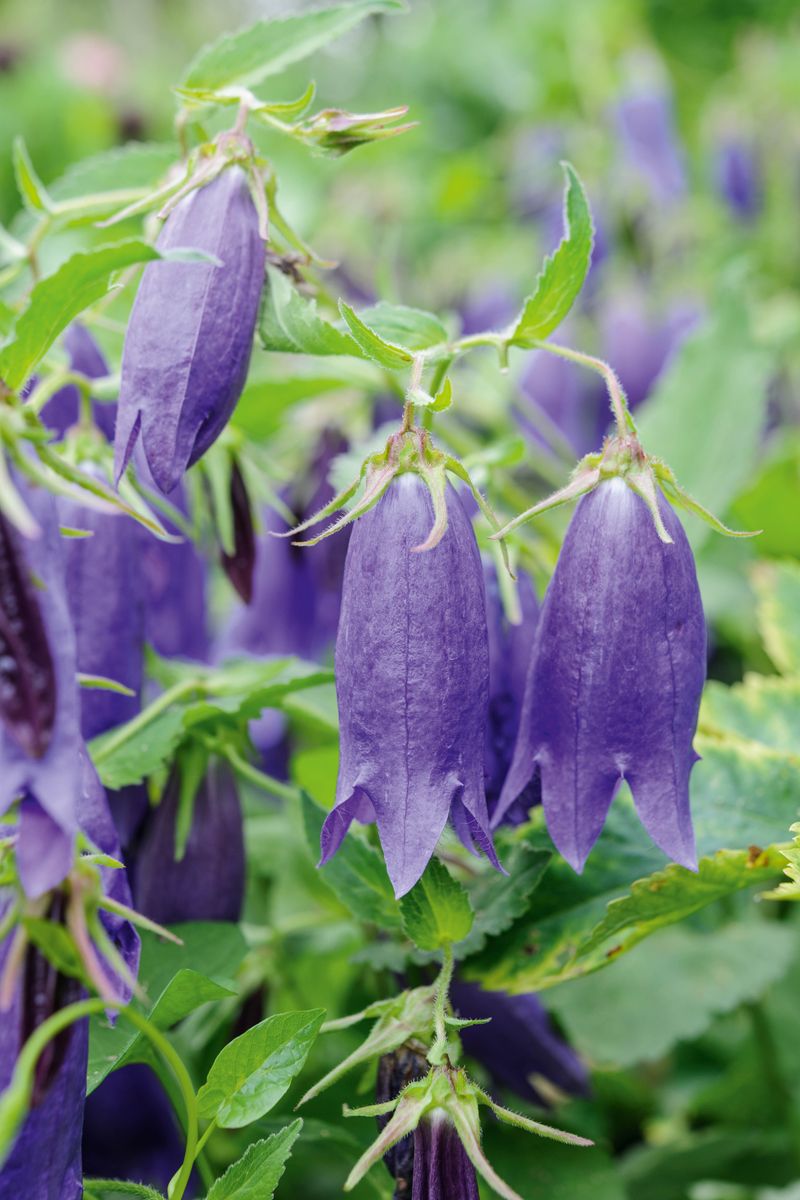
Bellflowers, with their charming nodding blooms, often captivate the hearts of gardeners. However, they require specific conditions to flourish. Bellflowers prefer moderate watering; too much or too little leads to distress.
They thrive in well-drained soil and enjoy full sun to partial shade. Beginners often neglect to deadhead spent blooms, which can hinder reblooming.
Native to Europe, Bellflowers possess an old-world charm that enhances garden borders. Their name “Campanula” derives from the Latin word for “little bell,” reflecting their distinctive shape.
9. Lily of the Valley
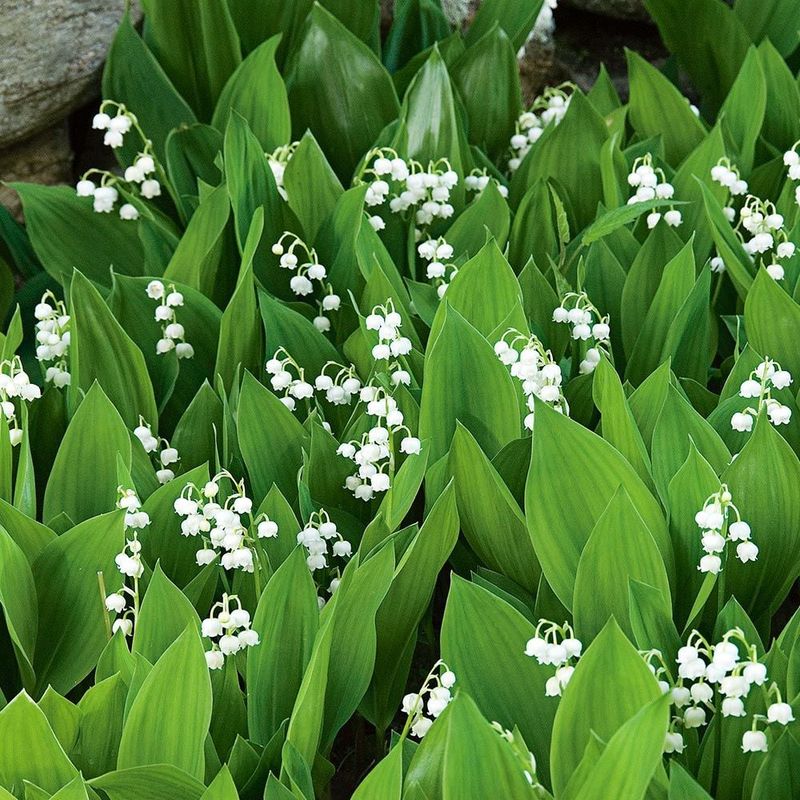
Lily of the Valley, known for its dainty white blooms and intoxicating fragrance, is a classic garden staple. Yet, its invasive nature can become a challenge for beginners. This perennial thrives in shaded, moist environments and can quickly spread if not carefully managed.
Improper containment leads to overgrowth, overshadowing neighboring plants. It’s essential to keep their growth in check by dividing them regularly.
Historically, Lily of the Valley symbolizes the return of happiness and has been featured in royal bridal bouquets, adding an elegant touch to special occasions.
10. Daylily
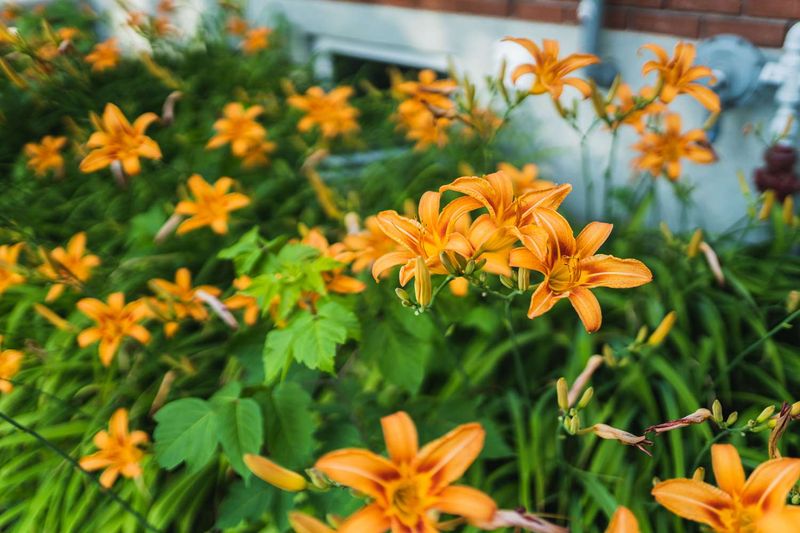
Daylilies, celebrated for their resilience, are often considered foolproof. However, their robust nature can be misleading. While they tolerate a range of conditions, they demand well-drained soil and can suffer from root rot if left waterlogged.
Novices may overlook the importance of dividing crowded clumps, which affects their blooming potential. Despite their name, each Daylily flower lasts just a day, requiring vigilance to maintain their display.
Originating from Asia, Daylilies are popular in gardens worldwide, prized for their vibrant colors and adaptability.
11. Fuchsia
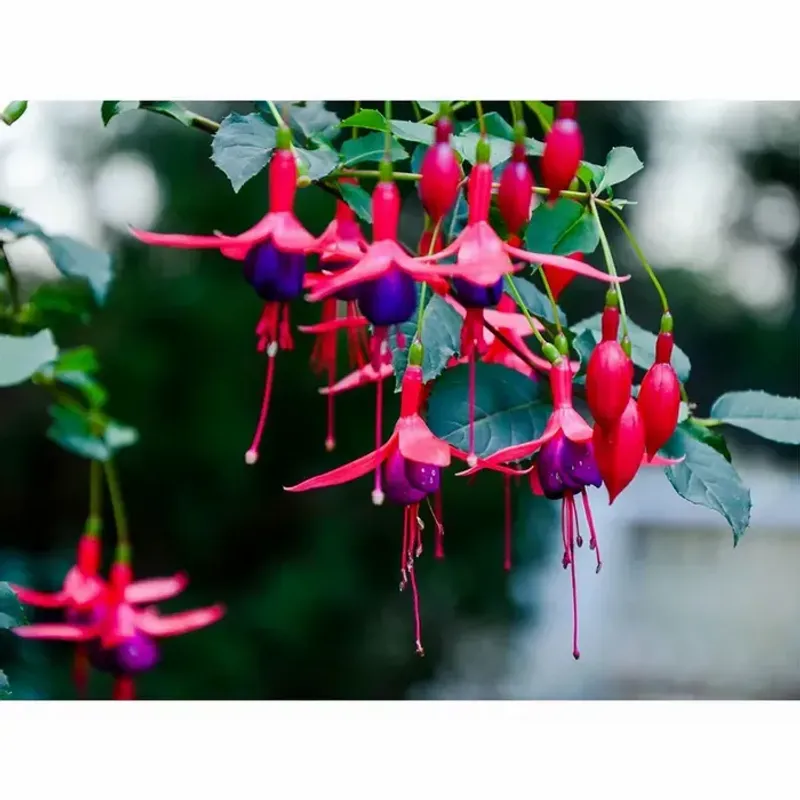
Fuchsias, with their pendulous blooms, bring a touch of whimsy to any garden. Yet, their delicate nature often sees them struggle in novice hands. Fuchsias thrive in cool, shaded areas and can suffer in high heat.
Beginners may mistake wilting for a sign of thirst, leading to overwatering. Adequate drainage is vital to prevent root rot.
Hailing from Central and South America, Fuchsias have been cultivated for centuries, adored for their unique shape and vibrant color combinations.
12. Sea Holly
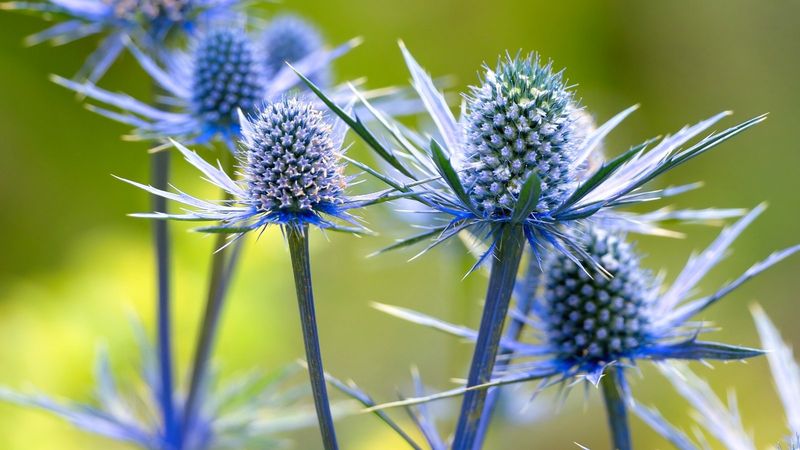
Sea Holly, with its distinctive spiky blue blooms, adds an architectural element to gardens. Newcomers often struggle with its unique needs. This perennial prefers poor, sandy soil and thrives in coastal environments.
Overwatering is a common pitfall, leading to root rot. Sea Holly demands full sun to develop its striking hue.
Native to Europe, this plant is a favorite in xeriscaping, symbolizing independence and resilience. Its unusual appearance provides a focal point in any garden, drawing attention with its metallic sheen.
13. Peony
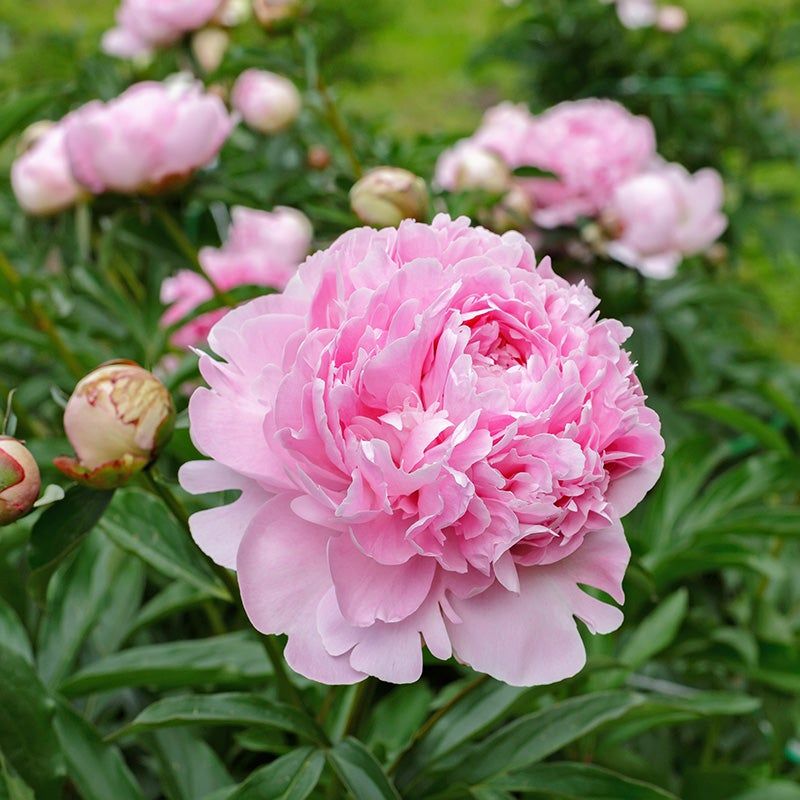
Peonies, with their sumptuous blooms, are a gardener’s delight. However, their grandeur requires patience. Peonies demand well-drained soil and can take years to establish, testing the perseverance of new gardeners.
Beginners may plant them too deeply, hindering their ability to bloom. These perennials also need support for their heavy flowers, which can droop after rain.
Peonies have been cultivated for centuries and symbolize prosperity and romance. Their intoxicating fragrance and timeless beauty make them a cherished addition to gardens worldwide.
14. Japanese Anemone
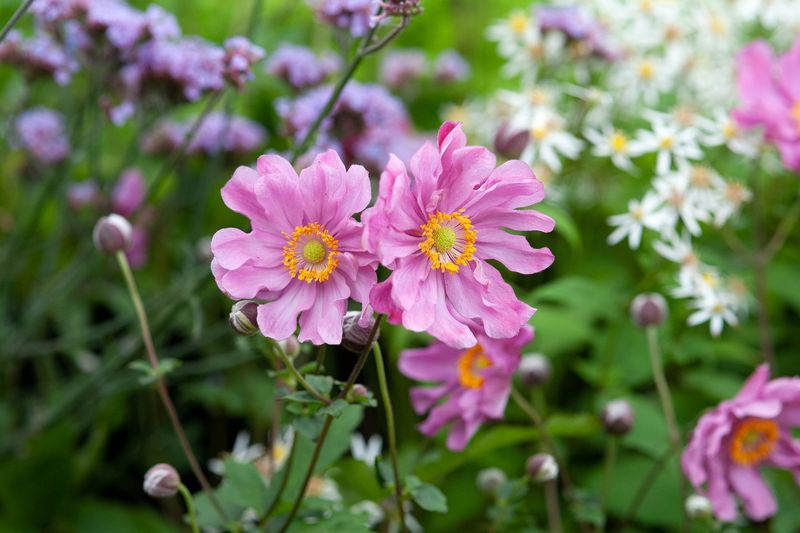
Japanese Anemones, with their graceful blossoms, provide late-season interest. Yet, their beauty belies a challenging temperament. These perennials prefer rich, well-drained soil and can be sensitive to sudden environmental changes.
Beginners may find their spreading nature difficult to control, leading to unintended garden takeovers. Regular pruning helps maintain their shape.
Originating from East Asia, Japanese Anemones symbolize anticipation and are often found in shaded woodland gardens, where they dance gracefully in the autumn breeze.
15. Clematis
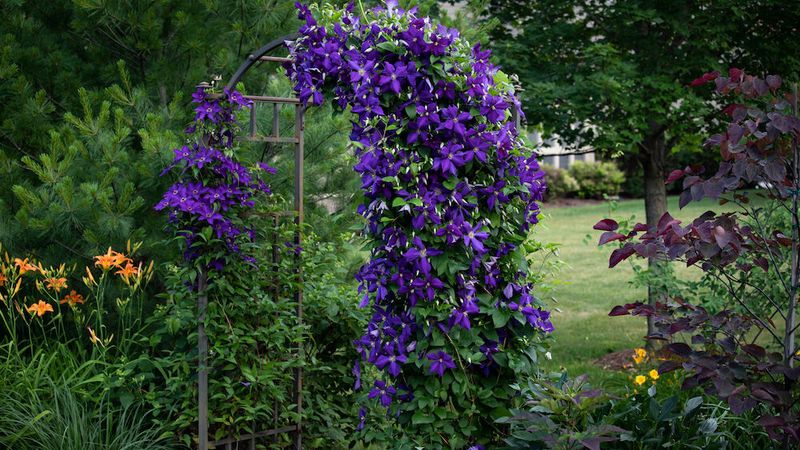
Clematis, with their enchanting flowers, are a staple in many gardens. However, their climbing nature requires careful attention. They need a sunny location with cool roots, often requiring mulch to keep the soil temperature down.
Beginners may neglect proper support, leading to tangled vines and reduced flowering. These plants also require regular pruning to encourage blooms.
Clematis have been cultivated since ancient times and symbolize ingenuity. Their ability to transform vertical spaces makes them a versatile choice for creative gardeners.
16. Shasta Daisy
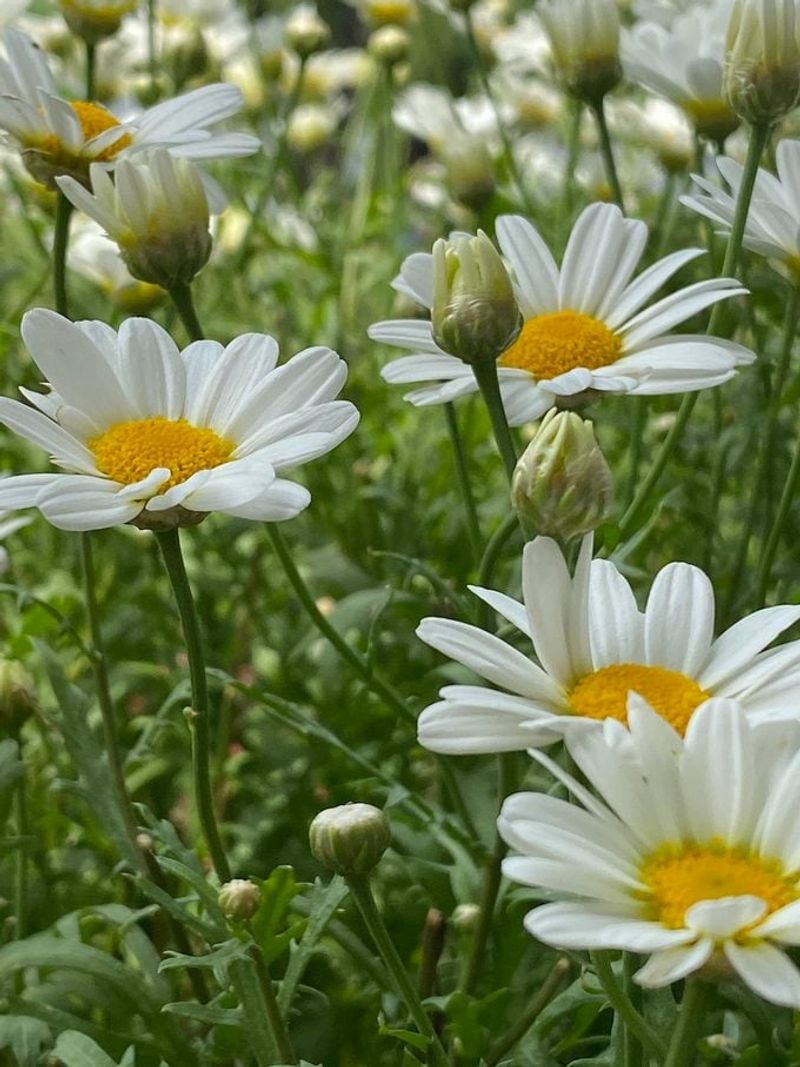
Shasta Daisies, with their cheerful faces, brighten any garden with ease. Yet, their simplicity masks their demands. These perennials require well-drained soil and full sun to perform their best.
Novices often make the mistake of overwatering, leading to root rot. Regular division is essential to prevent overcrowding and maintain vitality.
Named after the snow-capped Mount Shasta, these daisies symbolize purity and innocence. Their timeless appeal and ease of cultivation make them a favorite choice for gardeners seeking an unpretentious floral display.
17. Sweet Pea
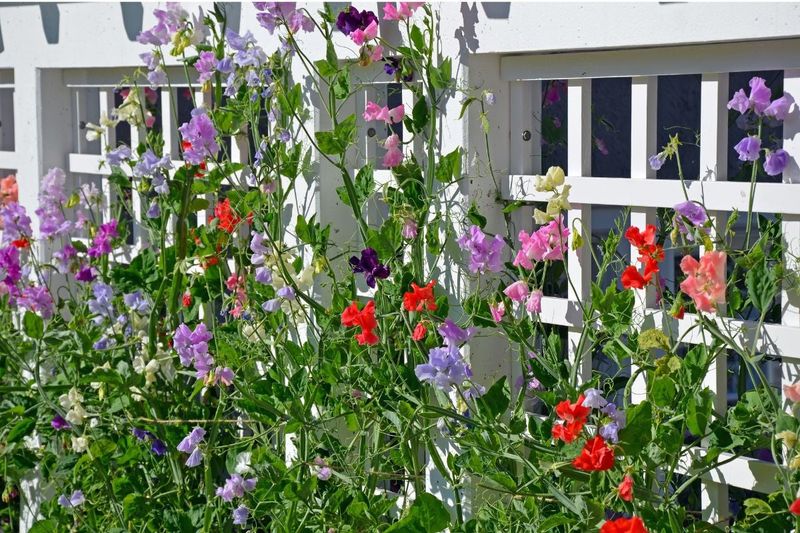
Sweet Peas, with their enchanting fragrance and delicate blooms, are a garden classic. However, their needs can be overlooked by beginners. These climbers require support and thrive in cool, moist conditions.
Incorrect timing of planting is a frequent mistake, as Sweet Peas dislike the heat of summer. Adequate spacing and air circulation prevent mildew.
Native to the Mediterranean, Sweet Peas have been cherished for centuries, symbolizing blissful pleasure. Their alluring scent and vibrant colors make them a beloved addition to any floral arrangement.
18. Forget-Me-Not
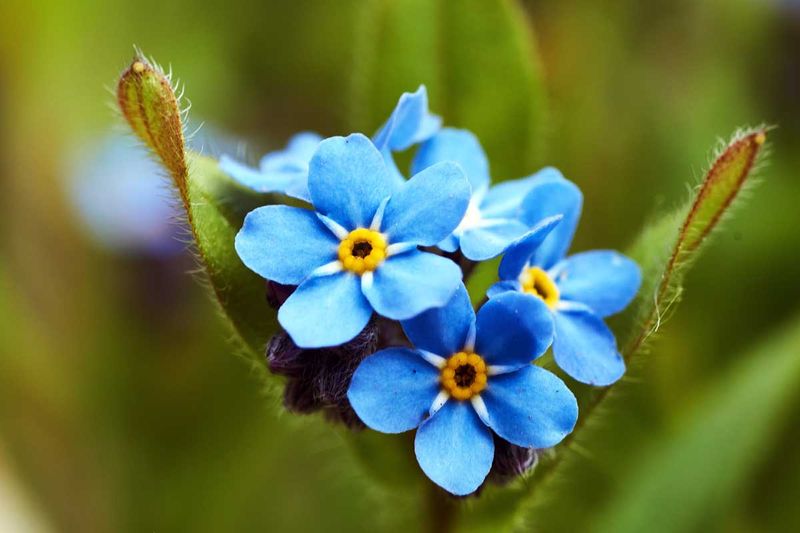
Forget-Me-Nots, with their charming blue flowers, are a sentimental favorite. Yet, their delicate size belies their demanding nature. These plants prefer damp, shaded environments and can struggle in dry, sunny spots.
Beginners often fail to deadhead spent blooms, which can hinder self-seeding. Regular maintenance ensures their continued presence in the garden.
Associated with true love and remembrance, Forget-Me-Nots hold a special place in folklore. Their ability to carpet woodland floors with color makes them a cherished choice for naturalistic plantings.
19. Coral Honeysuckle
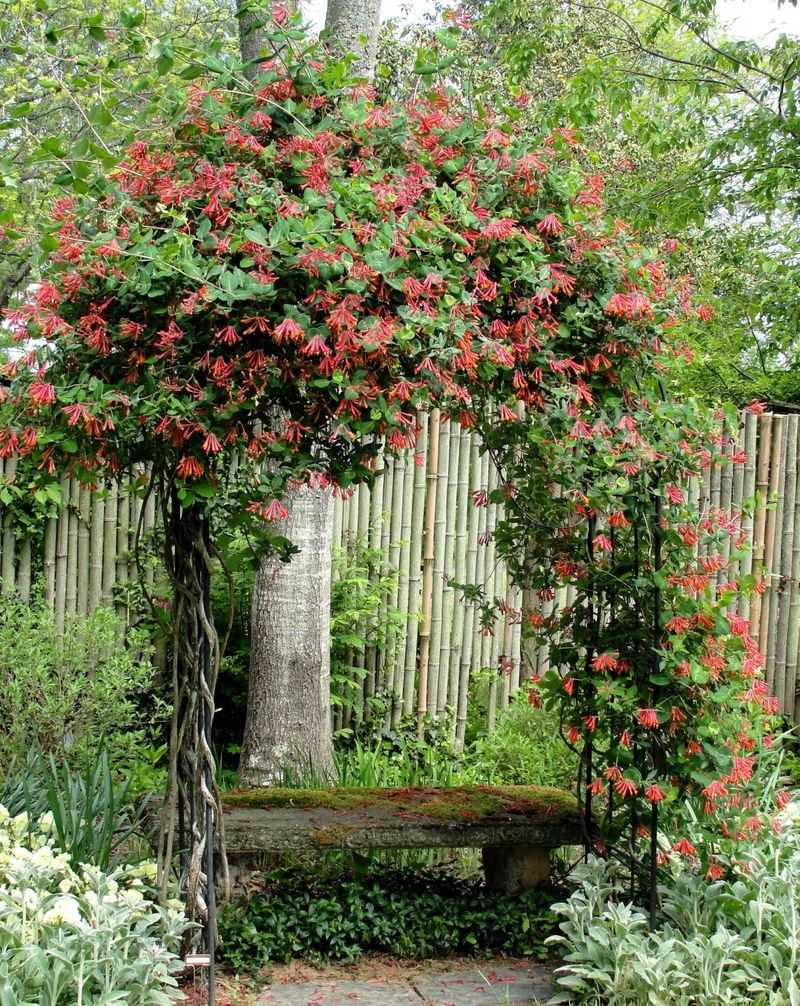
Coral Honeysuckle, with its trumpet-shaped flowers, attracts hummingbirds and brings vibrancy to gardens. However, its growth can be unruly for beginners. This climber needs strong support and thrives in full sun.
Over-fertilization can lead to excessive foliage at the expense of blooms. Regular pruning helps control its spread and encourages flowering.
Native to the southeastern United States, Coral Honeysuckle symbolizes devotion. Its ability to draw pollinators and provide visual interest makes it a valuable addition to wildlife-friendly gardens.