
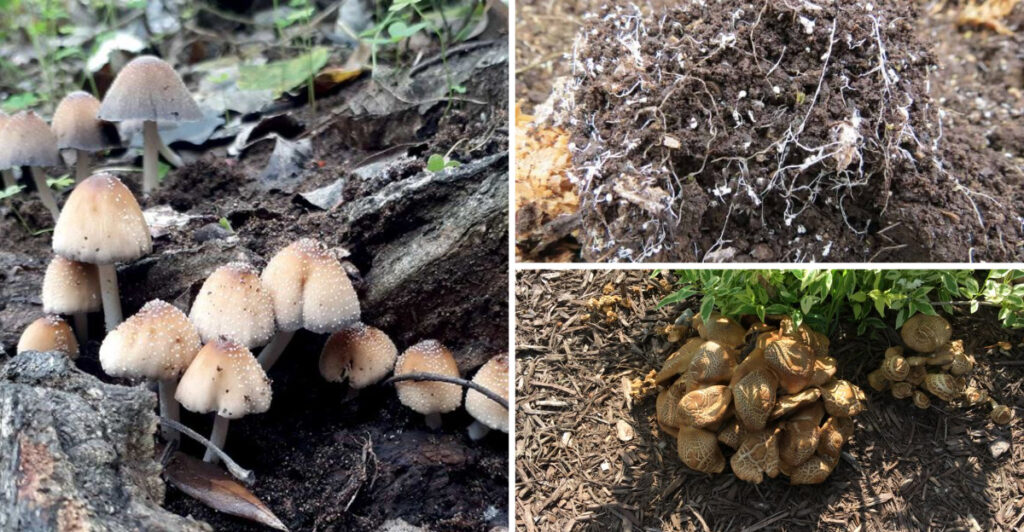
Fungi play an unseen yet crucial role in the vitality of gardens. Often overlooked, these organisms are essential for plant health, soil structure, and nutrient cycling. They form symbiotic relationships with plants, enhancing growth and resistance to diseases. By breaking down organic matter, fungi contribute to fertile soils and promote biodiversity. This article delves into the various ways fungi support a thriving garden, highlighting their importance in sustainable gardening practices.
Mycorrhizal Networks
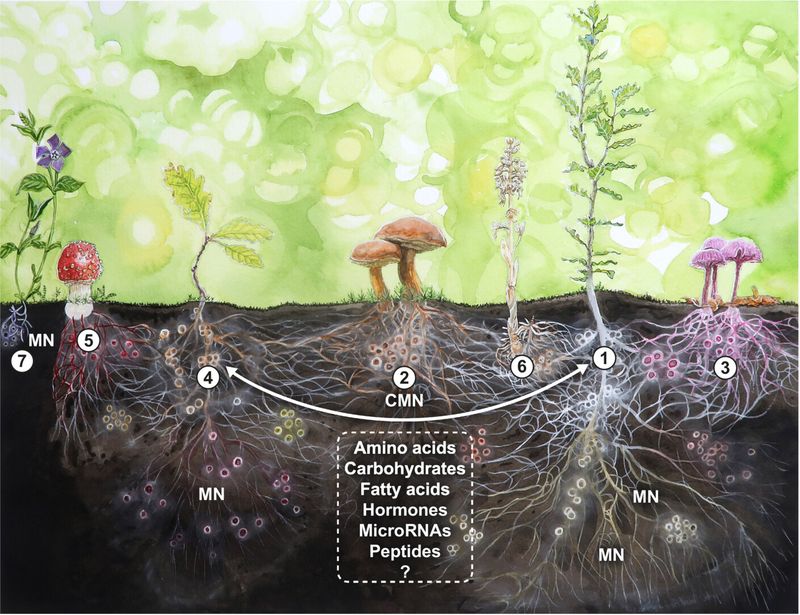
Imagine the unseen web beneath your feet, a vast network of mycorrhizal fungi connecting plant roots. These fungi act as underground highways, transporting nutrients and water between plants. This symbiosis enhances plant growth and resilience.
Mycorrhizal networks can cover vast areas, linking entire plant communities. They not only improve nutrient uptake but also protect plants from pathogens. This underground collaboration is vital for healthy ecosystems, making gardens flourish.
Did you know? Some mycorrhizal fungi can even connect different plant species, facilitating communication and resource sharing among them.
Decomposers at Work
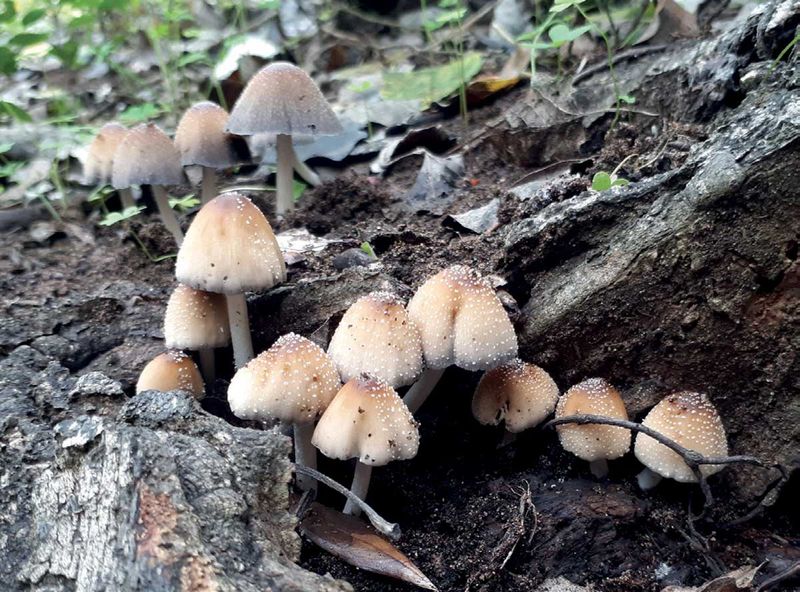
In the quiet corners of the garden, fungi tirelessly break down organic matter, transforming it into nutrient-rich soil. These decomposers recycle leaves, wood, and plant material, sustaining the cycle of life.
By decomposing organic matter, fungi enrich the soil, boosting its fertility and structure. They play a crucial role in nutrient cycling, supporting plant growth. Without fungi, gardens would struggle to maintain their lushness.
Fun fact: Some fungi glow in the dark! Bioluminescent fungi create an enchanting spectacle, illuminating the forest floor with their ethereal glow.
Pathogen Protectors
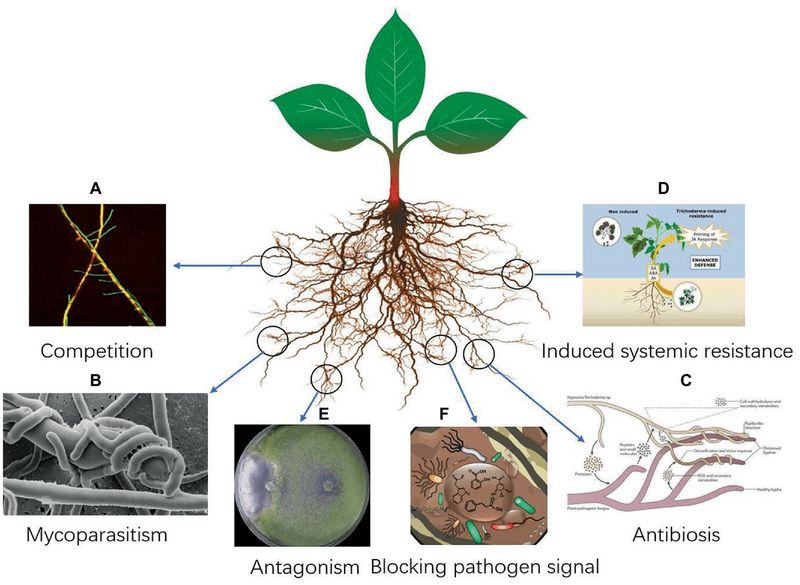
Gardeners often fret about plant diseases, but fungi can be surprising allies. Certain fungi form protective barriers around plant roots, warding off harmful pathogens. This natural defense mechanism reduces the need for chemical treatments.
These beneficial fungi not only shield plants but also stimulate their immune responses. By enhancing plant defenses, they promote a healthier garden environment.
The diversity of fungi in your garden can determine its resilience. Encouraging these natural protectors can lead to a thriving, disease-resistant garden.
The Soil Builders
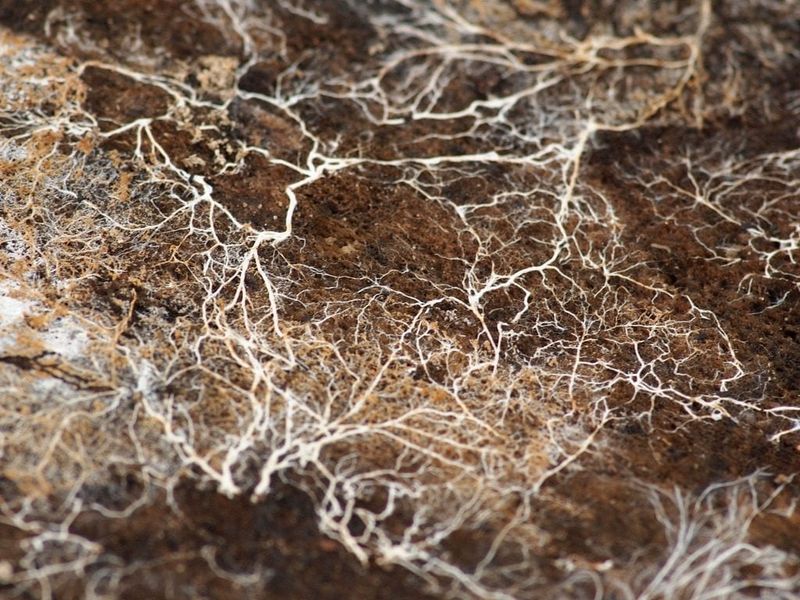
Beneath the garden’s surface, fungi work as skilled soil architects. They bind soil particles together, improving aeration and water retention. This structural enhancement supports root growth and plant vitality.
By maintaining soil integrity, fungi help prevent erosion and promote sustainability. Their presence is crucial for balanced ecosystems in your garden.
Did you know? Certain fungi form mutualistic relationships with ants, aiding in the cultivation of fungi gardens underground. This fascinating interaction highlights the complexity of fungal roles in nature.
Biodiversity Boosters
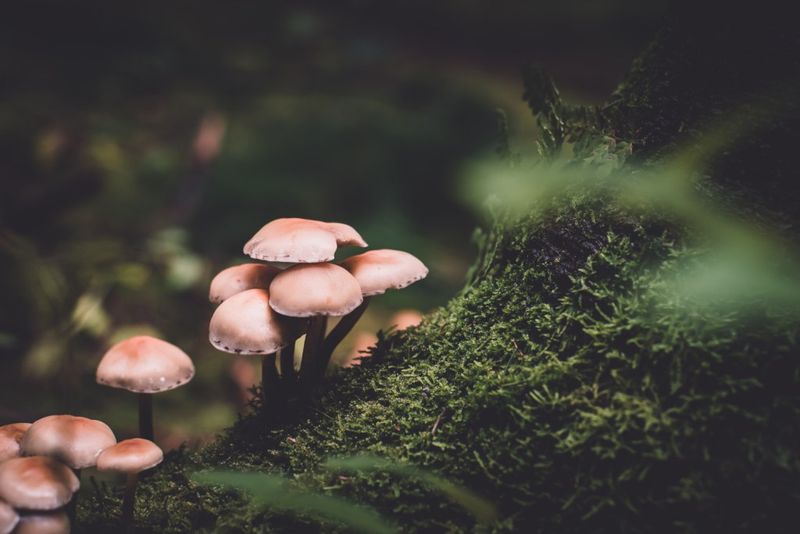
Fungi are champions of biodiversity, supporting a myriad of garden life. They provide habitats and food for insects, small mammals, and other microorganisms. This interconnected web of life enriches the garden ecosystem.
By fostering biodiversity, fungi enhance the resilience and productivity of gardens. A diverse garden is better equipped to withstand environmental stresses and pests.
Fun fact: Some fungi produce compounds that deter herbivores, protecting plants from being eaten. These natural deterrents contribute to the garden’s balance and health.
Nutrient Cyclers
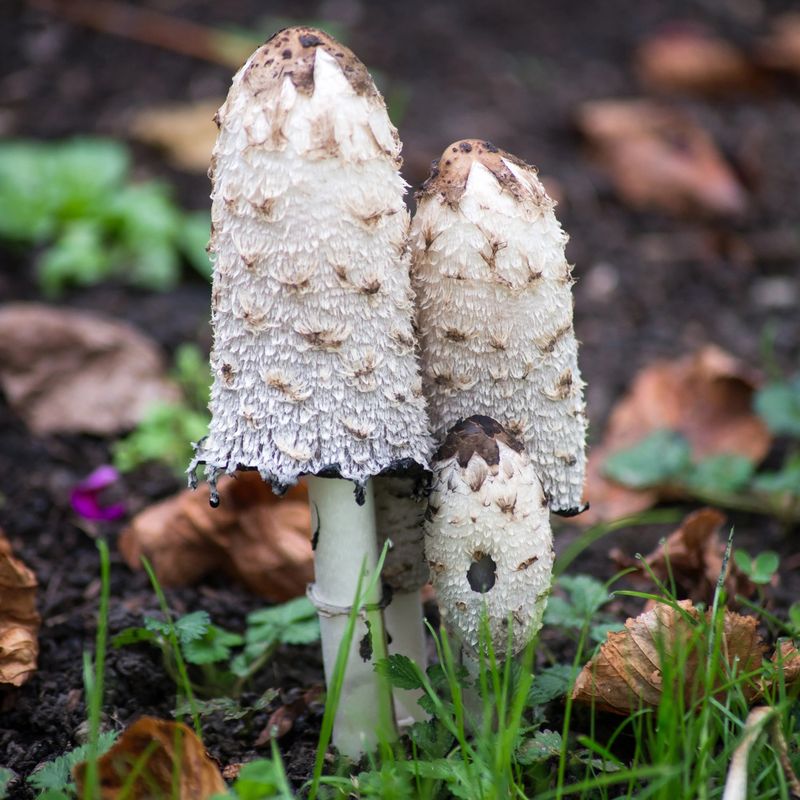
The role of fungi in nutrient cycling is indispensable. They break down complex organic compounds, releasing essential nutrients like nitrogen and phosphorus back into the soil. This process supports robust plant growth.
In their quest to recycle nutrients, fungi form symbiotic relationships with plants. They exchange nutrients for sugars, creating a mutually beneficial partnership.
Without fungi, nutrient cycling would be inefficient, leading to nutrient-poor soils. Their invaluable contribution ensures a fertile and thriving garden environment.
Chemical Alchemists
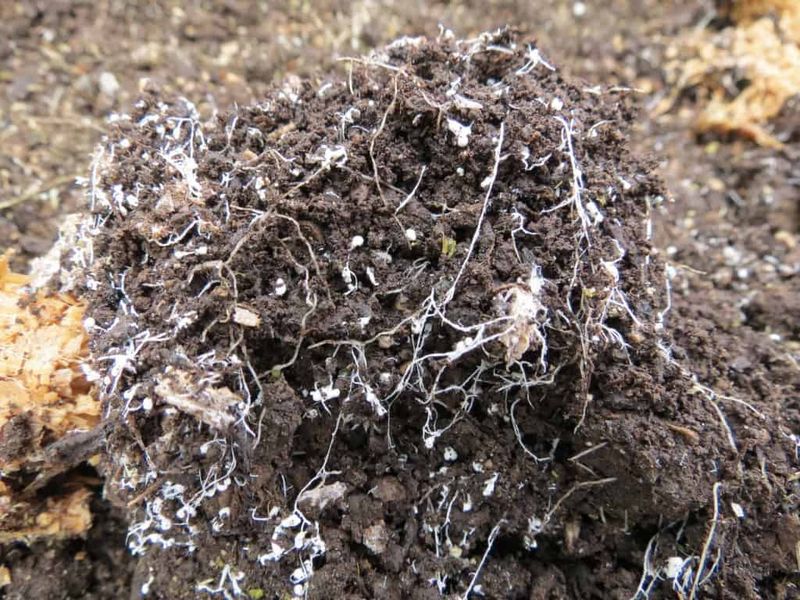
Fungi are the garden’s chemical alchemists, transforming substances in the soil. They break down toxins and pollutants, purifying the environment. This natural detoxification process is essential for sustainable gardening.
By converting harmful chemicals, fungi create a safer habitat for plants and other organisms. Their presence minimizes the need for artificial interventions.
Did you know? Some fungi can even break down plastics! These remarkable organisms have the potential to revolutionize waste management and environmental conservation.
Disease Suppressors
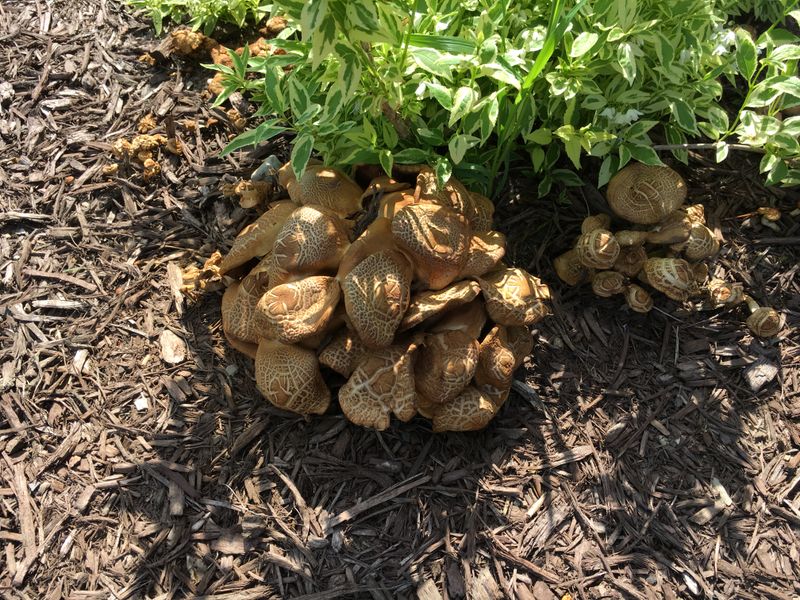
Amidst the verdant growth of a healthy garden, fungi act as silent guardians, suppressing diseases that threaten plant life. By outcompeting harmful pathogens, fungi ensure that plants remain vibrant and productive.
Their presence creates a formidable barrier against invaders, enhancing the resilience of the garden ecosystem.
This natural disease suppression is a testament to fungi’s vital ecological role, safeguarding plants without the need for chemical interventions.
Soil Aerators
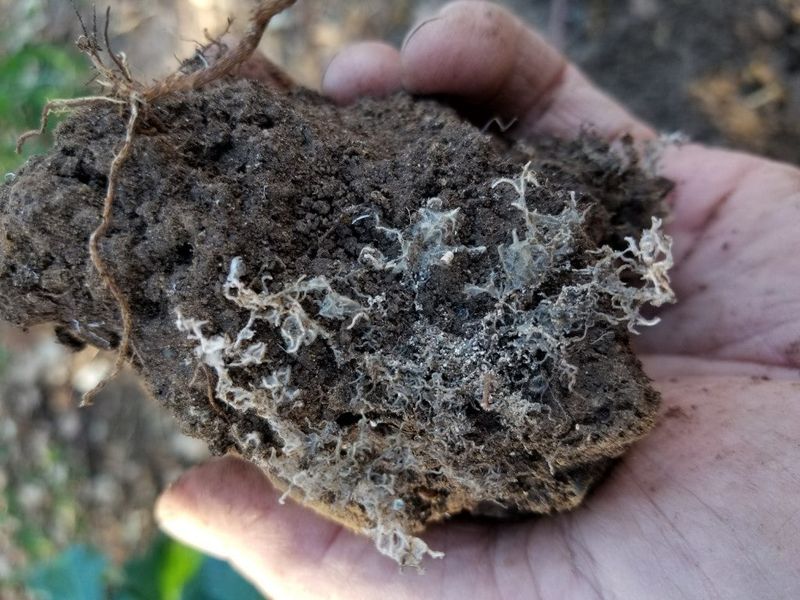
With every twist and turn, the delicate threads of fungi weave a network through the soil, improving its structure. This natural aeration allows roots to breathe and access nutrients more efficiently.
As fungi burrow through the earth, they create spaces that enhance water infiltration and reduce soil compaction.
The result is a robust, airy soil environment where plants can thrive, demonstrating the understated power of fungi in garden health.
Temperature Regulators
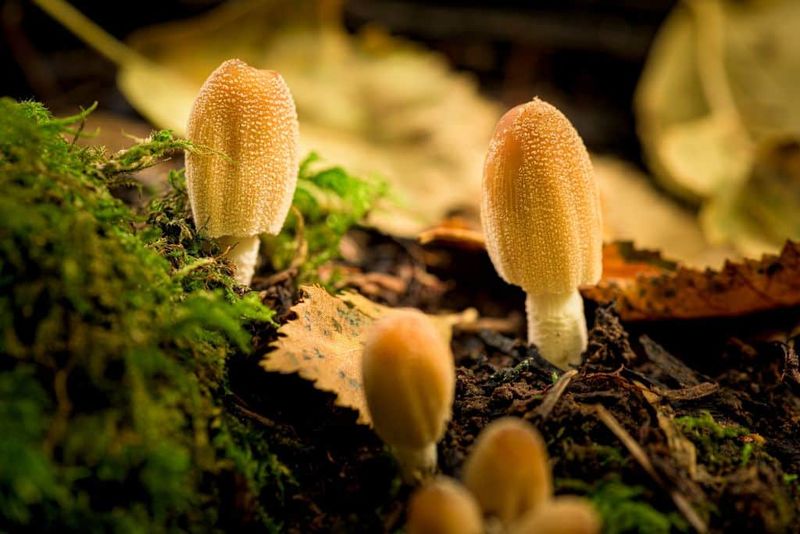
Fungi play a subtle yet vital role in moderating soil temperature. By forming a protective layer, they insulate the soil against extreme temperatures, whether it’s summer’s heat or winter’s chill.
This insulation helps maintain a stable environment for plant roots, fostering growth even in challenging conditions.
The temperature-regulating quality of fungi underscores their importance in sustaining a balanced garden ecosystem.
Moisture Retainers
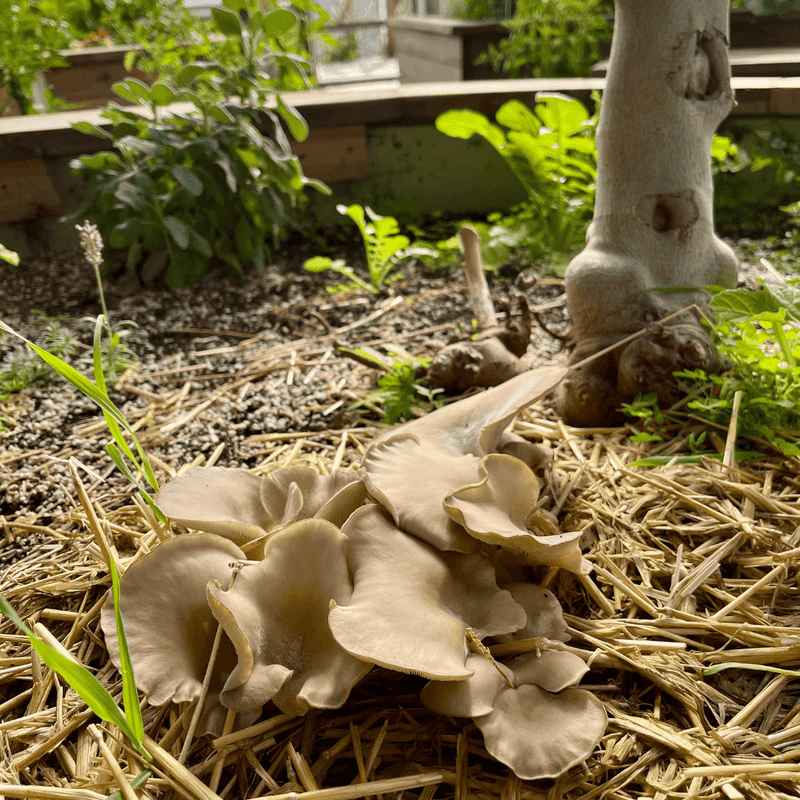
In the aftermath of a gentle rain, fungi excel at holding onto precious moisture, ensuring it remains available to plants. Their mycelium acts like a sponge, reducing evaporation loss.
This capacity to retain moisture is crucial during dry spells, providing a lifeline for garden plants.
By supporting consistent moisture levels, fungi contribute to the garden’s resilience and vitality, highlighting their essential role.
Pollinator Attractors
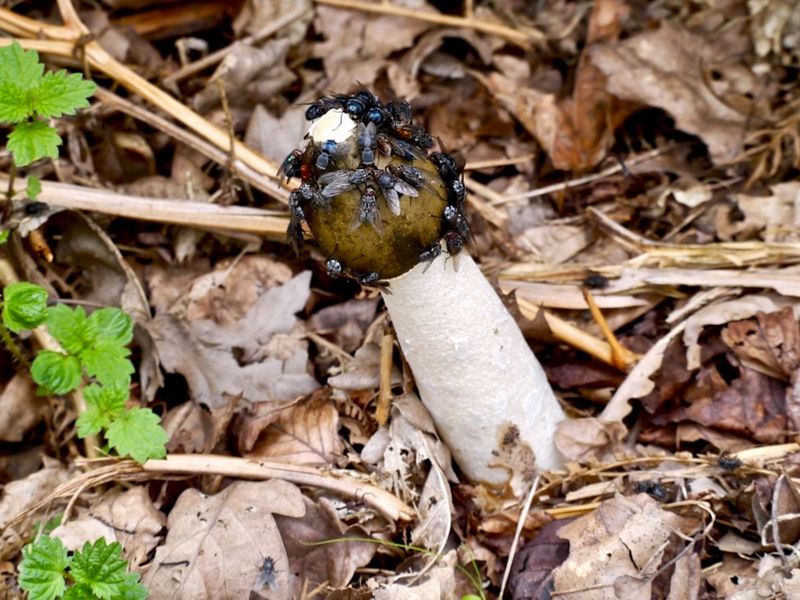
Hidden among the blooms, fungi emit subtle scents that attract pollinators, enhancing plant reproduction. These scents, often undetectable to humans, play a key role in drawing bees, butterflies, and other pollinators.
Fungi’s contribution to pollination supports biodiversity and ensures the propagation of various plant species.
This symbiotic relationship highlights fungi as indispensable allies in a flourishing garden ecosystem.
Root Strengtheners
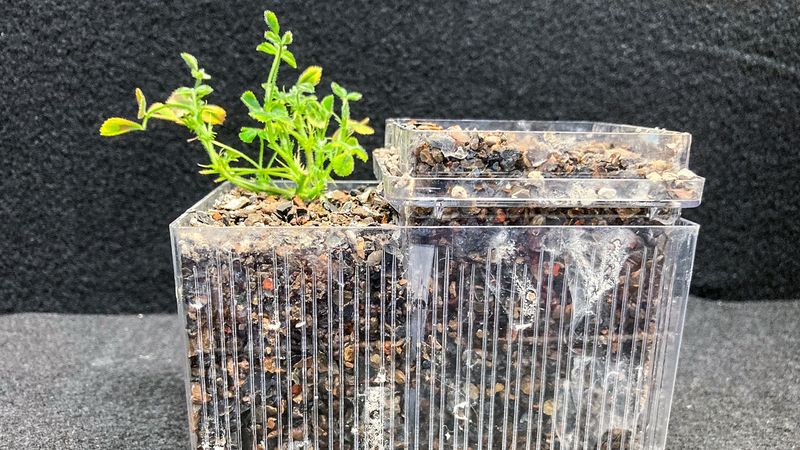
Fungi and plant roots forge strong alliances, with fungi bolstering root strength and health. This partnership allows plants to better withstand environmental stressors, such as drought or poor soil conditions.
The enhanced root systems can absorb nutrients more efficiently, supporting robust plant growth.
Fungi’s role as root strengtheners underscores their importance in fostering resilient garden ecosystems.
Chemical Signalers
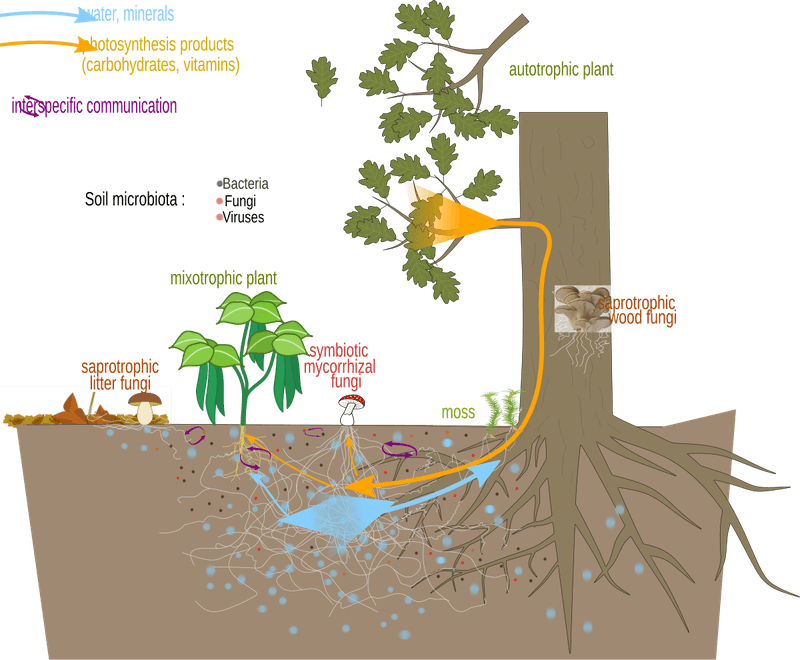
Through a complex language of chemical signals, fungi communicate with plants, coordinating growth and defense mechanisms. These signals can trigger plants to produce compounds that deter pests or attract beneficial insects.
This communication fosters a dynamic, responsive garden environment, where plants thrive with fungi as their allies.
By acting as chemical signalers, fungi enhance the garden’s adaptability and balance.
Toxin Degraders
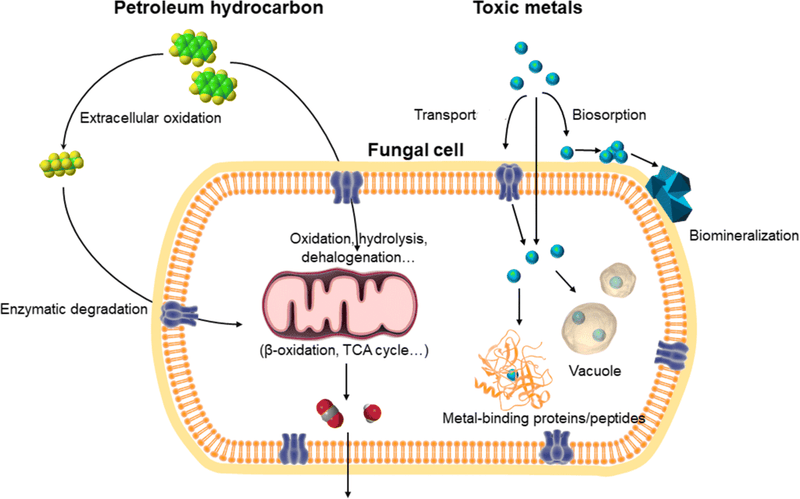
Fungi possess the remarkable ability to break down toxins in the soil, purifying the garden environment. This detoxification process transforms harmful substances into inert compounds, reducing pollution.
By cleansing the soil, fungi contribute to a healthier habitat for plants and other organisms.
Their role as toxin degraders is a crucial aspect of maintaining a safe and thriving garden ecosystem.
Microclimate Moderators
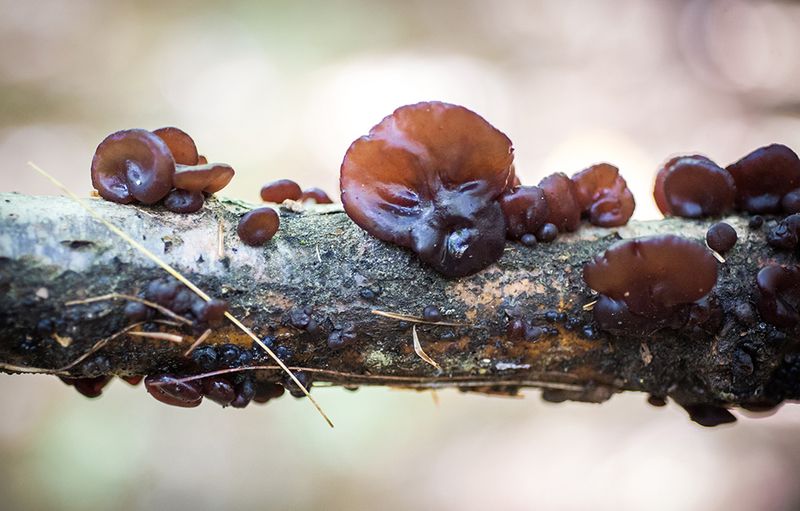
Fungi influence the garden’s microclimate by interacting with other organisms and altering humidity and temperature levels. Their presence can create localized areas with conditions favorable for certain plant species.
This moderation of the microclimate supports biodiversity and enhances the garden’s overall health.
Fungi as microclimate moderators demonstrate their subtle yet impactful presence in the garden.
Organic Matter Stabilizers
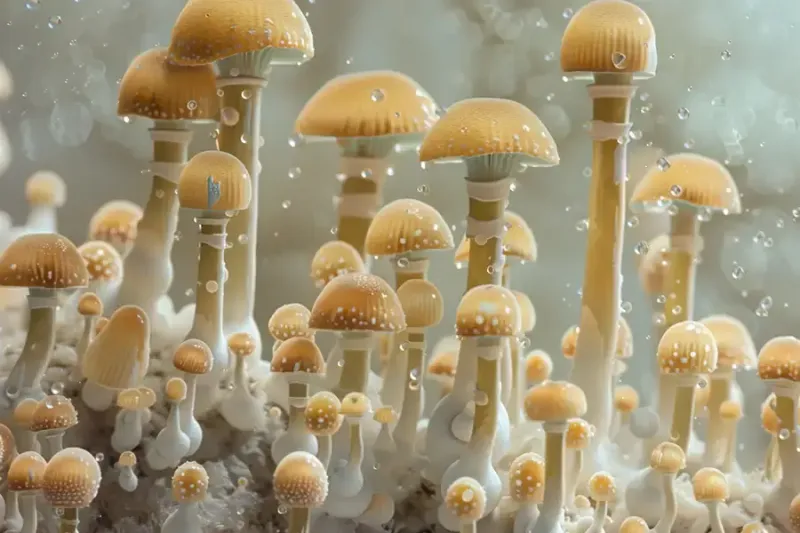
In compost-rich garden beds, fungi stabilize organic matter, preventing rapid decomposition. This stabilization ensures a steady release of nutrients, promoting sustained plant growth.
By maintaining a balanced decomposition process, fungi contribute to soil fertility and structure.
As organic matter stabilizers, fungi play a vital role in supporting long-term garden productivity.