 Complete Gardening
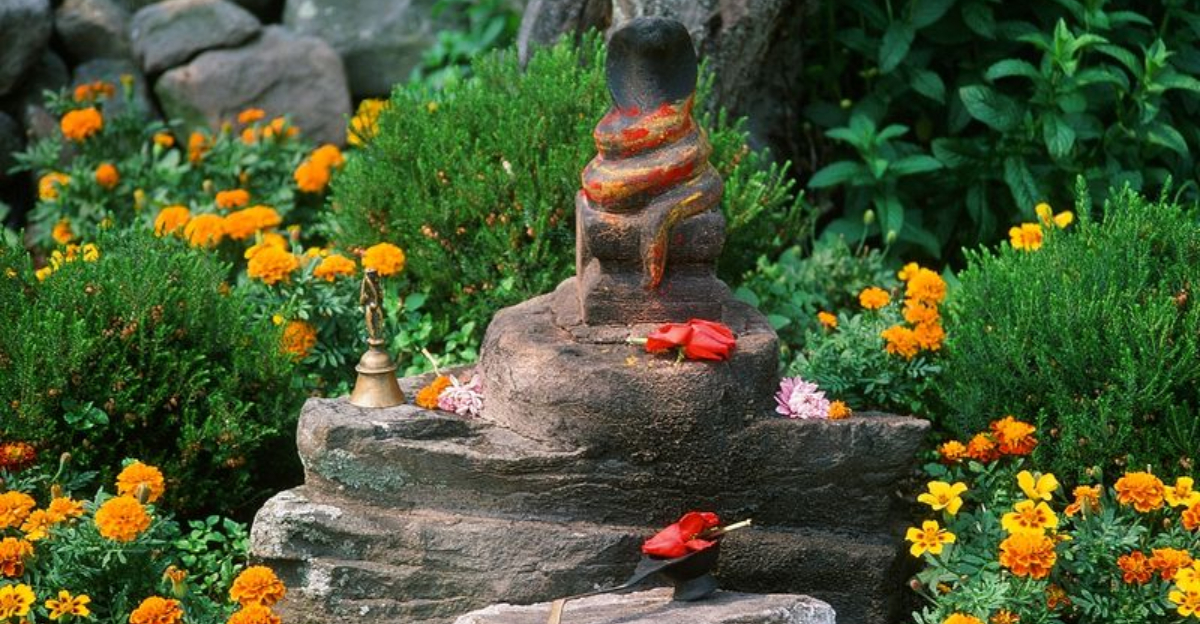
Gardening, a timeless pastime, offers more than just beauty to the eye. It’s a profound form of meditation that connects humans with nature, allowing peace to blossom within. Each seed sown is a step towards tranquility, each bloom a testament to serenity. This article explores seven compelling reasons why gardening serves as the ultimate meditative practice, each rooted in unique experiences and insights. From the rhythmic act of planting to the silent growth of life, gardening envelops the spirit in calmness and mindfulness. Discover how tending to a garden can nurture not only the earth but also the soul.
1. Mindful Planting
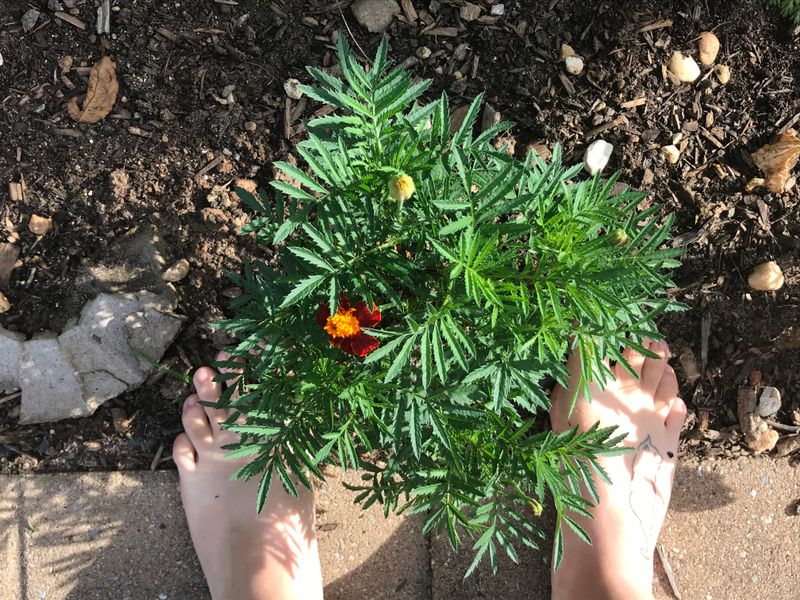
Planting seeds is an act of mindfulness that grounds the gardener in the present moment. As fingers touch the earth, a connection forms, linking body and soul with the soil. The rhythmic act of planting allows the mind to wander freely, unencumbered by daily stresses. It’s a simple yet profound way to cultivate peace.
Each seed represents potential, a promise of life that fosters hope and gratitude. This meditative practice brings a sense of fulfillment and joy, embracing the cycle of growth. Planting becomes not just a task, but a spiritual journey.
2. Nurturing Growth
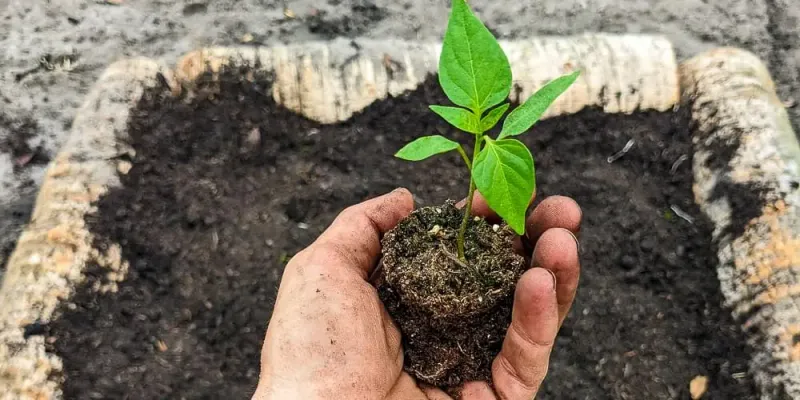
Nurturing plants taps into a deep sense of responsibility and care. Watching them grow encourages patience and empathy, reflecting life’s delicate balance. This nurturing act becomes a meditation on growth and transformation.
The whispers of leaves and the soft trickle of water create a symphony of peace. The bond formed with each plant nurtures both the garden and the gardener, fostering a calm mind and a warm heart. The journey from seedling to blossom illuminates the path of personal growth.
3. Connecting with Nature

Gardening opens a portal to connect with the natural world. The feel of the sun, the caress of the wind, and the scent of fresh earth awaken the senses. This connection nurtures a profound appreciation for nature’s cycles.
Every butterfly that flutters by, every drop of rain, tells a story of life and continuity. It’s a reminder of nature’s wisdom and resilience. Gardening becomes a meditation on the interconnectedness of all living things, a dance with the universe.
4. Seasonal Reflection

Every season in a garden tells a unique story, inviting reflection and contemplation. Observing these changes becomes a meditation on life’s impermanence and beauty.
As leaves fall and flowers bloom, the garden mirrors the ebb and flow of existence. This seasonal dance fosters acceptance and gratitude, embracing the present moment. It’s a reminder that life, like a garden, is ever-changing. The garden becomes a canvas for meditation, painting lessons of life with each passing season.
5. Creative Expression
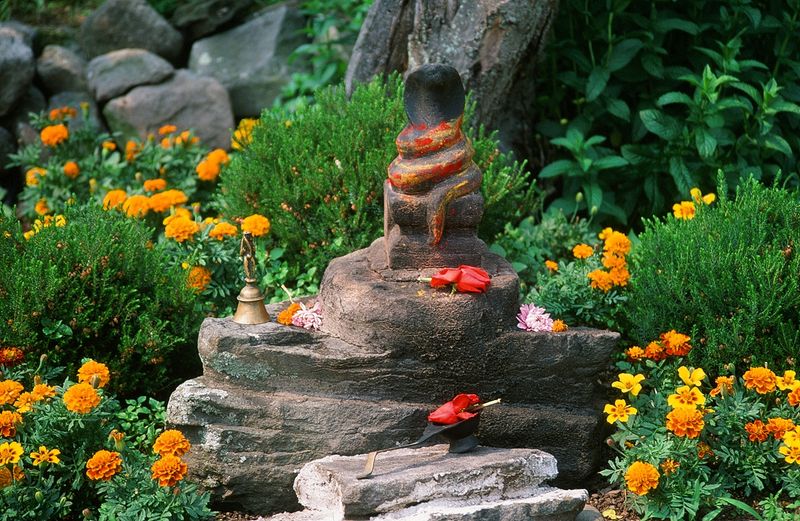
Gardening is a canvas for creative expression. Each choice, from plant colors to arrangement, reflects the gardener’s unique vision. This creative process is meditative, offering a sanctuary for imagination and inspiration.
Decisions made in the garden echo the freedom to express oneself without judgment. The vibrant palette of flowers becomes a living masterpiece, a testament to individuality and creativity. Gardening nurtures the soul, allowing it to flourish with each creative endeavor.
6. Soothing Repetition
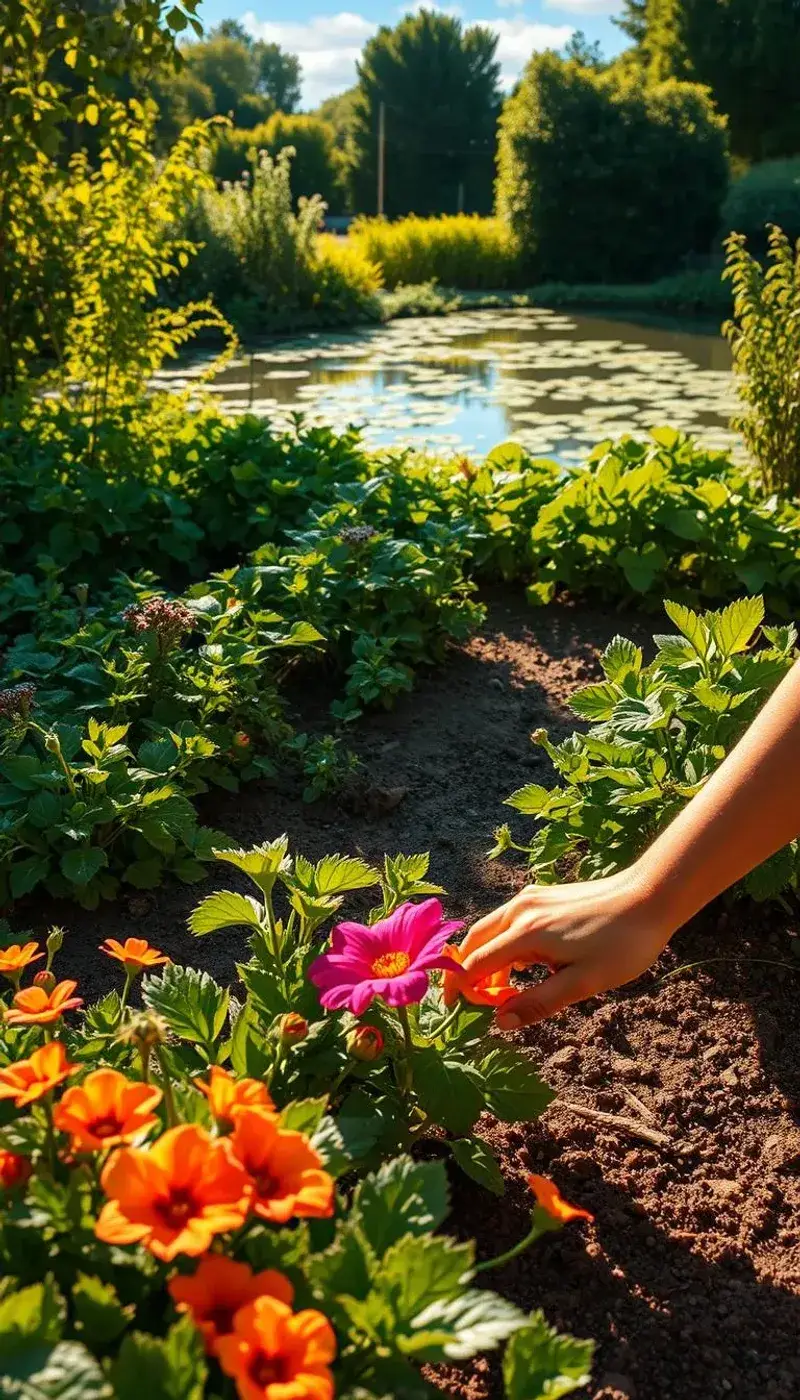
The repetitive tasks in gardening, like raking or weeding, offer a soothing rhythm that calms the mind. These actions require gentle focus, providing an escape from life’s chaos.
Each stroke of the rake, each pull of a weed, is a meditative dance that centers the spirit. The garden’s silence amplifies this tranquility, fostering inner peace and clarity. Repetition becomes a reminder of life’s simplicity and harmony, a gentle melody for the soul.
7. Harvesting Joy

The act of harvesting brings immense joy and satisfaction. It’s a celebration of effort and patience, a tangible reward for nurturing the earth.
Each ripe fruit or vegetable is a testament to the gardener’s care and love. This moment becomes a meditation on gratitude and abundance, a reflection of life’s bounties. Harvesting transforms the garden into a place of fulfillment and joy, where the gardener reaps not just produce, but peace and happiness. It’s a joyful culmination of the gardening journey.
8. Scented Serenity

With each breath of fragrant garden air, stress seems to melt away. The olfactory delight from blooming flowers like lavender and jasmine invites a serene calmness. Aromatherapy in gardens is a natural tranquilizer, offering a peaceful reprieve from daily chaos.
Imagine walking through rows of scented herbs, the gentle fragrance rising with every step, enveloping you in calm. The power of scent connects deeply with emotions, offering an unspoken form of communication with nature.
It’s a sensory meditation, where the aroma serves as a gentle reminder to pause, breathe, and reflect.
9. Whispers of the Wind

The gentle rustling of leaves creates a symphony of nature’s whispers. Wind chimes add a melodic backdrop, turning a garden into an auditory sanctuary. These sounds encourage a form of active listening, drawing attention to the present moment.
The wind’s voice is a reminder of life’s constant motion, teaching resilience and adaptability. This auditory experience becomes a practice of mindfulness, grounding one’s thoughts amid nature’s song.
In this tranquil environment, the mind finds a rhythm, swaying gently with the breeze, attuned to the subtle music of the earth.
10. Nature’s Canvas

Gardens offer an ever-changing palette of colors and textures. This dynamic landscape serves as inspiration for creativity. Like an artist with a blank canvas, gardeners paint their surroundings with blooms of every hue.
This creative process fosters a meditative state, where focus and intention guide each choice, from plant selection to garden design. Planting becomes an artistic meditation, an expression of personal vision harmonizing with nature’s beauty.
Engaging with this living art form provides insights into the creative process, encouraging self-expression and emotional growth.
11. Earth’s Embrace
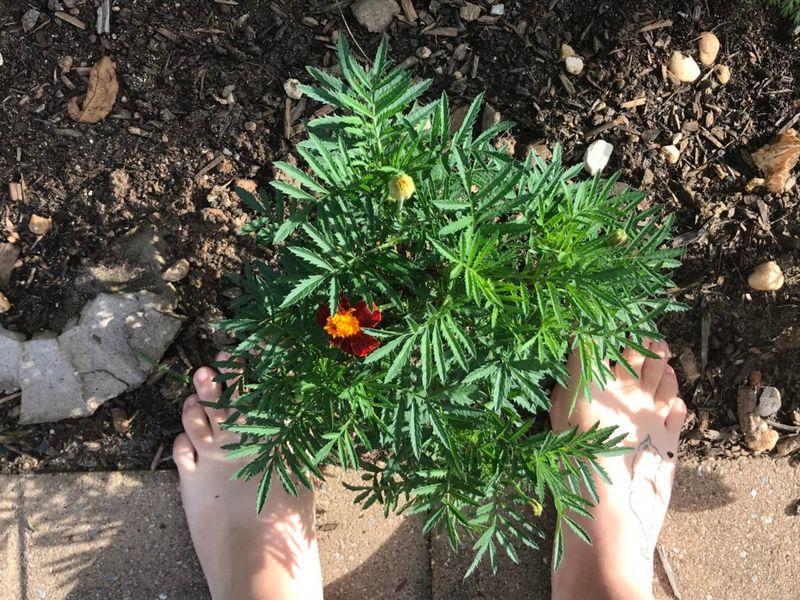
Kneeling down to touch the soil, one connects with the earth in a profound and grounding way. This tactile interaction roots the gardener both physically and emotionally.
The soil’s texture, cool and gritty, offers a sensory experience that anchors the mind. As plants grow from this humble material, they teach lessons of patience and nurturing.
This connection with the earth fosters a meditative awareness, a reminder of life’s cycles and the interconnectedness of all living things. It’s an embrace that offers stability, grounding the spirit amid life’s chaos.
12. Symphony of Colors

Amidst a garden’s vibrant colors, one discovers a symphony of visual delight. Each hue, from the soft pastels to the bold primaries, tells a story of life’s diversity.
Color has the power to influence mood, turning a garden into a refuge of joy and inspiration. The experience is akin to walking through a masterpiece, where each blossom plays its part in a harmonious composition.
This visual meditation invites introspection, allowing the mind to wander through the tapestry of colors, finding peace in nature’s artful display.
13. Rhythm of Growth
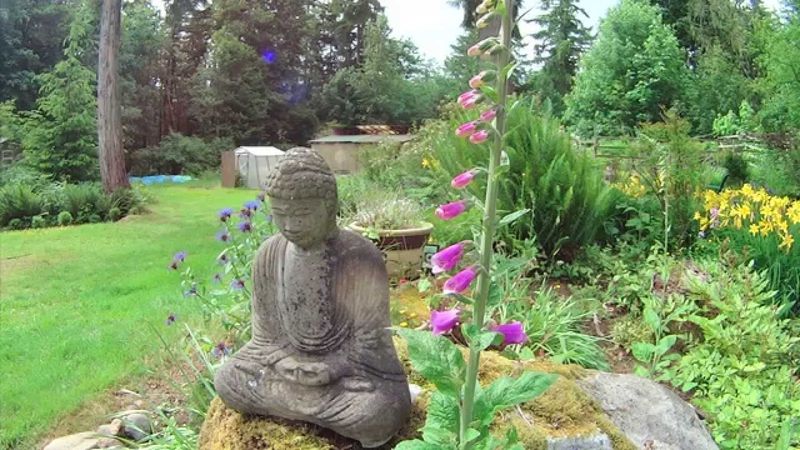
Witnessing the steady growth of a garden is a lesson in patience and faith. Each phase of plant development, from seed to bloom, mirrors life’s own journey.
Gardens teach that growth is not always visible, yet it is constant and relentless, like the gentle ticking of life’s clock. This rhythm encourages reflection on personal growth and transformation.
Embracing this natural timeline fosters a deeper understanding of life’s seasons, highlighting the beauty in every stage of existence. It’s a meditation on growth and the inevitability of change.
14. Healing Hands

The act of gardening is healing in itself. Tending to plants requires a gentle touch, a nurturing spirit that extends beyond the garden. This care fosters a sense of purpose and connection.
The repetitive motions, whether planting, watering, or weeding, become a form of moving meditation, calming the mind and body.
Each interaction with the garden becomes an opportunity for reflection and renewal. These healing hands transform the garden into a sanctuary, where both plants and people thrive. It’s a reminder of the power of touch and care.
15. Eternal Seasons
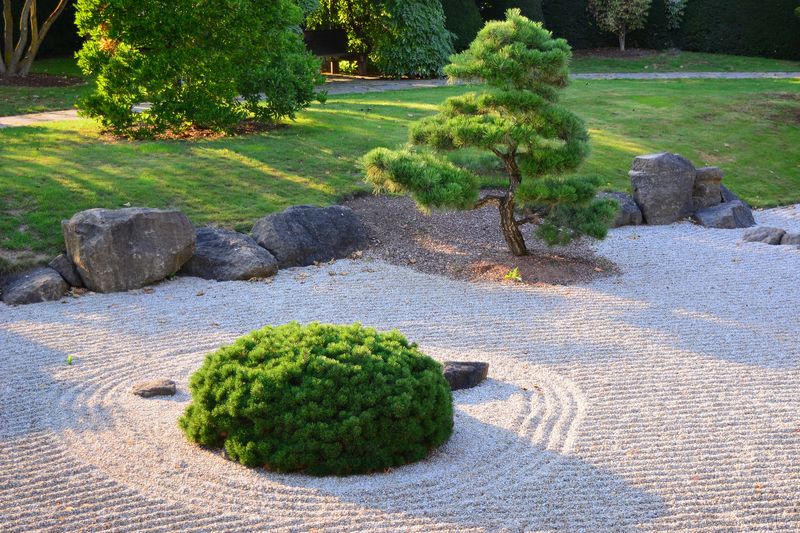
Gardens are dynamic, ever-changing with the seasons. Each season brings its own beauty, challenges, and lessons. Observing these changes fosters appreciation for life’s cyclical nature.
Spring’s new growth, summer’s abundance, autumn’s harvest, and winter’s quiet reflection each offer unique meditative qualities.
This cycle encourages mindfulness, reminding us of the transient nature of life and the beauty in change. Engaging with a garden throughout the year, one finds a perpetual source of inspiration and wisdom. It’s a meditation on the passage of time and life’s eternal rhythms.