
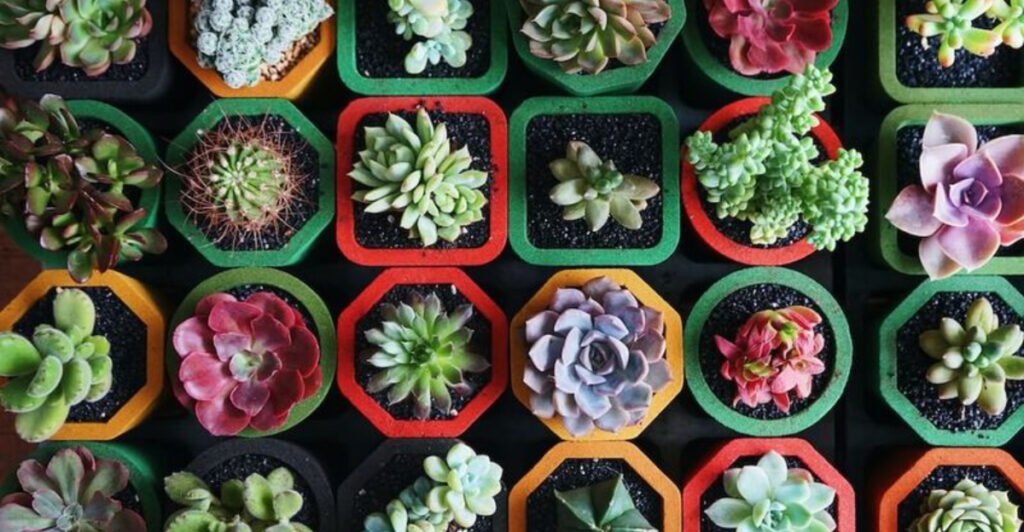
Succulents, with their unique shapes and low maintenance needs, make delightful additions to any home or garden. For beginners, understanding the essentials can ensure these charming plants flourish. This guide provides ten invaluable tips to keep your succulents thriving, from choosing the right container to maintaining optimal lighting conditions.
1. Choose a Container with Drainage
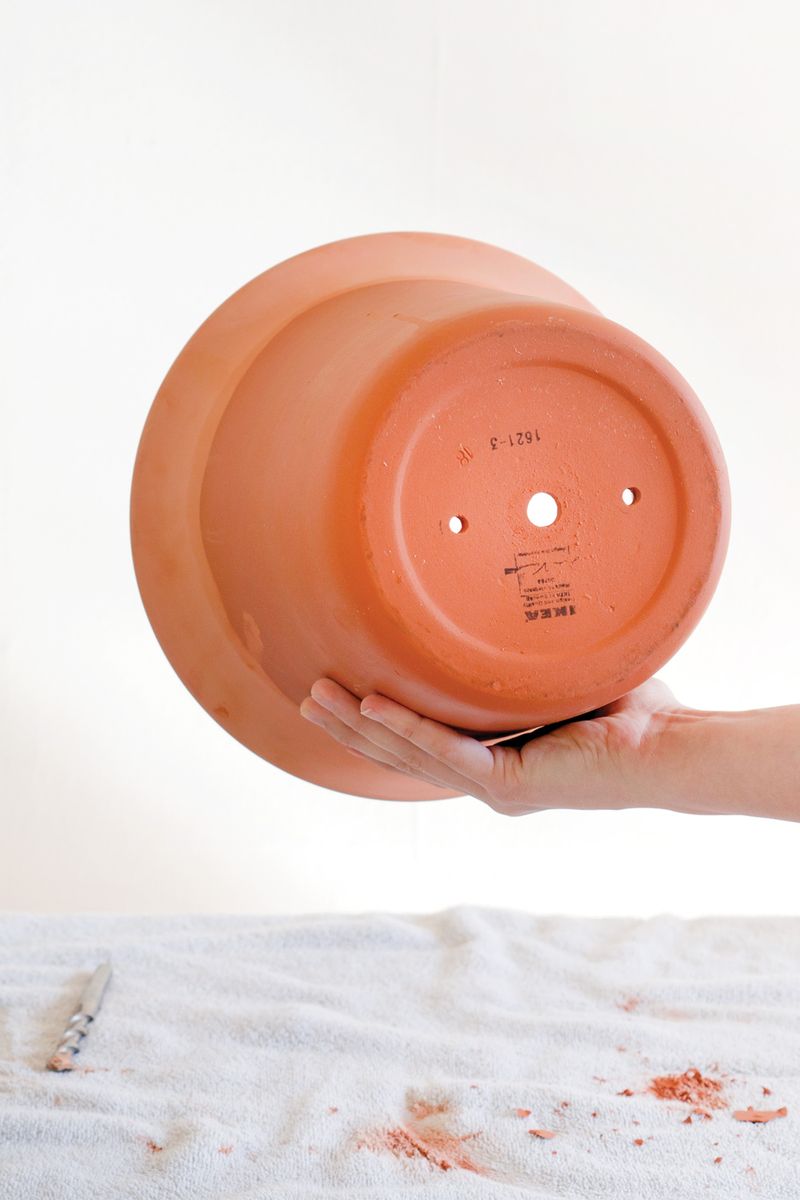
Choosing a container with drainage is akin to providing them with the perfect travel gear. Look for pots with at least one drainage hole at the bottom. These holes ensure any excess water escapes, preventing the soil from becoming waterlogged and averting root rot. A classic terracotta pot, paired with a saucer, is a fantastic choice. The natural material allows the soil to breathe, creating an ideal environment for your succulents to thrive. Keep their roots happy, and they will flourish.
2. Use a Cactus and Succulent Soil
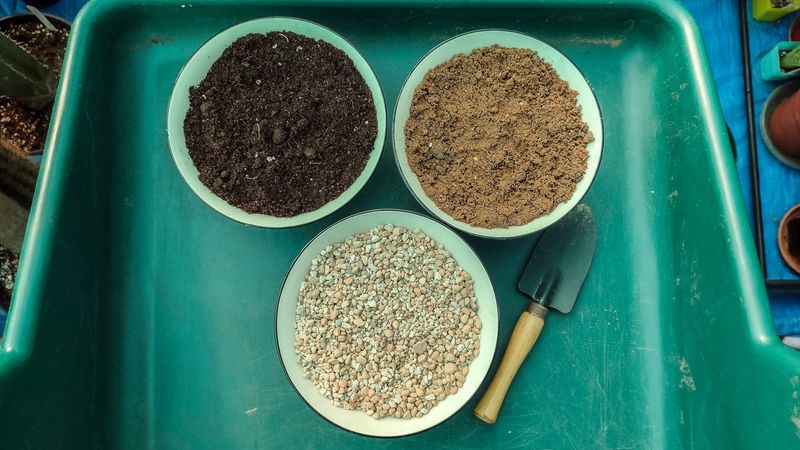
Soil is to succulents what a stage is to a performer; it sets the scene. Regular potting soil is heavy and holds moisture, making it unsuitable for succulents. Opt for a cactus and succulent soil mix, which is lighter and promotes better drainage and aeration. This special blend provides the right environment for succulent roots to spread and grow. Laura uses Espoma Organic Cactus Mix, a trusted choice for many. By selecting the right soil, you help your succulents stand tall and shine, ensuring they receive the best care possible.
3. Pick a Healthy Plant
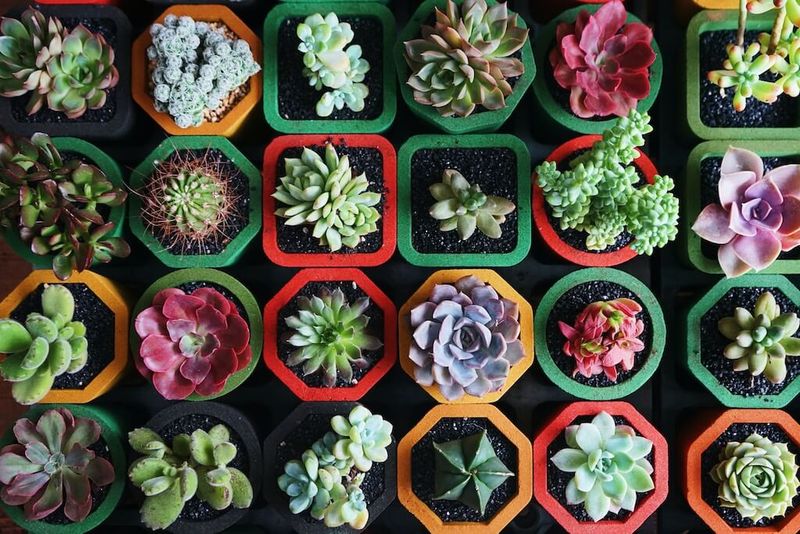
Think of selecting a succulent like picking the perfect apple; it must be fresh and vibrant. Start by choosing a plant with a good, even shape and a rich color. Avoid those with visible insects or pests and steer clear of any with dead or mushy leaves. A healthy plant is your best ally in cultivating a thriving succulent garden. Just as you’d choose fresh produce for a meal, give yourself the best start by selecting a robust succulent. This simple yet crucial step lays the foundation for a flourishing indoor jungle.
4. Plant it Right
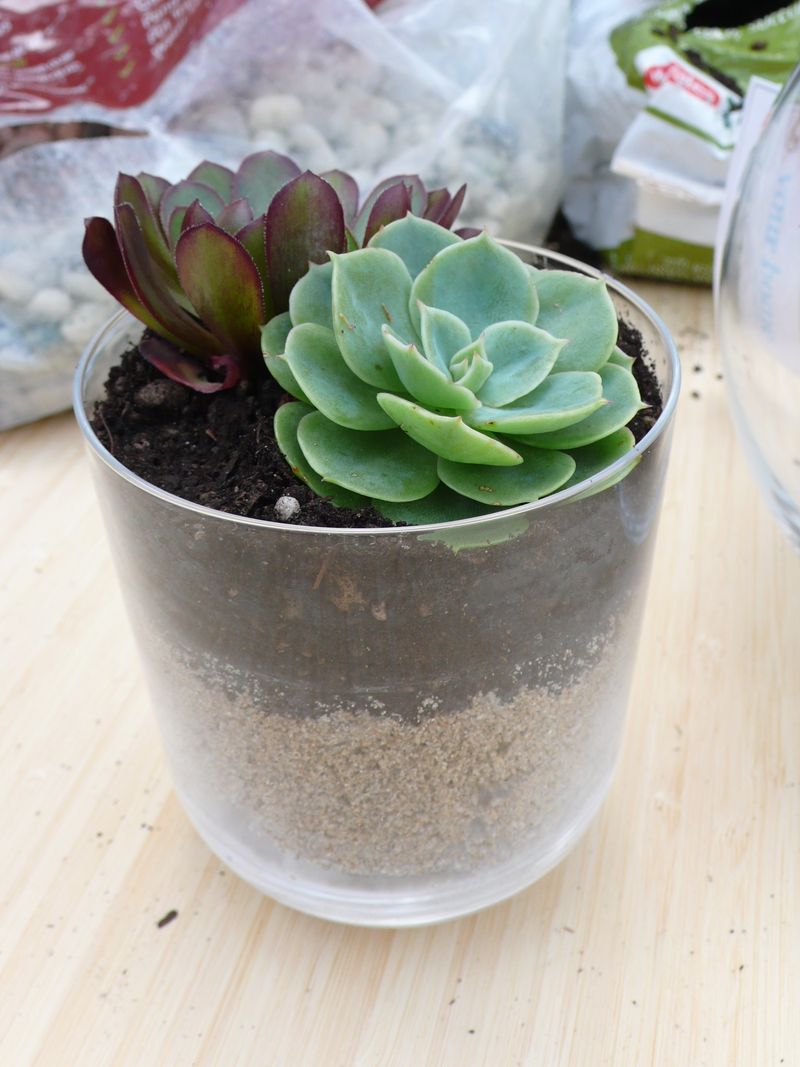
Planting a succulent is an art, akin to crafting a masterpiece. Begin by adding a layer of cactus soil to the bottom of your pot, working it slightly up the sides. Gently remove the succulent from its nursery container and place it atop the prepared soil. Fill in around the root ball with more succulent soil, ensuring the plant is secure. Leave a small lip between the soil’s surface and the pot’s rim. This prevents overflow and keeps your setup tidy. With each step, you’re sculpting a living work of art that will grace your space.
5. Water Wisely
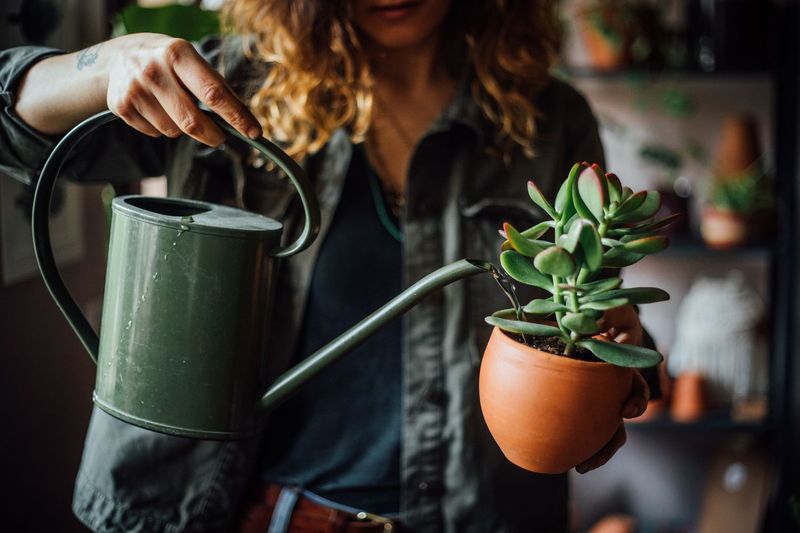
Watering succulents is a delicate dance, much like finding the perfect rhythm. Thoroughly water the plant until you see a bit of water draining from the pot’s bottom. If using a saucer, always empty any collected water, as succulents should not sit in it. Allow the soil to dry out completely between waterings—this could be weekly or less frequent, depending on your environment. Observe the leaves: if thirsty, they wrinkle; if overwatered, they become mushy. Regular checks keep you in tune with their needs, ensuring they remain healthy and vibrant.
6. Provide Adequate Light
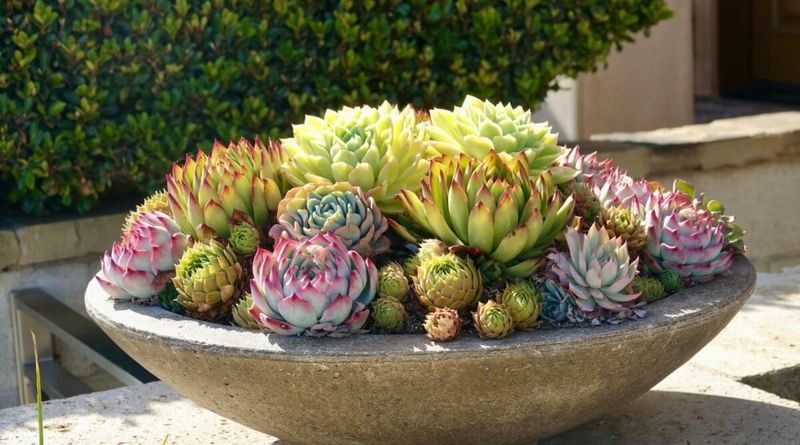
Imagine succulents as sunbathers; they crave the warmth and glow of sunlight. Aim for 4-6 hours of morning sun to keep them happy. While summer sun is delightful, too much intense afternoon light can scorch them. In areas with short winter days, consider using a grow light to supplement their light intake. Balance is key, as overexposure or lack of light can hinder their growth. By providing the right amount and intensity of light, you create a nurturing haven where your succulents can bask and thrive.
7. Fertilize (They Need Food Too!)
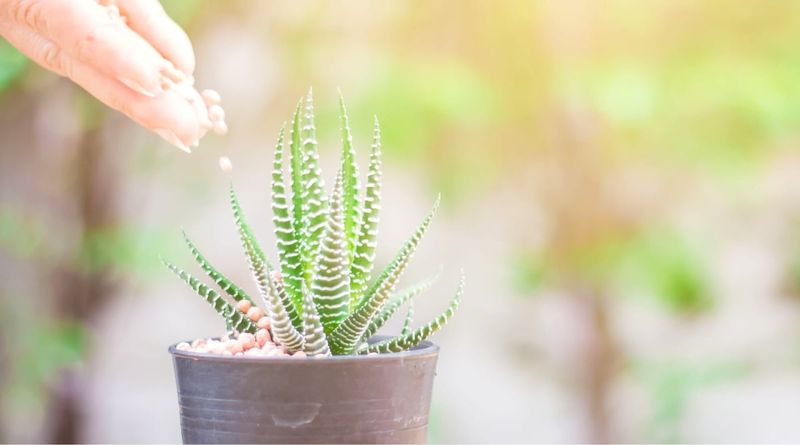
Feeding succulents is like giving them a gourmet meal. Nutrients are essential for their growth and vibrancy. Use a fertilizer specifically for cacti and succulents, such as Espoma Organic Cactus liquid plant food. During the growing season, typically apply once a month, following bottle directions. Incorporate fertilizing into your regular watering routine—no extra water needed solely for this purpose. Just as a well-fed person thrives, a nourished succulent flourishes. This careful nourishment ensures your plants remain robust and full of life.
8. Watch for Bugs
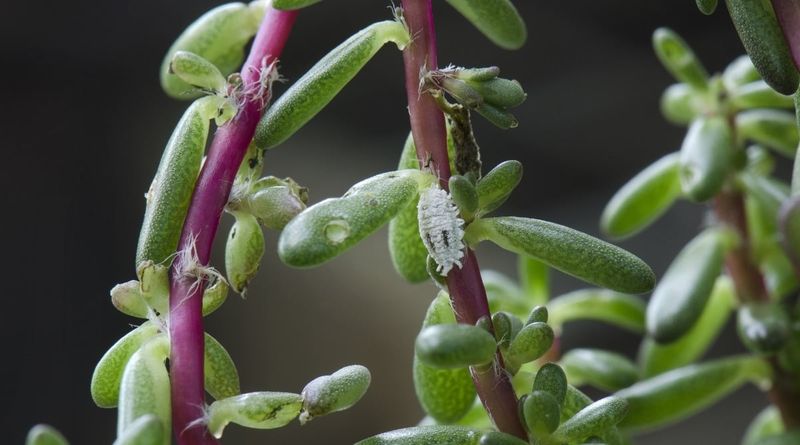
Think of succulents as vigilant sentinels, always on the lookout for intruders. Regularly inspect them for pests, and act swiftly if any are spotted. If unsure, consult a local garden center for advice. Be cautious with insecticides as succulents are sensitive. Mealybugs, resembling tiny cotton balls, are common foes. A simple trick is using a Q-tip dipped in isopropyl alcohol to remove them. This vigilant care protects your plants from harm, ensuring they continue to grace your home with their beauty and charm.
9. Groom Your Plants
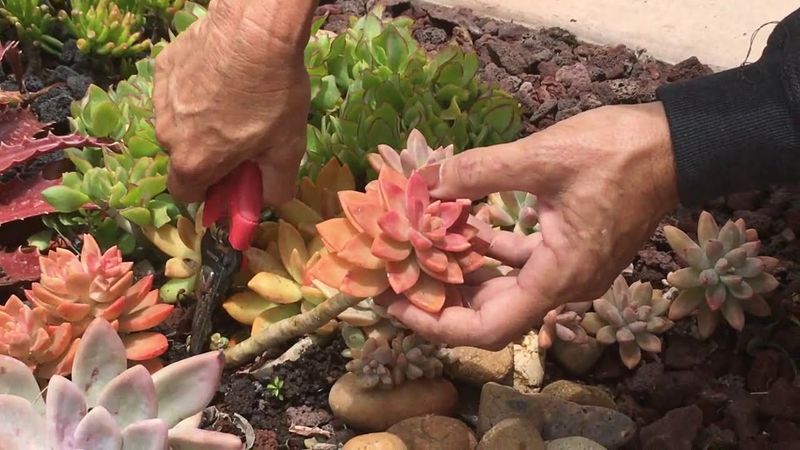
Grooming succulents is like tending to a beloved pet—it keeps them healthy and happy. Regularly remove dead or decaying leaves to prevent pests and diseases from lurking. This practice not only maintains their appearance but also promotes growth. Succulents may have a powdery coating called farina; try not to disturb it. While it doesn’t harm to touch, handling it with care preserves their natural beauty. Grooming ensures your plants are at their best, radiating vitality and elegance in any setting.
10. Keep an Eye on the Temperature
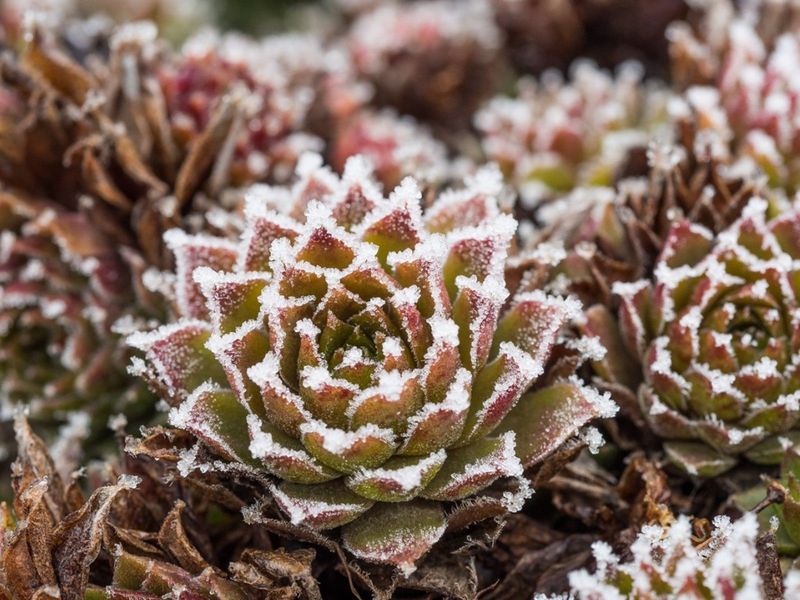
Temperature for succulents is like the seasons; they thrive in the warmth but shiver in the cold. Most cannot withstand freezing temperatures, so if you live in a cold climate, bring them indoors before the first frost. Inside, place them in a well-lit area away from direct heat sources. This careful attention to their environment ensures they remain healthy. By monitoring and adjusting their surroundings, you provide a stable climate where they can continue to grow and add life to your home.