
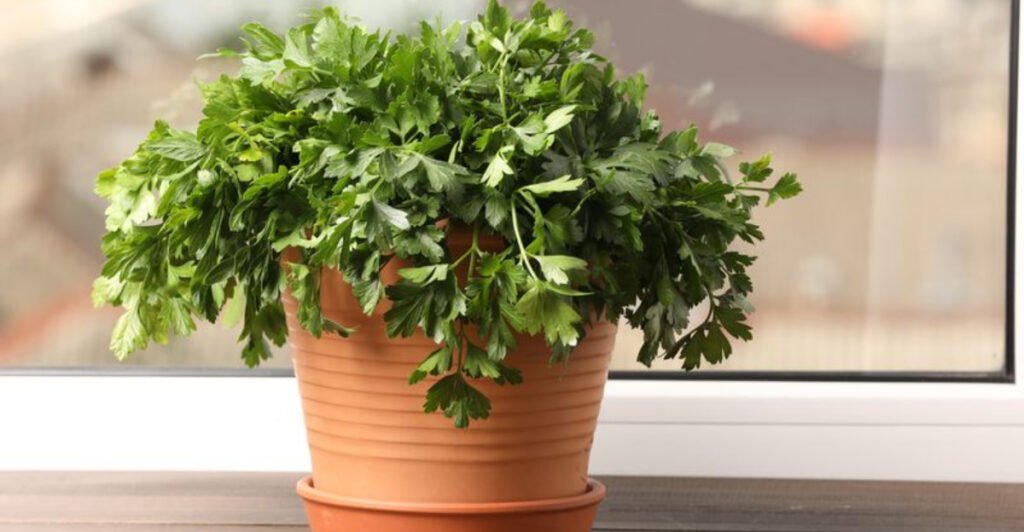
Discover the world of herbs and learn which ones to grow for exceptional flavor and which to avoid because they might taste like soap to some. This guide explores seven delightful herbs that can enhance your culinary creations and three that might not be everyone’s cup of tea.
1. Basil
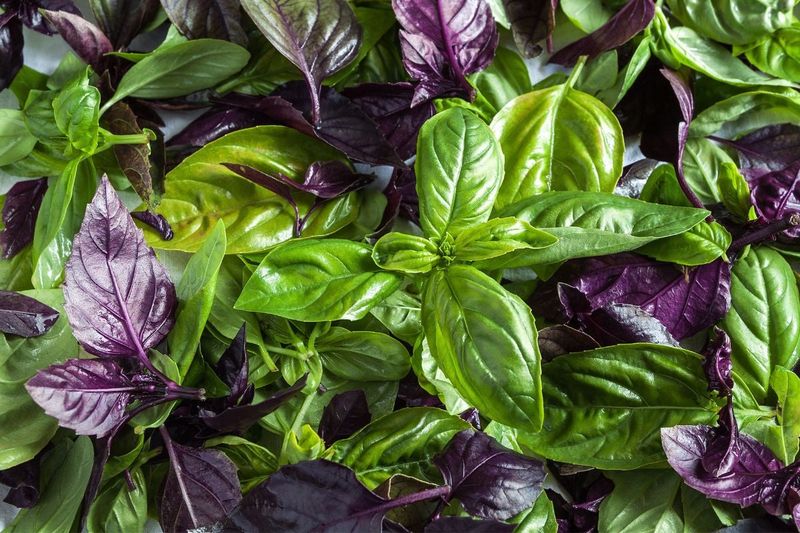
Basil, with its sweet and peppery aroma, is the quintessential herb for Italian cuisine. Its vibrant leaves bring a burst of freshness to dishes like pesto and caprese salads. Imagine the gentle rustle of basil leaves in a sunlit garden, their scent wafting through the air. Genovese basil is favored for its classic flavor, while Thai basil adds a hint of anise to dishes. Lemon basil, on the other hand, offers a refreshing citrus twist.
Basil thrives in warm, sunny spots, making it easy to grow in a variety of climates. To ensure a bountiful harvest, pinch back the stems regularly to encourage bushy growth. This versatile herb is not just for the kitchen; its fragrant leaves can fill your garden with delightful scents.
2. Mint
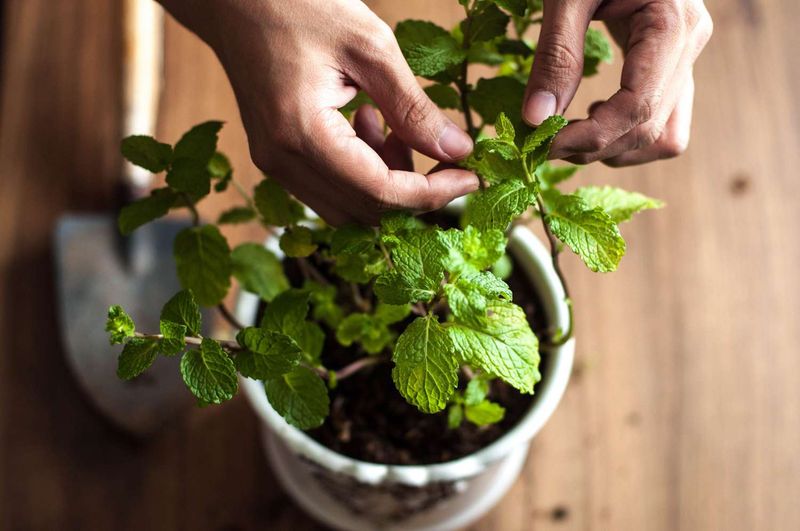
Mint is the ultimate refreshment, perfect for lifting summer drinks like mojitos or adding a cool touch to salads. Its invigorating scent can instantly transport you to a breezy patio on a warm day. Whether you’re crafting a Moroccan tea or a Greek yogurt dip, mint brings a unique freshness that’s hard to beat.
But beware, mint is a notorious spreader. Plant it in pots to keep its growth in check and avoid garden domination. Its resilience makes it a beginner-friendly herb, flourishing with minimal care. Enjoy the luxury of snipping fresh mint leaves straight into your culinary creations.
3. Rosemary
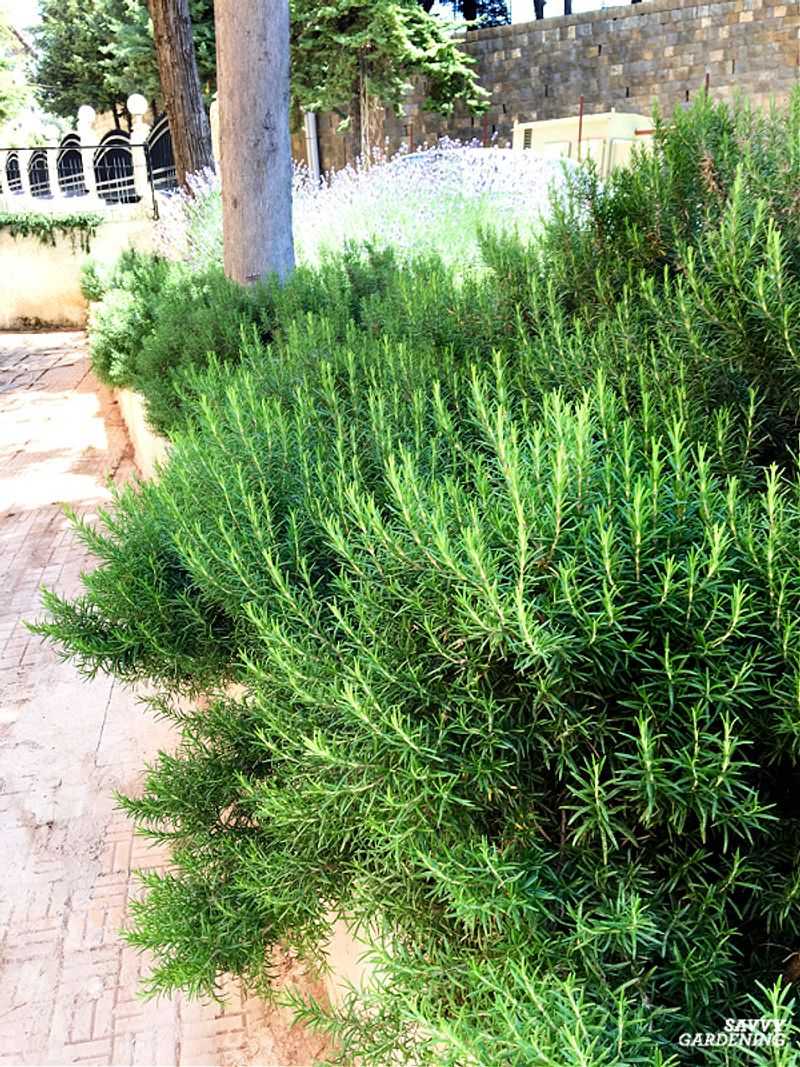
Rosemary’s woodsy, pine-like aroma is a staple for anyone who loves to cook with a touch of nature. Imagine the warmth of a kitchen where rosemary-infused roasted meats and potatoes fill the air with comforting scents. Its presence in your garden offers more than flavor—it’s an evergreen beauty that’s drought-resistant and easy to care for.
Plant rosemary in a sunny spot, and it will reward you with robust growth. The herb’s hardiness makes it a favorite for gardeners looking to add both culinary and visual appeal to their landscape. Rosemary’s versatility extends beyond food, providing aromatic ambiance indoors as well.
4. Thyme
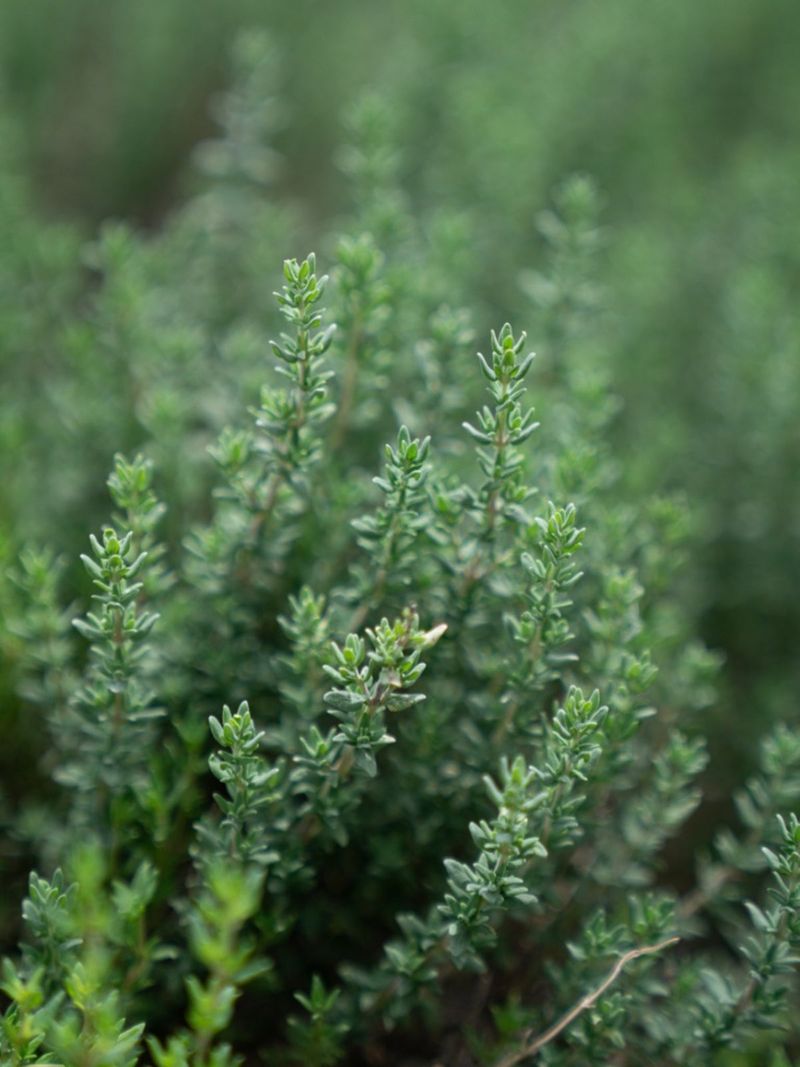
Thyme brings an earthy, slightly lemony flavor that pairs beautifully with soups, stews, and marinades. Picture a cozy kitchen with a pot of thyme-infused stew simmering on the stove, its aroma wrapping you in warmth. English thyme is renowned for its robust flavor, while lemon thyme adds a citrusy twist.
This perennial herb is a gardener’s delight, thriving with little maintenance. Thyme’s evergreen nature ensures a year-round supply of flavor, whether planted in your garden or in a container. Its tiny leaves pack a punch, making it a must-have for culinary enthusiasts who appreciate depth in their dishes.
5. Chervil
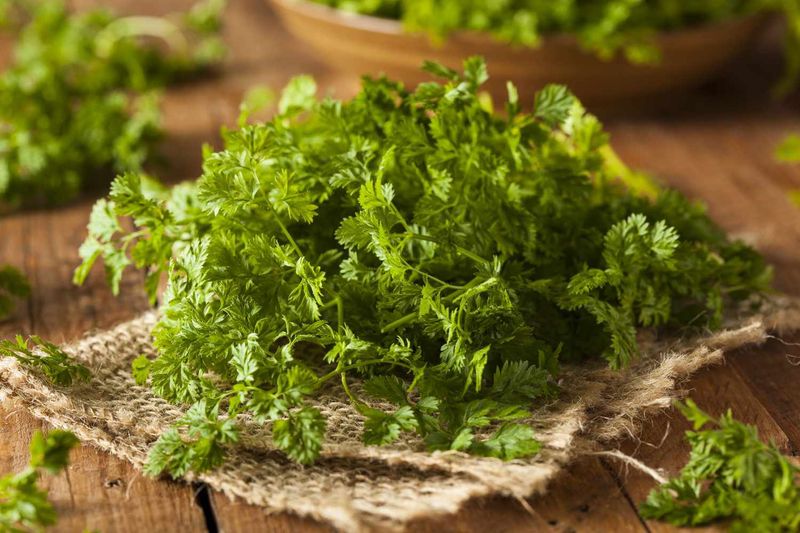
Chervil, often referred to as ‘the gourmet’s parsley,’ is a delicate herb with a subtle anise flavor. Its tender leaves add a refined touch to salads and soups. A favorite in French cuisine, chervil brings a whisper of sophistication to any dish.
It’s relatively easy to grow in temperate climates, thriving in partial shade and well-drained soil. Chervil’s gentle nature makes it a lovely companion in the garden, harmonizing well with other herbs.
Fun Fact: Chervil was once used by ancient Greeks as a spring tonic to energize the body after a long winter.
6. Parsley
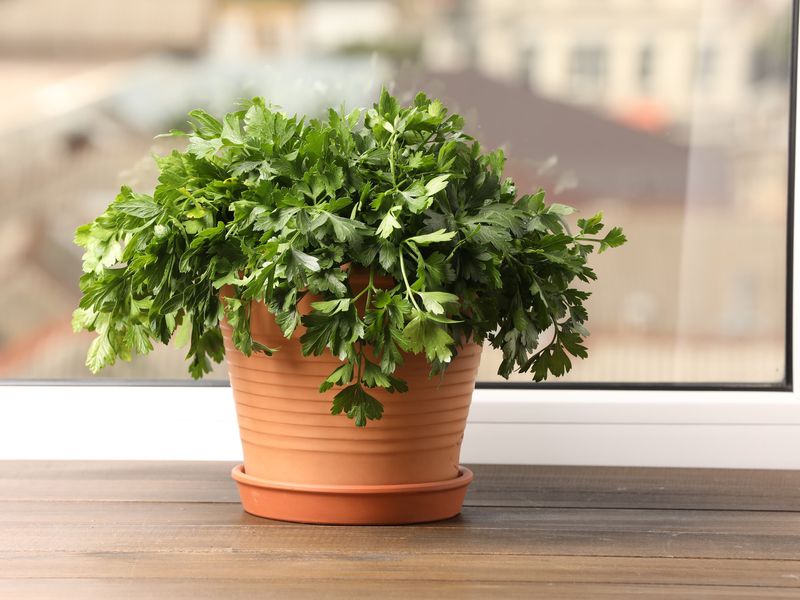
Parsley, often underestimated, is a powerhouse of fresh, slightly bitter flavors that enhance dishes like tabbouleh and sauces. Visualize a sunlit kitchen where flat-leaf parsley sits ready to be snipped and added as a garnish or ingredient. The Italian variety is particularly favored for its more pronounced flavor compared to its curly counterpart.
Not only is parsley a flavor enhancer, but it also adds a vibrant green hue to your meals. It’s straightforward to grow, preferring sunny spots and regular watering. Whether you’re using it as a garnish or a primary ingredient, parsley’s bright flavor profile is indispensable for a well-rounded culinary experience.
7. Dill
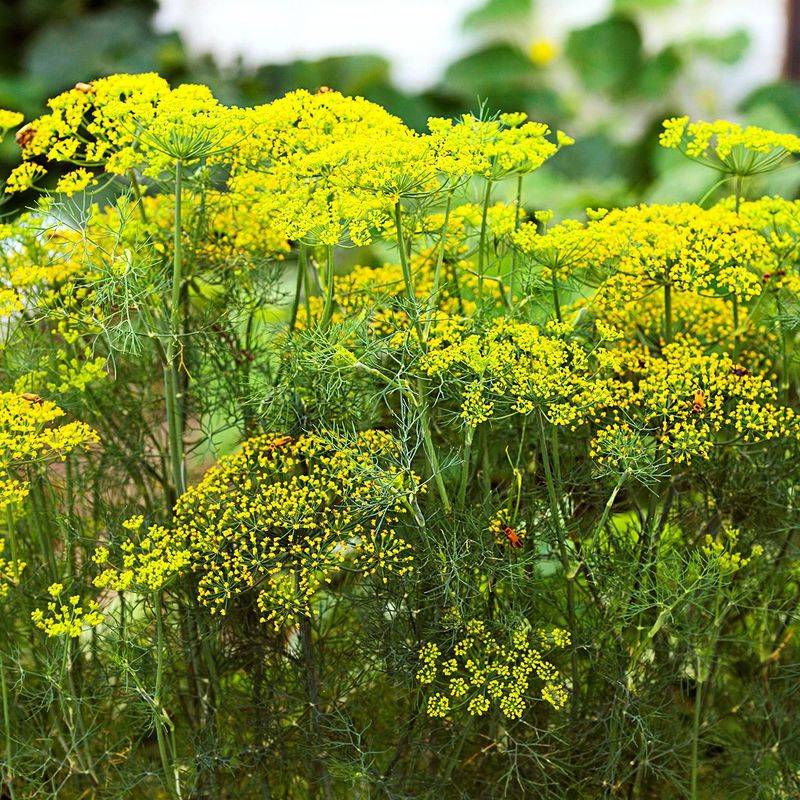
Dill’s tangy, anise-like flavor is a favorite for pickling and pairing with fish. Imagine the delicate fronds of dill swaying in the breeze, their scent mingling with the fresh air of a garden. This herb is not just for pickles; it elevates creamy sauces and adds a unique twist to dishes.
Growing dill is straightforward. It thrives in sunny, well-drained soil and can easily be grown in gardens or pots. As it matures, dill produces vibrant yellow flowers that add visual interest to any garden. Its distinctive flavor is a culinary gem, especially for those who appreciate an anise twist in their cooking.
1. Fennel (If Overgrown or Bolted)
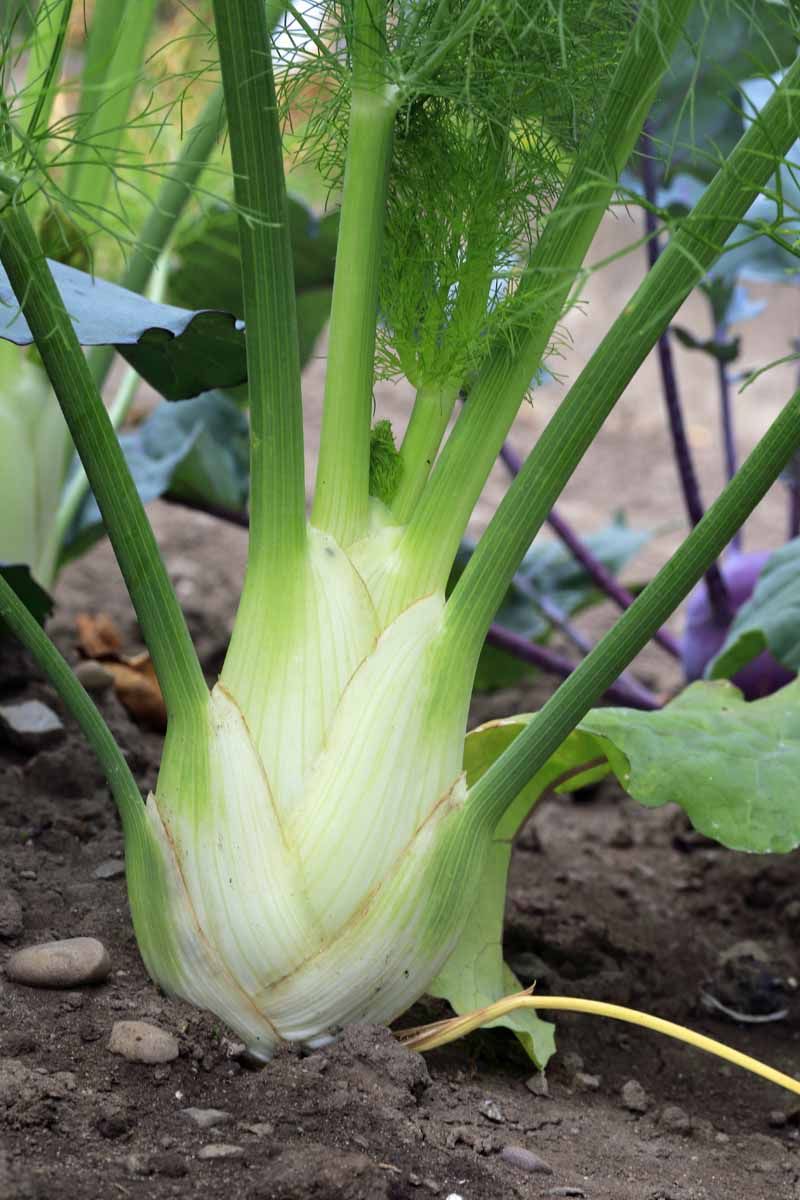
Fennel is beloved for its sweet, licorice-like taste, but when overgrown or stressed, it can develop a bitter, soapy flavor. Picture a garden on the verge of harvest, where fennel fronds sway gently, waiting to be picked at their peak sweetness.
To avoid the soapy aftertaste, it’s crucial to harvest fennel while the fronds are young and tender. This plant thrives in well-drained soil, basking in the sun. Its feathery leaves and bulb are both edible, offering versatility in the kitchen. With proper care, fennel can be a flavorful addition to your herb garden.
2. Sage (When Overused or Old)
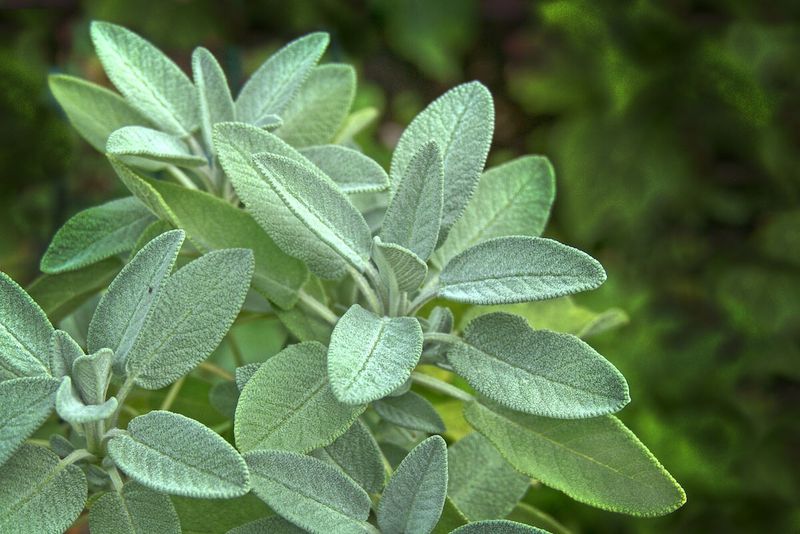
Sage is known for its strong, medicinal flavor, which can turn soapy if overused or when the leaves are old. Imagine a rustic kitchen where sage hangs to dry, filling the air with its earthy aroma. Its bold flavor can elevate dishes, but moderation is key.
When used sparingly, sage complements dishes like brown butter sauces and stuffing, adding depth without overwhelming the palate. Growing sage is simple; it prefers well-drained soil and plenty of sunlight. As a perennial herb, it can be a long-lasting addition to your garden, offering both culinary and aromatic benefits.
3. Cilantro (Coriander Leaves)
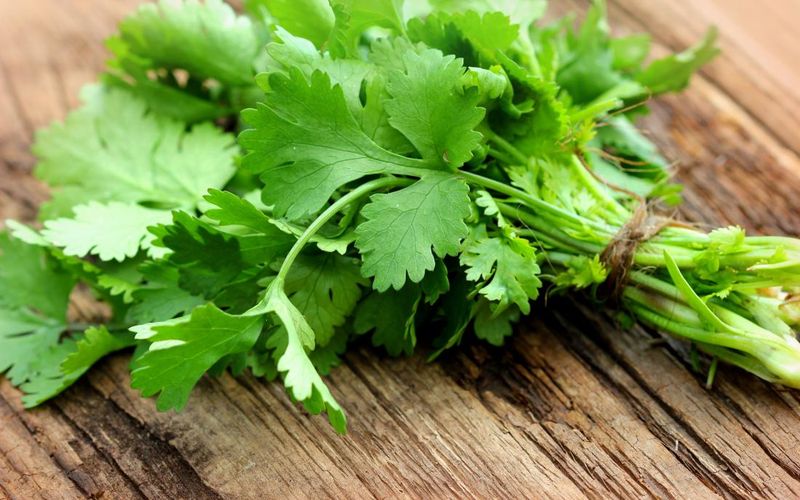
Due to a genetic variant (OR6A2 gene), 4–14% of people perceive aldehydes in cilantro as soapy or metallic. Studies show this reaction is hardwired at birth—you can’t “learn” to like it!.