
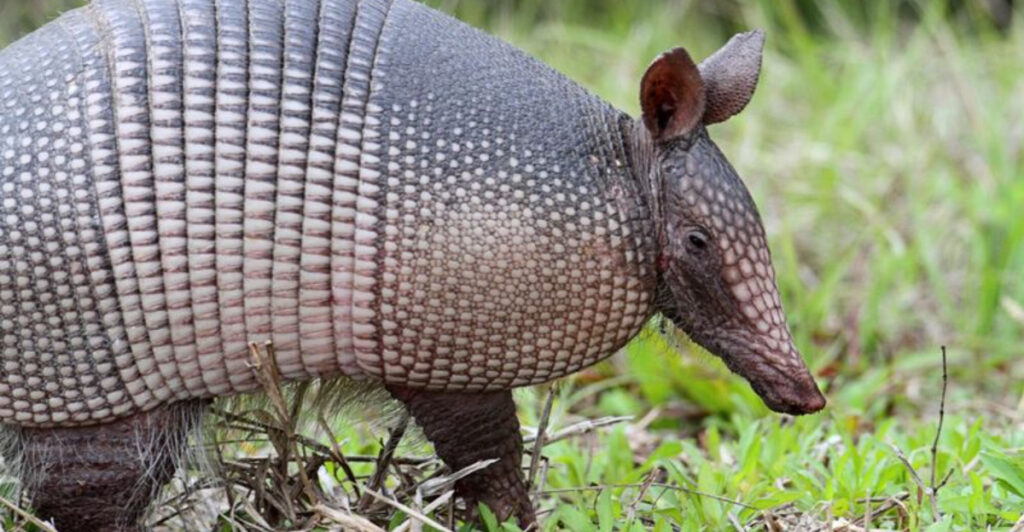
Armadillos, those armored wanderers of the Southern landscapes, have been both a curiosity and a concern for gardeners.
While their presence is often marked by mysterious holes and disrupted soil, they also play a role in pest control.
This blog post will delve into the dual nature of armadillos in the garden, offering insights into whether they’re helpful allies, harmful invaders, or simply passing guests.
1. Natural Pest Controllers
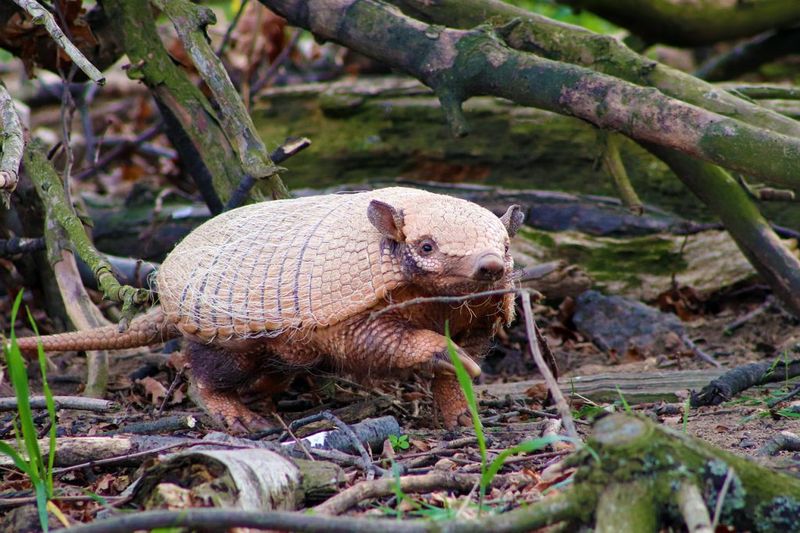
With their snouts to the ground, armadillos are nature’s pest control agents in disguise. These armored creatures feast on pesky insects like grubs, beetles, and termites. Their nocturnal foraging habits can actually help manage infestations of soil pests, offering a chemical-free solution to gardeners.
Imagine them tiptoeing through your garden at night, their tiny claws sifting through the topsoil. However, it’s not all perfect; their digging can be disruptive. Yet, their hunger for bugs gives them a strange, helpful charm in the ecological balance of your garden.
2. Digging Dilemmas
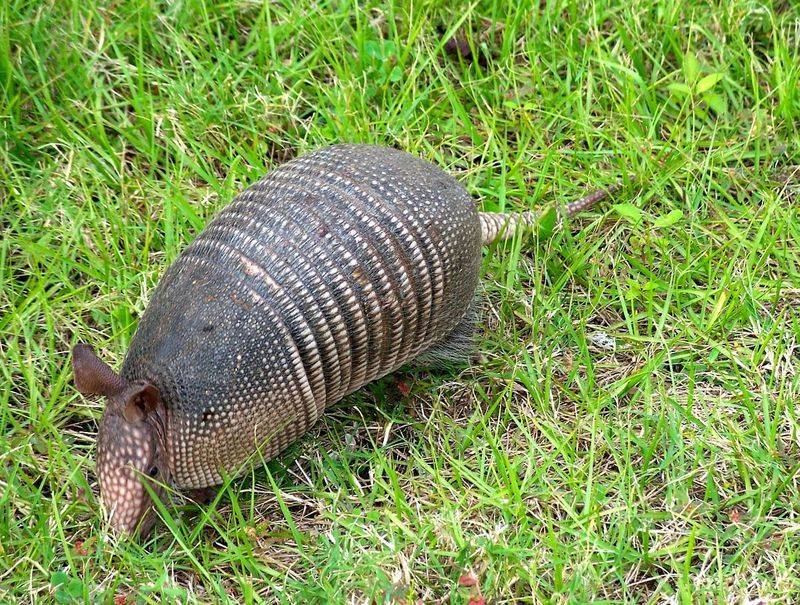
In their quest for tasty bugs, armadillos become unintentional garden vandals. Their digging, akin to tiny trench warfare, can disturb root systems and uproot seedlings. As they forage, the neat mulch beds can become messy battlegrounds.
Their claws, designed for digging, create small cone-shaped holes—an armadillo’s signature mark. While they don’t mean harm, their digging can frustrate gardeners who prize orderly beds. Understanding their natural behavior can help mitigate damage, offering a glimpse into the complexity of human-wildlife coexistence.
3. Burrowing Hazards
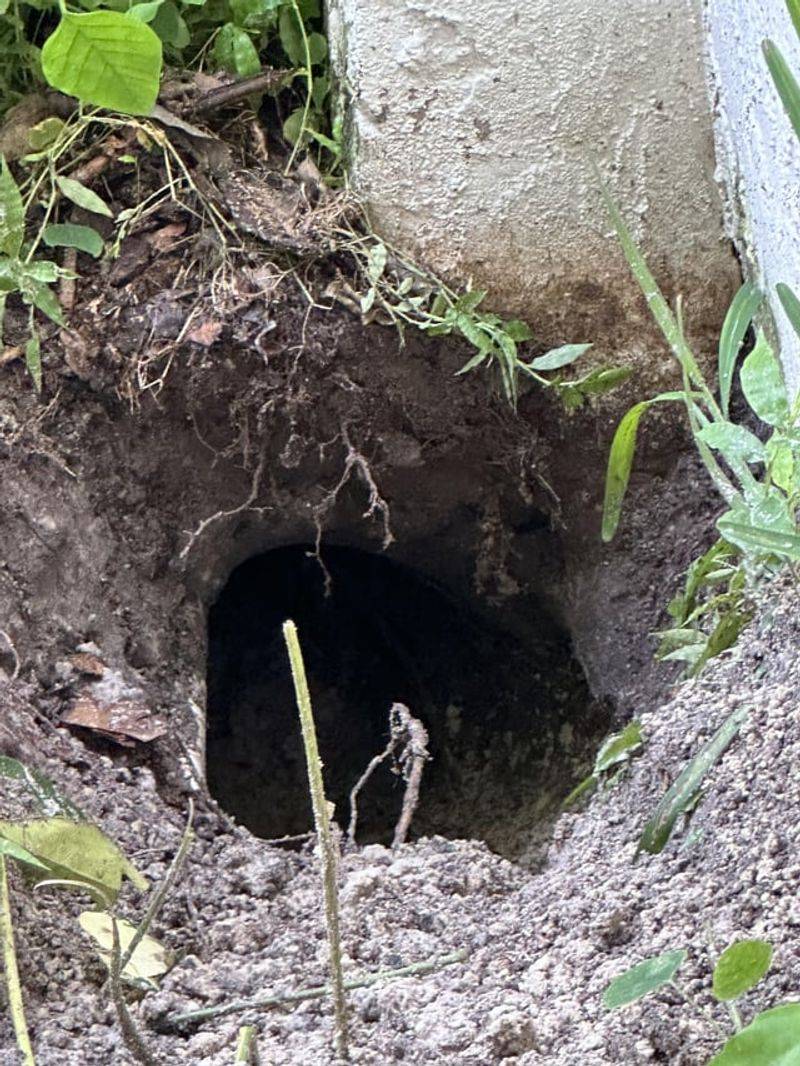
Armadillos are engineers of their own right, crafting burrows that extend up to 15 feet long! While these burrows offer them shelter, they can unintentionally undermine structures like patios or foundations. Imagine discovering a sinkhole where your garden path used to be.
Their need for a home base can lead them to choose your property as a construction site. It’s a reminder of their persistence and adaptability but also a potential headache for homeowners. Balancing their needs with ours is part of the garden ecosystem challenge.
4. Food Trail Followers
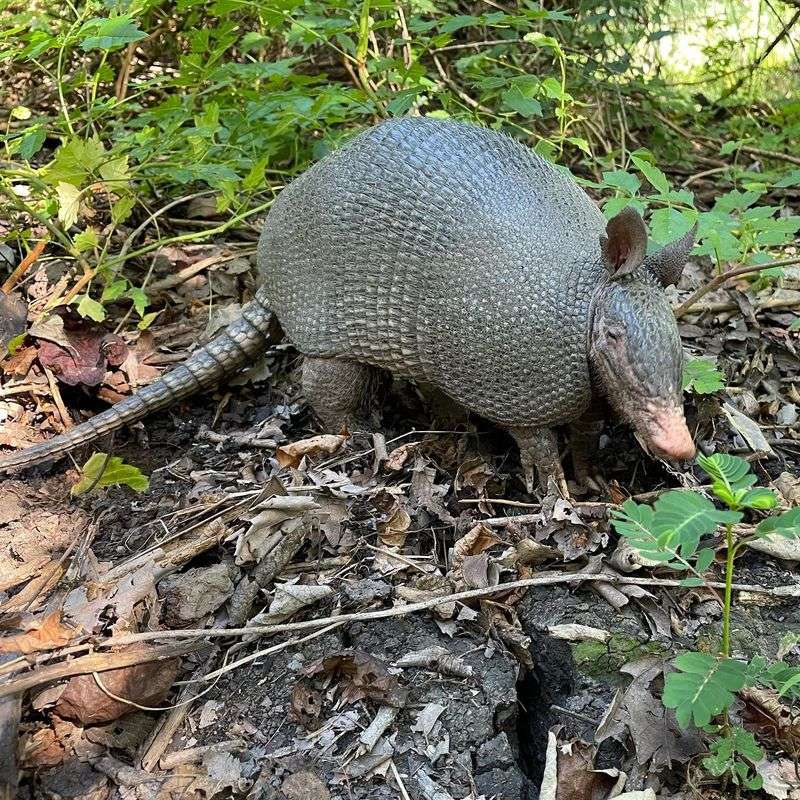
With a nose for grubs, armadillos follow their food with uncanny precision. A garden rich in insects or moist, loose soil becomes an open invitation. Their presence is often a sign of a thriving, albeit hidden, ecosystem underground.
Gardens with such conditions draw armadillos like moths to a flame. Managing the insect population might deter their visits, but knowing they’re indicators of soil health can be reassuring. Their activity can be both a blessing and a challenge, highlighting the balance of nature’s cycles.
5. Rarely Eat Plants
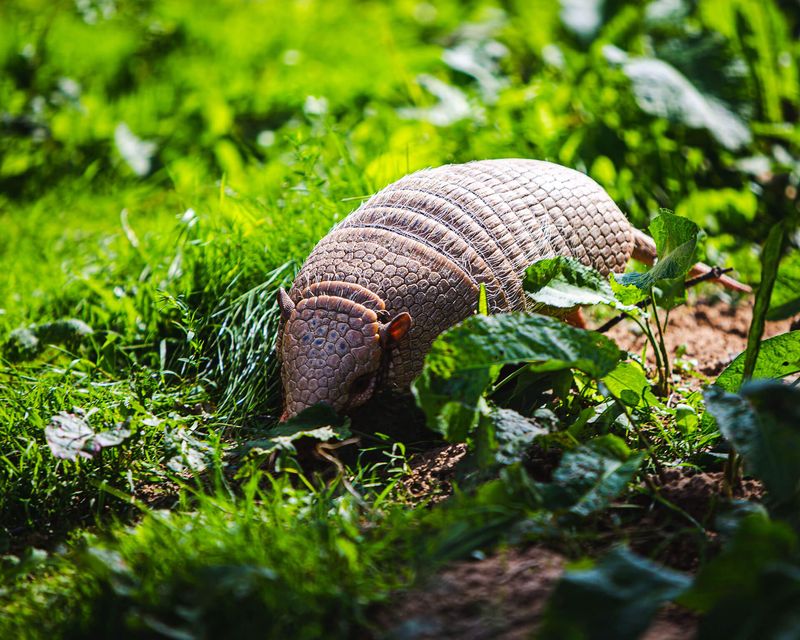
Unlike some wildlife, armadillos aren’t after your vegetables or flowers. Their diet, comprising 90% insects, spares your harvest from becoming a buffet. This quirk positions them as less of a direct threat to gardeners’ prized plants.
Their preference for bugs over blooms is a subtle relief. While their presence might still cause unease due to digging habits, knowing your lettuce is safe offers solace. It’s a unique trait that sets them apart from other garden visitors, painting them as peculiar yet beneficial.
6. Nocturnal Solitude
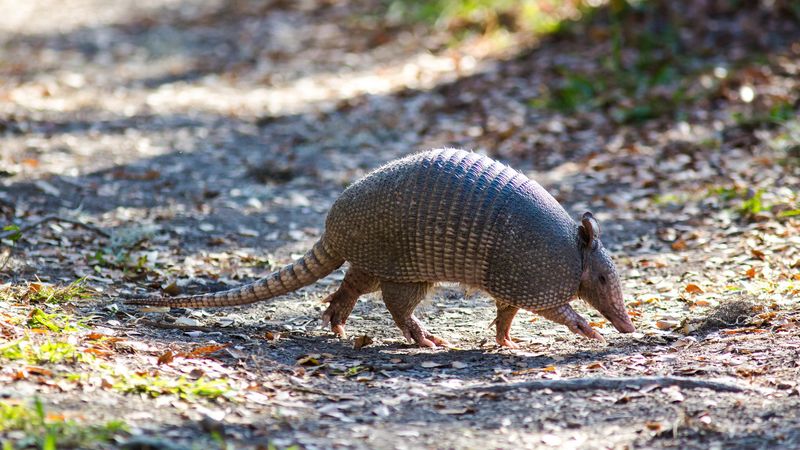
Armadillos, with their nocturnal nature, live a life mostly unseen. Solitary wanderers, they traverse gardens under the cloak of darkness, leaving only the evidence of their visit behind.
Their shy demeanor means they’re unlikely to confront humans, preferring the quiet of the night. This elusive behavior means you might never see the armadillo, only the holes it digs. Their secretive lifestyle adds a mysterious touch to their presence, embodying the night’s quiet energy in your garden.
7. Mulch Attraction
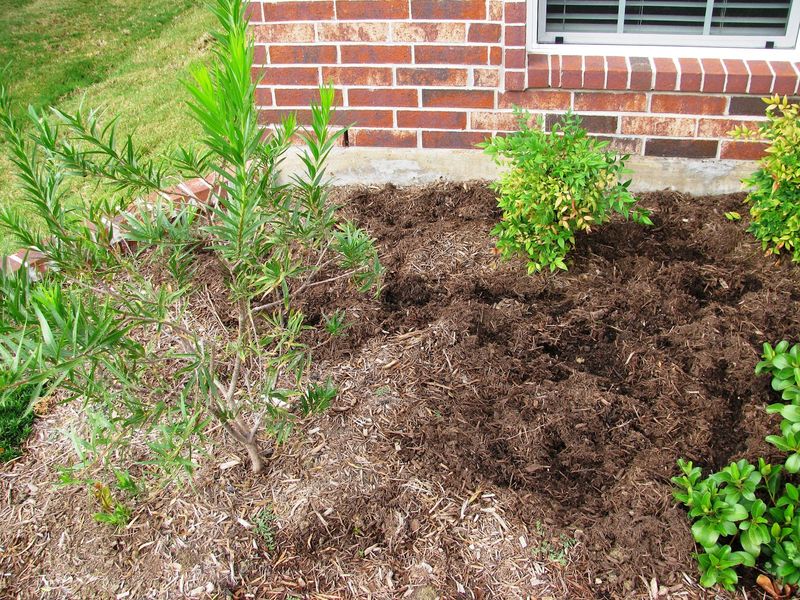
Mulch piles are the armadillo’s equivalent of a treasure hunt. These warm, bug-rich environments are irresistible to them. As they forage, they can scatter mulch, turning tidy areas into disarray.
Compost bins, if left uncovered, become magnets for these curious creatures. Keeping mulch and compost areas neat can deter their visits. Understanding this attraction helps in managing their presence, showcasing the intricate dance between garden maintenance and wildlife habits.
8. Effective Fencing
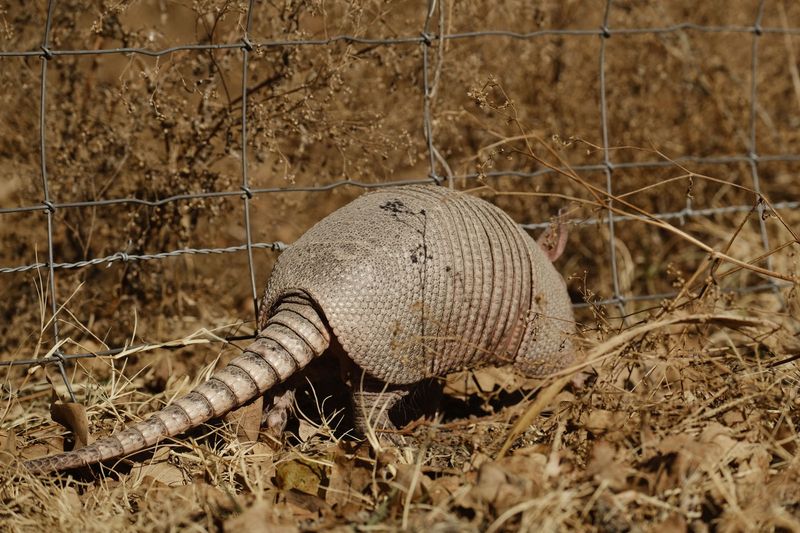
Despite their digging prowess, armadillos are not climbers. A well-constructed fence, about 18 inches high and extending 6 inches underground, can be an effective barrier.
This simple structure keeps them from entering garden sanctuaries, acknowledging their behavior while setting boundaries. The fence acts not just as a physical barrier but a testament to adapting human solutions to animal behaviors. It’s a creative approach to coexisting while preserving garden integrity.
9. Live Trapping
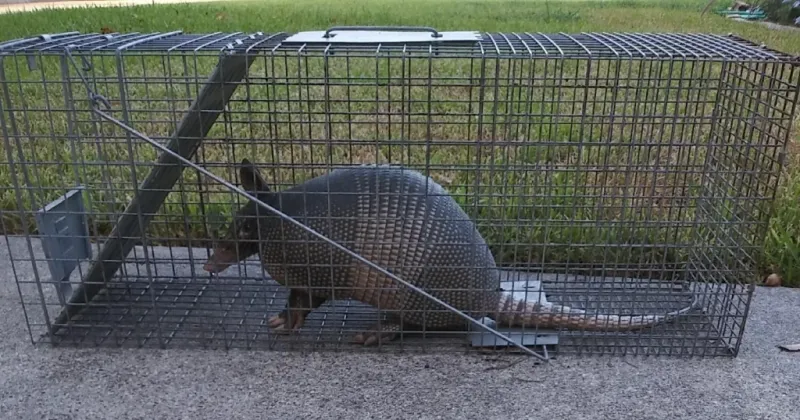
For persistent armadillos, live trapping offers a humane solution. Baited with earthworms or overripe fruit, these traps safely capture them for relocation.
It’s crucial to check local laws before proceeding, as wildlife management varies by location. This method reflects a balance between humanely addressing nuisance wildlife and respecting their place in the ecosystem. Live trapping showcases a compassionate approach to resolving garden conflicts, emphasizing coexistence with nature.
10. Mixed Repellents
Gardeners have experimented with repellents to mixed results. Castor oil sprays, motion-activated sprinklers, and ultrasonic devices are popular choices. These methods offer varying degrees of success.
Persistence and patience are key, as no single solution guarantees complete deterrence. Each garden’s unique environment may require different strategies. The use of repellents highlights the innovative attempts to harmonize garden care with wildlife presence, often leading to creative and personalized solutions.
11. Moisture Lovers
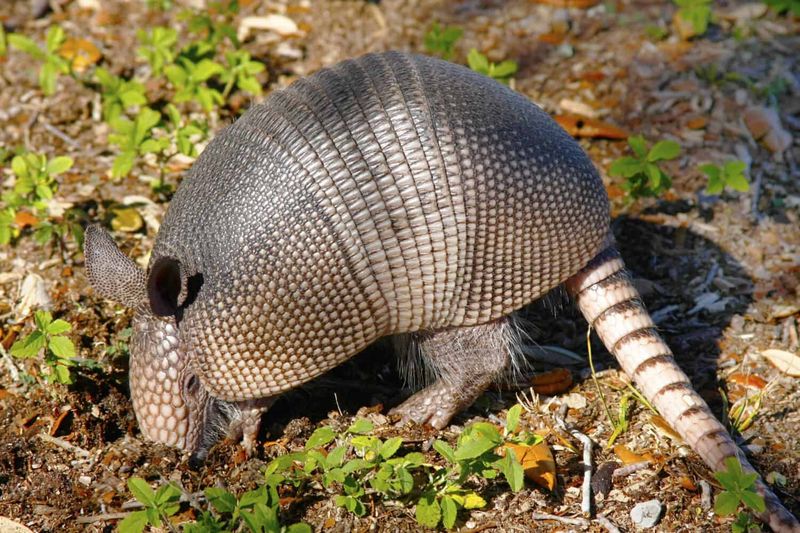
After rain, the soil becomes a playground for armadillos. The moist earth, easier to dig, teems with worms and bugs, attracting these creatures.
Expect increased activity during wet weather as they seize the opportunity for abundant food. This behavior underscores their reliance on climate conditions, highlighting the link between weather patterns and wildlife activity. It’s a vivid reminder of nature’s rhythms and how creatures adapt to seasonal changes in their environment.
12. Disease Awareness

Though rare, armadillos can carry diseases like leprosy. The risk to humans is extremely low, but it’s wise to avoid direct contact. Wearing gloves when handling soil they’ve disturbed is a simple precaution.
This potential risk doesn’t overshadow their garden role but adds a layer of awareness for gardeners. Understanding these health considerations fosters informed interactions, blending safety with appreciation for the wildlife that shares our spaces. It’s a gentle reminder of our interconnectedness with the natural world.