
In gardening, the choice of plants can make or break your outdoor space. Opting for native beauties over invasive species not only enhances biodiversity but also supports local wildlife. This guide helps you identify seven invasive plants to avoid and suggests ten native alternatives that promise beauty and ecological harmony.
1. English Ivy (Hedera helix)
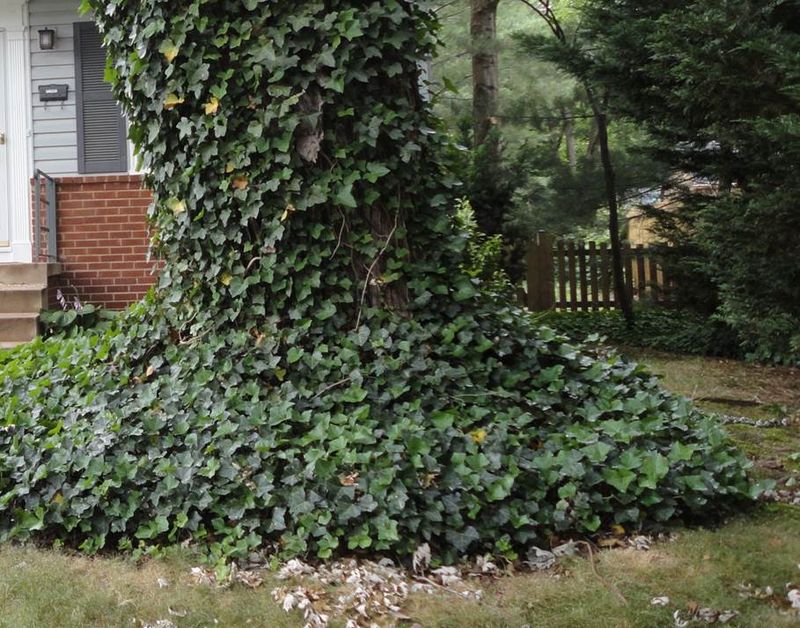
English Ivy, with its glossy leaves and vigorous growth, might seem appealing. Yet, it poses significant threats to native ecosystems. This aggressive climber smothers trees, damaging their bark and outcompeting native ground cover.
2. Virginia Creeper (Parthenocissus quinquefolia)
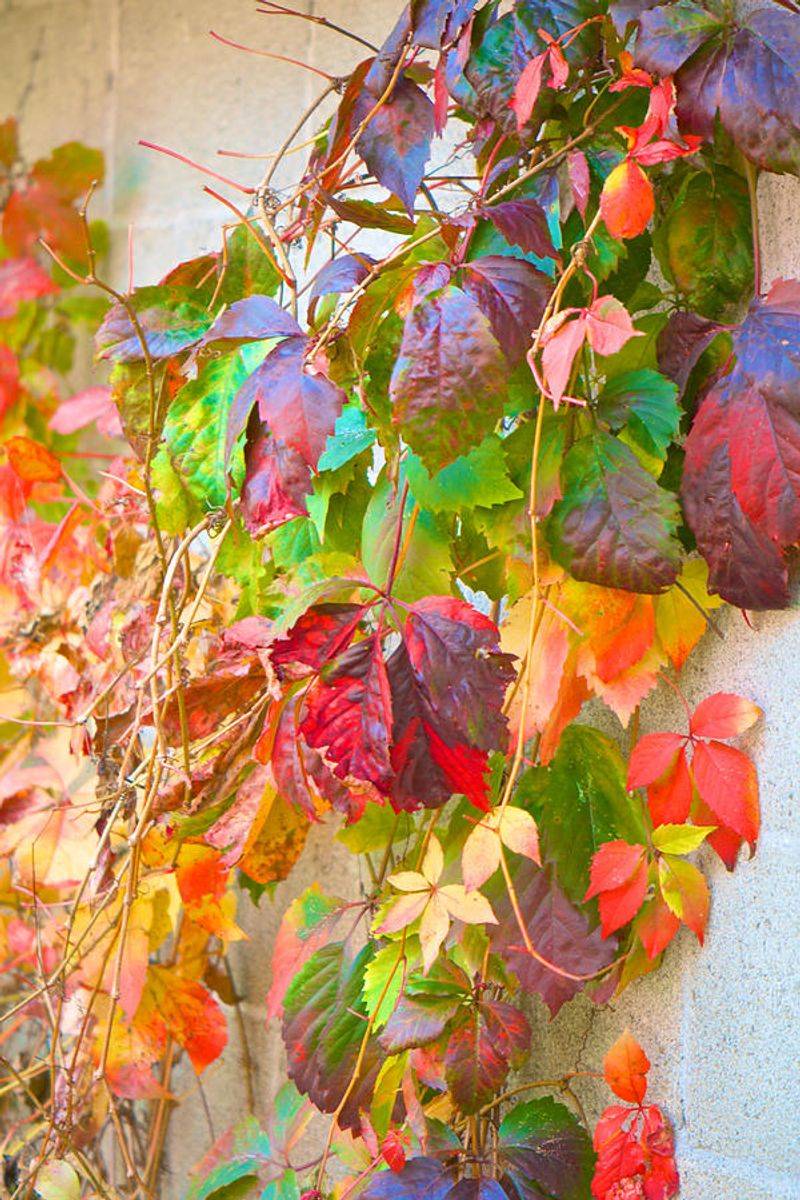
Virginia Creeper offers an explosion of colors in the fall. Unlike its invasive counterpart, it coexists with other plants and provides food for birds and insects. This native vine transforms landscapes with its vibrant red foliage.
3. Bradford Pear (Pyrus calleryana)
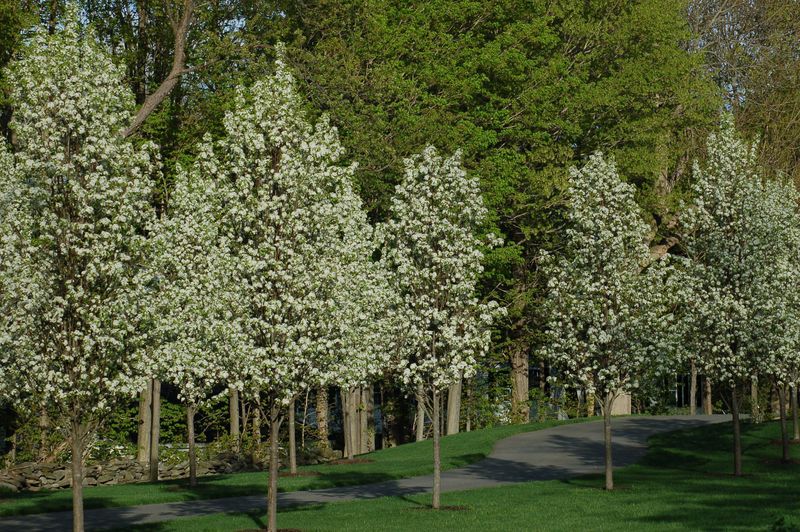
The Bradford Pear’s weak branches and foul-smelling flowers make it a less appealing choice. Moreover, its invasive spread disrupts native habitats. Homeowners often regret planting it when branches break during storms.
4. Serviceberry (Amelanchier spp.)
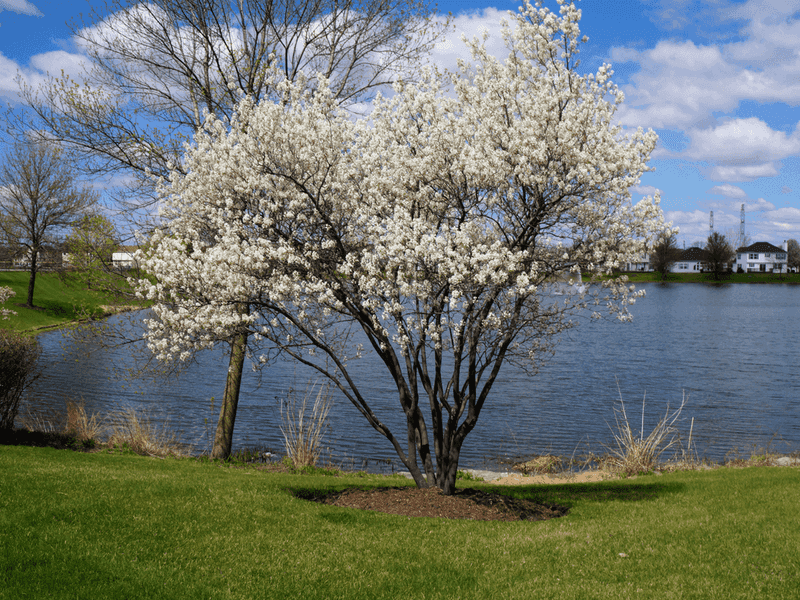
Serviceberry enchants with delicate spring blooms and edible berries. It gracefully transitions through seasons, adding ornamental value with gorgeous fall foliage. This tree nurtures wildlife, offering shelter and sustenance.
5. Butterfly Bush (Buddleja davidii)
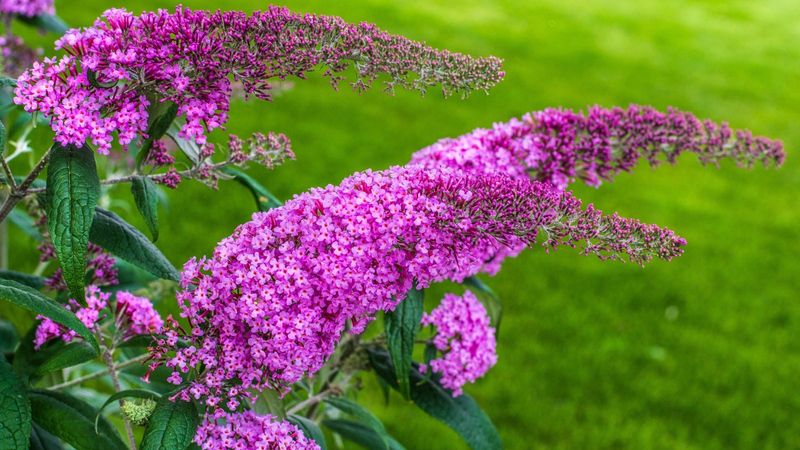
Despite its name, the Butterfly Bush isn’t beneficial for butterflies. This plant spreads aggressively, displacing native flora critical for pollinators. Its rampant growth diminishes biodiversity, impacting fragile ecosystems.
6. Buttonbush (Cephalanthus occidentalis)
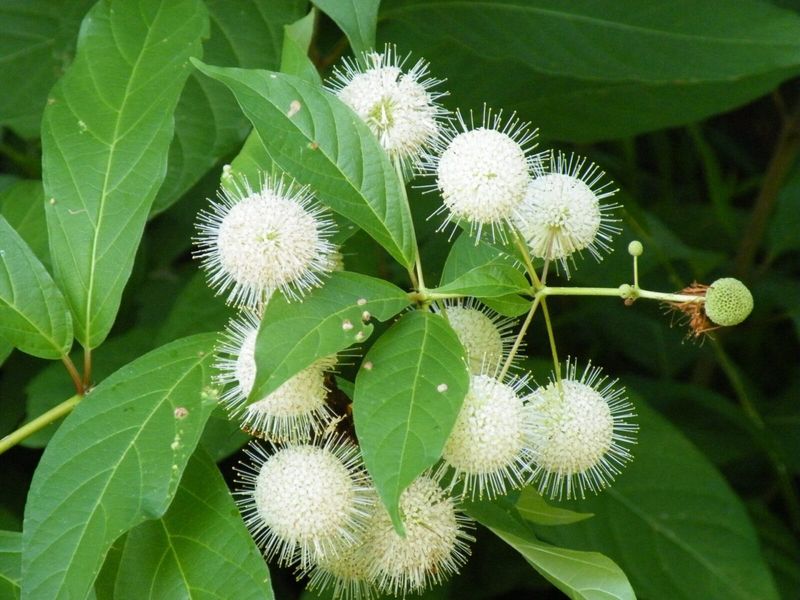
Buttonbush captivates with its unique spherical flowers, drawing bees and butterflies. This native plant thrives in wetlands, supporting aquatic life and offering habitat for pollinators. Its ecological benefits surpass ornamental beauty.
7. Japanese Barberry (Berberis thunbergii)
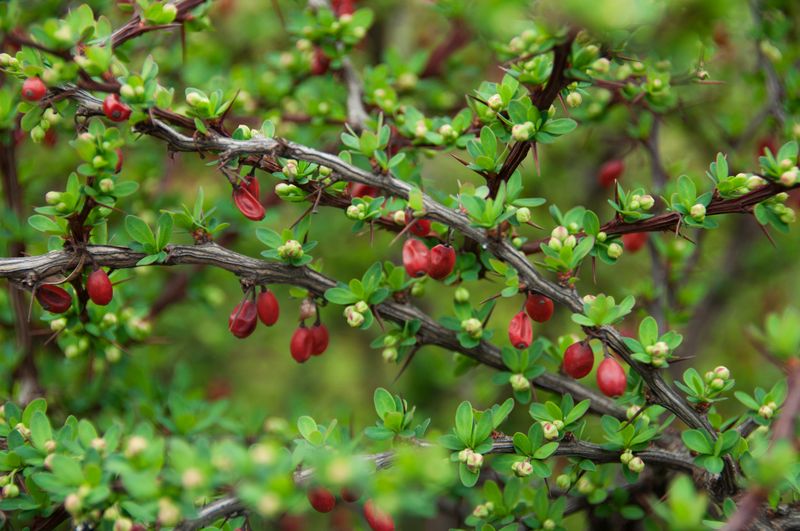
Japanese Barberry invades forests, harboring ticks and altering the soil chemistry. Its dense growth forms impenetrable thickets, crowding out native plants. This alters the forest floor’s dynamic, affecting the entire ecosystem.
1. Winterberry Holly (Ilex verticillata)
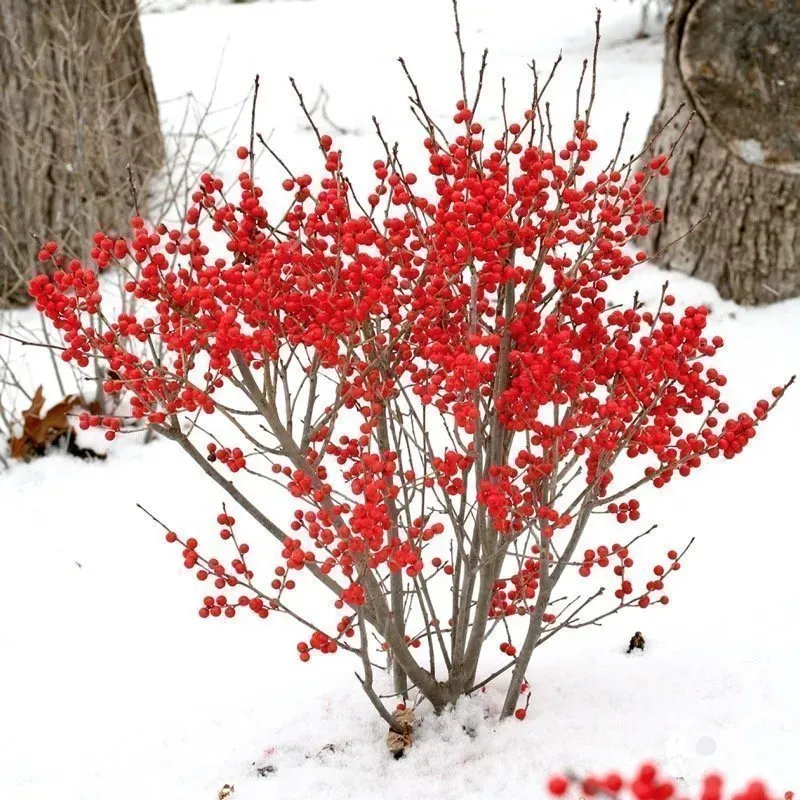
Winterberry Holly adorns winter landscapes with bright red berries. These berries provide essential food for birds, making it a valuable addition to gardens. Its striking appearance enhances winter aesthetics while supporting wildlife.
2. Burning Bush (Euonymus alatus)
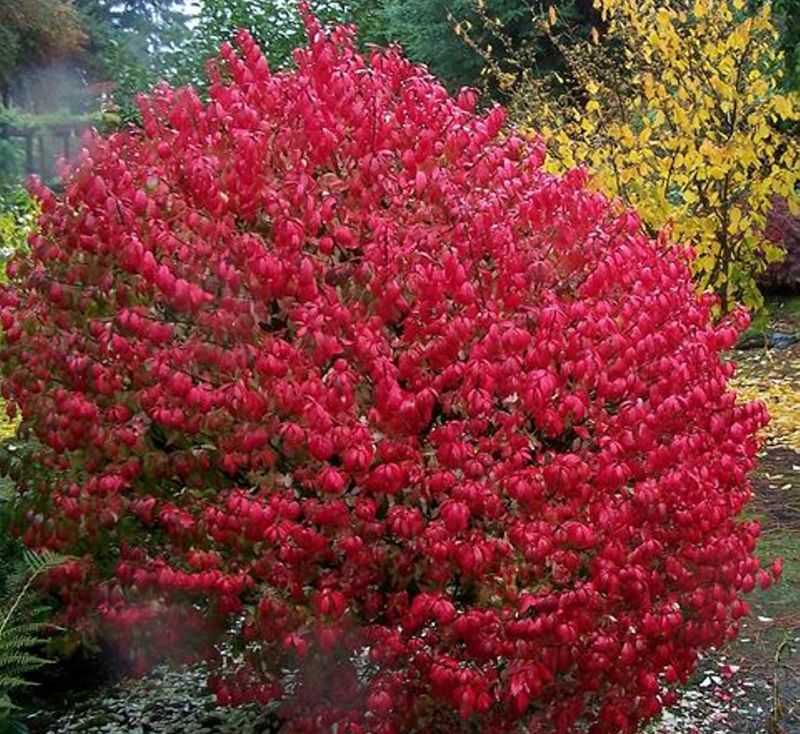
The Burning Bush captivates with its vivid fall foliage. However, its ability to escape cultivation and crowd out native shrubs is concerning. They form dense thickets that alter local plant communities, reducing biodiversity.
3. Highbush Blueberry (Vaccinium corymbosum)
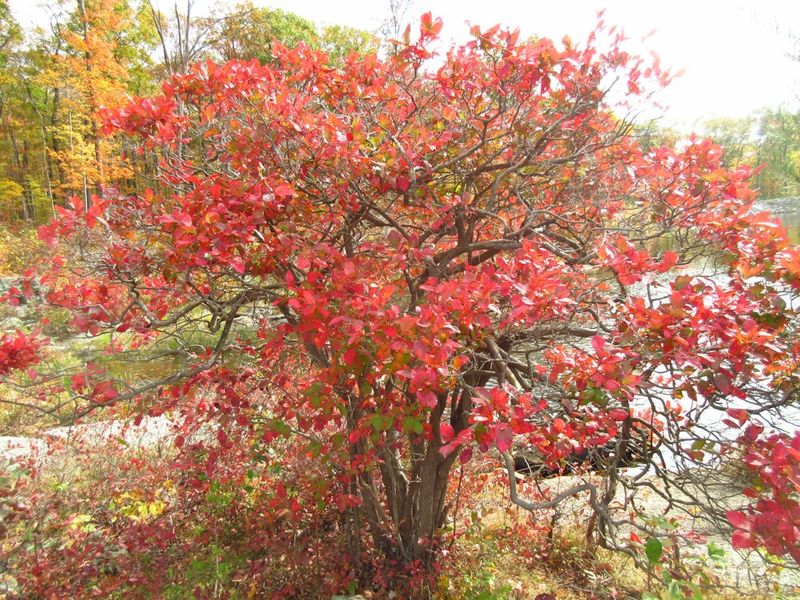
Highbush Blueberry offers tasty fruit and fiery fall foliage. This native shrub supports wildlife, providing shelter and food for various species. Its changing hues and edible offerings make it a gardener’s favorite.
4. Purple Loosestrife (Lythrum salicaria)
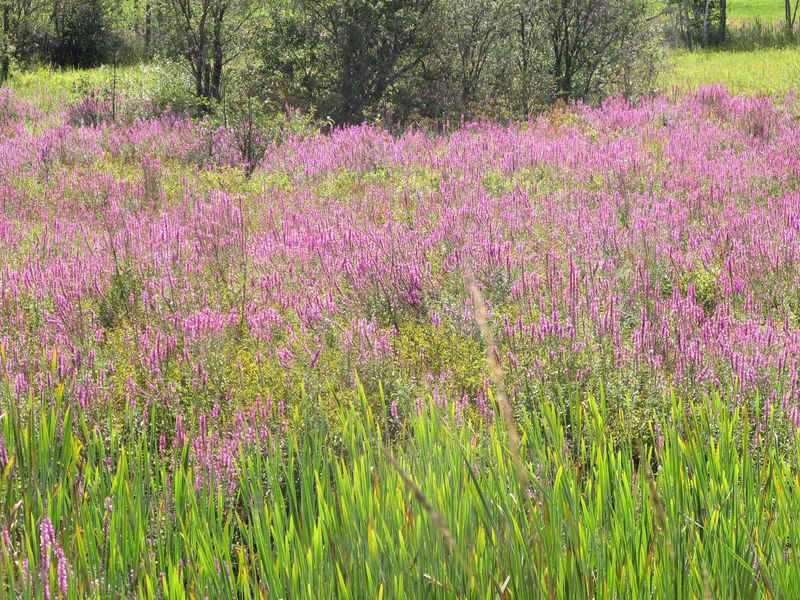
Purple Loosestrife’s attractive spikes belie a destructive nature. It takes over wetlands, reducing biodiversity by displacing native species. This invasive plant forms dense stands that disrupt water flow and wildlife habitats.
5. Cardinal Flower (Lobelia cardinalis)
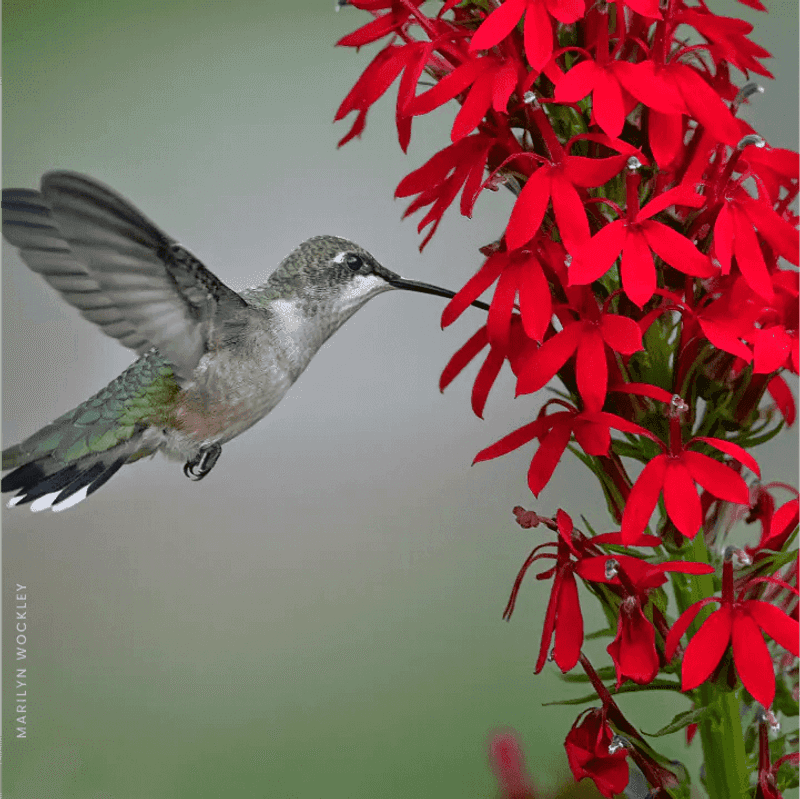
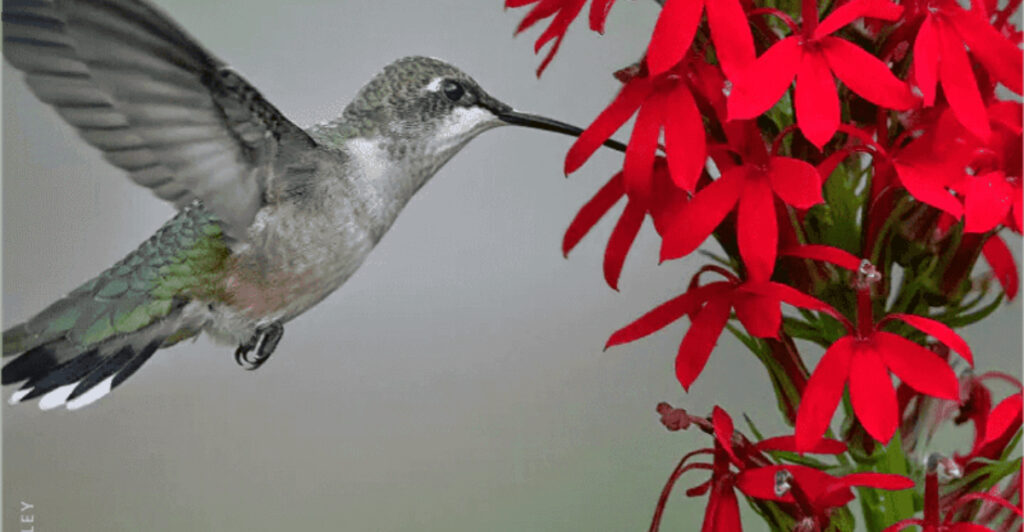
Cardinal Flower’s striking red blooms are a hummingbird’s delight. This native plant thrives in moist conditions, adding vivid color to any garden. Its presence supports pollinators, contributing to ecological balance.
6. Norway Maple (Acer platanoides)
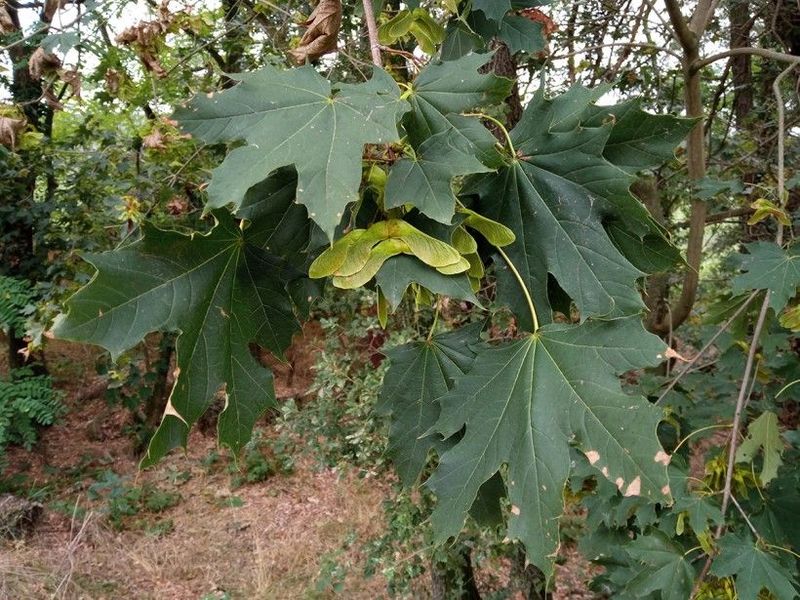
Norway Maple’s dense canopy shades out native understory plants. This invasive species alters the light, water, and nutrient availability, impacting the entire ecosystem. Its prolific seed production facilitates its rapid spread.
7. Sugar Maple (Acer saccharum)
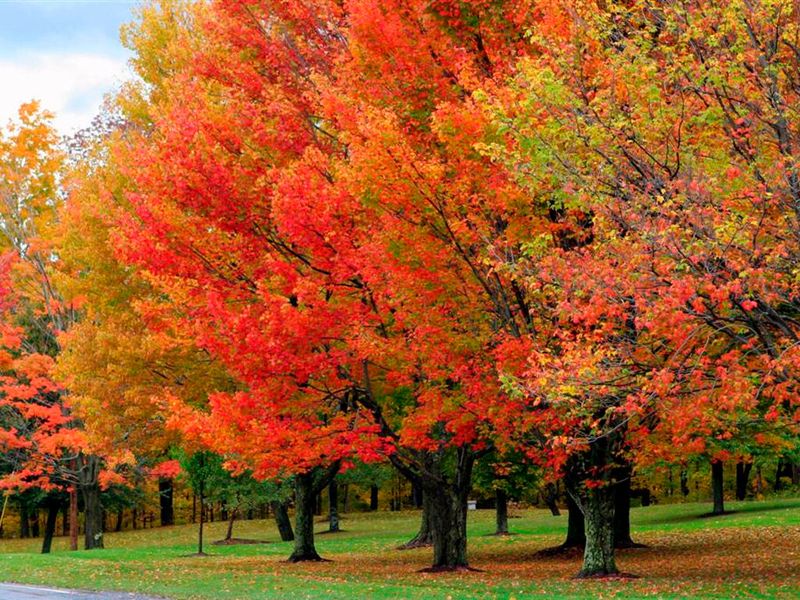
Sugar Maple embodies autumn with its vibrant hues and syrup potential. This native tree supports biodiversity by providing habitat and food. Its majestic presence enriches landscapes, making it a cherished choice for many gardeners.
8. Coneflower (Echinacea purpurea)
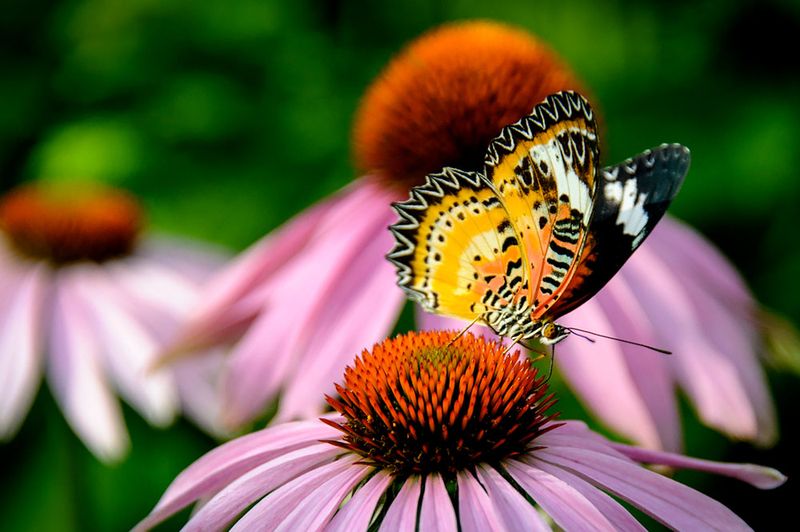
Coneflower’s vibrant blooms attract pollinators, offering medicinal properties and drought tolerance. It’s an essential plant in eco-friendly gardens, supporting bees and butterflies. Its resilience and beauty make it a staple in native plantings.
9. Milkweed (Asclepias spp.)
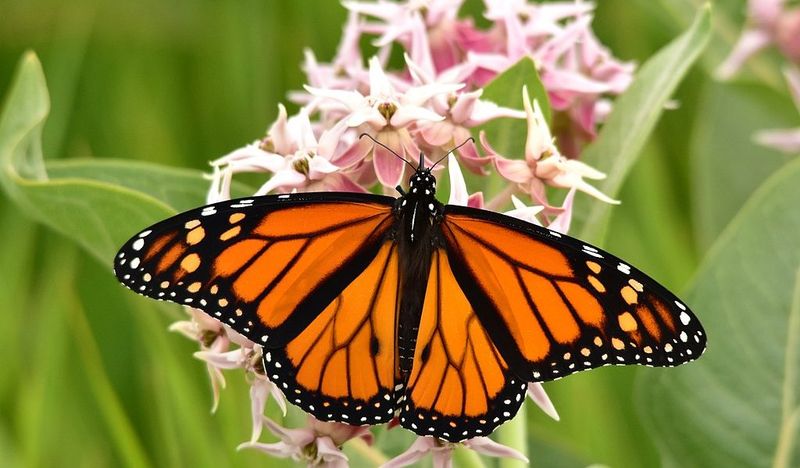
Milkweed serves as a lifeline for Monarch butterflies. Its clusters of flowers provide nectar while leaves nourish caterpillars. This plant is vital for sustaining pollinators, reinforcing its role in preserving biodiversity.
10. Black-Eyed Susan (Rudbeckia hirta)
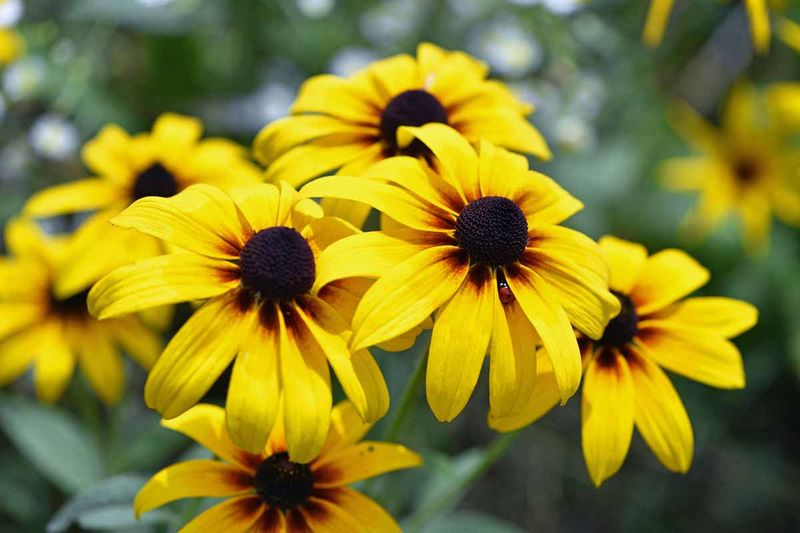
Black-Eyed Susan brightens landscapes with its golden petals. This low-maintenance plant is perfect for cut flowers, thriving in various conditions. Its cheerful demeanor and ecological contributions make it a garden favorite.