 Complete Gardening
While most people invest time and effort to rid their lawns of weeds, many are unaware that these stubborn plants can actually be a surprising source of nutrition. The trend of foraging for edible weeds has been on the rise as people look to connect with nature and discover natural food sources. Though often overlooked, these weeds are not only edible but also packed with nutrients. Here’s a list of 10 common lawn weeds you might find aplenty, each with its unique flavor and health benefits, ready to be explored and enjoyed in your meals.
Dandelion
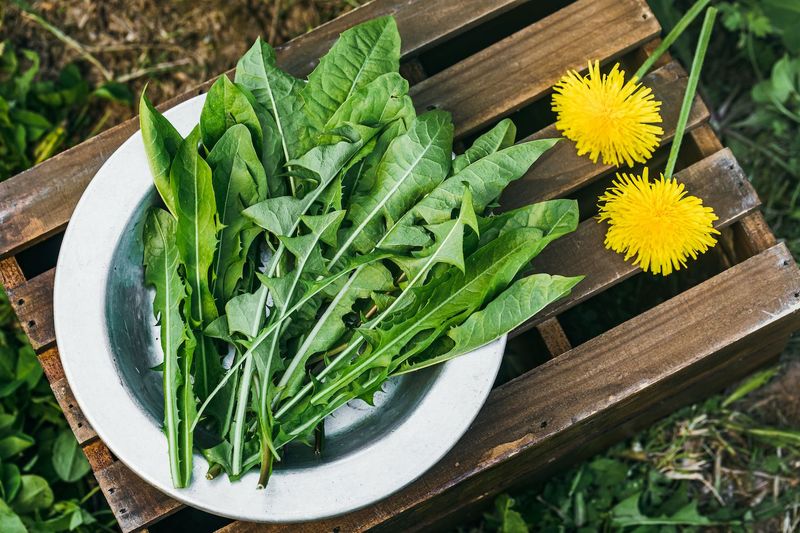
Dandelions are more than just pesky weeds; they are culinary delights. The bright yellow flowers and jagged leaves aren’t just lovely but edible. High in vitamins A and C, these plants can be added to salads and teas. The roots can be roasted and ground into a coffee substitute. Historically, dandelions have been used in folk medicine to support liver health. Their slightly bitter taste adds depth to various dishes. The entire plant is usable, making it a versatile addition to any kitchen.
Chickweed
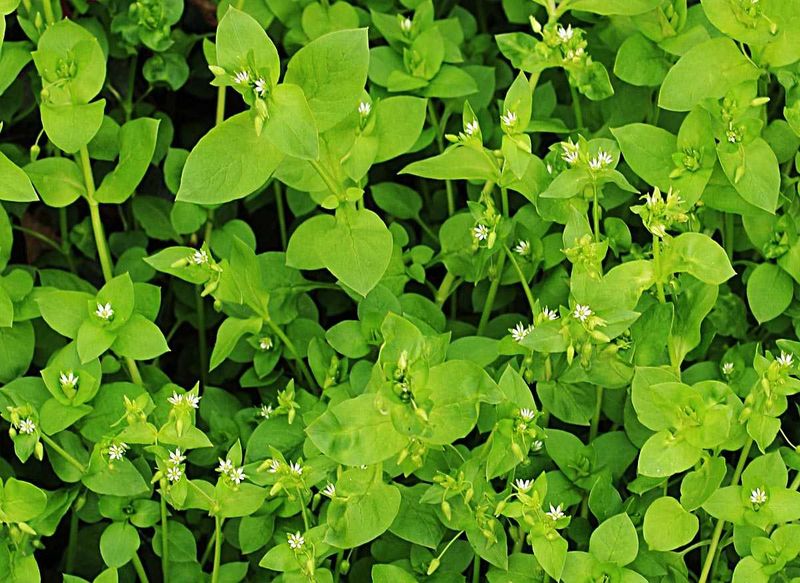
Chickweed is a tender green that often goes unnoticed underfoot. Its small, star-like white flowers are edible and add a mild, sweet flavor to salads. Chickweed is packed with nutrients, including vitamin C, magnesium, and iron. Herbalists have long valued it for its anti-inflammatory properties. This weed thrives in cool, wet weather and can be used to make a refreshing pesto. Skeptics may be surprised to learn that it was once considered a staple food during austere times.
Purslane
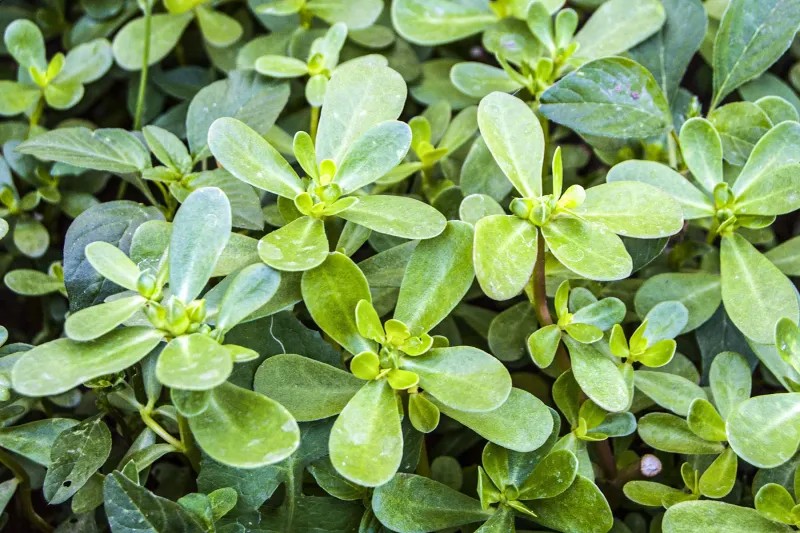
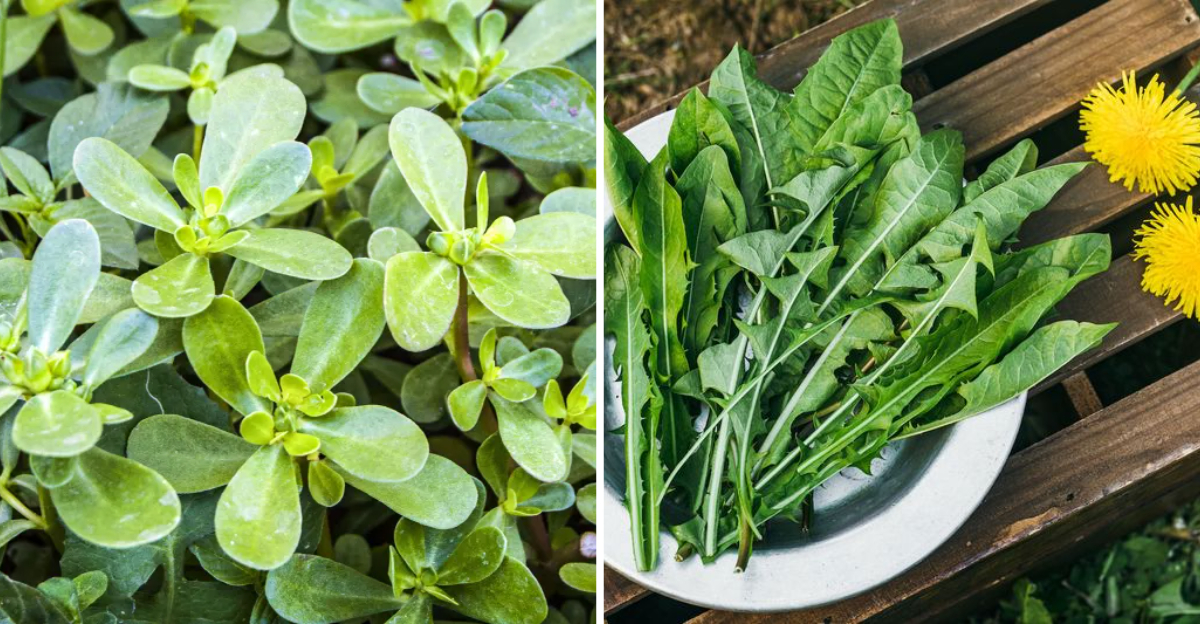
With its succulent leaves and slightly tangy taste, purslane is a weed not to be dismissed. This plant is exceptionally rich in omega-3 fatty acids and antioxidants. Its crunchy texture makes it a delightful addition to salads and soups. Purslane’s origins trace back to South Asia, but it has spread globally, finding its place in various cuisines. It thrives in sunny, dry environments and is surprisingly resilient. Once you taste it, you may reconsider its place in your garden.
Lamb’s Quarters
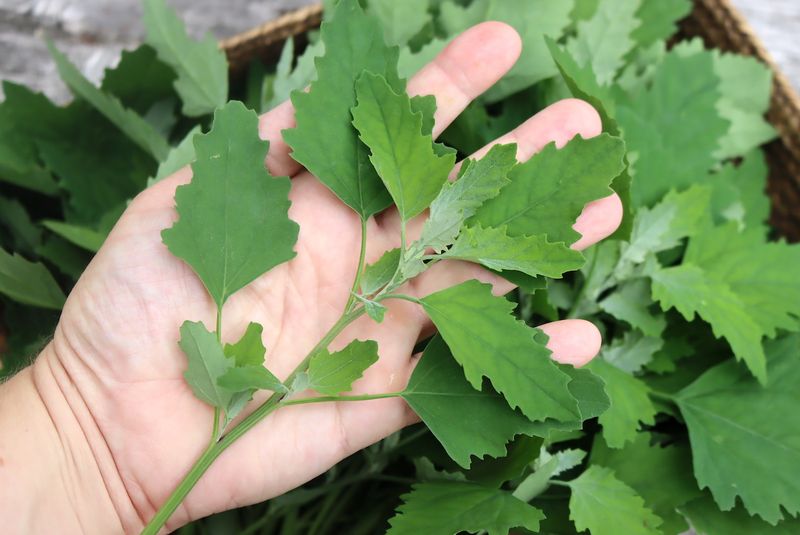
Often mistaken for common weeds, lamb’s quarters are nutrient powerhouses. Their frosty green leaves are rich in vitamins A and K, calcium, and protein. This plant can be steamed or sautéed much like spinach. A staple for Native Americans, its seeds were ground into flour. The mild flavor makes it versatile in dishes. This plant tends to grow in disturbed soils, often popping up where least expected, and is a testament to nature’s resilience and generosity.
Plantain
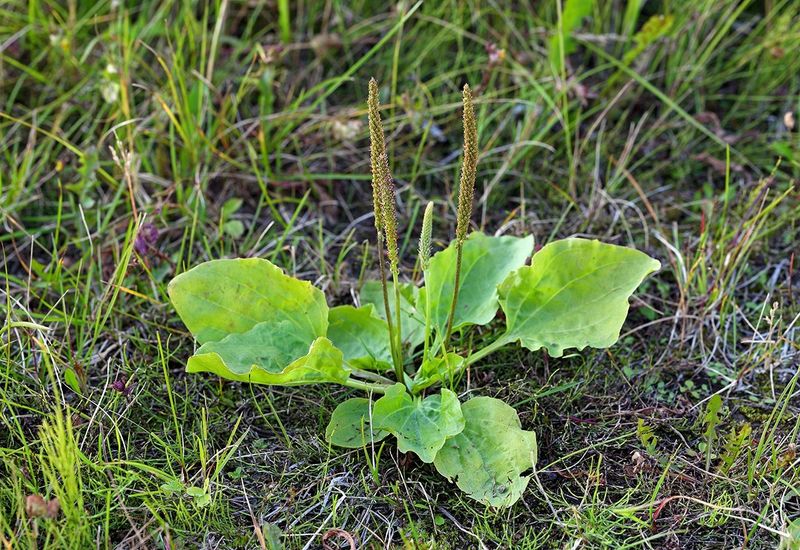
Plantain, not to be confused with the banana variety, is a common weed with remarkable uses. Its broad leaves are edible and can be used in salads or cooked like greens. The seeds are a source of fiber, often used in herbal remedies for digestion. Native to Europe and Asia, plantain has traveled to gardens worldwide. Its soothing properties have made it a staple in traditional medicine. Despite being overlooked, this plant offers a mild taste and numerous benefits.
Clover
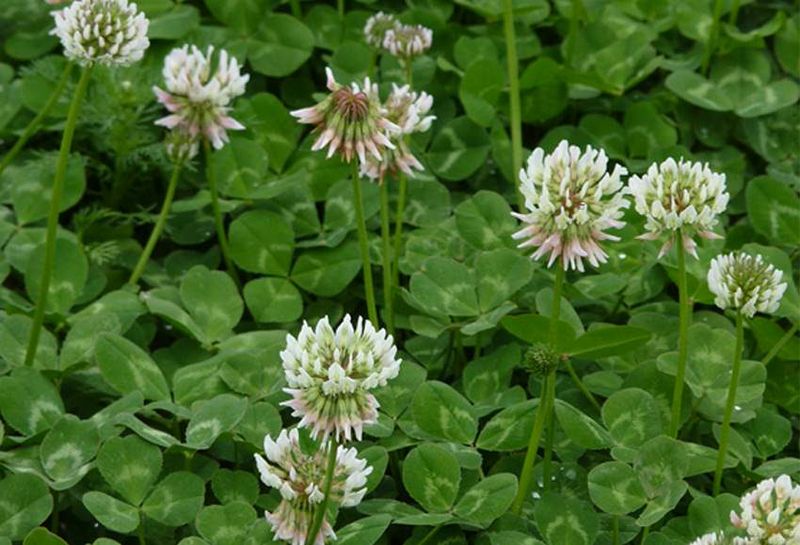
Clover is often seen as a lucky charm, but it’s also a nutritious weed. The trifoliate leaves and white blossoms are edible, offering a slightly sweet flavor. Rich in protein, clover can be used in teas and salads. Historically, it has been cultivated for animal fodder. Clover symbolizes prosperity in some cultures. Its presence in lawns speaks to its adaptability and resilience. Whether you find a four-leaf variety or not, clover adds a touch of nature’s bounty to your meals.
Violet

Wild violets bring a pop of color to any lawn, but these pretty flowers also pack a punch. Both the leaves and flowers are edible, offering a mild, sweet flavor. Rich in vitamin C, violets have been used in culinary dishes for centuries. Their bright blossoms can be candied or used as garnishes. Native to temperate regions, they prefer shaded areas. Violets offer not just beauty but also a nutritious addition to your diet, delighting both the eye and palate.
Shepherd’s Purse
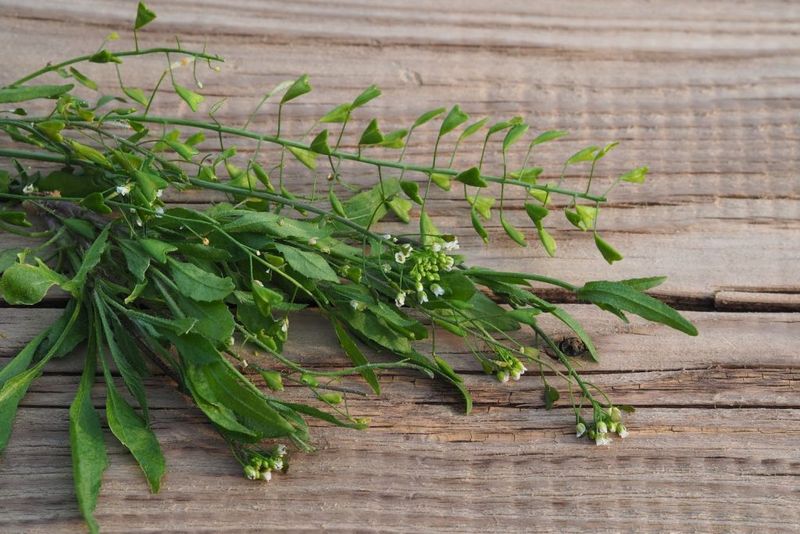
Named for its small, purse-like seed pods, shepherd’s purse is a humble yet versatile weed. Its leaves have a peppery taste, similar to mustard greens. Rich in vitamins K and C, it has historical uses in traditional medicine, particularly for wound care. Thriving in disturbed soils, this plant is often found in fields and gardens. Whether raw in salads or cooked, it adds a spicy kick to meals. Despite its unassuming appearance, shepherd’s purse offers culinary and medicinal value.
Yellow Dock
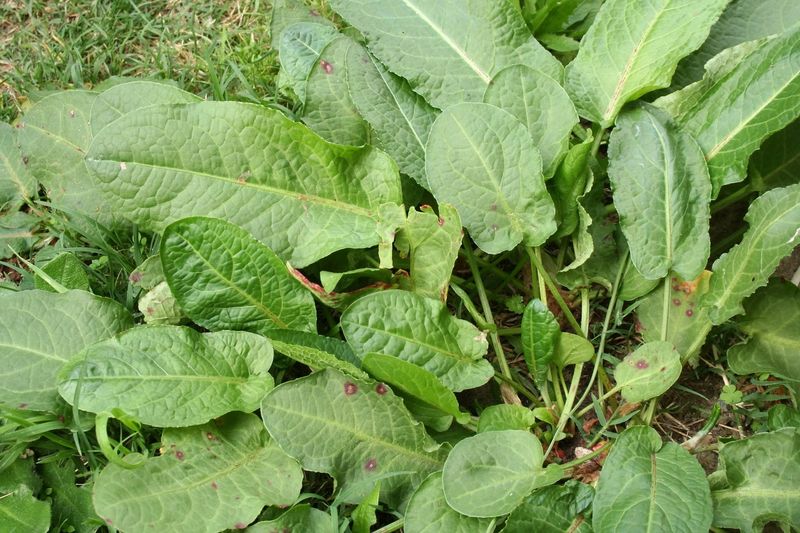
Yellow dock, with its large, lush leaves, is more than just a weed. The leaves can be cooked and eaten like spinach, while the roots are used for their medicinal properties. Rich in iron and vitamins, yellow dock supports digestion and skin health. This plant thrives in disturbed soils and is found in many parts of the world. Its historical use in herbal medicine highlights its nutritional importance. Embrace yellow dock as a functional and flavorful green in your diet.
Nettle
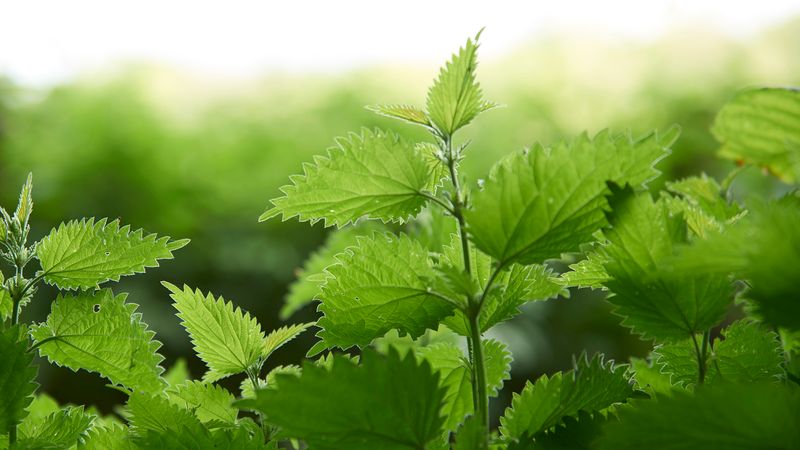
Nettles may have a reputation for their sting, but they’re also a nutritional powerhouse. Once cooked, the sting dissipates, leaving a vegetable rich in iron, calcium, and protein. Historically used as a tonic, nettles support joint health and vitality. This plant thrives in nutrient-rich soils and is found in temperate regions. With a taste similar to spinach, they can be used in soups and teas. Nettles transform from a prickly nuisance to a cherished green with undeniable health benefits.
Wood Sorrel
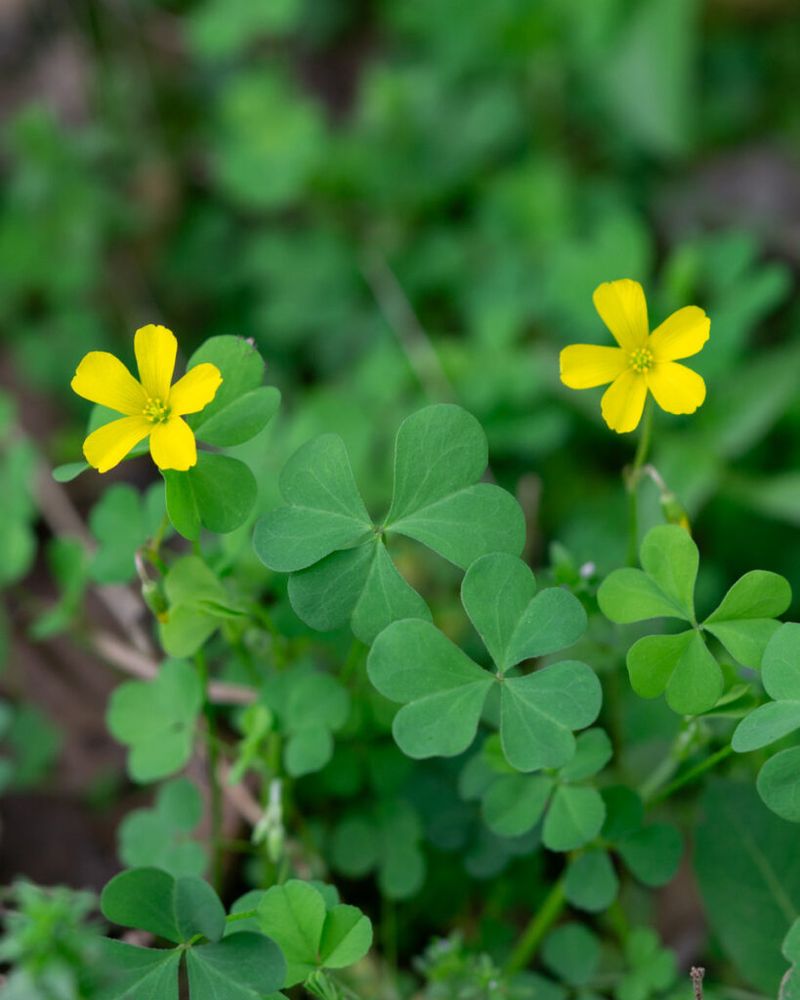
Wood Sorrel, with its charming heart-shaped leaves, often makes its home in lawns. This delightful weed is not only edible but also refreshing with its lemony taste. It adds a zing to salads and can be steeped into a tangy tea.
Interestingly, it resembles clovers but is distinct with its sour flavor.
Packed with vitamin C, Wood Sorrel can be a nutritious addition to your meals. Don’t be surprised if you find it flourishing across your garden, as it thrives in most conditions. Whether you chew it raw or add it to dishes, it’s a versatile and tasty find.
Creeping Charlie
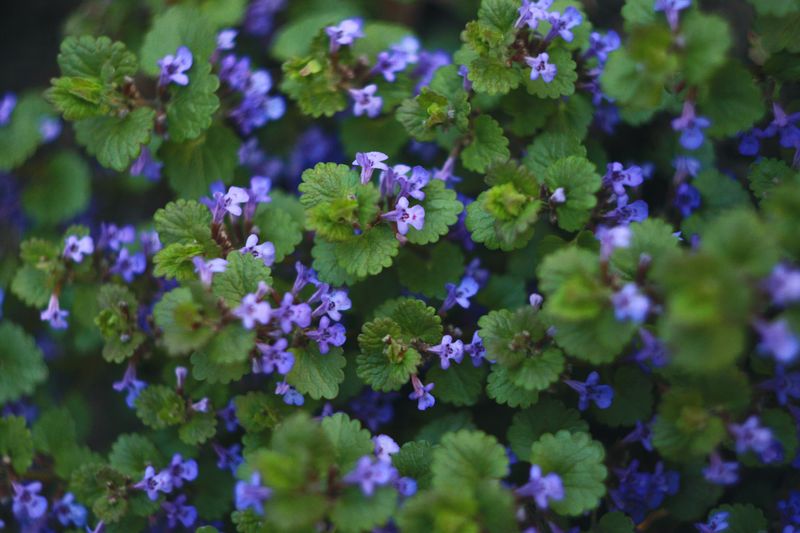
Creeping Charlie isn’t just a nuisance; it’s a culinary adventure waiting to happen. Known for its round leaves and purple flowers, this weed can be used in teas or salads. Its slightly minty aroma offers a refreshing twist to beverages and dishes.
Historically, it was used in brewing beer before hops became mainstream.
This versatile plant can be found lurking in moist, shady areas of your lawn. Next time you spot it, consider adding a sprig to your next cup of tea or salad for an aromatic experience. It’s an unexpected treat worth exploring.
Wild Garlic
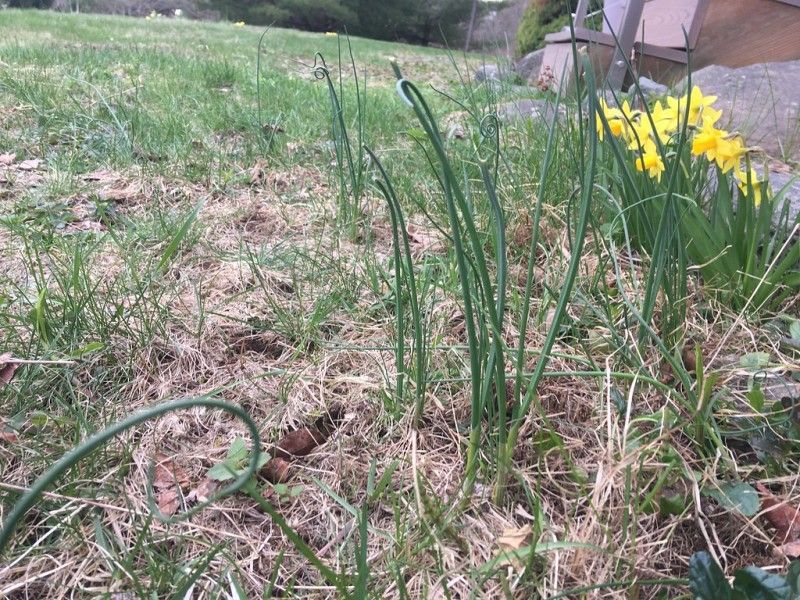
Wild Garlic is a hidden gem that may be growing in your lawn without you even knowing it. Its slender, grass-like leaves and subtle garlic aroma make it a flavorful addition to many dishes.
Whether chopped into salads or added to soups, it lends a gentle garlic flavor that isn’t overpowering.
This plant typically sprouts in early spring, offering an early harvest for foragers. Besides its culinary uses, Wild Garlic attracts pollinators with its delicate white flowers. Don’t mistake it for regular grass; its taste and aroma reveal its true identity.
Henbit
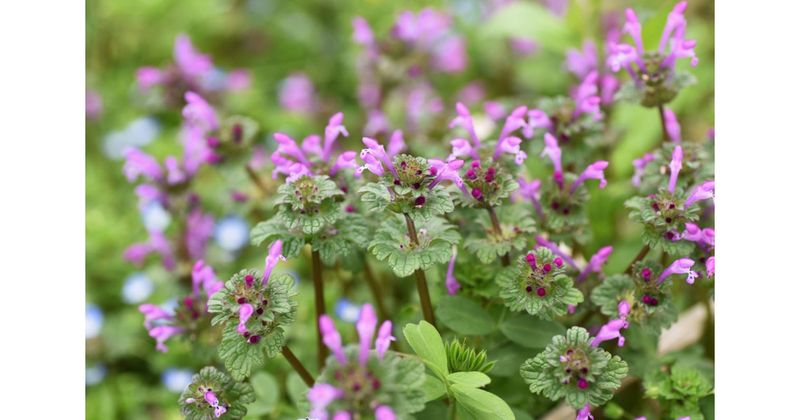
Henbit, with its charming purple flowers, is not only for hens but humans too! This weed is a member of the mint family and sports a mild, sweet flavor.
Its leaves are scalloped and tender, making it a perfect addition to salads or as a cooked green.
Henbit prefers cool weather, often flourishing in early spring or fall. It’s spread across lawns and fields, easily recognizable by its vibrant flowers. Adding Henbit to your diet can add both color and a mild taste to your culinary creations. An edible treasure among the grass!
Mallow
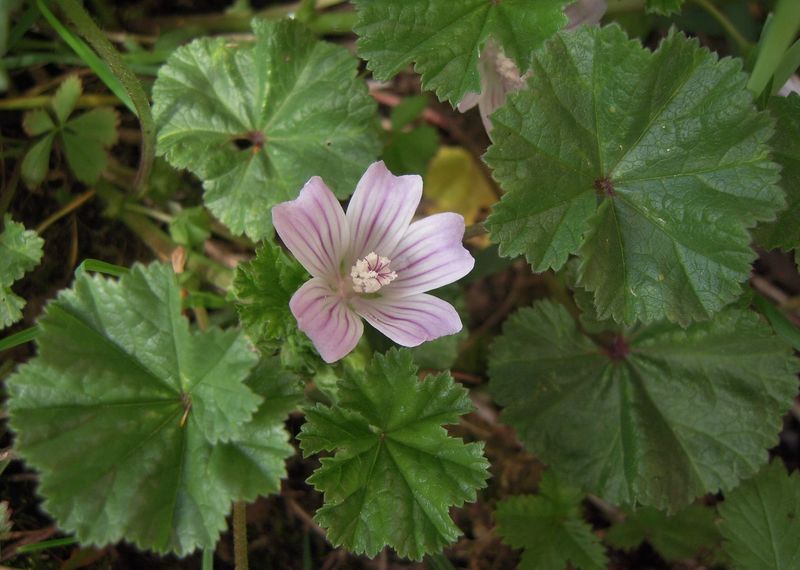
Mallow, often overlooked, is a weed with a rich history and culinary potential. Its rounded leaves and delicate pinkish-white flowers are more than just decorative.
Traditionally, it’s been used in herbal remedies, but its mild flavor also makes it a versatile culinary ingredient.
Mallow leaves can be cooked like spinach or added raw to salads, providing a subtle taste and texture. This adaptable plant can be found in disturbed soils, thriving even in less-than-ideal conditions. Embrace Mallow as a humble, yet beneficial, addition to your kitchen.
Sheep Sorrel
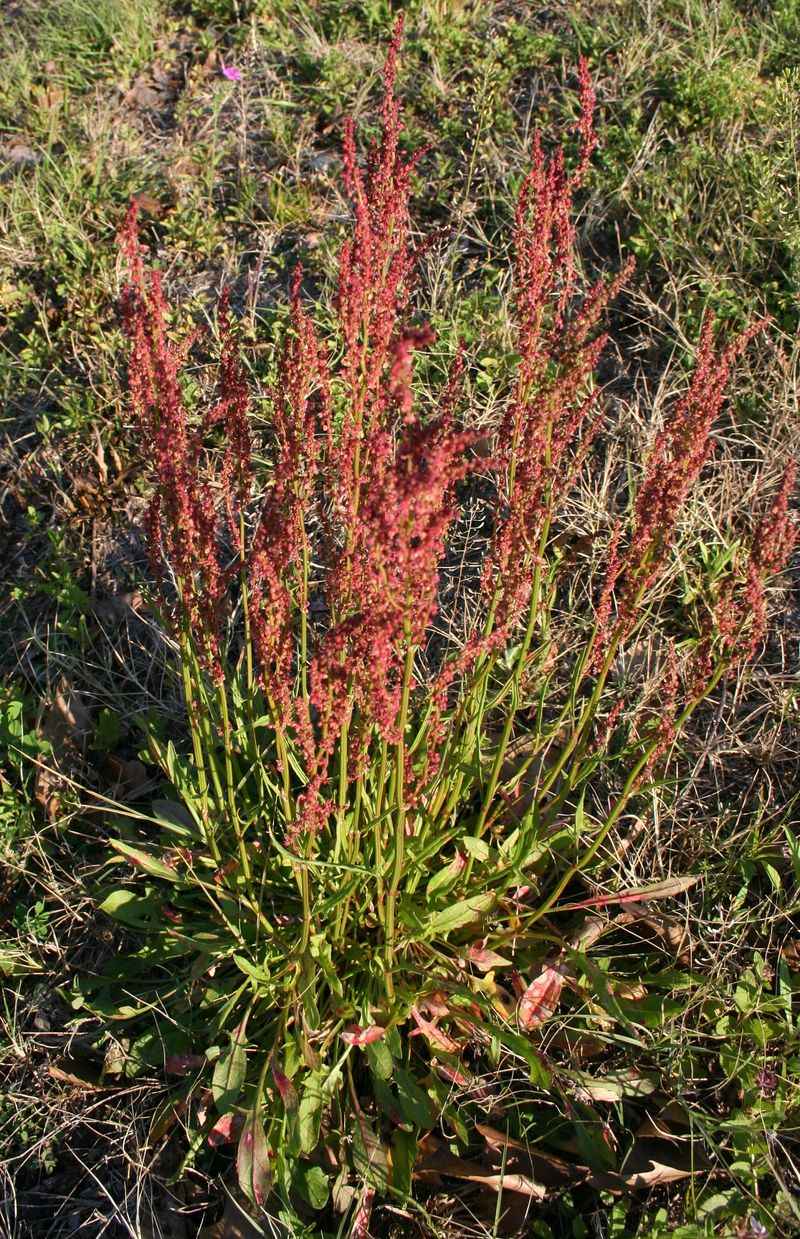
Sheep Sorrel stands out with its sharp, tangy flavor, reminiscent of lemons. Its arrowhead-shaped leaves and reddish stems are a common sight in open fields and sunny lawns.
This weed not only adds flavor to dishes but is also rich in antioxidants.
Sheep Sorrel is versatile, finding its way into soups, salads, and even herbal teas. It’s a perennial plant, ensuring it pops up year after year. The next time you stumble upon it, remember its culinary and nutritional benefits. A zesty addition to your meals, right from the lawn!