 Complete Gardening
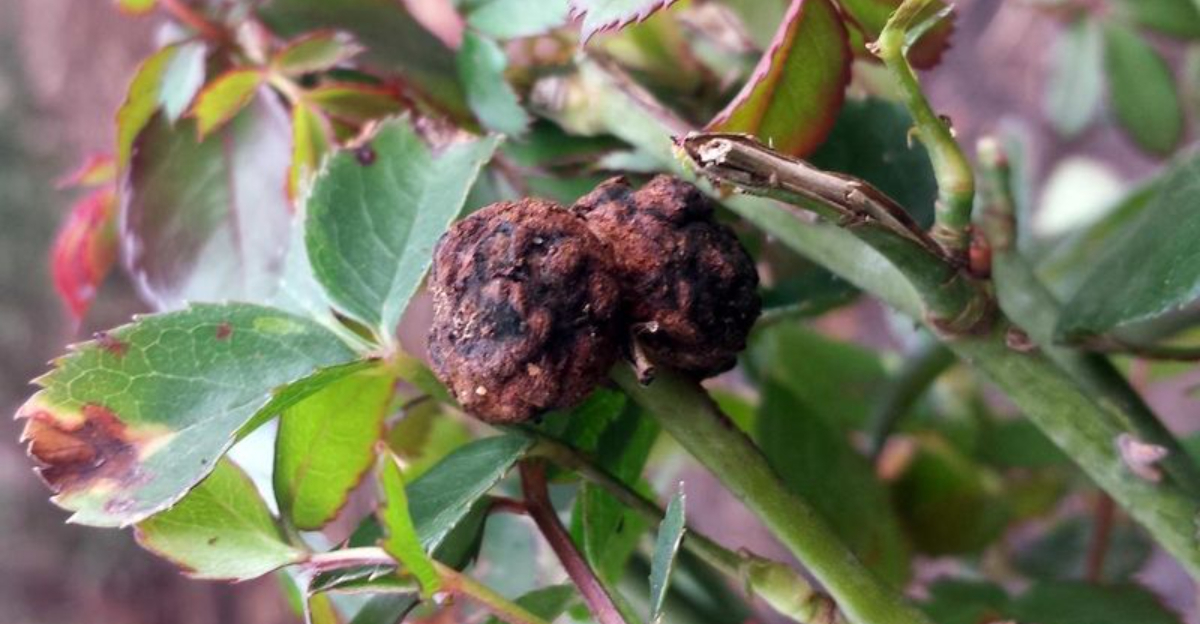
Plant diseases, largely caused by fungi, bacteria, viruses, or nematodes, present significant challenges to gardeners worldwide.
Understanding these diseases, their causes, and impacts can aid in effectively managing and preventing damage to plants.
This guide provides an in-depth look into 48 essential plant diseases every gardener should be aware of to maintain a healthy garden.
1. Powdery Mildew
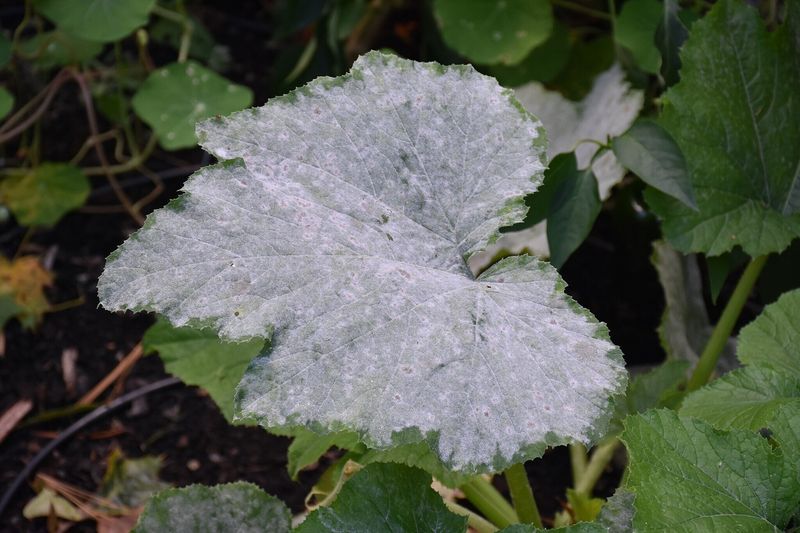
Powdery mildew sneaks into gardens, leaving plants with a white, dusty coating. This fungus thrives in dry, warm climates, making it a common nuisance. Its spores spread easily through the air.
While not usually fatal, it weakens plants by reducing photosynthesis. Treating infected plants with fungicides can help. Resistant plant varieties minimize risk.
Did you know? Powdery mildew affects a wide range of plants, including roses, grapes, and cucumbers.
2. Downy Mildew
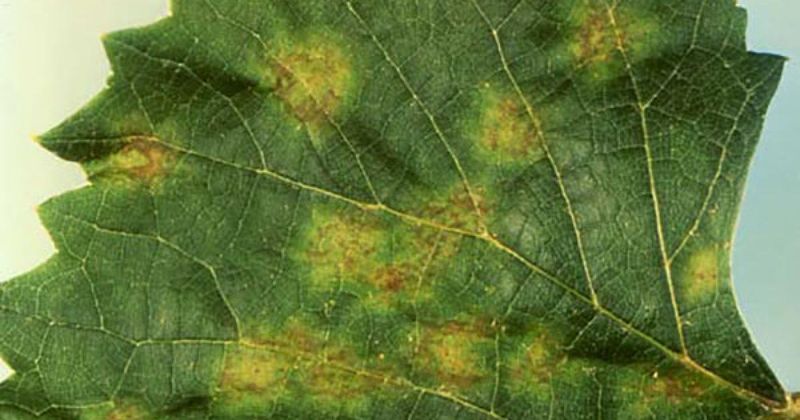
Downy mildew operates quietly, causing havoc under cool, moist conditions. It manifests as yellow patches on leaves, progressing to a grayish, downy growth.
This fungus-like pathogen can devastate crops like grapes and lettuce. Early detection and fungicide application are crucial in management.
Fun fact: Downy mildew was responsible for a significant grapevine devastation in France in the 19th century, affecting wine production.
3. Rust
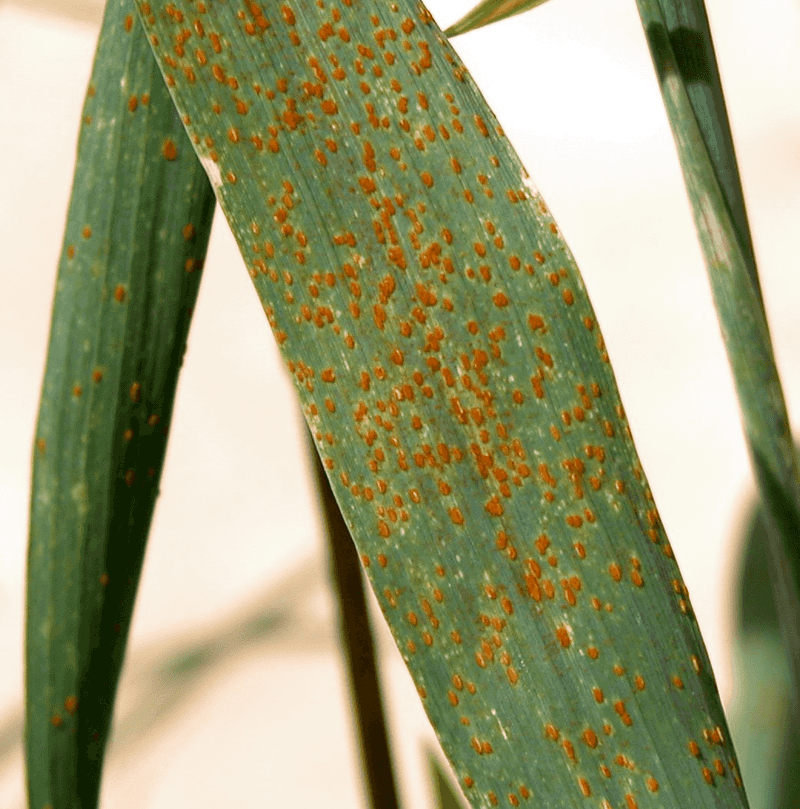
Rust diseases are notorious for their reddish-orange pustules on leaves, resembling iron rust. Common in wheat and roses, these fungi spread through wind-borne spores.
They cause premature leaf drop and reduced plant vigor. Employ resistant varieties and crop rotations for control.
An intriguing note: Each rust fungus species targets specific plants, making them specialized adversaries in the plant world.
4. Leaf Spot
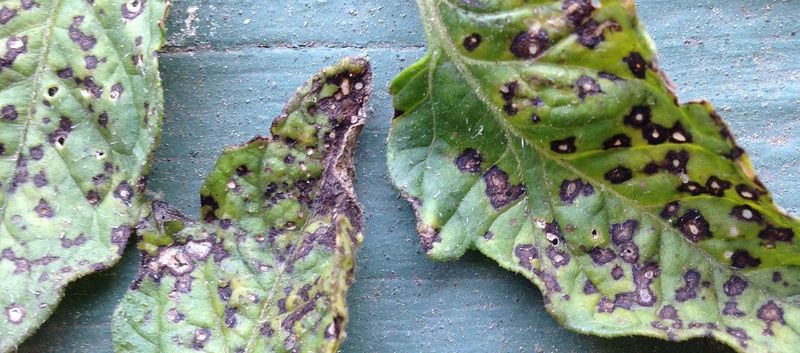
Leaf spots, caused by fungi like Septoria and Alternaria, appear as small, discolored patches on foliage. These spots often have distinctive borders, turning leaves unsightly.
They can lead to defoliation if untreated. Ensure proper plant spacing and sanitation to prevent spread.
Did you know? Leaf spot diseases are some of the most widespread, affecting various plants from tomatoes to ornamental shrubs.
5. Blight
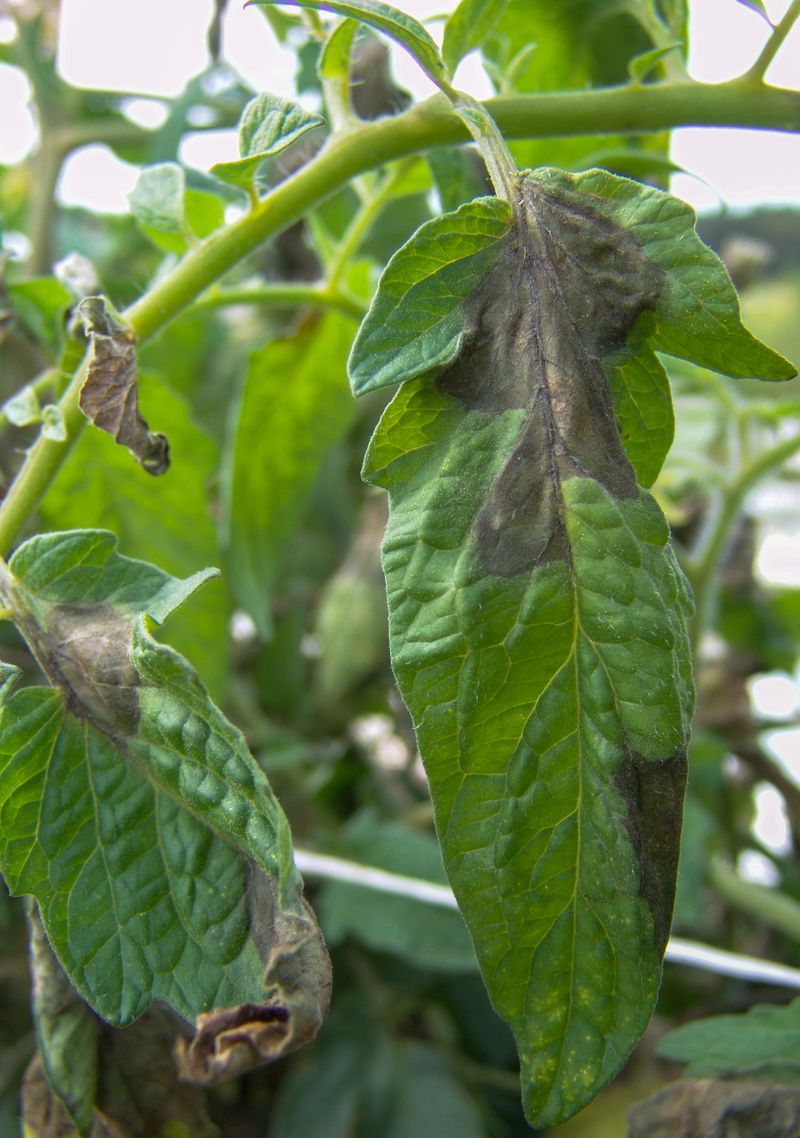
Blight strikes plants with alarming speed, causing dark, water-soaked lesions. Late blight, infamous for the Irish Potato Famine, affects tomatoes and potatoes.
Cool, wet conditions favor its spread. Immediate removal of infected plants can help control.
A historical tidbit: The late blight pathogen, Phytophthora infestans, led to severe social and economic impacts during the 1840s in Ireland.
6. Damping-off
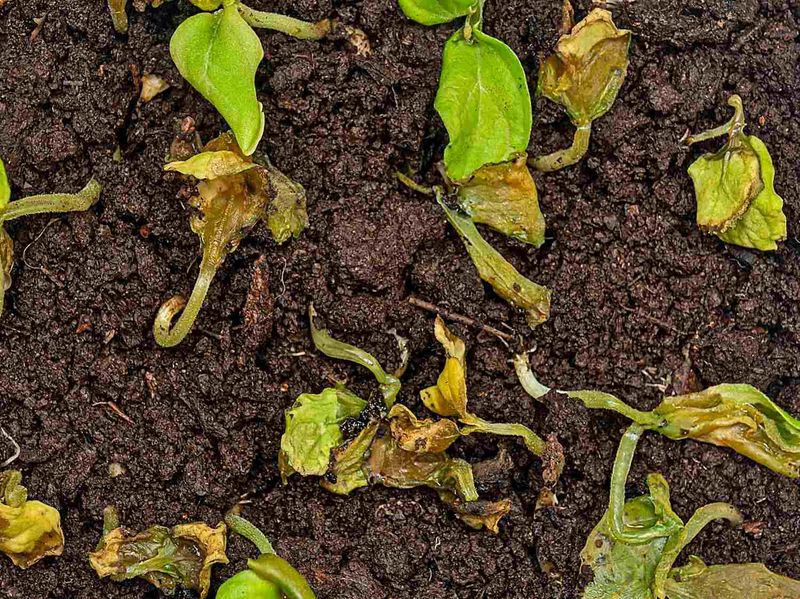
Damping-off is a nightmare for gardeners, causing seedlings to collapse at the soil line. This fungal disease thrives in wet, cool conditions.
Poor soil drainage and overcrowding exacerbate the problem. Using sterile soil and proper watering techniques can mitigate risk.
Interestingly, damping-off can affect a wide array of plants, from vegetables to flowers, making it a universal concern for seed starters.
7. Root Rot
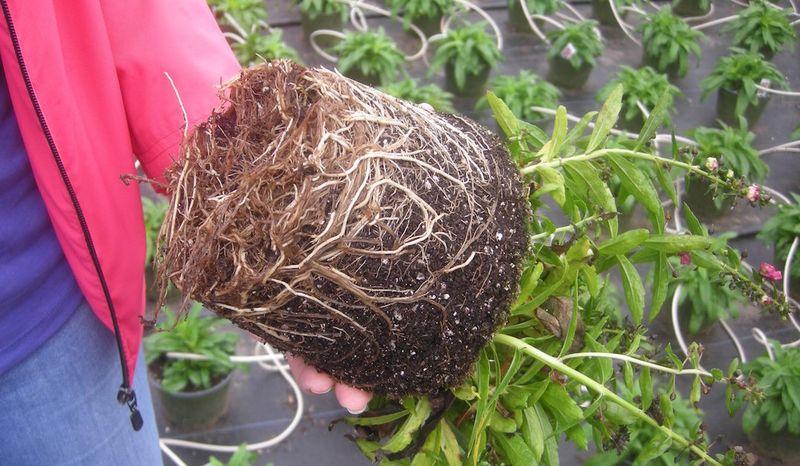
Root rot stealthily attacks plants from below, turning roots mushy and dark. Fungi like Pythium and Fusarium thrive in saturated soils.
Affected plants show wilting and poor growth. Ensuring well-drained soil and avoiding overwatering are key preventive measures.
Did you know? Root rot can lead to total crop failure if not addressed promptly, underlining its destructive potential.
8. Wilt
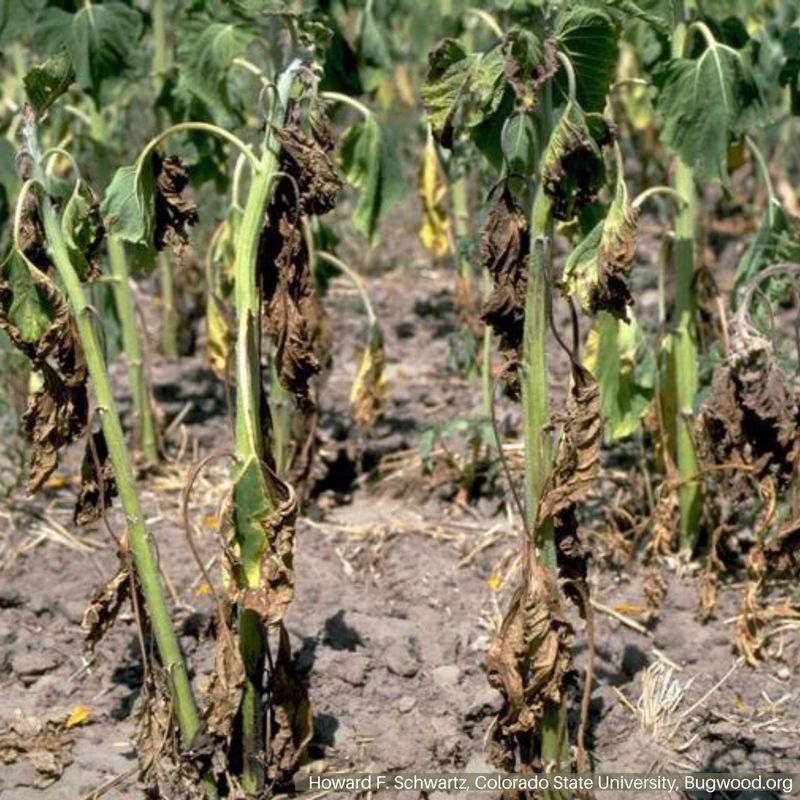
Wilt diseases cause plants to droop as if thirsty, even in moist soil. Verticillium and Fusarium are common culprits, blocking water transport in plants.
Wilting becomes permanent, leading to plant death. Crop rotation and resistant varieties offer protection.
A unique fact: Wilt diseases can persist in soil for years, making them challenging to eradicate once established.
9. Anthracnose
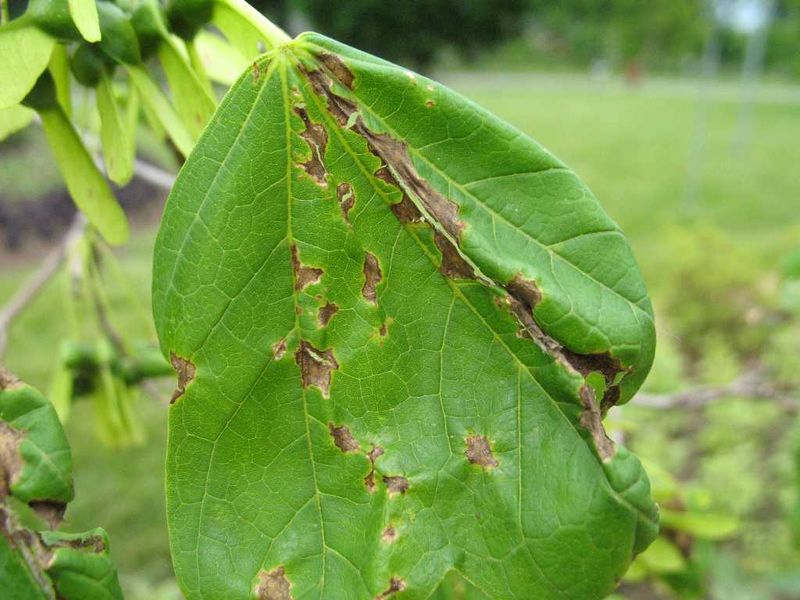
Anthracnose appears as dark, sunken lesions on leaves and fruit, impacting trees and shrubs. This fungal disease favors wet, warm weather.
It can lead to significant leaf drop and fruit rot. Pruning affected areas and improving air circulation reduces incidence.
Did you know? Anthracnose can affect valuable crops like beans and cucumbers, impacting yield and quality.
10. Sooty Mold
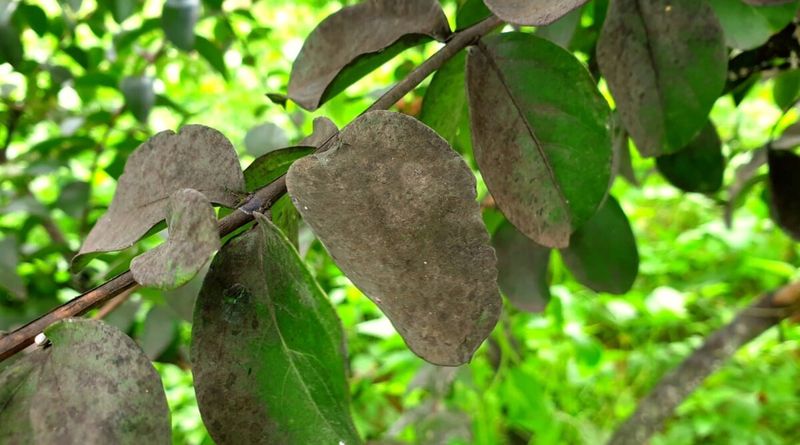
Sooty mold paints leaves black, feeding on honeydew excreted by insects like aphids. While not directly harmful, it hampers photosynthesis.
Controlling insect populations prevents mold development. Soap sprays and beneficial insects are effective remedies.
An interesting tidbit: Sooty mold indicates pest presence, serving as a natural alert for gardeners to inspect their plants closely.
11. Black Spot
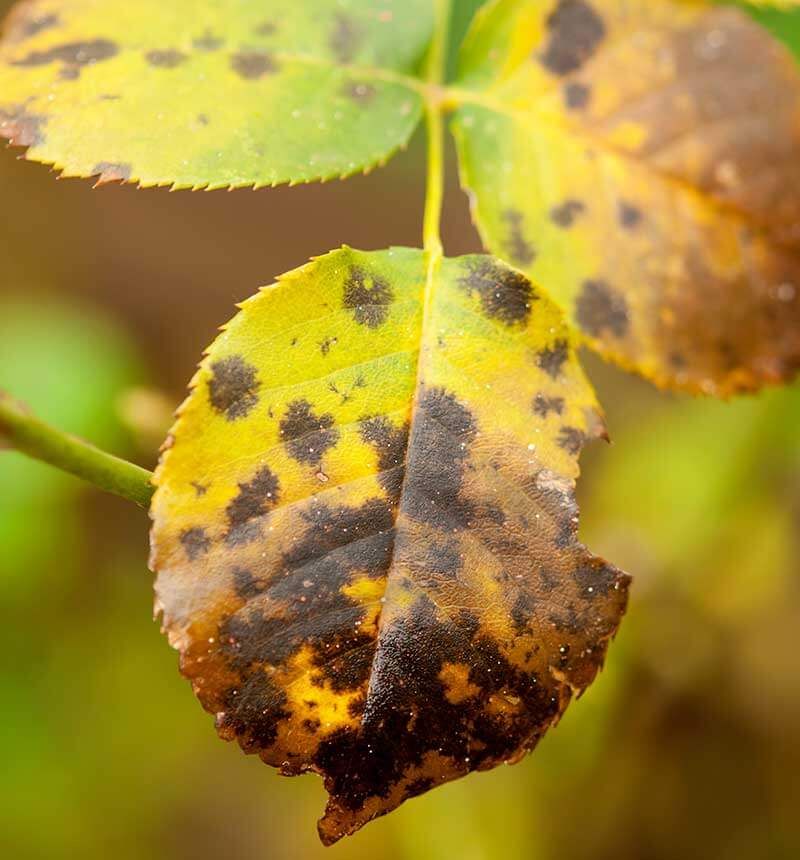
Black spot decorates rose leaves with circular, black lesions, causing them to drop prematurely. This fungal disease thrives in humid conditions.
Regular pruning and fungicide applications help manage its spread. Choosing resistant rose varieties aids in prevention.
Did you know? Black spot can severely weaken roses over time, impacting their blooms and overall health.
12. Fire Blight
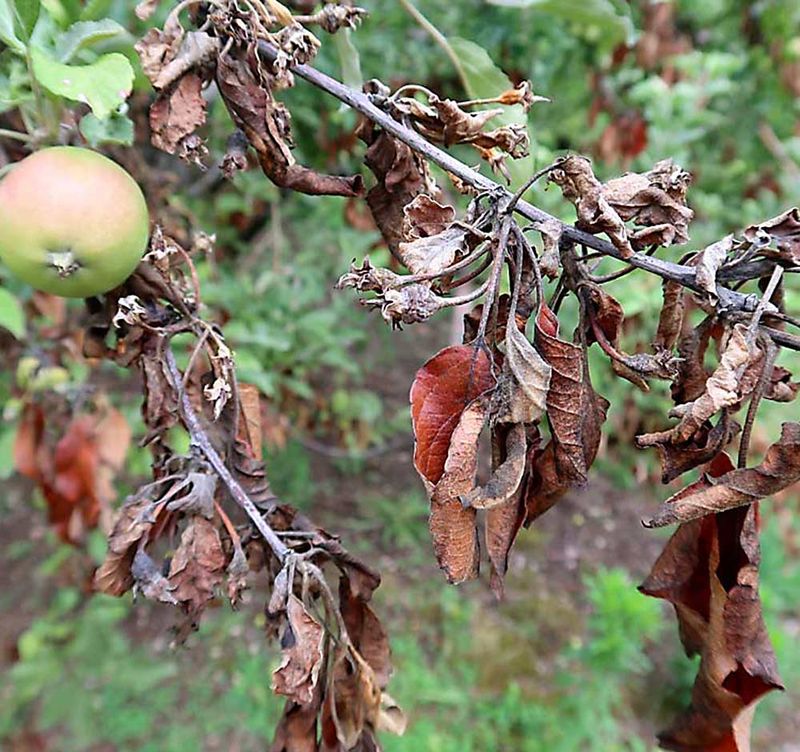
Fire blight scorches apple and pear trees, turning blossoms and branches black as if burned. This bacterial disease spreads rapidly in warm, wet weather.
Pruning infected parts and using copper sprays can limit damage. Resistant varieties offer additional protection.
A curious fact: Fire blight is one of the most destructive diseases affecting pome fruits, requiring vigilant monitoring and control.
13. Bacterial Wilt
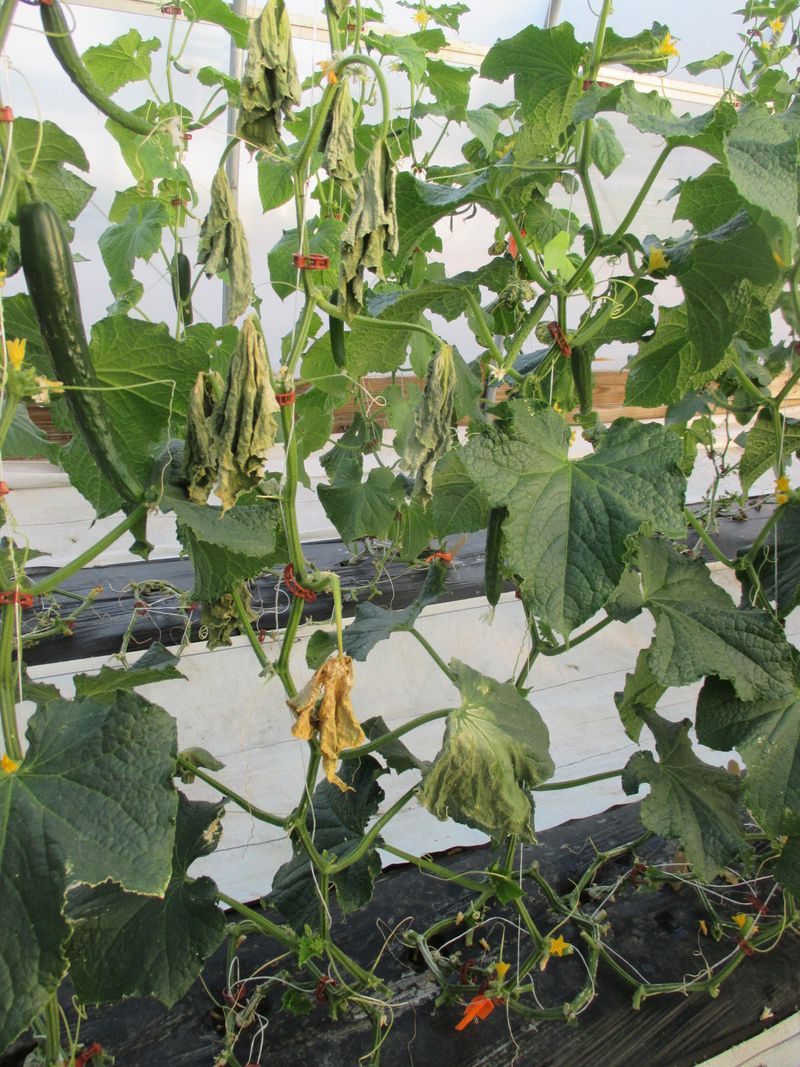
Bacterial wilt sneaks into plants through insect bites, causing leaves to wilt dramatically. Ralstonia solanacearum is a notorious agent affecting crops like cucumbers.
Once infected, plants rarely recover. Removing affected plants and controlling insect vectors are crucial steps.
An intriguing fact: Bacterial wilt can survive in soil and debris, posing a long-term threat to susceptible plants.
14. Bacterial Leaf Spot
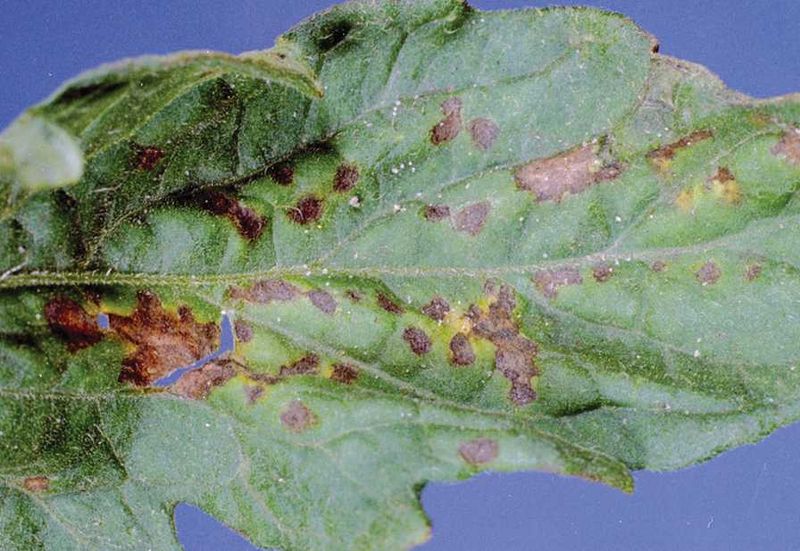
Bacterial leaf spot speckles leaves with small, dark lesions that may coalesce. Often seen in tomatoes and peppers, it spreads in moist conditions.
Avoid overhead watering and remove affected foliage to control. Copper sprays can offer protection.
Did you know? Bacterial leaf spot can significantly reduce yield and quality in affected crops, necessitating careful management practices.
15. Crown Gall
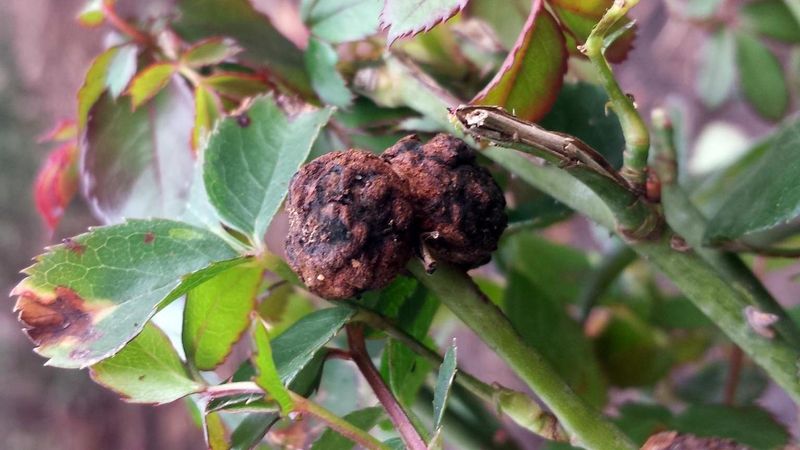
Crown gall forms tumor-like growths on plant stems, impacting roses and fruit trees. Caused by Agrobacterium, it alters plant DNA.
Infected plants show reduced vigor and growth. Remove and destroy affected plants to prevent spread.
A quirky fact: Crown gall bacteria have been used in genetics research due to their unique DNA-integration ability.
16. Bacterial Canker
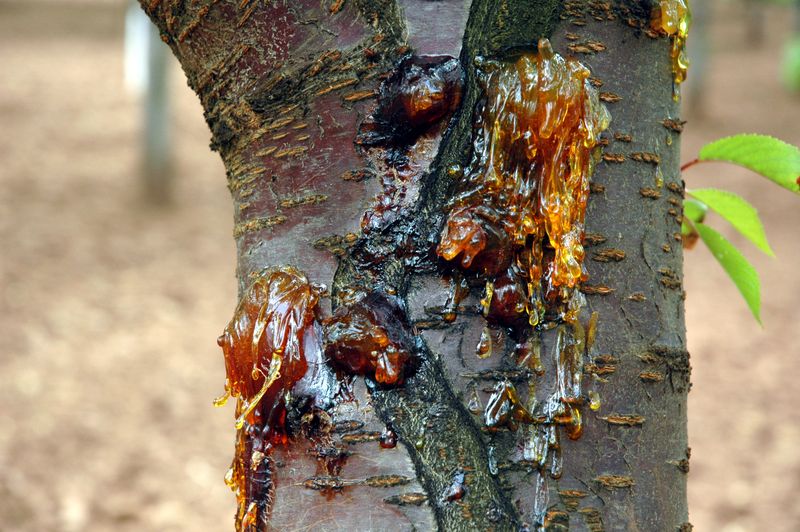
Bacterial canker disfigures trees with sunken, oozing lesions. Stone fruits like cherries are common victims.
Prune infected branches and apply copper-based treatments for management. Resistant rootstocks offer long-term solutions.
An intriguing tidbit: Bacterial canker can reduce fruit yield and cause significant economic losses in affected orchards.
17. Soft Rot
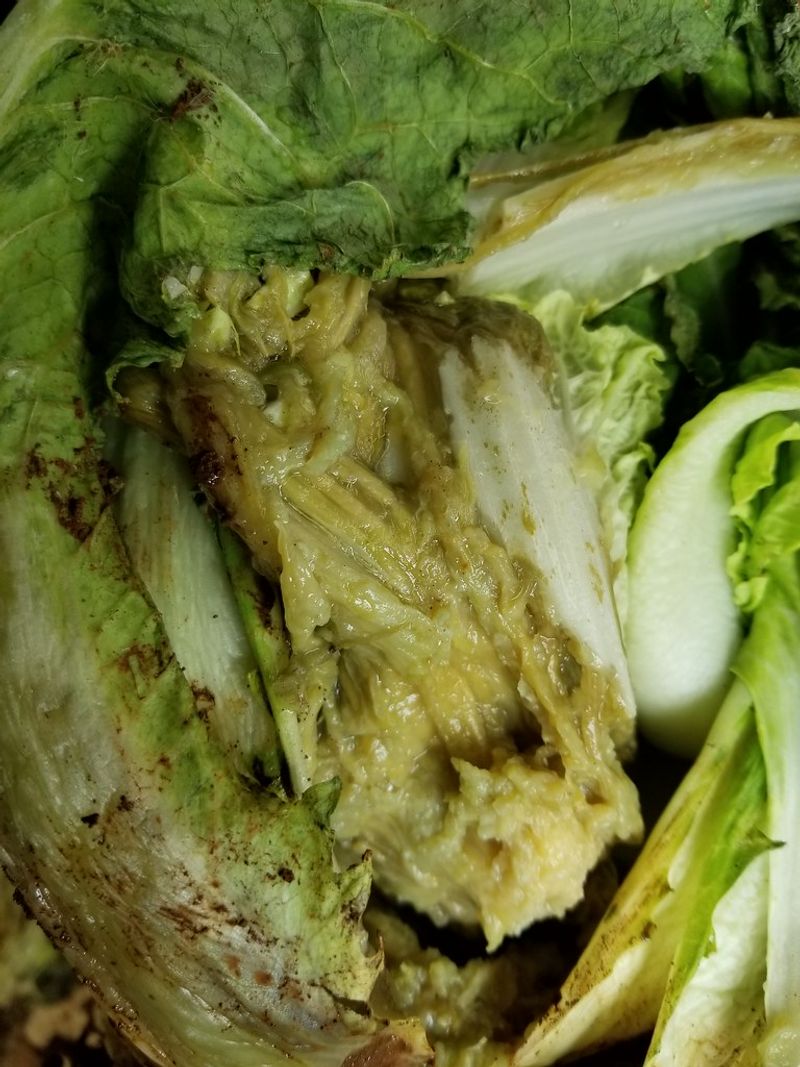
Soft rot reduces vegetables to mushy messes, emitting a foul odor. Bacteria like Erwinia thrive in warm, humid conditions.
Harvesting during dry weather and storing produce properly curtails its spread.
Did you know? Soft rot can affect a wide range of crops, from potatoes to celery, making it a versatile threat in agriculture.
18. Angular Leaf Spot
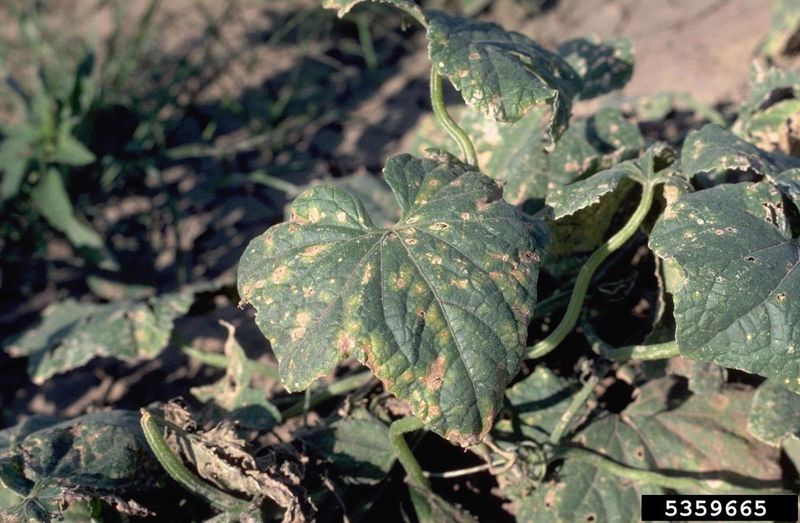
Angular leaf spot marks cucurbit leaves with angular, water-soaked lesions. Bacteria spread via rain splash and contaminated tools.
Crop rotation and resistant varieties are effective control measures.
An intriguing fact: Angular leaf spot is particularly damaging to cucumbers, impacting both yield and quality of the produce.
19. Halo Blight
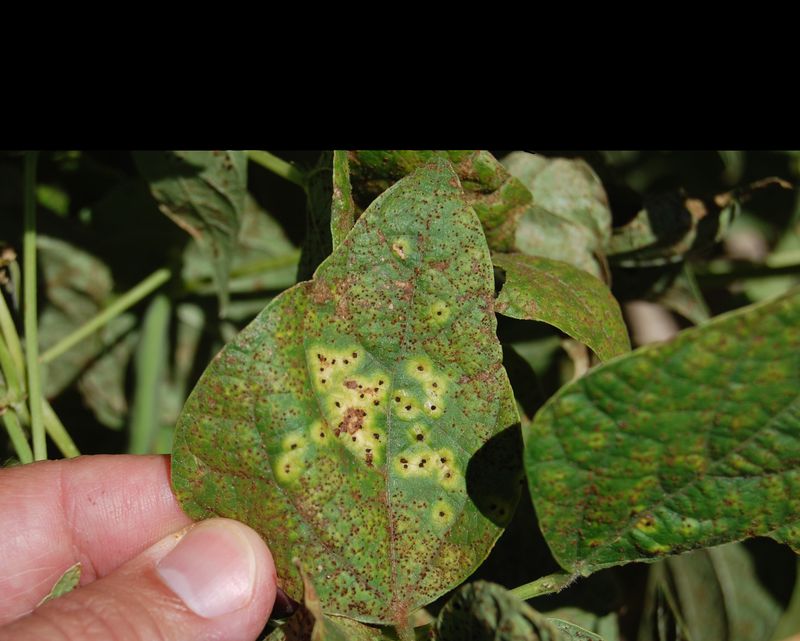
Halo blight creates yellow halos around dark spots on bean leaves, thriving in cool, wet climates.
Seed treatment and crop rotation reduce risk. Inspecting seeds before planting prevents introduction.
Did you know? Halo blight can cause significant yield loss in bean crops, demanding careful monitoring and management by farmers.
20. Mosaic Viruses
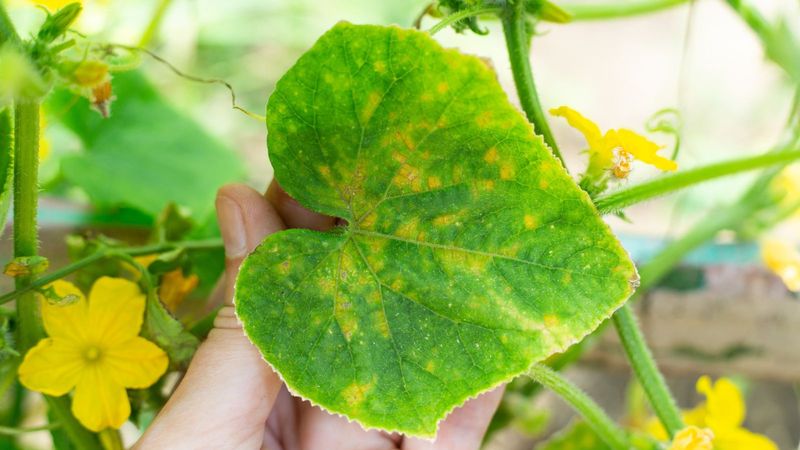
Mosaic viruses paint leaves with mottled patterns, reducing plant vigor. Tobacco and cucumber mosaic viruses are well-known culprits.
Spread by insects, control focuses on vector management. Resistant plant varieties offer effective solutions.
An interesting note: Mosaic viruses can cause a striking appearance in plants, sometimes leading to ornamental use despite their harmful impacts.
21. Tomato Yellow Leaf Curl Virus
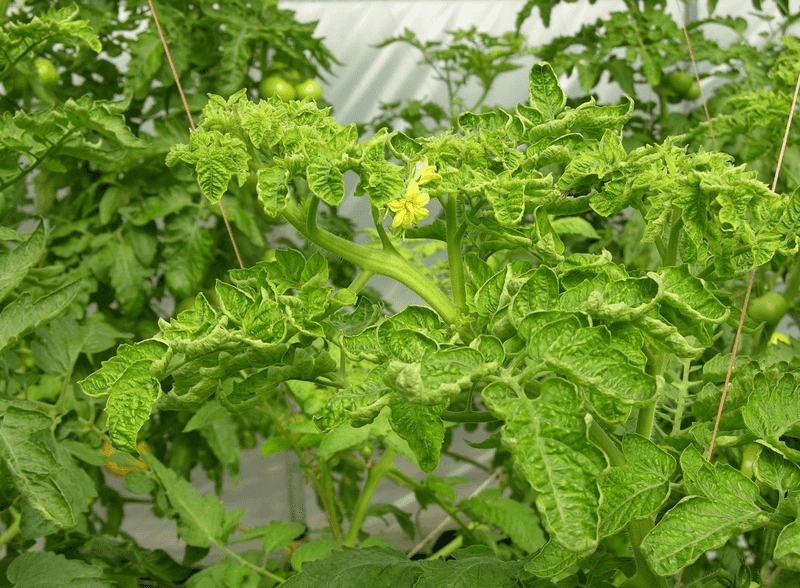
Tomato yellow leaf curl virus twists tomato leaves, turning them yellow. Whiteflies transmit this virus, making management challenging.
Using insect barriers and resistant varieties provides defense. Monitoring and controlling whitefly populations are essential.
Did you know? This virus can significantly decrease tomato yield, impacting both home gardeners and commercial growers.
22. Tomato Spotted Wilt Virus
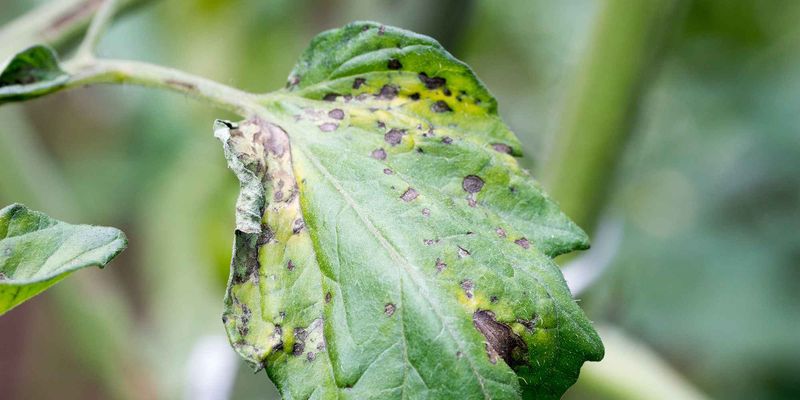
Tomato spotted wilt virus speckles plants with spots, leading to wilting. Thrips spread this virus, making control a priority.
Removing infected plants and using resistant varieties help in management.
A quirky fact: This virus affects over 1,000 plant species, showcasing its adaptability and widespread impact in agriculture.
23. Banana Bunchy Top Virus
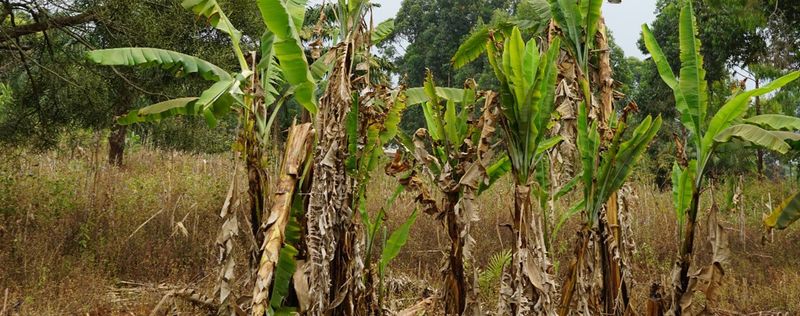
Banana bunchy top virus stunts banana plants, causing leaves to bunch at the top. Aphids spread this virus, leading to significant crop losses.
Cultural practices and resistant varieties are vital for control.
Did you know? This virus was first identified in Fiji over a century ago, highlighting its historic significance in banana cultivation.
24. Barley Yellow Dwarf Virus
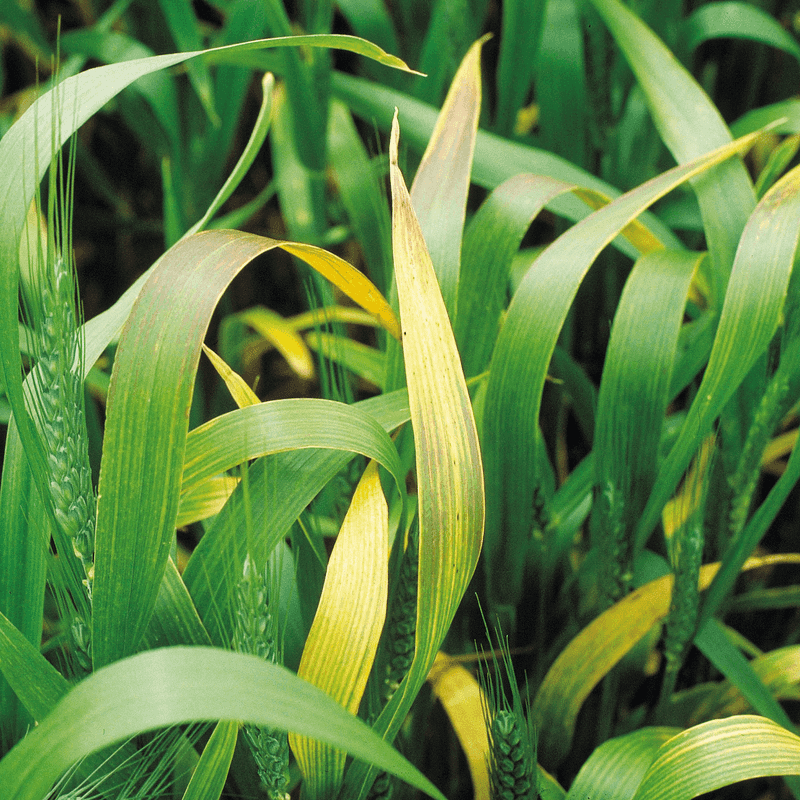
Barley yellow dwarf virus stunts cereals, turning leaves yellow. Aphids are the primary vector, necessitating control measures.
Resistant varieties and strategic planting times mitigate impact.
An intriguing fact: This virus can reduce cereal yields by 30-50%, making it a formidable challenge for global grain production.
25. Maize Streak Virus
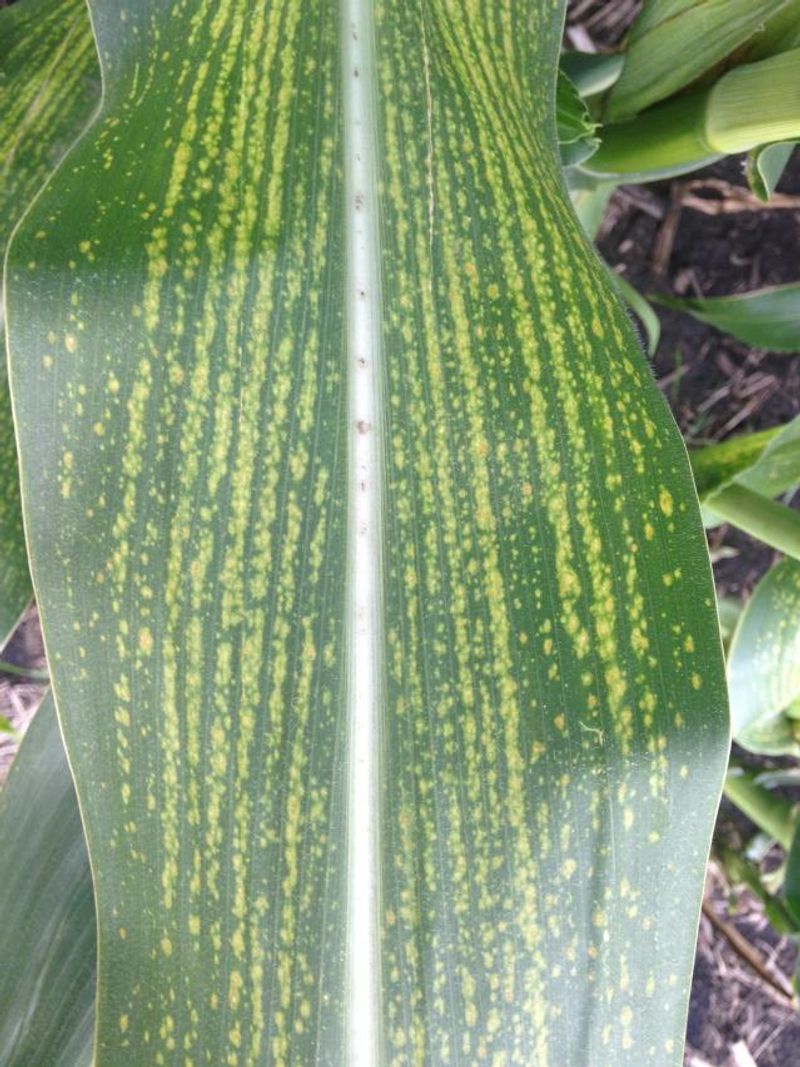
Maize streak virus streaks corn leaves with chlorotic lines, affecting photosynthesis. Leafhoppers spread it, requiring vigilant control.
Resistant maize varieties and vector management are key strategies.
Did you know? Maize streak virus is a major constraint in African maize production, impacting food security and livelihoods.
26. Rice Tungro Disease
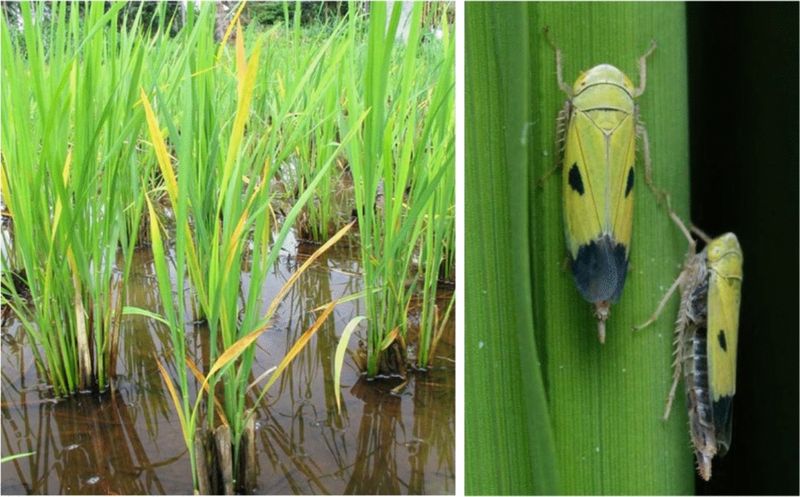
Rice tungro disease stunts rice plants, yellowing leaves. Green leafhoppers transmit this virus, posing a significant threat.
Integrated pest management and resistant varieties offer solutions.
An interesting note: Rice tungro disease has been a major concern in Asia for decades, influencing rice production strategies.
27. Potato Virus Y (PVY)
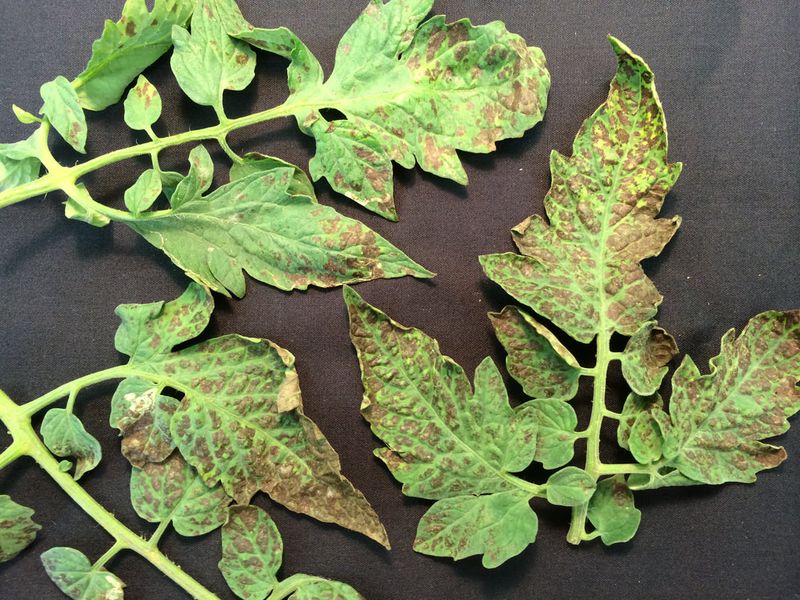
Potato virus Y (PVY) mottles leaves, impacting potato quality and yield. Aphids transmit this virus, emphasizing vector control.
Certification programs and resistant varieties are effective against PVY.
Did you know? PVY is one of the most economically significant viruses globally, affecting not only potatoes but also other solanaceous crops.
28. Aster Yellows
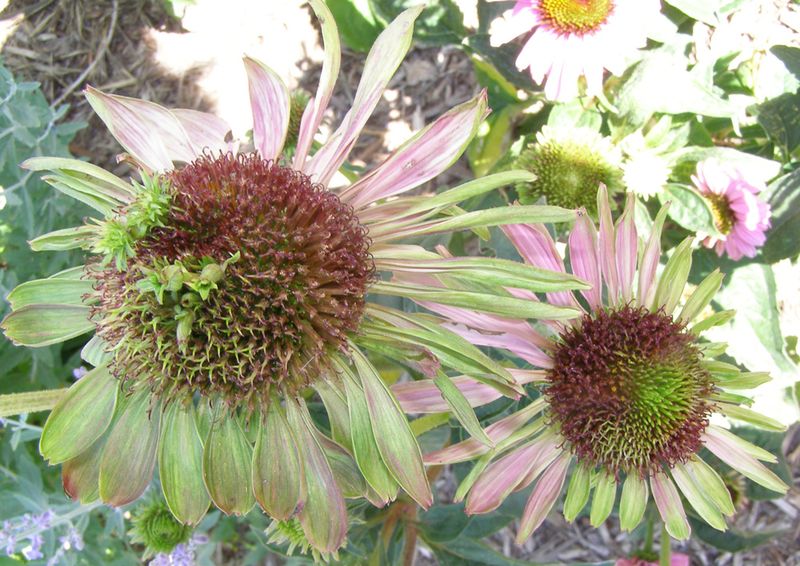
Aster yellows stunts plants, causing yellowing and abnormal growths. Spread by leafhoppers, it affects a wide range of species.
Removing infected plants and controlling vectors are critical.
An intriguing fact: Aster yellows can impact ornamental plants, leading to distorted flowers and foliage, reducing their aesthetic value.
29. Lethal Yellowing
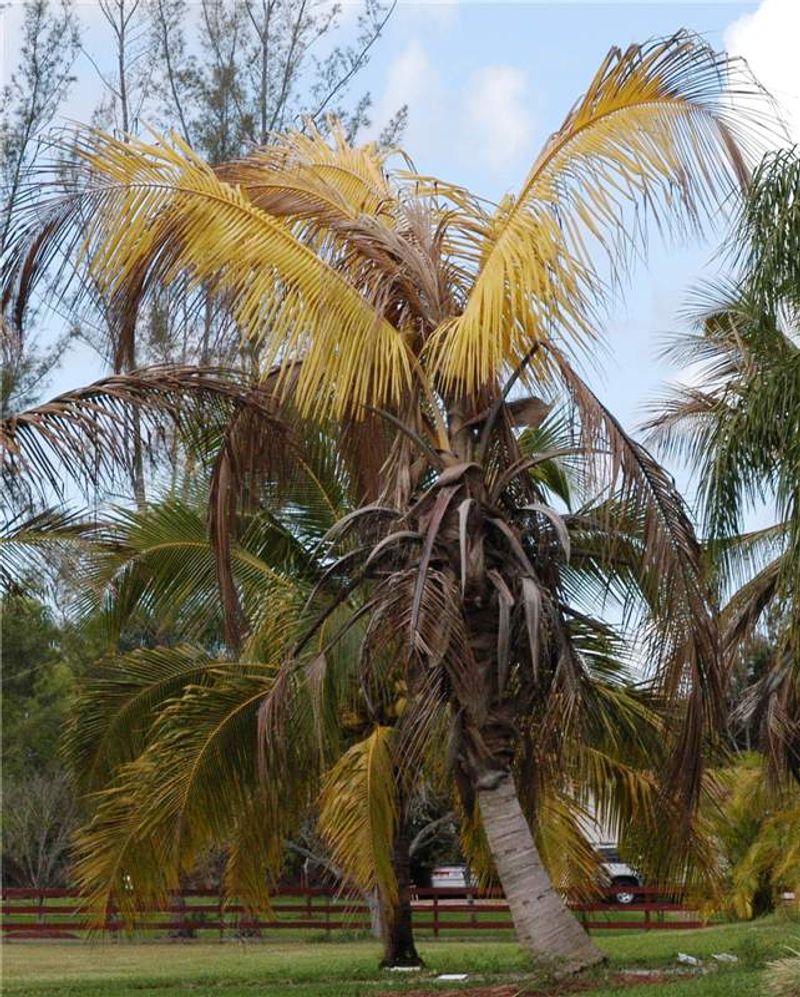
Lethal yellowing devastates palm trees, wilting fronds and causing premature fruit drop. Planthoppers spread this disease, making management complex.
Resistant palm varieties and vector control are primary strategies.
Did you know? Lethal yellowing has impacted iconic palm landscapes in the Caribbean and Florida, altering local ecosystems and economies.
30. Apple Proliferation
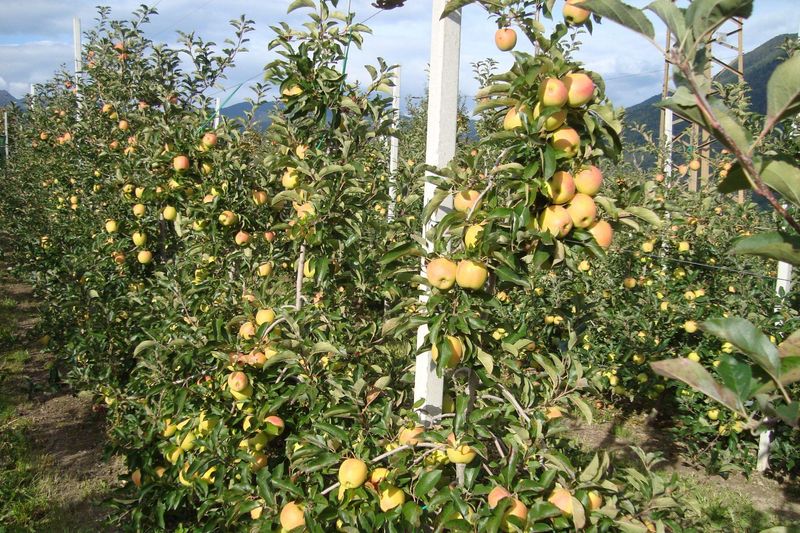
Apple proliferation causes excessive, bushy growth, reducing fruit size and quality. Psyllids transmit this disease, necessitating vector control.
Pruning and managing psyllid populations are effective strategies.
An intriguing tidbit: Apple proliferation can lead to significant economic losses in orchards due to its impact on fruit production.
31. Peach Rosette
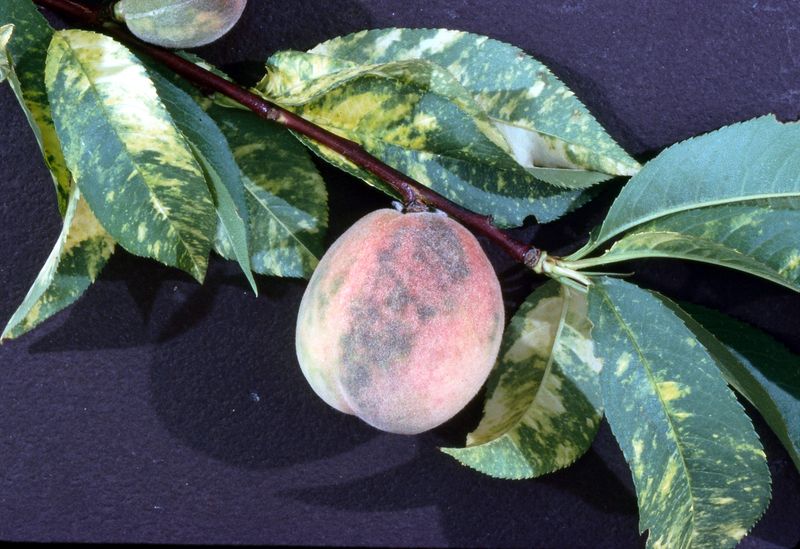
Peach rosette creates rosette-like clusters of leaves, stunting tree growth. Beet leafhoppers spread this disease, emphasizing control.
Removing infected trees and managing vectors prevent its spread.
Did you know? Peach rosette can severely impact orchard productivity, leading to reduced fruit yields and quality.
32. Coconut Lethal Yellowing

Coconut lethal yellowing turns palm fronds yellow, leading to tree death. Planthoppers transmit this disease, impacting tropical regions.
Managing vectors and planting resistant varieties offer the best defense.
An interesting note: Coconut lethal yellowing has altered palm landscapes in parts of the Caribbean and Africa, affecting both ecology and economy.
33. Root-Knot Nematode
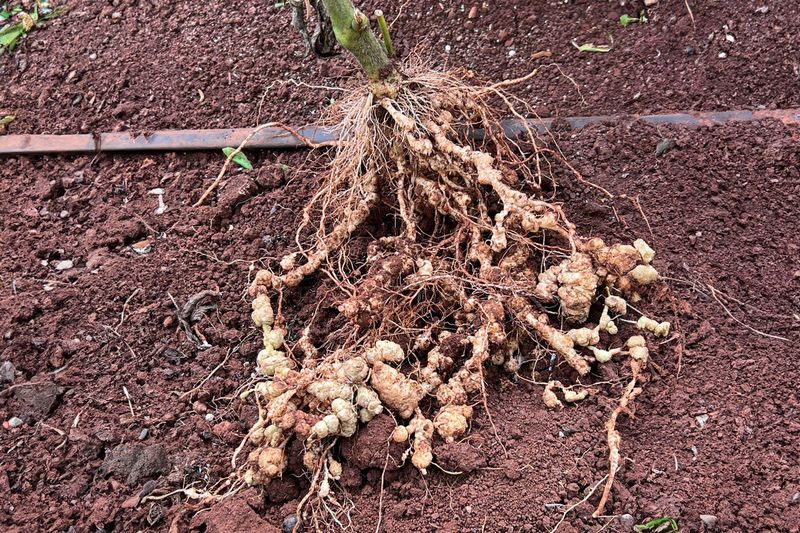
Root-knot nematodes form galls on roots, stunting plant growth and reducing yield. These roundworms are soil-borne, thriving in warm climates.
Crop rotation and resistant plant varieties help manage infestations.
Did you know? Root-knot nematodes can affect over 2,000 plant species, making them a formidable challenge in agriculture worldwide.
34. Cyst Nematode
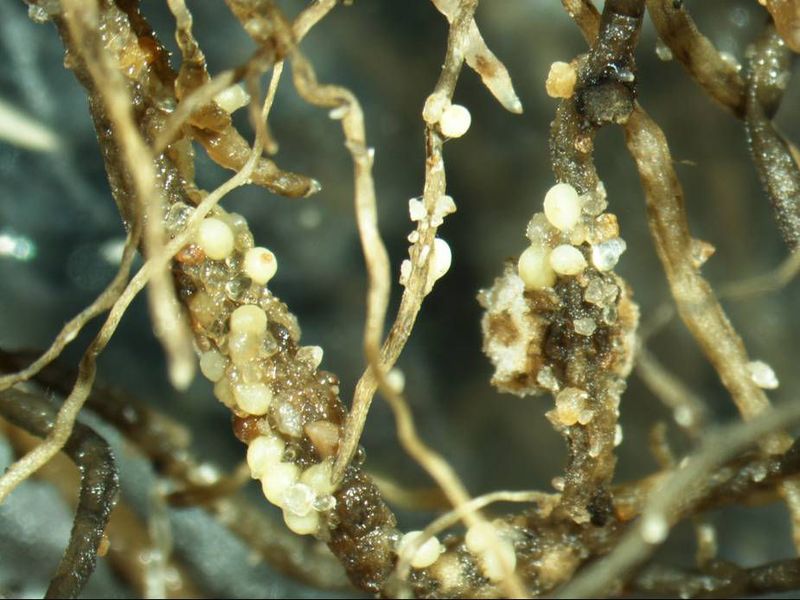
Cyst nematodes attack roots, forming cysts that reduce plant vigor and yield. Soybeans are particularly susceptible to these pests.
Crop rotation and resistant varieties are effective management strategies.
An intriguing fact: Cyst nematodes can remain dormant in soil for years, waiting for susceptible hosts to invade.
35. Lesion Nematodes
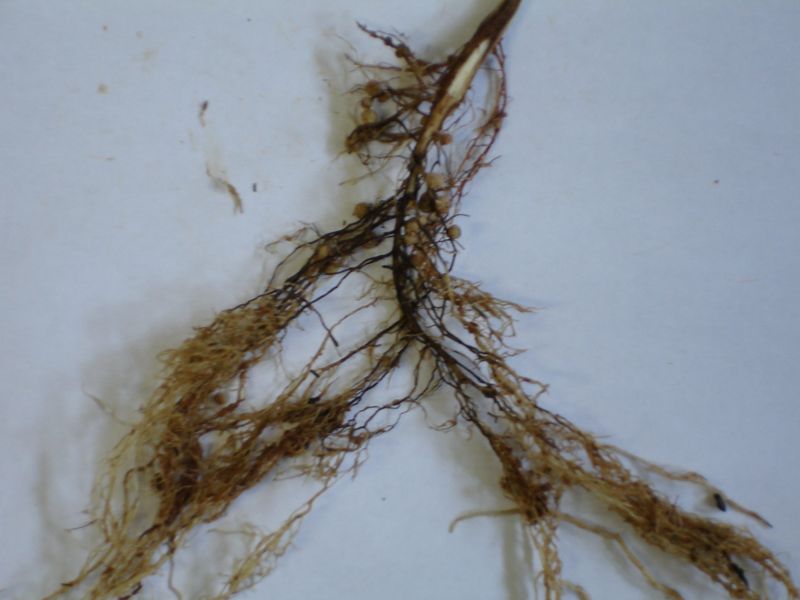
Lesion nematodes damage roots, causing dark lesions that impair water and nutrient uptake. Corn and potatoes are common victims.
Soil health management and resistant varieties can reduce impact.
Did you know? Lesion nematodes can reduce crop yield by 15% or more, requiring integrated management approaches for control.
36. Stem and Bulb Nematodes
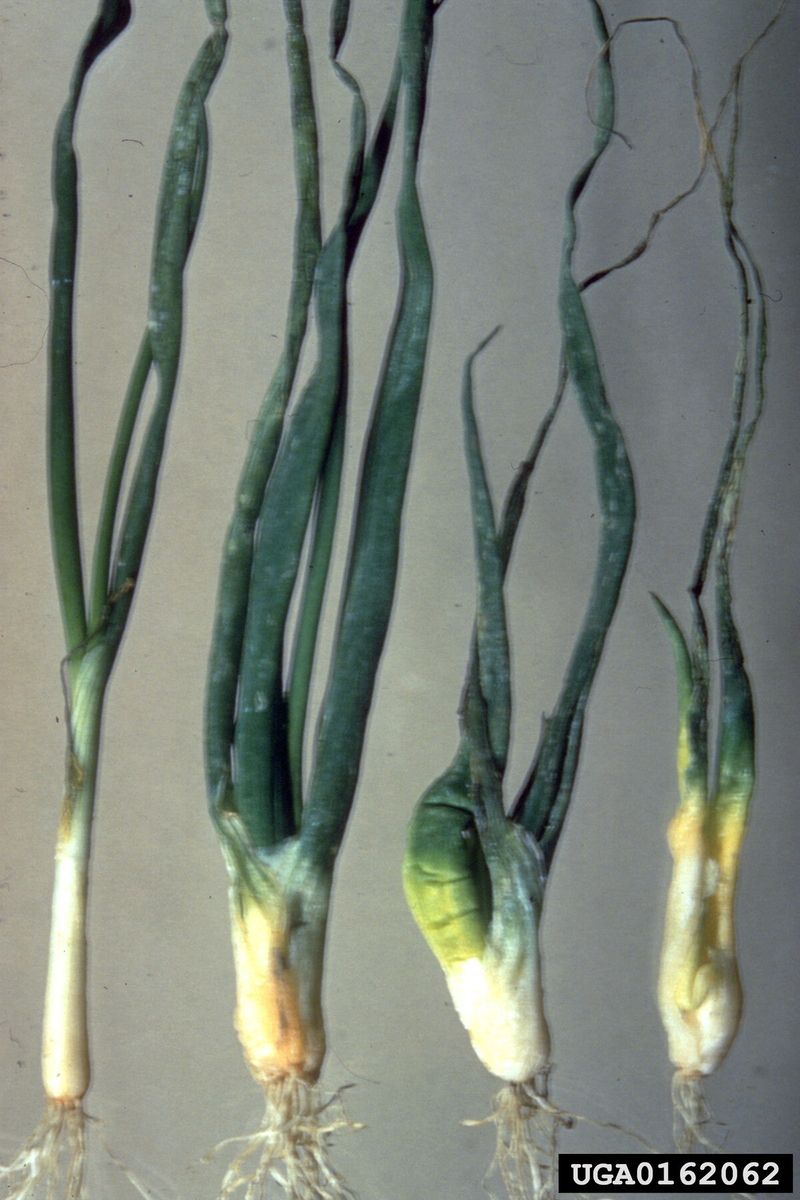
Stem and bulb nematodes distort growth in plants, affecting bulbs like onions and garlic.
Crop rotation and seed treatments are effective control measures.
A quirky fact: These nematodes can survive in dry bulb scales, making them resilient pests in storage environments.
37. Dodder
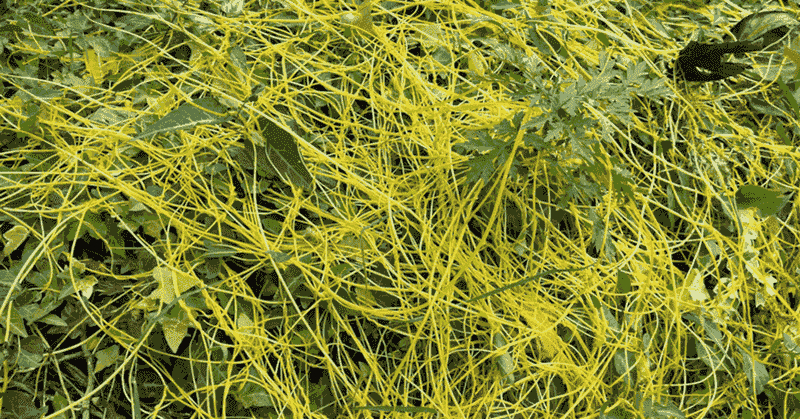
Dodder parasitizes plants with golden strands, stealing nutrients and weakening hosts. It targets a variety of species, from crops to ornamentals.
Physical removal and preventing seed production are primary controls.
Did you know? Dodder’s lack of chlorophyll makes it completely dependent on host plants for survival, leading to its nickname “vampire plant.”
38. Broomrape
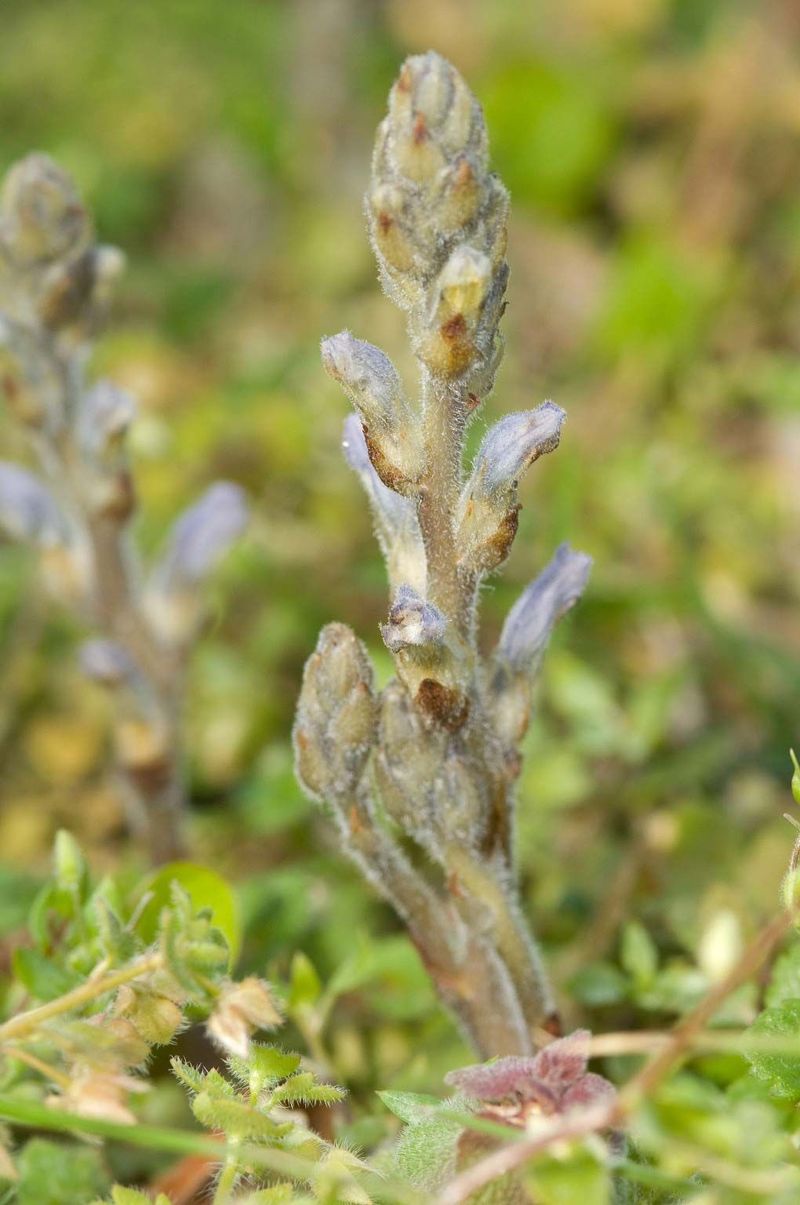
Broomrape attaches to roots, depriving hosts of nutrients and stunting growth. It affects crops like tomatoes and legumes.
Using resistant varieties and crop rotation help control its spread.
An interesting tidbit: Broomrape lacks chlorophyll, relying entirely on host plants for sustenance, making it a unique parasitic threat in agriculture.
39. Mistletoe
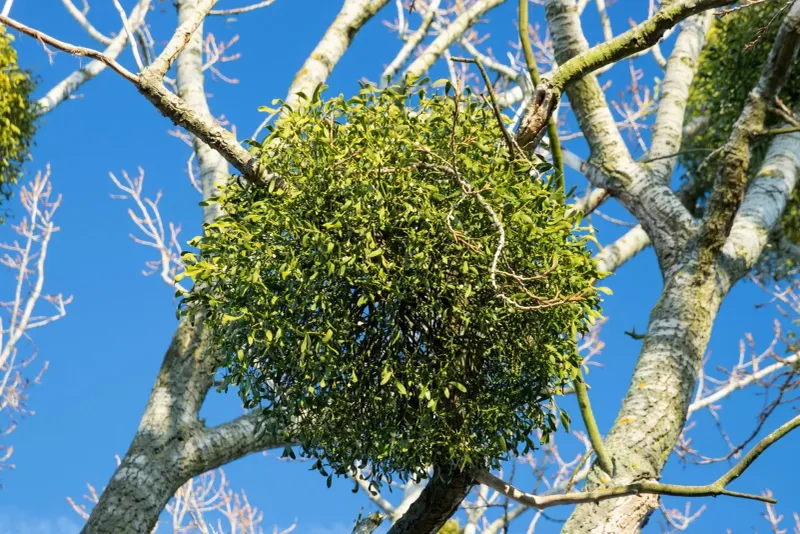
Mistletoe is a semi-parasitic plant, attaching to tree branches and drawing nutrients. It can weaken hosts but rarely kills them.
Pruning affected branches and managing host health are effective strategies.
Did you know? Mistletoe has been associated with various cultural traditions, particularly during the winter holidays, despite its parasitic nature.
40. Witchweed
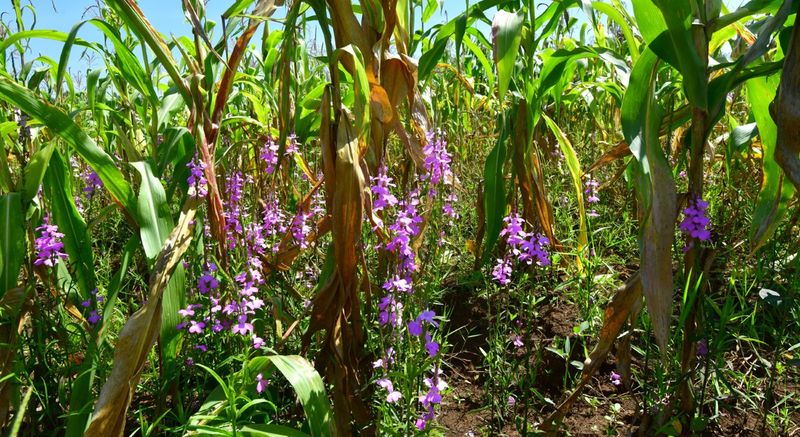
Witchweed, known for its colorful flowers, parasitizes roots of crops like corn and sorghum. It depletes nutrients, stunting host growth.
Crop rotation and resistant varieties help manage infestations.
An intriguing fact: Witchweed is a significant pest in Africa, affecting staple crops and threatening food security in the region.
41. Chlorosis
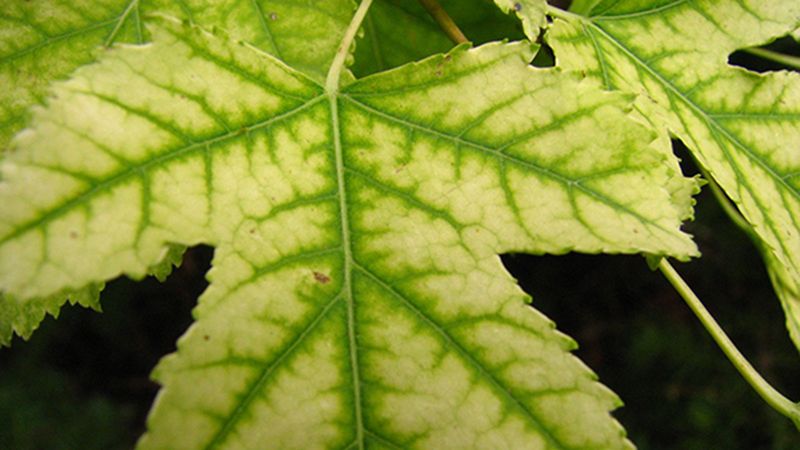
Chlorosis turns leaves yellow due to nutrient deficiencies, often from iron or nitrogen. It weakens plant health and growth.
Soil testing and appropriate fertilization are key to management.
Did you know? Chlorosis can be a symptom of more complex soil or environmental issues, requiring a comprehensive approach to resolve.
42. Leaf Scorch
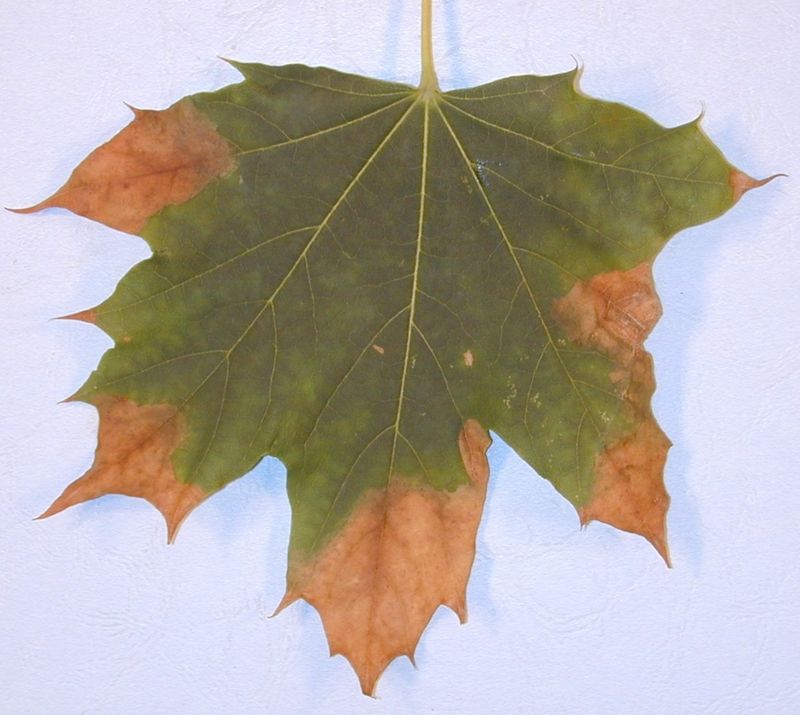
Leaf scorch burns leaf edges, caused by environmental stress like heat or salt. It reduces photosynthesis and vitality.
Improving watering practices and providing shade can mitigate symptoms.
An interesting note: Leaf scorch can be an indicator of broader environmental challenges impacting plant ecosystems.
43. Sunscald
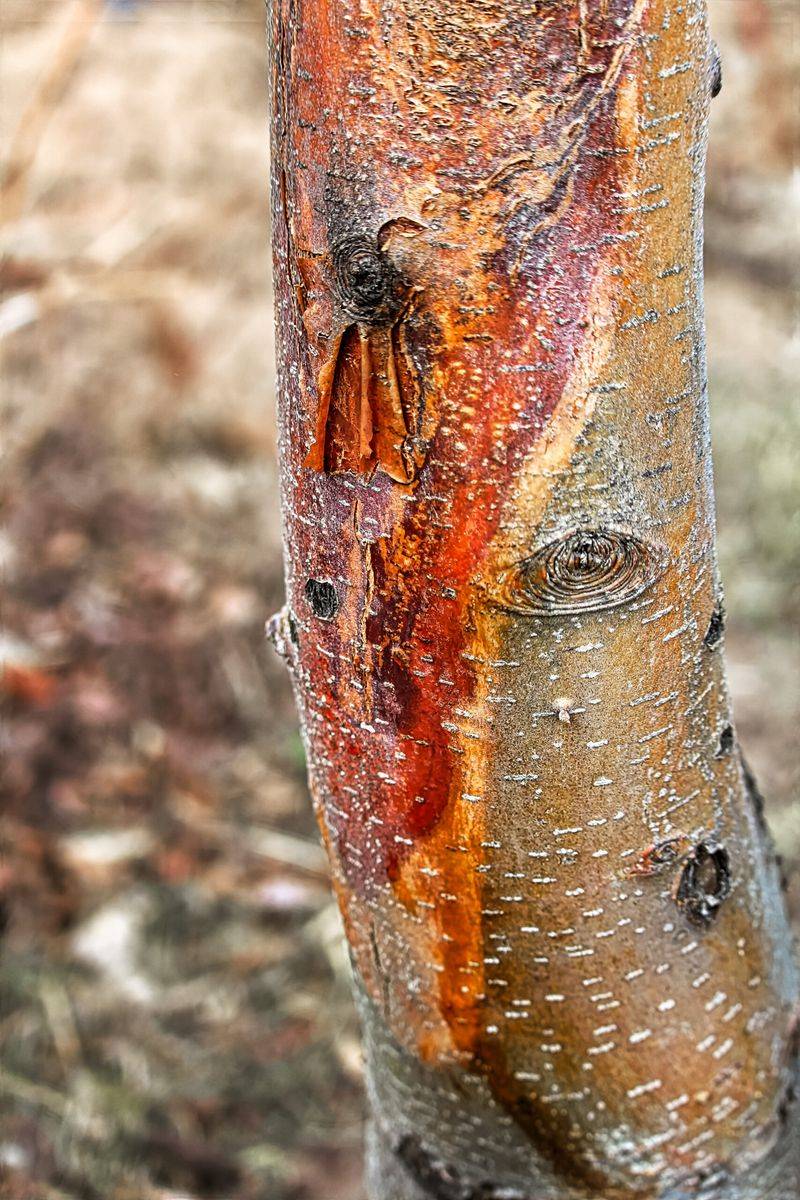
Sunscald cracks and discolors bark, especially on young trees. Extreme temperature fluctuations cause this condition.
Wrapping trunks and avoiding excessive pruning offer protection.
Did you know? Sunscald is often mistaken for pest damage, but it’s purely environmental, affecting the tree’s ability to transport nutrients effectively.
44. Tip Burn
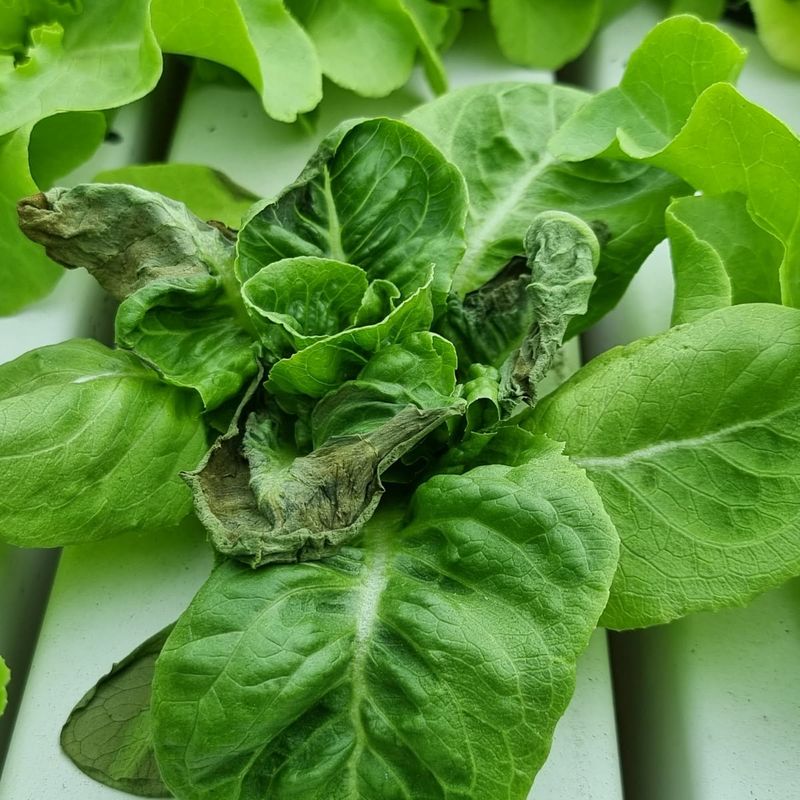
Tip burn browns leaf tips, usually due to calcium deficiency or uneven moisture. It affects crops like lettuce and cabbage.
Ensuring consistent watering and balanced nutrition are key management steps.
A quirky fact: Tip burn can significantly impact the marketability of leafy greens, affecting both visual appeal and nutritional quality.
45. Blossom-End Rot
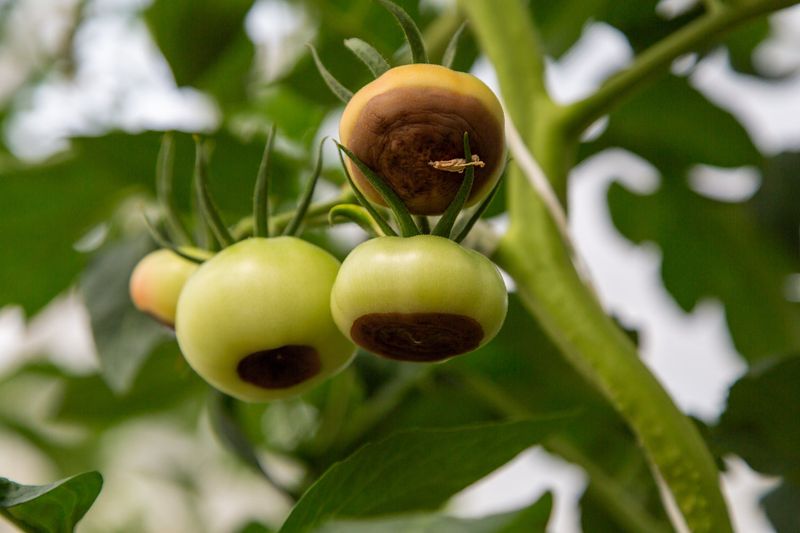
Blossom-end rot blemishes fruit, leaving sunken, dark spots. Calcium deficiency is the primary cause, exacerbated by irregular watering.
Consistent moisture and calcium-rich soil amendments prevent this disorder.
Did you know? Blossom-end rot isn’t a disease but a physiological disorder, often serving as a wake-up call for gardeners to adjust care practices.
46. Nutrient Toxicity
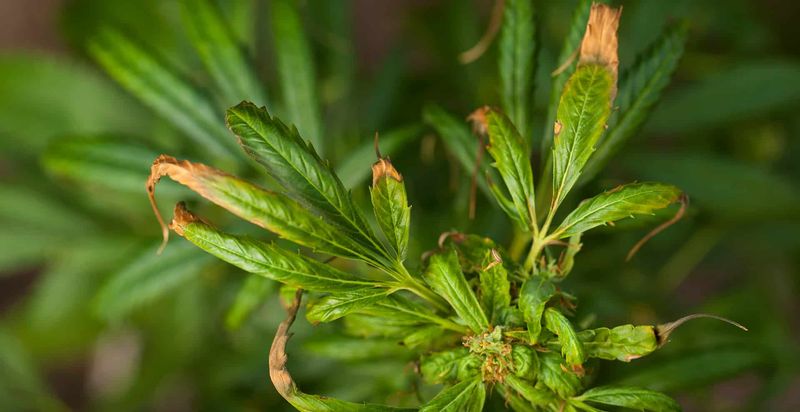
Nutrient toxicity burns leaves, often from excessive fertilization. Nitrogen and aluminum are common culprits.
Soil testing and balanced fertilization prevent this condition.
An intriguing note: Nutrient toxicity can mimic disease symptoms, making it important for gardeners to identify and adjust soil conditions accurately.
47. Ozone Damage
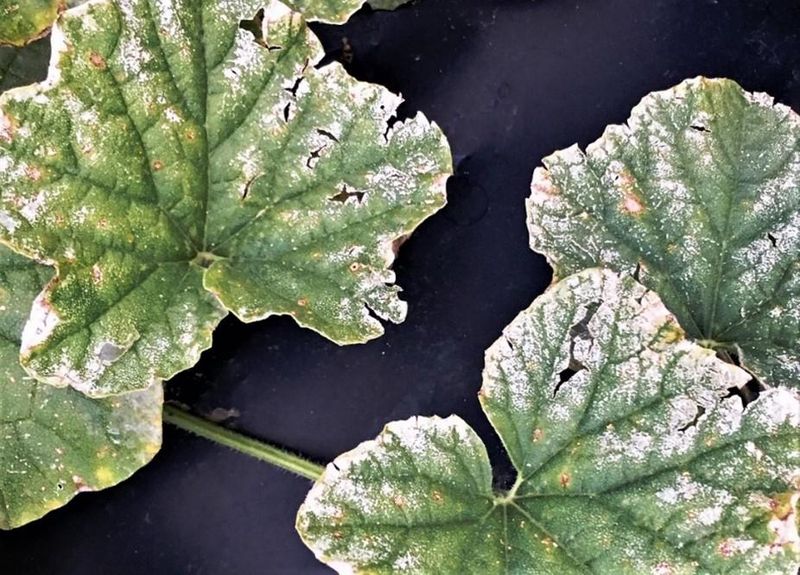
Ozone damage speckles leaves, affecting photosynthesis. It’s prevalent in areas with air pollution.
Reducing emissions and using resistant plant species are effective strategies.
Did you know? Ozone damage can lead to significant agricultural losses, highlighting the intersection of environmental health and food production.
48. Herbicide Injury
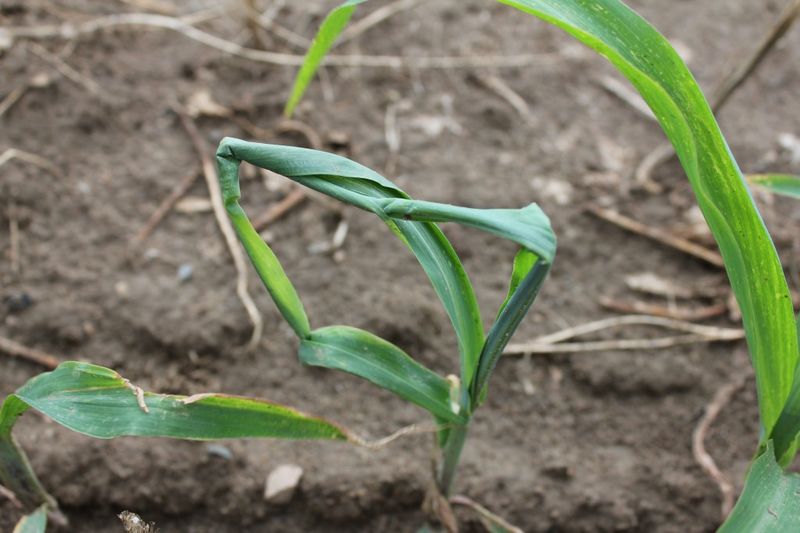
Herbicide injury curls and distorts leaves, often from drift or misapplication. It can mimic disease symptoms.
Proper application and monitoring weather conditions reduce risk.
An interesting fact: Herbicide injury can unintentionally affect neighboring plants, leading to unexpected challenges in garden and farm management.