 Complete Gardening

Eating a variety of nutritious vegetables is key to maintaining good health. This article explores the top 15 vegetables that pack the most nutritional punch, from leafy greens to colorful roots. Each vegetable offers unique health benefits and can easily be incorporated into your diet.
1. Kale – Packed with vitamin K, C, A, calcium, and antioxidants (like quercetin). Supports heart health and detoxification.
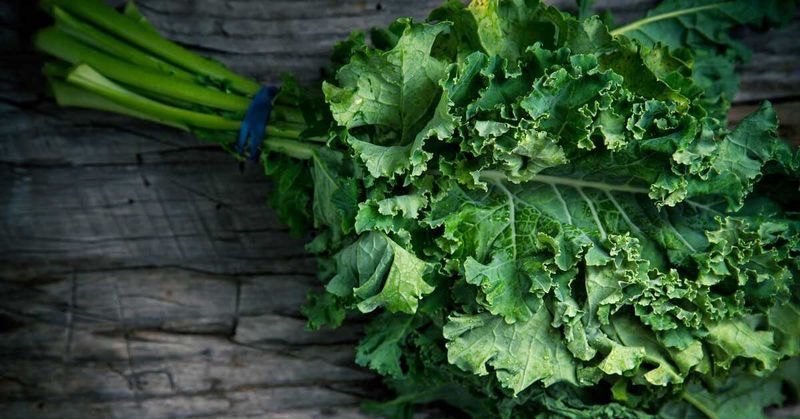
Kale stands tall in the world of leafy greens, boasting a rich nutrient profile. Its dark, curly leaves are packed with vitamin K, vitamin C, vitamin A, calcium, and powerful antioxidants like quercetin. These nutrients collectively support heart health and detoxification processes in the body.
Incorporating kale into your diet is simple; it can be added to smoothies, salads, or cooked dishes. Known as a superfood, it’s been praised for centuries, originally cultivated in the Mediterranean.
Whether you sauté it with garlic or blend it into a green juice, kale is a versatile addition to any meal.
2. Spinach – Rich in iron, folate, magnesium, and lutein (for eye health). Great raw or cooked.
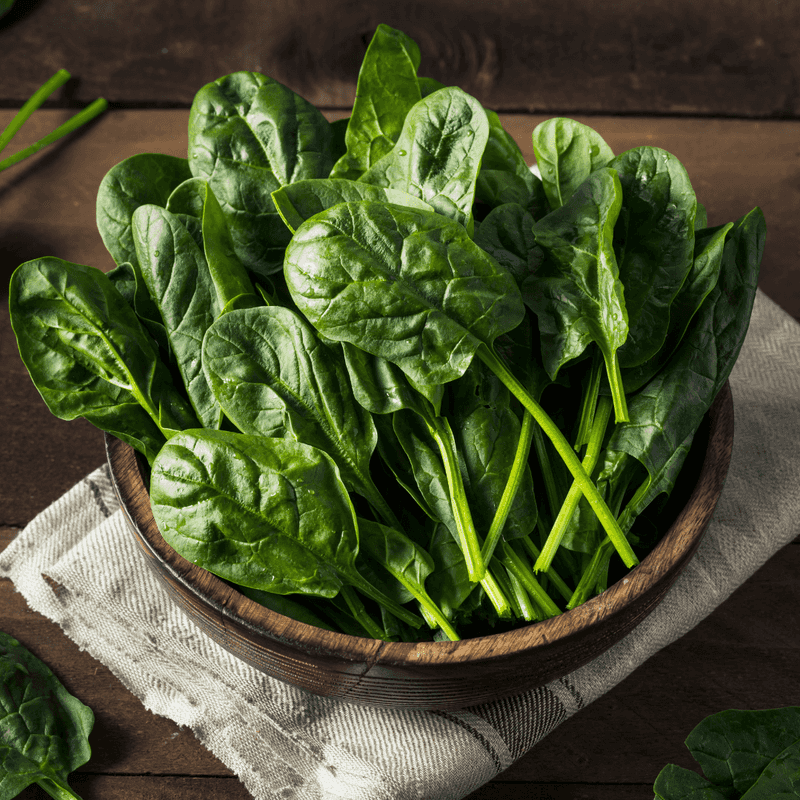
Spinach, with its deep green leaves, is a powerhouse of essential nutrients. Rich in iron, folate, magnesium, and lutein, it supports everything from eye health to muscle function.
Raw or cooked, spinach adds a gentle flavor and nutritional boost to any dish. Historically, it was consumed by ancient Persians and later traveled across the world.
Whether in a salad, smoothie, or sautéed with a splash of olive oil, spinach’s versatility is unmatched. Its mild taste allows it to blend seamlessly into a variety of culinary creations, making it a kitchen staple.
3. Swiss Chard – High in vitamin K, magnesium, and betalains (anti-inflammatory pigments).
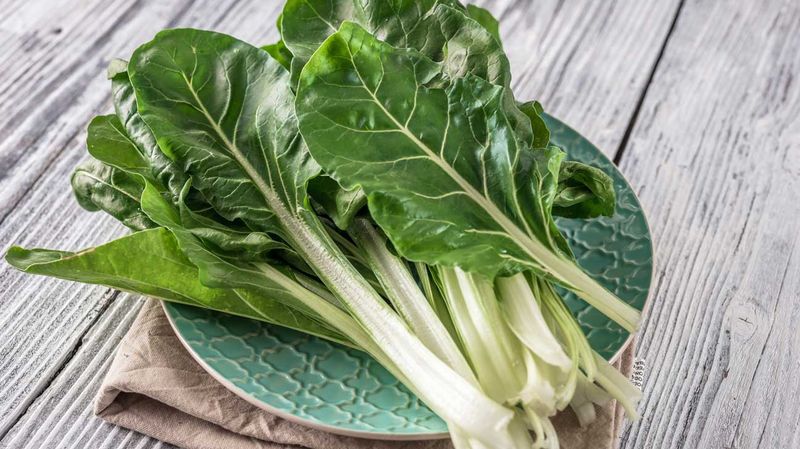
Swiss chard’s vibrant stalks and large, green leaves make it a visual treat in any garden or kitchen. It’s rich in vitamin K, magnesium, and betalains, pigments known for their anti-inflammatory properties.
This leafy vegetable brings a unique flavor to dishes, slightly earthy with a hint of bitterness. Whether you stir-fry it or add it to soups, Swiss chard enhances any meal.
Originating from the Mediterranean, it’s been a staple in various cuisines for centuries. Its colorful stems and rich taste are sure to make any dish pop with both color and nutrition.
4. Broccoli – Contains sulforaphane, a potent anti-cancer compound, plus fiber and vitamin C.

Broccoli, with its vibrant green florets, is celebrated not just for its taste but its health benefits. Containing sulforaphane, a compound with potent anti-cancer properties, it’s an essential addition to a healthy diet.
Beyond its cancer-fighting abilities, broccoli is rich in fiber and vitamin C, supporting digestion and boosting immunity. Whether steamed, roasted, or added to casseroles, its versatility is undeniable.
Historically, it hails from Italy, where it was cultivated for centuries. Its slightly bitter taste can be balanced with lemon or cheese, making it a favorite across generations.
5. Brussels Sprouts – Loaded with vitamin K, folate, and glucosinolates (supports liver detox).

Brussels sprouts, often misunderstood, are tiny cabbages packed with nutrients. They are rich in vitamin K and folate, essential for bone health and cell growth, respectively.
These little greens contain glucosinolates, compounds that support liver detoxification. When roasted to a golden brown, they develop a nutty, sweet flavor that many find irresistible.
Originating from Brussels, Belgium, they have been a staple in European diets for centuries. Pair them with balsamic vinegar or bacon to enhance their natural taste and convert skeptics into fans.
6. Bok Choy – A great source of calcium, vitamin C, and antioxidants (often overlooked).
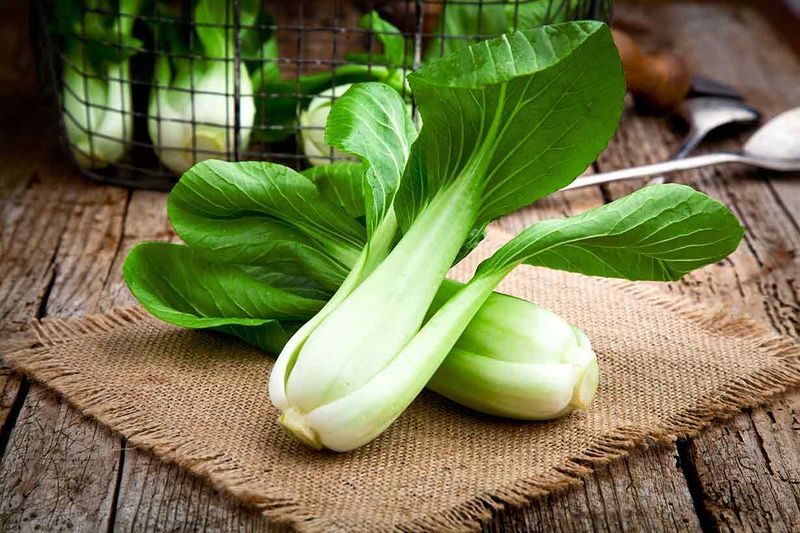
Bok choy, a staple in Asian cooking, is often underrated in Western kitchens. This leafy green is a fantastic source of calcium, vitamin C, and antioxidants, supporting bone health and boosting the immune system.
Its mild, crisp texture makes it perfect for stir-fries, soups, and salads. Not only does it add a slight peppery flavor, but its nutritional benefits are significant.
Cultivated for thousands of years in China, bok choy’s rich history is reflected in its culinary versatility. Whether cooked or raw, it’s a refreshing addition to any meal.
7. Red Bell Peppers – More vitamin C than oranges, plus capsanthin (a heart-healthy antioxidant).

Red bell peppers stand out not only for their bright color but also their nutritional profile. They boast more vitamin C than oranges, enhancing the immune system and skin health.
Capsanthin, a powerful antioxidant found in these peppers, promotes heart health. Their sweet and slightly tangy flavor makes them a favorite in salads, stir-fries, and raw snacks.
Originating from Central and South America, they have traveled worldwide, becoming a beloved kitchen staple. Their vibrant hue and juicy crunch make them an appealing choice for both health enthusiasts and chefs.
8. Purple Cabbage – High in anthocyanins (brain-boosting flavonoids) and vitamin C.
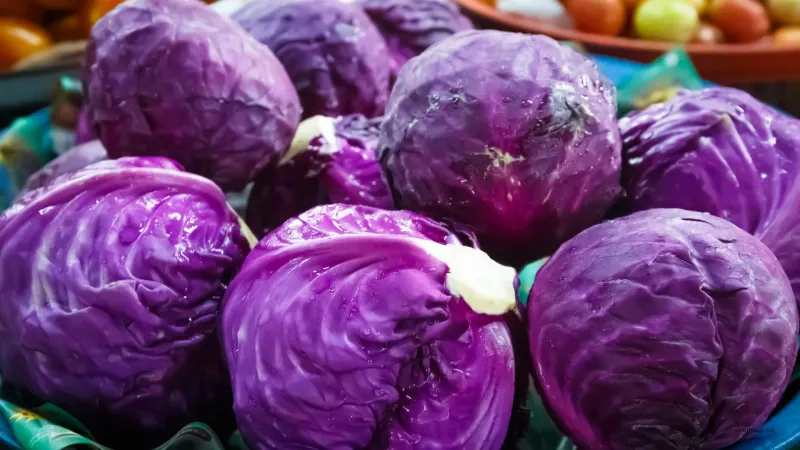
Purple cabbage, with its striking color, is not just a visual delight but a nutritional gem. High in anthocyanins, flavonoids that support brain health, it offers more than just a crunchy bite.
Rich in vitamin C, purple cabbage strengthens the immune system and improves skin health. Its slightly peppery flavor adds depth to salads, slaws, and stir-fries.
Historically grown in Europe, it’s been celebrated for its health benefits for centuries. Its vibrant hue and nutritional profile make it a standout choice for those looking to add color and health to their meals.
9. Beets – Rich in nitrates (improves blood flow) and betaine (supports liver function).
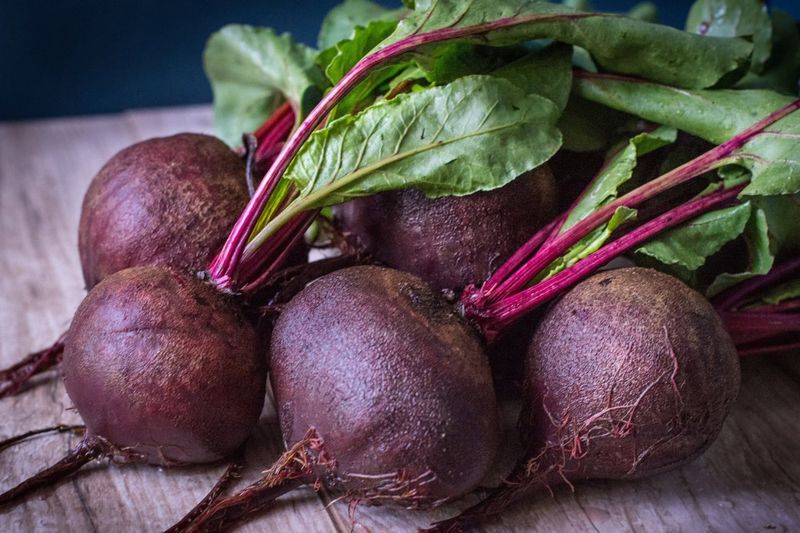
Beets, with their deep red color, are a favorite among health enthusiasts for their unique nutritional benefits. Rich in nitrates, they improve blood flow and lower blood pressure naturally.
Betaine, another compound found in beets, supports liver function and overall detoxification. Whether roasted, juiced, or boiled, beets add earthy sweetness to any dish.
Cultivated since ancient times, beets have been used in various cuisines worldwide. Their vibrant hue and distinct flavor make them a versatile addition to salads, soups, and even desserts.
10. Sweet Potatoes – Packed with beta-carotene, fiber, and potassium (great for gut health).
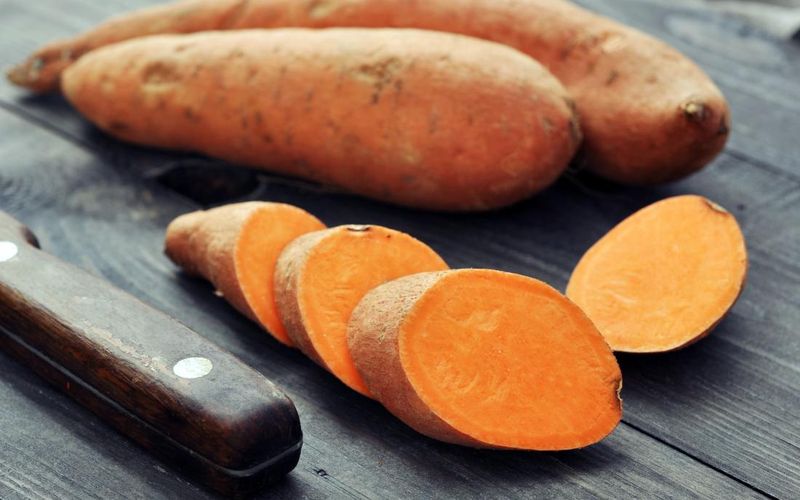
Sweet potatoes, with their natural sweetness and creamy texture, are a staple in many kitchens. Packed with beta-carotene, which converts to vitamin A, they support vision and immune health.
Rich in fiber and potassium, sweet potatoes promote healthy digestion and heart function. Baked, mashed, or roasted, they offer a delightful balance of flavor and nutrition.
Historically, these tubers have been cultivated across the globe, from the Americas to Asia. Their vibrant orange flesh and versatility make them a comforting, nutritious choice for meals year-round.
11. Carrots – High in vitamin A (beta-carotene), supports vision and immunity.
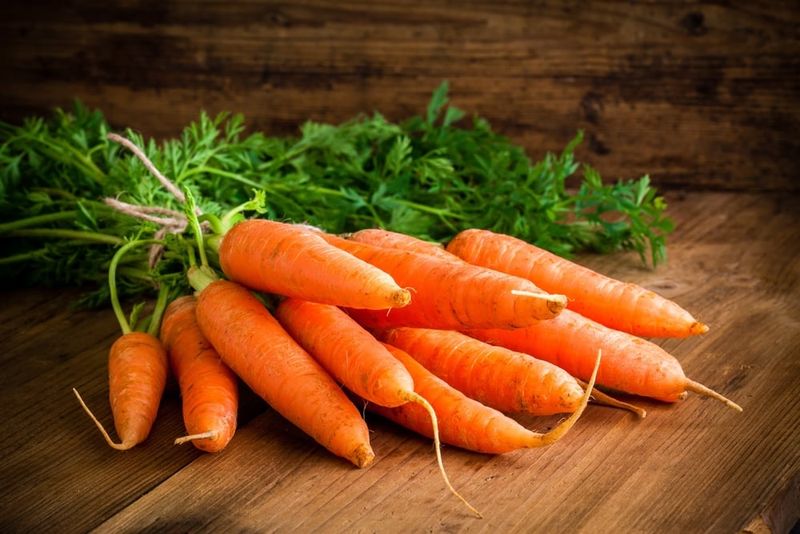
Carrots, often associated with bright orange hues, are more than just a crunchy snack. High in vitamin A, derived from beta-carotene, they support vision and boost immune function.
This root vegetable’s sweet and earthy flavor is perfect for both raw and cooked dishes. Carrots have been cultivated for centuries, originally purple and yellow before the orange variety became popular.
From salads to soups, their versatility is unmatched. Whether munching on them raw or incorporating them into a hearty stew, carrots offer a healthful punch to any meal.
12. Garlic – Contains allicin, a powerful anti-inflammatory and immune-booster.
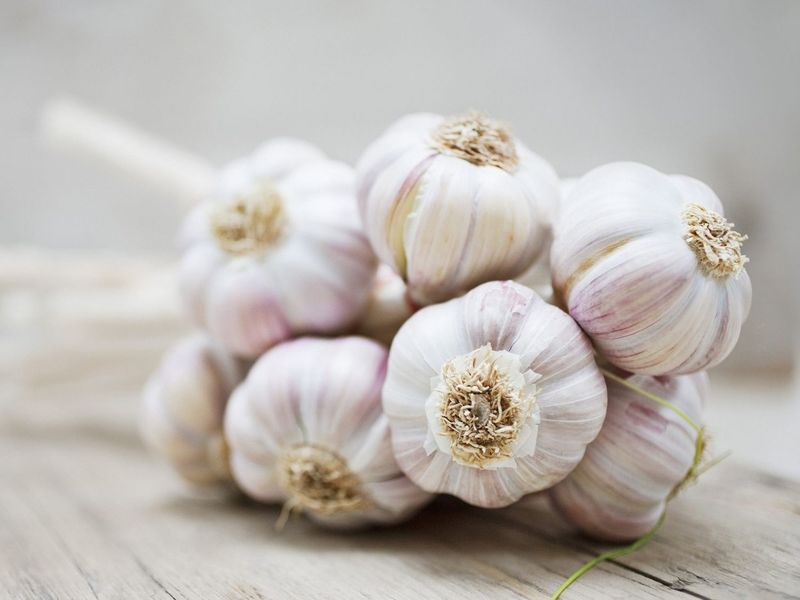
Garlic, with its pungent aroma, is a culinary staple known for its health benefits. Containing allicin, it’s a powerful anti-inflammatory and immune booster, often used in traditional remedies.
This flavorful bulb enhances dishes with its sharp taste, becoming mellower and sweeter when cooked. Historically used in various cultures, garlic’s medicinal properties have been revered for centuries.
From soups to sauces, its versatility adds depth and aroma to countless recipes. Beyond flavor, garlic’s health benefits make it a must-have in kitchens across the globe.
13. Zucchini – Low-calorie but rich in vitamin B6, manganese, and hydration.

Zucchini, often overlooked, is a low-calorie vegetable that packs a nutritional punch. Rich in vitamin B6, manganese, and offering hydration, it’s a summer favorite for health-conscious cooks.
Its mild, slightly sweet flavor makes it a versatile ingredient in both savory and sweet dishes. From spiralized noodles to baked goods, zucchini’s adaptability is endless.
Originating from the Americas, it’s become a staple worldwide. Whether grilled, roasted, or baked into bread, zucchini adds nutrition and moisture to any meal, making healthy eating enjoyable.
14. Asparagus – A top source of folate, glutathione (detoxifier), and prebiotic fiber.
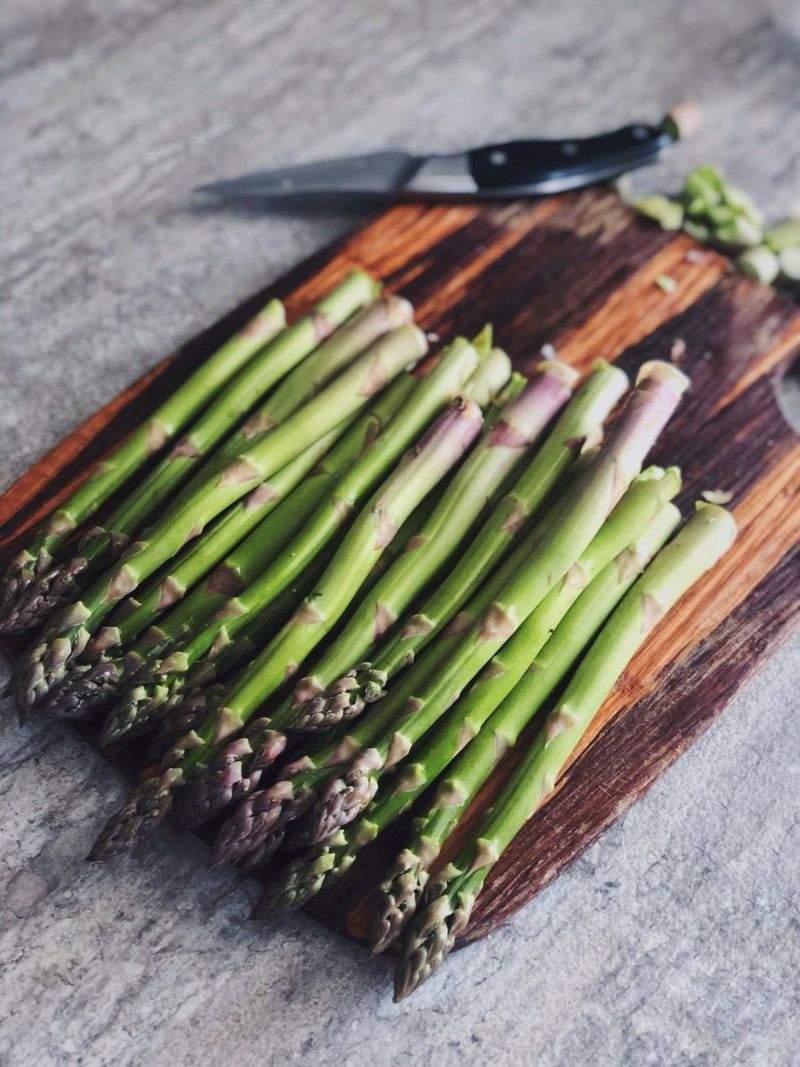
Asparagus, with its elegant spears, is a springtime favorite rich in nutrients. High in folate and glutathione, it supports cellular health and detoxification processes.
This vegetable’s unique flavor is both earthy and slightly bitter, making it a gourmet choice for many chefs. Its prebiotic fiber supports digestive health, making it a nutritious addition to any diet.
Historically, asparagus has been cultivated for over 2,000 years and remains a valued ingredient in global cuisines. Enjoy it steamed, grilled, or roasted for a taste of spring’s bounty.
15. Artichokes – One of the highest-fiber veggies, great for liver and digestive health.
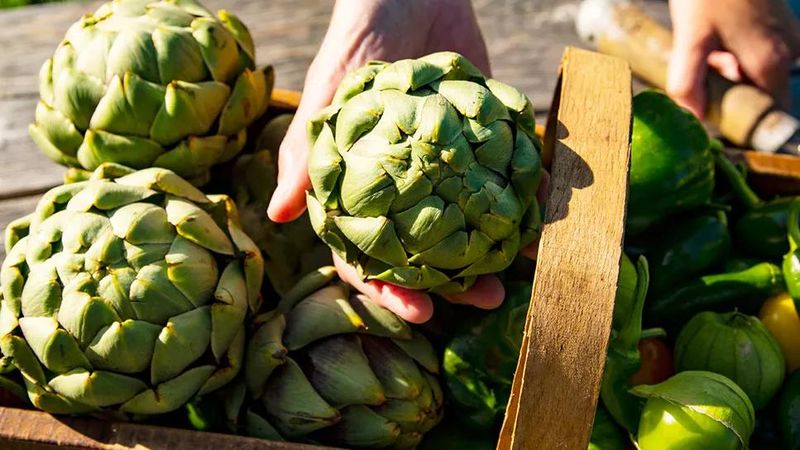
Artichokes, known for their unique appearance, are high in fiber, supporting digestive health. Rich in antioxidants, they promote liver function and overall wellness.
Their tender, slightly nutty flavor is a culinary delight, enjoyed steamed or grilled with a hint of lemon. Artichokes have been prized since ancient times, particularly in Mediterranean cuisines.
Peeling back the leaves reveals a tender heart, considered a delicacy and often served with dips or sauces. This vegetable’s unique texture and taste offer a delightful addition to any meal.